 Rogert
Unique tacos take center stage in a culinary journey that spans cultures and continents. As these versatile delights evolve, they showcase an array of flavors and ingredients, reflecting the culinary creativity and traditions of various regions. From street food stalls to gourmet kitchens, unique tacos invite adventurous eaters to explore new taste sensations and appreciate the stories behind each variation.
Across the globe, cultures have embraced the taco, transforming it into their own unique creations. For example, in Korea, tacos are filled with spicy bulgogi beef and topped with kimchi, while in Japan, sushi tacos combine seaweed wraps with fresh fish and vibrant vegetables. This fusion of local ingredients and traditional cooking techniques results in innovative flavors and textures, elevating the humble taco to new heights.
Unique taco variations from different cultures around the world
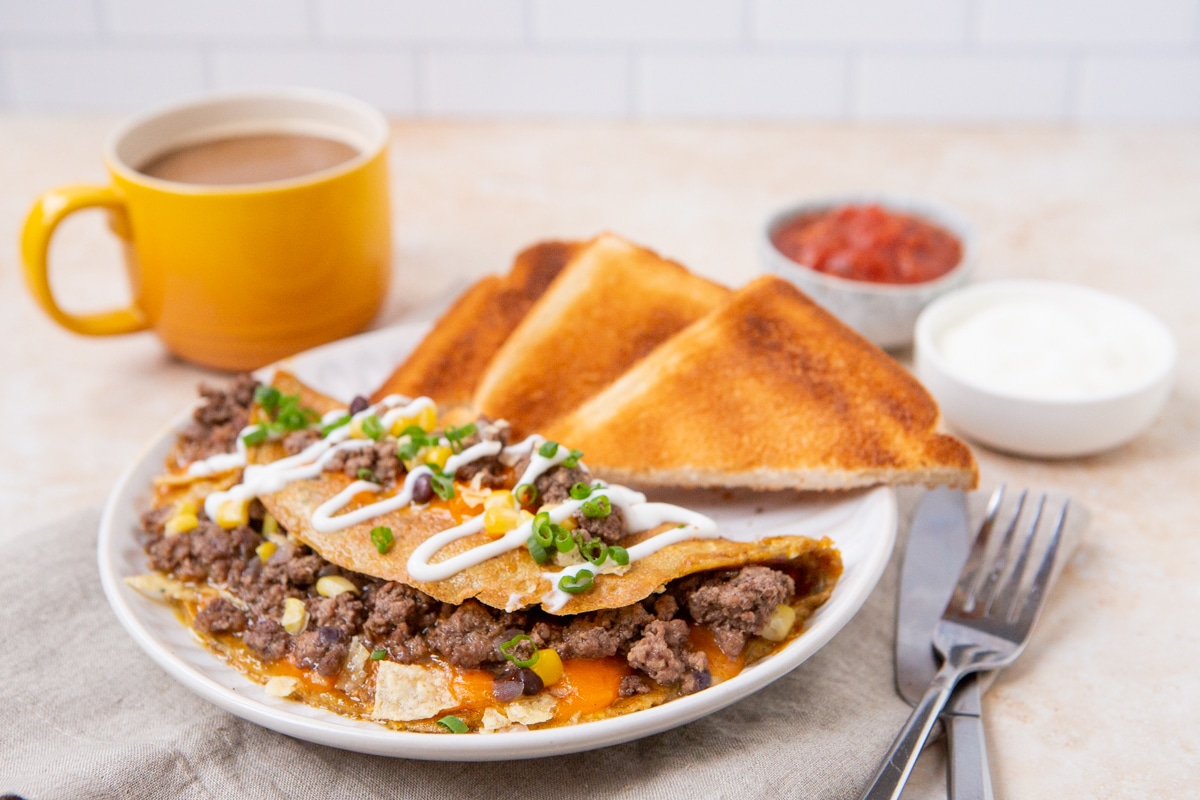
Tacos, originally a traditional Mexican dish, have transcended borders, allowing various cultures to interpret and adapt them to their culinary preferences. This global embrace has led to a delightful variety of taco variations, each reflecting local flavors, ingredients, and food traditions. The adaptability of tacos illustrates how a simple concept can evolve into a culinary canvas for creativity and innovation.
One notable example of taco adaptations can be found in the United States, where the taco has blended seamlessly with American culinary practices. The “Tex-Mex” taco, particularly popular in Texas, showcases a fusion of Mexican and American flavors. It typically includes a soft or crunchy tortilla filled with seasoned ground beef, cheese, lettuce, and diced tomatoes. A common ingredient that sets Tex-Mex tacos apart is the incorporation of processed cheese, such as Velveeta, which is melted and drizzled on top, creating a gooey and rich texture that resonates with American tastes.
In South Korea, the taco has taken on a distinctly Korean flavor profile with the “Korean BBQ taco.” This unique fusion combines marinated and grilled meats like bulgogi (thinly sliced marinated beef) or spicy pork, accented with traditional Korean sauces such as gochujang (red chili paste). The tacos are often topped with fresh vegetables like kimchi, pickled radishes, and sesame seeds, providing a spicy and tangy kick that contrasts beautifully with the sweetness of the meat. The use of a corn tortilla adds an interesting texture and makes for a delightful culinary experience.
Traveling to Brazil, we discover the “taco de feijão,” a variation that emphasizes local beans over meat. This taco is typically filled with spicy black beans, often garnished with farofa (toasted cassava flour), fresh cilantro, and slices of avocado. The use of feijão as the primary filling places a strong emphasis on Brazil’s rich agricultural heritage. Unlike traditional tacos filled with meat, the taco de feijão showcases the versatility of vegetarian options, appealing to the growing demand for plant-based meals.
The primary ingredients used in these unique taco variations highlight the cultural influences that shape each interpretation. While traditional Mexican tacos often feature ingredients like corn tortillas, seasoned meats, and fresh vegetables, these adaptations introduce elements like processed cheese, Korean barbecue flavors, or Brazilian beans. Each variation not only maintains the essence of the taco but also celebrates the distinct culinary practices and preferences of the culture from which it originates.
These unique taco variations from around the world illustrate how food can serve as a bridge between cultures, allowing for the exchange of flavors and traditions. The taco’s ability to adapt and flourish in diverse settings underscores its status as a beloved dish, continually evolving while retaining its core identity. This global taco journey is a testament to the universal appeal of great food, transcending borders and uniting people through shared flavors and experiences.
The fusion of flavors in unique taco recipes
The culinary world has always been a playground for creativity, and nowhere is this more apparent than in the realm of unique taco recipes. Chefs around the globe have taken traditional taco ingredients and elevated them by incorporating unexpected flavors from diverse cuisines. This fusion not only enriches the taco experience but also introduces eaters to a delightful blend of cultural tastes and techniques.
Chefs often combine familiar taco elements—tortillas, proteins, and toppings—with ingredients and cooking methods that surprise the palate. For instance, sushi tacos have emerged as a popular fusion dish that combines the freshness of sushi with the beloved taco format. Here, seaweed sheets may replace tortillas, filled with sushi rice, raw fish like tuna or salmon, and topped with avocado, spicy mayo, and sesame seeds. The juxtaposition of the warm and crispy seaweed with the cool, fresh fillings offers a unique sensory experience that is both satisfying and innovative.
Another exciting fusion is the Indian-style taco, which merges the rich flavors of Indian cuisine with classic taco elements. These tacos might feature spiced lentils or tandoori chicken tucked into corn tortillas, garnished with a refreshing mint chutney and crunchy pickled onions. The use of traditional Indian spices such as garam masala or cumin infuses the tacos with bold, aromatic flavors that transform the experience into a cross-cultural feast.
Cooking techniques also play a crucial role in enhancing the flavor profiles of these unique tacos. For example, grilling or charring the proteins can introduce a smoky depth that complements the other elements. Braising meats in aromatic spices before adding them to the taco can also intensify their flavors, making each bite a burst of deliciousness. Additionally, techniques like marinating fish for sushi tacos in citrus juices not only tenderizes the protein but enhances its flavor, creating a bright and zesty filling.
“Experimenting with flavor combinations is the heart of culinary innovation.”
In essence, the fusion of flavors in unique tacos showcases the ability of chefs to transcend traditional culinary boundaries. By blending ingredients, flavors, and cooking techniques from various cuisines, these taco creations become more than just a meal; they transform into a global culinary journey on a plate. From sushi-inspired fillings that speak to freshness and creativity to the rich, spiced offerings of Indian cuisine, each taco tells a story of cultural fusion and flavor exploration that has captivated food lovers everywhere.
Creative presentations of unique tacos
Tacos are more than just a meal; they are an experience that can stimulate all the senses. Creative presentations can elevate this experience, transforming a simple taco into an artistic delight that appeals not just to the palate but also to the eyes. When tacos are presented innovatively, they can enhance the overall dining experience, making it memorable and enjoyable. The way a dish is plated can influence not only a guest’s first impression but also their expectation of flavor and quality.
The importance of plating and presentation cannot be overstated, especially when it comes to unique tacos. A well-presented dish can evoke a sense of excitement and anticipation, encouraging diners to engage with their food. Visual appeal can entice guests to try new flavor combinations or appreciate familiar ingredients in an entirely new light. Creative presentations can also invite conversation and curiosity, further enhancing the dining atmosphere.
Innovative serving styles for unique tacos
Various innovative serving styles can significantly impact how tacos are perceived and enjoyed. Here are some standout methods that have garnered attention for their creativity and visual appeal:
- Taco Cones: Imagine a crispy cone filled with layers of vibrant ingredients. Taco cones not only provide a fun hand-held option but also allow for a playful exploration of flavors. The crunch of the cone pairs beautifully with fresh toppings, making each bite an explosion of taste.
- Deconstructed Tacos: This presentation style takes the traditional taco apart and presents the components separately. Diners can mix and match ingredients according to their preferences, which not only enhances the interactive aspect of dining but also allows for personalized flavor combinations.
- Taco Platters: A taco platter can serve multiple varieties of tacos, beautifully arranged for sharing. This communal approach fosters a sense of togetherness, encouraging diners to sample and discuss different options. Each taco can be styled distinctly, visually representing its unique flavor profile.
- Edible Bowls: Serving tacos in edible bowls made from ingredients like cheese or baked tortillas adds a creative twist. This method not only eliminates the need for dishes but also enhances the flavor experience as the bowl can complement the taco fillings.
The impact of these serving styles on the perception of tacos is profound. By breaking away from traditional presentations, they invite diners to engage more deeply with their meal. The creativity displayed in the presentation can create lasting memories and even encourage social media sharing, further promoting the dining establishment. In essence, the way tacos are served can elevate them from a simple food item to a culinary work of art.
The impact of local ingredients on unique taco creations
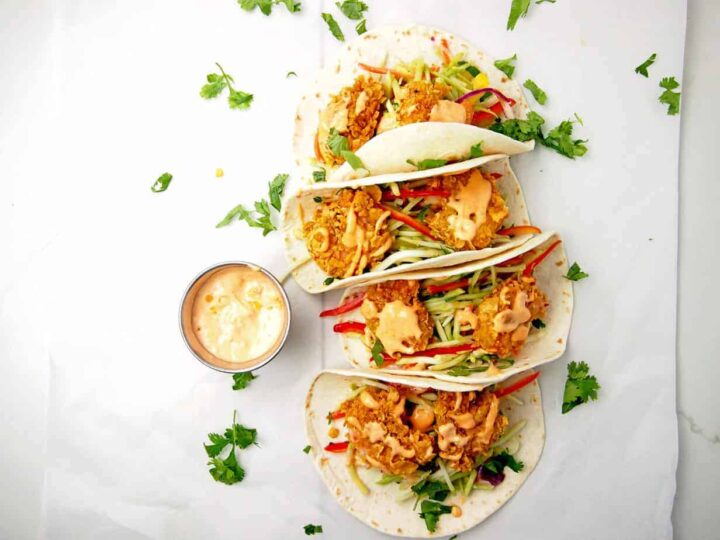
Local ingredients play a significant role in shaping unique taco recipes across various regions. Their availability not only influences flavor profiles but also encourages culinary creativity, leading to regional specialties that reflect the local culture and agricultural practices. By incorporating seasonal and locally sourced produce, chefs and home cooks alike are able to craft tacos that are not just meals but also a celebration of community and sustainability.
The influence of local ingredients on taco creations is evident in the diverse flavors and textures found in different regions. For example, in coastal areas, seafood tacos might feature fresh catch like grilled shrimp or fish, topped with local fruits such as mango or pineapple, which enhance the dish with a sweet and tangy contrast. Alternatively, in the Midwest, where farms produce an abundance of corn, tacos might be filled with grilled corn and zucchini, seasoned with fresh herbs from nearby gardens. These illustrations highlight how regional agriculture directly impacts taco fillings, showcasing the importance of seasonal ingredients.
Examples of unique tacos with seasonal or local produce
Tacos are a canvas for showcasing local produce, and here are some standout examples:
1. Fish Tacos with Avocado Salsa: In Baja California, fish tacos are a staple, often featuring battered and fried local fish, garnished with a zesty avocado salsa made from ripened avocados cultivated in the region. This dish not only highlights the fresh seafood but also emphasizes the importance of using ripe, local ingredients for the perfect flavor.
2. Pineapple Chipotle Tacos: In regions where pineapple is abundant, such as Hawaii, tacos may be filled with grilled pork marinated in a chipotle sauce and topped with fresh pineapple salsa. This combination reflects local tastes and ingredients while presenting a unique twist on traditional flavors.
3. Vegetarian Tacos with Seasonal Vegetables: Many urban farmers’ markets feature fresh, organic produce that inspires vegetarian taco recipes. Ingredients like roasted bell peppers, seasonal squash, and heirloom tomatoes can be combined with local cheeses and herbs to create vibrant, flavorful tacos that honor the farm-to-table movement.
Sustainability and farm-to-table practices are integral to the creation of unique taco dishes. By sourcing ingredients from local farms, restaurants can reduce their carbon footprint and support the local economy. This connection between farm and table not only ensures freshness and quality but also fosters a sense of community. Diners enjoy the knowledge that their meals are made from ingredients harvested at their peak, preserving the essence of the flavors that define local cuisine. The use of sustainable practices encourages chefs to innovate, crafting tacos that align with the rhythms of nature and the seasons.
The rise of plant-based unique tacos in modern cuisine
The culinary landscape has seen a remarkable shift towards plant-based diets, which has significantly influenced the way tacos are being prepared and enjoyed. Traditionally, tacos have been synonymous with meat-based fillings, but the rising popularity of plant-based unique tacos is reshaping this classic dish. This trend caters not only to vegetarians and vegans but also to health-conscious consumers and those looking to reduce their meat consumption for environmental reasons.
Plant-based unique tacos offer a delicious and diverse range of flavors that appeal to various dietary preferences while maintaining the essence of traditional tacos. Unlike traditional taco fillings that predominantly feature meats such as beef, pork, or chicken, innovative plant-based alternatives are now taking center stage. For instance, jackfruit, with its pulled pork-like texture, provides a satisfying and flavorful option. Similarly, mushrooms are being used widely due to their umami-rich profile, mimicking the depth of flavor typically found in meat.
Innovative plant-based alternatives for traditional taco fillings
The appeal of plant-based unique tacos is further enhanced by the variety of ingredients that can effectively substitute traditional meats, ensuring that everyone can enjoy a taco night without compromising on taste or texture. The following ingredients have emerged as popular choices in the creation of plant-based taco fillings:
- Jackfruit: This tropical fruit is gaining popularity as a versatile meat substitute. When cooked, it shreds easily and absorbs flavors well, making it an excellent alternative for pulled pork tacos.
- Mushrooms: Varieties such as portobello and shiitake offer a hearty texture and deep flavor, which can stand in for beef or chicken in tacos, providing a rich umami taste.
- Lentils: These protein-packed legumes can be seasoned and cooked to create a taco filling that mimics the texture of ground meat. They are also a great source of fiber and nutrients.
- Tofu: This soy-based protein can be marinated and grilled or sautéed, providing a light yet satisfying filling that can be easily customized with spices and sauces.
- Cauliflower: When roasted or grilled, cauliflower can add a delightful crunch while absorbing spices and ingredients that make it an exciting taco topping.
- Tempeh: A fermented soy product, tempeh has a nutty flavor and firm texture, making it an ideal alternative for creating savory taco fillings.
The diversity of these ingredients opens a world of culinary creativity, allowing chefs and home cooks alike to experiment with flavors and textures. Additionally, toppings such as avocado, fresh cilantro, pickled onions, and zesty salsas add layers of flavor and visual appeal to plant-based tacos, reflecting the vibrant nature of modern cuisine. The combination of these elements not only satisfies the palate but also aligns with a growing desire for healthier, plant-centric options that resonate with environmental sustainability and ethical eating.
In conclusion, the rise of plant-based unique tacos signifies a broader trend towards inclusivity in the culinary world, allowing everyone to enjoy the taco experience, regardless of their dietary preferences. The innovation seen in these tacos showcases a perfect blend of tradition and modernity, ensuring that they remain a staple in both casual and gourmet dining.
Unique taco pairings with beverages
Tacos are not just a meal; they’re an experience that can be enhanced through thoughtful beverage pairings. The right drink can accentuate the flavors of the taco, creating a harmonious dining experience. This section explores various beverages that complement unique taco flavors, including wines, beers, and non-alcoholic options, while also considering the cultural significance of these pairings across different regions.
Beverage pairings for unique taco flavors
Pairing beverages with tacos involves understanding the ingredients and flavors of the tacos. Each taco type offers a unique flavor profile, making it essential to choose drinks that will either complement or contrast these flavors effectively. Below are some excellent pairings to consider:
– Tacos al Pastor: The sweetness of the pineapple and spiced pork can be beautifully complemented by a light, citrusy Sauvignon Blanc or a refreshing Mexican pale ale like Pacifico. The acidity in these beverages balances the richness of the meat.
– Fish Tacos: A crisp and refreshing lager or a fruity Rosé pairs wonderfully with fish tacos. These beverages provide a clean finish that complements the lightness of the fish and any zesty toppings like lime or salsa.
– Vegetarian Tacos: For tacos packed with roasted vegetables or beans, a chilled Verdejo or a hoppy IPA works well. The bitterness of the IPA cuts through the richness of ingredients like avocado and cheese.
– Barbacoa Tacos: The rich, savory flavors of barbacoa call for a robust red wine, such as a Malbec, or a dark beer like a stout. These beverages enhance the deep flavors of the meat without overpowering them.
– Sweet Potato Tacos: Sweet potatoes bring a natural sweetness that can be paired with a slightly sweet Riesling or a ginger beer. The spice of the ginger complements the sweetness, creating a well-rounded flavor profile.
Cultural significance often plays a role in beverage choices. In Mexico, it’s common to enjoy tacos with a cold cerveza, while in regions like the Southwest U.S., craft beers have become popular companions. For non-alcoholic options, aguas frescas, such as hibiscus or tamarind, offer a flavorful and refreshing complement to tacos, bringing a local touch that resonates with traditional practices.
Throughout various cultures, the act of pairing food with drink is an integral part of the dining experience. The combination of unique tacos with thoughtfully chosen beverages not only enhances flavors but also fosters a sense of community, encouraging shared meals and conversation around the table.
Unique taco challenges and competitions
In the vibrant world of culinary arts, taco challenges and competitions have emerged as thrilling platforms for chefs to showcase their creativity and skill. These events not only celebrate the beloved taco but also encourage participants to push their culinary boundaries. From local festivals to international contests, the unique flavors and innovative presentations of tacos captivate audiences and judges alike, making for an entertaining and gastronomically exciting experience.
Taco-related competitions often bring together chefs and taco enthusiasts to compete in various formats. These contests can range from creating the most flavorful taco to constructing the most visually stunning presentation, encouraging participants to think outside the box. Famous taco festivals, such as the San Antonio Taco Fest and the San Diego Taco Fest, feature competitions that highlight the creativity and cultural significance of tacos, attracting participants from across the country to demonstrate their unique culinary talents. These events foster a sense of community while celebrating diverse styles and flavors of tacos.
Criteria for judging unique taco entries
Successful taco competitions rely on established criteria to evaluate the myriad entries. Judges typically assess tacos based on several key factors that reflect the ingenuity and quality of the creations. Below are some significant criteria used in these competitions:
- Flavor: The most critical aspect of any taco is its flavor profile. Judges look for a balanced combination of spices, fresh ingredients, and unique flavors that create an unforgettable taste experience.
- Presentation: Visual appeal plays a significant role in judging. A well-presented taco can enhance the overall experience and impress the judges. Attention to detail, color contrast, and plating techniques are essential for making a strong impression.
- Creativity: Competitors are encouraged to experiment with unexpected ingredients or innovative techniques. Unique twists on traditional recipes can earn extra points, showcasing the chef’s creativity and willingness to take risks.
- Texture: A well-crafted taco should have a variety of textures that enhance the eating experience. Judges assess the balance between crunchy, creamy, and tender elements, ensuring a fulfilling bite.
- Use of ingredients: The quality and freshness of ingredients are crucial. Judges appreciate the use of locally sourced or seasonal produce, as well as any innovative combinations that highlight unique flavors.
Competitions like the Taco Challenge at the San Antonio Taco Festival allow chefs to demonstrate their abilities while also engaging the audience with entertaining presentations. In these contests, creativity reigns supreme, encouraging chefs to explore new flavor profiles. The camaraderie among participants and the lively atmosphere create an engaging environment for both competitors and spectators.
“The taco is a canvas; what you create on it tells your culinary story.”
Overall, unique taco challenges and competitions serve as vital platforms for culinary artists to express their creativity, push their limits, and connect with their communities. They inspire innovation within the culinary landscape while celebrating the enduring popularity of this iconic dish.
Closure
In summary, the world of unique tacos offers a rich tapestry of flavors, creativity, and cultural significance. As chefs continue to experiment with ingredients and presentation styles, these delightful creations captivate the senses and bring people together. Whether enjoyed at a local taco stand or a fine dining establishment, unique tacos are a testament to the endless possibilities of culinary exploration and the joy of sharing good food.
FAQ Corner
What makes a taco unique?
A unique taco is defined by its innovative ingredients, flavors, and presentation that deviate from traditional taco norms.
Can unique tacos accommodate dietary restrictions?
Yes, many unique taco recipes are designed to accommodate various dietary preferences, including vegetarian, vegan, and gluten-free options.
How do cultural influences shape unique taco recipes?
Cultural influences shape unique tacos by integrating local ingredients, cooking techniques, and flavor profiles, creating a distinct fusion of tastes.
What are some common ingredients in unique taco variations?
Common ingredients in unique taco variations can include different proteins, fresh vegetables, exotic sauces, and alternative bases like lettuce or sushi rice.
Are there competitions for unique tacos?
Yes, many food festivals host taco competitions where chefs showcase their creative takes on tacos and compete for titles and awards.