 Rogert
Specialty tacos are more than just a meal; they represent a vibrant tapestry of cultural influences and regional flavors that have evolved over time. These culinary delights showcase the rich heritage of various communities, each contributing unique ingredients and preparation techniques that make every taco a story on its own.
From the smoky flavors of barbacoa in Mexico to innovative combinations that push traditional boundaries, specialty tacos invite food lovers to explore and celebrate diverse tastes. As chefs experiment with unconventional ingredients and local sourcing, the evolution of tacos reflects broader trends in sustainability and dietary preferences, making it an exciting time to indulge in this beloved dish.
Specialty tacos
Tacos are more than just a meal; they are a cultural symbol that reflects the diverse flavors and traditions of regions across Mexico and beyond. Each specialty taco tells a story, showcasing the unique culinary influences that come from various cultural backgrounds. By exploring these regional variations, we can appreciate the historical significance and the intricate ingredients that contribute to the richness of taco culture.
The influence of different cultures on specialty tacos is profound, as each region infuses its culinary techniques and local ingredients into taco creations. In the coastal regions, seafood tacos are prevalent, using fresh fish and shellfish prepared with citrusy salsas and vibrant garnishes. In contrast, the northern regions often emphasize meat, with hearty fillings such as grilled beef or pork, accompanied by robust salsas and cheese.
Cultural Influences on Taco Ingredients
Regional variations in taco ingredients and flavors reveal the rich tapestry of culinary traditions across Mexico. The diversity of climate, agriculture, and cultural practices influences what goes into each taco.
- In Oaxaca, tlayudas (large corn tortillas) filled with beans, cheese, and local meats showcase indigenous ingredients like mole, a complex sauce that reflects the region’s pre-Hispanic roots.
- In Baja California, fish tacos highlight the fusion of Mexican and Californian influences, featuring battered or grilled fish topped with fresh cabbage and creamy sauces, influenced by the coastal lifestyle.
- The Yucatán region incorporates local spices and techniques, using cochinita pibil (slow-roasted pork) marinated in achiote paste, a method derived from Mayan cooking traditions, which adds a unique flavor profile to their tacos.
- In Mexico City, tacos al pastor represent Lebanese influence, featuring marinated pork cooked on a vertical spit, served with pineapple and cilantro, illustrating the melting pot of culinary traditions in the capital.
Regional taco styles also have historical significance, often reflecting the socio-economic circumstances and historical events of their time. For instance, tacos de canasta (basket tacos) originated from the need for portable and affordable meals for workers in bustling urban areas. This style showcases simple, yet flavorful fillings and has evolved to become a staple of street food culture.
“Tacos are a reflection of the environment, history, and culture of the people who create them.”
The culinary evolution of tacos continues to be influenced by globalization, leading to innovative fusions that incorporate flavors from around the world, further enriching the taco landscape.
Innovative ingredients that elevate specialty tacos
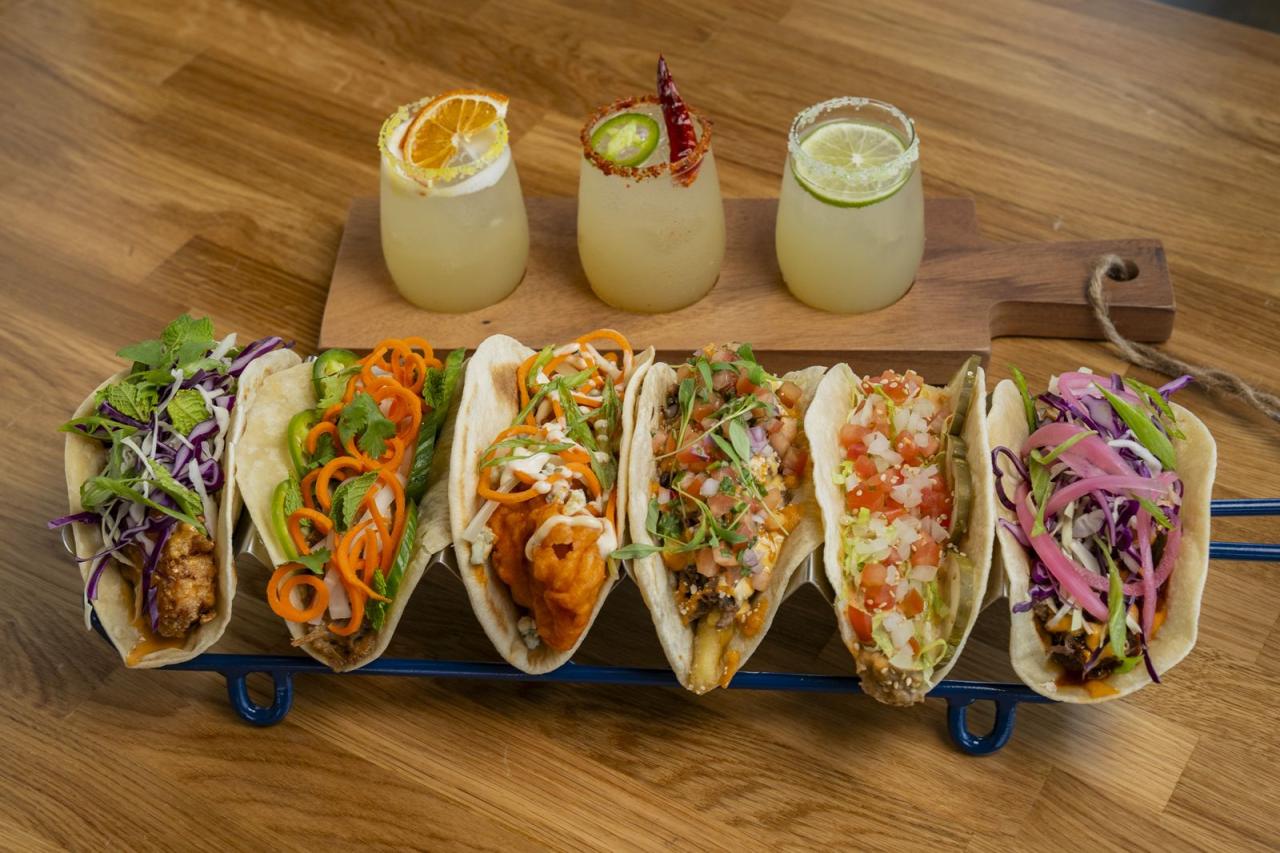
As the culinary world continues to evolve, specialty tacos have become a canvas for creativity and innovation. Chefs are increasingly experimenting with unconventional ingredients that not only enhance the taco experience but also challenge traditional notions of what a taco can be. From unique proteins to unexpected toppings, these innovations are drawing in adventurous food lovers eager to explore new flavors and textures.
One of the most exciting aspects of modern taco innovation is the use of unconventional ingredients. Chefs are incorporating items that were once considered outside the realm of traditional taco fillings, creating a fusion of flavors that surprise and delight. This trend is seeing the inclusion of various proteins, vegetables, and even fruits that elevate the humble taco to gourmet status.
Unconventional Ingredients in Specialty Tacos
The rise of unconventional ingredients reflects a broader trend in the food industry towards experimentation and global influences. Here are some innovative ingredients that are gaining traction in specialty tacos:
- Pork Belly: Known for its rich flavor and melt-in-your-mouth texture, pork belly adds a savory depth that traditional meats often lack.
- Jackfruit: This versatile fruit is being used as a plant-based alternative to pulled pork, offering a unique texture and ability to absorb flavors.
- Kimchi: The Korean fermented vegetable dish brings a spicy, tangy element that contrasts beautifully with typical taco ingredients.
- Pickled Vegetables: Adding a zingy crunch, pickled onions or carrots elevate the freshness of the taco, providing a delightful contrast to rich fillings.
- Exotic Cheeses: Cheeses like queso fresco or smoked gouda are being layered in tacos, enhancing the creamy texture and flavor profile.
- Seafood: Items like grilled octopus or shrimp tempura introduce a coastal flair, appealing to seafood lovers.
- Fruits: Pineapple, mango, and even peaches can add a sweet contrast to spicy meats, creating harmonious flavor profiles.
As chefs push the boundaries of taco fillings and toppings, they are not only redefining the dish but also expanding the palates of traditional taco lovers. The integration of bold flavors and textures provides a new dining experience and encourages a spirit of culinary adventure.
“Innovation in taco cuisine involves embracing diverse flavors and techniques, transforming each taco into a unique gastronomic journey.”
The creative combinations chefs are crafting go beyond just the fillings. Toppings play a crucial role in creating memorable tacos. Ingredients like chipotle aioli, avocado crema, or even a drizzle of sriracha can elevate the overall experience while also appealing to a variety of dietary preferences.
As we embrace this wave of innovative taco creations, it’s clear that specialty tacos are not merely a meal; they are an expression of culinary artistry, pushing the boundaries of flavor and tradition like never before.
The role of sustainability in specialty taco offerings
As the culinary landscape evolves, sustainability has become a crucial factor in the dining experience, especially within specialty taco offerings. With growing awareness of environmental issues, many restaurants are taking steps to incorporate sustainable practices into their menus. This movement not only reflects a commitment to the planet but also enhances the flavor and quality of the food served.
Local sourcing of ingredients is significantly impacting taco menus, as chefs strive to create dishes that highlight regional flavors while supporting local farmers and producers. Utilizing seasonal ingredients not only reduces the carbon footprint associated with transportation but also ensures that the produce is fresh and flavorful. This commitment to local sourcing can be seen in many taco restaurants that focus on community engagement and sustainable practices.
Impact of local sourcing
Restaurants that prioritize local sourcing often benefit from enhanced flavor profiles in their dishes. When ingredients are picked at their peak ripeness and brought directly from farm to table, the freshness is evident in every bite. Additionally, local sourcing supports local economies and fosters relationships between restaurants and farmers. Here are some examples of restaurants making a difference:
- La Taquería in San Francisco emphasizes fresh, locally sourced ingredients, ensuring that their tacos reflect the flavors of the community while supporting nearby farms.
- Tacos El Gordo in San Diego sources its corn for tortillas from local mills, ensuring that each taco is made with freshly ground masa, which enhances the overall taste.
- Elote Cafe in Sedona, Arizona, highlights local ingredients in its specialty tacos, showcasing the region’s agricultural bounty while promoting sustainable practices.
Shift towards plant-based and organic options
There is a notable shift towards plant-based and organic options within specialty tacos, as more diners seek healthier, environmentally friendly meal choices. The use of organic produce and plant-based proteins not only caters to dietary preferences but also reduces the ecological impact of meat consumption. This trend is transforming taco menus across the country, allowing for a variety of innovative and delicious options.
Restaurants are creatively incorporating ingredients like jackfruit, tempeh, and quinoa into their taco offerings, providing flavorful alternatives to traditional meat fillings.
“Incorporating plant-based options is not just a trend; it’s a necessary evolution in our food culture.”
Several establishments are leading the charge in this green movement:
- Chica’s Tacos in Austin, Texas, offers a range of vegan tacos made with organic vegetables and house-made sauces, attracting both vegan customers and those looking to reduce their meat intake.
- Tacodeli features a selection of organic tacos, including options filled with locally sourced vegetables and plant-based proteins, demonstrating their commitment to sustainability.
- Los Angeles-based Kogi BBQ offers a variety of vegan tacos that are bursting with flavor, proving that plant-based options can be as satisfying as traditional meat tacos.
Specialty tacos and dietary preferences
In today’s culinary landscape, the demand for specialty tacos that cater to various dietary preferences is rising. With a growing awareness of food sensitivities and lifestyle choices, many taco lovers are seeking options that align with their dietary needs without compromising on flavor. This has prompted restaurants to diversify their menus, ensuring everyone can enjoy these beloved treats.
Restaurants have begun to adapt their menus to meet these diverse dietary needs by offering a range of specialty taco options. This shift not only includes traditional ingredients but also creative alternatives that accommodate different dietary restrictions. As patrons increasingly seek gluten-free, vegan, and paleo options, taco establishments are responding with innovative solutions that allow for enjoyment across the board.
Specialty taco options for various dietary restrictions
With the rise of dietary consciousness, here are some noteworthy specialty taco options designed to cater to different preferences:
- Gluten-Free Tacos: Corn tortillas serve as a fantastic base for gluten-free tacos, filled with options like grilled shrimp, fresh pico de gallo, and avocado crema.
- Vegan Tacos: Plant-based fillings are abundant, such as roasted jackfruit, spicy black beans, and mango salsa, all wrapped in soft corn tortillas.
- Paleo Tacos: For those following a paleo diet, lettuce wraps filled with seasoned ground beef, avocado, and a zesty lime sauce present a delicious alternative to traditional tortillas.
- Keto Tacos: Cheese crisps can be used instead of tortillas, filled with spicy chicken, shredded cheese, and topped with sour cream and cilantro for a satisfying low-carb meal.
- Low-FODMAP Tacos: Utilizing ingredients like grilled chicken, zucchini, and lactose-free cheese can create a flavorful option for those sensitive to certain carbohydrates.
Moreover, many taco lovers have exciting stories of discovering options that fit their dietary needs. For instance, a vegan couple on a quest to enjoy authentic Mexican flavors found a local taco truck that offered a lineup of plant-based tacos, including a smoky portobello mushroom option that became an instant favorite.
“Finding a delicious vegan taco was like discovering a hidden gem; it changed our entire dining experience!”
Additionally, a health-conscious individual with gluten intolerance shared their positive experience at a restaurant that openly labeled their gluten-free options. By providing transparency in their menu, they felt reassured and excited to indulge in a taco night with friends without worry.
As the culinary world continues to embrace dietary diversity, it’s clear that specialty tacos are not just a trend but a reflection of our evolving food culture, providing delicious solutions for all diners.
Pairing beverages with specialty tacos for an enhanced experience
When it comes to enjoying specialty tacos, the right beverage can elevate your dining experience to new heights. The art of pairing drinks with tacos not only enhances the flavors of the food but also creates a harmonious balance on the palate. By considering the specific tastes and ingredients of each taco, you can choose beverages that complement and amplify the overall enjoyment of your meal.
Balancing flavors between tacos and drinks is essential for a satisfying experience. The right beverage can cut through the richness of certain ingredients, add a refreshing contrast, or echo the flavors present in the tacos. This synergy can transform a simple meal into a memorable culinary adventure. For example, a spicy taco may call for a cooling drink, while a savory taco might pair well with something more robust.
Cocktail and beverage suggestions for specialty tacos
Choosing complementary beverages requires an understanding of the various taco flavors. Here are some suggestions based on specific taco styles:
- Fish Tacos: A zesty margarita made with fresh lime juice and a hint of jalapeño can brighten the flavors of grilled or fried fish tacos. The acidity in the drink balances the richness of the fish, enhancing the overall taste.
- Barbacoa Tacos: A rich, slow-cooked barbacoa taco is beautifully matched with a smoky mezcal cocktail. Mezcal’s unique flavor profile adds depth and complements the earthiness of the meat.
- Vegetarian Tacos: For tacos filled with grilled veggies or black beans, a refreshing cucumber and mint cooler provides a light and invigorating contrast. This drink not only refreshes the palate but also emphasizes the fresh ingredients in the tacos.
- Pork Carnitas Tacos: A classic pairing is a fruity sangria, which offers a sweet and tangy balance to the savory, fatty carnitas. The fruitiness cuts through the richness, making each bite more enjoyable.
- Spicy Tacos: To tackle the heat of spicy tacos, opt for a creamy horchata. This traditional Mexican rice drink can soothe the palate while still allowing you to savor the bold flavors of the taco.
“The perfect drink doesn’t just quench thirst; it elevates the flavors of the food, creating an unforgettable dining experience.”
An anecdote that stands out is a taco night with friends where we paired spicy shrimp tacos with a light, citrusy beer. The beer’s crispness paired perfectly with the heat of the shrimp, creating a delightful contrast. Each bite of taco was followed by a sip of beer, enhancing the spice and allowing us to enjoy the meal even more. Such experiences remind us that the right beverage can turn a good meal into a great one, making every gathering memorable.
Crafting the perfect specialty taco at home
Creating specialty tacos at home can be a fun and rewarding culinary adventure. With a few key ingredients and techniques, you can assemble tacos that reflect your personal taste and creativity. This guide will walk you through the steps necessary to craft delicious specialty tacos, focusing on creative fillings, seasoning, and sourcing quality ingredients.
Assembling specialty tacos with creative fillings
The foundation of a great taco is its filling. A variety of ingredients can come together harmoniously to create unique and flavorful tacos. Here are some creative filling ideas you can try at home:
- Grilled Citrus Shrimp: Marinate shrimp in lime juice, garlic, and chili powder, then grill for a zesty seafood taco.
- Spicy Pulled Pork: Slow-cook pork shoulder with smoky chipotle peppers for a rich and tender filling.
- Roasted Vegetable Medley: Combine seasonal veggies like zucchini, bell peppers, and corn, roast them, and toss with cumin for a vegetarian option.
- Chipotle Chicken: Sauté chicken with chipotle sauce, onions, and bell peppers for a smoky, spicy dish.
- Black Bean and Avocado: Mash black beans and mix with diced avocado, lime, and cilantro for a fresh, creamy filler.
Seasoning and cooking techniques to enhance taco flavors
Proper seasoning and cooking techniques are essential in elevating the flavors of your taco fillings. Here are some tips to ensure your tacos burst with flavor:
- Marination: Let your proteins marinate for at least 30 minutes to absorb all the flavors from spices and herbs.
- Cooking Methods: Experiment with different cooking methods like grilling, roasting, or sautéing to develop distinct flavors and textures.
- Use of Fresh Herbs: Incorporate fresh herbs such as cilantro or parsley at the end of cooking to maintain their vibrant flavor.
- Build Layers of Flavor: Sauté aromatic ingredients like onions and garlic before adding proteins for a deeper flavor profile.
Sourcing ingredients for homemade specialty tacos
The quality of your ingredients significantly impacts the taste of your tacos. Here are some recommendations for sourcing the best ingredients:
- Local Farmers’ Markets: Shopping at farmers’ markets ensures freshness and supports local agriculture; look for seasonal produce for your fillings.
- Specialty Grocery Stores: Explore specialty shops for authentic spices, salsas, and unique ingredients that can enhance your taco experience.
- Ethnic Food Markets: Visit ethnic markets for authentic ingredients like masa harina for homemade tortillas or fresh chiles for sauces.
- Online Retailers: Many online stores offer hard-to-find ingredients and specialty items that can elevate your taco game.
“The secret to a delicious taco lies in the quality of its ingredients and the love put into its preparation.”
The rise of specialty taco food trucks and pop-ups
The taco scene is witnessing a remarkable transformation with the proliferation of specialty food trucks and pop-up restaurants. These mobile vendors bring creativity and culinary flair to the streets, making tacos more accessible while experimenting with flavors and ingredients. The rise of these dining options reflects not just a trend, but a significant shift in how tacos are perceived and enjoyed by the public.
The growth of food trucks and pop-ups specializing in tacos can be attributed to several factors, including the increasing demand for diverse food options and the appeal of unique, artisanal offerings. Unlike traditional restaurants, these mobile vendors have lower overhead costs, which allows them to focus on quality and innovation. They can quickly adapt their menus based on customer feedback and seasonal ingredients, making them agile players in the culinary landscape. This flexibility has led to the emergence of tacos that incorporate global cuisines, elevating the humble taco into a platform for gastronomic creativity.
Success Stories in the Taco Truck Movement
Several food trucks and pop-ups have made a significant mark on the taco scene, showcasing the potential of this dynamic business model. Their success stories highlight the appeal and impact of specialty tacos in the culinary world.
- Tacos El Gordo: Originating from Tijuana, this food truck has expanded rapidly, bringing authentic, traditional tacos to a wider audience in the United States. Known for their adobada and carne asada, Tacos El Gordo has cultivated a loyal customer base through quality and authenticity.
- Los Angeles-based Kogi BBQ: This innovative food truck fuses Korean BBQ with Mexican cuisine, creating iconic tacos featuring short ribs, spicy kimchi, and salsa. Kogi has played a pivotal role in the food truck revolution, inspiring chefs nationwide to experiment with fusion tacos.
- La Isla Bonita: This pop-up taco stand specializes in Puerto Rican-style tacos, featuring plantains and unique spices. Its success lies in the ability to bring a taste of Puerto Rico to local fairs and events, showcasing the versatility of taco fillings.
The impact of these mobile vendors goes beyond just serving food; they contribute to the local economy and foster a sense of community. Areas known for their vibrant food truck scenes often become culinary destinations, attracting food enthusiasts eager to explore a variety of offerings. As these specialty taco food trucks continue to rise in popularity, the landscape of taco dining will likely evolve, promising exciting flavors and experiences for taco lovers everywhere.
Events and festivals celebrating specialty tacos
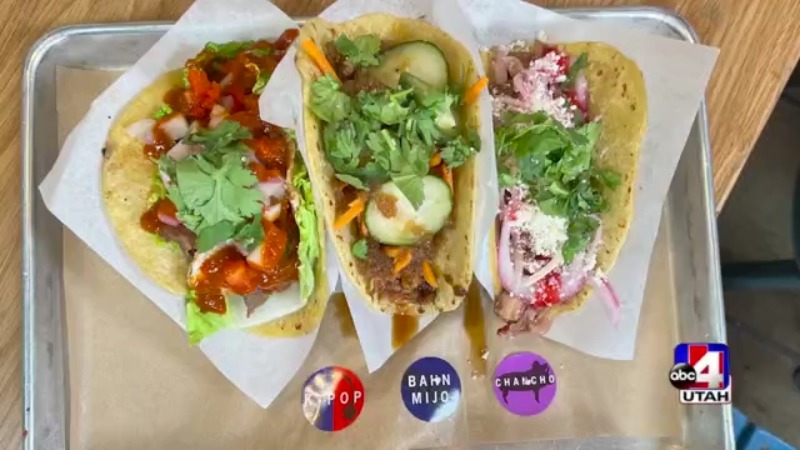
Taco festivals have become a vibrant celebration of culinary creativity and community spirit, bringing together taco enthusiasts from all walks of life. These festivals not only highlight the diversity of tacos but also foster a sense of belonging and appreciation for this beloved dish. From street fairs to grand gatherings, there’s no shortage of events dedicated to showcasing specialty tacos.
One of the most exciting aspects of these taco festivals is the array of activities and experiences they offer. Here’s a closer look at some popular taco festivals and what makes them unique.
Popular Taco Festivals
These festivals serve as a platform for culinary artists and taco aficionados to come together, share their passion, and indulge in the flavors of specialty tacos. Here’s a list of some notable taco festivals that celebrate this iconic food:
- Los Angeles Taco Festival – This festival features a diverse lineup of taco vendors, cooking demonstrations, and live music, all under the beautiful California sun.
- Taco Fest in San Diego – Known for its vibrant atmosphere, this festival includes taco-eating contests, craft beer tastings, and family-friendly activities.
- Chicago Taco Festival – A highlight in the Windy City, this event showcases local restaurants, offers cooking classes, and hosts taco-themed games.
- Texas Taco Festival – Celebrating the rich taco culture of Texas, this festival features live performances, art displays, and a variety of taco styles from across the state.
- Denver Taco Festival – This fun-filled event includes taco tastings, margarita sampling, and local craft vendors, fostering community engagement through food.
In addition to tasting an array of delicious tacos, attendees can participate in various activities designed to enhance their festival experience. These can include cooking demonstrations by renowned chefs, interactive workshops on taco-making techniques, and cultural performances that highlight the heritage behind the dishes.
“Taco festivals not only celebrate food but also build connections within communities, encouraging local economies and showcasing culinary diversity.”
Furthermore, these gatherings create a festive atmosphere where people can come together, share stories, and bond over their love for tacos. The sense of community is palpable as attendees exchange their favorite taco recipes, discover new flavors, and experience the artistry involved in taco creation. The impact of these events goes beyond the plate, often supporting local businesses and promoting cultural appreciation in a fun and engaging way.
Epilogue
In conclusion, specialty tacos encapsulate a world of flavors and creativity, inviting everyone to savor their unique offerings. Whether enjoyed at a local food truck or crafted at home, these tacos not only satisfy our taste buds but also connect us to the rich narratives behind each ingredient and tradition. So, the next time you bite into a specialty taco, remember you’re experiencing a delightful blend of culture, innovation, and community.
Quick FAQs
What are specialty tacos?
Specialty tacos are unique variations that highlight regional ingredients and innovative flavors, often crafted by chefs who push traditional boundaries.
How do specialty tacos differ from regular tacos?
While regular tacos typically focus on classic fillings, specialty tacos incorporate unconventional ingredients and creative combinations that elevate the overall experience.
Are specialty tacos suitable for dietary restrictions?
Yes, many specialty tacos cater to various dietary preferences, including vegan, gluten-free, and paleo options, ensuring that everyone can enjoy them.
What role do food trucks play in the specialty taco scene?
Food trucks have become a vital part of the specialty taco landscape, offering diverse and creative options to local communities while promoting culinary innovation.
How can I make specialty tacos at home?
To create specialty tacos at home, focus on sourcing fresh ingredients, experimenting with creative fillings, and mastering seasoning techniques to enhance flavors.