
 Rogert
Quality ingredients are the cornerstone of exceptional cooking, elevating both flavor and nutritional value in every dish. The difference between a meal that dazzles the palate and one that falls flat often comes down to the quality of its components. By choosing superior ingredients, home cooks can not only enhance the taste of their dishes but also unlock a world of culinary creativity.
In today’s culinary landscape, understanding how to identify and source quality ingredients is essential for anyone looking to improve their cooking skills. From fresh produce bursting with flavor to ethically sourced meats and dairy, the choices we make at the grocery store can significantly impact our meals’ overall quality and health benefits. Let’s explore how to navigate this world of quality ingredients and their profound influence on our cooking.
The Importance of Quality Ingredients in Cooking
In the culinary world, the choice of ingredients is paramount to achieving exceptional flavors and nutritional benefits in dishes. Quality ingredients serve as the foundation for culinary creations, greatly influencing taste, texture, and overall satisfaction. The significance of ingredient quality is often underestimated, but it can make or break a recipe.
Quality ingredients directly impact the flavor profile of a dish. Fresh herbs, ripe fruits, and high-quality meats contribute vibrant tastes that can elevate even simple recipes to gourmet standards. When using inferior ingredients, dishes can end up bland and uninviting. For instance, a tomato sauce made from vine-ripened tomatoes will offer a sweetness and acidity that canned tomatoes simply cannot match. The richness of flavor from fresh ingredients not only delights the palate but also enhances the dining experience.
Impact on Nutrition and Overall Dish Quality
Using quality ingredients not only improves taste but also boosts the nutritional value of meals. Fresh, unprocessed foods are often richer in vitamins, minerals, and antioxidants. The following points illustrate how different levels of ingredient quality can affect nutrition and dish quality:
- Fresh Produce: Fruits and vegetables that are in season and locally sourced retain more nutrients compared to those that are shipped long distances and stored for extended periods. For example, a salad made with organic, locally grown greens will provide a crispness and nutrient density absent in wilted supermarket varieties.
- Meat and Seafood: The quality of meat or seafood can significantly affect the taste, texture, and health benefits. Grass-fed beef, for example, is not only richer in beneficial omega-3 fatty acids but also has a more intense flavor compared to grain-fed alternatives.
- Oils and Fats: High-quality olive oil or butter can transform a dish. While cheaper oils might lack flavor complexity, a robust extra virgin olive oil can enhance salads and finished dishes with its depth and richness.
- Processed Foods: Many processed ingredients contain additives that can detract from both flavor and health. Opting for whole ingredients, such as unrefined grains over white flour, can lead to more satisfying and healthier meals.
The contrast in quality can be stark. For example, a homemade pesto made from fresh basil, high-quality Parmesan, and pine nuts will have a vibrant green color and rich, aromatic flavor, while a jarred version may taste dull and overly salty. Such variations highlight how quality ingredients contribute not only to the enjoyment of food but also to a healthier lifestyle.
Quality ingredients are the unsung heroes of every great dish; they have the power to turn the ordinary into the extraordinary.
Identifying Quality Ingredients for Home Cooking

When it comes to home cooking, the quality of ingredients can make all the difference in the final dish. Selecting top-notch produce, meats, and dairy not only enhances flavors but also contributes to a healthier meal. This guide will help you navigate the grocery store aisles, ensuring you choose the best ingredients for your culinary creations.
Choosing Quality Produce
Identifying high-quality produce involves assessing several key characteristics. Fresh fruits and vegetables not only taste better but also have more nutrients. Pay attention to the following indicators when shopping for produce:
- Color: Vibrant colors typically indicate ripeness and nutrient density. For example, bright red tomatoes or deep green spinach are often fresher.
- Texture: Choose firm fruits and vegetables without blemishes or soft spots. For instance, a crisp apple or a firm bell pepper signifies freshness.
- Aroma: Fresh produce often has a fragrant scent. For example, ripe strawberries will have a sweet aroma, while a lack of smell may indicate they are not fresh.
Evaluating Quality Meats
When selecting meats, quality is paramount for both taste and safety. The following factors can help you discern high-quality meats:
- Color: Look for vibrant color; for example, fresh beef should have a deep red hue, while poultry should appear pale and consistent without any dark spots.
- Marbling: A good cut of meat will have even marbling, which enhances flavor. For example, ribeye steaks with intramuscular fat are known for their juiciness.
- Smell: Fresh meat should have little to no odor. A sour or off smell is a clear sign that the meat is spoiled.
Assessing Quality Dairy Products
Dairy products can vary significantly in quality, impacting both flavor and nutritional value. Here are some characteristics to consider:
- Packaging: Look for products in intact packaging with a clear expiration date. For instance, milk should be in opaque containers to protect from light, preserving its taste and nutrients.
- Texture: High-quality yogurt should have a smooth texture without separation. For example, good Greek yogurt remains thick and creamy throughout.
- Flavor: Quality dairy products will have a clean, fresh taste. For instance, cheese should have distinct flavors that reflect their ingredients and aging process.
Seasonal Purchasing and Local Sourcing
Buying ingredients that are in season and sourced locally not only supports farmers but also ensures better quality. Seasonal produce is typically harvested at its peak, resulting in fresher flavors and nutrients.
- Research Seasonal Produce: Familiarize yourself with what fruits and vegetables are in season in your region. For example, peaches are commonly in season during summer, while squash is typically harvested in the fall.
- Visit Farmers’ Markets: Purchasing from local vendors often provides access to fresher, higher-quality ingredients. Additionally, talk to vendors about their farming practices to gain insight into the quality of their products.
- Join a CSA: Community Supported Agriculture (CSA) programs allow you to receive seasonal produce directly from local farms, ensuring you have access to the freshest ingredients available.
The Role of Quality Ingredients in Health and Nutrition
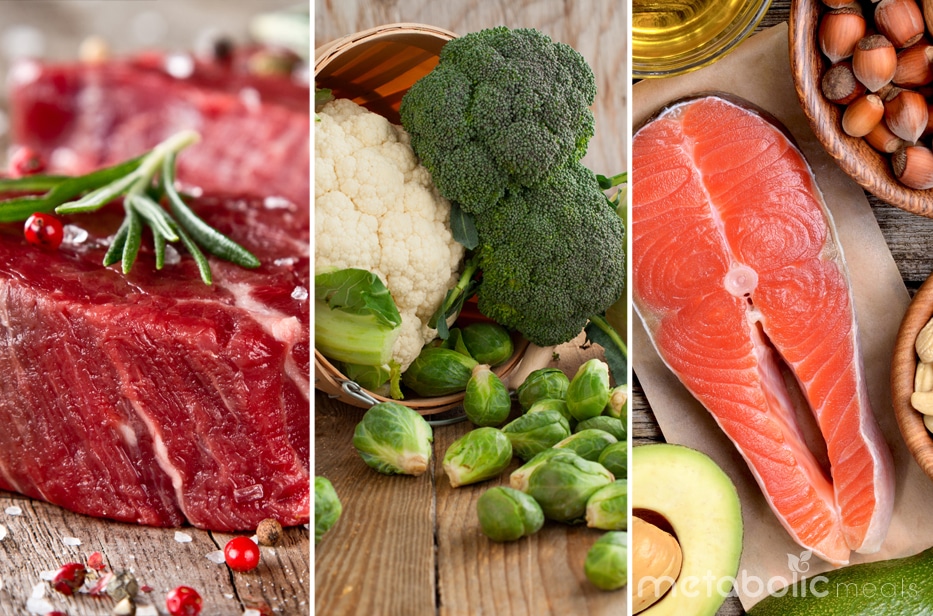
Quality ingredients play a pivotal role in promoting health and nutrition. The foods we consume directly impact our physical and mental well-being, making it essential to understand how ingredient quality can shape our nutritional intake. High-quality ingredients often offer superior flavors, but they also provide enhanced health benefits that can significantly affect our overall quality of life.
High-quality ingredients are typically associated with a range of health benefits that can improve bodily functions and reduce the risk of chronic diseases. For instance, fresh fruits and vegetables are rich in vitamins, minerals, and antioxidants, which combat oxidative stress and inflammation in the body. In contrast, low-quality ingredients, such as heavily processed foods, often lack essential nutrients and can lead to negative health outcomes, including obesity and heart disease. The connection between high-quality ingredients and health benefits is evident in the way whole foods nourish our bodies compared to their refined counterparts, which tend to be calorie-dense yet nutrient-poor.
Nutritional Differences Between Organic and Conventional Foods
Understanding the nutritional distinctions between organic and conventional foods can help consumers make informed dietary choices. Organic foods are grown without synthetic pesticides, herbicides, and fertilizers, which often results in a higher nutrient density. Studies suggest that organic produce may contain more antioxidants, which are crucial for fighting free radicals in the body.
A comparison of organic and conventional foods shows significant nutritional differences worth noting:
- Higher Antioxidant Content: Organic fruits and vegetables often have a higher concentration of antioxidants, which can help reduce the risk of chronic diseases.
- Less Exposure to Chemicals: Organic farming practices minimize exposure to harmful chemicals, which can lead to better overall health.
- Better Taste: Many consumers report that organic foods taste fresher and more flavorful, potentially leading to increased consumption of fruits and vegetables.
- Improved Soil Health: Organic farming practices promote soil fertility and biodiversity, contributing to healthier produce.
Influence of Specific Ingredients on Overall Well-being
Certain high-quality ingredients have been shown to have a positive influence on overall well-being. Ingredients such as omega-3 fatty acids, found in fatty fish, flaxseeds, and walnuts, support brain health and can help alleviate symptoms of depression. Similarly, foods rich in fiber, such as whole grains, legumes, and fresh produce, promote digestive health and can lead to improved energy levels.
The benefits of incorporating specific high-quality ingredients into the diet include:
- Omega-3 Fatty Acids: Linked to improved heart health and cognitive function.
- Leafy Greens: Packed with vitamins A, C, and K, they are essential for skin health and immune function.
- Fermented Foods: Such as yogurt and sauerkraut, which can enhance gut health and boost the immune system.
- Nuts and Seeds: Provide healthy fats and proteins that can sustain energy levels throughout the day.
Incorporating high-quality ingredients into daily meals not only enhances flavor but also provides essential nutrients that support overall health and well-being.
The Impact of Quality Ingredients on Culinary Techniques
The quality of ingredients plays a crucial role in determining the effectiveness of various culinary techniques. High-quality components can significantly enhance the flavor, texture, and overall outcome of a dish, while inferior ingredients may hinder the potential of even the most skilled chefs. Understanding how ingredient quality influences cooking methods can empower cooks to make informed choices in the kitchen.
When it comes to cooking, certain techniques are particularly sensitive to the quality of the ingredients used. For instance, methods that rely on the purity and freshness of the components, such as sautéing, roasting, or emulsifying, can yield vastly different results depending on the ingredients at hand.
Techniques Requiring Higher Quality Ingredients
Several cooking techniques demand higher-quality ingredients to achieve optimal results. Using top-notch components not only enhances the flavor but also improves the consistency and presentation of the final dish. Below are examples of such techniques:
- Emulsification: This technique, often used for dressings and sauces, requires high-quality oils and fresh egg yolks. For example, a homemade mayonnaise made with cold-pressed olive oil tastes far superior to one made with a cheap, refined oil.
- Roasting: When roasting vegetables or meats, using fresh, seasonal produce or high-grade cuts of meat can elevate the dish’s flavor. For instance, a roast chicken prepared with organic, free-range poultry yields a richer, more succulent flavor compared to conventionally raised options.
- Confit: This method, which involves slow-cooking food in its fat, requires high-quality fats, such as duck fat or extra virgin olive oil. The final product showcases the ingredients’ natural flavors, making it far superior to confit made with lower-quality oils.
- Fermentation: High-quality, fresh ingredients are essential for successful fermentation, whether for pickles or kimchi. The flavors and health benefits associated with fermented foods are profoundly influenced by the quality of the initial components.
The outcome of using quality ingredients versus lower-quality ones can be strikingly different. For instance, a pasta dish made with artisanal pasta and homemade sauce utilizing ripe, organic tomatoes will have a vibrant flavor profile and pleasant texture, whereas the same dish made with mass-produced pasta and canned tomatoes may taste flat and uninspired. The quality of ingredients not only affects taste but also influences the nutritional value and the aesthetic appeal of dishes, making it essential for chefs and home cooks alike to prioritize ingredient selection in their culinary endeavors.
The best chefs know that quality ingredients are the foundation of exceptional cooking.
Sustainable Sourcing of Quality Ingredients
Sustainability in sourcing ingredients is becoming increasingly vital as consumers grow more conscious of their environmental impact. The way we source ingredients can affect not only the quality of our meals but also the planet’s health. By prioritizing sustainability, we contribute to conservation efforts and promote farming practices that are better for the ecosystem.
The importance of sustainable ingredient sourcing lies in its ability to reduce environmental degradation, support local economies, and ensure healthier food options. Sustainable practices help preserve biodiversity, minimize carbon footprints, and reduce the use of harmful chemicals in agriculture. Moreover, sourcing sustainably supports farmers who prioritize ethical practices, helping to create a more equitable food system.
Methods for Finding Sustainably Farmed or Sourced Ingredients
Finding sustainably sourced ingredients requires both awareness and effort. Here are several effective strategies to implement:
- Research Certifications: Look for labels such as USDA Organic, Fair Trade, or Rainforest Alliance, which indicate adherence to sustainable practices.
- Support Local Farmers: Shopping at farmers’ markets or joining a community-supported agriculture (CSA) program can connect you directly with local, sustainable producers.
- Utilize Apps and Websites: Use technology to your advantage by leveraging apps designed to help consumers find sustainable products, like Buycott or Seafood Watch.
- Ask Questions: When shopping at grocery stores or dining out, don’t hesitate to ask about the sources of the ingredients and the sustainability practices involved.
- Prioritize Seasonal Produce: Choose seasonal fruits and vegetables, as they are often grown locally and require fewer resources for transport.
Integrating sustainability into your grocery shopping habits can be achieved through a few straightforward steps. Start by creating a grocery list that emphasizes whole, seasonal products. Consider planning your meals around what is available locally to minimize environmental impact.
Additionally, set a budget that allows for higher-quality, sustainably sourced ingredients, even if they come at a premium price. This investment not only supports better farming practices but also enhances the nutritional value of your meals.
Using reusable bags and containers is another way to reduce waste during your shopping trips. Moreover, consider participating in bulk buying or co-op grocery options, which often prioritize sustainability and can offer significant savings.
“Sourcing ingredients sustainably is not just a trend; it is a responsibility we hold towards our planet and future generations.”
The Economic Factors Surrounding Quality Ingredients
The choice of quality ingredients in food production and preparation is not just a matter of taste; it also has significant economic implications. While the initial cost of high-quality ingredients may seem daunting, understanding their long-term value can provide a clearer perspective for businesses and consumers alike. This exploration will delve into the cost implications, potential savings, and economic trends affecting the availability and pricing of quality ingredients.
Cost Implications of Quality Ingredients
Investing in high-quality ingredients often involves higher upfront costs compared to lower-quality alternatives. This can be attributed to various factors including sourcing, production practices, and the overall supply chain. Quality ingredients frequently come from sustainable or organic farms, which tend to have higher operational costs due to their practices aimed at preserving environmental integrity.
Higher quality ingredients can lead to greater customer satisfaction, which may justify the initial investment through increased sales.
The perception that quality ingredients lead to superior products can foster brand loyalty, allowing businesses to charge premium prices. This approach not only ensures a better dining experience but can also enhance a brand’s reputation, leading to long-term financial benefits.
Long-Term Savings from Investing in Quality Ingredients
While the initial cost of high-quality ingredients can be a deterrent, the long-term savings associated with their use can be substantial. Cheaper ingredients may save money in the short term, but they often lead to higher rates of food waste, customer complaints, and potential health issues.
Investing in quality ingredients typically results in:
- Reduced food waste: Higher-quality items often have better shelf life and lower spoilage rates.
- Enhanced nutritional value: This can lead to healthier customers, potentially reducing healthcare costs over time.
- Increased customer retention: Satisfied customers are likely to return, leading to repeat business and boosting overall profits.
In many cases, the adage “you get what you pay for” rings true, as quality ingredients often translate to a better product and more satisfied customers.
Economic Trends Influencing Quality Ingredient Pricing
The market for quality ingredients is influenced by various economic trends, including shifts in consumer preferences toward organic and sustainably sourced products. As demand for quality ingredients rises, so too does their price. Seasonal fluctuations, trade policies, and climate conditions can also play a critical role in the availability and cost of these ingredients.
The following factors are particularly noteworthy:
- Increased consumer awareness: With more information available about food sourcing and health, consumers are willing to pay more for quality ingredients.
- Global supply chain challenges: Economic disruptions can impact the availability of quality ingredients, leading to price increases.
- Environmental regulations: Stricter regulations on farming and production can raise costs for quality ingredients, affecting pricing.
These trends indicate that while quality ingredients may incur higher costs, their value proposition often outweighs these expenses when considering the broader economic landscape and changing consumer behaviors.
Quality Ingredients in Different Culinary Cultures
In the world of gastronomy, the quality of ingredients often serves as the backbone of culinary excellence across various cultures. Each culinary tradition places a unique emphasis on sourcing, selecting, and preparing ingredients that reflect local flavors and agricultural practices. The focus on quality can often be traced back to historical practices, local availability, and the values of each community. This exploration of how different cultures prioritize quality ingredients reveals a rich tapestry of traditions and influences that shape the way we experience food today.
Culinary cultures worldwide have distinct ways of ensuring their dishes are made with the best possible ingredients. These practices often stem from a deep respect for nature and the understanding that quality ingredients lead to better flavors and healthier meals. Traditional methods of ingredient selection and preparation enhance the culinary experience and often connect people to their cultural heritage.
Traditional Practices in Ingredient Selection
The selection and preparation of ingredients in various culinary cultures often adhere to traditional practices that have been passed down through generations. These practices highlight the importance of freshness, seasonality, and authenticity in cooking. Below are some notable examples:
- Mediterranean Cuisine: In countries like Italy and Greece, the focus is on local and seasonal produce. Farmers’ markets are popular, and chefs often build their menus around what is freshest that day.
- Japanese Cuisine: The concept of “shun” emphasizes using ingredients at their peak season. Sushi chefs, for instance, source fish from local waters, ensuring quality and freshness that align with traditional aesthetics.
- Mexican Cuisine: Techniques such as nixtamalization, which involves treating corn with lime, reflect a deep understanding of ingredient quality and enhance nutritional value while also improving flavor.
- Indian Cuisine: Spices are often sourced directly from local growers, with an emphasis on quality and freshness. Traditional markets are vital for selecting the best spices, which are essential for flavoring dishes.
Each of these practices underscores a commitment to quality ingredients, which not only influences taste but also promotes sustainability and community connection.
Unique Quality Ingredients from Various Culinary Traditions
Diving into specific culinary cultures reveals a rich variety of quality ingredients that are emblematic of their food traditions. These unique ingredients often possess distinct flavors and characteristics that define the essence of their respective cuisines. Below are several noteworthy examples:
- Truffles (Italy and France): Known for their earthy aroma and flavor, truffles are celebrated as luxury ingredients in dishes like risotto and pasta.
- Wasabi (Japan): True wasabi, often grown in mountain streams, is rarer and more flavorful than its oft-used imitation. It is a crucial component of authentic sushi.
- Fennel Pollen (Mediterranean): This aromatic spice, with a sweet, floral flavor, is a favorite in Italian cuisine, often used to season meats and pasta dishes.
- Bird’s Eye Chili (Southeast Asia): A staple in Thai cuisine, these small yet potent chilies are known for their intense heat, adding depth to various dishes.
These ingredients illustrate how cultural identity influences the culinary landscape, showcasing the significance of quality in flavor, tradition, and the overall dining experience.
Homemade versus Store-bought
When it comes to choosing ingredients for cooking, the debate between homemade and store-bought options often arises. Each has its own merits and drawbacks, influencing not just flavor and nutrition, but also the overall cooking experience. Understanding these differences can guide your decisions in the kitchen, allowing you to make informed choices that align with your culinary goals.
Homemade ingredients are often lauded for their freshness and the ability to control quality. In contrast, store-bought items frequently offer convenience and consistency, but they may also contain preservatives and other additives. Analyzing these factors helps to clarify the ideal scenarios for each option, especially when considering both flavor and health implications.
Quality Comparison of Homemade and Store-bought Ingredients
The difference in quality between homemade and store-bought ingredients can vary significantly based on the type of ingredient and personal preferences. Homemade ingredients often allow for the selection of high-quality components, ensuring freshness and the absence of artificial additives. On the other hand, store-bought ingredients sometimes employ techniques to enhance shelf life, which might compromise quality.
For instance, consider the following common ingredients:
- Broths and Stocks: Homemade broths made with fresh ingredients typically provide richer flavor and nutritional benefits compared to many store-bought versions that can contain high levels of sodium and preservatives.
- Sauces and Condiments: Making your own sauces, such as tomato sauce or dressings, allows for customization of flavors and avoidance of high-fructose corn syrup, which is prevalent in many commercial products.
- Bakery Goods: Homemade bread can offer superior taste and freshness compared to commercial bread, which may use preservatives to extend shelf life.
Flavor and health implications are significant when choosing between homemade and store-bought options. Homemade ingredients often enhance the sensory experience of a meal, providing vibrant flavors that are tailored to individual tastes. Conversely, store-bought items can be convenient but might sacrifice taste for longevity and mass production.
Choosing homemade ingredients not only supports better flavor profiles but also encourages healthier eating habits.
Guidelines for Creating Homemade Versions of Common Store-bought Items
Creating homemade versions of store-bought items can be straightforward and rewarding. Below are guidelines for making some common items:
- Tomato Sauce: Simmer crushed tomatoes with garlic, onions, olive oil, and herbs for a fresh, flavorful sauce that can be made in large batches and stored.
- Granola: Combine rolled oats, nuts, seeds, and honey, then bake until golden brown for a healthy breakfast alternative free from added sugars and preservatives.
- Salad Dressings: Mix olive oil, vinegar, mustard, and herbs to create a versatile dressing tailored to personal preferences, steering clear of additives often found in commercial options.
- Nut Butters: Blend roasted nuts with a pinch of salt in a food processor for a creamy, homemade nut butter that avoids hydrogenated oils.
These simple recipes not only provide a culinary experience but also allow for customization of nutritional content, ensuring that your meals are both delicious and healthful. Embracing homemade ingredients can significantly enhance both the flavor and nutritional profile of your meals, ultimately fostering a more enjoyable cooking journey.
Quality Ingredients and their Influence on Food Pairing
Using high-quality ingredients can significantly enhance food pairing choices, leading to a more pleasurable culinary experience. The inherent flavors, textures, and aromas of premium ingredients can elevate even the simplest dishes. When paired thoughtfully, these quality components can create a harmonious blend that excites the palate and deepens the appreciation for the meal.
High-quality ingredients provide a depth of flavor that often cannot be replicated with standard options. The freshness of seasonal produce, the richness of artisan cheeses, or the complexity of premium oils and vinegars can transform a dish into something extraordinary. When selecting pairings, it’s essential to consider how these quality ingredients can complement and contrast with one another, resulting in a delightful balance.
Examples of Quality Ingredient Pairings
When discussing food pairings, it’s essential to highlight specific pairings that work exceptionally well due to the quality of the ingredients involved. Below are some noteworthy combinations that illustrate how premium components can enhance the dining experience:
- Fresh Mozzarella and Heirloom Tomatoes: The creaminess of fresh mozzarella beautifully contrasts with the sweet and juicy notes of heirloom tomatoes. A drizzle of high-quality extra virgin olive oil enhances this pairing, adding richness and depth.
- Truffle Oil and Wild Mushrooms: The earthy flavors of wild mushrooms are elevated by the addition of truffle oil, creating a luxurious and aromatic dish. This combination is often used in risottos and pastas for maximum impact.
- Grass-Fed Beef and Sea Salt: The natural flavors of grass-fed beef are enhanced by a sprinkle of flaky sea salt, which draws out the meat’s inherent umami notes. This simple pairing showcases how quality ingredients can shine without heavy sauces.
- Dark Chocolate and Sea Salt: The richness of high-quality dark chocolate is beautifully complemented by a touch of sea salt, which enhances the chocolate’s complex flavor profile and creates a satisfying contrast.
The impact of quality on the overall tasting experience cannot be overstated. When ingredients are sourced with care and attention to their properties, the resulting dishes tell a story that goes beyond mere sustenance. Each bite becomes an experience, as quality ingredients work together to create memorable flavors and textures.
“The essence of a dish lies in its ingredients, and when those ingredients are of the highest quality, the possibilities are endless.”
By focusing on the quality of ingredients, chefs and home cooks alike can elevate their food pairings, creating dishes that not only satisfy hunger but also delight the senses. High-quality ingredients can be the key to unlocking new culinary experiences, transforming meals into celebrations of flavor and craftsmanship.
The Future of Quality Ingredients in Modern Cuisine
The landscape of modern cuisine is continually evolving, and the future of quality ingredients is at the forefront of this transformation. As consumer preferences shift towards healthier, more sustainable options, chefs and restaurateurs are reimagining how they source and utilize ingredients. This evolution is not just a trend; it’s a movement that will redefine culinary practices in the years to come.
Emerging trends are significantly shaping the future of quality ingredients, focusing on sustainability, health, and transparency. With an increase in awareness about food origins, consumers are demanding higher standards regarding the ingredients used in their meals. This shift necessitates innovations in sourcing and production methods that prioritize not only taste but also environmental impact and nutritional value.
Innovations in Ingredient Sourcing
Innovative techniques in ingredient sourcing are paving the way for improved quality and sustainability. Here are key developments that are likely to influence the future of quality ingredients:
- Vertical Farming: This method utilizes controlled environments to grow food in urban areas, significantly reducing the carbon footprint associated with transportation. Fresh produce is harvested and delivered within hours, ensuring peak quality and flavor.
- Regenerative Agriculture: Emphasizing soil health and biodiversity, regenerative practices restore ecosystems while producing high-quality ingredients. These methods not only yield nutritious food but also enhance the land’s ability to sequester carbon.
- Blockchain Technology: This technology is being employed for tracing the origins of food products, providing consumers with transparency about the sourcing and quality of ingredients. Enhanced traceability helps build trust and reinforces the value of quality ingredients.
Consumer Behavior and Ingredient Quality
Consumer behavior is shifting, with an increasing focus on health, sustainability, and ethical sourcing. As consumers become more informed, their purchasing choices will significantly influence the quality of ingredients available in the market. Key predictions include:
- Increased Demand for Organic Products: With rising awareness about health benefits and environmental impacts, consumers are gravitating towards organic ingredients, which are perceived as healthier and more sustainable.
- Preference for Local Sourcing: There’s a growing preference for locally sourced ingredients, as consumers look to support local economies and reduce the environmental impact associated with long-distance food transport.
- Customization and Personalization: Consumers are increasingly seeking personalized dining experiences that cater to their dietary needs and preferences, prompting chefs to curate menus based on individual ingredient quality and sourcing practices.
In conclusion, the future of quality ingredients in modern cuisine hinges on innovation and evolving consumer preferences. As the demand for sustainable, transparent, and health-conscious choices continues to rise, chefs and food producers will need to adapt their methods accordingly, leading to a more enriching culinary experience for all.
Final Wrap-Up
In conclusion, prioritizing quality ingredients is a game changer for both home cooks and professional chefs alike. Not only do they enhance the taste and nutritional value of our meals, but they also support sustainable practices and local economies. As we move forward, embracing the art of selecting and utilizing quality ingredients will undoubtedly shape the future of our culinary experiences, making each meal a celebration of taste and health.
FAQ Resource
What defines a quality ingredient?
A quality ingredient is typically fresh, flavorful, and often sourced sustainably, with minimal processing to retain its natural properties.
How can I tell if produce is of high quality?
Look for vibrant colors, firm textures, and a fresh smell; avoid any signs of bruising or wilting.
Is organic always better than non-organic?
While organic ingredients may have fewer pesticides and chemicals, quality can vary; it’s essential to consider freshness and sourcing as well.
Can I use lower-quality ingredients if I cook them properly?
While proper cooking can improve texture and flavor, lower-quality ingredients may still lack the depth and richness of higher-quality options.
How do I find sustainably sourced ingredients?
Look for labels indicating sustainable practices, ask local farmers at markets, or research brands that prioritize ethical sourcing.