 Rogert
Homemade tortillas are not just a staple in many households; they are a culinary adventure waiting to be explored. By taking the time to make tortillas from scratch, you unlock a world of flavor, nutrition, and cultural significance that store-bought options simply cannot match.
These delightful flatbreads have a rich history and provide numerous health benefits, allowing you to control the ingredients and eliminate artificial additives. Plus, the process of making tortillas is surprisingly simple and can bring a sense of satisfaction to your cooking routine.
Homemade tortillas offer various health benefits over store-bought options.
Homemade tortillas not only bring a delightful taste to your meals but also deliver a range of health benefits that make them a superior choice compared to store-bought alternatives. When you prepare tortillas at home, you gain control over the ingredients, leading to a more nutritious and wholesome product. Store-bought tortillas often come with preservatives and additives that can detract from their nutritional value, making homemade versions a healthier option for you and your family.
One of the main nutritional advantages of homemade tortillas lies in their simplicity and purity. Made from just a few basic ingredients—usually flour, water, and salt—homemade tortillas can be tailored to your dietary needs and preferences. This minimalistic approach eliminates unhealthy additives that are commonly found in packaged tortillas, such as hydrogenated oils, artificial flavors, and preservatives. For example, many store-bought tortillas contain calcium propionate, a chemical used to prevent mold, which may lead to allergic reactions in some individuals.
Controlling ingredients in homemade tortillas
Controlling the ingredients in homemade tortillas not only enhances their flavor but also ensures they contribute positively to your overall health. By opting for whole grain or alternative flours, such as almond or coconut flour, you can create tortillas that are higher in fiber and nutrients. Whole grain tortillas contain more vitamins and minerals compared to their white flour counterparts, which have been stripped of their nutrients during processing.
The absence of preservatives and unhealthy fats in homemade tortillas allows you to make a cleaner, more nutritious meal. Here are some common unhealthy additives found in store-bought tortillas that you can avoid:
- Preservatives like calcium propionate, which can cause allergies and digestive issues.
- Trans fats from hydrogenated oils, which can increase the risk of heart disease.
- Artificial colors and flavors, which offer no nutritional benefit and may lead to health concerns.
- Excessive sodium, contributing to high blood pressure and other cardiovascular problems.
By making tortillas at home, you can ensure that every ingredient is fresh and wholesome, allowing for a nutritious addition to your meals. The ability to customize the flavors and ingredients means you can cater to specific dietary requirements or preferences, making homemade tortillas a versatile and health-conscious choice.
The process of making homemade tortillas is simpler than many think.
Making homemade tortillas can seem daunting, but it’s an incredibly straightforward process that anyone can master. With just a few simple ingredients and some basic equipment, you’ll be able to create delicious, fresh tortillas right in your kitchen. Let’s break down the steps involved so you can enjoy the satisfaction of making your own tortillas from scratch.
Ingredients and Equipment Needed
Before you start, it’s essential to gather all the necessary ingredients and equipment to ensure a smooth tortilla-making experience. The main components include:
- Ingredients:
- 2 cups of masa harina (corn flour) or all-purpose flour
- 1/2 teaspoon of salt
- 3/4 cup of warm water (adjust as necessary)
- Optional: a bit of oil for added flavor and moisture
- Equipment:
- Mixing bowl
- Rolling pin or tortilla press
- Cast iron skillet or non-stick pan
- Parchment paper (optional, for easy handling)
Steps to Prepare Homemade Tortillas
Creating homemade tortillas is a simple process that can be laid out in a few clear steps. Follow this guide to achieve the best results.
Remember, the key to good tortillas is achieving the right dough consistency.
- In a mixing bowl, combine the masa harina or flour with salt.
- Gradually add warm water, mixing with your hands until a dough forms. The dough should be soft and pliable but not sticky. Adjust with more water or flour as needed.
- Knead the dough for a few minutes until smooth. This step is crucial for gluten development (if using all-purpose flour) and helps to achieve the perfect texture.
- Divide the dough into equal portions, about the size of a golf ball. Cover with a damp cloth to keep them moist while you work.
- Using a rolling pin or tortilla press, flatten each ball into a thin disk. Aim for even thickness for uniform cooking.
- Heat your skillet over medium-high heat. Cook each tortilla for about 30 seconds on each side, or until they are lightly browned and cooked through.
- Wrap cooked tortillas in a clean towel to keep them warm and soft while you finish the batch.
Tips for Achieving Perfect Dough Consistency
The consistency of the dough is crucial to making great tortillas. Here are some tips for beginners to ensure your dough turns out just right:
- Start with warm water; this helps to hydrate the flour better and makes the dough softer.
- Don’t be afraid to adjust the water or flour; every brand of flour can absorb moisture differently, so feel free to add a little more of either until you find the right balance.
- Let the dough rest for about 15-30 minutes before rolling it out. This resting period allows the gluten to relax, making the tortillas easier to shape.
- When rolling out the tortillas, keep them uniform in thickness to ensure even cooking. Aim for about 1/8 inch thick.
With these steps and tips, you’ll be well on your way to mastering the art of tortilla-making. Enjoy the process, and savor the delightful taste of homemade tortillas!
Explore the cultural significance of tortillas in various cuisines.
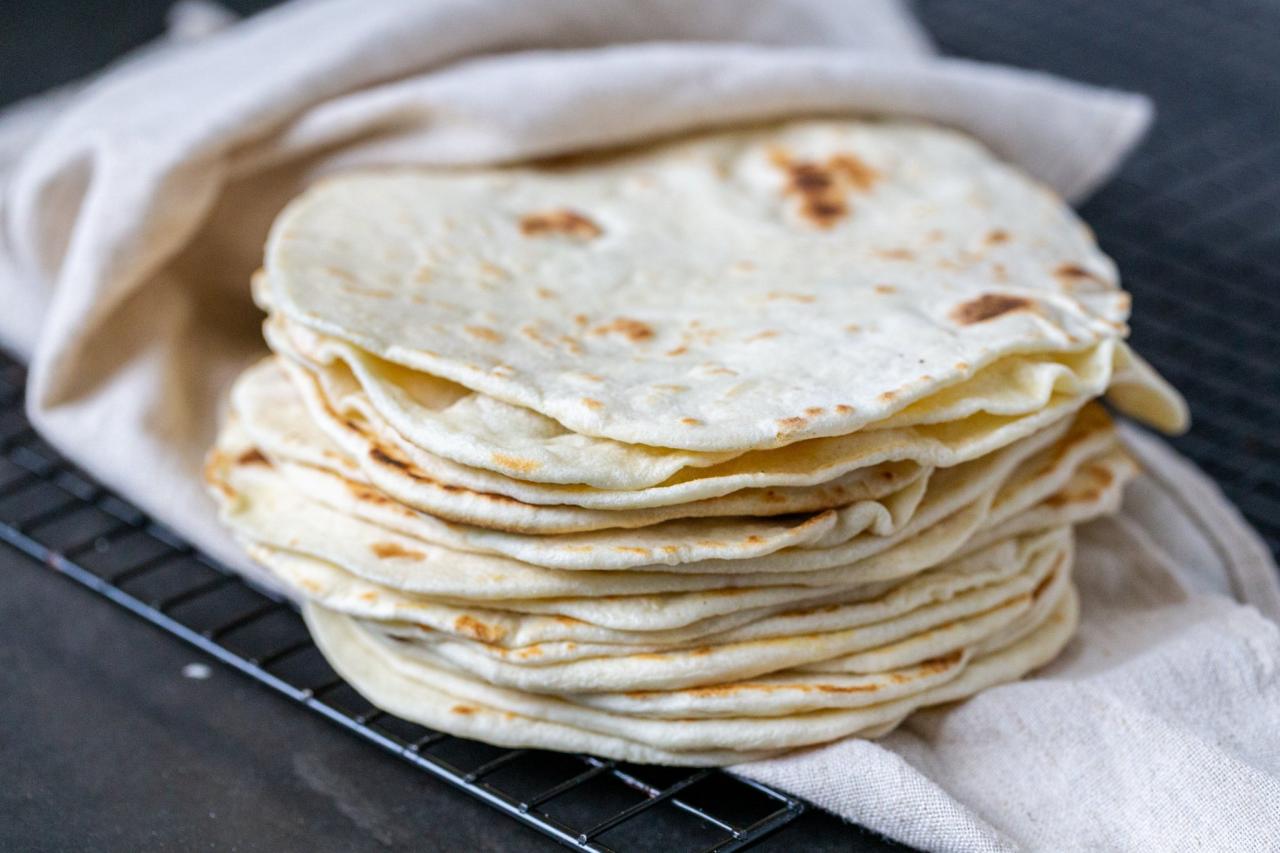
Tortillas are more than just a staple food; they are a symbol of tradition and identity in many cultures. Their origins date back thousands of years in Mesoamerica, where they were first made from maize by indigenous peoples. Today, tortillas continue to play a vital role in the culinary practices of numerous countries, enhancing dishes and serving as a canvas for diverse flavors. In this exploration, we delve into the significance of tortillas across various cuisines, highlighting their regional variations and evolution over time.
Role of Tortillas in Traditional Meals
Tortillas are integral to many traditional meals and are served in various forms depending on the country or region. In Mexico, for example, corn tortillas are often used as the base for tacos, enchiladas, and quesadillas. They are not merely a side but an essential component of the meal, providing texture and flavor that complements the fillings. Tortillas are also central to celebrations and rituals, such as during Día de los Muertos, where they are offered to the deceased as a part of the altar offerings.
In Spain, the tortilla Española, a thick potato omelet, showcases the versatility of the term “tortilla,” representing a different culinary tradition. This dish often serves as a tapas item, symbolizing communal eating and sharing. Similarly, in regions of Central America, such as Guatemala and El Salvador, the use of rice flour or a mix to create thicker, softer tortillas reflects the local agricultural practices and preferences, highlighting how tortillas adapt to local ingredients.
The significance of tortillas extends beyond just food; they represent cultural heritage and community bonding. Families often gather to make tortillas together, which strengthens familial ties and passes down culinary skills through generations.
Unique Variations of Tortillas
Tortillas have evolved into many unique variations based on geography, culture, and available ingredients. Here are some notable regional examples:
- Mexican Corn Tortillas: Made from nixtamalized corn, these are thin and pliable, serving as a staple for numerous dishes.
- Spanish Tortilla Española: A thick, satisfying dish made primarily of eggs and potatoes, cooked slowly to achieve a creamy interior.
- South American Arepas: Though not called tortillas, these cornmeal cakes are a staple in Venezuela and Colombia, often filled or topped with various ingredients.
- Indian Roti: A whole wheat flatbread that serves a similar purpose, used in various Indian cuisines to scoop up curries and vegetables.
- Middle Eastern Pita: While different in preparation and texture, pita serves a similar role in soaking up dips and stews in Mediterranean cuisines.
This variety illustrates how tortillas have been adapted to suit local tastes and ingredients, reflecting the culinary landscape of different regions.
Evolution of Tortillas Over Time
The evolution of tortillas is a testament to the adaptability of this food item within culinary practices. Initially made from ground maize by ancient Mesoamerican civilizations, tortillas have seen significant transformations over centuries. The introduction of wheat flour tortillas, which became popular in Northern Mexico and the United States, marks a significant shift influenced by trade and agricultural practices.
Modern tortillas are produced using advanced techniques, enabling mass production while still retaining traditional flavors. Innovations such as gluten-free tortillas and those enriched with nutrients cater to contemporary dietary needs, showcasing the ability of tortillas to evolve with changing tastes and health trends. Additionally, the rise of fusion cuisine has led to creative interpretations, blending traditional elements with new culinary ideas.
In summary, tortillas encapsulate a rich tapestry of cultural significance across global cuisines. Their role in traditional meals, unique regional variations, and continuous evolution highlight their importance as both a food item and a cultural symbol.
Different types of flours can be used to create unique homemade tortillas.
Homemade tortillas are a delightful way to elevate any meal, and the choice of flour plays a crucial role in their flavor and texture. By experimenting with different types of flours, you can create tortillas that cater to various dietary preferences and taste profiles. In this section, we will explore several types of flours, including corn, wheat, and gluten-free alternatives, comparing their unique characteristics.
The type of flour used significantly impacts both the taste and texture of tortillas. Corn flour, traditionally used for masa tortillas, gives a distinct flavor and a slightly gritty texture. Wheat flour, on the other hand, yields softer, more pliable tortillas with a neutral taste. Gluten-free flours, like almond or rice flour, introduce different flavors and textures, accommodating those with gluten sensitivities. Each flour provides a unique opportunity to explore diverse culinary experiences.
Corn Flour Tortillas
Corn flour is the foundation of traditional Mexican tortillas, often referred to as masa harina. The flavor of corn flour is rich and slightly sweet, contributing to the authentic taste of tacos and enchiladas.
Ingredients:
– 2 cups masa harina
– 1/2 teaspoon salt
– 1 1/4 cups warm water
Preparation:
1. In a bowl, combine masa harina and salt.
2. Gradually mix in warm water until a dough forms. Adjust water or flour as needed for consistency.
3. Divide the dough into small balls (about the size of a golf ball).
4. Using a tortilla press or rolling pin, flatten each ball between two sheets of plastic wrap or parchment paper to prevent sticking.
5. Cook on a hot skillet for about 1-2 minutes on each side until lightly browned and cooked through.
Wheat Flour Tortillas
Wheat flour tortillas are popular for their soft and pliable texture. They are often used for burritos and wraps, where a sturdier tortilla is preferred.
Ingredients:
– 2 cups all-purpose flour
– 1/2 teaspoon salt
– 3 tablespoons vegetable oil
– 3/4 cup warm water
Preparation:
1. In a mixing bowl, combine flour and salt.
2. Add vegetable oil and mix until crumbly.
3. Gradually add warm water, kneading until a smooth dough forms.
4. Divide the dough into equal portions and shape them into balls.
5. Roll each ball out into thin circles on a floured surface.
6. Cook on a hot skillet for about 30 seconds to 1 minute on each side until bubbles form and they are lightly browned.
Gluten-Free Tortillas
Gluten-free tortillas cater to those with gluten intolerance, using alternative flours like almond or rice flour. These tortillas may have a different texture and flavor but can be equally enjoyable.
Ingredients (Almond Flour Tortillas):
– 2 cups almond flour
– 1/4 cup tapioca flour
– 1/2 teaspoon salt
– 2 large eggs
– 1 tablespoon olive oil
Preparation:
1. In a bowl, mix almond flour, tapioca flour, and salt.
2. In a separate bowl, whisk together eggs and olive oil.
3. Combine the wet and dry ingredients, stirring until a dough forms.
4. Divide the dough into small balls and flatten them between parchment paper.
5. Cook on a non-stick skillet for about 1-2 minutes on each side until firm and slightly golden.
The choice of flour not only affects the flavor profile but also the texture of the tortillas, allowing for a variety of delicious options to suit any taste or dietary need.
Homemade tortillas can be customized to suit personal tastes and dietary needs.
Homemade tortillas offer a fantastic canvas for culinary creativity, allowing you to play with flavors, textures, and fillings to create something truly unique. Whether you’re looking to spice things up or accommodate specific dietary restrictions, the possibilities are nearly endless.
One of the most enjoyable aspects of making homemade tortillas is the ability to infuse them with various flavors and ingredients. Adding spices or herbs to the dough not only enhances the taste but also makes for an exciting twist on traditional tortillas. Here are some options to consider when customizing your tortilla dough:
Flavor Enhancements for Tortilla Dough
Integrating different flavors into your tortilla dough can redefine your culinary experience. Here are some ideas to inspire your creativity:
- Cilantro Lime: Mix fresh chopped cilantro and a splash of lime juice into the dough for a zesty, refreshing flavor.
- Chipotle: Incorporate chipotle powder or minced chipotle peppers for a smoky, spicy kick.
- Garlic and Herb: Add minced garlic, dried oregano, or Italian herbs for a savory twist that complements various fillings.
- Beet or Spinach Powder: For a pop of color and subtle flavor, blend in beet or spinach powder, making your tortillas not only tasty but visually appealing.
Using these flavor enhancers allows you to create tortillas that can stand alone as a side dish or complement your main meal beautifully.
When it comes to fillings or toppings, the type of tortilla you make can greatly influence what pairs best with it. Crafting tortillas with specific flavors can inspire unique combinations. Here are some pairing ideas depending on the type of tortilla you choose:
Fillings and Toppings for Different Tortilla Types
Selecting appropriate fillings is essential for enhancing the overall dish and can be easily adjusted based on your preferences. Here are suggestions for different types of tortillas:
- Classic Corn Tortillas: Perfect for tacos filled with grilled meats, fresh pico de gallo, and avocado.
- Flour Tortillas: Ideal for burritos, stuffed with beans, rice, and a variety of vegetables or meats.
- Herb-Infused Tortillas: Pair well with chicken salad or hummus for a light, refreshing lunch option.
- Spicy Chipotle Tortillas: Great for enchiladas filled with cheese and topped with a rich mole sauce.
Each tortilla type can carry its unique flavor profile, making it essential to match fillings and toppings accordingly to create a harmonious dish.
For those with dietary restrictions, homemade tortillas can be tailored to meet gluten-free or low-carb needs without sacrificing taste. Here are some modifications worth considering:
Dietary Modifications for Gluten-Free and Low-Carb Options
Adapting your tortilla recipes to accommodate specific diets can still yield delicious results. Consider these options:
- Gluten-Free Corn Tortillas: Use masa harina, a gluten-free corn flour, to create authentic corn tortillas that are safe for gluten-sensitive consumers.
- Almond Flour Tortillas: Combine almond flour with eggs and seasonings to make low-carb, gluten-free tortillas suitable for wraps and tacos.
- Cauliflower Tortillas: By using riced cauliflower mixed with cheese and egg, you can create a low-carb alternative that is both nutritious and flavorful.
Embracing these variations ensures that everyone can enjoy the delightful experience of homemade tortillas, regardless of their dietary preferences. By experimenting with flavors, fillings, and modifications, you can truly personalize your tortilla-making adventure.
The tools and equipment necessary to make the best homemade tortillas.
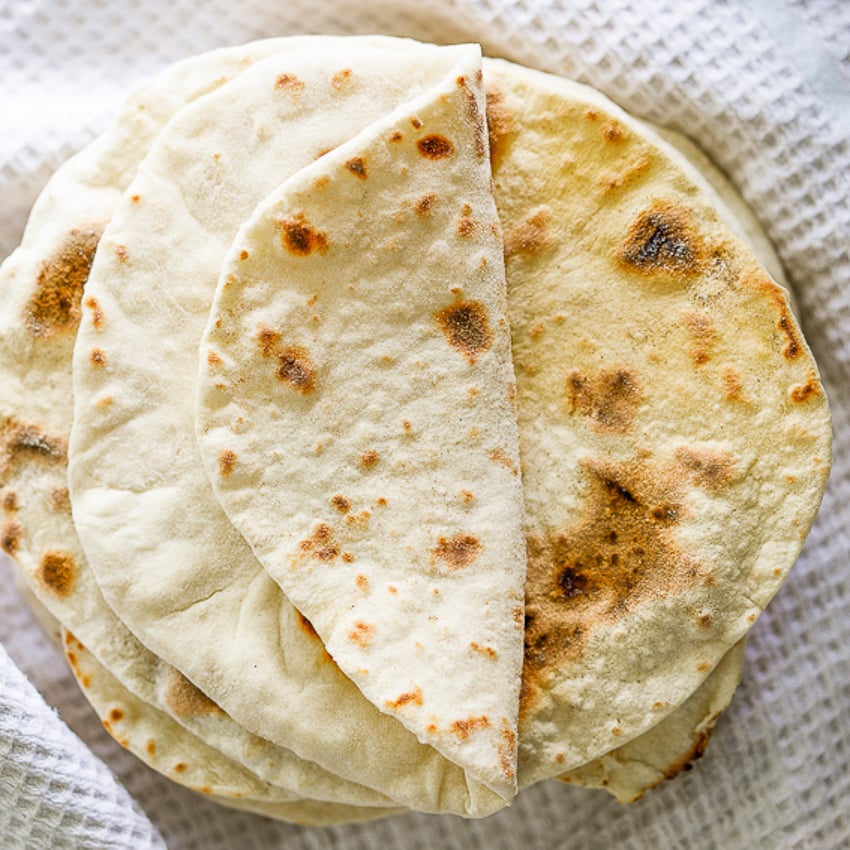
Making homemade tortillas elevates your culinary experience, and having the right tools is crucial for achieving that perfect texture and flavor. From simple gadgets to specialized equipment, the tools you choose can significantly impact the quality of your tortillas. In this guide, we’ll explore the essential tools for tortilla making, budget-friendly options, premium choices, and maintenance tips to keep your equipment in top shape.
Essential Tools for Making Tortillas
A variety of tools can assist you in the tortilla-making process, each serving a specific purpose that enhances the quality and efficiency of your cooking. Below is a list of essential tools along with their importance.
- Tortilla Press: This tool is essential for achieving uniform, thin tortillas. A tortilla press applies even pressure, ensuring that the dough is flattened to the right thickness without tearing.
- Rolling Pin: An alternative to a tortilla press, a rolling pin allows for greater control over the thickness of the dough. It can be particularly useful for larger batches or different styles of tortillas.
- Mixing Bowl: A sturdy mixing bowl is necessary for combining your flour, water, and salt. Choose one that is large enough to accommodate the mixing and kneading process.
- Cast Iron Skillet or Comal: Cooking tortillas in a cast iron skillet or a comal provides even heating and helps achieve that characteristic toasted flavor. Cast iron also retains heat well, making it ideal for quick cooking.
- Spatula: A flexible spatula is useful for flipping tortillas during cooking. It ensures that they cook evenly on both sides without tearing.
Budget-Friendly and Premium Equipment Options
Selecting the right equipment can depend on your budget and how often you plan to make tortillas. Here are some options for both budget-conscious cooks and those willing to invest in premium equipment.
- Budget-Friendly:
- Manual Tortilla Press: Available for about $15, a basic press can be found in most kitchen supply stores or online.
- Rolling Pin: A wooden rolling pin costs around $10 and can be used for various baking tasks beyond tortilla making.
- Non-Stick Skillet: A budget-friendly non-stick skillet can be purchased for approximately $20, ideal for beginners.
- Premium Options:
- Cast Iron Tortilla Press: For around $40, this durable option provides excellent pressure and longevity.
- High-Quality Rolling Pin: A marble or heavy-duty rolling pin can range from $30 to $50, offering superior weight and ease of use.
- Professional Comal: A traditional comal, priced between $30 and $60, allows for authentic tortilla cooking and is often made of high-quality materials.
Maintenance Tips for Longevity of Tortilla Tools
Taking care of your tortilla-making tools will ensure they last longer and perform better. Follow these maintenance tips to keep your equipment in prime condition.
- Tortilla Press: Clean your press with a damp cloth after each use. Avoid soaking it in water, as this can warp the wood or metal components.
- Rolling Pin: Wipe it down with a damp cloth and occasionally rub it with mineral oil to maintain its finish and prevent cracking.
- Cast Iron Skillet or Comal: Season your cast iron skillet regularly and clean it without soap to preserve its non-stick surface. A light coating of oil after cleaning will help maintain its longevity.
“The right tools in the kitchen not only make cooking easier but also enhance the final outcome of your dishes.”
The best practices for storing homemade tortillas to maximize freshness.
Homemade tortillas are a delightful treat, but to enjoy their full flavor and texture, proper storage is essential. The way you store tortillas can significantly impact their freshness and shelf life. By following a few best practices, you can ensure that your tortillas stay soft and delicious for as long as possible.
Various storage methods for tortillas
Different storage methods can affect the freshness and longevity of your homemade tortillas. Here are some effective techniques:
- Room Temperature: For short-term storage (up to 2 days), keep tortillas at room temperature. Place them in a clean kitchen towel or a tortilla warmer to maintain moisture and prevent them from drying out.
- Refrigeration: If you need to store tortillas for a longer period (up to a week), refrigerate them. Wrap them tightly in plastic wrap or place them in an airtight container to avoid exposure to air, which can cause them to harden.
- Freezing: For extended storage (up to 3 months), freezing is the best option. Properly freeze tortillas to preserve their texture and flavor.
Proper freezing techniques for tortillas
Freezing homemade tortillas requires specific steps to ensure they remain fresh and pliable. Follow these guidelines:
To freeze tortillas effectively, separate them with parchment paper or wax paper. This prevents them from sticking together.
1. Allow your tortillas to cool completely before freezing.
2. Stack the tortillas with a piece of parchment paper between each one. This will help you separate them easily later.
3. Place the stack in a freezer-safe plastic bag, removing as much air as possible to prevent freezer burn.
4. Label the bag with the date of freezing to keep track of freshness.
To reheat frozen tortillas efficiently, simply take out the desired number of tortillas and thaw them in the refrigerator overnight, or microwave them directly from the freezer for about 30 seconds to 1 minute, wrapping them in a damp paper towel to retain moisture.
Identifying spoiled tortillas
Recognizing when homemade tortillas have gone bad is crucial for food safety and quality. Here are key indicators to watch for:
- Unpleasant Odor: If the tortillas emit a sour or rancid smell, they are likely spoiled.
- Discoloration: Any visible signs of mold or unusual dark spots indicate that the tortillas should not be consumed.
- Texture Changes: If the tortillas feel excessively hard or dry, they may have lost their freshness.
Keeping these storage practices in mind will help you maintain the delightful qualities of your homemade tortillas, ensuring they are always ready for your next meal.
Explore creative serving ideas for homemade tortillas beyond traditional uses.
Homemade tortillas are not just for tacos and burritos; they serve as a versatile base for innovative culinary creations that can elevate any meal. With their unique texture and flavor, these tortillas can transform into a variety of dishes, showcasing their adaptability in both traditional and contemporary cuisines. This section delves into unconventional uses for homemade tortillas, offering fresh ideas that blend flavors and techniques from various culinary traditions.
Unconventional Dishes Made with Tortillas
Using tortillas in unexpected ways can lead to delightful culinary surprises. Here’s a list of creative dishes that can be made:
- Tortilla Wraps: Fill tortillas with grilled vegetables, meats, or even marinated tofu for a healthy, on-the-go meal.
- Tortilla Pizza: Use tortillas as a pizza base, topped with sauce, cheese, and your favorite toppings, then baked until crispy.
- Tortilla Chips: Cut tortillas into wedges, fry or bake them, and serve with guacamole or salsa as a tasty snack.
- Tortilla Desserts: Spread nut butter and honey on a tortilla, roll it up, slice it, and enjoy it as a sweet treat.
- Breakfast Quesadillas: Stuff tortillas with eggs, cheese, and vegetables for a filling breakfast option.
Fusion of Culinary Traditions
Tortillas can easily bridge culinary worlds, allowing for unique fusion dishes. By incorporating ingredients and flavors from various cultural cuisines, one can create exciting new meals.
For instance, consider a Korean BBQ taco, where homemade tortillas are filled with marinated bulgogi beef, kimchi, and a drizzle of sriracha mayo. Alternatively, Mediterranean wraps can feature grilled chicken, tzatziki sauce, and fresh vegetables, all rolled up in a warm tortilla.
These creative dishes illustrate how tortillas can serve as a blank canvas, inviting experimentation with global flavors.
Presentation and Pairing Tips
To truly elevate the dining experience when serving dishes that feature homemade tortillas, attention to presentation and pairing is essential. Here are some tips:
- Garnishing: Fresh herbs, such as cilantro or parsley, can enhance the visual appeal and flavor of your dishes.
- Color Contrast: Use vibrant ingredients like red peppers, avocado, or diced tomatoes to create a colorful plate.
- Side Dishes: Pair tortilla-based meals with sides like corn salad, black bean dip, or a light cucumber salad for balance and variety.
- Serving Vessels: Consider using wooden boards or rustic plates to create a warm, inviting presentation.
- Layering: When serving wraps or quesadillas, slice them to showcase the colorful fillings inside, making them more appealing.
“Tortillas are a versatile ingredient that can adapt to any cuisine, acting as a perfect backdrop for creativity.”
End of Discussion
In conclusion, homemade tortillas offer a unique opportunity to enjoy a healthier and more flavorful alternative to packaged varieties. By embracing the art of tortilla-making, you not only nourish your body but also connect with the rich traditions that span across cultures. So why not roll up your sleeves and dive into this delicious journey?
FAQ Resource
How long do homemade tortillas last?
Homemade tortillas can last about 3-5 days in the refrigerator and up to 3 months in the freezer when properly stored.
Can I use whole wheat flour for homemade tortillas?
Yes, whole wheat flour can be used to make tortillas, providing a nuttier flavor and additional health benefits.
What is the best way to reheat tortillas?
The best way to reheat tortillas is on a skillet over medium heat for about 30 seconds on each side.
Can I make tortillas without a tortilla press?
Absolutely! A rolling pin works just as well for flattening the dough into tortillas.
What are some popular fillings for homemade tortillas?
Popular fillings include grilled vegetables, meats, beans, and cheeses, as well as creative options like fruits or desserts.