
 Rogert
Healthy Mexican food combines vibrant flavors with a wealth of nutritional benefits, making it a delightful choice for those seeking a balanced diet. With staples like beans, corn, and avocados, this cuisine not only tantalizes the taste buds but also supports overall health. Understanding these ingredients reveals how they contribute essential nutrients and dispel common misconceptions about traditional dishes being unhealthy.
Exploring the role of fresh herbs and spices, such as cilantro and cumin, further enhances the allure of healthy Mexican food. These ingredients not only elevate the flavor profile but also offer numerous health benefits, including improved digestion and reduced inflammation. By showcasing healthier cooking methods and plant-based options, Mexican cuisine can be both satisfying and nutritious, paving the way for a mindful approach to enjoying these beloved dishes.
Understanding the Nutritional Benefits of Traditional Mexican Ingredients
Traditional Mexican cuisine is rich in a variety of ingredients that not only add flavor but also pack a nutritional punch. Ingredients such as beans, corn, and avocados are staples in Mexican diets and contribute significantly to overall health. These foods are more than just delicious; they provide essential nutrients that help maintain a balanced diet.
Beans, for example, are a powerhouse of nutrition. They are an excellent source of protein, fiber, and various essential vitamins and minerals, including folate, iron, and potassium. The high fiber content in beans aids in digestion, helps regulate blood sugar levels, and promotes heart health. A diet rich in beans can significantly reduce the risk of chronic diseases, including type 2 diabetes and heart disease.
Corn, another staple, is not just a side dish but a significant source of carbohydrates that provides energy. It also contains important nutrients like vitamin B6, magnesium, and antioxidants, including lutein and zeaxanthin, which are known to promote eye health. Whole corn products, such as masa (used in tortillas), retain most of their nutrients, making them a wholesome choice.
Avocados are often celebrated for their healthy fats, particularly monounsaturated fats, which are beneficial for heart health. They are also rich in vitamins E, K, and C, as well as potassium and dietary fiber. The presence of healthy fats helps increase the absorption of other fat-soluble vitamins from foods consumed with avocados.
Common Misconceptions about Traditional Mexican Foods
Despite the nutritional benefits of these ingredients, there are several misconceptions about traditional Mexican foods that suggest they are unhealthy. Many believe that Mexican cuisine is overly fatty or laden with calories due to dishes like tacos or enchiladas. However, when made with wholesome ingredients like lean meats, fresh vegetables, and whole grains, these dishes can be quite healthy.
It’s important to recognize that the traditional preparation methods and use of fresh ingredients make Mexican cuisine not only flavorful but also nutritious. The emphasis on fresh produce, legumes, and whole grains provides a foundation for a balanced diet.
Traditional Mexican ingredients like beans, corn, and avocados contribute significantly to health, defying misconceptions about the cuisine.
Incorporating these ingredients into meals promotes a diverse and balanced diet, allowing for a wide range of nutrients that can support overall health and well-being without sacrificing flavor.
The Role of Fresh Herbs and Spices in Mexican Cuisine
Mexican cuisine is renowned for its vibrant flavors, and a key element in achieving this richness is the use of fresh herbs and spices. Ingredients such as cilantro, oregano, cumin, and chili powder not only enhance the taste of dishes but also provide a myriad of health benefits. By adding these components to meals, one can enjoy delicious flavors without the unwanted calories often associated with heavy sauces and fats.
Fresh herbs and spices play an essential role in Mexican cooking, providing both flavor and health advantages. Incorporating herbs like cilantro and oregano brings a burst of freshness and a range of nutrients. For instance, cilantro is packed with antioxidants and has been linked to improved heart health. Oregano, on the other hand, is a natural anti-inflammatory and is rich in vitamins A, C, and K. Spices such as cumin and chili powder offer their own unique benefits. Cumin aids in digestion and can help control blood sugar levels, while chili powder can boost metabolism and improve circulation.
Health Benefits of Key Herbs and Spices
The incorporation of fresh herbs and spices into meals enhances flavor while providing numerous health benefits. Here are some notable examples of how these ingredients can contribute to overall wellness:
- Cilantro: Rich in vitamins A, C, and K, cilantro helps support heart health and may reduce inflammation.
- Oregano: Known for its antibacterial properties, oregano can help combat infections and improve digestive health.
- Cumin: This spice aids in digestion and can help regulate blood sugar levels, making it beneficial for those with diabetes.
- Chili Powder: Contains capsaicin, which has been shown to boost metabolism and contribute to pain relief through its anti-inflammatory effects.
Incorporating these herbs and spices into your meals can significantly elevate flavors without adding calories. For example, a simple avocado salad can be transformed with a sprinkle of lime juice, chopped cilantro, and a pinch of cumin. Not only does this add a zesty kick, but it also enhances the dish’s nutritional profile without resorting to high-calorie dressings.
Furthermore, fresh herbs and spices can improve digestion and reduce inflammation. The compounds found in many spices help to stimulate the digestive enzymes in the stomach, making it easier for your body to break down food. Additionally, the anti-inflammatory properties of herbs like oregano and chili powder can aid in reducing the risk of chronic diseases linked to inflammation, such as heart disease and arthritis.
“Incorporating fresh herbs and spices into your diet is a delicious way to enhance health and flavor.”
Overall, the role of fresh herbs and spices in Mexican cuisine goes beyond mere seasoning. They are essential for creating a balanced, flavorful, and healthful dining experience. By using these natural ingredients, one can enjoy the depth of flavor that Mexican food offers while also reaping the numerous health benefits associated with them.
Healthier Cooking Methods for Classic Mexican Dishes
When it comes to classic Mexican cuisine, the vibrant flavors and colorful presentations are hard to resist. However, traditional cooking methods often involve frying, which can add unnecessary calories and unhealthy fats. By embracing healthier cooking techniques like grilling and steaming, you can enjoy your favorite dishes while maintaining their authentic taste and nutritional value.
One of the simplest and most effective ways to reduce fat content is to replace frying with grilling or steaming. Grilling not only imparts a delicious smoky flavor to meats and vegetables but also allows excess fat to drip away, making it a leaner option. Steaming, on the other hand, preserves the nutrients in vegetables and proteins while keeping them tender and flavorful. These methods can be applied to a variety of classic dishes, ensuring you can indulge without the guilt.
Comparison of Traditional and Healthier Cooking Methods
To illustrate the benefits of healthier cooking techniques, the following table compares traditional cooking methods with their healthier alternatives for popular Mexican dishes:
| Dish | Traditional Cooking Method | Healthier Cooking Method |
|---|---|---|
| Tacos | Fried tortillas | Grilled or baked tortillas |
| Enchiladas | Fried in oil | Baked with a light sauce |
| Chiles Rellenos | Stuffed and deep-fried | Stuffed and baked |
| Fajitas | Cooked in oil | Grilled with minimal oil |
| Tamales | Steamed with added fats | Steamed with vegetable broth |
Maintaining the rich flavors of traditional Mexican recipes while using healthier cooking methods is entirely achievable. Here are some tips to enhance flavor without added fats:
- Use Fresh Herbs and Spices: Fresh cilantro, oregano, and spices like cumin can elevate the taste of your dishes without the need for oil.
- Marinate Proteins: A marinade made from lime juice, garlic, and spices can add depth to grilled meats and vegetables.
- Incorporate Citrus: Squeezing fresh lime or orange juice over your meals can provide a zesty flavor boost.
- Roast Vegetables: Roasting brings out the natural sweetness of vegetables, enhancing their flavor when combined with herbs.
- Experiment with Broths: Steaming or cooking with low-sodium vegetable or chicken broth can infuse additional flavor without added fats.
By opting for these healthier cooking methods, you can enjoy the delicious essence of Mexican cuisine while promoting a balanced and nutritious diet.
Exploring Plant-Based Mexican Dishes and Their Benefits
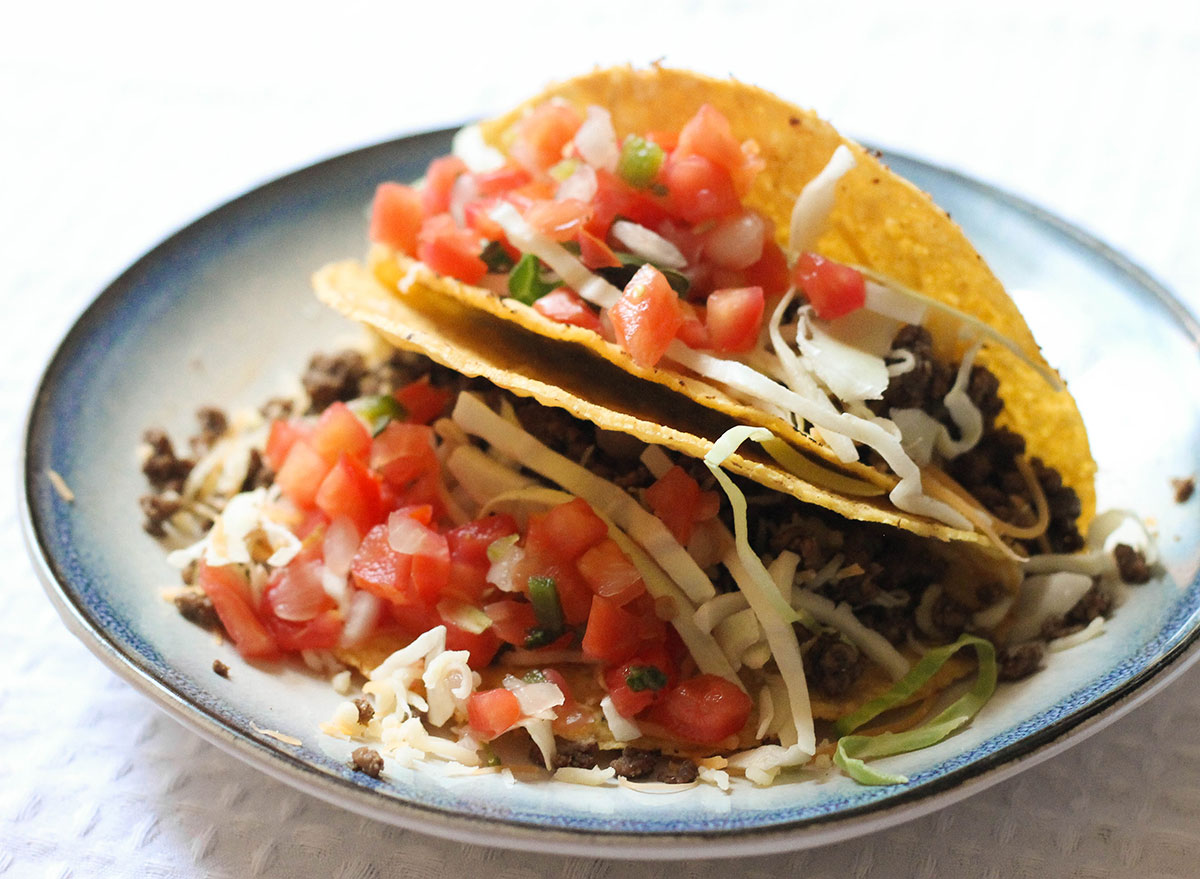
Plant-based Mexican cuisine offers a delightful fusion of flavors, colors, and textures while promoting a healthier lifestyle. By focusing on vegetables, legumes, grains, and other plant-based ingredients, these dishes not only tantalize the taste buds but also provide numerous health benefits. As more people embrace plant-based diets, Mexican recipes have emerged as a delicious and nutritious option that promotes overall wellness and sustainability.
The advantages of incorporating plant-based Mexican recipes into daily meals are manifold. First and foremost, plant-based diets are associated with a lower risk of chronic diseases, such as heart disease, diabetes, and certain cancers. This is largely due to the high fiber content found in fruits, vegetables, and legumes, which aids in digestion and helps maintain a healthy weight. Additionally, plant-based diets are typically lower in calories and saturated fats, making them an excellent choice for those looking to manage their weight while still enjoying vibrant flavors.
Popular Vegetarian Options and Their Nutritional Profiles
In the realm of plant-based Mexican cuisine, several dishes stand out due to their rich flavors and nutritional benefits. Notably, chiles en nogada and portobello tacos are among the most celebrated options.
Chiles en nogada consists of poblano peppers stuffed with a mixture of fruits, nuts, and spices, topped with a creamy walnut sauce. This dish is not only visually stunning with its colors representing the Mexican flag but also packed with nutrition. Each serving provides a good source of vitamins A and C, potassium, and dietary fiber. The combination of the peppers and the filling creates a well-rounded dish that is both satisfying and healthful.
Portobello tacos are another fantastic option that showcases the use of mushrooms as a meat alternative. Grilled and marinated portobello mushrooms are served in soft tortillas, often complemented by fresh toppings such as avocado, salsa, and cilantro. This dish is rich in antioxidants, vitamin D, and essential minerals, making it a nutrient-dense choice for lunch or dinner. The umami flavor of the mushrooms adds depth to the tacos, appealing to both vegetarians and meat-eaters alike.
The promotion of plant-based meals not only benefits individual health but also contributes to environmental sustainability. Plant-based diets require fewer natural resources compared to meat production, significantly reducing water consumption, land use, and greenhouse gas emissions. By choosing dishes like chiles en nogada and portobello tacos, individuals can make a positive impact on the environment while enjoying flavorful meals.
The following points highlight the environmental benefits of plant-based Mexican cuisine:
- Reduced carbon footprint: Plant-based agriculture generates lower emissions than animal farming.
- Water conservation: Growing plants requires significantly less water than raising livestock.
- Biodiversity protection: A shift toward plant-based diets can alleviate pressure on ecosystems and wildlife.
- Support for local farmers: Emphasizing local produce encourages sustainable farming practices.
By embracing the rich tapestry of plant-based Mexican dishes, individuals can enjoy delicious, nutrient-rich meals while taking steps toward a healthier lifestyle and a more sustainable planet.
The Importance of Portion Control in Enjoying Mexican Food
Portion control is a vital aspect of enjoying Mexican cuisine while maintaining a healthy lifestyle. Traditional Mexican dishes are often rich and flavorful, featuring a variety of ingredients that can make it easy to overindulge. By being mindful of portion sizes, one can appreciate the distinct flavors and textures without compromising health goals. Proper portioning not only helps in managing caloric intake but also allows for a more balanced meal that incorporates essential nutrients from various food groups.
Understanding how to serve balanced portions of ingredients like rice, beans, and protein is essential for creating a satisfying and nutritious plate. Each component plays a crucial role in the meal, contributing to both flavor and nutrition. A general guideline for a balanced portion includes:
- Rice: Aim for about 1/2 cup of cooked rice. This provides the necessary carbohydrates for energy without overwhelming the plate.
- Beans: A serving of 1/2 cup of beans offers a great source of protein and fiber. Black beans or pinto beans are popular choices that complement many Mexican dishes.
- Protein: A serving of 3 ounces of grilled chicken, fish, or lean beef is ideal. This portion size is sufficient to provide essential amino acids while maintaining healthful eating habits.
To encourage mindful eating, focusing on visually appealing plate presentations is key. A beautifully arranged plate not only enhances the dining experience but also promotes portion awareness. Here are some techniques for creating eye-catching presentations:
“A well-presented meal can enhance appetite and satisfaction, making mindful eating easier.”
– Use contrasting colors: Incorporate colorful vegetables like bell peppers, tomatoes, and cilantro to create a vibrant plate. The visual appeal can stimulate the appetite while reminding you to enjoy each bite.
– Create height on the plate: Stack ingredients or use a ring mold to give structure to the dish. For example, layer rice at the bottom, beans next, and protein on top, garnished with fresh herbs.
– Serve in smaller dishes: Presenting food in smaller bowls or plates can create an illusion of a larger meal while controlling portion sizes effectively.
By prioritizing portion control and focusing on presentation, one can fully enjoy the richness of Mexican cuisine without losing sight of health and wellbeing.
Incorporating Seasonal Ingredients into Healthy Mexican Recipes
Using seasonal ingredients is a fantastic way to enhance the flavor and nutritional value of your meals. In Mexican cuisine, where freshness is paramount, incorporating produce that’s in season can transform your dishes. Not only do seasonal ingredients taste better, but they are also typically more affordable and environmentally sustainable. Eating with the seasons also encourages a diverse diet, allowing you to experience a variety of flavors and nutrients throughout the year.
Fresh seasonal produce is packed with flavor and nutrients, making it an essential component of healthy cooking. Seasonal fruits and vegetables are harvested at their peak, ensuring that they are more flavorful and nutrient-dense. Additionally, they are often available locally, reducing the carbon footprint associated with transport. This not only supports local farmers but also gives you the opportunity to try ingredients that are unique to your region and time of year. Moreover, seasonal cooking can inspire creativity in the kitchen, prompting you to experiment with different combinations and flavors.
Seasonal Mexican Ingredients and Their Availability
Utilizing seasonal ingredients allows cooks to take advantage of the natural bounty available at different times of the year. Here’s a list of common Mexican ingredients, along with their typical seasonal availability:
- Tomatillos: Late summer to early fall
- Chiles (Jalapeño, Serrano, etc.): Summer to early fall
- Cilantro: Year-round, but best in spring and fall
- Avocados: Late winter to early summer
- Sweet Potatoes: Fall to winter
- Radishes: Spring through early summer
- Corn: Summer to early fall
- Squash (Zucchini, Pumpkin): Summer to early fall
- Strawberries: Late winter to early spring
- Mangoes: Late spring to summer
Incorporating these ingredients into your meals can maximize both flavor and nutrition. Here are some simple recipes that highlight seasonal Mexican produce:
Recipes Featuring Seasonal Ingredients
Tomatillo Salsa
This fresh salsa is perfect for summer gatherings.
Ingredients: 6 tomatillos, 1 jalapeño (or to taste), 1/2 cup cilantro, juice of 1 lime, salt to taste.
Chop and blend the tomatillos, jalapeño, and cilantro. Add lime juice and salt to taste. Serve with tortilla chips or as a topping for tacos.
Grilled Corn and Avocado Salad
A refreshing salad that celebrates summer ingredients.
Ingredients: 2 ears of corn, 1 ripe avocado, 1/2 red onion, juice of 1 lime, salt, and pepper.
Grill the corn until charred, then cut the kernels off the cob. Combine with diced avocado and finely chopped onion. Toss with lime juice, salt, and pepper for a vibrant summer dish.
Sweet Potato Tacos
A hearty dish perfect for fall.
Ingredients: 2 sweet potatoes, 1 tsp cumin, tortillas, cilantro, lime, and any desired toppings.
Roast sweet potatoes with cumin until tender. Serve in tortillas with fresh cilantro and a squeeze of lime for a satisfying meal.
By focusing on seasonal ingredients, you not only enhance your meals’ flavor but also contribute to a healthier lifestyle and a more sustainable food system. Enjoy the variety and richness that comes with eating in sync with nature!
Exploring Low-Calorie Versions of Popular Mexican Favorites
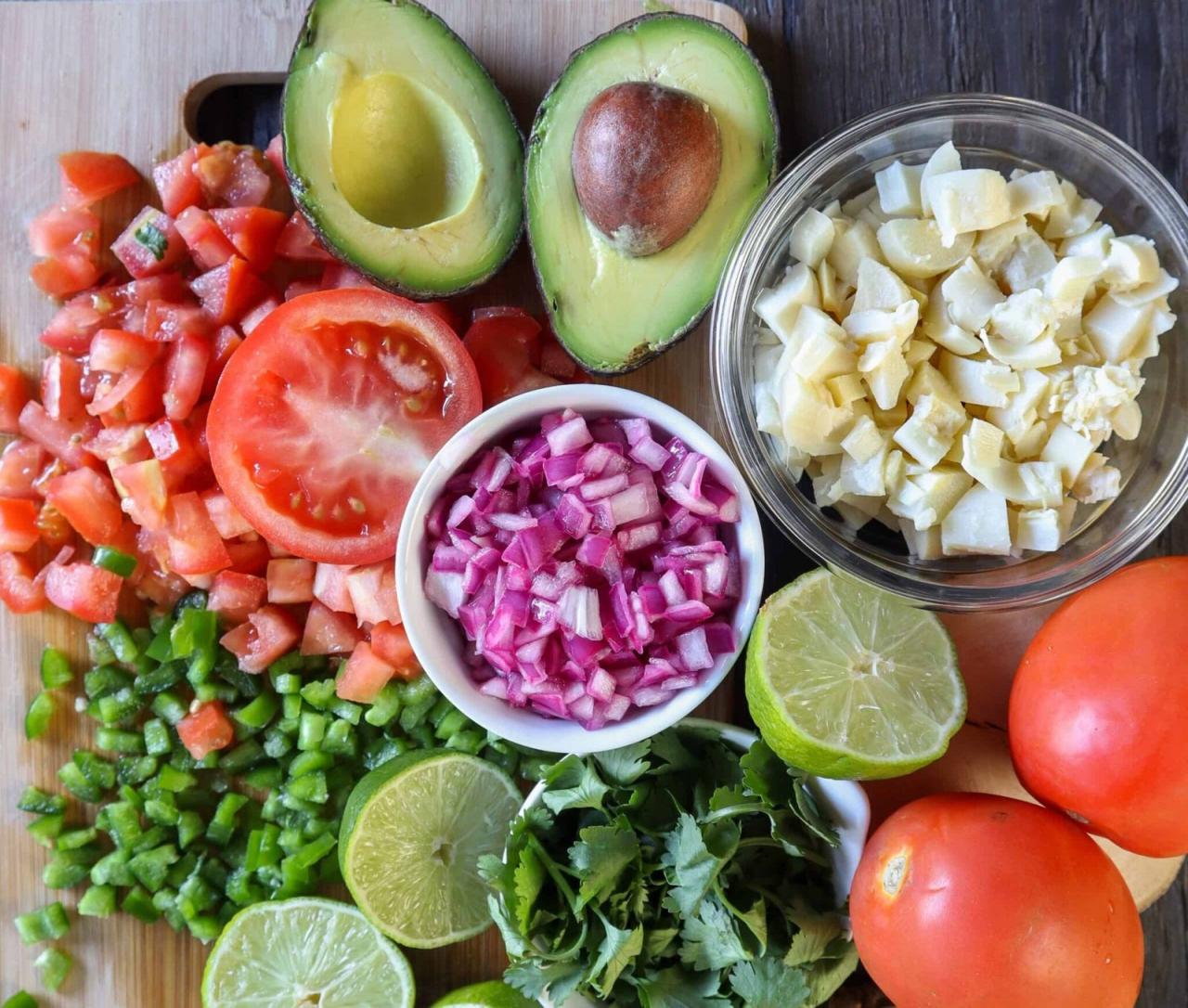
Mexican cuisine is well-known for its vibrant flavors and hearty dishes, but many traditional recipes can be high in calories. Thankfully, creating lighter versions of popular favorites like quesadillas and tamales is not only possible but also delicious. With a few smart substitutions and modifications, you can indulge in these classics without derailing your healthy eating goals.
When it comes to making lower-calorie versions, ingredient substitutions play a crucial role. For instance, using whole grain tortillas instead of regular tortillas, swapping full-fat cheese for low-fat variants, and incorporating more vegetables can significantly reduce calorie counts while enhancing the nutritional profile of the dishes.
Calorie Comparisons Between Traditional and Low-Calorie Versions
To illustrate the impact of these substitutions, take a look at the calorie comparisons between traditional and low-calorie versions of some popular Mexican dishes:
| Dishes | Traditional Version (Calories) | Low-Calorie Version (Calories) |
|---|---|---|
| Quesadilla (2 cheese quesadillas) | 550 | 350 |
| Chicken Tamale (each) | 250 | 180 |
| Beef Burrito | 500 | 400 |
| Chalupa | 350 | 250 |
This table provides a clear comparison of calorie counts, showing that it is feasible to enjoy your favorite dishes while keeping your caloric intake in check.
For quesadillas, one can use whole wheat or corn tortillas, which are higher in fiber and nutrients. Filling these with low-fat cheese and plenty of vegetables like spinach, bell peppers, or mushrooms adds flavor without packing on calories. Baking or grilling the quesadilla rather than frying it also helps maintain a lower calorie count while still achieving that satisfying crispy texture.
Tamales, traditionally made with masa (corn dough) and often filled with fatty meats, can be lightened by using lean proteins such as shredded chicken or turkey. Opting for a smaller portion of masa or incorporating vegetable purees can not only reduce calories but also increase the dish’s nutritional value. Cooking them in a steamer instead of boiling helps retain moisture and flavor, ensuring a delicious result.
“Ingredient substitutions and cooking techniques can allow you to enjoy Mexican food without compromising flavor or health.”
In summary, exploring low-calorie versions of Mexican favorites is all about smart ingredient choices and cooking methods. By making thoughtful substitutions, you can still savor the rich tastes of traditional dishes while keeping your meals light and healthy.
Final Review
In summary, embracing healthy Mexican food allows for a fulfilling culinary experience without compromising on health. By focusing on proper portion control, seasonal ingredients, and low-calorie variations of favorites, you can enjoy the array of flavors while making mindful choices. As you dive into this delicious cuisine, remember that healthy eating doesn’t mean sacrificing taste; it’s about finding a harmonious balance that celebrates both nutrition and enjoyment.
Question & Answer Hub
Is all Mexican food unhealthy?
No, many traditional Mexican dishes can be healthy, especially when made with fresh ingredients and cooked using healthier methods.
What are some healthy Mexican appetizers?
Healthy appetizers include fresh salsa, guacamole made with avocado, and ceviche, which is packed with flavor and nutrients.
Can I make Mexican food vegetarian?
Absolutely! Many Mexican dishes are naturally vegetarian, and there are plenty of creative options to make classic recipes plant-based.
What are some low-calorie options in Mexican cuisine?
Low-calorie options include grilled fish tacos, lettuce wraps, and baked enchiladas using whole grain tortillas.
How can I balance flavors while cooking healthy Mexican food?
Utilize fresh herbs and spices to enhance the flavor of your dishes without adding extra calories, keeping meals vibrant and delicious.