 Rogert
Dairy free diets have gained significant traction in recent years, attracting those looking to improve their health and make environmentally conscious choices. With rising awareness about the potential downsides of dairy consumption, many individuals are exploring the benefits of eliminating dairy from their menus. This shift not only enhances personal well-being but also aligns with growing trends toward sustainability and ethical eating.
As we delve into this topic, we’ll explore the health benefits of a dairy-free lifestyle, discover a variety of dairy alternatives, and understand the broader implications of dairy farming on our planet. Whether you’re considering a complete dietary overhaul or simply looking to lighten your meals, understanding dairy-free options can open up a world of exciting culinary possibilities.
Understanding the Health Benefits of a Dairy-Free Diet
Adopting a dairy-free diet can lead to a myriad of health benefits that promote overall well-being. Many individuals choose to eliminate dairy for various reasons, including lactose intolerance, allergies, or a desire to improve their health. This lifestyle shift can have significant impacts on digestive health, nutritional status, and even chronic disease prevention. Understanding these advantages is crucial for anyone considering this dietary change.
One of the primary health benefits of eliminating dairy is the positive effect on digestive health. For those who are lactose intolerant, consuming dairy can lead to discomfort, bloating, and gastrointestinal distress. By removing dairy from the diet, many individuals experience relief from these symptoms, which can enhance their quality of life. Additionally, a dairy-free diet often includes a higher intake of fruits, vegetables, whole grains, and legumes, which are rich in fiber. This increased fiber intake supports healthy digestion and can help prevent constipation, a common issue faced by many.
Another important aspect of a dairy-free lifestyle is its potential impact on inflammation and chronic disease. Research has shown that dairy products may contribute to increased inflammatory markers in some individuals, particularly those with dairy sensitivities. By eliminating dairy, some people may notice a decrease in inflammation, leading to reduced risk of chronic conditions such as heart disease, diabetes, and certain types of cancer. Moreover, dairy-free diets often emphasize plant-based foods, which are naturally rich in antioxidants and phytochemicals that further promote health.
Potential Nutritional Gaps from Removing Dairy
While a dairy-free diet offers numerous health benefits, it is essential to consider potential nutritional gaps that may arise from this lifestyle choice. Dairy products are a primary source of several key nutrients, including calcium, vitamin D, and protein. To maintain a balanced diet, individuals should be aware of alternative sources for these nutrients.
Calcium is crucial for bone health, and while dairy is often seen as the main source, there are many dairy-free alternatives rich in calcium. Foods like leafy green vegetables (e.g., kale and broccoli), fortified plant-based milks (such as almond, soy, or oat milk), and tofu can provide adequate calcium levels.
Vitamin D, often fortified in dairy products, plays a vital role in calcium absorption and bone health. To compensate for the lack of dairy, individuals can seek out fortified foods or consider supplements, particularly if sunlight exposure is limited.
Protein is another important nutrient that can be affected by a dairy-free diet. While dairy products like cheese and yogurt are high in protein, alternatives such as legumes, nuts, seeds, and soy products can help bridge this gap.
In conclusion, while transitioning to a dairy-free lifestyle can yield health benefits such as improved digestion and reduced inflammation, it is vital to strategize and ensure adequate intake of essential nutrients typically provided by dairy. By making informed food choices and considering fortified alternatives, individuals can enjoy the advantages of a dairy-free diet while maintaining overall nutritional balance.
Exploring Dairy Alternatives in Everyday Cooking
The shift towards dairy-free diets has opened up a world of possibilities in everyday cooking. With an increasing awareness of lactose intolerance and dairy allergies, many consumers are seeking out alternatives that not only cater to their dietary needs but also enhance their culinary experience. The market today offers a plethora of dairy substitutes that can be seamlessly incorporated into traditional recipes without sacrificing flavor or texture.
A variety of dairy alternatives have become staples in kitchens around the globe. These substitutes range from nut-based products to plant-derived options, providing versatile solutions for cooking and baking. Here are some popular dairy substitutes available today:
Popular Dairy Substitutes
The following list highlights some of the most commonly used dairy alternatives, along with their typical applications in cooking:
- Almond Milk: A light, nutty alternative to cow’s milk, ideal for smoothies, cereals, and baking.
- Coconut Milk: Creamy and rich, perfect for curries, soups, and desserts.
- Cashew Cream: A smooth and versatile replacement for heavy cream in sauces and soups.
- Soy Milk: A protein-rich option that works well in coffee, baking, and cooking.
- Oat Milk: A naturally sweet alternative that complements coffee and is great for baking.
- Vegan Butter: Made from plant oils, this substitute can be used in baking and cooking just like regular butter.
- Nutritional Yeast: A cheesy-flavored seasoning that can replace cheese in various dishes.
Replacing dairy in traditional recipes doesn’t have to compromise taste. Here are some methods to ensure your dishes maintain their deliciousness:
– Use a one-to-one ratio when substituting almond or soy milk for cow’s milk in recipes.
– For creamy soups, blend soaked cashews with cooking water to create a rich base.
– When baking, substitute butter with vegan butter or coconut oil, keeping the measurements consistent.
– Nutritional yeast can be sprinkled on popcorn or pasta dishes to add a cheesy flavor without the dairy.
To provide a clearer understanding of the nutritional differences between dairy and its alternatives, consider the table below:
| Product | Calories (per cup) | Protein (g) | Fat (g) | Calcium (mg) |
|---|---|---|---|---|
| Whole Milk | 150 | 8 | 8 | 276 |
| Almond Milk | 30 | 1 | 2.5 | 450 (fortified) |
| Coconut Milk | 100 | 1 | 5 | 40 (fortified) |
| Soy Milk | 80 | 7 | 4 | 300 (fortified) |
| Oat Milk | 120 | 2 | 5 | 350 (fortified) |
Incorporating these dairy alternatives into your cooking routine can not only accommodate dietary restrictions but also enrich your meals with diverse flavors and textures. By experimenting with these substitutes, you can create delicious, dairy-free versions of your favorite dishes while enjoying the health benefits they offer.
Investigating the Environmental Impact of Dairy Farming
Dairy farming, while a significant source of nutrition for many, is also a major contributor to various environmental issues. The production process involves extensive land use, water consumption, and greenhouse gas emissions, which collectively impact ecosystems and biodiversity. Cattle raised for dairy produce methane, a potent greenhouse gas that contributes to global warming. This not only affects climate stability but also leads to changes in weather patterns, which can have devastating effects on agriculture and natural habitats.
Environmental Contributions of Dairy Farming
The environmental repercussions of dairy farming are multifaceted and include the following major issues:
- Greenhouse Gas Emissions: Dairy cows produce methane through enteric fermentation during digestion. Methane has a global warming potential over 25 times greater than carbon dioxide over a 100-year period, making it a critical factor in climate change.
- Water Usage: It takes approximately 1,000 liters of water to produce just one liter of milk. This immense water requirement contributes to the depletion of local water resources, particularly in arid regions.
- Land Degradation: Dairy farming requires large expanses of land for grazing and growing feed, which often leads to deforestation and loss of biodiversity. This land conversion disrupts local ecosystems and habitats.
- Pollution: Manure and chemical fertilizers from dairy farms can contaminate waterways, leading to nutrient pollution that causes algal blooms and dead zones, harming aquatic life.
Benefits of a Dairy-Free Diet for Carbon Footprint Reduction
Adopting a dairy-free diet can significantly lower one’s carbon footprint. Plant-based alternatives to dairy, such as almond, soy, or oat milk, typically require fewer resources to produce. For example, almond milk production uses about 80% less water than conventional dairy milk. Moreover, the emissions associated with producing plant-based milk are generally lower, as these alternatives do not produce the methane emissions associated with dairy cows.
Resource Comparison: Dairy Production vs. Plant-Based Alternatives
The resources involved in dairy production starkly contrast with those required for plant-based options. Dairy farming consumes a significant amount of water, land, and feed resources, which could otherwise be utilized more sustainably.
- Water Consumption: Dairy production demands vast amounts of water for cleaning, feeding, and milking processes. In contrast, many plant-based options require far less water, minimizing environmental stress.
- Land Usage: The land required to support dairy cows includes both grazing and feed crops, which can be repurposed for growing food directly for human consumption when shifted to plant-based agriculture.
- Energy Input: Dairy farms often rely on energy-intensive machinery and transportation for feed and milk distribution. Plant-based production typically has a lower energy footprint since it involves fewer processing steps.
Examining the Cultural Shift Toward Dairy-Free Diets
The rise of dairy-free diets represents a significant cultural shift, reflecting changing attitudes toward health, sustainability, and animal welfare. As awareness of lactose intolerance and dairy allergies increases, people are exploring alternative dietary choices. This trend is not just limited to individuals with specific dietary restrictions; it’s becoming a lifestyle choice for many around the globe. From plant-based milks to dairy-free cheeses, the evolution of these alternatives signifies a broader acceptance and integration into various cultures.
Regional adaptations of traditional dishes to accommodate dairy-free preferences demonstrate the ingenuity of culinary practices worldwide. In Mediterranean cuisines, for example, traditional recipes like pesto can be modified using nutritional yeast or sunflower seeds instead of Parmesan cheese. Asian cuisines have long utilized coconut milk, making the transition to dairy-free options less challenging. Indian cuisine has embraced a variety of plant-based dishes that naturally align with dairy-free diets, such as coconut curries and lentil-based dal, showcasing how cultural flavors can thrive without dairy.
Influencers and Movements Popularizing Dairy-Free Living
Several influential figures and movements have significantly contributed to the dairy-free trend. Celebrities, athletes, and chefs advocating for plant-based diets have made dairy-free living more mainstream. For instance, the rise of vegan chefs like Isa Chandra Moskowitz and influencers such as Vegan Richa has inspired many to explore dairy-free cooking. Social media platforms have also played a crucial role in spreading awareness. The hashtag #dairyfree has millions of posts showcasing recipes, products, and lifestyle tips.
The popularity of documentaries focusing on health and environmental issues, such as “What the Health,” has further propelled the dairy-free movement by highlighting the impacts of dairy consumption. Additionally, organizations like the Plant-Based Foods Association advocate for dairy alternatives, promoting their benefits to both consumers and the planet.
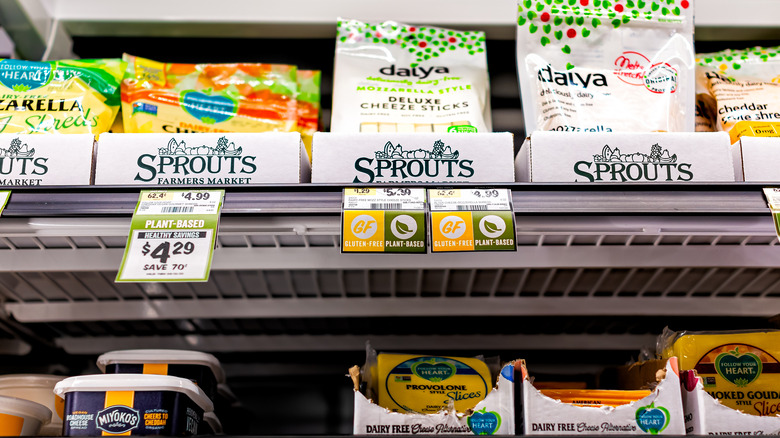
The dairy-free trend is also reflected in the increasing availability of products in supermarkets and restaurants. Grocery stores are expanding their dairy-free sections, offering everything from almond milk to vegan cheese. Many restaurants are adapting their menus, providing dairy-free options as a standard offering rather than a niche request. As this cultural shift continues, one can expect to see further innovations and a more diverse range of dairy-free products catering to an ever-growing audience.
Navigating Food Labels and Dairy-Free Certifications
Understanding how to read food labels is essential for anyone aiming to follow a dairy-free diet. With the increasing demand for dairy alternatives, many products now claim to be dairy-free, but this can sometimes lead to confusion. By familiarizing yourself with food labeling, you can discern which products truly align with your dietary needs.
To effectively identify dairy-free products, you should always start by examining the ingredient list. Ingredients are listed in order of predominance, meaning the first few items are the most significant in the product’s makeup. Look for obvious dairy ingredients such as milk, cream, butter, cheese, and whey. It’s also important to recognize less obvious dairy derivatives like casein, lactose, and ghee, which can be hidden within ingredient lists.
Common Misconceptions Regarding Dairy-Free Labeling
Navigating dairy-free labels involves understanding common misconceptions about what these labels mean. Many people assume that if a product is labeled “dairy-free,” it is completely devoid of any dairy ingredients. However, the term can sometimes be misleading. Some products may contain trace amounts of dairy due to cross-contamination during manufacturing processes. This is especially true for products labeled as “may contain milk” or “produced in a facility that processes dairy.”
Another common belief is that terms like “lactose-free” mean a product is dairy-free. While lactose-free products do not contain lactose, they still contain milk proteins, which means they are not suitable for those with a dairy allergy or those strictly avoiding dairy for other reasons. Additionally, some consumers may overlook the importance of third-party certifications. Products bearing a certified dairy-free label undergo rigorous testing to ensure compliance with dairy-free standards. These certifications provide an added layer of reassurance for consumers.
To further clarify what to look for, here’s a table listing common terms found on packaging that indicate the potential presence of dairy:
| Term | What it Indicates |
|---|---|
| Milk | Contains dairy. |
| Whey | Contains dairy (a byproduct of cheese). |
| Casein | Contains dairy (milk protein). |
| Butter | Contains dairy. |
| Cheese | Contains dairy. |
| Lactose | Contains dairy (milk sugar). |
| Ghee | Contains dairy (clarified butter). |
| Non-dairy | May still contain dairy; not always reliable. |
| May contain traces of milk | Indicates potential cross-contamination. |
By being vigilant in reading labels and understanding these terms, you can make more informed choices while adhering to a dairy-free lifestyle.
Developing a Balanced Dairy-Free Meal Plan
Creating a balanced meal plan without dairy can be a delightful culinary adventure. By focusing on diverse food groups, you can ensure that you’re meeting your nutritional needs while enjoying a variety of flavors and textures. A well-structured dairy-free meal plan is essential not only for maintaining energy levels but also for supporting overall health.
When eliminating dairy from your diet, it’s crucial to include a variety of food groups such as fruits, vegetables, whole grains, legumes, nuts, seeds, and alternative sources of calcium and vitamins. This diversity helps to compensate for the nutrients typically provided by dairy products. For instance, leafy greens, fortified plant milks, almonds, and tofu are excellent sources of calcium that can easily replace dairy. Additionally, incorporating a mix of protein sources, healthy fats, and fiber will keep meals satisfying and nutritious.
Sample Weekly Dairy-Free Meal Plan
A well-planned week of meals can be both appealing and straightforward to prepare. The following is a sample meal plan that focuses on whole, unprocessed foods while ensuring a balanced intake of nutrients.
Monday
– Breakfast: Oatmeal made with almond milk topped with sliced bananas and a sprinkle of cinnamon.
– Lunch: Quinoa salad with chickpeas, cherry tomatoes, cucumber, and a lemon-tahini dressing.
– Dinner: Stir-fried tofu with mixed vegetables (bell peppers, broccoli, carrots) served over brown rice.
Tuesday
– Breakfast: Smoothie with spinach, frozen berries, banana, and coconut milk.
– Lunch: Lentil soup with carrots, celery, and onions, served with whole grain bread.
– Dinner: Zucchini noodles topped with marinara sauce and roasted mushrooms.
Wednesday
– Breakfast: Chia seed pudding made with oat milk and topped with mango slices.
– Lunch: Grilled chicken breast with a side of roasted sweet potatoes and steamed asparagus.
– Dinner: Veggie tacos with black beans, avocado, salsa, and cabbage served in corn tortillas.
Thursday
– Breakfast: Buckwheat pancakes with maple syrup and fresh strawberries.
– Lunch: Hummus and vegetable wrap with spinach, shredded carrots, and bell peppers.
– Dinner: Baked salmon with quinoa and sautéed kale.
Friday
– Breakfast: Smoothie bowl with blended mango and banana topped with granola and coconut flakes.
– Lunch: Black bean salad with corn, diced red onions, and cilantro-lime dressing.
– Dinner: Cauliflower curry served with basmati rice.
Saturday
– Breakfast: Avocado toast on multigrain bread topped with hemp seeds.
– Lunch: Spinach and chickpea salad with olive oil and balsamic vinegar.
– Dinner: Stuffed bell peppers with quinoa, tomatoes, and spices.
Sunday
– Breakfast: Fruit salad with a variety of seasonal fruits and a splash of lime juice.
– Lunch: Grilled vegetable platter with a side of quinoa and lemon dressing.
– Dinner: Vegetable risotto made with arborio rice and vegetable broth.
This meal plan showcases a variety of flavors, ensuring that each meal is nourishing and enjoyable. By using a wide range of ingredients, you can easily adapt meals to suit personal preferences or seasonal availability. With creativity and intention, a dairy-free diet can be both satisfying and healthful.
Delving into the Myths Surrounding Dairy-Free Diets
The rise of dairy-free diets has sparked numerous discussions, often accompanied by a flurry of myths and misconceptions. Whether motivated by health concerns, ethical considerations, or allergies, many individuals are exploring dairy-free options. However, it’s crucial to separate fact from fiction to make informed dietary choices.
One prevalent myth is that dairy-free diets lack essential nutrients, particularly calcium and vitamin D. Many believe that without dairy products, individuals will struggle to meet their nutritional needs. However, scientific evidence supports the idea that these nutrients can be adequately sourced from various alternatives. Leafy greens such as kale and collard greens, fortified plant-based milk, and even almonds are excellent sources of calcium. Research published in the “American Journal of Clinical Nutrition” has shown that individuals who consume fortified plant-based alternatives can meet or exceed their calcium intake goals.
Another common misconception is that dairy-free diets are inherently unhealthy. Some argue that eliminating dairy can lead to nutrient deficiencies and inadequate protein levels. On the contrary, a well-planned dairy-free diet can be rich in whole foods, including fruits, vegetables, legumes, and whole grains. A study in the “Journal of Nutrition” indicated that individuals following a balanced dairy-free diet often report improved overall health markers, such as lower cholesterol levels and better digestive health.
A notable myth is that dairy is the only source of protein. While dairy does provide a significant amount of protein, there are numerous plant-based sources that can fulfill protein requirements. Foods like lentils, chickpeas, and quinoa are rich in protein and can easily replace dairy in a balanced diet. Moreover, many dairy-free protein powders are now available, making it easier to incorporate adequate protein into daily meals.
The notion that dairy-free diets are expensive is also misleading. While specialty dairy-free products can sometimes be pricier, a diet focused on whole foods can be cost-effective. Staples like beans, rice, and seasonal fruits and vegetables often come at a lower cost, making it feasible to follow a dairy-free diet on a budget.
Testimonials from individuals who have transitioned to a dairy-free lifestyle often highlight positive changes. Many report increased energy levels, improved digestion, and relief from symptoms such as bloating and skin issues. One individual noted, “Switching to a dairy-free diet not only alleviated my stomach discomfort but also enhanced my overall well-being. The variety of dairy alternatives available made it an enjoyable transition.”
“A well-planned dairy-free diet can be both nutritious and enjoyable.”
In conclusion, debunking these myths is essential for anyone considering a dairy-free lifestyle. With the right information and approach, individuals can thrive on a dairy-free diet while enjoying a diverse and nutrient-rich food selection.
Tips for Transitioning to a Dairy-Free Lifestyle
Transitioning to a dairy-free lifestyle can seem daunting, but with the right strategies and mindset, it can become a seamless part of your daily routine. Many individuals choose to eliminate dairy for various reasons, such as lactose intolerance, allergies, or personal health choices. By preparing yourself mentally and physically, you can enjoy a range of delicious alternatives while navigating any challenges that may arise.
When eliminating dairy from your diet, the key is to approach the transition slowly and thoughtfully. This allows your taste buds to adjust and makes it easier to find suitable replacements for your favorite dairy products. Here are some common challenges individuals often encounter and strategies to overcome them.
Common Challenges and Overcoming Strategies
One significant hurdle is the craving for familiar dairy flavors. Instead of attempting to give up dairy cold turkey, gradually reduce your intake. Start by substituting one dairy product at a time. For example, replace cow’s milk with almond, oat, or coconut milk in your coffee or cereal.
Another challenge is social situations where dairy-heavy dishes are prevalent. In these instances, communicate your dietary needs with friends or family ahead of time. Many people are accommodating and willing to make adjustments. Additionally, bringing your own dairy-free dishes to gatherings can ensure you have something delicious to enjoy.
To assist with your transition, here’s a checklist of dairy items to avoid alongside suggested alternatives that can help maintain your favorite meals:
- Milk: Swap cow’s milk for almond, soy, or oat milk.
- Butter: Use coconut oil or vegan butter blends.
- Cheese: Try cashew cheese or nutritional yeast for a cheesy flavor.
- Yogurt: Opt for almond or coconut-based yogurts.
- Ice Cream: Choose dairy-free ice cream made from almond, coconut, or soy.
“Being proactive about your choices is essential for a successful transition to a dairy-free lifestyle.”
Besides food items, pay attention to labels when shopping. Dairy can be present in unexpected products like bread, sauces, and snack foods. Always read ingredient lists and be familiar with terms that indicate dairy, such as whey, casein, and lactose.
By staying organized and informed, you can conquer the challenges of going dairy-free while still enjoying the flavors and textures you love. Make the transition fun by exploring new recipes and discovering the vast array of dairy alternatives available in stores today.
Conclusion
In conclusion, embracing a dairy-free lifestyle offers numerous health benefits, from improved digestion to enhanced overall well-being. As this dietary trend continues to grow globally, it invites us to reconsider traditional recipes and food choices while promoting environmental sustainability. By exploring dairy alternatives and navigating food labels, we can all make informed decisions that align with our health goals and cultural values.
Expert Answers
What are the main health benefits of a dairy-free diet?
A dairy-free diet can lead to improved digestion, reduced inflammation, and better skin health among other benefits.
Can I get enough calcium without dairy?
Yes, you can obtain calcium from various non-dairy sources like leafy greens, almonds, and fortified plant milks.
How do I replace dairy in my favorite recipes?
You can use alternatives like almond milk, coconut yogurt, or cashew cheese without losing flavor.
Is a dairy-free diet suitable for children?
Yes, a well-planned dairy-free diet can be nutritious for children, but it’s essential to ensure they receive adequate nutrients.
Are there any side effects of going dairy-free?
Some people may experience temporary digestive changes, but these usually stabilize as the body adjusts.