 Rogert
Menu (Tacos Spesifik) invites you to explore the vibrant world of tacos, a culinary treasure that transcends borders and cultures. Originating in Mexico, tacos have evolved into a beloved dish worldwide, celebrated for their diversity and flavor. From traditional recipes to modern twists, this guide will take you through the rich cultural significance, preparation techniques, and trends shaping this beloved food.
As we delve into the heart of taco culture, you’ll discover the various regional styles, popular fillings, and the essential ingredients that make each taco unique. Whether you’re a seasoned cook looking to refine your skills or a taco enthusiast eager to learn more, you’ll find valuable insights and delicious recipes to enhance your taco experience.
Understanding the Cultural Significance of Tacos
Tacos hold a rich and vibrant place in the culinary landscape of Latin America, particularly in Mexico. Their evolution is not just about food; it encapsulates centuries of history and cultural traditions that contribute to the identity of various regions. From humble beginnings to their current global stature, tacos represent far more than a mere dish; they symbolize connection, community, and heritage.
The historical background of tacos is deeply rooted in indigenous Mesoamerican cultures, where corn was a staple food. The use of corn tortillas dates back thousands of years, and it was a fundamental part of the diet for pre-Columbian civilizations. As Spanish colonization occurred, the introduction of new ingredients led to the creation of diverse taco styles that reflect the fusion of cultures. Over time, tacos became integral to Mexican celebrations, family gatherings, and even street food culture. They are a testament to resilience and adaptation, showcasing how traditional practices can evolve while maintaining their core essence.
Regional Taco Styles in Mexico
Mexico is home to a remarkable variety of taco styles, each representing local traditions and ingredients. Regional differences are influenced by geography, climate, and cultural practices, creating an intricate tapestry of flavors. Here are some prominent styles:
- Tacos al Pastor: Originating from Puebla, this style features marinated pork cooked on a vertical spit, similar to shawarma. The dish highlights the Lebanese influence on Mexican cuisine, showcasing the fusion of flavors through pineapple and fresh herbs.
- Tacos de Carnitas: Hailing from Michoacán, these tacos consist of slow-cooked pork that is tender and flavorful. The cooking technique reflects local traditions, where families gather to prepare and celebrate the dish.
- Tacos de Pescado: Particularly popular in coastal regions like Baja California, these tacos feature battered and fried fish, offering a fresh taste of the ocean. They are often topped with cabbage and creamy sauces, embracing local seafood traditions.
- Tacos de Barbacoa: This style involves slow-cooked meat, traditionally lamb or beef, wrapped in maguey leaves. Originating from central Mexico, this cooking method has ancestral roots that emphasize communal dining experiences.
The regional styles of tacos not only highlight the diversity of ingredients available across the country but also showcase local customs and the culinary ingenuity of Mexican culture. Each taco tells a story, deeply intertwined with the identity of its region.
Adaptation of Tacos in Other Countries
As tacos have crossed borders, they have undergone remarkable adaptations, influencing and being influenced by culinary practices around the world. The global popularity of tacos has led to creative interpretations that incorporate local flavors and ingredients. Here are some notable examples:
- United States: Tacos have become a staple in many American cities, often featuring fusion elements such as Korean BBQ tacos or barbecue pulled pork tacos. The rise of food trucks has also contributed to the diversification of taco offerings.
- Japan: In Japan, tacos may be filled with ingredients like teriyaki chicken or tempura, showcasing the harmonious blend of Japanese flavors with traditional taco structures.
- Germany: German-style tacos include fillings like bratwurst and sauerkraut, reflecting the local palate while maintaining the essence of the taco format.
These adaptations illustrate how tacos continue to evolve, influenced by globalization and the merging of culinary traditions. They resonate with diverse audiences, creating a bridge between cultures through shared enjoyment of food. The process of adaptation not only highlights the versatility of tacos but also emphasizes their role as a vehicle for cultural exchange and innovation.
Exploring Different Taco Variations and Their Ingredients
Tacos are a beloved staple in many cultures, offering a world of flavors and ingredients wrapped in a convenient tortilla. This culinary delight can be customized to suit a wide range of tastes, making it a versatile choice for any meal. From classic recipes that pay homage to traditional Mexican cuisine to innovative variations that incorporate global flavors, the options are endless.
The heart of any taco lies in its fillings, which can range from various meats to fresh vegetables and unique ingredients. The significance of fresh toppings and salsas is crucial, as they not only enhance the overall flavor profile but also add vibrant colors and textures to the dish. Fresh ingredients contribute to the authenticity and appeal of tacos, elevating each bite to a delightful experience.
Popular Taco Fillings
When it comes to taco fillings, the choices are abundant. Here are some popular options that can satisfy different palates:
- Meats: Traditional fillings like carne asada (grilled beef), carnitas (slow-cooked pork), and pollo (chicken) are staples. Seafood options like fish and shrimp tacos have also gained immense popularity, especially in coastal regions.
- Vegetarian Options: Grilled vegetables, black beans, and lentils are excellent alternatives for those seeking plant-based options. Roasted corn and sautéed mushrooms add depth and flavor.
- Unique Ingredients: Ingredients such as jackfruit, tofu, or even quinoa are being used more frequently as innovative fillings, providing exciting textures and flavors while catering to diverse dietary preferences.
Importance of Fresh Toppings and Salsas
Fresh toppings play a crucial role in enhancing the overall taste of tacos. They provide a burst of flavor and freshness that complements the fillings perfectly. Here are some essential toppings:
- Cilantro: This herb adds a fresh and slightly citrusy flavor, brightening up any taco.
- Lime Wedges: Squeezing lime juice over tacos adds a zesty kick that balances rich ingredients.
- Onions and Jalapeños: Diced onions and sliced jalapeños add crunch and a hint of heat, respectively.
- Sour Cream or Crema: These creamy elements provide richness, smoothing out the flavors of spicy or bold fillings.
Salsas are essential for adding layers of flavor. Different types of salsas can make a taco experience dynamic:
- Pico de Gallo: A fresh salsa made with diced tomatoes, onions, cilantro, and lime juice, offering a fresh and chunky texture.
- Tomatillo Salsa: This green salsa made from tomatillos provides a tart and tangy flavor that pairs well with grilled meats.
- Chipotle Salsa: A smoky salsa that adds depth and spice, perfect for those who enjoy a bit of heat.
Recipes for Traditional and Innovative Taco Fillings
For those looking to recreate these delightful tacos at home, below are simple recipes for both traditional and innovative fillings:
- Traditional Carnitas: Slow-cook pork shoulder with orange juice, garlic, cumin, and bay leaves for tender, flavorful meat. Shred and serve in tortillas with fresh toppings.
- Fish Tacos: Marinate white fish fillets in lime juice and spices, grill or fry until golden brown, and serve in corn tortillas topped with cabbage slaw and lime crema.
- Jackfruit Tacos: Sauté young jackfruit with onions, garlic, and spices for a pulled pork texture. Serve in tortillas with pico de gallo and avocado slices.
The Art of Taco Preparation Techniques
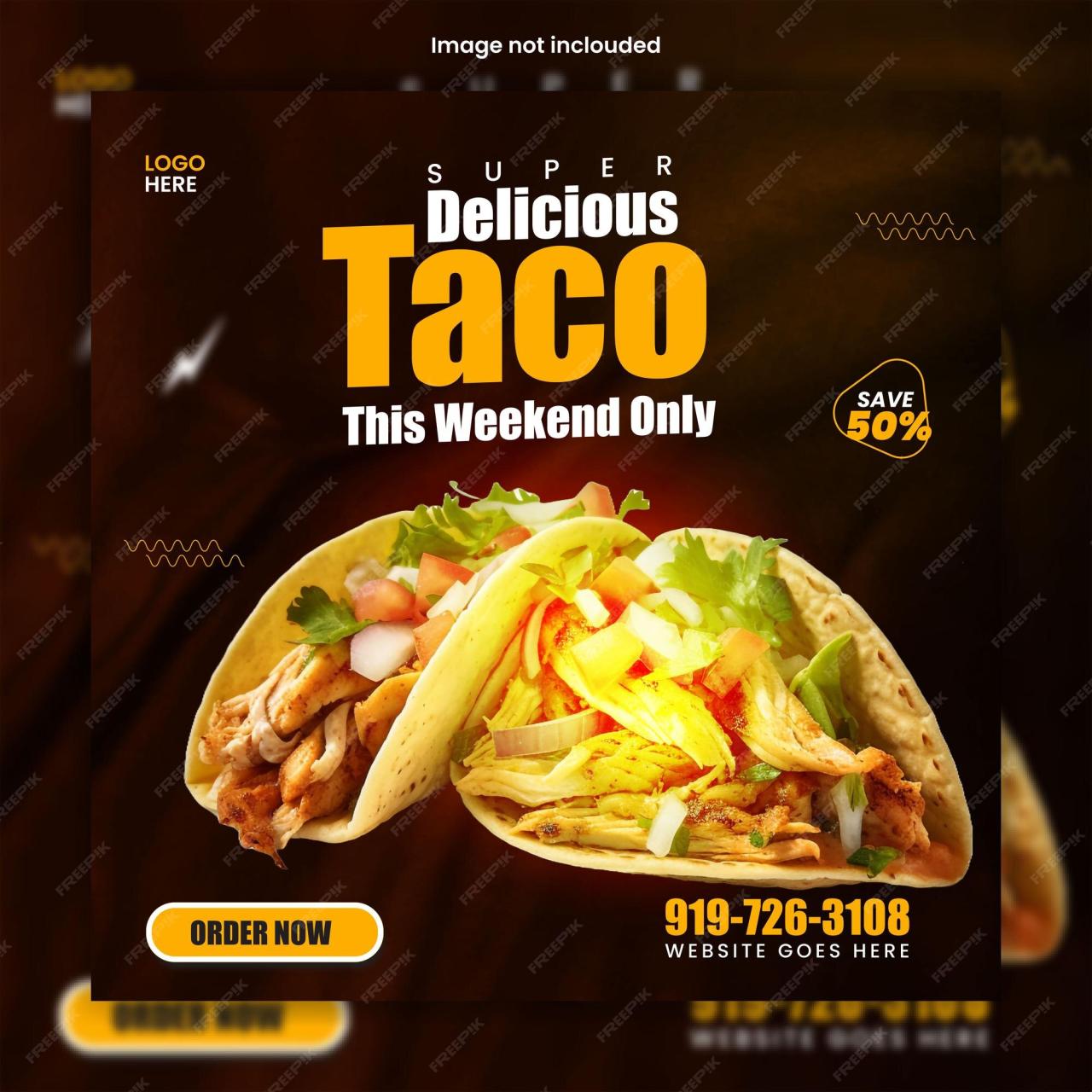
Taco preparation is a culinary art that combines flavors, textures, and techniques for an unforgettable experience. Understanding the various methods of cooking taco fillings and mastering the art of tortilla-making can elevate your taco game to new heights. This exploration delves into the techniques that define the perfect taco, ensuring each bite is a harmonious blend of taste and presentation.
Cooking Methods for Taco Fillings
When it comes to preparing taco fillings, the method of cooking can significantly enhance the flavor profile. Here are some popular techniques:
- Grilling: This method infuses a smoky flavor into proteins like chicken, beef, or vegetables. Marinating the ingredients beforehand can intensify the taste. Once grilled, let your fillings rest to maintain juiciness.
- Frying: Frying can add a delightful crunch to taco fillings, especially when using ingredients like potatoes or breaded meats. A deep-fry ensures a crispy exterior that contrasts nicely with softer ingredients.
- Slow-Cooking: Ideal for tougher cuts of meat, slow-cooking allows flavors to meld over time. Using a slow cooker, meat can become tender and flavorful, perfect for shredded tacos. Seasoning the meat with spices and broth creates a rich base for your tacos.
Homemade Tortilla Making Process
Homemade tortillas are fundamental to authentic tacos, providing a fresh and flavorful foundation. Here’s a simple process:
1. Gather Ingredients: You will need masa harina (corn flour), water, and a pinch of salt.
2. Mix Ingredients: In a bowl, combine masa harina and salt. Gradually add water until a dough forms.
3. Knead the Dough: Knead the dough until it is smooth and pliable. Let it rest for about 30 minutes, covered with a damp cloth.
4. Shape Tortillas: Divide the dough into small balls. Using a tortilla press or rolling pin, flatten each ball into thin rounds.
5. Cook Tortillas: Heat a skillet over medium-high heat. Cook each tortilla for about 30 seconds on each side until lightly browned and cooked through.
Homemade tortillas have a unique flavor and texture that store-bought versions cannot replicate, making them essential in authentic taco preparation.
Assembling Tacos for Optimal Flavor and Presentation
The way tacos are assembled plays a crucial role in flavor balance and visual appeal. Here’s a guide to achieving the best results:
Start with a warm tortilla as the base, which enhances the overall taste and texture. Layer ingredients thoughtfully to achieve harmony. Consider the following order:
- Base Layer: Begin with a protein or main filling as the first layer, ensuring sufficient quantity for flavor.
- Crunch Factor: Add a layer of fresh vegetables, such as lettuce or cabbage, for crunch and freshness.
- Sauces and Spices: Drizzle with a flavorful sauce or add spices to elevate the overall taste. Consider sour cream, salsa, or guacamole.
- Garnishing: Top with fresh herbs like cilantro or green onions for a burst of color and flavor.
In terms of presentation, place the assembled tacos on vibrant serving plates, emphasizing their colorful ingredients. Consider serving alongside lime wedges for added zest and a sprinkle of chili powder for those who enjoy heat.
The Role of Tacos in Modern Culinary Trends
Tacos have transcended their traditional roots to become a versatile element in the modern culinary landscape. With their ability to adapt to various cultural influences and dietary preferences, tacos now hold a prominent place in both casual and fine dining experiences. This evolution reflects broader food trends, showcasing how these beloved handheld meals have adapted to meet the palate of contemporary diners.
Current Food Trends Featuring Tacos
The taco has emerged as a canvas for culinary creativity, leading to several notable trends in both fusion cuisines and gourmet variations. Chefs are experimenting with flavors, ingredients, and presentation, transforming the humble taco into a gastronomic delight.
- Fusion Tacos: Combining elements from various culinary traditions, fusion tacos might include Korean BBQ with kimchi, Thai-inspired tacos with spicy peanut sauce, or even sushi tacos that incorporate fresh fish and avocado wrapped in seaweed.
- Gourmet Variations: High-end restaurants are also offering gourmet tacos filled with ingredients like truffle oil, lobster, or duck confit, often served on artisanal tortillas, showcasing an elevated approach to this classic dish.
- Street Food Movement: The street food trend has propelled tacos into the spotlight, with food trucks offering innovative takes that attract food enthusiasts eager for unique flavors and experiences.
Integration of Tacos in Contemporary Dining Experiences
Tacos are increasingly featured in both casual and upscale dining settings, reflecting their versatility and widespread appeal.
- Food Trucks: The rise of food trucks has democratized gourmet tacos, allowing chefs to experiment and serve authentic, creative options at various events and locations, making quality tacos accessible to a broader audience.
- Fine Dining: Upscale restaurants have embraced tacos, often incorporating them into tasting menus where they can be presented as a sophisticated dish, allowing diners to experience traditional flavors through a refined lens.
- Pop-up Events: Pop-up taco events have become popular, offering limited-time menus that highlight seasonal ingredients and innovative recipes, creating a buzz around the culinary community.
The Rise of Plant-Based Tacos
The increasing demand for plant-based diets has spurred the rise of plant-based tacos, reshaping traditional taco consumption and appealing to a wider audience.
- Innovative Ingredients: Vegetables, legumes, and meat alternatives are being creatively utilized to craft flavorful fillings that satisfy cravings without animal products. Common ingredients include jackfruit, lentils, and a variety of spices, creating hearty options.
- Health Consciousness: As health trends continue to rise, plant-based tacos offer lower-calorie and nutrient-dense alternatives, appealing to those seeking healthier choices in their meals.
- Environmental Awareness: The shift towards plant-based tacos is also driven by growing concerns about sustainability and environmental impact, with many consumers opting for meat-free options to reduce their carbon footprint.
Pairing Tacos with Beverages for a Complete Experience
The right beverage can elevate your taco experience, enhancing flavors and bringing a delightful balance to the meal. Whether you’re indulging in traditional street tacos or modern gourmet creations, pairing them with the right drinks ensures a harmonious tasting adventure. From refreshing aguas frescas to robust cocktails, the options are abundant and can cater to varied palates.
Beverage Suggestions for Different Types of Tacos
Choosing the right drink to accompany your tacos can significantly enhance the overall dining experience. Here are some beverage suggestions tailored to complement various taco styles:
- Traditional Tacos: Pair classic tacos like carne asada or al pastor with Mexican lagers such as Corona or Pacifico. Their light, crisp profiles complement the spiciness and richness of the meats.
- Fish Tacos: Opt for a light white wine, such as Sauvignon Blanc, or a citrusy cocktail like a margarita. These beverages enhance the freshness of the fish.
- Vegan Tacos: A refreshing agua fresca made from fresh fruit like watermelon or cucumber pairs beautifully. The light sweetness balances the earthiness of the vegetables.
- Spicy Tacos: Counterbalance the heat of spicy tacos with a sweet tea or lemonade. They help soothe the palate while adding a refreshing contrast.
- Gourmet Tacos: Pair upscale creations like duck or mushroom tacos with an artisanal cocktail, crafted with unique flavors such as thyme or rosemary for an elevated experience.
Creating Signature Cocktails or Mocktails
Crafting a signature cocktail or mocktail can enhance your taco night, providing a personalized touch that mirrors the flavors of your meal. Start by considering the primary flavors in your tacos. Here’s a simple process to create your own drinks:
1. Establish the Base: Choose a spirit or non-alcoholic base that complements your taco’s flavor profile. For example, tequila works well with spicy tacos, while rum pairs well with tropical flavors.
2. Incorporate Fresh Ingredients: Use fresh herbs, fruits, and spices to infuse flavor. Think basil or mint for refreshing notes, or jalapeños for a kick.
3. Balance the Flavors: Add a source of acidity, like lime juice, to bring brightness to your cocktail or mocktail. This helps balance sweet or savory elements in your tacos.
4. Finish with a Unique Twist: Consider adding a splash of soda or tonic for effervescence or a dash of bitters for complexity.
“A well-crafted cocktail should dance in harmony with the flavors of your meal.”
Regional Beverages Enjoyed with Tacos
Certain beverages are staples in regions where tacos originate, enhancing the cultural experience of dining. Here are some regional favorites:
- Aguas Frescas: These refreshing beverages made from blended fruits, herbs, and water are ubiquitous in Mexico. Popular flavors include hibiscus (jamaica) and tamarind, perfect for quenching thirst alongside spicy tacos.
- Tequila: A traditional choice, tequila can be enjoyed neat, on the rocks, or in cocktails like a classic margarita. Its agave notes beautifully complement the flavors of many tacos.
- Mexican Beer: Brands like Modelo and Dos Equis are often enjoyed with tacos, offering a crisp and refreshing pairing that enhances the meal’s overall aesthetics.
- Micheladas: This beer cocktail, made with lime juice, hot sauce, and spices, is an ideal companion for spicy tacos, offering a flavorful and zesty experience.
Each of these beverages brings its unique charm and character to the table, transforming a simple taco meal into a memorable culinary journey. By carefully selecting your drinks, you can create a complete dining experience that celebrates the flavors of your taco choices.
Hosting a Taco Night
Hosting a taco night can be a delightful way to bring friends and family together for a fun and interactive dining experience. The vibrant flavors and customizable nature of tacos create an inviting atmosphere, encouraging everyone to get creative with their meal. However, planning a successful taco night involves several key components, from menu selection to creating the right ambiance.
Checklist for Organizing a Successful Taco Night
To ensure your taco night goes off without a hitch, it’s essential to plan ahead. A well-organized checklist will help streamline the planning process, ensuring that nothing is overlooked. Below are crucial elements to consider when preparing for your event:
- Menu Planning: Decide on the type of tacos you want to serve, such as traditional beef, chicken, vegetarian, or even seafood options. Include a variety of toppings like lettuce, cheese, salsa, guacamole, and sour cream.
- Ingredient Sourcing: Make a list of all necessary ingredients and check local grocery stores or markets for fresh produce and quality meats. Consider ordering specialty items online if needed.
- Preparation Time: Allocate enough time for prepping ingredients. Chopping vegetables and marinating meats ahead of time can save you stress on the day of the event.
- Utensils and Supplies: Ensure you have enough plates, napkins, utensils, and serving dishes for your guests. Don’t forget taco holders if you want to make serving easier!
- Beverage Options: Consider offering a selection of beverages that pair well with tacos, such as margaritas, beer, or non-alcoholic options like horchata.
Taco-Themed Decorations and Ambiance
Creating a festive atmosphere is key to enhancing the taco night experience. Here are some ideas for decorations and ambiance that can set the stage for a memorable gathering:
- Colorful Table Settings: Use vibrant tablecloths or placemats in colors like red, green, and yellow that evoke a Mexican fiesta vibe. Incorporate small decorative items, such as mini piñatas or papel picado (traditional cut paper banners).
- Lighting: String lights or lanterns can add a warm glow to your dining space. If outdoors, consider using tiki torches for a lively feel.
- Centerpieces: Create centerpieces with fresh flowers in bright colors or even small bowls filled with limes and chilies for a fun touch.
- Music Playlist: Compile a playlist featuring lively Latin music or mariachi bands to elevate the festive atmosphere.
Accommodating Dietary Restrictions and Preferences
It’s important to cater to the dietary needs of your guests. This ensures everyone feels included and can enjoy the meal. Here are some considerations for planning your taco menu:
- Vegetarian and Vegan Options: Offer a variety of fillings such as grilled vegetables, beans, or tofu to cater to non-meat eaters.
- Gluten-Free Choices: Provide corn tortillas as a gluten-free alternative to traditional flour tortillas.
- Allergy Awareness: Be mindful of common allergens such as dairy and nuts. Labeling dishes can be helpful for guests with allergies.
- Spice Level Options: Prepare mild, medium, and spicy salsa options so guests can choose according to their preference.
“A well-planned taco night can be an enjoyable experience for everyone, regardless of their dietary preferences.”
The Future of Tacos in Global Cuisine
As culinary trends evolve, tacos are poised to take on increasingly diverse forms and flavors across the globe. The adaptability of this beloved dish offers endless possibilities for innovation, as chefs and home cooks experiment with new ingredients, techniques, and presentations. This exploration highlights not only the growing popularity of tacos but also their potential future impact on various culinary landscapes around the world.
The integration of tacos into global cuisine suggests a fusion of traditional Mexican flavors with local ingredients and culinary practices. As the world becomes more interconnected, we see an increasing appreciation for diverse food cultures, allowing tacos to be reimagined in ways that resonate with different palates.
Perception of Tacos in Various Cultures
Tacos are perceived quite differently outside of Mexico, as cultural interpretations shape their identity. In the United States, tacos have become a cultural icon, often associated with casual dining and street food. The emergence of taco trucks has popularized gourmet takes on traditional recipes, introducing fillings ranging from Korean barbecue to vegan options.
In European countries, tacos may be viewed through the lens of culinary experimentation, with chefs incorporating local cheeses, meats, and vegetables into their renditions. While Spanish tapas culture holds some similarities, tacos are often celebrated for their versatility and portability. In Japan, fusion cuisine has led to unique taco creations, such as using sushi rice as a filling or wrapping tacos in seaweed.
Innovations in Taco Recipes and Presentations
The future of tacos promises exciting innovations in both recipes and presentations. As chefs continue to push culinary boundaries, we can anticipate the emergence of several trends that will redefine how tacos are enjoyed:
- Plant-Based Options: With the rise of veganism and vegetarianism, many chefs are crafting innovative plant-based taco fillings using ingredients like jackfruit, lentils, and even cauliflower, providing hearty alternatives that maintain the traditional taco experience.
- Global Flavors: Influences from global cuisines, such as Indian spices or Mediterranean toppings, are becoming increasingly common in taco recipes. Expect to see combinations like tikka masala chicken tacos or falafel-stuffed tortillas.
- Experiential Dining: Tacos are being presented in more interactive ways, such as DIY taco kits or taco bars at events, where guests can customize their creations with various toppings and salsas, enhancing the social aspect of dining.
- Artful Presentations: Visual appeal is essential in modern dining, and tacos are no exception. Chefs are focusing on vibrant colors, unique plating, and garnishes, transforming each taco into a work of art that is as pleasing to the eye as it is to the palate.
“Food is a universal language, and tacos are the versatile words that allow for expression across cultures.”
As the taco continues to evolve, it serves as a canvas for culinary creativity, reflecting the dynamic nature of global cuisine while maintaining its core essence. The future holds exciting possibilities for this timeless dish, establishing tacos as a staple in diverse food cultures around the world.
Last Word
In summary, the journey through Menu (Tacos Spesifik) showcases not only the mouthwatering appeal of tacos but also their deep-rooted cultural significance. As we look ahead, tacos are set to continue their evolution, delighting palates and inspiring culinary creativity worldwide. So gather your ingredients, invite your friends, and embark on a flavorful taco adventure that promises to satisfy and inspire.
FAQ Overview
What are the most popular taco fillings?
Common fillings include beef, chicken, pork, fish, beans, and various vegetables, often complemented by fresh toppings and salsas.
Can tacos be made vegetarian or vegan?
Absolutely! Tacos can be filled with a wide range of vegetables, legumes, and plant-based proteins to create delicious vegetarian or vegan options.
How do I make homemade tortillas?
To make tortillas, you’ll need masa harina and water. Mix the ingredients, knead the dough, and then roll it out into thin circles before cooking on a hot skillet.
What drinks pair well with tacos?
Popular pairings include Mexican beers, margaritas, aguas frescas, and even creative cocktails that complement the flavors of the tacos.
How can I accommodate dietary restrictions for taco night?
Consider offering a variety of fillings and toppings, including gluten-free tortillas and plant-based options, to cater to different dietary needs.