 Rogert
Taqueria serves as a vibrant tapestry woven into the fabric of Mexican culture, where the aroma of sizzling meats and the sound of laughter mingle in the air. These establishments have not only provided sustenance but have also fostered community ties and cultural exchange, making them essential to the culinary landscape. From their humble beginnings to becoming iconic fixtures in urban settings, taquerias encapsulate the essence of Mexico’s rich heritage while continuing to adapt and inspire.
As we delve into the world of taquerias, we uncover the historical significance of these beloved eateries, the diverse array of tacos they offer, and their pivotal role in contemporary urban life. The cooking methods and ingredients that define authentic taqueria dishes, along with the delightful non-taco offerings, showcase the culinary artistry at play within these vibrant venues.
The Historical Significance of Taquerias in Mexican Culture
Taquerias hold a revered place in Mexican culture, serving as more than just eateries; they embody a rich tapestry of history, tradition, and community. The origins of taquerias can be traced back to the early 20th century in Mexico, where they emerged as street food vendors selling tacos made with simple ingredients like corn tortillas and various fillings. As urbanization grew, so did the popularity of these establishments. Taquerias evolved from humble street stalls to bustling restaurants, reflecting the changing dynamics of Mexican society while preserving culinary traditions.
Taquerias have significantly contributed to Mexican culinary heritage, acting as custodians of regional flavors and cooking methods. The taco, often regarded as the quintessential Mexican dish, showcases the diverse ingredients and techniques from various states. For instance, in Oaxaca, you might find tlayudas, large tortillas topped with beans, cheese, and meats, while in Baja California, fish tacos reign supreme, highlighting the coastal culinary influences. Taquerias are crucial for passing down recipes and cooking styles from one generation to the next, ensuring that traditional flavors remain alive amidst modern culinary trends.
Traditional Taqueria Practices and Cultural Implications
The practices observed in taquerias are deeply rooted in Mexican culture and reflect the communal nature of dining. These establishments often have open kitchens, allowing customers to witness the preparation of their food, fostering a connection between the cook and the diner. This transparency not only builds trust but also enhances the overall dining experience, as patrons enjoy the aroma and sights of freshly made tacos.
One of the most distinctive aspects of taquerias is the variety of salsas and toppings available, each representing different regional tastes and preferences. Common accompaniments like chopped onions, cilantro, and lime are more than just garnishes; they signify the importance of balancing flavors in Mexican cuisine. In a taqueria, sharing food is customary, reinforcing social bonds among friends and family.
Another intriguing practice is the use of traditional cooking methods, such as the comal, a flat griddle used for toasting tortillas. This method, which has been passed down through generations, highlights the importance of authenticity and craft in preparing food.
“In every taco, there is a story of history, culture, and community.”
The Different Types of Tacos Offered in Taquerias
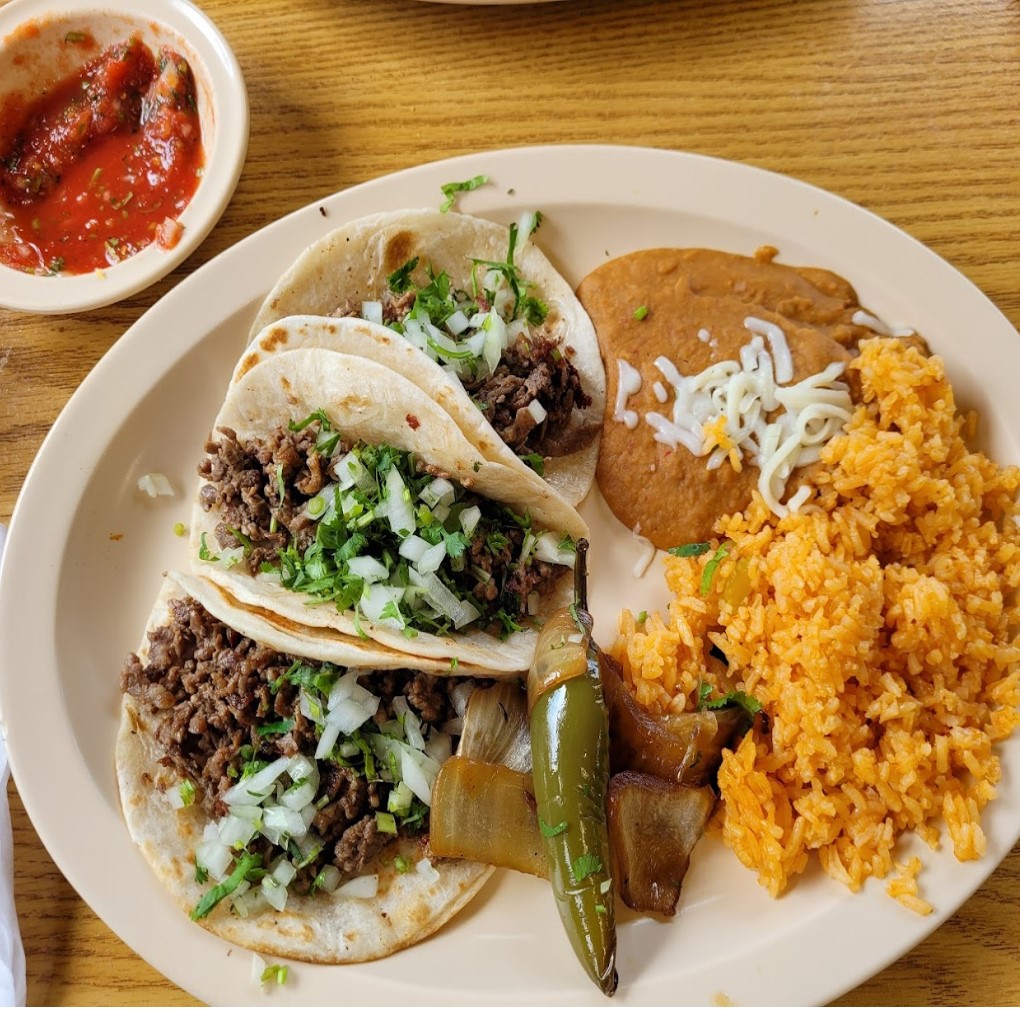
Tacos are a staple of Mexican cuisine, each variety representing the rich cultural heritage and regional flavors of the country. In taquerias, you can find a delightful assortment of tacos, each with its unique filling, preparation method, and presentation. These variations not only reflect local tastes but also highlight the diversity of ingredients available throughout Mexico.
Common Types of Tacos
The world of tacos is diverse, with each type boasting distinct characteristics. Here are some of the most popular types of tacos found in taquerias:
- Taco al Pastor: Originating from Lebanese shawarma, this taco features marinated pork cooked on a vertical spit, served with pineapple, onion, and cilantro.
- Taco de Carnitas: This type consists of slow-cooked, tender pork that’s crispy on the outside and soft inside, often garnished with onions and cilantro.
- Taco de Barbacoa: Traditionally made from lamb or beef, barbacoa is slow-cooked in a pit, resulting in flavorful, tender meat, usually served with onions and salsa.
- Taco de Pescado: Fish tacos, typically made with battered and fried fish, are often accompanied by cabbage, pico de gallo, and a creamy sauce.
- Taco Veggie: For vegetarian options, these tacos include a variety of fillings such as grilled vegetables, beans, and avocado, topped with fresh salsa.
Regional Variations of Tacos Across Mexico
Tacos vary significantly from region to region in Mexico, each offering unique flavors, ingredients, and cooking techniques that reflect local traditions and resources. For instance, the coastal areas are famous for seafood tacos, showcasing the fresh catch of the day, while northern states often lean towards beef and flour tortillas, highlighting the ranching culture.
In Oaxaca, tlayudas serve as a large base for tacos, topped with a variety of ingredients, including cheese and meats. Meanwhile, in the Yucatán Peninsula, tacos are often filled with cochinita pibil, marinated pork cooked in banana leaves, which encapsulates the region’s Mayan heritage. These regional differences not only celebrate local ingredients but also tell the story of Mexico’s history and cultural influences.
| Taco Type | Main Ingredients | Flavor Profile |
|---|---|---|
| Taco al Pastor | Pork, pineapple, onions, cilantro | Sweet and savory with a hint of smokiness |
| Taco de Carnitas | Pork, onions, cilantro | Rich, tender, and slightly crispy |
| Taco de Barbacoa | Lamb or beef, onions, salsa | Deeply savory and aromatic |
| Taco de Pescado | Fish, cabbage, pico de gallo | Crispy with a fresh and zesty taste |
| Taco Veggie | Grilled vegetables, beans, avocado | Fresh, vibrant, and earthy |
The Role of Taquerias in Modern Urban Life
Taquerias have become integral to the social fabric of urban communities, serving as more than just places to enjoy delicious food; they are vibrant gathering spots that reflect the diversity and dynamism of city life. These establishments foster connections among residents, bridging cultural gaps and providing a sense of belonging for various demographic groups. Their impact extends beyond culinary delights, as they influence the social dynamics, community engagement, and economic vitality of neighborhoods.
Taquerias serve as gathering places for diverse populations, creating an inclusive environment where individuals from various backgrounds come together. These eateries often reflect the rich tapestry of urban life, attracting locals, tourists, and immigrants alike. The casual and welcoming atmosphere allows for relaxed conversations and interactions, making it easy for people to socialize and build relationships in a community setting. Whether it’s a family enjoying a meal, friends catching up over tacos, or colleagues grabbing lunch, taquerias become microcosms of the broader community, facilitating interactions that might not otherwise occur.
In addition to their social role, taquerias significantly contribute to the local economy. They provide job opportunities, often employing residents from the surrounding neighborhoods and helping to stimulate economic growth. The presence of taquerias can enhance property values and attract foot traffic, which benefits other local businesses. By sourcing ingredients locally when possible, these establishments also support farmers and suppliers within the region, creating a ripple effect that strengthens the local economy.
Moreover, many taquerias engage in community events, sponsoring cultural festivals and participating in local markets, which helps foster a sense of pride and connection among residents. This engagement can lead to a more cohesive community, where individuals feel a shared responsibility for one another and their neighborhood. In essence, taquerias embody the spirit of urban life, where food and culture intersect, making lasting impacts on both social dynamics and economic health in the communities they serve.
Cooking Techniques and Ingredients Commonly Used in Taquerias
Taquerias are renowned for their vibrant flavors and authentic dishes, primarily revolving around tacos and salsas. The preparation of these culinary delights requires specific cooking techniques and a well-curated selection of ingredients that are fundamental to traditional Mexican cuisine. Understanding these aspects can deepen appreciation for the craft behind each taco served.
The cooking methods utilized in taquerias often include grilling, frying, and slow cooking, each adding unique flavors and textures to the dishes. Grilling, known as “asado,” is particularly popular for meats such as carne asada (grilled beef) and pollo (chicken). This technique imparts a smoky flavor that complements the spices used in marinating the meat. Frying is commonly employed for making crispy tacos, where tortillas are fried to perfection, offering a delightful crunch. Additionally, slow cooking methods, like braising, are used for dishes such as carnitas (slow-cooked pork), allowing the meat to become tender and infused with flavorful spices.
Key Ingredients in Authentic Taqueria Dishes
Authentic taqueria dishes are characterized by a set of key ingredients that define their rich flavors. Corn is a staple, primarily in the form of fresh tortillas, which serve as the foundation for tacos. The use of fresh vegetables such as onions, cilantro, and lime elevates the freshness of the meal, while various meats like carne asada, al pastor, and barbacoa contribute to the delicious diversity of tacos. Furthermore, salsas made from tomatoes, tomatillos, and various peppers enhance the flavor profile and add a zesty kick to the dishes.
Here are essential spices and herbs that play a critical role in taqueria recipes:
To truly capture the essence of taqueria cuisine, the following spices and herbs are frequently employed:
- Cumin – Provides a warm and earthy flavor, often used in meat marinades.
- Cilantro – A fresh herb that adds brightness and depth to salsas and garnishes.
- Oregano – Commonly used in seasoning meats and sauces, giving a distinct aromatic quality.
- Chili Powder – Adds heat and depth, essential for salsas and meat preparations.
- Garlic Powder – Enhances flavor in marinades and sauces.
- Black Pepper – Offers mild heat and enhances the overall flavor of dishes.
- Bay Leaves – Used in slow-cooked dishes for added aroma and complexity.
Each of these ingredients contributes not only to the flavor but also to the authenticity that taquerias aim to achieve, making them beloved culinary destinations for taco enthusiasts.
Popular Taqueria Dishes Beyond Tacos
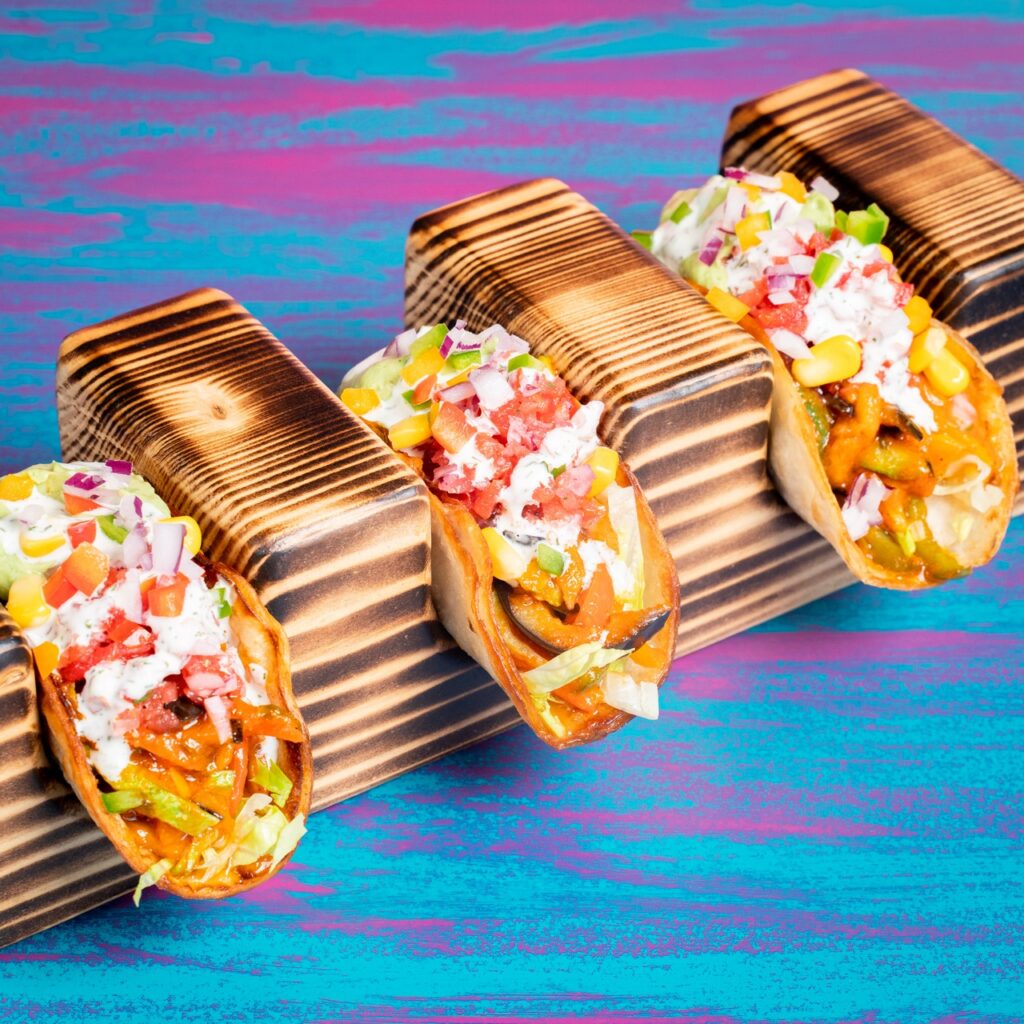
While tacos are often the star of the show at any taqueria, there are numerous other dishes that complement the taco experience and showcase the rich flavors of Mexican cuisine. From hearty enchiladas to zesty salsas, these dishes present a variety of tastes and textures that enhance a taqueria’s menu. Exploring these signature offerings not only enriches the dining experience but also highlights the culinary traditions that are deeply rooted in Mexican culture.
Side dishes and beverages play a crucial role in a taqueria’s menu, elevating the overall dining experience. A well-rounded meal often includes a combination of main dishes and accompaniments that create a balanced flavor profile. Side dishes such as rice and beans, guacamole, and elote (Mexican street corn) provide additional tastes and textures that complement the main offerings. Moreover, refreshing drinks like aguas frescas, horchata, or tequila-based cocktails help cleanse the palate and enhance the meal. They create a harmonious dining experience that keeps patrons coming back for more. The right side dishes and beverages can turn a simple meal into an unforgettable feast, celebrating the vibrant flavors of Mexico while ensuring that every bite and sip resonates with delight.
Popular Non-Taco Offerings
To illustrate the diversity of dishes available at taquerias, here is a table highlighting some of the most popular non-taco offerings that patrons frequently enjoy:
| Dish | Description |
|---|---|
| Enchiladas | Soft corn tortillas rolled around a filling, typically chicken or cheese, and topped with a savory sauce. |
| Quesadillas | Grilled tortillas filled with melted cheese and often stuffed with meats or vegetables. |
| Sopes | Thick corn masa rounds topped with meat, beans, lettuce, salsa, and cheese. |
| Tamales | Steamed corn dough filled with meats, cheese, or vegetables, wrapped in corn husks. |
| Flautas | Crispy rolled tortillas filled with meat, typically served with toppings like sour cream and guacamole. |
The Influence of Taquerias on Global Cuisine
Taquerias have carved a unique niche in the culinary landscape, presenting not just a meal but an experience that celebrates the flavors of Mexico. These establishments have influenced global cuisine by inspiring chefs and food lovers to experiment with and adapt traditional Mexican dishes, leading to delightful fusions that resonate with diverse palates around the world.
The rise of taquerias has opened the door for creative culinary adaptations that blend Mexican flavors with various international cuisines. As globalization continues to connect cultures, chefs have embraced the robust and vibrant profiles of taqueria dishes. This fusion has resulted in innovative creations that highlight the versatility of traditional Mexican ingredients like corn, beans, and various proteins, while incorporating elements from other culinary traditions. For instance, the classic taco has seen adaptations that marry it with Asian flavors, resulting in items like Korean BBQ tacos, which pair marinated beef with kimchi and drizzles of spicy mayo, creating a tantalizing contrast of flavors and textures.
Many restaurants worldwide have recognized this trend and have incorporated taqueria-inspired dishes into their menus. Some notable examples include:
Global Restaurants Embracing Taqueria Flavors
The following restaurants exemplify the global influence of taqueria flavors, showcasing how they creatively integrate these beloved Mexican elements into their offerings:
- Chef José Andrés’ Jaleo – Located in Washington D.C., Jaleo offers a tapas-style menu that features a unique take on tacos filled with slow-cooked meats and house-made salsas, seamlessly blending Spanish and Mexican culinary traditions.
- Dos Chicas – Found in Melbourne, this taqueria introduces a fusion of traditional tacos with Australian ingredients, such as kangaroo meat paired with native bush tomatoes, providing a distinctly local twist.
- Chino Bandido – With locations in Phoenix, Arizona, this restaurant combines Mexican and Chinese cuisines, featuring items like the “Mexi-Cali” burrito that incorporates fried rice and sweet-and-sour pork into a traditional burrito wrap.
- El Camino – This restaurant in Melbourne has garnered attention for its innovative “taco pizza,” which combines the flavors of a taco with the format of a pizza, featuring seasoned ground beef, cheese, and fresh toppings.
These examples illustrate not only the adaptability of taqueria dishes but also their ability to resonate with different cultural tastes. By embracing these culinary crossovers, chefs and restaurants around the globe continue to celebrate the essence of taquerias while contributing to an ever-evolving global food scene. The excitement around these adaptations highlights the universal appeal of taqueria flavors, bridging cultures and creating new dining experiences that honor both tradition and innovation.
The Experience of Dining in a Taqueria
Dining in a taqueria is not just about the food; it’s an immersive experience that engages all your senses. From the moment you step inside, you are enveloped in a vibrant atmosphere that reflects the rich culture of Mexico. The colorful decor, often adorned with traditional art and photographs, invites diners to feel as though they are part of a lively community. The aroma of sizzling meats, fresh ingredients, and spices wafts through the air, setting the stage for a delightful culinary journey.
The sensory experiences at a taqueria are profound and multi-faceted. The sounds of happy chatter, clinking plates, and sizzling grills create a lively backdrop. As you approach the counter, the sight of fresh tortillas being pressed and grilled captures your attention, showcasing the craftsmanship behind each dish. The vibrant colors of tacos, adorned with fresh pico de gallo, guacamole, and cilantro, tantalize your taste buds even before the first bite. The flavors, ranging from the smoky warmth of roasted chilies to the zesty brightness of lime and the hearty taste of seasoned meats, dance on your palate, making each taco a unique experience. The textures are equally enticing; the crunch of fresh vegetables against the soft, warm tortilla creates a delightful contrast that enhances the overall dining experience.
Cultural etiquette in a taqueria is essential to fully appreciate the meal and the environment. It is customary to greet the staff with a friendly “Hola” as you enter, acknowledging their role in your dining experience. Many taquerias embrace a casual setting where sharing food is encouraged; ordering a variety of tacos to share with friends or family fosters a communal atmosphere. Another practice is to savor your food at a leisurely pace, allowing the flavors to be fully appreciated. It’s polite to thank the staff when receiving your order, as this helps maintain the friendly ambiance. Additionally, many diners opt for a glass of agua fresca or horchata to complement their meal, embodying the tradition of pairing food with refreshing beverages. Overall, the experience of dining at a taqueria is as much about the culinary delights as it is about embracing the cultural practices that enhance the enjoyment of the meal.
Last Recap
In conclusion, taquerias are more than just places to grab a bite; they are cultural hubs that reflect the heart and soul of Mexican cuisine. Their influence extends beyond borders, inspiring culinary creations around the world while remaining a cherished aspect of community life. Whether you’re savoring a traditional taco or exploring fusion dishes, the experience of a taqueria is one that leaves an indelible mark on your palate and spirit.
FAQ Overview
What is a taqueria?
A taqueria is a restaurant or food stand specializing in tacos and other Mexican street food.
Are taquerias only found in Mexico?
No, taquerias have spread globally and can be found in many countries, adapting to local tastes.
What makes authentic tacos different?
Authentic tacos often use fresh, local ingredients and traditional cooking methods, resulting in unique flavors.
Do taquerias offer vegetarian options?
Yes, many taquerias include vegetarian tacos and dishes made with ingredients like mushrooms or vegetables.
What is the best time to visit a taqueria?
Taquerias can be enjoyed at any time, but they are often bustling during lunch and dinner hours.