 Rogert
Tacos are not just a meal; they’re a vibrant symbol of Mexican culture that tells a rich story through every bite. From their historical roots dating back centuries to the diverse regional variations that bring unique flavors and traditions, tacos embody the spirit and soul of Mexico. Each taco represents a fusion of ingredients, techniques, and stories passed down through generations, making them a cherished staple in households and celebrations alike.
As we delve deeper, we’ll explore the intricate art of taco making, the innovative vegan options that have emerged, and the global influence these delightful creations have had on culinary trends. Tacos have transcended their humble beginnings, evolving into a dish celebrated on street corners and gourmet restaurants alike, uniting food lovers around the world.
The Cultural Significance of Tacos in Mexican Heritage
Tacos are emblematic of Mexican culture, representing much more than just a food item. They are a vivid reflection of the country’s history, regional diversity, and social fabric. This beloved dish embodies the spirit of community and familial bonds, serving as a staple in both everyday meals and festive gatherings. The taco’s significance transcends its delicious flavors, establishing itself as a symbol of national identity and culinary pride.
Historically, tacos have roots that trace back to the indigenous peoples of Mexico, who filled tortillas with various ingredients long before the arrival of Spanish colonizers. The word “taco” is believed to have originated from the Mexican silver mines in the 18th century, where miners used the term to describe the inexpensive meal they carried in paper or cloth. Over time, the taco has evolved, incorporating different ingredients and cooking techniques influenced by various cultural interactions. By the mid-20th century, tacos began gaining popularity outside of Mexico, especially in the United States, leading to the emergence of fast-food taco chains that further popularized the dish globally.
Regional Variations of Tacos
The diversity of tacos across different regions of Mexico showcases the country’s rich culinary heritage. Each area boasts its unique twist on this classic dish, often reflecting local ingredients and traditional cooking methods.
For instance, in Mexico City, the ubiquitous “taco al pastor” is a must-try. Originating from Lebanese shawarma, this taco features marinated pork, pineapple, and spices, all served on a soft corn tortilla. In contrast, the Yucatán Peninsula offers “tacos de cochinita pibil,” made with slow-roasted pork marinated in a blend of citrus and achiote paste, resulting in a vibrant and flavorful delight.
In the northern states, “tacos de carne asada” dominate the scene, showcasing marinated and grilled beef, often served with fresh toppings like guacamole and pico de gallo. Meanwhile, coastal areas such as Baja California celebrate their unique “fish tacos,” featuring battered and fried fish paired with fresh cabbage and creamy sauce.
“Tacos are not just food; they are a representation of the land, the people, and the culture.”
The variety of tacos across regions not only highlights the local taste preferences but also illustrates the rich tapestry of Mexican history and identity. From street vendors to gourmet restaurants, tacos continue to be a cherished aspect of Mexican society, fostering connections and celebrating traditions.
The Art of Taco Making
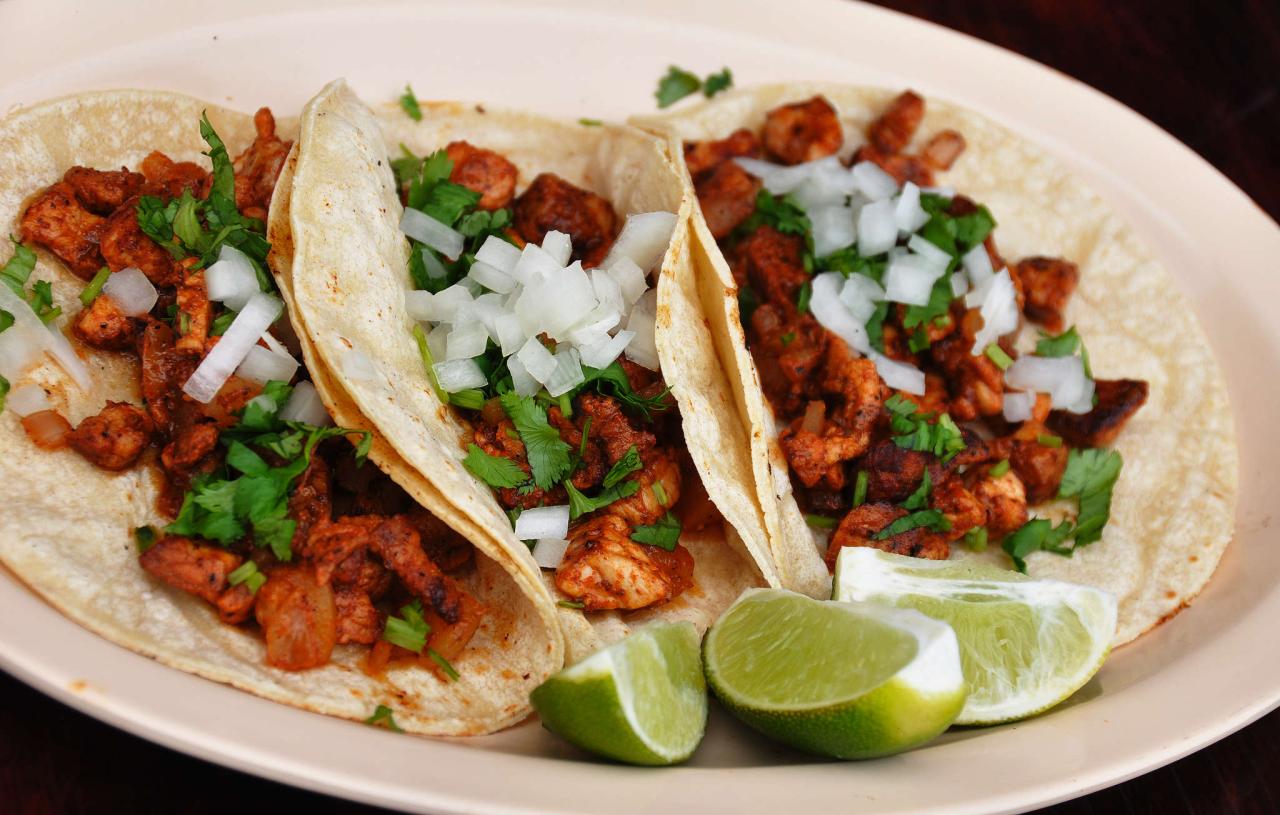
Creating tacos from scratch is not just a culinary task; it’s an art form that combines tradition, flavor, and technique. The joy of crafting your own tacos lies in the ability to customize every element, from the tortilla to the filling, ensuring that each bite is a burst of deliciousness. This guide will delve into the traditional methods of taco making, highlighting the significance of tortillas and providing step-by-step instructions for achieving the ideal taco filling.
Traditional Methods of Making Tacos
Understanding the traditional methods of taco making is essential for anyone looking to elevate their taco game. From selecting the right ingredients to mastering cooking techniques, each aspect contributes to the final dish.
One key component is the preparation of fresh tortillas, which is a crucial step in taco making. The two main types of tortillas are corn and flour. Corn tortillas are traditional and gluten-free, providing an earthy flavor that pairs perfectly with various fillings. Flour tortillas, on the other hand, are softer and more pliable, making them a popular choice for burritos and soft tacos.
To make tortillas from scratch, follow these steps:
1. Corn Tortillas: Start with masa harina (corn flour) and mix it with water until a dough forms. Divide the dough into small balls and press them flat using a tortilla press or a rolling pin. Cook on a hot, dry skillet for about 30 seconds on each side until they are slightly charred and pliable.
2. Flour Tortillas: Combine all-purpose flour, salt, and warm water, kneading until smooth. Roll out the dough into thin circles and cook on a heated skillet for about 1 minute on each side, until lightly golden.
Taco Fillings
The filling of a taco is where creativity truly shines. While the possibilities are endless, traditional fillings often include seasoned meats, beans, and fresh vegetables. Here’s a guide to creating a classic taco filling using ground beef as the base.
For a flavorful taco filling, gather the following ingredients and follow these steps:
1. Ingredients:
– 1 pound of ground beef
– 1 medium onion, finely chopped
– 2 cloves garlic, minced
– 1 tablespoon chili powder
– 1 teaspoon cumin
– Salt and pepper to taste
– Optional: chopped cilantro, diced tomatoes, and shredded cheese for topping.
2. Preparation Steps:
– In a skillet over medium heat, sauté the chopped onion until translucent.
– Add minced garlic and cook for an additional minute until fragrant.
– Incorporate the ground beef, breaking it apart with a spatula. Cook until browned.
– Season with chili powder, cumin, salt, and pepper, and mix well. Allow the mixture to simmer for about 5 minutes to let the flavors meld.
– Remove from heat and prepare to assemble your tacos.
“The secret to a fantastic taco is in the balance of flavors and freshness of ingredients.”
Once you have your tortillas and filling ready, assemble your tacos by placing a generous amount of the filling onto a tortilla, then top with your choice of fresh ingredients such as lettuce, salsa, avocado, or cheese. Each bite should reflect the care taken in preparation, showcasing the artistry of taco making.
Exploring Vegan and Vegetarian Taco Recipes
Vegan and vegetarian tacos are not only a delight for the taste buds but also a fantastic opportunity to incorporate innovative ingredients into traditional recipes. These plant-based options allow for creativity in the kitchen and can cater to both health-conscious eaters and culinary adventurers alike. With a focus on fresh produce and unique flavors, plant-based tacos can be just as satisfying as their meat counterparts.
Innovative ingredients play a crucial role in making delicious plant-based tacos. By utilizing elements like jackfruit, tempeh, and cauliflower, one can create exciting textures and flavors that rival traditional meat fillings. Jackfruit, for example, can be shredded to mimic pulled pork, while roasted cauliflower provides a hearty base with its nutty flavor when seasoned properly. Additionally, legumes like black beans and lentils offer protein-packed fillings that are both nutritious and flavorful.
Popular Vegan Taco Recipes and Their Key Components
Exploring various vegan taco recipes reveals a wealth of choices that highlight the versatility of plant-based ingredients. Below is a selection of popular vegan taco recipes, along with their key components to inspire your culinary creations.
- Jackfruit Tacos: Shredded young jackfruit, lime juice, cumin, smoked paprika, and topped with fresh cilantro and avocado.
- Cauliflower Tacos: Roasted cauliflower florets, a spice blend of chili powder and garlic, served with a creamy avocado sauce and pico de gallo.
- Lentil Tacos: Seasoned lentils sautéed with onions and garlic, topped with shredded cabbage and a drizzle of vegan sour cream.
- Chickpea Tacos: Spiced chickpeas, lime juice, and fresh spinach, garnished with diced tomatoes and a tahini dressing.
- Tofu Tacos: Crispy tofu cubes marinated in soy sauce and ginger, served with a mango salsa for a sweet and savory twist.
The nutritional benefits of incorporating more vegan options into taco recipes are substantial. These plant-based ingredients are generally lower in saturated fats and calories while being rich in dietary fiber, vitamins, and minerals. For instance, black beans are not only an excellent source of protein but also provide essential nutrients like iron and folate. Likewise, utilizing a variety of fresh vegetables in taco fillings ensures a colorful array of nutrients, promoting overall health.
Embracing vegan taco recipes not only satisfies dietary preferences but also contributes to a more sustainable culinary practice. Each bite of these vibrant plant-based tacos delivers both flavor and health, making them a perfect choice for anyone looking to explore the delicious possibilities of vegan cuisine.
The Global Influence of Tacos on Culinary Trends
Tacos, a staple of Mexican cuisine, have transcended borders and become a global culinary phenomenon. Their adaptability and versatility have allowed them to be reimagined in various cultures, leading to exciting innovations and interpretations. This exploration highlights how tacos have influenced international cuisines, how Americanized versions differ from traditional recipes, and the growing trend of taco food trucks that are reshaping modern dining experiences.
Adaptations of Tacos in International Cuisines
Tacos have been embraced around the world, resulting in unique adaptations that reflect local tastes and ingredients. Countries have taken the basic concept of a tortilla filled with various fillings and infused it with their culinary traditions. For instance, in Korea, tacos have been adapted to include bulgogi beef, kimchi, and spicy gochujang sauce. In Japan, you might find tacos filled with tempura shrimp and avocado, often drizzled with a soy-based sauce.
The concept of a taco has also found its way into Mediterranean cuisine, where pita bread serves as a substitute for the traditional corn or flour tortilla. Ingredients such as falafel, hummus, and tabbouleh transform the taco into a Middle Eastern delight. In the Philippines, tacos can be filled with adobo chicken, adding a savory twist that showcases local flavors.
Americanized Versions of Tacos Compared to Traditional Recipes
American cuisine has significantly altered the original taco recipes, introducing a range of ingredients and styles that differ greatly from traditional Mexican tacos. Traditional tacos are typically made with a soft corn tortilla and filled with simple, fresh ingredients such as grilled meats, onions, cilantro, and salsa. In contrast, Americanized tacos often feature hard-shell tortillas overflowing with ground beef, shredded cheese, sour cream, and various toppings.
This transformation has led to the rise of popular variants like the “Tex-Mex” taco, which incorporates a combination of American and Mexican culinary elements. The use of processed ingredients, such as taco seasoning and pre-packaged sauces, is prevalent in Americanized versions, diverging from the emphasis on fresh, whole ingredients found in traditional Mexican cooking.
Impact of Taco Food Trucks on Modern Dining Experiences
The rise of taco food trucks has revolutionized the way people engage with food in urban environments. These mobile eateries often serve gourmet-style tacos, allowing chefs to experiment with innovative flavors and high-quality ingredients. The food truck culture has made tacos accessible to a broader audience, fostering a communal dining experience in public spaces and events.
The convenience and casual atmosphere created by food trucks have also encouraged food enthusiasts to explore diverse taco offerings, ranging from traditional to avant-garde. This trend supports local economies and encourages culinary creativity among aspiring chefs. Food trucks have effectively become ambassadors for taco culture, showcasing the dish’s versatility and ability to adapt to contemporary tastes while maintaining its roots.
The influence of tacos on global culinary trends highlights the dish’s adaptability and enduring appeal across cultures.
Taco Pairings
Tacos are a culinary delight that can be complemented by a variety of beverages, enhancing the overall dining experience. Selecting the right drink can elevate the flavors of your taco, creating a harmonious blend that pleases the palate. The right pairing can enhance the enjoyment of both the food and the drink, making each bite and sip more memorable.
When choosing a beverage to accompany tacos, it’s essential to consider the flavor profiles of both the tacos and the drink. Tacos with bold, spicy flavors pair well with refreshing drinks that can balance heat, while milder tacos benefit from beverages that can accentuate their subtle flavors. The acidity, sweetness, and carbonation of beverages can also play a significant role in creating the perfect pairing.
Beverages that Complement Tacos
Selecting beverages that complement the diverse range of taco flavors can significantly enhance your meal. Below is a list of beverages that pair well with different types of tacos, considering their unique flavor profiles.
- Aguas Frescas: These refreshing fruit-infused waters are perfect for tacos filled with grilled meats or fish. Their light sweetness and fruity flavors can help balance bold spices.
- Mexican Beer: Light lagers such as Corona or Pacifico are ideal with spicier tacos, providing a crisp, refreshing taste that cleanses the palate. Darker beers like Negra Modelo pair well with richer tacos, like barbacoa.
- Margaritas: Classic lime margaritas work beautifully with carne asada tacos, as the tartness enhances the meat’s flavor. For fish tacos, a fruit-flavored margarita (like mango or pineapple) adds a tropical twist.
- Tequila: Sipping tequila, particularly blanco or reposado, complements tacos with a touch of warmth and complexity, making it a great match for most taco varieties.
- Sangria: This fruity wine punch pairs well with a range of taco fillings, especially vegetarian options, as its sweetness and acidity can elevate the flavors of fresh ingredients.
“The right drink can elevate the enjoyment of both the food and the drink, making each bite and sip more memorable.”
Popular Cocktail Recipes
Cocktails can enhance the taco-eating experience, offering creativity and flavor diversity. Here are a few popular cocktail recipes that perfectly complement tacos:
- Mango Margarita: Blend 2 oz of tequila, 1 oz of lime juice, and 1 oz of mango puree with ice. Rim the glass with chili salt for an extra kick.
- Pineapple Jalapeño Mojito: Muddle fresh mint and jalapeño slices, then add 2 oz of rum, 1 oz of pineapple juice, and soda water. The heat from jalapeño pairs excellently with spicy tacos.
- Blood Orange Paloma: Mix 2 oz of tequila, 1 oz of blood orange juice, and grapefruit soda. This refreshing drink enhances the flavors of citrus-marinated tacos.
- Classic Sangria: Combine red wine, orange juice, and a mix of your favorite fruits (like oranges, lemons, and berries). This refreshing drink complements lighter tacos and adds a fruity twist.
These beverage pairings and cocktail recipes create a delightful synergy with tacos, offering a tasty and memorable dining experience.
Taco Festivals and Their Role in Community Building
Taco festivals have emerged as vibrant cultural celebrations that go beyond just food, playing a vital role in fostering community spirit. These gatherings not only highlight the rich culinary tradition of tacos but also bring people together, strengthening social bonds and promoting local businesses. Taco lovers from different backgrounds come together, creating a sense of belonging and shared joy in the experience of delicious food.
These festivals are often packed with a variety of activities that engage attendees of all ages, making them a focal point for community interaction. From taco tastings to lively competitions, the events are designed to entertain while showcasing the culinary prowess of local chefs and food vendors. The activities help to cultivate a friendly and festive atmosphere, inviting participation and collaboration among community members.
Activities and Competitions at Taco Festivals
A wide range of activities typically takes center stage at taco festivals, creating a lively environment that encourages community involvement. These activities not only spotlight tacos but also draw attention to local culture and traditions. Here are some common activities and competitions featured at these events:
- Taco Eating Contests: A popular highlight where participants compete to see who can eat the most tacos within a set timeframe, often drawing large crowds and cheering fans.
- Cooking Demonstrations: Local chefs showcase their culinary skills, providing tips and tricks for making the perfect taco. This interactive component invites attendees to learn and engage with the cooking process.
- Live Music and Entertainment: Festivals frequently feature live performances from local bands and artists, creating a festive atmosphere. Dance performances and cultural displays also reinforce community heritage.
- Kids’ Activities: To engage younger attendees, festivals often include fun activities such as taco-themed crafts, face painting, and games, ensuring that families can enjoy the event together.
- Taco Competitions: Local restaurants and food trucks compete for the title of “Best Taco,” judged by a panel or through attendee votes. This adds a sense of excitement and encourages local pride in culinary creativity.
Highlighting notable taco festivals around the globe provides insight into their unique characteristics and the diverse cultures they represent. Each festival has its own flavor and flair, reflecting the community’s identity.
Notable Taco Festivals Worldwide
Several taco festivals around the world embody the celebration of this beloved food, each with its distinct vibe and offerings. Here are a few notable ones:
- San Antonio Taco Fest (Texas, USA): Celebrated in the heart of Texas, this festival features hundreds of vendors serving a myriad of taco styles. The event also incorporates live music, art displays, and various competitions, making it a true festival of culture.
- Taco Festival (Los Angeles, USA): Known for its extensive range of taco options, this festival attracts food lovers from all over. Activities include cooking demonstrations and performances by popular bands, emphasizing the city’s vibrant culinary scene.
- Taco Fest (Mexico City, Mexico): A homage to the birthplace of tacos, this festival showcases traditional and modern taco recipes, paired with authentic Mexican music and dance, celebrating the country’s rich gastronomic heritage.
- Taco Festival (Sydney, Australia): This festival reflects the growing popularity of Mexican cuisine in Australia, featuring local chefs and food trucks. The event promotes multiculturalism and showcases the evolution of tacos in different cultural contexts.
- Toronto Taco Fest (Canada): Featuring a diverse array of taco vendors, this festival celebrates not only traditional Mexican tacos but also innovative fusion creations, drawing attention to the city’s multicultural food scene.
In conclusion, taco festivals play a significant role in community building by providing a platform for cultural exchange, social interaction, and local pride. Through engaging activities and competitions, these festivals create cherished memories while celebrating the love for tacos.
A Dive into Taco-Related Traditions and Celebrations
Tacos have become a central element in various cultural celebrations and family gatherings, celebrated not only for their deliciousness but also for the joy and togetherness they inspire. From birthdays to holidays, tacos serve as a delicious canvas for personal expression and community bonding, making them a beloved staple in festive occasions.
In many Latin American cultures, tacos are synonymous with celebrations. They often take center stage during significant events such as quinceañeras, weddings, and family reunions. These gatherings often feature a taco bar, where guests can choose their favorite ingredients, creating a personalized meal that reflects the diverse tastes of everyone present. The communal aspect of making and enjoying tacos fosters a sense of connection among participants, as they share stories, laughter, and lively conversations around the table.
Notable Taco Celebrations and Rituals
Throughout the years, several memorable taco parties and events have left lasting impressions on communities. These celebrations often embody unique rituals that honor the significance of tacos in cultural heritage.
One memorable event takes place in Mexico City during the Feast of the Virgin of Guadalupe. On December 12th, thousands of people gather in the streets to celebrate with music, dance, and of course, tacos. Street vendors line the roads, offering an array of taco fillings, from traditional carnitas to more adventurous options like chapulines (fried grasshoppers). This vibrant atmosphere creates a melting pot of flavors and traditions, showcasing how tacos can be both festive and cultural.
Another example can be seen in American taco festivals, which have surged in popularity. These events typically feature taco-eating contests, live music, and local food vendors. Participants celebrate the taco’s versatility, experimenting with fusion tacos that blend different culinary traditions. For instance, Korean barbecue tacos paired with kimchi slaw have become a fan favorite, showcasing how diverse interpretations of tacos can breathe new life into old traditions.
“Food is a universal language, and tacos are its most delicious dialect.”
The rituals associated with taco consumption vary by culture but often involve communal preparation and sharing. In many Mexican households, families gather to prepare the ingredients together, with each member contributing their favorite components. This collaborative effort not only enhances the flavor of the tacos but also deepens familial bonds.
In some regions, it is customary to serve tacos with a side of traditional beverages, such as horchata or agua fresca, enriching the dining experience and making it a multi-sensory celebration. Additionally, sharing tacos during the Day of the Dead (Día de los Muertos) is a poignant ritual that honors loved ones who have passed, reinforcing the idea that food connects generations.
The significance of tacos in various cultural celebrations underscores their role as more than just a meal; they are a symbol of togetherness, heritage, and joy. As families and communities continue to gather around taco platters, these traditions are likely to flourish, ensuring that tacos remain a cherished part of cultural festivities for years to come.
The Science Behind Taco Ingredients and Their Flavors
Tacos are more than just a combination of ingredients wrapped in a tortilla; they are a symphony of flavors shaped by science. The interactions between various taco components, from proteins to spices, create the unique taste profiles that many crave. Understanding the chemistry behind these ingredients not only enhances appreciation but also guides culinary practices to elevate taco-making to an art form.
Chemical Reactions in Cooking Taco Ingredients
When cooking taco ingredients, several chemical reactions come into play. For instance, the Maillard reaction occurs when proteins and sugars are heated, creating complex flavors and a rich brown color in meats. This reaction significantly enhances the savory taste profile that tacos are known for. The ideal cooking temperature for achieving the Maillard reaction is between 140°C to 165°C, making the searing of meats essential for flavor development.
Additionally, the caramelization of sugars in vegetables like onions and bell peppers adds sweetness and depth. As these sugars are heated, they break down and transform, contributing to the overall flavor complexity of the taco filling. Furthermore, when spices are toasted in oil, they release essential oils, amplifying their aroma and taste, which is crucial for creating a well-seasoned taco.
Enhancement of Taste Through Spices and Seasonings
Spices and seasonings play a pivotal role in enhancing the taste of tacos. Each spice has a unique set of volatile compounds that contribute to its flavor profile. For example:
- Cumin: Known for its warm, earthy flavor, cumin adds depth to taco fillings, particularly in beef and chicken.
- Cilantro: This herb introduces a fresh, citrus-like flavor that brightens the overall taste, making it a popular addition in salsa.
- Chili Powder: Offering a blend of heat and smokiness, chili powder elevates the flavor while providing a vibrant color to the dish.
The combination of these spices creates a complex flavor landscape in tacos, where each bite reveals different layers of taste. The balance of heat, acidity, and earthiness is essential for a well-rounded taco experience.
Impact of Freshness on Taco Quality
The freshness of ingredients significantly impacts the quality of tacos. Fresh vegetables, herbs, and meats enhance the overall taste and texture of the dish. For instance, ripe tomatoes bring a natural sweetness and juiciness that dried or canned alternatives cannot replicate. Additionally, fresh cilantro has a vibrant flavor and aroma that is often lost in dried versions.
A study shows that fresh ingredients can retain more nutrients, which can enhance not only flavor but also the health benefits of tacos. When using fresh ingredients, the following aspects are crucial:
- Aroma: Fresh herbs and spices release natural oils that contribute to the aroma, heightening the overall sensory experience.
- Texture: Fresh vegetables provide a crispness that contrasts beautifully with the softness of tortillas, creating a pleasing mouthfeel.
- Flavor Intensity: The flavors of fresh ingredients are often more pronounced, ensuring each component contributes effectively to the overall dish.
Utilizing fresh ingredients allows for greater flavor complexity and enhances the overall taco experience, making them more enjoyable and satisfying.
Final Summary
In conclusion, tacos are much more than a simple food item; they represent a rich tapestry of history, culture, and community. Whether enjoyed at a local festival or crafted at home with friends and family, tacos continue to inspire creativity and connection. By embracing the art of taco making and celebrating their diverse forms, we keep the spirit of this beloved dish alive, ensuring that it will be a staple for generations to come.
Popular Questions
What are the main types of tacos?
The main types include soft tacos, hard-shell tacos, street tacos, and gourmet tacos, each with unique ingredients and presentation.
Can tacos be frozen?
Yes, tacos can be frozen, but it’s best to freeze the components separately, such as the tortillas and fillings, for optimal freshness.
What is the best way to reheat tacos?
The best way to reheat tacos is in the oven or on a skillet, which helps maintain the tortilla’s texture and prevents sogginess.
Are tacos gluten-free?
Tacos can be made gluten-free using corn tortillas; however, it’s important to ensure all ingredients are gluten-free to avoid cross-contamination.
What is a taco bar?
A taco bar is a fun dining setup where guests can customize their tacos with various toppings and fillings, making it perfect for parties and gatherings.