 Rogert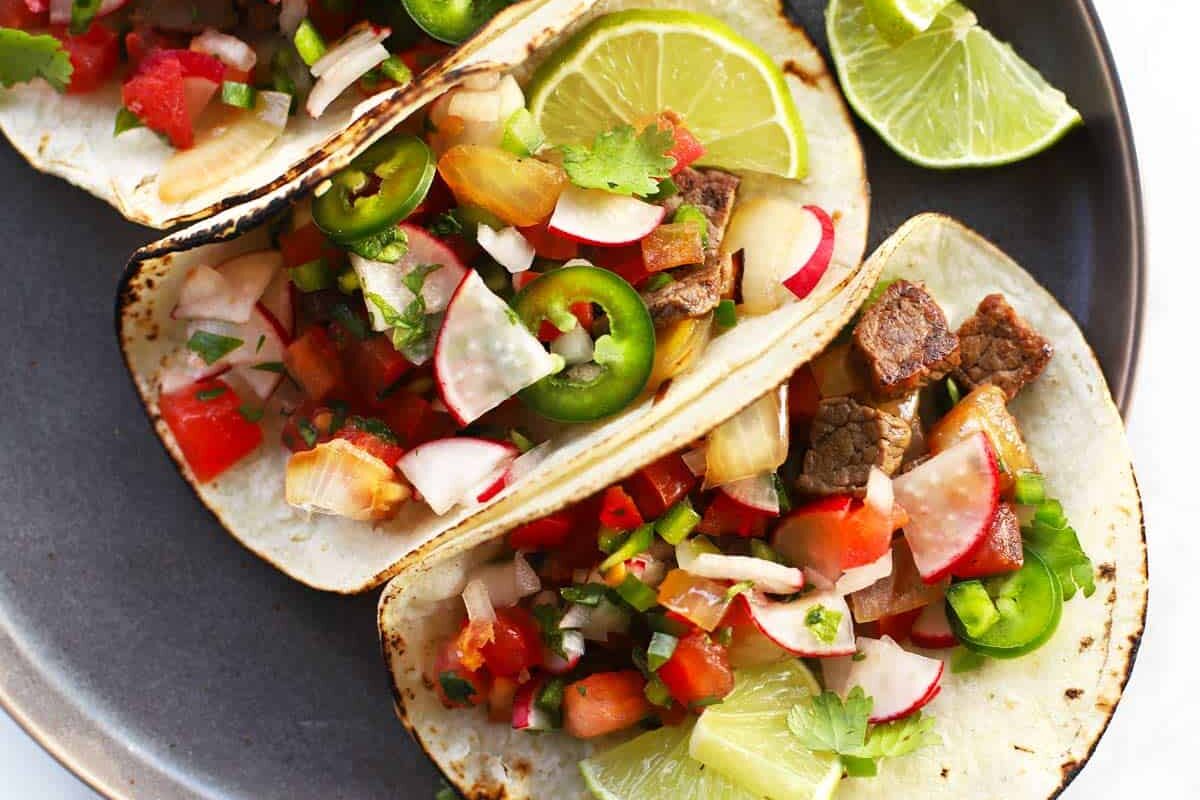
Street tacos are more than just a meal; they represent a vibrant aspect of Mexican culture that has evolved over time. Originating from humble beginnings, these delicious treats encapsulate the spirit of communal dining and local traditions. With rich histories and regional variations, street tacos have adapted to modern tastes while remaining deeply rooted in their cultural significance.
From bustling street corners to food trucks around the world, street tacos have captured the hearts (and appetites) of many. Each bite tells a story of its origins, highlighting unique ingredients and cooking methods that define this beloved dish. Join us as we explore the fascinating world of street tacos, uncovering their history, types, preparation methods, and the delightful toppings that elevate them to new heights.
The history of street tacos in Mexican culture
Street tacos have become a quintessential symbol of Mexican cuisine, representing not only a beloved food item but also a cultural phenomenon deeply rooted in the history and daily life of Mexico. The origins of street tacos can be traced back to the indigenous peoples of Mesoamerica, with evidence suggesting that the practice of wrapping food in tortillas dates back thousands of years. As corn became a staple ingredient in the diets of these civilizations, it was only natural for them to utilize it in creating handheld meals that were both practical and delicious. The first tacos were likely simple combinations of corn tortillas filled with roasted meats or vegetables, consumed by workers during the day as a convenient source of sustenance.
As the centuries passed, particularly after the Spanish colonization in the 16th century, the evolution of street tacos began to take shape. The introduction of new ingredients, such as beef, pork, and various spices, transformed the traditional tacos into a more diverse and flavorful experience. The taco culture began to flourish in urban centers, where street vendors would set up stalls to serve local inhabitants. This marked the beginning of the street taco as we know it today—a quick, affordable, and delicious meal that catered to the fast-paced lifestyle of city dwellers.
Evolution of Street Tacos Over Time
The evolution of street tacos has been influenced by various social, economic, and cultural factors throughout history. Initially, street tacos were primarily a working-class food, enjoyed by laborers who sought a nourishing meal on the go. However, as cities grew and tourism increased, street tacos began to gain recognition beyond their humble beginnings. They became a symbol of Mexican street food, attracting locals and tourists alike.
In contemporary times, street tacos have adapted to modern tastes and dietary preferences. This evolution can be seen in the variety of fillings and styles that have emerged, catering to different culinary trends. For instance, vegetarian and vegan options have become prevalent, offering a wider range of choices for health-conscious eaters. Additionally, fusion street tacos, which incorporate international flavors and ingredients, have gained popularity, allowing chefs to experiment and innovate while staying true to the taco’s roots.
Important to note are the regional variations that exist across Mexico. From the al pastor of Mexico City, marinated pork cooked on a vertical spit, to the fish tacos of Baja California, each region boasts its own unique take on the street taco. These variations reflect local ingredients and cultural influences, showcasing the diversity of Mexican cuisine.
“Street tacos are a culinary reflection of Mexico’s rich history and cultural heritage, a bridge between tradition and modernity.”
Narratives about street tacos often highlight their role in local traditions and celebrations. For instance, during festivals and family gatherings, street taco vendors are a common sight, serving up delicious meals that bring people together. Anecdotes abound of families sharing stories and laughter over a plate of tacos, underscoring their significance as more than just food, but as a means of connection and community in Mexican culture.
The different types of street tacos and their unique ingredients
Street tacos are a beloved staple of Mexican cuisine, celebrated for their diverse flavors and simple yet fresh ingredients. Each type of street taco offers a unique combination of fillings, toppings, and spices, reflecting regional variations and cultural influences. Understanding the different types can enhance one’s appreciation for this iconic dish and inspire culinary exploration.
Regional variations significantly influence both the flavor and preparation of street tacos, as local ingredients and culinary traditions shape how these tacos are crafted. From the spicy salsas of the coastal regions to the savory marinated meats of central Mexico, each area adds its own flair, making street tacos a vibrant culinary canvas. Here are five popular types of street tacos, each with distinct ingredients.
Popular Types of Street Tacos
The following list Artikels five well-known varieties of street tacos, highlighting their unique ingredients and flavors:
- Taco al Pastor: This taco features marinated pork, traditionally cooked on a vertical spit (similar to shawarma). The meat is seasoned with a blend of spices, including achiote and pineapple juice, giving it a sweet and tangy flavor. It is often topped with diced onions, cilantro, and a squeeze of lime.
- Taco de Asada: Commonly made with grilled beef steak, this taco is known for its smoky flavor. The meat is usually seasoned with salt and served with fresh toppings like onions, cilantro, and a variety of salsas for added heat.
- Taco de Pescado: A staple in coastal areas, fish tacos typically feature battered and fried fish, such as tilapia or cod. They are often garnished with shredded cabbage, pico de gallo, and a creamy sauce, creating a delightful contrast of textures.
- Taco de Carnitas: This taco is filled with slow-cooked, tender pork that has been cooked in its own fat until crispy. The richness of the pork is balanced by fresh toppings like diced onions, cilantro, and tangy lime juice.
- Taco de Pollo: Grilled or shredded chicken is the star of this taco, often marinated with spices such as cumin and chili. It is served with traditional toppings like salsa verde, onions, and cilantro, making for a fresh and satisfying meal.
Ingredients and Flavor Comparison
The following table summarizes the ingredients and flavor profiles of the different types of street tacos discussed, providing a quick reference for their distinct characteristics.
| Type of Taco | Main Ingredient | Flavor Profile | Common Toppings |
|---|---|---|---|
| Taco al Pastor | Marinated pork | Sweet and tangy | Onions, cilantro, lime |
| Taco de Asada | Grilled beef | Smoky and savory | Onions, cilantro, various salsas |
| Taco de Pescado | Battered fish | Crispy and fresh | Shredded cabbage, pico de gallo, creamy sauce |
| Taco de Carnitas | Slow-cooked pork | Rich and savory | Onions, cilantro, lime |
| Taco de Pollo | Grilled/shredded chicken | Spicy and fresh | Salsa verde, onions, cilantro |
Street tacos are a celebration of local flavors, showcasing the diversity of Mexican culinary traditions.
The street taco preparation process and cooking methods
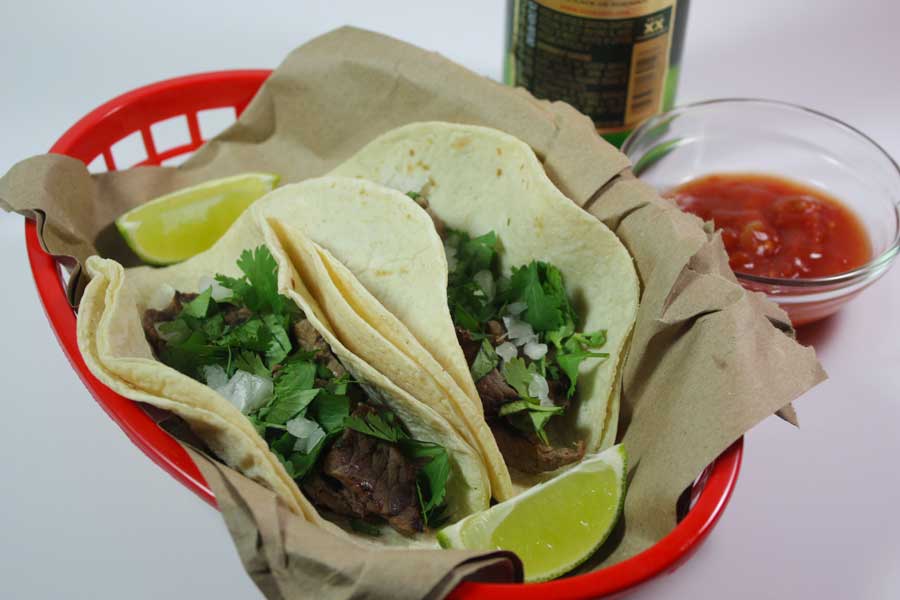
Street tacos are not just delicious; they are a culinary tradition that combines fresh ingredients with simple yet effective cooking methods. Preparing street tacos from scratch allows you to control every aspect of their flavor and texture. The process involves various steps that transform raw ingredients into a satisfying meal, ensuring that each bite is packed with flavor.
The preparation of street tacos typically starts with gathering fresh ingredients, which include tortillas, proteins (such as beef, chicken, or pork), fresh vegetables, and vibrant toppings. The entire preparation process can take around 1 to 2 hours, depending on the cooking method and the complexity of the ingredients. Essential tools for this task include a grill or skillet, a cutting board, a sharp knife, and various bowls for the toppings.
Cooking techniques specific to street tacos
When it comes to cooking street tacos, a few techniques stand out for their ability to enhance flavor and maintain texture. Here are the most common methods:
1. Grilling: This method is favored for its ability to impart a smoky flavor to the meat. Grilling can be done on a gas or charcoal grill, and achieving the right temperature is crucial. For optimal results, marinate the meat beforehand, and grill until it reaches the desired doneness.
2. Frying: Frying is an excellent technique for crispy ingredients. For instance, frying tortillas in oil creates a crunchy base for the taco. This method can also be used for preparing carnitas or other meats that benefit from a crispy exterior.
3. Roasting: Roasting is ideal for cooking larger cuts of meat, allowing for even cooking and tender, juicy results. It’s a slower method that enhances flavors through caramelization.
The following tips can help you achieve the best flavor and texture in street tacos:
– Use fresh, high-quality ingredients for all components, from tortillas to toppings.
– Marinate proteins for at least 30 minutes or longer to enhance their flavor.
– Cook tortillas directly on the grill or in a hot skillet for a few seconds on each side for a perfect, slightly charred finish.
– Layer ingredients thoughtfully – start with the protein, add toppings, and finish with fresh herbs or a squeeze of lime.
– Serve immediately after cooking to ensure that the tacos maintain their warmth and texture.
– Experiment with different salsas and sauces to add a unique twist to your tacos.
“The secret to great street tacos lies in the freshness of the ingredients and the simplicity of the cooking methods.”
By mastering these techniques and adhering to these tips, you can create street tacos that are not only authentic but also bursting with flavor and texture, making each meal a delightful experience.
Popular toppings and salsas that enhance street tacos
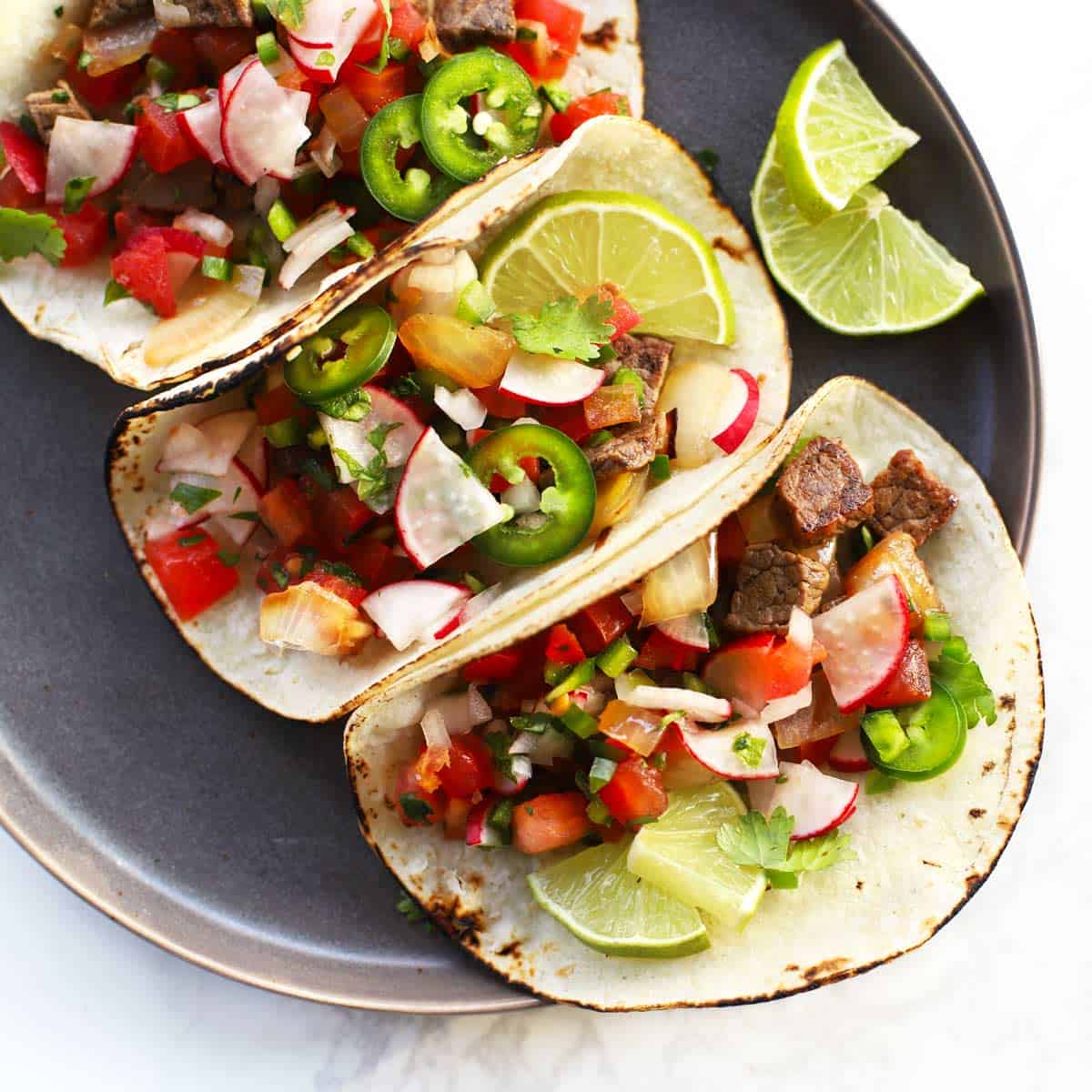
Street tacos are a beloved staple of Mexican cuisine, characterized by their simplicity and vibrant flavors. These handheld delights are often elevated by a variety of toppings and salsas, which add layers of taste and texture, making every bite a unique experience. The combination of fresh ingredients and bold flavors can transform a basic taco into a culinary masterpiece.
Toppings play an essential role in the street taco experience, enhancing the flavor profiles of the main ingredients while adding freshness and crunch. The right salsa can further amplify these flavors, offering varying levels of heat and complexity. Here, we explore some common toppings and salsas that are frequently found in street taco culture.
Common toppings for street tacos
A variety of toppings can complement the flavors of street tacos, providing balance and enhancing the overall dining experience. Here are some popular toppings:
- Cilantro: Fresh cilantro adds a burst of herbal brightness that enhances the flavor of any taco, particularly those with rich meats.
- Onions: Diced onions, often used in combination with cilantro, provide a sharp and crunchy contrast that enhances the overall texture.
- Lime: A squeeze of lime juice brings acidity that cuts through the richness of the meat and amplifies other flavors.
- Radishes: Sliced radishes add a refreshing crunch and a slight peppery flavor, making them a popular choice for tacos filled with heavier ingredients.
- Avocado: Creamy avocado, whether in slices or as guacamole, adds richness and depth, balancing out spicy or tangy elements.
- Cheese: Crumbled queso fresco or shredded cheese adds a savory creaminess that complements various taco fillings, especially those with beans or potatoes.
Role of salsas in street taco culture
Salsas are a crucial aspect of street taco culture, providing not only flavor but also texture and color. Various types of salsas can be found, each with distinct ingredients and flavor profiles. The right salsa can elevate a taco, bringing out its unique qualities.
Different types of salsas include:
- Salsa Roja: Typically made with tomatoes, chiles, garlic, and onions, this red salsa can range from mild to spicy, providing a rich base flavor.
- Salsa Verde: Made with tomatillos, green chiles, and cilantro, salsa verde offers a zesty and tangy flavor that pairs well with chicken and pork tacos.
- Pico de Gallo: A fresh salsa made with chopped tomatoes, onions, cilantro, and lime juice, pico de gallo adds a refreshing crunch and brightness to tacos.
- Chipotle Salsa: This smoky salsa is made with chipotle peppers and tomatoes, lending a deep, rich flavor that complements grilled meats.
- Avocado Salsa: Creamy and smooth, this salsa blends avocado with spices for a rich accompaniment that works wonderfully with spicier tacos.
- Habanero Salsa: Made with habanero peppers, this salsa is fiery and intense, perfect for those who enjoy a serious kick in their tacos.
Each of these toppings and salsas not only enhances the street taco experience but also reflects the rich culinary traditions of Mexico. Combining different toppings and salsas allows taco enthusiasts to customize their meals to match their personal preferences, creating a unique flavor journey with every bite.
The street taco experience and where to find the best ones
Street tacos are more than just a meal; they represent a vibrant cultural experience that showcases the heart of local communities. Found in bustling markets and vibrant street corners, these delightful treats offer a taste of authentic culinary traditions. The essence of street tacos lies in their simplicity and the way they bring people together, creating a social experience that is both enjoyable and memorable.
The culinary experience of enjoying street tacos typically unfolds in a casual, lively atmosphere, often surrounded by the sounds of laughter, music, and sizzling grills. Locals and visitors alike gather around taco stands, sharing stories and savoring the tantalizing flavors that define each unique taco. The quality of these tacos often relies on the vendor’s passion and dedication to their craft. When searching for the best street tacos, certain characteristics can help identify the right vendor. A great vendor often has a long line of eager customers, uses fresh ingredients, and showcases traditional cooking methods. The vibrant colors of the garnishes, from fresh cilantro to zesty lime, indicate a dedication to authenticity and taste.
Identifying quality street taco vendors
Finding an exceptional street taco vendor involves a mix of observation and local knowledge. Here are some key characteristics to look out for:
- Popularity: A long line often indicates quality, as locals typically know where to find the best tacos.
- Freshness: Vendors who prepare their ingredients daily and showcase vibrant, fresh produce tend to offer better tacos.
- Cooking method: Traditional methods, such as grilling meats on a plancha or using a comal for tortillas, signify authenticity.
- Variety: A good vendor will have a diverse menu, offering a range of meats (like carne asada, al pastor, or lengua) and toppings.
- Cleanliness: Even in street food settings, a clean and organized stall reflects the vendor’s commitment to quality and hygiene.
To ensure a successful taco-hunting adventure in any city, consider the following tips that can lead to discovering the tastiest street tacos:
- Ask locals: Engaging with residents can reveal hidden gems that are not widely advertised but are beloved by the community.
- Explore markets: Local food markets are often hotspots for street vendors, where a variety of flavors can be experienced in one place.
- Follow food blogs and social media: Many food enthusiasts share their discoveries, making it easier to find recommendations and reviews.
- Take a taco tour: In some cities, guided tours are available that focus specifically on street food and can enhance your taco experience.
- Visit during peak hours: Going when the vendors are busiest can often mean fresher ingredients and popular options on the menu.
Cities known for excellent street tacos include Mexico City, where al pastor reigns supreme; Los Angeles, famous for its taco trucks; and Austin, which boasts a lively taco scene with a twist of Tex-Mex flair. In each of these locations, the rich tapestry of flavors and the communal atmosphere of enjoying street tacos create experiences that are not just about the food, but also about the joy of sharing it with others.
Street tacos are a celebration of culture, community, and culinary creativity.
The rise of street tacos in global cuisine
Street tacos have transformed from a traditional Mexican food into a beloved staple in global cuisine. Their rise in popularity can be attributed to a combination of factors, including the growing interest in authentic street food experiences, the push for accessibility to diverse culinary options, and the influence of social media showcasing vibrant food culture. As people travel and explore, the demand for unique and flavorful street food, particularly tacos, has surged beyond Mexico’s borders.
The fusion of street tacos with other culinary traditions has led to creative innovations that appeal to a wider audience. Chefs and food enthusiasts experiment with various ingredients and cooking styles, blending flavors from different cuisines to create unique taco experiences. For instance, Korean BBQ tacos have gained popularity, featuring marinated beef, kimchi, and spicy sauces wrapped in a corn tortilla. This blend of cultures not only highlights the versatility of tacos but also encourages culinary exploration, making them a canvas for creativity.
The impact of food trucks and specialized restaurants on street tacos
The emergence of food trucks and dedicated taco restaurants has significantly contributed to the popularity of street tacos worldwide. These establishments often emphasize mobility and accessibility, allowing them to reach a broad audience in urban settings. They provide a casual dining experience where customers can enjoy high-quality, flavorful tacos without the formalities of traditional restaurants.
Many food trucks operate on a model that celebrates local ingredients and regional flavors, further enhancing the street taco experience. Notable examples include Los Angeles’ Kogi BBQ truck, which popularized Korean-Mexican fusion tacos, and New York’s Tacombi, known for its authentic Mexican offerings. These businesses often utilize social media to engage with customers, share their locations, and showcase their menu, creating a community around their culinary creations.
The rise of street tacos in global cuisine is also reflected in the increasing number of taco festivals and culinary events dedicated to this dish. These gatherings allow food lovers to sample a variety of taco styles, encouraging chefs to push the boundaries of traditional flavors. Additionally, the accessibility of street tacos aligns well with modern dining trends, such as fast-casual and street food concepts, making them an essential part of the evolving culinary landscape.
Health considerations when enjoying street tacos
Enjoying street tacos can be a delightful experience, but it’s important to consider their nutritional aspects. While they are often packed with flavor and can incorporate a variety of healthy ingredients, there are also potential drawbacks to be aware of. Understanding the balance between healthiness and indulgence can help you make the most of this culinary treat.
When examining the nutritional profile of street tacos, they can offer several benefits. Tacos are typically made with fresh vegetables, lean proteins, and whole grains, contributing essential vitamins and minerals. For instance, toppings like onions, cilantro, and lime juice not only enhance flavor but also provide antioxidants and dietary fiber. On the other hand, certain components can pose health risks. Processed meats, heavy sauces, and excessive cheese can add extra calories, sodium, and unhealthy fats. Being mindful of these factors allows for a more balanced approach to enjoying street tacos.
Nutritional Considerations
When selecting or preparing street tacos, it is beneficial to focus on healthier options. Here are some tips to consider for a more nutritious taco experience:
- Choose Whole Grain Tortillas: Opt for whole wheat or corn tortillas instead of refined flour options to increase fiber intake.
- Select Lean Proteins: Grilled chicken, fish, or beans can be healthier alternatives to fatty meats like chorizo or carnitas.
- Load Up on Vegetables: Incorporate a variety of vegetables for added nutrients, such as peppers, lettuce, and tomatoes.
- Limit High-Calorie Toppings: Reduce the use of sour cream, cheese, and creamy dressings; opt for salsa, guacamole, or fresh herbs instead.
Awareness of allergens and dietary restrictions is crucial when enjoying street tacos. Common allergens may include gluten from tortillas, dairy from cheese and sour cream, and certain proteins. For those with dietary restrictions, here are some alternatives:
- Gluten-Free Options: Use corn tortillas or lettuce wraps as a substitute for traditional flour tortillas.
- Dairy-Free Choices: Substitute sour cream with avocado or dairy-free yogurt alternatives.
- Vegetarian/Vegan Options: Replace meat with beans, lentils, or grilled vegetables to cater to plant-based diets.
“By being mindful of ingredient choices, you can enjoy street tacos that are both delicious and nutritious.”
Last Recap
In conclusion, street tacos are not just food; they are a celebration of flavors, culture, and community. As we’ve discovered, their journey through history reflects a beautiful blend of tradition and innovation. Whether enjoyed at a local market or a gourmet restaurant, street tacos continue to bring people together, making them a true culinary treasure worth savoring.
FAQ Explained
What are the most common types of street tacos?
The most common types include carne asada, al pastor, carnitas, barbacoa, and fish tacos, each offering distinct flavors and ingredients.
How do I choose the best street taco vendor?
Look for vendors with long lines, fresh ingredients, and a clean cooking environment, as these are signs of quality and popularity.
Are street tacos healthy?
They can be healthy, especially if made with lean meats and fresh veggies, but portion control and ingredient choices matter.
What toppings are essential for street tacos?
Popular toppings include onions, cilantro, lime, salsa, and avocado, each adding unique flavor and freshness.
Can street tacos be made vegetarian or vegan?
Yes, street tacos can easily be adapted using ingredients like grilled vegetables, beans, or tofu to create delicious vegetarian or vegan options.