
 Rogert
Sour cream is more than just a creamy condiment; it’s a delightful staple that has woven itself into the fabric of various cuisines around the world. This tangy dairy product has a fascinating history that speaks to cultural significance and culinary evolution, showing how it has been embraced and adapted through the ages. From traditional preparation methods to modern twists, sour cream offers a unique glimpse into the culinary practices that define different cultures.
As we delve into the world of sour cream, we will explore its origins, the science of fermentation that gives it its distinct flavor, and the health benefits of including fermented dairy in our diets. We’ll also highlight the delicious variations found globally and how they differ in taste and texture, showcasing the versatility of sour cream in both savory and sweet dishes.
The History and Origin of Sour Cream
Sour cream, a staple in many kitchens around the world, has a rich and varied history that spans centuries and cultures. Its origins can be traced back to ancient times when cultured dairy products were first used by nomadic tribes in Central Asia. These early forms of sour cream were a natural byproduct of the fermentation process, which not only preserved milk but also enhanced its flavor and nutritional value. Over time, sour cream evolved into a beloved ingredient in numerous cuisines, each adopting its unique twist on this creamy delight.
The evolution of sour cream is closely tied to the agricultural practices and culinary traditions of various regions. In Eastern Europe, sour cream has been a vital component of traditional dishes such as borscht and pierogi, where its tangy flavor complements the robust ingredients. Similarly, in Mexican cuisine, sour cream is used as a topping for tacos and enchiladas, adding a creamy texture and balancing spiciness. The introduction of sour cream to American cuisine in the 19th century marked a significant turning point. As dairy farming became widespread, sour cream found its way into American homes, embraced for its versatility in both sweet and savory dishes.
Traditional Methods of Making Sour Cream
The processes for making sour cream vary significantly across cultures, reflecting local customs and available resources. Traditional methods often involve the use of specific bacteria to ferment cream, resulting in the tangy flavor and thick texture characteristic of sour cream. Here are some notable methods from different cultures:
- Eastern European Traditions: In countries like Russia and Poland, sour cream is typically made from unpasteurized cream left to ferment naturally. The process can take several days, allowing wild bacteria to cultivate and develop a rich flavor.
- Mexican Practices: In Mexico, sour cream, known as “crema,” is often prepared with a mix of heavy cream and buttermilk. This mixture is left at room temperature for a few hours to sour, producing a slightly thinner and richer product than its Eastern European counterpart.
- American Homemade Versions: Many American households make sour cream using a combination of heavy cream and a commercially available sour cream starter culture. This method provides a reliable and consistent result, allowing for easy incorporation into various recipes.
“The tangy flavor of sour cream enhances dishes while providing a rich source of probiotics and essential nutrients.”
These traditional methods showcase the ingenuity and adaptability of cultures around the world, highlighting how sour cream has become an integral part of culinary practices. Each region’s approach to sour cream not only reflects local tastes but also preserves the heritage of food production passed down through generations.
The Science Behind Fermentation in Sour Cream
The fermentation process is a fascinating aspect of dairy production, particularly in the creation of sour cream. This creamy condiment achieves its distinctive tang and texture through the action of specific bacteria that convert lactose into lactic acid. This transformation not only enhances the flavor and aroma of sour cream but also contributes to its health benefits, making it a popular choice among dairy products.
Fermentation begins with the introduction of starter cultures, primarily Lactobacillus bacteria, to cream. These bacteria thrive in the warm conditions of the cream, consuming lactose as their primary energy source. The result of this metabolic process is the production of lactic acid, which lowers the pH of the cream, causing it to thicken and develop its characteristic sour flavor. The unique profile of sour cream is influenced by the specific strains of bacteria used, as different bacteria can produce varying levels of acidity and complexity in flavor.
Health Benefits of Consuming Fermented Dairy Products
Fermented dairy products like sour cream offer numerous health benefits due to their unique composition and the presence of probiotics. Probiotics are live microorganisms that, when consumed in adequate amounts, confer health benefits to the host. The following points highlight the importance of including fermented dairy products in one’s diet:
- Improved Digestive Health: Probiotics in sour cream can help maintain a healthy gut microbiota, which aids digestion and can alleviate issues such as bloating, constipation, and irritable bowel syndrome (IBS). Studies have shown that regular consumption of probiotics can enhance gut health, reducing the incidence of gastrointestinal disorders.
- Nutrient Absorption: The fermentation process enhances the bioavailability of certain nutrients in dairy. For instance, the presence of lactic acid can make calcium and magnesium more accessible, promoting better absorption in the body.
- Immune System Boost: The probiotics found in sour cream can stimulate the immune system. Research indicates that regular intake of fermented foods may enhance the body’s immune response, helping to fend off infections and illnesses.
- Potential Weight Management: Some studies suggest that fermented dairy products can aid in weight management by promoting a feeling of fullness. The presence of probiotics has been linked to improved metabolism and reduced fat storage, contributing to healthier body weight.
- Enhanced Mental Health: There is emerging evidence that gut health is closely linked to mental health, often referred to as the gut-brain axis. Probiotics may play a role in reducing symptoms of anxiety and depression, contributing to overall mental well-being.
“The fermentation of dairy not only transforms its flavor but also unlocks a myriad of health benefits that support digestive health, nutrient absorption, and immune function.”
Different Variations of Sour Cream Around the World
Sour cream is a beloved dairy product that has found its way into various cuisines globally, each region imparting its unique twist on this creamy staple. While the classic sour cream we know is prevalent in many dishes, local variations often showcase distinctive flavors and textures influenced by regional ingredients. Understanding these diverse forms of sour cream can enhance culinary experiences and appreciation for global cuisine.
Global Variants of Sour Cream and Their Unique Characteristics
Sour cream has numerous counterparts around the world, each offering a unique flavor profile and texture that reflects local dairy traditions. Here are some notable variations:
- Crème Fraîche – Originating from France, crème fraîche is a cultured cream that is less tangy than sour cream and has a higher fat content, making it rich and velvety. It is often used in sauces and desserts, providing a subtle creaminess without overwhelming other flavors.
- Lebneh – Popular in Middle Eastern cuisine, lebneh is a strained yogurt that is thick and tangy. It is commonly served as a dip or spread and often garnished with olive oil and herbs, reflecting the region’s preference for bold flavors.
- Ukrainian Smetana – This fermented cream is less sour than its Western counterparts and has a smooth, buttery texture. Smetana is integral to Ukrainian dishes, often served with borscht and pierogi, enhancing the overall culinary experience with its rich mouthfeel.
- Russian Sour Cream (Smetana) – In Russia, smetana is revered for its creamy texture and slightly tangy flavor. It complements many traditional dishes like blini and pelmeni, serving as a cooling contrast to spices and savory flavors.
- Mascarpone – While technically not sour cream, this Italian cream cheese offers a sweet, buttery flavor and creamy texture. It is a key ingredient in desserts like tiramisu, showcasing how similar dairy products can fulfill various culinary roles.
The flavor of sour cream and its variations is heavily influenced by the local ingredients used in their production. In regions where dairy farming thrives, such as in the countryside of France or the plains of Ukraine, the richness of the milk contributes to a creamier product. The type of bacteria used for fermentation can also vary, with some cultures utilizing specific strains that impart distinct flavors. For example, in Eastern Europe, the cooler climates allow for longer fermentation times, resulting in a more pronounced tang.
Moreover, the addition of local herbs, spices, or even fruits can alter the flavor profile significantly. In Mediterranean cuisines, for example, sour creams might be infused with garlic or dill, reflecting the region’s herbaceous nature. In contrast, in South Asian regions, fermented products may incorporate spices like cumin or cardamom, showcasing a fusion of flavor that is characteristic of those culinary traditions. Ultimately, the interplay of local ingredients and dairy practices leads to a delightful spectrum of sour cream variations, each telling a story of its cultural heritage.
Culinary Uses of Sour Cream
Sour cream is a versatile ingredient that transcends its common association with tacos and dips. Its unique tangy flavor and creamy texture make it an excellent addition to a wide array of dishes, from appetizers to desserts. This section explores the various culinary applications of sour cream, highlighting some unique recipes that showcase its adaptability and charm in both savory and sweet contexts.
Unique Dishes Featuring Sour Cream
Sour cream can elevate the flavors and textures of many recipes. Here are some notable examples that illustrate its diverse culinary uses:
- Beef Stroganoff: A classic Russian dish where sour cream adds richness to the sauce, balancing the flavors and enhancing the creaminess.
- Potato Salad: Incorporating sour cream gives the salad a creamy texture and a slight tang that complements the potatoes perfectly.
- Chicken Paprikash: This Hungarian favorite utilizes sour cream to create a smooth sauce, contributing to the dish’s overall depth of flavor.
- Vegetable Casseroles: Sour cream can be blended into casseroles, adding moisture and a luscious consistency that binds the ingredients together.
- Pancakes and Waffles: Adding sour cream to batters creates fluffy and tender pancakes or waffles, enhancing their flavor and texture.
- Cheesecakes: In desserts, sour cream can be used in cheesecake recipes, providing a creamy texture and a slight tang that balances sweetness.
- Chocolate Cake: Incorporating sour cream in cake batters results in a moist crumb and enhances the chocolate flavor, making it deep and rich.
- Salmon Dill Sauce: A sauce made with sour cream, dill, and lemon juice pairs excellently with grilled or baked salmon, adding a refreshing element to the dish.
- Stuffed Peppers: Sour cream can be drizzled on top of baked stuffed peppers, adding a creamy finish that contrasts with the savory filling.
- Fruit Smoothies: It can be blended into smoothies to add creaminess and a tangy flavor, enriching the overall taste experience.
Sour cream’s role in baking is particularly noteworthy. When used in recipes, sour cream can significantly influence the final product’s texture and flavor profile. The acidity of sour cream interacts with baking soda or baking powder, leading to a leavening effect that creates lightness in baked goods. This reaction occurs because the acid in sour cream activates the alkaline components in the leavening agents, resulting in a desirable rise.
Moreover, sour cream contributes to the moisture content of baked items. Its thick, creamy consistency helps to retain moisture, preventing products such as cakes and muffins from drying out. This results in a tender crumb, ensuring that the finished product is not only flavorful but also pleasingly soft and moist.
In recipes like cakes and muffins, sour cream can replace some of the fat, such as oil or butter, while still contributing to a rich mouthfeel. For instance, in a chocolate cake recipe, using sour cream not only adds moisture but also enhances the chocolate flavor, making it more pronounced and satisfying.
Additionally, sour cream can help extend the shelf life of baked goods, as its acidity can inhibit the growth of molds and other spoilage organisms. Thus, adding sour cream to your baking repertoire can yield delicious results while adding nutritional benefits, such as calcium and protein.
Overall, sour cream is much more than a topping. Its ability to enhance savory and sweet dishes is a testament to its versatility, making it a staple ingredient in kitchens around the world.
Nutritional Profile of Sour Cream and its Health Considerations
Sour cream is a popular dairy product known for its creamy texture and tangy flavor. It is often used as a topping for various dishes, a base for dips, or an ingredient in cooking and baking. Understanding the nutritional profile of sour cream can help consumers make informed choices regarding its incorporation into a balanced diet.
Sour cream is composed primarily of dairy, leading to a unique set of nutritional properties. A typical serving of sour cream (about 2 tablespoons or 30 grams) contains approximately 60 calories, along with 5-6 grams of fat, and about 1-2 grams of protein. It also provides a small amount of carbohydrates, generally around 1-2 grams per serving. In terms of vitamins and minerals, sour cream is a source of calcium, vitamin A, and vitamin B12. However, consumers should also be aware that sour cream can be high in saturated fats, raising considerations for heart health when consumed in excess.
Pros and Cons of Incorporating Sour Cream into a Balanced Diet
Including sour cream in your diet can have both positive and negative implications. Here are some of the pros and cons to consider:
Pros:
- Sour cream is a source of essential nutrients, particularly calcium and vitamins.
- The probiotics in some types of sour cream can support gut health.
- It adds flavor and creaminess to dishes without requiring a large quantity.
Cons:
- The high fat content, particularly saturated fat, may contribute to elevated cholesterol levels if consumed excessively.
- Many sour creams contain added preservatives and stabilizers, which may prompt dietary concerns for some individuals.
- For those with lactose intolerance, sour cream may exacerbate digestive discomfort.
Health considerations are particularly relevant for individuals with lactose intolerance. Many people experience symptoms such as bloating, gas, and diarrhea after consuming dairy products due to the body’s inability to properly digest lactose, the sugar found in milk. Sour cream, while lower in lactose than some dairy products, can still pose challenges.
It is important to note that the lactose content in sour cream can vary by brand and production process.
For individuals with lactose intolerance, consuming sour cream may lead to discomfort, making it essential to select lactose-free options or limit intake. Furthermore, even those without lactose intolerance should be mindful of the portion sizes when incorporating sour cream into meals. For example, substituting sour cream with Greek yogurt or avocado in recipes can provide similar textures and flavors while potentially reducing unhealthy fats and lactose content.
In summary, while sour cream can be enjoyed in moderation as part of a balanced diet, awareness of its nutritional profile and health implications is crucial, especially for those sensitive to lactose.
The Process of Making Homemade Sour Cream
Making sour cream at home is a simple and rewarding process that requires just a few ingredients. It’s a great way to enjoy a fresh, creamy product without the preservatives found in store-bought options. With the right technique, you can achieve a smooth and tangy flavor that can elevate your dishes.
To make homemade sour cream, you need just a few basic ingredients and some common kitchen equipment. The primary ingredient is heavy cream, which should ideally be pasteurized. You’ll also need a sour cream starter or buttermilk to introduce the necessary bacteria for fermentation. The equipment required includes a mixing bowl, a whisk or spoon, a clean jar for storage, and a cheesecloth or a clean kitchen towel for covering the jar during the fermentation process.
Step-by-Step Guide to Making Sour Cream
Follow these simple steps to create your own homemade sour cream:
1. Combine Ingredients: In a mixing bowl, combine 1 cup of heavy cream with 2 tablespoons of sour cream starter or buttermilk. Stir gently to mix.
2. Cover Mixture: Transfer the mixture to a clean jar and cover it with cheesecloth or a towel. This allows air to circulate while keeping out contaminants.
3. Ferment: Place the jar in a warm, dark place (around 70°F to 75°F) for 12 to 24 hours. The longer it sits, the tangier it will become.
4. Check Consistency: After the fermentation period, check the sour cream. It should be thickened and have a pleasant tangy smell.
5. Refrigerate: Once fermented, stir the sour cream, seal it with a lid, and refrigerate. It can last for about 1 to 2 weeks.
Common mistakes to avoid when making sour cream include using ultra-pasteurized cream, which may not thicken properly, and not allowing enough time for fermentation. It’s essential to ensure that your equipment is clean to prevent unwanted bacteria from spoiling your sour cream.
Flavor Variations for Homemade Sour Cream
Homemade sour cream serves as a versatile base, allowing you to experiment with different flavorings to enhance its taste. By incorporating various ingredients, you can create unique flavor profiles that suit your culinary needs.
For instance, adding herbs like dill, chives, or parsley can give your sour cream a fresh and zesty note, making it perfect for dips or spreads. Spices such as cumin or smoked paprika can lend a warm, earthy flavor that complements savory dishes beautifully. Citrus zest, like lemon or lime, infuses a bright, tangy flavor that works well in dressings or as a topping for baked goods.
When creating sweet variations, consider adding honey, maple syrup, or vanilla extract to your sour cream for a delightful topping on pancakes, waffles, or desserts. You might also blend in fruits such as strawberries, blueberries, or peaches for a refreshing twist that can serve as a delicious dip or dessert base.
By adjusting the ingredients based on your preference, you can tailor your homemade sour cream to enhance various dishes, making it more than just a simple condiment. With creativity, the possibilities are endless.
Pairing Sour Cream with Various Ingredients
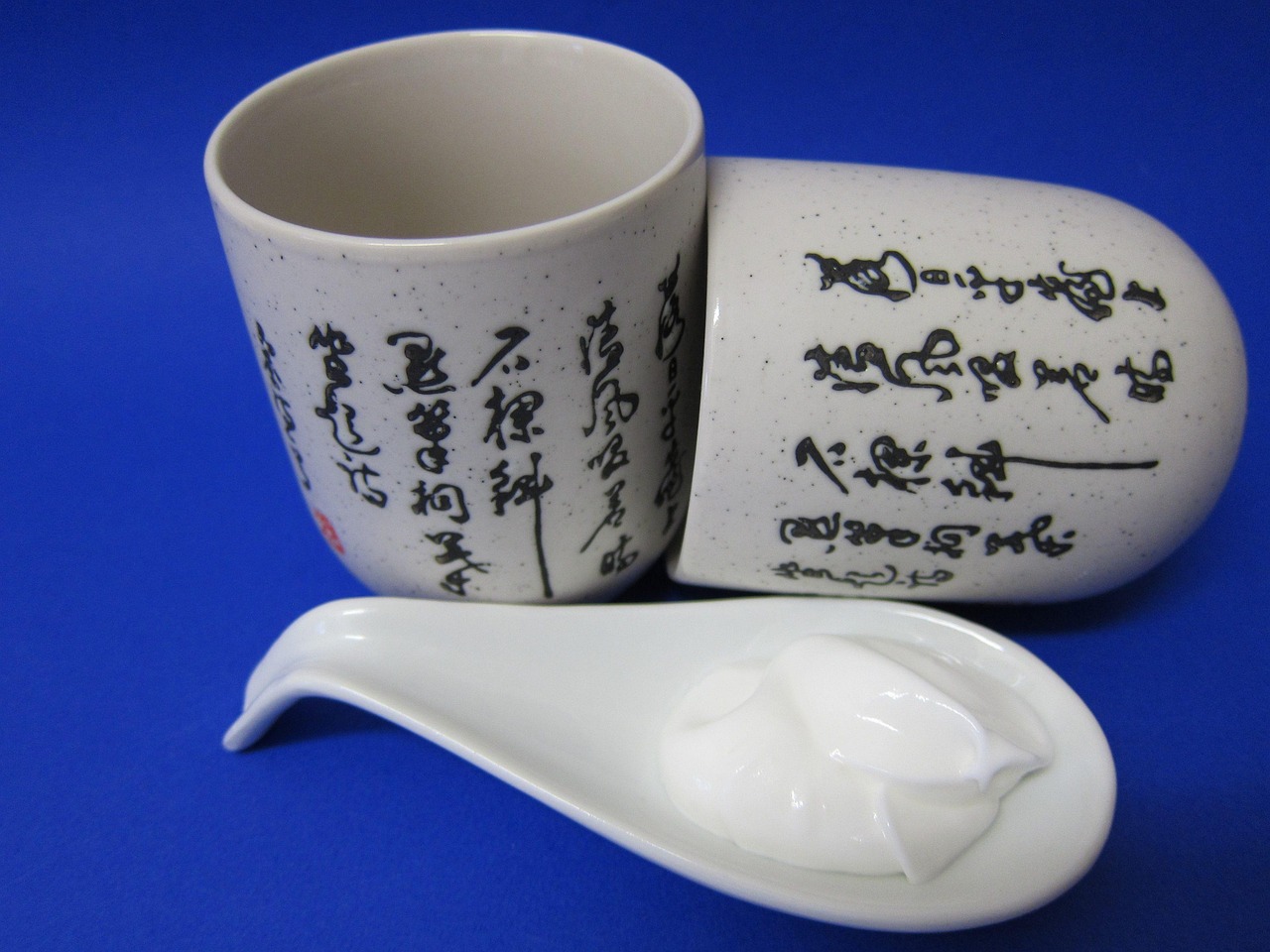
Sour cream is a versatile ingredient that not only adds a creamy texture but also enhances the flavor profile of a variety of dishes. Its unique tanginess can elevate both savory and sweet recipes, making it a beloved staple in many kitchens. Pairing sour cream with the right ingredients can create delightful contrasts and harmonious combinations that tantalize the palate.
Balancing the tanginess of sour cream with other flavors requires an understanding of how it interacts with both savory and sweet elements. This creamy condiment’s acidity can cut through rich, fatty foods, while its smooth texture complements crispy or crunchy elements. To achieve optimal taste, it’s essential to consider the overall flavor dynamics of a dish. For instance, pairing sour cream with bold ingredients like chives or garlic can enhance its flavor without overwhelming it, while adding sweet elements, such as fruit or honey, can create a delightful balance in desserts.
Flavor Pairings and Culinary Applications
Understanding which ingredients complement sour cream can elevate your culinary creations. The following table Artikels popular flavor pairings with their corresponding culinary applications:
| Ingredient | Flavor Profile | Culinary Application |
|---|---|---|
| Chives | Herbaceous | Garnish for baked potatoes and soups |
| Garlic | Pungent | Dip for vegetables and spreads for sandwiches |
| Lemon Juice | Citrusy | Dressings for salads or drizzles on fish |
| Cheddar Cheese | Rich | Layer in casseroles or mix into dips |
| Honey | Sweet | Swirl into desserts or serve with fruit |
| Spices (like cumin or paprika) | Earthy and smoky | Flavoring for tacos or roasted vegetables |
Pairing sour cream effectively involves balancing its tanginess with complementary flavors and textures. When used in savory dishes, the addition of herbs, spices, or citrus can highlight the sour cream’s natural acidity, creating a refreshing taste. For instance, a dip made from sour cream, garlic, and fresh herbs offers a rich yet bright flavor that enhances chips or vegetables. Conversely, in sweet applications, pairing sour cream with honey and fresh fruits can create a delightful contrast between tartness and sweetness, perfect for desserts like fruit parfaits or creamy custards.
In every case, the key is to taste as you go, adjusting the other ingredients to ensure that the sour cream’s flavor shines without overpowering the dish. Balancing these elements leads to a more nuanced and enjoyable eating experience, making sour cream a true culinary chameleon.
The Future of Sour Cream
The sour cream market is evolving rapidly, reflecting shifts in consumer preferences and an increasing demand for innovative products. As health consciousness and dietary restrictions shape purchasing decisions, sour cream is adapting, with a focus on quality, variety, and sustainability. Recognizing these trends is essential for understanding the future landscape of this popular dairy product.
Current Trends and Innovations
One significant trend in the sour cream market is the rise of plant-based alternatives. As consumers seek dairy-free options for health or ethical reasons, manufacturers are innovating with ingredients like cashews, coconuts, and almonds to create creamy, flavorful substitutes. These alternatives not only cater to vegans and lactose-intolerant individuals but also appeal to a broader audience interested in reducing their dairy consumption.
Additionally, consumers are showing a marked preference for organic and clean-label products. They are more inclined to choose sour creams made with natural ingredients, devoid of preservatives and additives. This shift is prompting brands to reformulate their products to meet the demand for transparency and health benefits, while also emphasizing local sourcing and sustainable practices.
In terms of packaging and marketing, innovations are transforming how sour cream reaches consumers. Brands are investing in eco-friendly packaging solutions, such as biodegradable containers and recyclable materials, which resonate with environmentally conscious buyers. This move not only reduces the ecological footprint but also enhances brand loyalty among consumers who prioritize sustainability.
Moreover, the use of smart packaging technology is on the rise. For instance, some companies are incorporating QR codes on their packaging, allowing customers to trace the sourcing of ingredients and learn more about the production process. This level of transparency builds trust and fosters a deeper connection with consumers.
The marketing landscape for sour cream is also evolving, with brands leveraging social media platforms and influencer partnerships to engage with younger audiences. Creative recipes, interactive content, and cooking challenges featuring sour cream are becoming common strategies to appeal to millennials and Gen Z. By showcasing versatility and innovative uses of sour cream, brands can attract a diverse customer base and promote product loyalty.
Overall, the future of sour cream is promising, driven by trends in health consciousness, sustainability, and technological advancements in packaging and marketing. As companies continue to innovate and adapt to consumer preferences, the landscape of sour cream will undoubtedly expand, offering a variety of choices that cater to modern dietary needs.
Conclusive Thoughts
In conclusion, sour cream is not just an ingredient but a testament to culinary creativity and tradition, bridging gaps between cultures and cuisines. Whether used in baking, as a dip, or in unique recipes, its tangy flavor and creamy texture enhance a variety of dishes. As the sour cream landscape continues to evolve with new trends and innovations, it remains a beloved staple that invites exploration and enjoyment in every kitchen.
FAQ Compilation
What is sour cream made from?
Sour cream is made by fermenting cream with specific bacteria, which thickens the cream and gives it a tangy flavor.
Can sour cream be frozen?
Yes, sour cream can be frozen, but its texture may change once thawed, making it better for cooking than for direct consumption.
Is sour cream healthy?
Sour cream contains beneficial nutrients, but it should be consumed in moderation due to its fat and calorie content.
What can I substitute for sour cream?
Plain Greek yogurt or crème fraîche can be used as substitutes for sour cream in most recipes.
Does sour cream contain lactose?
Yes, sour cream contains lactose, which may be problematic for those with lactose intolerance; however, some find it easier to digest due to fermentation.