 Rogert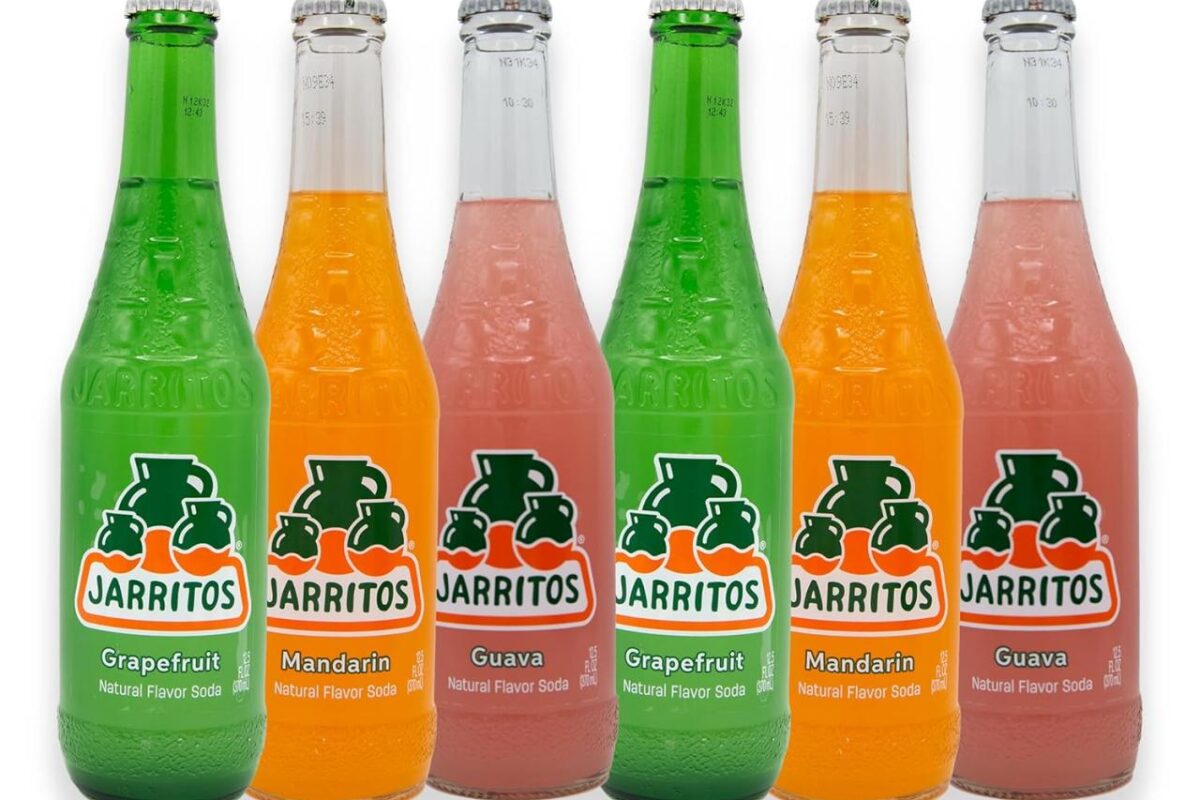
Mexican soda is more than just a fizzy drink; it’s a vibrant part of cultural identity and celebration in Mexico. These beverages have a rich history, often accompanying joyful gatherings and significant life events. Each sip of these sodas tells a story, reflecting the diverse flavors and traditions found across various regions of the country.
From the beloved traditions surrounding specific festivities to the unique taste profiles that set them apart from global soft drinks, the world of Mexican soda is a delightful exploration. It seamlessly weaves together history, flavor, and community, making it an intriguing topic for both soda enthusiasts and cultural explorers alike.
The historical significance of Mexican soda in traditional celebrations
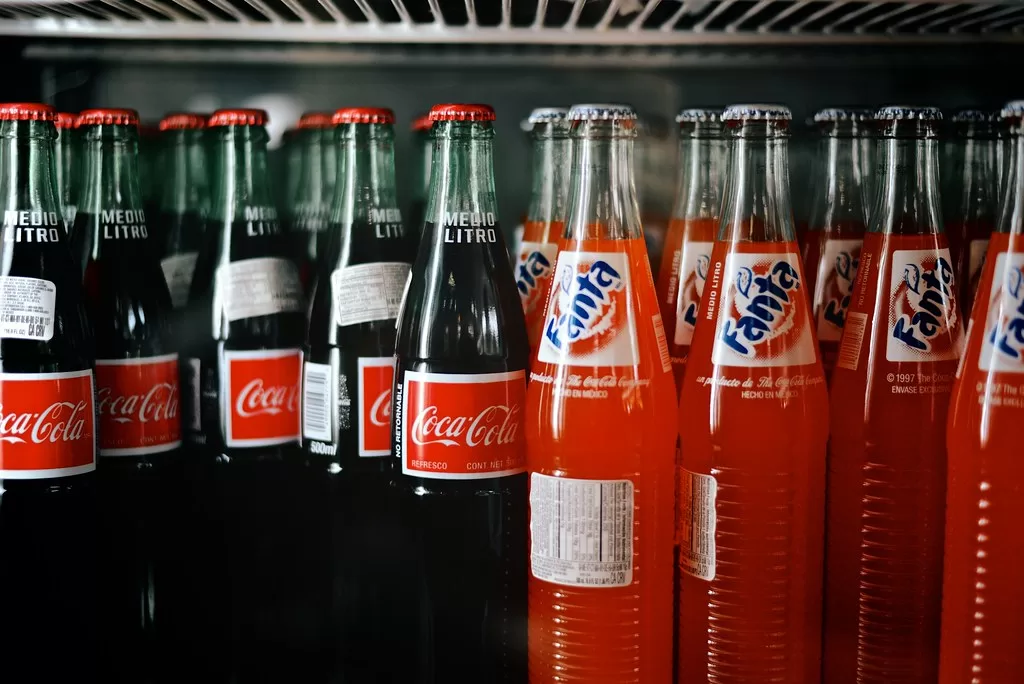
Mexican soda, with its vibrant flavors and unique packaging, has played a significant role in the cultural fabric of Mexico. Traditionally, these beverages are not just refreshments but are integral to various celebrations and gatherings, symbolizing joy and festivity. Their presence at special events highlights the connection between food and culture, serving as a source of nostalgia and pride among communities.
The origins of Mexican soda can be traced back to the early 1900s, when local bottlers began to produce soft drinks inspired by European recipes. Over the decades, these sodas have evolved, with brands like Jarritos, Sidral Mundet, and Sangría Señorial gaining popularity. Different regions of Mexico have developed unique preferences for specific soda brands, often tied to local traditions and celebrations. For instance, in the coastal regions, tropical flavors like pineapple or mango are favored, while in the central areas, traditional flavors such as tamarind or lime take prominence.
Regional Celebrations Featuring Mexican Soda
Mexican soda is commonly enjoyed during various cultural festivities, where it complements local cuisines and enhances the celebratory atmosphere. Here are notable events where these beverages are traditionally consumed:
- Día de los Muertos (Day of the Dead): This vibrant holiday celebrates the lives of departed loved ones, where families create altars adorned with photos, flowers, and favorite foods of the deceased, often including Mexican sodas to refresh guests.
- Las Posadas: During this Christmas tradition, families reenact Mary and Joseph’s search for lodging, often enjoying sweet treats and soda to celebrate the festive season together.
- Quinceañeras: The celebration of a girl’s 15th birthday marks her transition into womanhood. Mexican sodas are a staple at these lavish parties, providing a festive touch to the festivities.
- Independence Day (Día de la Independencia): On September 16th, people gather to celebrate Mexico’s freedom with traditional foods, music, and plenty of soda to quench the thirst of celebrants during parades and gatherings.
In addition to these events, Mexican sodas also find a place in everyday life, enhancing meals during family gatherings, picnics, and casual get-togethers. The colorful labels and unique flavors of these sodas reflect the diversity and richness of Mexican culture, making them a cherished component of both special occasions and daily enjoyment.
“Mexican soda embodies more than just a drink; it is a celebration of life, culture, and community.”
A comparison of popular Mexican soda brands and their unique flavors
Mexican sodas are renowned for their vibrant flavors and unique profiles that set them apart from mainstream soft drinks. This segment explores three prominent brands and their signature offerings, showcasing the distinct taste experiences that come from traditional recipes and regional ingredients.
Brand Breakdown and Flavor Profiles
The following brands are essential in the landscape of Mexican sodas, each with distinctive flavors and ingredients that contribute to their popularity.
- Jarritos: This brand is perhaps the most recognized globally when it comes to Mexican soda. Jarritos offers a range of flavors, with its most iconic being Tamarind, which features a sweet and tangy profile. This soda has a unique blend of cane sugar and natural fruit flavors, making it a refreshing option that differs from mainstream sodas that often rely on artificial ingredients.
- Frescolita: Known for its bright red color, Frescolita has a flavor profile reminiscent of a creamy, slight vanilla taste with hints of a berry-like sweetness. The soda’s ingredients include carbonated water, sugar, and natural and artificial flavors. While mainstream sodas often have a more uniform flavor, Frescolita’s unique blend provides a nostalgic taste that is cherished by many.
- Sidral Mundet: This apple-flavored soda stands out with its crisp taste and natural apple juice content. Sidral Mundet is made with real fruit and sweetened with cane sugar, offering a less overly sweet profile compared to many global soda brands. The focus on quality ingredients results in a refreshing drink that brings a taste of Mexico’s apple orchards to the table.
The differences between these Mexican sodas and their global counterparts primarily lie in their ingredient choices and flavor depth. While many international sodas are produced with high fructose corn syrup and artificial flavors, Mexican brands prioritize natural ingredients and authentic flavors. This results in a more complex and satisfying drinking experience that showcases the cultural richness of Mexico.
The influence of Mexican soda on modern culinary trends
Mexican soda has become an unexpected yet delightful staple in contemporary culinary practices. Its vibrant flavors, combined with a nostalgic touch, are inspiring chefs and home cooks alike to incorporate these fizzy beverages into a variety of dishes and drinks. This trend reflects a broader movement towards creativity and innovation in the culinary arts, where traditional ingredients are reimagined for modern palates.
Mexican soda is being embraced in an array of culinary applications, from marinades to desserts. The unique flavors—like tamarind, mango, and lime—offer a refreshing twist to classic recipes. Chefs are experimenting with these sodas to create innovative pairings, adding a fizzy element that enhances both taste and presentation. For instance, mixing Mexican soda with various ingredients can result in delightful cocktails or serve as a base for exciting desserts.
Culinary Applications of Mexican Soda
In recent years, the use of Mexican soda in culinary creations has surged, highlighting its versatility. Various recipes showcase how these fizzy drinks can elevate the dining experience. Here are some popular applications:
- Marinades and Glazes: Chefs often use sodas like Jarritos to create unique marinades for grilled meats. The sugar content caramelizes beautifully while the flavors infuse the dish.
- Cocktails: Mixologists are incorporating flavors from Mexican sodas into their cocktail menus. For example, a tamarind margarita or a mango paloma can deliver an exotic twist on traditional drinks.
- Desserts: Mexican sodas have found their way into desserts, such as cakes or ice cream floats, where their fruity flavors offer a refreshing contrast to rich textures.
The impact of these culinary innovations is evident in restaurant menus, where dishes featuring Mexican soda are becoming increasingly popular. This trend not only attracts diners seeking new flavors but also pays homage to the cultural heritage of Mexico. Establishments are showcasing their creativity by including these beverages as key ingredients in signature dishes, setting them apart in the competitive dining landscape.
Mexican soda is redefining flavor profiles in contemporary cuisine, merging tradition with modern culinary artistry.
As the influence of Mexican soda continues to grow, it’s clear that this fizzy drink is not just a beverage but a versatile ingredient that is inspiring culinary exploration across various dining experiences.
The health implications of consuming Mexican soda
Mexican soda, known for its vibrant flavors and distinctive packaging, has gained popularity beyond its home country. However, the health implications of consuming these beverages warrant careful consideration, particularly concerning their nutritional content and potential health effects. Understanding the ingredients can help consumers make informed choices regarding their consumption.
Typical Mexican sodas often contain high levels of sugar and artificial additives. For instance, a standard bottle may contain around 40 grams of sugar per 12-ounce serving, equating to approximately 10 teaspoons of sugar. The primary sweeteners used are cane sugar or high fructose corn syrup, both of which contribute significantly to the beverage’s calorie count. Additionally, these sodas frequently contain artificial flavors, colors, and preservatives, which can impact health beyond mere caloric intake.
Nutritional Content of Mexican Soda
The nutritional composition of Mexican soda plays a crucial role in understanding its health implications. The following details Artikel the key components typically found in these beverages:
- Calories: Most standard servings range from 150 to 200 calories, mainly from added sugars.
- Sugars: As mentioned, a 12-ounce serving may contain around 40 grams of sugar, contributing to high glycemic index levels.
- Artificial Additives: Ingredients such as artificial colors (e.g., Red 40) and flavors can have various health implications, including potential allergens or sensitivities.
- Caffeine: Some varieties may include caffeine, which can lead to increased heart rates and jitteriness in sensitive individuals.
The high sugar content in Mexican sodas can lead to several adverse health effects. Excessive sugar intake is linked to obesity, type 2 diabetes, and heart disease. According to the American Heart Association, high sugar consumption can increase the risk of cardiovascular diseases. Furthermore, the presence of artificial additives can pose additional risks; studies have suggested that these compounds can disrupt metabolic processes and lead to long-term health issues.
Comparison with Other Soft Drinks
When comparing Mexican sodas to other soft drinks on the market, some notable differences and similarities emerge. While both may have high sugar content, the ingredients and processing methods can vary significantly.
- Natural Ingredients: Mexican sodas often use cane sugar, whereas many mainstream sodas utilize high fructose corn syrup, which has been linked to increased fat accumulation.
- Flavor Additives: Mexican sodas typically have fewer artificial flavors compared to many mass-produced soft drinks, which can contain a wide range of chemical flavorings and sweeteners.
- Health Trends: Consumers are increasingly turning to artisanal and natural beverages, causing a shift in market dynamics that could influence the formulation of both Mexican sodas and traditional soft drinks.
Understanding the health implications of consuming Mexican soda is essential for consumers who enjoy these beverages. The high sugar content, coupled with artificial additives, presents significant health risks that can affect overall well-being. Awareness of these factors can lead to more informed choices in beverage consumption, contributing to healthier lifestyles.
The rise of artisanal Mexican sodas and their appeal
The craft beverage movement has taken the world by storm, and artisanal Mexican sodas are a delicious part of this trend. Small producers are stepping into the spotlight, creating unique flavors that not only celebrate traditional recipes but also bring innovative twists to the table. This growing niche market appeals to consumers seeking authenticity and quality in their beverage choices.
Artisanal Mexican sodas are characterized by their small-batch production methods, which allow for creativity and experimentation. Unlike mass-produced sodas that rely on synthetic flavors and high fructose corn syrup, these craft beverages use natural ingredients, local fruits, and traditional recipes. This trend reflects a wider consumer desire for transparency in food and drink, where people want to know what they’re consuming. By sourcing ingredients locally and emphasizing unique flavor combinations, artisanal brands set themselves apart from their larger counterparts.
Characteristics of artisanal Mexican sodas
The uniqueness of artisanal Mexican sodas lies in the distinct characteristics that define them. These sodas often incorporate local fruits, herbs, and spices, resulting in flavors that can be surprising and delightful. Here are some key aspects that distinguish these beverages:
- Natural Ingredients: Artisanal sodas prioritize using organic and locally sourced ingredients, steering clear of artificial preservatives and flavors. This commitment enhances the taste while promoting sustainable practices.
- Unique Flavor Profiles: Producers experiment with flavors such as hibiscus, tamarind, and prickly pear, often blending them with traditional sodas like cola or citrus. These creative combinations attract adventurous consumers looking for something different.
- Handcrafted Quality: Many artisanal brands emphasize their small-batch production methods, which allow for greater attention to detail and quality control. This craftsmanship can lead to a richer taste and a more enjoyable drinking experience.
The target demographic for artisanal Mexican sodas typically includes younger consumers, such as millennials and Gen Z, who value authenticity and sustainability in their food and drink choices. These consumers are more likely to support local businesses and seek out unique, high-quality products. The appeal also extends to health-conscious individuals looking for better alternatives to conventional sodas, as well as those interested in exploring cultural heritage through food and beverages.
Artisanal brands differentiate themselves from mass-produced options in several ways. They focus on storytelling and brand identity, often sharing the history behind their recipes and the sourcing of their ingredients. This narrative creates an emotional connection with consumers, fostering loyalty and appreciation for the brand. Furthermore, artisanal Mexican sodas often use eco-friendly packaging, aligning with the values of consumers who prioritize sustainability.
In summary, the rise of artisanal Mexican sodas showcases a shift towards quality, flavor diversity, and authenticity. As consumers continue to seek out unique beverage experiences, these small-batch producers are carving a niche in the beverage market that celebrates both tradition and innovation.
The role of Mexican soda in global markets and its growing popularity
The increasing popularity of Mexican soda in global markets represents a fascinating intersection of culture, marketing, and consumer preferences. With vibrant flavors and unique branding, these beverages have not only captured the attention of Mexican consumers but have also found a receptive audience far beyond borders. The expansion of Mexican soda brands into international markets is a testament to their growing appeal and the influence of cultural exchange.
Expansion of Mexican Soda Brands
Mexican soda brands have successfully penetrated international markets, finding niche audiences in various countries. Brands like Jarritos and Coca-Cola’s Mexican variant have gained traction, often celebrated for their authentic flavors. These sodas are marketed primarily through visual storytelling and cultural authenticity, presenting them as not just beverages but gateways to an exciting culinary experience.
An essential factor in this expansion is the rising interest in ethnic foods and beverages among consumers. The following points illustrate how Mexican soda brands have effectively captured the global market:
- Targeted Marketing Campaigns: Brands utilize vibrant packaging and advertising that highlight the cultural roots of the sodas. This not only attracts consumers looking for unique tastes but also educates them about Mexican culture.
- Availability in Diverse Retail Environments: Mexican sodas have found their place not only in Latin American grocery stores but also in mainstream supermarkets and specialty beverage shops, increasing accessibility.
- Social Media Engagement: Companies leverage social media platforms to engage with consumers through interactive content, promoting contests and collaborations that resonate with younger audiences.
Cultural Exchange Through Beverage Consumption
The consumption of Mexican soda facilitates cultural exchange, allowing non-Mexican consumers to experience a taste of Mexican heritage. This exchange occurs in several ways, enriching the culinary landscape in various regions. As people explore these vibrant flavors, they also embrace aspects of Mexican culture, fostering a greater appreciation for its traditions and lifestyle.
One significant aspect of this cultural exchange is the incorporation of Mexican soda into various culinary experiences. Here are some key points highlighting this integration:
- Pairing with Food: Mexican sodas are increasingly featured in fusion recipes and as pairings for international cuisines, encouraging culinary experimentation and cross-cultural dining experiences.
- Involvement in Local Events: Many brands participate in food festivals and cultural events abroad, showcasing their products while celebrating Mexican traditions, music, and cuisine.
- Social Gatherings and Celebrations: The inclusion of Mexican sodas in parties and social events outside of Mexico reflects an embrace of diversity, as people seek to incorporate global flavors into their celebrations.
The sustainability practices of Mexican soda manufacturers
Mexican soda manufacturers are increasingly adopting sustainability practices to minimize their environmental impact and align with global eco-friendly trends. These initiatives encompass various aspects of production, from sourcing ingredients to packaging and waste management. As the demand for environmentally responsible products grows, several brands have stepped up their efforts to lead the way in sustainability within the beverage industry.
Initiatives to reduce environmental impact
Many Mexican soda brands have implemented notable initiatives aimed at lowering their carbon footprint and enhancing their sustainability. These initiatives often include energy-efficient production techniques and waste reduction strategies. By investing in renewable energy sources, such as solar and wind power, these manufacturers are taking significant steps toward becoming more sustainable.
Some prominent initiatives include:
- Energy-efficient facilities: Brands are upgrading their manufacturing plants with energy-saving equipment that reduces electricity consumption.
- Water conservation: Many manufacturers have adopted practices to recycle water used in production processes, minimizing their water footprint.
- Community engagement: Companies often collaborate with local communities on environmental projects, promoting sustainability beyond their production lines.
Packaging and sourcing of ingredients
The packaging of Mexican sodas plays a crucial role in their sustainability practices. Manufacturers are increasingly opting for biodegradable or recyclable materials to minimize waste and reduce pollution. The shift towards using eco-friendly packaging reflects a broader commitment to sustainability while also appealing to environmentally conscious consumers.
Additionally, the sourcing of ingredients is becoming more sustainable. Many brands prioritize local sourcing to reduce transportation emissions and support local farmers. They are also focusing on organic and non-GMO ingredients to ensure that their products are not only tasty but also environmentally responsible. Examples of sustainable packaging and sourcing efforts include:
- Plant-based bottles: Some brands are now using bottles made from plant materials, which are biodegradable and reduce reliance on fossil fuels.
- Recycled materials: Many manufacturers incorporate recycled materials in their packaging, further reducing waste in landfills.
- Organic sourcing: Brands are increasingly sourcing organic sugar and natural flavorings that are cultivated without harmful pesticides.
Brands leading in eco-friendly practices
Several Mexican soda brands are at the forefront of adopting eco-friendly practices and setting industry standards. These brands not only focus on the sustainability of their products but also actively promote environmental stewardship among consumers. Leading examples include:
- Jarritos: Known for its colorful flavors, Jarritos has committed to using recyclable bottles and sourcing local ingredients where possible.
- Frescolita: This brand emphasizes sustainable practices by utilizing bottles made from recyclable materials and engaging in community clean-up efforts.
- Peñafiel: Along with its mineral water offerings, Peñafiel has adopted eco-friendly packaging initiatives and aims to reduce its energy consumption significantly.
By prioritizing sustainability in manufacturing and packaging, Mexican soda brands are playing a vital role in promoting environmental responsibility.
The nostalgic connection to Mexican soda among the diaspora
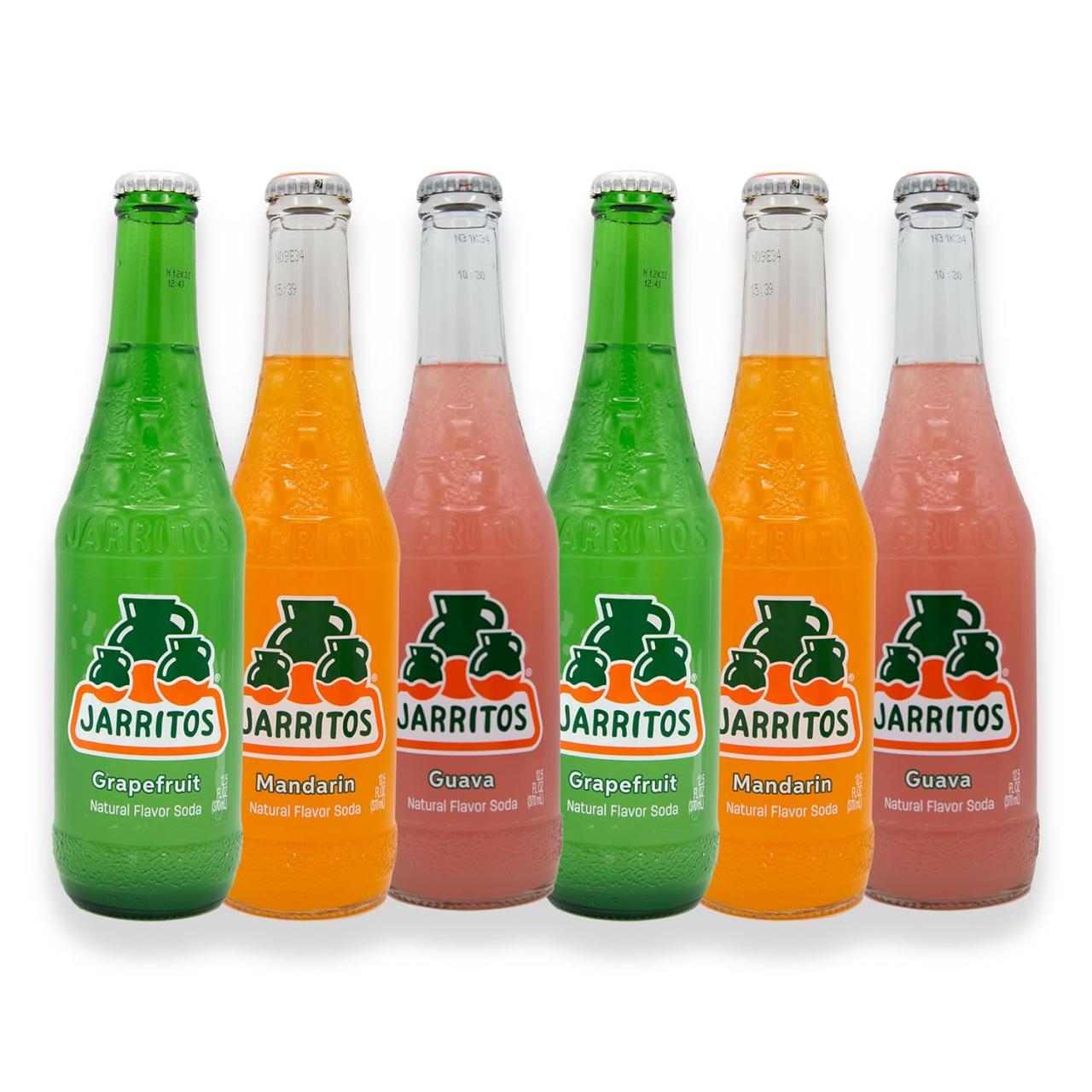
Mexican soda holds a special place in the hearts of many who have left their homeland. For many members of the Mexican diaspora, these bubbly beverages evoke memories of family gatherings, street vendors, and vibrant celebrations back in Mexico. The sweetness and unique flavors of these sodas create a powerful connection to their cultural roots, serving as a reminder of home that transcends borders.
In immigrant communities, Mexican soda is not just a drink; it is a cultural artifact that embodies the traditions and experiences of those who have migrated. When families gather to celebrate special occasions, the presence of these sodas often evokes stories of the past—how they were bought from local tiendas or enjoyed during festive meals. For instance, many remember the excitement of purchasing a Jarritos or a Coca-Cola in a glass bottle while visiting family in Mexico. These moments create an emotional landscape that intertwines identity with nostalgia, reinforcing the sense of belonging in a foreign land.
Generational perspectives on Mexican soda
The perception of Mexican soda varies significantly between older and younger generations within immigrant communities. Older generations often cherish these beverages as symbols of their childhood experiences and cultural identity. They recall how these sodas were integral to their upbringing, representing not just a beverage but a connection to their heritage. For them, drinking a Mexican soda can trigger vivid memories of family picnics, regional festivals, and the simple joys of life in Mexico.
In contrast, younger generations, while still appreciating the flavors and nostalgia associated with these drinks, may engage with them differently. For many, Mexican sodas are seen more as trendy items, embraced for their unique tastes and vibrant packaging. This shift often leads to a blend of cultural pride and a desire to innovate. Young people might take these traditional beverages and incorporate them into modern settings, such as parties or social media, where they become part of a broader narrative of multicultural identity.
The dynamic between these generations illustrates how Mexican soda serves not only as a link to the past but also as a bridge to the future. It embodies the dual experience of maintaining cultural traditions while adapting to new environments. This evolution is evident in the way these drinks are marketed and consumed, showcasing the versatility of Mexican soda as both a nostalgic symbol and a contemporary beverage choice.
The nostalgia associated with Mexican soda reflects the deep ties to cultural identity, uniting generations while adapting to modern contexts.
Ending Remarks
As we wrap up our exploration of Mexican soda, it’s clear that these beverages are much more than mere refreshment; they are a celebration of heritage and innovation. From their historical roots in cultural festivities to their modern day adaptations in culinary creations, Mexican sodas continue to captivate taste buds around the world. Their journey from local favorites to international appeal highlights their importance in bridging cultures and creating community connections.
FAQ Compilation
What are the most popular flavors of Mexican soda?
Some of the most popular flavors include tamarind, hibiscus, and lime, each offering a unique taste experience.
Are Mexican sodas gluten-free?
Most traditional Mexican sodas are gluten-free, but it’s always best to check the label for specific brands.
Can Mexican soda be used in cocktails?
Absolutely! Mexican sodas are increasingly used in cocktails for their vibrant flavors and refreshing qualities.
How do Mexican sodas differ from American sodas?
Mexican sodas often use real cane sugar instead of high fructose corn syrup, providing a different sweetness and flavor profile.
Where can I find artisanal Mexican sodas?
Artisanal Mexican sodas can often be found at specialty grocery stores, farmers’ markets, or online retailers.