 Rogert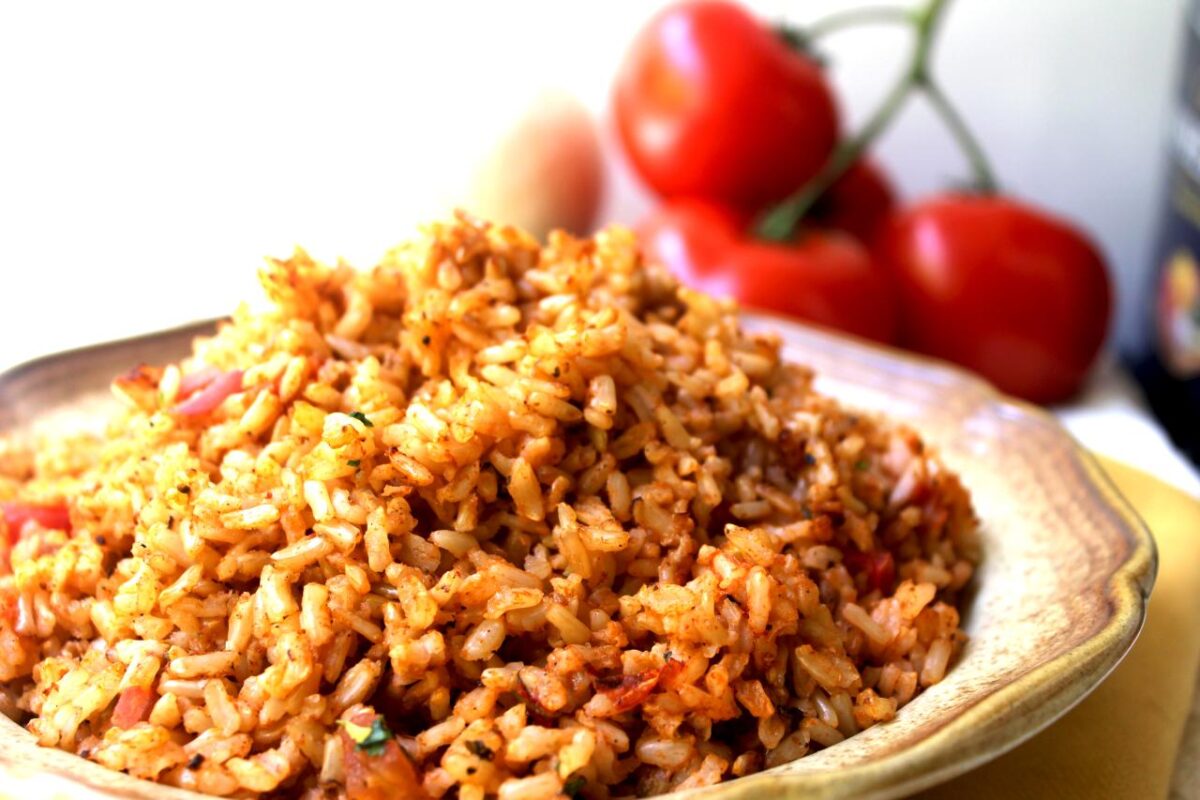
Mexican rice is more than just a side dish; it is a vibrant representation of Mexico’s rich culinary heritage. With roots tracing back through centuries, this dish has absorbed influences from various cultures, making it a staple in Mexican cuisine. Its preparation varies across regions, showcasing unique flavors and ingredients that reflect local traditions. This exploration of Mexican rice invites you to discover the intricate history, essential components, and variations that make this dish a beloved part of many meals.
From its historical origins, influenced by indigenous cultures and Spanish colonization, to the essential ingredients that create its distinctive taste, each aspect of Mexican rice tells a story. Whether enjoyed at family gatherings or served at festive occasions, this dish continues to hold cultural significance in modern culinary practices. Get ready to unravel the culinary magic that transforms simple rice into an unforgettable Mexican classic.
The Historical Origins of Mexican Rice
Rice has played a significant role in Mexican cuisine, serving not only as a staple food item but also as an integral part of the cultural identity. Its introduction to Mexico can be traced back to the Spanish colonization in the 16th century when it was brought over from Asia. As a result of this colonial exchange, rice found its place in the heart of Mexican gastronomy. Initially used by the elite, it gradually permeated into the diets of the general population, evolving into a versatile component of various traditional dishes, including the beloved Mexican rice.
Throughout history, the preparation and consumption of rice in Mexico have been shaped by various cultural influences. The melding of indigenous practices with Spanish cooking methods led to the creation of distinct rice dishes that are now hallmarks of Mexican cuisine. The use of ingredients such as tomatoes, garlic, and onions is a direct result of this fusion, which reflects not only the availability of local produce but also the culinary creativity in adapting a foreign ingredient. The incorporation of spices and herbs unique to the region further illustrates the adaptability of rice in Mexican cooking.
Regions Where Rice is a Staple Food
Rice is particularly significant in several regions of Mexico, where it has become a fundamental part of local diets. The following areas are noteworthy for their traditional rice consumption:
- Veracruz: Known for its fertile soil and coastal access, Veracruz has a rich agricultural heritage where rice is cultivated extensively. The region’s rice dishes often incorporate seafood, reflecting local flavors.
- Tabasco: In Tabasco, rice is a staple in both everyday meals and festive occasions. Its preparation often includes local spices and ingredients, showcasing the unique culinary heritage of the area.
- Chiapas: The diverse indigenous cultures in Chiapas have their own traditional rice recipes, often paired with beans and vegetables indigenous to the region, making it a nutritious and cultural meal.
- Sinaloa: In Sinaloa, rice is a key ingredient in many traditional dishes, including the famous “arroz a la tumbada,” a rice dish cooked with seafood and spices, exemplifying the region’s culinary diversity.
“Rice has not only become a dietary staple but also a symbol of cultural fusion and adaptation within Mexican cuisine.”
The Essential Ingredients for Authentic Mexican Rice
Mexican rice, a beloved staple in Mexican cuisine, is characterized by its vibrant flavor and fluffy texture. Understanding the essential ingredients that contribute to this delicious dish is crucial for achieving authenticity. Each ingredient plays a specific role in enhancing the overall taste and presentation, making it a delightful accompaniment to various meals.
The foundation of authentic Mexican rice lies in the careful selection of ingredients, each adding layers of flavor and texture. Below is a detailed list of the key components necessary for preparing traditional Mexican rice, along with insights into their significance and tips for selecting the best quality.
Key Ingredients
When crafting authentic Mexican rice, the following ingredients are indispensable:
- Long-Grain White Rice: This is the primary ingredient that provides the fluffy texture. Long-grain rice stays separate and does not clump together. Look for high-quality brands that are free from broken grains.
- Tomatoes: Fresh or canned tomatoes add a rich, tangy flavor and vibrant color. Opt for ripe, juicy tomatoes when using fresh, or select canned tomatoes with no added preservatives for the best results.
- Onion: Onion contributes sweetness and depth. A yellow onion is commonly used for its balance of flavor. Choose firm, unblemished onions for optimal freshness.
- Garlic: Garlic infuses a savory element into the rice. Fresh garlic cloves should be used for maximum flavor, avoiding pre-minced options that may lose potency.
- Vegetable or Chicken Broth: Broth imparts additional flavor compared to water. Homemade broth is ideal, but if using store-bought, select low-sodium options to control the saltiness.
- Cilantro: Fresh cilantro adds a refreshing note and enhances the overall aroma. Look for bright green leaves with no signs of wilting or yellowing.
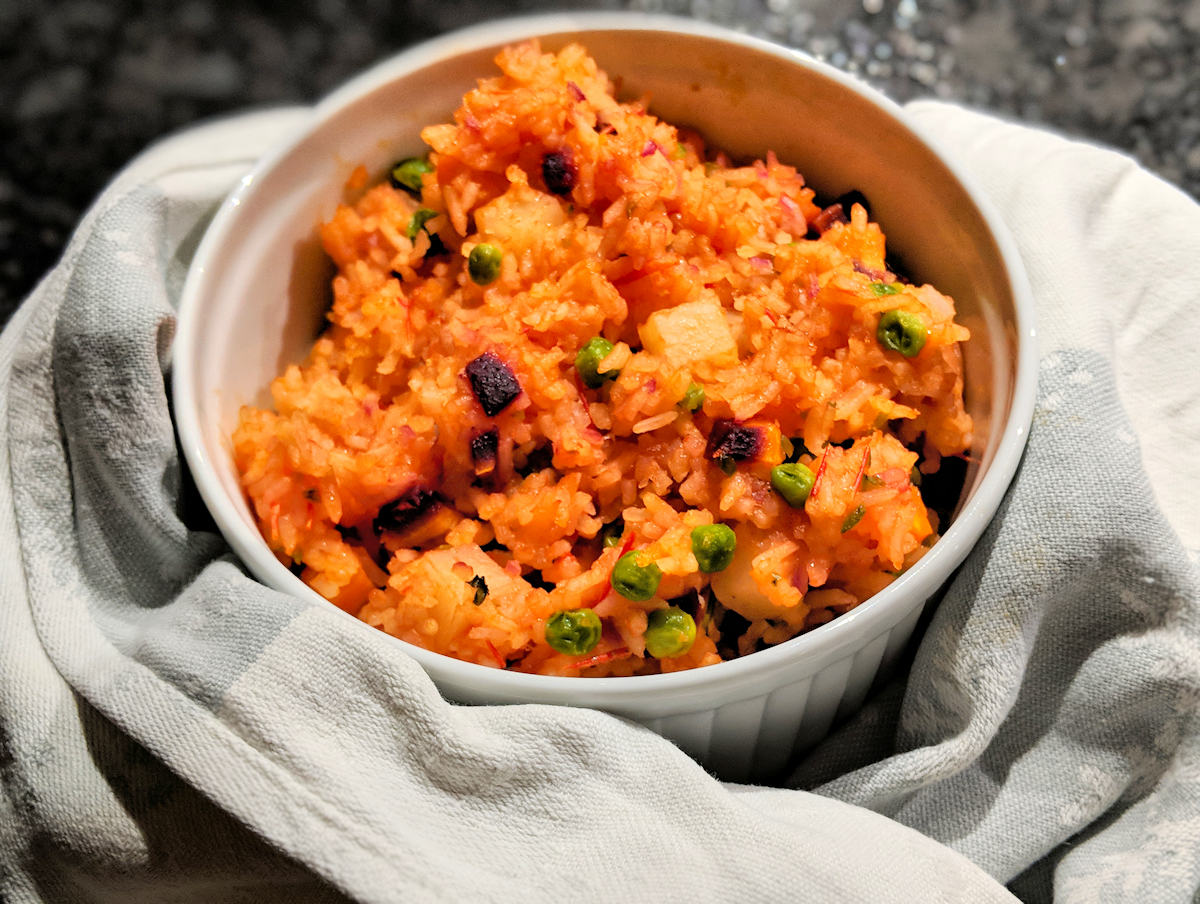
- Peas and Carrots: These vegetables not only add color but also provide sweetness and texture. Frozen vegetables are a convenient choice; just ensure they are not overly processed with additives.
The quality of your ingredients directly affects the flavor and authenticity of your Mexican rice. Always prioritize freshness and avoid low-quality substitutes.
By selecting high-quality ingredients, you ensure that each component shines through in the final dish, resulting in a satisfying and flavorful Mexican rice that can elevate any meal. Preparation and cooking techniques also play a vital role, but without the right ingredients, achieving that authentic taste becomes a challenge. Keep these tips in mind as you gather your supplies, and you’ll be well on your way to creating a delicious dish that honors traditional Mexican culinary practices.
Step-by-Step Preparation of Classic Mexican Rice
Preparing classic Mexican rice is an essential skill in Mexican cuisine, known for its rich flavor and vibrant color. This dish is not only a staple but also a delightful complement to many meals, from tacos to enchiladas. Following a precise method can ensure that you achieve the desired texture and taste that reflects authentic Mexican cooking.
The preparation of authentic Mexican rice includes carefully selected ingredients and specific cooking techniques. It’s crucial to understand each step to create a fluffy, flavorful dish that is consistent every time. Below, you will find a detailed guide outlining the step-by-step process for making classic Mexican rice, along with a comparison of cooking methods based on serving sizes.
Step-by-Step Guide
To prepare classic Mexican rice, follow these steps carefully:
1. Gather Ingredients:
– 2 cups long-grain white rice
– 4 cups chicken or vegetable broth
– 1 medium onion, finely chopped
– 2 cloves garlic, minced
– 1 medium tomato, diced (optional)
– 2 tablespoons vegetable oil
– Salt to taste
– Fresh cilantro for garnish (optional)
2. Rinse the Rice:
Rinse the rice under cold water until the water runs clear. This step is essential as it removes excess starch and prevents the rice from becoming gummy during cooking.
3. Sauté the Aromatics:
In a large pot, heat the vegetable oil over medium heat. Add the chopped onion and sauté until translucent. Next, add the minced garlic and sauté for an additional minute, stirring frequently to avoid burning.
4. Toast the Rice:
Add the rinsed rice to the pot with the sautéed onions and garlic. Stir frequently for about 5-7 minutes, until the rice is golden brown. This toasting process adds a nutty flavor to the rice.
5. Add Liquid and Season:
Carefully pour in the broth and add salt to taste. Bring the mixture to a boil, then reduce the heat to low. If using, add the diced tomato at this stage.
6. Simmer:
Cover the pot with a tight-fitting lid and let the rice simmer for 20-25 minutes. Avoid lifting the lid during this time, as it can disrupt the cooking process.
7. Fluff and Serve:
Once the cooking time is up, remove the pot from the heat and let it sit for 5 minutes. Then, remove the lid and fluff the rice with a fork. Garnish with fresh cilantro if desired.
Cooking Method Variations
Different cooking methods and serving sizes can impact the time required to prepare Mexican rice. The following table illustrates these variations:
| Serving Size | Cooking Method | Cooking Time |
|---|---|---|
| 2-4 servings | Stovetop | 20-25 minutes |
| 6-8 servings | Stovetop (in a larger pot) | 25-30 minutes |
| 4-6 servings | Rice Cooker | 25-30 minutes |
| 8-10 servings | Instant Pot | 10-12 minutes |
Common Mistakes to Avoid
When preparing Mexican rice, several common pitfalls can lead to disappointing results. It’s important to be aware of these mistakes and how to remedy them:
– Overcooking or Undercooking Rice: Achieving the right texture is crucial. If the rice is overcooked, it will become mushy. In contrast, undercooked rice will be hard and crunchy. Always follow the recommended cooking times and allow the rice to rest after cooking.
– Not Rinsing the Rice: Failing to rinse the rice can result in a sticky dish. Always rinse the rice thoroughly until the water is clear to achieve a fluffy texture.
– Lifting the Lid Too Soon: Lifting the lid during cooking releases steam, which is essential for properly cooking the rice. Keep the lid on until the cooking time is complete to ensure even cooking.
– Using Cold Broth: Adding cold broth can shock the rice and disrupt the cooking process. Ensure that the broth is warm or at room temperature before adding it to the pot.
By following this step-by-step guide and being mindful of common mistakes, you can prepare delicious, authentic Mexican rice that will surely impress your family and friends.
Variations of Mexican Rice Across Different Regions
Mexican rice is not just a staple side dish; it reflects the diverse cultural and geographical influences found throughout the country. Each region boasts its own unique variations, driven by local ingredients, cooking traditions, and flavor profiles. Understanding these differences provides a richer appreciation for this beloved dish.
The preparation and flavor of Mexican rice can vary significantly between coastal and inland regions. Coastal regions are often characterized by the incorporation of seafood and fresh herbs, while inland areas typically utilize more robust, earthy ingredients such as beans and spices. This results in distinct textures and flavors, offering a delightful culinary journey through Mexico’s diverse landscapes.
Regional Characteristics of Mexican Rice
The following points highlight the unique characteristics of Mexican rice from various states, showcasing the regional differences that contribute to its culinary richness:
- Veracruz: Known for its use of seafood, Veracruz-style rice often includes shrimp or fish, with a hint of lime and fresh cilantro, giving it a refreshing taste reminiscent of coastal cuisine.
- Yucatán: This region features rice cooked with achiote paste, lending a distinct reddish color and a slightly sweet, earthy flavor, often served alongside traditional dishes like cochinita pibil.
- Jalisco: In Jalisco, rice may be prepared with a combination of garlic and tomato, resulting in a savory dish that pairs well with grilled meats, particularly the famous birria.
- Oaxaca: Oaxacan rice often incorporates regional ingredients like mole or local herbs, creating a richly flavored dish that is both aromatic and colorful.
- Chiapas: In Chiapas, rice can be cooked with a mix of local vegetables and spices, emphasizing a hearty, wholesome profile that reflects the region’s agricultural bounty.
- Mexico City: The capital city showcases a fusion of styles, where street vendors may serve rice with various toppings, including salsas and grilled vegetables, highlighting the urban culinary diversity.
The regional variations not only illustrate the diversity of Mexican rice but also the cultural heritage that each state brings to the table. These differences in ingredients and methods of preparation play a crucial role in defining the local identity and culinary traditions.
Pairing Mexican Rice with Traditional Dishes
Mexican rice, with its savory flavors and vibrant hue, serves as a perfect accompaniment to a variety of traditional Mexican dishes. The versatility of this staple allows it to enhance the overall dining experience when paired with the right proteins and sauces. Below, we delve into the best traditional dishes that complement Mexican rice, exploring how their flavors interact to elevate your meal.
Complementary Traditional Dishes
Several traditional Mexican dishes serve as ideal pairings for Mexican rice. Each of these dishes has unique flavors that, when combined with the rice, create a balanced and delightful meal.
- Carne Asada: This grilled beef dish brings a smoky, charred flavor that beautifully contrasts with the mild spices of the rice. The meat’s juiciness complements the rice’s texture, making each bite satisfying.
- Pollo en Mole: The rich, complex flavors of mole sauce, typically made from chocolate and spices, are perfectly offset by the simplicity of Mexican rice. The rice acts as a neutral base that allows the mole’s depth to shine through.
- Tacos al Pastor: The marinated pork in these tacos is seasoned with pineapple, giving it a sweet and savory profile. Serving Mexican rice alongside allows diners to balance the flavors, making for a well-rounded meal.
- Chiles Rellenos: These stuffed peppers, filled with cheese or meat, often feature a rich tomato-based sauce. The rice serves to absorb the sauce’s flavors and adds a satisfying element to each bite.
- Fish Tacos: With their light and fresh profile, fish tacos pair well with the hearty nature of Mexican rice. The rice provides a satisfying texture that complements the flaky fish while enhancing the overall flavor experience.
The flavor profiles of these proteins and the accompanying salsas play a pivotal role in enhancing the dining experience. For instance, a vibrant salsa verde or a spicy pico de gallo can elevate the mildness of the rice, adding layers of flavor and a burst of freshness.
Serving Suggestions and Presentation Ideas
Presenting Mexican rice with traditional dishes can be both creative and enticing. Here are some suggestions to enhance the visual appeal and overall dining experience:
- Plating: Use a large, colorful plate as a canvas, placing a mound of Mexican rice at the center and artfully arranging the main protein around it. Add dollops of salsa on top for color and texture.
- Garnishing: Fresh cilantro or chopped green onions can be sprinkled over the rice to add a pop of color and freshness, while lime wedges on the side provide a zesty touch.
- Layering: For a more rustic presentation, layer the rice beneath the proteins and vegetables, allowing the colors and textures to blend naturally.
- Serving Style: Consider serving the meal family-style, allowing guests to mix and match their portions of rice, protein, and salsa. This interactive approach fosters a communal meal experience.
Employing these serving suggestions not only enhances the meal’s visual appeal but also encourages diners to explore the delightful interplay of flavors between the Mexican rice and the traditional dishes.
Nutritional Aspects of Mexican Rice
Mexican rice, also known as Spanish rice or arroz rojo, is not only a flavorful side dish but also a significant source of various nutrients. Packed with carbohydrates, vitamins, and minerals, it can contribute positively to a balanced diet. Understanding its nutritional profile helps in making informed dietary choices, especially when considering its role in traditional Mexican cuisine.
The macronutrient profile of Mexican rice typically includes a high carbohydrate content, providing a quick source of energy. A standard serving of cooked Mexican rice contains approximately 45 grams of carbohydrates, 4 grams of protein, and less than 1 gram of fat. It also provides dietary fiber, which is essential for digestive health. The presence of vitamins such as B-complex, particularly niacin and thiamine, along with minerals like magnesium and phosphorus, further enhances its nutritional benefits.
Health Implications of Pairing Mexican Rice
Pairing Mexican rice with other food groups can significantly influence its overall health benefits. When combined with proteins, vegetables, and healthy fats, it can create a well-rounded meal that supports various health goals. Here are some examples of potential pairings:
- Grilled Chicken or Fish: Adding lean protein sources enhances the dish’s amino acid profile, essential for muscle repair and growth.
- Vegetables: Incorporating a variety of vegetables like bell peppers, peas, and carrots not only adds flavor but also increases the intake of vitamins, minerals, and antioxidants.
- Beans: Pairing with beans boosts protein and fiber content, creating a more filling and nutritious meal that can support heart health.
- Avocado: Including healthy fats from avocado can improve the absorption of fat-soluble vitamins and provide essential fatty acids.
A balanced approach to meal planning that includes Mexican rice can help in managing weight and promoting overall well-being. The fiber content aids in digestion and can contribute to lower cholesterol levels, while the combination of ingredients can help maintain stable blood sugar levels.
Comparison with Other Types of Rice
When comparing Mexican rice to other types of rice, such as white rice or brown rice, there are notable differences in nutritional value. Understanding these distinctions can guide dietary preferences.
Mexican rice is typically enriched with added ingredients like tomatoes, onions, and garlic, which not only enhance flavor but also increase its vitamin and mineral content compared to plain white rice. In contrast, brown rice is a whole grain, providing higher fiber content and more nutrients overall. Here’s a detailed comparison:
| Type of Rice | Calories (per 1 cup cooked) | Carbohydrates (g) | Protein (g) | Fiber (g) |
|---|---|---|---|---|
| Mexican Rice | 200 | 45 | 4 | 2 |
| White Rice | 205 | 45 | 4 | 0.6 |
| Brown Rice | 215 | 45 | 5 | 3.5 |
“Mexican rice provides a unique blend of flavors and nutrients, making it a versatile dish that can contribute to a balanced diet.”
In summary, while Mexican rice is a flavorful addition to meals, pairing it with other nutritious food groups and understanding its comparison with other rice varieties can enhance its health implications significantly.
Popularity and Cultural Significance of Mexican Rice in Modern Cuisine
Mexican rice, a staple side dish that beautifully complements various entrees, has gained immense popularity in modern culinary settings. Its vibrant colors and rich flavors make it a favorite among many, transcending cultural boundaries and becoming a beloved component of diverse cuisines. The rise of Mexican cuisine in global gastronomy has further elevated the status of Mexican rice, making it a must-try dish for food enthusiasts.
As contemporary culinary trends embrace authenticity and flavor, Mexican rice has found its way into numerous restaurant menus worldwide. It is not only featured in traditional Mexican establishments but also in fusion cuisine, where chefs creatively incorporate it into various dishes. This adaptability showcases the versatility of Mexican rice, allowing it to shine in a variety of culinary contexts. Furthermore, its cultural importance extends beyond mere flavor; it serves as a symbol of community and togetherness, especially during family gatherings and celebrations.
Cultural Importance in Celebrations and Family Gatherings
Mexican rice plays a pivotal role in festivities and communal gatherings, often prepared during significant events such as birthdays, weddings, and holidays. It brings families together around the table, fostering a sense of belonging and shared heritage. The dish is frequently served alongside traditional recipes, enhancing the overall dining experience and creating cherished memories.
During festive occasions, the preparation of Mexican rice often involves family members working together in the kitchen, passing down recipes and techniques from one generation to another. This collaborative effort underscores its cultural significance, as each family may have their unique twist on the dish, reflecting personal histories and regional flavors.
To illustrate the global appreciation and popularity of Mexican rice, here are notable chefs and restaurants that have helped to popularize this dish:
- Chef Rick Bayless – Renowned for his authentic Mexican cuisine and multiple award-winning restaurants.
- Restaurant Pujol – A celebrated restaurant in Mexico City known for innovative takes on traditional dishes including Mexican rice.
- Chef Enrique Olvera – His restaurant Cosme has brought modern Mexican flavors, featuring Mexican rice on its menu.
- Los Angeles’ Guelaguetza – A restaurant famous for Oaxacan cuisine where Mexican rice is a staple offering.
- Chef Gabriela Camara – Known for her emphasis on fresh ingredients, her restaurants in Mexico City and San Francisco highlight Mexican rice.
Last Recap
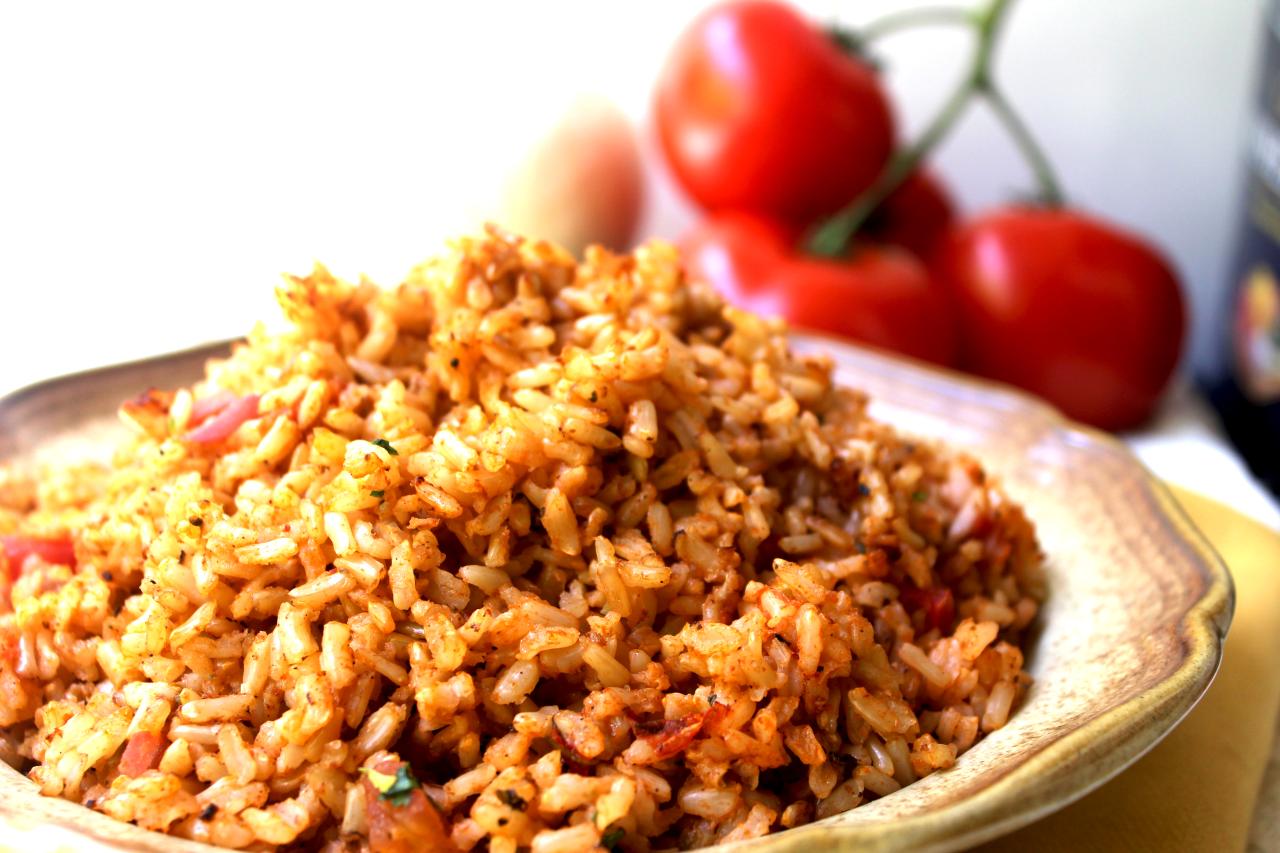
In summary, Mexican rice encapsulates a rich tapestry of history, flavor, and tradition. As we’ve explored its origins, ingredients, and regional variations, it’s clear that this dish is more than just a meal; it’s a celebration of Mexican culture. Whether paired with savory proteins or enjoyed on its own, Mexican rice remains a timeless favorite that continues to bring people together around the table. Dive into the world of Mexican rice and enjoy its delightful journey through flavors and history.
FAQ Overview
What is the best way to store leftover Mexican rice?
Store leftover Mexican rice in an airtight container in the refrigerator for up to 4 days. For longer storage, freeze it in portions for up to 3 months.
Can I make Mexican rice without a rice cooker?
Yes, you can make Mexican rice on the stove by following the traditional preparation method, using a pot with a lid to simmer the rice.
What type of rice is best for authentic Mexican rice?
Long-grain white rice is typically recommended for authentic Mexican rice, as it cooks up fluffy and separate.
Is Mexican rice gluten-free?
Yes, traditional Mexican rice is gluten-free as it is made primarily from rice and does not contain wheat.
Can I add vegetables to my Mexican rice?
Absolutely! Adding vegetables like peas, carrots, or bell peppers can enhance the flavor and nutrition of Mexican rice.