
 Rogert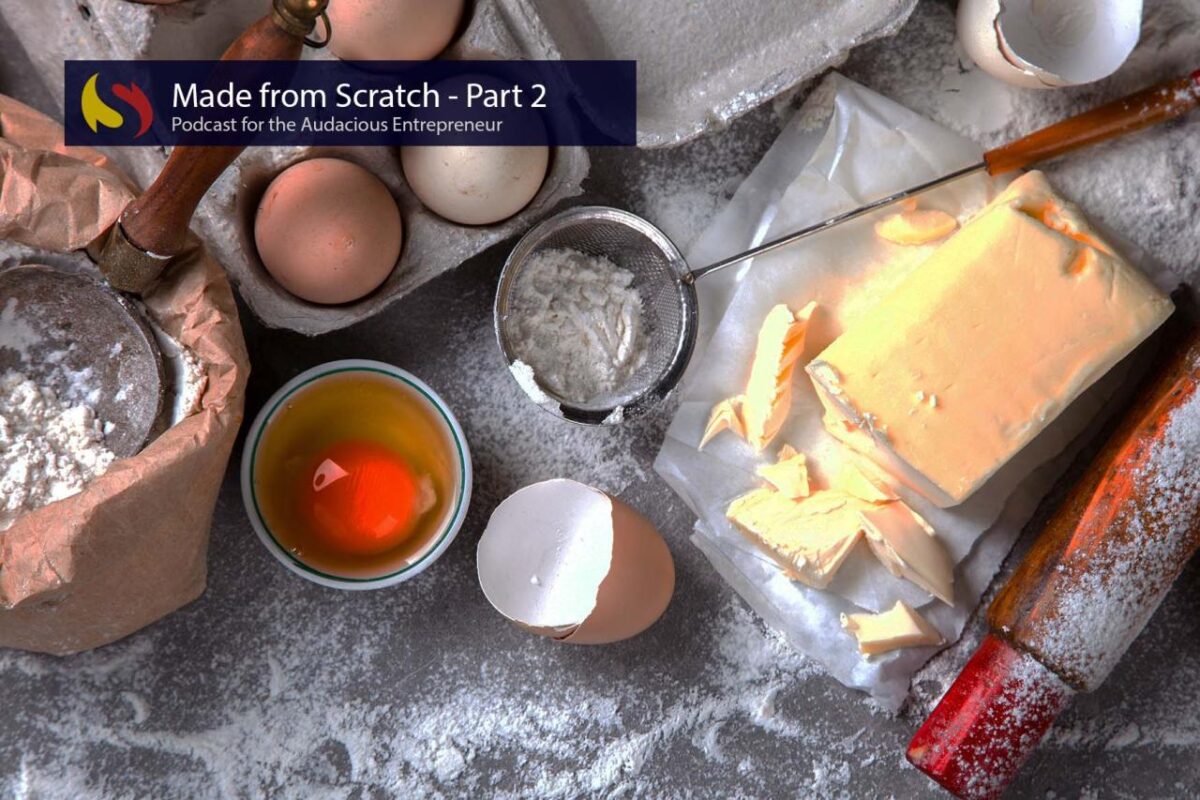
Made from scratch cooking invites us to step into the kitchen and embrace the art of crafting delicious meals from the ground up. This approach not only allows us to control the ingredients and flavors but also fosters a deeper connection with our food. Whether it’s a comforting homemade pasta or a freshly baked loaf of bread, creating dishes from scratch opens up a world of culinary possibilities that are both rewarding and satisfying.
In a world where convenience often takes precedence, understanding the true essence of made from scratch is essential. It encompasses everything from selecting the finest ingredients to mastering various cooking techniques, all while celebrating the flavors and traditions of different cuisines. By prioritizing freshness and quality, we not only enhance the taste of our meals but also contribute to a healthier lifestyle.
Understanding the Concept of Made From Scratch
In the culinary world, the term “made from scratch” refers to the process of creating food items using raw ingredients rather than pre-packaged or pre-prepared components. This approach emphasizes skill, freshness, and the authenticity of home-cooked meals. Cooking from scratch not only allows for greater control over flavors and ingredients but also fosters a deeper appreciation for the culinary arts.
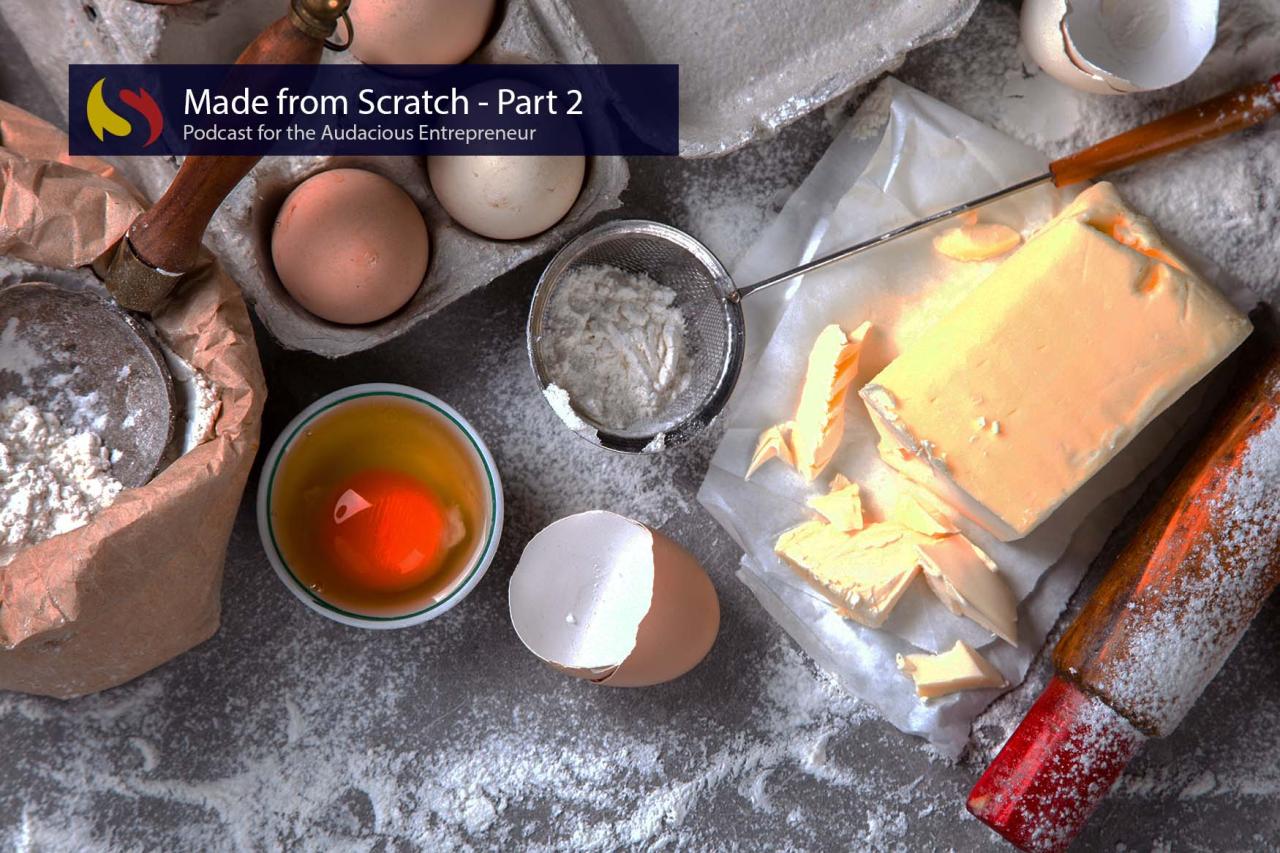
Many popular dishes are typically made from scratch, utilizing fresh and natural ingredients. For instance, homemade pasta requires flour and eggs, while scratch-made bread is created from flour, yeast, water, and salt. Similarly, sauces like marinara or béchamel are crafted from fresh tomatoes, herbs, or milk and butter, respectively. Each of these examples showcases how cooking from scratch can lead to vibrant flavors and wholesome dishes.
Importance of Fresh Ingredients
Using fresh ingredients when preparing meals from scratch significantly elevates the quality and taste of the final product. Fresh ingredients tend to be richer in flavor and nutrients compared to their processed counterparts. Here are some reasons highlighting the importance of fresh ingredients:
- Flavor Enhancement: Fresh herbs and vegetables can transform a dish, providing vibrant flavors and aromas that dried or canned alternatives often lack.
- Nutritional Value: Fresh produce is packed with vitamins and minerals, which can diminish during processing. Eating fresh ingredients contributes to a healthier diet.
- Texture Improvement: Fresh ingredients often offer better texture. For example, fresh basil adds a crispness that dried basil cannot replicate.
- Seasonality and Sustainability: Using seasonal ingredients supports local farmers and reduces the carbon footprint associated with transporting food long distances.
Utilizing fresh ingredients not only enhances the sensory experience of food but also promotes healthier eating habits. When preparing dishes from scratch, the quality of components chosen can make a substantial difference in both the preparation process and the enjoyment of the meal.
The Benefits of Cooking Made From Scratch
Cooking from scratch offers a multitude of advantages that can greatly enhance both your health and culinary experience. By choosing to make meals yourself, you gain control over the ingredients, flavors, and costs associated with your food, contributing to a more satisfying and nourishing lifestyle.
Health Advantages of Cooking From Scratch
One of the most significant benefits of preparing meals from scratch is the positive impact on health. Homemade meals typically contain fewer preservatives, artificial additives, and unhealthy fats compared to pre-packaged items. By using fresh, whole ingredients, you can create nutritious dishes that cater to specific dietary needs. For instance, cooking from scratch allows you to use whole grains, organic produce, and lean proteins, therefore reducing the intake of processed sugars and sodium.
“Homemade meals offer a chance to tailor nutrition and flavor to individual preferences.”
The following points illustrate the health benefits of cooking from scratch:
- Increased nutrient retention: Fresh ingredients keep more vitamins and minerals.
- Reduced risk of allergens: You can easily identify and avoid allergens in homemade meals.
- Better portion control: Preparing meals at home allows you to manage serving sizes, which aids in maintaining a healthy weight.
Enhanced Flavor Profiles and Overall Taste
Cooking from scratch allows you to explore and enhance flavor profiles in ways that pre-packaged foods simply cannot match. The freshness of ingredients, combined with the ability to season and adjust recipes according to your palate, leads to a more satisfying dining experience. The aroma of cooking with fresh herbs and spices transforms the kitchen into a vibrant space filled with enticing smells.
“Cooking from scratch invites creativity and personalization in every dish.”
Homemade dishes often taste richer and more complex due to the following aspects:
- Quality of ingredients: Fresh, high-quality ingredients elevate the overall taste.
- Custom seasonings: You can adjust spices and herbs to suit your preferences, creating unique flavors.
- Cooking techniques: Methods such as roasting, grilling, or sautéing enhance the natural flavors of food.
Cost-Effectiveness of Homemade Dishes
Another compelling reason to cook from scratch is the cost-effectiveness it offers compared to store-bought alternatives. While it may seem that purchasing ready-made meals saves time and effort, the long-term savings from making meals at home can be substantial. Buying ingredients in bulk and preparing meals in larger quantities often results in lower costs per serving.
“Making food at home can significantly reduce your grocery bills over time.”
The economic advantages of cooking from scratch include:
- Bulk purchasing: Buying ingredients in larger quantities often leads to discounts.
- Reduced waste: Cooking only what you need minimizes food waste, saving money in the process.
- Versatility of ingredients: Leftovers can often be creatively repurposed into new meals.
Essential Ingredients for Made From Scratch Cooking
Cooking from scratch emphasizes the importance of using quality ingredients to create delicious and wholesome meals. The right staples not only enhance the flavor of dishes but also contribute to their nutritional value. Focusing on essential ingredients lays a solid foundation for successful scratch cooking, allowing creativity and personal flair to shine through.
The significance of quality ingredients cannot be overstated. Fresh, high-quality components are crucial in determining the taste, texture, and overall appeal of a dish. When you use premium ingredients, you elevate the final product, making even simple recipes extraordinary. This approach fosters a deeper connection with food, encouraging an appreciation for the craftsmanship involved in cooking.
Staple Ingredients in Scratch Cooking
When cooking from scratch, certain staple ingredients are foundational. These ingredients serve as the backbone for a wide variety of dishes, from comforting soups to elaborate entrees. Understanding how to select and store these essentials can greatly enhance your cooking experience. Below is a list of key ingredients commonly used in scratch cooking:
- Flour: The basis for many baked goods and sauces. Choosing high-quality all-purpose or specialty flours can make a significant difference in texture and flavor.
- Fresh Produce: Vegetables and fruits provide flavor, nutrition, and color. Opt for seasonal and local produce to ensure freshness and taste.
- Herbs and Spices: Fresh herbs like basil and parsley, along with various spices, elevate dishes. Whole spices are often more flavorful than pre-ground options.
- Quality Proteins: Meat, poultry, fish, and plant-based proteins are essential for balanced meals. Selecting ethically sourced proteins can enhance flavor and nutritional value.
- Dairy Products: Milk, butter, and cheese add creaminess and richness to recipes. Fresh, high-quality dairy can significantly improve the taste of what you’re preparing.
- Oils and Vinegars: Olive oil, vegetable oil, and vinegar are crucial for dressings and marinades. Choosing high-quality oils can impart a nuanced flavor to your dishes.
Selecting the right ingredients involves understanding their characteristics. For instance, opt for flour that has a high protein content for bread-making, while cake flour is better suited for light, fluffy cakes. When it comes to fresh produce, look for vibrant colors and firmness, which indicate freshness and ripeness.
Proper storage of these ingredients is vital to maintaining their freshness. Flour should be kept in a cool, dry place, ideally in an airtight container to prevent moisture absorption. Fresh produce is best stored in the refrigerator, while herbs can be kept in a glass of water like a bouquet for an extended life. Proteins should be stored at the correct temperatures, with an emphasis on using or freezing them before their shelf life expires.
“Quality ingredients yield quality meals.”
By prioritizing fresh, high-quality ingredients and understanding how to select and store them, cooking from scratch becomes not only a rewarding experience but also a pathway to healthier and more flavorful meals.
Techniques for Preparing Made From Scratch Dishes
Cooking from scratch is an art that blends creativity with a foundational understanding of various techniques. Those who choose to prepare dishes from scratch often find a rewarding experience, as they have control over ingredients, flavors, and cooking methods. Understanding essential cooking techniques is crucial in achieving delicious and satisfying results in homemade meals.
Baking, Sautéing, and Slow Cooking
Each cooking technique has its unique role in the kitchen, contributing to the diverse array of flavors and textures in made-from-scratch dishes.
Baking is a method that uses dry heat in an oven. This technique is fundamental for creating breads, pastries, and casseroles. During baking, the heat surrounds the food, promoting even cooking and browning. A well-prepared dish can have a golden crust with a soft inside, such as a loaf of homemade sourdough bread.
Sautéing involves cooking food quickly in a small amount of fat over relatively high heat. This technique is ideal for vegetables and proteins, allowing them to retain their moisture while developing a rich flavor. For example, sautéed garlic and onions can serve as a flavorful base for many dishes, enhancing the overall taste.
Slow cooking allows for the gradual melding of flavors, best suited for tougher cuts of meat and hearty stews. By cooking food at low temperatures over an extended period, the ingredients can tenderize beautifully, creating a comfort food experience that warms the soul, like a classic beef stew simmered for hours.
Essential Tools and Equipment for Scratch Cooking
Having the right tools and equipment is essential for effective scratch cooking, as they not only streamline the cooking process but also ensure better results. Below is a list of indispensable kitchen tools that every scratch cook should consider:
- Chef’s Knife: A versatile knife for chopping, slicing, and dicing ingredients with precision.
- Cutting Board: A sturdy surface that protects your countertops and keeps your knives sharp.
- Measuring Cups and Spoons: Essential for accurately measuring ingredients, particularly in baking.
- Mixing Bowls: Useful for preparing and combining ingredients before cooking.
- Cookware: A variety of pots and pans, including non-stick skillets and heavy-duty baking sheets, for different cooking techniques.
- Food Processor: A handy tool for chopping, mixing, or puréeing ingredients quickly and efficiently.
- Slow Cooker or Dutch Oven: Ideal for slow cooking meals that require time for flavors to develop.
Mastering Basic Cooking Skills
Mastering basic cooking skills is vital for anyone looking to prepare dishes from scratch effectively. These foundational techniques include proper knife skills, understanding cooking temperatures, and knowing how to season food correctly.
The ability to chop vegetables uniformly not only ensures even cooking but also enhances presentation. Learning to sauté effectively, including controlling heat levels and timing, prevents food from burning. Moreover, understanding flavor profiles and the art of seasoning can transform a simple dish into a culinary masterpiece.
“The most important part of cooking is understanding the ingredients and techniques that will bring them to life.”
With these basic skills, cooks can approach any recipe with confidence, adapting and modifying as necessary to create their unique interpretations of classic dishes.
Exploring Different Cuisines Made From Scratch
Scratch cooking is an art that goes beyond just preparing meals; it encapsulates the essence of culture, tradition, and storytelling through food. Different global cuisines showcase unique dishes created from the ground up, offering a window into the lives and histories of various peoples. Each cuisine not only represents its regional flavors but also reflects the values and practices of its culture, often emphasizing the importance of fresh, local ingredients.
Global Cuisines Emphasizing Scratch Cooking
Around the world, numerous cuisines prioritize scratch cooking, leading to the creation of distinctive dishes that highlight local ingredients and traditional cooking techniques. Here are some cuisines that exemplify this practice:
- Italian Cuisine: Renowned for its emphasis on fresh ingredients, Italian cooking features classic dishes like homemade pasta, risotto, and pizza, all made from scratch. The ritual of kneading dough or preparing sauces from fresh tomatoes is an intrinsic part of Italian culture, passed down through generations.
- Mexican Cuisine: Scratch cooking in Mexico often involves making tortillas by hand, which are a staple in many meals. Dishes like mole and tamales require meticulous preparation, showcasing the depth of flavor that comes from traditional cooking methods.
- Indian Cuisine: With its diverse array of spices and cooking techniques, Indian cuisine emphasizes the preparation of dishes such as curry and biryani from scratch. Techniques like grinding spices and making yogurt at home are common, reflecting both tradition and the cultural significance of food.
- Japanese Cuisine: In Japan, scratch cooking is evident in dishes such as ramen and sushi. The careful preparation of dashi (broth), as well as the artistry involved in sushi-making, highlights the importance of freshness and precision in Japanese culinary practices.
- Middle Eastern Cuisine: Scratch cooking plays a crucial role in Middle Eastern dishes like falafel and hummus, which are often made from dried beans and spices. The communal aspect of preparing and sharing these foods underscores the cultural traditions tied to food in this region.
Cultural Influences on Scratch Cooking Practices
Cultural traditions significantly impact the practice of scratch cooking. Each cuisine’s history, available ingredients, and cooking methods shape how food is prepared and consumed. For instance, in Mediterranean cultures, the use of olive oil and fresh vegetables reflects agricultural practices, while in East Asian cultures, the importance of balance in flavor and nutrition is evident in their meticulous cooking techniques.
“Scratch cooking not only preserves cultural heritage but also fosters a deeper connection between individuals and their food.”
Adapting Scratch Cooking Techniques Across Cuisines
Learning to adapt scratch cooking techniques from one cuisine to another fosters creativity and a greater appreciation for global culinary traditions. For example, using the fermentation techniques popular in Korean cuisine to create unique pickles can be adapted to other vegetables or cuisines, enhancing flavors and preserving ingredients.
Incorporating pasta-making skills from Italian cuisine into a dish inspired by Asian noodles can lead to delightful fusion recipes. By understanding the fundamental principles of scratch cooking, such as the importance of texture and flavor balance, cooks can experiment and innovate, enriching their culinary repertoire.
Time Management Strategies for Made From Scratch Cooking
Cooking from scratch can be a rewarding yet time-consuming endeavor. However, with effective time management strategies, you can enjoy homemade meals without feeling overwhelmed. This section explores practical tips for planning, preparing, and incorporating made from scratch meals into your busy lifestyle while ensuring quality and taste.
Meal Planning and Preparation Tips
Efficient meal planning and preparation are crucial for successful scratch cooking. By organizing your meals in advance, you can save time and reduce stress during the week.
- Start with a weekly menu: Artikel a menu for the week that includes breakfast, lunch, dinner, and snacks. This helps in organizing grocery shopping and reduces food waste.
- Make a shopping list: Based on your menu, create a detailed shopping list to ensure you have all the necessary ingredients, cutting down on last-minute trips to the store.
- Choose recipes wisely: Select recipes that share ingredients, allowing you to buy in bulk and use items across multiple dishes, which can minimize prep work.
- Prep ingredients in advance: Spend a few hours on the weekend chopping vegetables, marinating proteins, or cooking grains. Store them in airtight containers to save time during the week.
Batch Cooking and Meal Prepping Benefits
Batch cooking and meal prepping are effective techniques that can simplify scratch cooking. Preparing larger quantities of meals allows you to enjoy homemade food throughout the week without repeating the cooking process daily.
Batch cooking can save time and ensure you always have nutritious meals on hand.
- Cook in bulk: Prepare large portions of soups, stews, or casseroles that can be divided into individual servings and frozen for later use. This ensures you have quick meal options available.
- Utilize time-saving appliances: Slow cookers, pressure cookers, and food processors can expedite the cooking process, making it easier to prepare large quantities of food.
- Label and date your meals: When storing meals in the freezer, label containers with the contents and date to keep track of freshness and avoid confusion when selecting meals.
- Incorporate variety: When batch cooking, aim to prepare a few different dishes to maintain variety in your meals for the week and avoid meal fatigue.
Integrating Scratch Cooking into a Busy Lifestyle
Incorporating made from scratch meals into a hectic schedule is achievable with some thoughtful strategies.
Quality meals can coexist with a busy lifestyle through efficient planning and preparation.
- Designate a cooking day: Choose one day each week, such as Sunday, to dedicate time solely to cooking and meal prep. This creates a routine that can simplify your week.
- Utilize leftovers creatively: Transform leftovers into new meals, such as using roast chicken in salads, sandwiches, or soups, maximizing the use of your ingredients.
- Engage the family: Involve family members in the cooking process. Assign tasks to kids or partners, making meal preparation a fun and collaborative effort.
- Keep it simple: Not every meal needs to be complex. Focus on simple, wholesome ingredients and straightforward recipes that can be prepared quickly.
Common Mistakes to Avoid When Cooking Made From Scratch
Cooking from scratch can be a rewarding experience that brings a sense of accomplishment and delicious outcomes. However, there are several common pitfalls that many home cooks encounter which can hinder their culinary journey. Being aware of these mistakes and knowing how to troubleshoot them can enhance your cooking skills and confidence in the kitchen.
One frequent issue is overcooking ingredients, which can result in unpalatable textures and flavors. This often occurs due to lack of attention during the cooking process or misjudgment of cooking times. It’s important to familiarize yourself with the specific requirements of each ingredient and to use timers to avoid this mistake. Substituting ingredients can also lead to unexpected results, especially if the replacements fundamentally alter the dish’s flavor or texture. Understanding the role of each ingredient can help you make better choices when substitutions are necessary.
Common Cooking Mistakes
Several mistakes often arise when preparing meals from scratch. Being mindful of these can lead to better results and a more enjoyable cooking experience. Here are some common errors:
- Not Reading the Recipe Thoroughly: Skimming through a recipe can lead to missing critical steps or ingredients, resulting in a subpar dish.
- Ignoring Ingredient Temperatures: Using cold ingredients instead of room temperature can affect the rise of baked goods and the overall texture.
- Overcrowding the Cooking Pan: This can lead to uneven cooking and steaming instead of browning, particularly with meats and vegetables.
- Neglecting Proper Seasoning: Undersalting or oversalting can significantly alter the flavor profile of a dish.
- Using Outdated Ingredients: Expired or stale ingredients can spoil the taste and quality of your meal.
To troubleshoot these common issues, consider the following techniques:
– Use a kitchen timer to track cooking times accurately to prevent overcooking.
– Allow ingredients like butter and eggs to reach room temperature before mixing for optimal baking results.
– Ensure to season food gradually, tasting as you go to achieve the desired flavor.
Ingredient Substitutions
Ingredient substitutions can be necessary, but they should be made with caution. Understanding the role of each component in a recipe is crucial. For example, if you’re out of eggs, you can use applesauce or mashed bananas, but these substitutes will alter the flavor profile. Similarly, if a recipe calls for buttermilk, you can create a substitute with milk and vinegar, but be mindful that it might affect the texture slightly.
When making substitutions, consider the following:
- Know the Functions: Understand if the ingredient is for flavor, texture, or structure; this will guide your substitution choices.
- Start Small: When replacing an ingredient, start with a small amount and adjust based on taste.
- Research Alternatives: Use reliable sources to find suitable substitutions that maintain the integrity of the dish.
Checklist for Beginners
To assist beginners in avoiding mistakes while cooking from scratch, here’s a helpful checklist:
- Read the entire recipe before starting.
- Gather all ingredients and tools beforehand.
- Take note of cooking times and temperatures.
- Keep tasting and adjusting seasonings as you cook.
- Practice mise en place by prepping ingredients before cooking.
Following this checklist can help streamline the cooking process and minimize errors, making the experience more enjoyable and successful.
Creative Variations on Classic Made From Scratch Recipes

The beauty of cooking from scratch lies in the ability to innovate and experiment. Classic recipes serve as a canvas on which culinary creativity can flourish. By introducing new techniques and seasonal ingredients, home cooks can breathe fresh life into beloved dishes, making them not only unique but also reflective of personal tastes and local produce. This section explores how to reinvent traditional recipes and incorporate seasonal flavors, fostering a cooking environment where customization is key.
Incorporating Seasonal Ingredients
Using seasonal ingredients is a fantastic way to enhance classic made from scratch recipes. Not only do these ingredients offer the best flavors, but they also support local farmers and reduce environmental impact. When you integrate seasonal produce into your cooking, you’re delivering freshness that can elevate any dish. Here are some ideas to consider:
- Spring: Incorporate fresh asparagus or peas into pasta dishes or risottos for a bright, spring flavor. For a classic quiche, use ramps or scallions to add a seasonal touch.
- Summer: Swap out traditional tomatoes in sauces for heirloom varieties or utilize sweet corn in salsas and salads to give an extra pop of flavor. Berry compotes can also transform desserts.
- Fall: Pumpkin, squash, and apples can infuse warmth into classic recipes, such as using pumpkin puree in pancakes or cinnamon-spiced apples in classic pies.
- Winter: Root vegetables like carrots, beets, and potatoes can be roasted and added to stews, or used to create hearty casseroles that warm the soul during colder months.
Personalizing Classic Recipes
Embracing the made from scratch philosophy means allowing space for personal preferences and unique twists. Adjusting traditional recipes to suit individual tastes can enhance the cooking experience and make it your own. Here are approaches to personalize your dishes:
- Spice Levels: Adjust the heat by adding or reducing spices in recipes. For example, a classic chili can be made milder with fewer jalapeños or spicier with the addition of cayenne pepper.
- Texture Variations: Change the texture by swapping ingredients, such as using ground turkey instead of beef in meatballs or adding nuts for crunch in baked goods.
- Flavor Profiles: Experiment with different herbs and spices. For instance, a traditional pesto can be transformed by incorporating sun-dried tomatoes or different nuts like walnuts or cashews.
- Dietary Adjustments: Modify recipes to cater to dietary restrictions. Gluten-free flours can replace all-purpose flour in baked goods, maintaining the integrity while fitting various diets.
“Cooking from scratch is about creativity and personal expression; each recipe is a unique story waiting to be told.”
By blending innovation with the classic framework of made from scratch recipes, home cooks can create dishes that are not only delicious but also deeply personal and reflective of the changing seasons.
Sharing the Joy of Made From Scratch Cooking with Others
Engaging in made-from-scratch cooking is not just about enjoying delicious meals; it’s also an opportunity to connect with others. Sharing this experience can enhance relationships and create lasting memories. Involving family and friends in the cooking process brings a sense of joy and community, making the culinary journey even more rewarding.
Teaching others about scratch cooking serves multiple purposes. It helps to cultivate a communal spirit, where people bond over shared experiences and knowledge. By sharing techniques, recipes, and enthusiasm for cooking from scratch, you empower others to embrace the joy of home-cooked meals, fostering a healthier lifestyle and a more profound appreciation for food.
Involving Family and Friends in Scratch Cooking
Inviting family and friends to participate in scratch cooking can create a vibrant, collaborative environment. This practice not only strengthens bonds but also allows everyone to learn from each other. Here are some engaging ways to involve others in the cooking process:
- Cooking Nights: Designate a weekly cooking night where everyone brings an ingredient or recipe to share. This encourages everyone to get creative and learn new skills.
- Family Recipe Exchange: Host a gathering where each family member brings a favorite recipe. Sharing the stories behind these recipes can enhance connections and introduce new flavors.
- Kids in the Kitchen: Involve children by assigning them age-appropriate tasks. This teaches them valuable skills while creating fond memories with them.
- Cooking Challenges: Organize friendly competitions where participants create dishes using limited ingredients or a specific theme, fostering creativity and fun.
Hosting Scratch Cooking Events or Workshops
Hosting scratch cooking events or workshops is an excellent way to bring people together and promote collaboration. These gatherings can inspire creativity and allow participants to learn from each other. When planning these events, consider the following:
- Interactive Workshops: Offer hands-on workshops focusing on specific skills, such as pasta making, bread baking, or preserving. This interactive environment encourages attendees to engage and learn.
- Community Potlucks: Organize potluck-style events where everyone brings a scratch-cooked dish. This not only showcases diverse cooking styles but also celebrates community spirit.
- Themed Cooking Classes: Create themed cooking classes that highlight different cuisines or dietary preferences, allowing participants to explore new culinary horizons.
- Food and Film Nights: Combine cooking with entertainment by screening films that feature cooking or food culture, followed by a meal inspired by the film.
“Sharing food is a universal way to connect and build community, turning meals into memorable experiences.”
Final Conclusion
In conclusion, the journey of made from scratch cooking is one filled with creativity, health benefits, and community. By avoiding common pitfalls and embracing innovative techniques, anyone can enjoy the fruits of their labor in the kitchen. So gather your loved ones, share the joy of cooking, and revel in the delightful experiences that come from making meals from scratch.
FAQs
What does made from scratch mean?
It refers to preparing food using raw ingredients, without pre-packaged components.
Is made from scratch cooking healthier?
Yes, it often uses fresher, whole ingredients and avoids preservatives found in processed foods.
How long does it take to cook from scratch?
It varies by recipe but generally requires more time than reheating pre-packaged meals.
Can I make from scratch if I’m a beginner?
Absolutely! Start with simple recipes and gradually build your skills and confidence.
Are there shortcuts for made from scratch cooking?
Yes, meal prepping and batch cooking can save time while still allowing you to cook from scratch.