 Rogert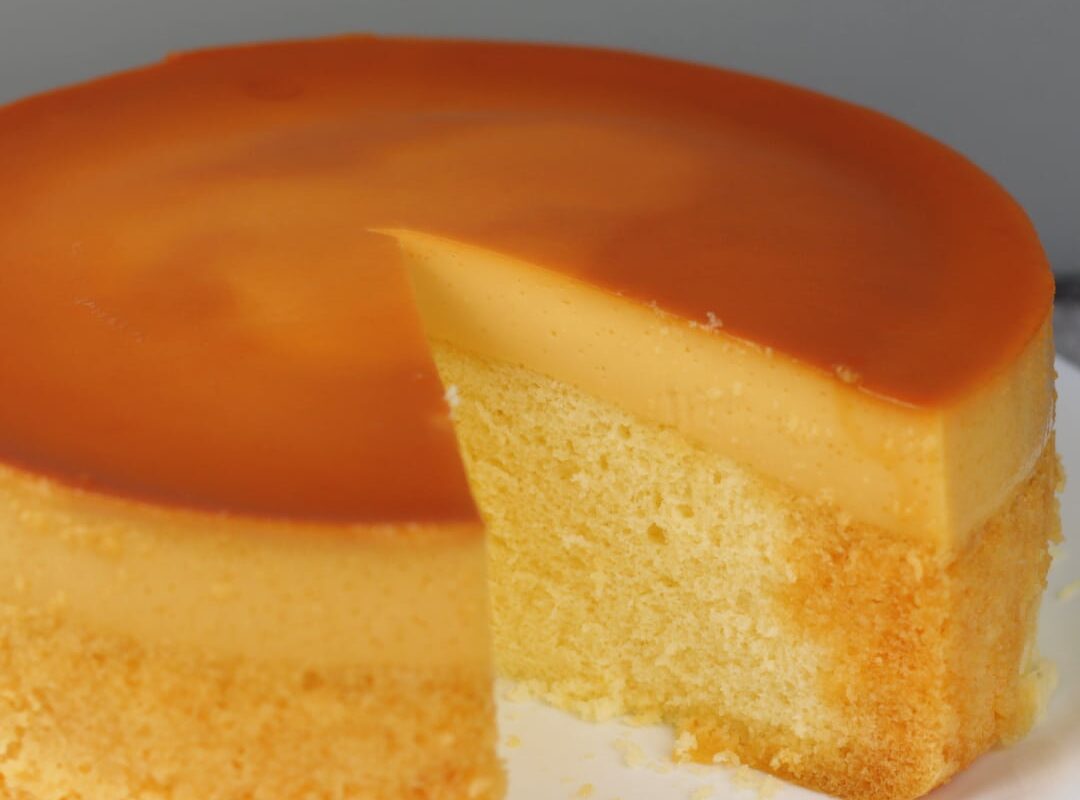
Flan, a creamy and caramel-topped dessert, has enchanted taste buds for centuries. This delightful treat has a rich history that spans across cultures, evolving through time while maintaining its status as a beloved classic. As we dive into the world of flan, we’ll uncover its origins, variations, and significance in celebrations, all while exploring the art of crafting the perfect flan.
From its humble beginnings to modern interpretations, flan has become a staple dessert in many cuisines worldwide. Each variation carries a unique story, influenced by regional ingredients and traditions. Whether you’re savoring a traditional recipe or a vegan twist, flan promises a delightful experience that binds generations through shared flavors and memories.
Exploring the History of Flan as a Dessert
Flan, a creamy custard dessert topped with a sweet caramel sauce, boasts a rich history that spans centuries and continents. Its origins trace back to ancient civilizations, and its evolution reflects a blend of cultural influences that shape it into the beloved dessert it is today. Understanding the journey of flan provides insight into its significance in various cuisines around the world.
The roots of flan can be traced back to the Roman Empire, where custard-like dishes were made with eggs and milk. As the Romans expanded their empire, they spread their culinary traditions throughout Europe. In the Middle Ages, the dish underwent various adaptations, influenced by local ingredients and cooking techniques. The introduction of sugar to Europe from the Arab world during the Crusades played a significant role in transforming simple custards into sweetened desserts, resembling what we now recognize as flan.
Evolution of Flan Across Cultures
Flan has taken on numerous forms and names as it moved through different countries. Its cultural significance varies widely, reflecting local tastes and customs. Each region has added its unique twist, enhancing the dessert’s allure.
– In Spain, flan is commonly referred to as “flan de huevo” and is a staple in traditional meals. It often features a rich, egg-based custard that is baked until smooth and served chilled, showcasing the Spanish affinity for custards.
– Latin America adopted flan, making it a quintessential dessert across various nations. It is especially popular in Mexico, where it is known for its creamy texture and is often infused with flavors like vanilla, coconut, or coffee.
– The Philippines has its own version called “leche flan,” which is denser and richer, often made with condensed milk and egg yolks, making it a festive favorite during celebrations.
– In the Caribbean, variations of flan may include tropical flavors, such as mango or guava, reflecting the island’s abundant fruit resources.
The transition of flan recipes from traditional to modern variations has led to creative adaptations that resonate with contemporary palates. Chefs and home bakers alike have experimented with flavors and techniques to give flan a unique twist.
– Modern iterations may incorporate ingredients like matcha, chocolate, or even spices such as cardamom and cinnamon, offering diverse flavors that appeal to a broader audience.
– Innovative presentation styles have emerged, with flan being served in jars or as part of elaborate plated desserts, enhancing its visual appeal.
– Additionally, dietary restrictions have led to the creation of vegan or gluten-free flans, ensuring that everyone can enjoy this delightful treat.
In conclusion, the history of flan is a testament to its adaptability and cultural significance. From its ancient origins to its modern interpretations, flan continues to bring people together, serving as a delicious reminder of culinary innovation across different cultures.
Analyzing Different Types of Flan
Flan, a beloved dessert enjoyed across various cultures, showcases an array of regional variations that reflect the culinary traditions of each locale. This creamy custard comes with a caramel topping, but its ingredients and preparation methods can differ significantly from one region to another. Understanding these differences allows for a deeper appreciation of this versatile dish.
Regional variations of flan not only highlight unique ingredients but also distinct preparation methods that influence the final flavor profile. Below is a table illustrating key differences in flan types found around the world.
| Type of Flan | Ingredients | Preparation Method |
|---|---|---|
| Spanish Flan | Eggs, milk, sugar, vanilla | Baked in a water bath |
| Mexican Flan | Eggs, sweetened condensed milk, evaporated milk, vanilla | Baked and chilled |
| Filipino Leche Flan | Egg yolks, condensed milk, evaporated milk, lime zest | Steamed or baked |
| French Flan (Flan Pâtissier) | Eggs, milk, sugar, cream, pastry crust | Baked in a pie dish |
Flavor profiles of flan can significantly vary based on the ingredients and regional styles. For instance, Spanish flan often has a smooth and creamy texture, enhanced by the taste of vanilla, offering a subtle sweetness. In contrast, Mexican flan introduces a richer flavor due to the use of sweetened condensed milk, resulting in a denser custard. Filipino leche flan stands out with its pronounced caramel flavor, often complemented by a hint of citrus from lime zest, which adds a refreshing element. French flan, on the other hand, incorporates a buttery pastry crust, providing a delightful contrast to the creamy filling.
Overall, the diversity of flan across different cultures showcases how a single dessert can transform into a variety of delightful experiences, each with its own story and flavors.
Techniques for Preparing the Perfect Flan
Flan is a beloved dessert known for its creamy texture and rich caramel flavor. Its preparation requires precision and attention to detail to achieve that perfect balance of smoothness and sweetness. With the right techniques, anyone can create a delightful flan that impresses friends and family alike.
Step-by-Step Procedure for Making Classic Flan
To prepare the perfect flan, follow this detailed recipe which highlights the crucial components and steps involved in the process. The ingredients are simple, yet the technique is key to achieving a flan that is both smooth and flavorful.
Ingredients:
– 1 cup of granulated sugar (for caramel)
– 1 can (14 oz) of sweetened condensed milk
– 1 can (12 oz) of evaporated milk
– 4 large eggs
– 1 tsp vanilla extract
Procedure:
1. Make the Caramel:
– In a medium saucepan, add 1 cup of sugar over medium heat. Stir the sugar continuously until it melts and turns a golden brown color. Be careful not to let it burn.
– Quickly pour the caramel into a round baking dish, tilting the dish to evenly coat the bottom. Set aside to cool and harden.
2. Prepare the Flan Mixture:
– In a blender, combine sweetened condensed milk, evaporated milk, eggs, and vanilla extract. Blend until well mixed and smooth.
3. Pour the Mixture:
– Pour the flan mixture over the hardened caramel in the baking dish.
4. Bake in Water Bath:
– Preheat the oven to 350°F (175°C). Place the flan dish into a larger baking pan. Fill the larger pan with hot water until it reaches halfway up the sides of the flan dish.
– Bake for about 50-60 minutes, or until a knife inserted in the center comes out clean.
5. Cool and Serve:
– Once cooked, remove the flan from the water bath and let it cool. Refrigerate for at least 4 hours before serving. To serve, invert the flan onto a plate to reveal the caramel topping.
Common Mistakes to Avoid When Preparing Flan
Being aware of common pitfalls can significantly enhance the outcome of your flan. Here are several mistakes to avoid to ensure a flawless dessert.
– Burning the Caramel:
– Monitor the sugar closely when melting it. If the caramel turns dark brown or smells burnt, start over to avoid ruining the flavor.
– Overmixing the Flan Mixture:
– Blend just until combined. Overmixing can incorporate too much air, leading to a spongy texture instead of a smooth one.
– Skipping the Water Bath:
– The water bath is essential for even cooking. Without it, the flan may crack or cook unevenly.
– Not Chilling Long Enough:
– Flan needs adequate time to set in the refrigerator. Aim for a minimum of four hours to achieve the best texture.
Achieving Ideal Texture and Caramelization in Flan
The texture of flan is paramount—smooth and creamy, with a rich caramel layer on top. Here are tips to master both aspects.
– Perfecting the Texture:
– Use room temperature eggs to ensure they incorporate smoothly into the mixture. Cold eggs can result in a lumpy flan.
– Strain the mixture through a fine sieve before pouring it into the baking dish to eliminate any lumps and air bubbles.
– Caramelization Techniques:
– For the best caramel, ensure that the sugar completely melts before it starts to darken. Stirring constantly helps achieve an even color.
– If you want a more pronounced caramel flavor, extend the cooking time slightly until it reaches a lovely amber color, but be cautious to avoid bitterness.
“The key to a successful flan lies in the balance of ingredients, careful preparation, and patience during the cooking process.”
The Role of Flan in Celebrations and Festivities
Flan, a beloved dessert across many cultures, often graces tables during celebrations and festive occasions. Its creamy, caramelized texture makes it not only a delightful treat but also a symbol of togetherness and joy. Many families have woven flan into the fabric of their gatherings, transforming it into a centerpiece that invites shared memories and stories.
Various occasions call for flan, reinforcing its status as a traditional dessert. In Latin American households, birthdays, holidays, and family reunions are incomplete without it. The presence of flan often signifies not just a sweet end to a meal, but also a ritual of serving and enjoying together.
Traditional Occasions for Flan
Flan is commonly featured in a multitude of celebrations, each with its own cultural significance. Here are some of the key occasions where flan plays a prominent role:
- Birthday Celebrations: Many families celebrate birthdays with a specially prepared flan, often customized with flavors like coconut or chocolate to please the birthday person.
- Christmas and New Year: During festive seasons, flan is often served as a dessert to bring sweetness and warmth to family gatherings.
- Weddings: Flan is a popular choice for wedding receptions, symbolizing abundance and a sweet future for the couple.
- Family Reunions: It serves as a nostalgic reminder of shared history, often prepared using family recipes passed down through generations.
In many households, flan is more than just dessert; it embodies cherished traditions. I recall my grandmother’s kitchen, fragrant with caramel and vanilla, where she would whip up her famous flan for family reunions. The whole family would gather around the table, laughter and stories flowing as freely as the sweet caramel sauce drizzled on top. Such moments are vivid in memory, and flan was always at the heart of them.
Modern Innovations with Flan
While traditional flan recipes are treasured, creativity has ushered in exciting variations that can elevate modern celebrations. Embracing new flavors and presentation styles can add a unique twist to the classic dessert.
Flan can be incorporated into modern festivities in several innovative ways:
- Flan Cupcakes: Miniature flans baked in cupcake form offer a fun and portable way to enjoy this classic dessert at parties.
- Layered Desserts: Flan can be layered with fruits or other dessert components, creating a visually appealing and taste-bud tantalizing treat.
- Flan Shooters: Served in small shot glasses, flan shooters allow guests to indulge in this creamy dessert without the need for utensils.
- Flan-Inspired Drinks: Flavored milkshakes or cocktails that mimic the taste of flan can be a hit at gatherings, providing a refreshing twist.
Flan’s adaptability to modern tastes ensures it will continue to be a celebratory staple, bridging generations and allowing everyone to create new memories around this classic dish.
Pairing Flan with Beverages
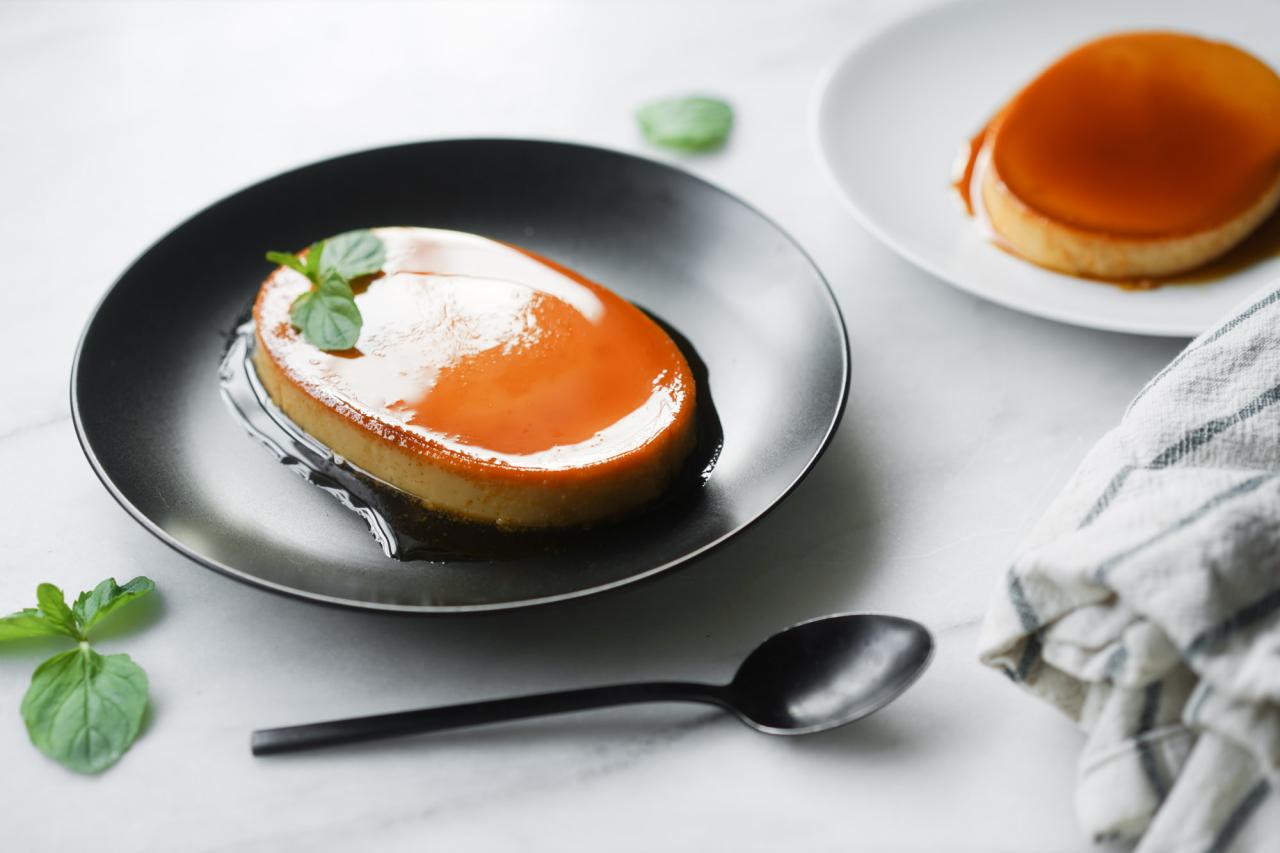
Flan is a delightful dessert that boasts a creamy texture and a rich, caramel flavor. When it comes to enhancing this indulgent experience, the right beverage pairing can elevate the taste profile of flan, making it even more enjoyable. This section explores various drink options that complement flan’s unique characteristics, as well as the reasons behind these pairings.
Complementary Beverages for Flan
Selecting beverages that work harmoniously with flan involves considering the dessert’s sweetness and creamy texture. Here are some suitable options that not only enhance the flavors of flan but also create a balanced and memorable tasting experience.
- Coffee: The deep, robust flavors of coffee contrast beautifully with the sweetness of flan. A rich espresso or a lightly brewed coffee can cut through the creaminess while accentuating the caramel notes.
- Sweet Dessert Wines: Wines such as Moscato or Sauternes complement the dessert’s sweetness and richness, adding a fruity layer that harmonizes perfectly with flan.
- Coconut Water: The subtle sweetness and refreshing nature of coconut water can enhance the tropical notes in flan, creating a light and enjoyable pairing.
- Milkshakes: A vanilla or caramel milkshake can mirror the flavors of flan while adding a fun, nostalgic element to the experience.
- Herbal Teas: Infusions such as chamomile or mint provide a gentle counterbalance to flan’s richness, offering a soothing finish.
The following drink recipes are perfect for serving alongside flan, enhancing your dessert time with delightful flavors that complement the dish:
Recommended Drink Recipes
These recipes are designed to pair beautifully with flan, providing a variety of options to suit different tastes:
- Coffee Flan Affogato: Pour a shot of hot espresso over a slice of flan for a delicious fusion of flavors.
- Moscato Spritzer: Mix equal parts Moscato wine and soda water, garnished with fresh fruit, to create a refreshing beverage.
- Coconut Smoothie: Blend coconut water, banana, and a scoop of vanilla ice cream for a tropical drink that complements the flan.
- Vanilla Milkshake: Blend vanilla ice cream, milk, and a splash of vanilla extract for a creamy shake that pairs well with the dessert.
- Mint Tea Lemonade: Brew mint tea and mix with lemonade for a refreshing drink that cuts through the richness of flan.
Each of these beverages enhances the flan experience by either contrasting or harmonizing with its flavors, creating a delightful culinary journey.
Vegan and Gluten-Free Flan Variations
Vegan and gluten-free flan offers a delicious twist on the traditional recipe, catering to those with dietary restrictions. By substituting animal-derived ingredients and gluten-containing components, these variations can still deliver the creamy texture and sweet flavor that flan lovers crave. Exploring these alternatives can not only satisfy specific diets but also inspire creativity in the kitchen.
The adaptation of traditional flan recipes to meet vegan and gluten-free requirements involves careful consideration of ingredient replacements. The essentials of the classic flan typically include eggs, dairy milk, and sugar, but these can be substituted with plant-based options without compromising on taste. Below are some effective alternatives:
Alternative Ingredients for Vegan and Gluten-Free Flan
To achieve a plant-based and gluten-free flan, it’s important to understand the suitable alternatives that can replicate the texture and flavor of traditional flan. The following list highlights key ingredient substitutions:
- Coconut Milk: A common substitute for dairy, coconut milk provides a rich and creamy base for the flan, ensuring a luscious texture.
- Silken Tofu: This ingredient serves as an excellent egg replacement, offering a smooth consistency while adding protein to the recipe.
- Agar-Agar: As a gelatin substitute, agar-agar helps to set the flan without using animal-based gelatin, making it suitable for vegans.
- Maple Syrup or Agave Nectar: These natural sweeteners can replace regular sugar, adding a unique flavor while ensuring the recipe remains vegan-friendly.
- Nut Milks (Almond, Cashew, etc.): Alternative nut milks can also be used in place of cow’s milk to enhance the flan’s flavor profile.
Adapting traditional recipes presents both challenges and successes in achieving a desirable taste and texture. One common challenge is ensuring the flan sets properly, as the absence of eggs can lead to a less stable consistency. However, with the right balance of agar-agar and other binding agents, successful flans can be created that resemble their traditional counterparts. Vegan and gluten-free flans have gained popularity, garnering positive consumer perspectives regarding their taste and texture.
Taste and Texture Consumer Perspectives
The reception of vegan and gluten-free flan has been largely favorable among consumers, who often express surprise at how well these alternatives capture the essence of traditional flan. Many enjoy the creamy mouthfeel provided by coconut milk and silken tofu, while the use of natural sweeteners is appreciated for adding depth to the flavor profile. Below are some insights into consumer feedback:
- Flavor Satisfaction: Many consumers report that the rich taste of coconut milk enhances the overall flan, making it as enjoyable as the original.
- Texture Compliments: The creamy texture provided by silken tofu and coconut milk is often highlighted, with many noting it feels indulgent and satisfying.
- Health Benefits: The appeal of a healthier dessert option—free from animal products and gluten—resonates with those looking for guilt-free indulgence.
- Versatility: Feedback indicates that the flan is adaptable, allowing for various flavor infusions, like vanilla or cinnamon, which further enhances consumer enjoyment.
In summary, vegan and gluten-free flan variations not only accommodate specific dietary needs but also showcase the adaptability of traditional recipes. Through the use of innovative ingredients, these flans can successfully mimic the classic dessert’s taste and texture, satisfying a wide range of palates and preferences.
Flan in Popular Media and Literature
Flan, a beloved dessert with a creamy texture and rich flavor, has made its way into various forms of popular media and literature, marking its significance in cultural narratives. From films to novels, its presence often signifies comfort, nostalgia, and the joy of sharing a meal with loved ones. These portrayals not only highlight flan’s culinary appeal but also influence public perception, making it a recognizable symbol of celebration and family.
The representation of flan in films and books often conveys deeper themes of tradition and familial bonds. In many instances, flan is depicted as a dessert that brings people together, serving as a centerpiece at family gatherings or festive occasions. This not only elevates its status as a culinary delight but also as a medium for storytelling, illustrating how food can reflect relationships and heritage.
Examples of Flan in Popular Culture
In popular culture, flan has featured in various memorable scenes that resonate with audiences. Here are notable mentions that encapsulate flan’s role:
- In the film “Chef,” flan symbolizes the protagonist’s connection to his heritage and family, serving as a key element in a heartfelt reunion scene.
- In the animated movie “Coco,” the vibrant depiction of a family’s celebration includes flan as a cherished dessert, linking it to themes of remembrance and tradition.
- Literature often references flan to evoke nostalgia. For instance, in Julia Alvarez’s “How the Garcia Girls Lost Their Accents,” flan appears as a recurring motif that highlights the immigrant experience and cultural identity.
These examples illustrate how flan serves not only as a sweet treat but as an integral part of the narrative, reflecting cultural significance and the warmth of shared experiences. The frequent appearances of flan in various media reinforce its role as more than just a dessert; it is a symbol of comfort, love, and connection across generations.
Flan in the Context of Culinary Arts
Flan, a creamy custard dessert topped with caramel, plays a significant role in the culinary arts, particularly within professional culinary training programs. Its delicate balance of flavors and textures makes it an essential dish for aspiring chefs to master. Understanding flan not only involves perfecting the technique but also appreciating its cultural significance across various cuisines.
Flan serves as a foundational dessert in many culinary schools, where students learn essential skills such as baking, caramelization, and sauce preparation. Mastering flan requires an understanding of custard fundamentals, including the proper ratios of eggs, sugar, and milk, which are pivotal in creating the perfect texture. Students experiment with varying ingredients and techniques, allowing them to innovate traditional recipes while maintaining the dessert’s integrity.
Techniques for Innovating Flan Recipes
Innovation in flan recipes often involves incorporating diverse ingredients and contemporary culinary techniques to elevate the traditional dessert. Chefs experiment with flavors and textures, pushing the boundaries of the classic recipe. Some innovative approaches include:
- Flavor Infusion: Chefs infuse flan with unique ingredients such as matcha, coffee, or even citrus zest to enhance the flavor profile, transforming the traditional custard into a modern delicacy.
- Alternative Milks: Utilizing non-dairy milks like coconut, almond, or cashew allows for vegan versions, appealing to a broader audience while maintaining the richness associated with flan.
- Textural Contrast: Some chefs introduce elements like a crispy topping or flan served alongside fruit compotes for added texture and visual appeal, creating a more dynamic dessert experience.
- Modern Techniques: Sous-vide methods are employed by chefs to achieve precise control over cooking temperatures, ensuring a silky smooth flan that showcases their technical skills.
Famous chefs have gained recognition for their unique interpretations of flan, celebrating its versatility. One such chef is José Andrés, known for his creative twists on traditional Spanish cuisine, including his innovative take on flan. His version incorporates local ingredients and reflects his culinary philosophy of combining authenticity with modern techniques. Another notable chef, Dominique Ansel, who invented the Cronut, has created an exceptional caramel flan that merges French and Mexican influences, demonstrating the global adaptability of this beloved dessert.
“Flan is not just a dessert; it’s a canvas for culinary creativity.”
Conclusive Thoughts
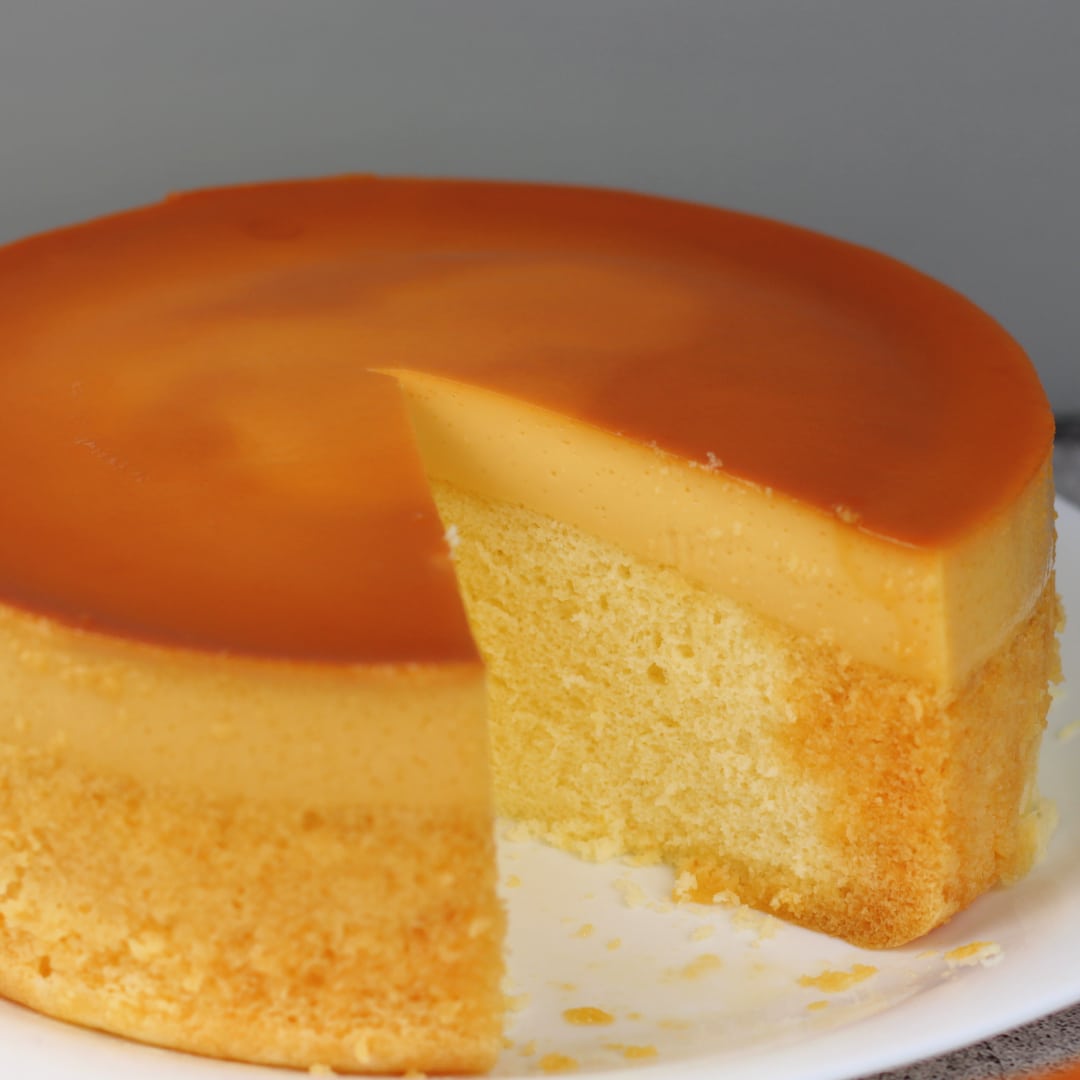
In conclusion, flan is not just a dessert; it is a symbol of cultural heritage and culinary creativity. Its presence in celebrations and modern cuisine highlights its versatility and enduring appeal. As we appreciate the nuances of flan, we celebrate not only its delicious taste but also the stories and traditions it represents, inviting us to continue enjoying this classic treat for years to come.
Answers to Common Questions
What is the main ingredient in flan?
The main ingredients in flan are eggs, milk, and sugar, which create its creamy texture.
Can flan be served warm or cold?
Flan is typically served chilled, but some people enjoy it warm, especially right after cooking.
How long does flan last in the fridge?
Flan can last in the refrigerator for about 3 to 5 days when stored properly in an airtight container.
Is it difficult to make flan at home?
Making flan at home can be simple with the right recipe, though attention to detail is required for perfect caramelization.
Can flan be made without eggs?
Yes, there are vegan recipes for flan that use alternatives like silken tofu or plant-based milk to achieve a similar texture.