 Rogert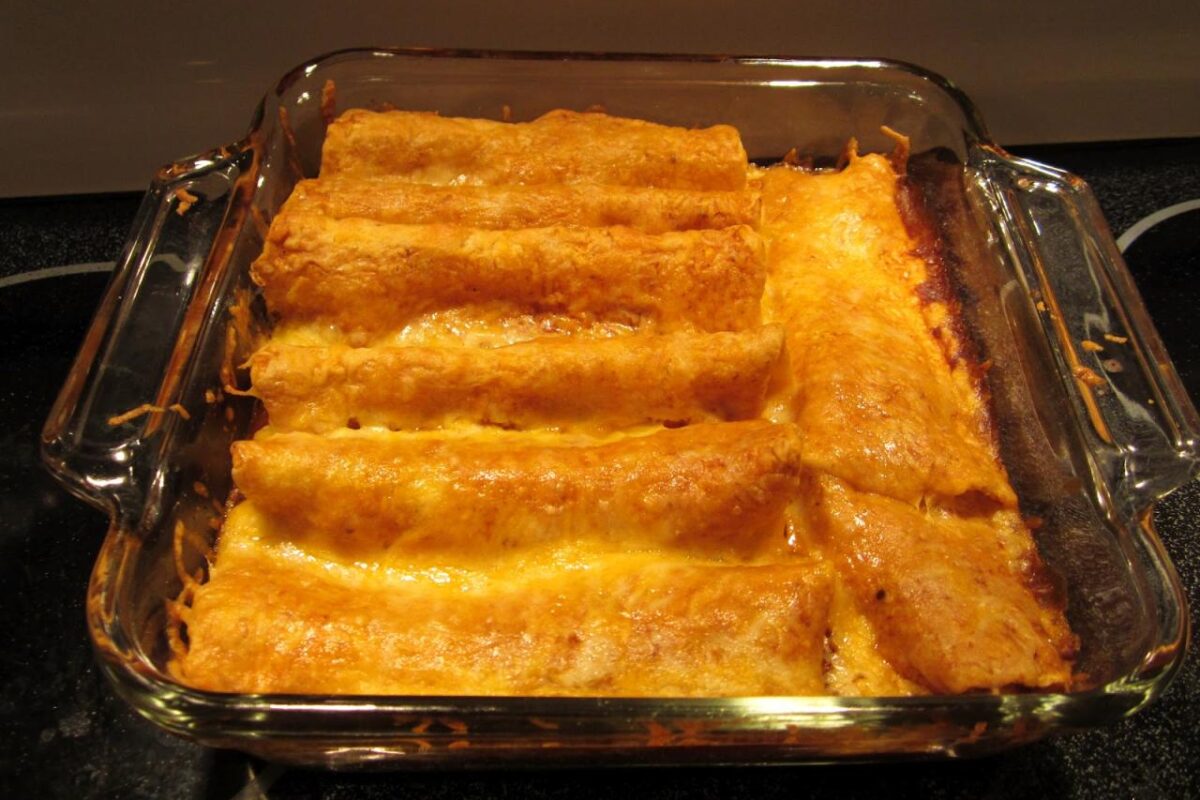
Enchiladas are more than just a dish; they represent a rich tapestry of Mexican culture and culinary history. Originating centuries ago, these rolled tortillas filled with a variety of ingredients have become a staple in households and restaurants alike, each bite echoing the flavors of tradition and regional diversity. From their roots to their modern interpretations, enchiladas invite food lovers on a flavorful journey that showcases the heart of Mexican cuisine.
With their delightful combinations of fillings, sauces, and garnishes, enchiladas have evolved over the years while still holding onto their authentic essence. This beloved dish embodies the creativity of home cooks and chefs, allowing for endless variations that cater to different tastes and dietary preferences. Whether you’re enjoying a classic cheese enchilada or trying a contemporary twist, each version tells a story of cultural significance and culinary innovation.
Enchiladas
Enchiladas, beloved throughout the globe, represent a rich tapestry of history and culinary tradition within Mexican cuisine. Originating from the Aztec Empire, these delectable rolled tortillas, filled with various ingredients, have evolved into a symbol of Mexican culture and heritage, showcasing local flavors and cooking techniques.
The history of enchiladas dates back centuries, with their roots deeply embedded in traditional Mexican cooking practices. Initially, they were a simple dish made with corn tortillas, filled with basic ingredients like meats, beans, or cheese and then topped with chili sauce. As Mexican society evolved, so did the enchilada, adapting to regional tastes and available ingredients. This evolution underscores the cultural significance of enchiladas as they reflect the agricultural bounty of the regions they come from, as well as the culinary heritage passed down through generations.
Regional Variations of Enchiladas
The diversity of enchiladas across Mexico is a testament to the country’s rich culinary landscape. Each region has developed its own unique variation, incorporating local ingredients and flavors. Here are some notable examples:
- Enchiladas Verdes: Originating from Central Mexico, these enchiladas are made with green tomatillo sauce, giving them a fresh and tangy flavor. Commonly filled with shredded chicken or cheese, they are often garnished with sour cream and crumbled cheese.
- Enchiladas Rojas: Popular in the northern regions, these enchiladas feature a red chili sauce, which can range from mild to spicy. The filling usually includes meats like beef or chicken, and they are often topped with onions and cilantro.
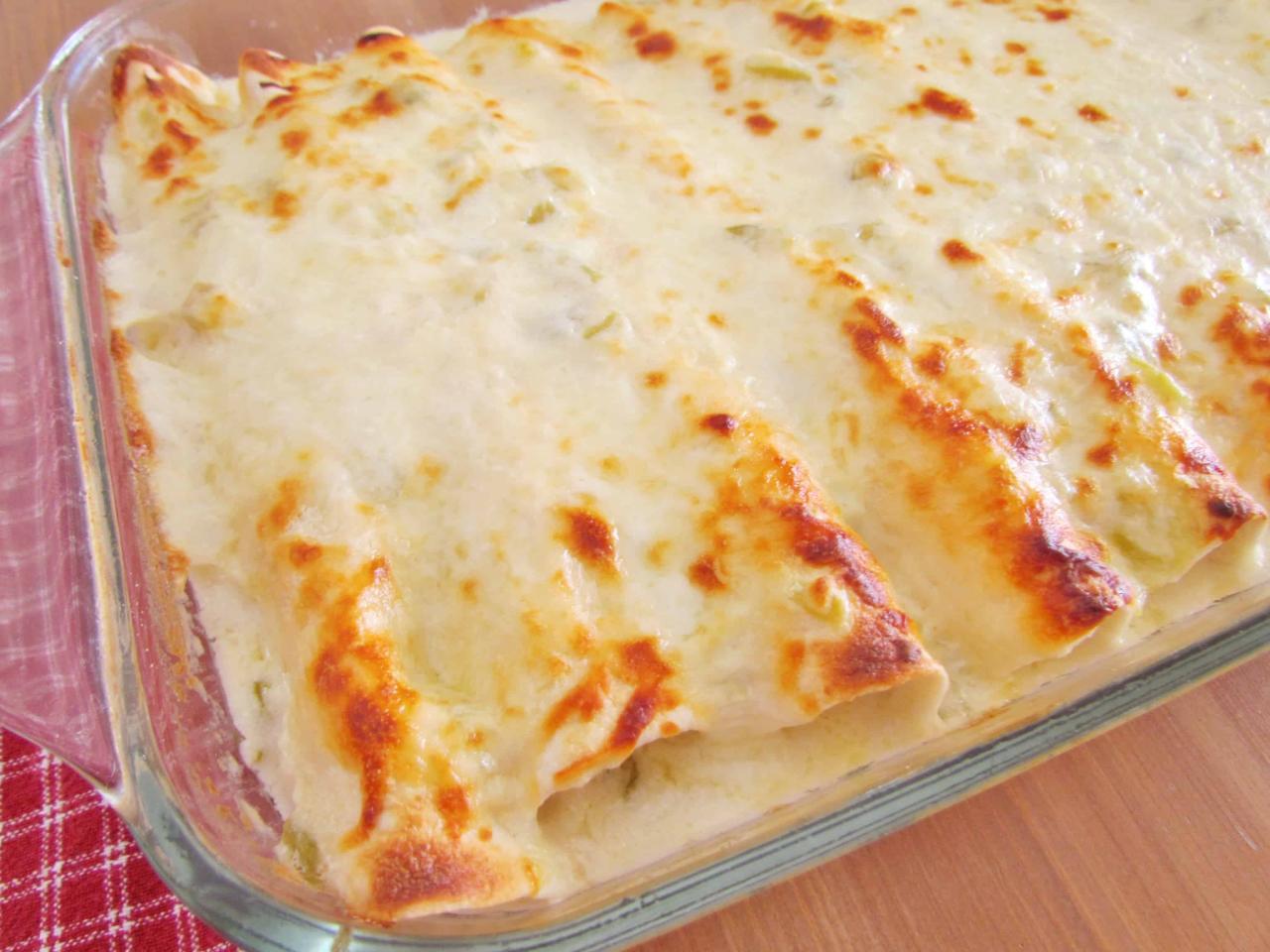
- Enchiladas Suizas: This variation, which translates to “Swiss enchiladas,” is known for its creamy and cheesy topping. Originally from the central highlands, these enchiladas are smothered in a green sauce and a generous amount of melted cheese.
- Enchiladas Potosinas: Hailing from San Luis Potosí, these enchiladas are distinct due to the use of red masa (corn dough) mixed with chili powder. They are filled with a combination of cheese and potatoes, and topped with a savory sauce.
- Enchiladas de Mole: A specialty from Oaxaca, these enchiladas are served with a rich, complex mole sauce made from a blend of chiles, spices, and chocolate. The filling often includes shredded chicken or turkey, creating a rich flavor profile.
Each variation not only highlights the local ingredients but also the culinary techniques that define regional Mexican cooking. The enchilada serves as a canvas for creativity, allowing cooks to express their cultural identity through flavors and presentations that tell a story of their heritage.
Essential Ingredients for Authentic Enchiladas
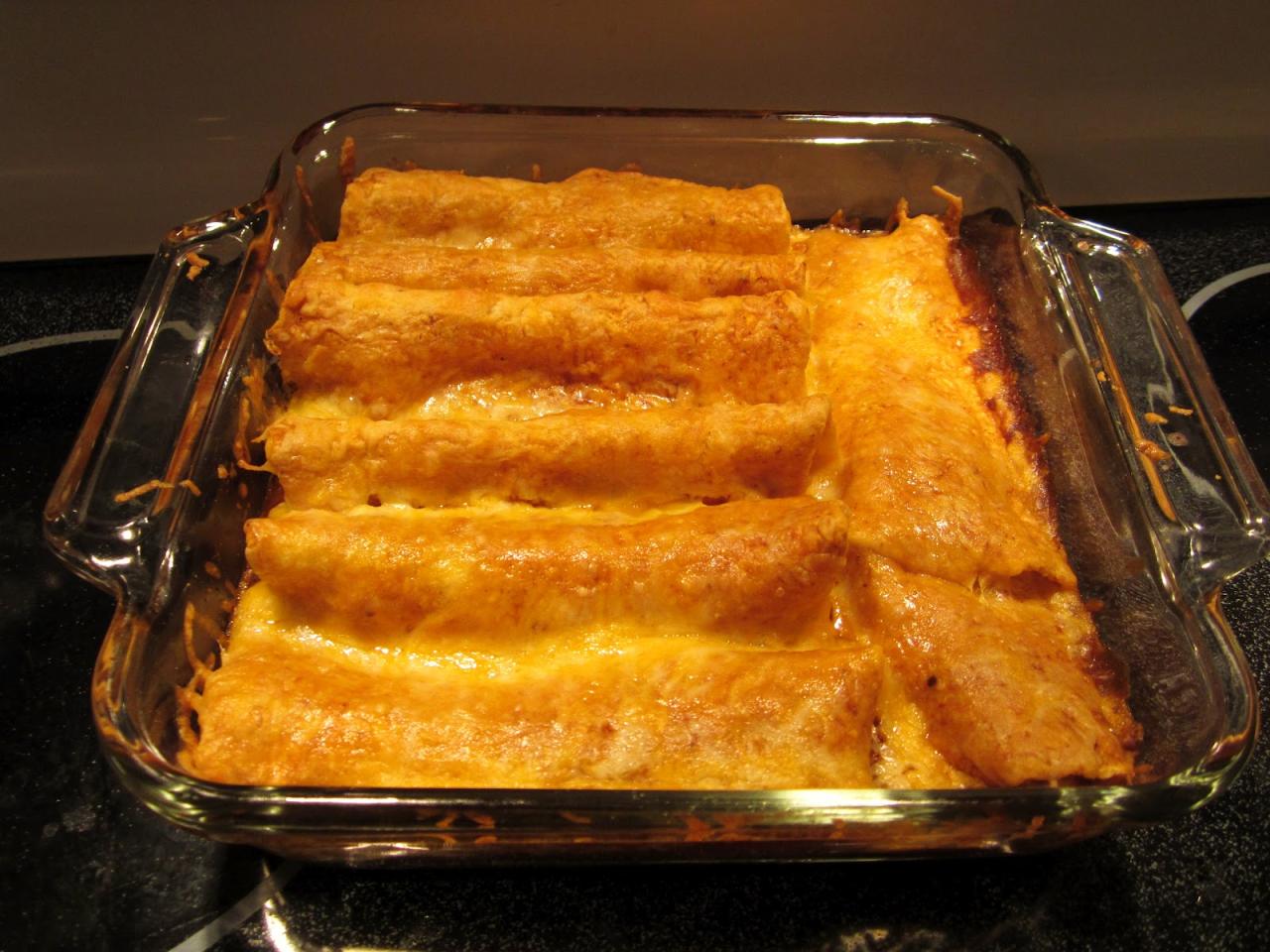
The heart of any great enchilada lies in its ingredients. To create a dish that embodies the essence of traditional Mexican cuisine, you’ll need to gather a few key components. Each ingredient plays a crucial role in delivering the authentic flavors and textures that enchiladas are known for.
One of the most significant aspects of preparing enchiladas is the quality of the ingredients used. Fresh ingredients can elevate your dish, bringing vibrant flavors and aromas, while canned ingredients can sometimes compromise the authenticity and taste. Here’s a closer look at the essential ingredients that you need, along with tips on selecting the best options available.
Key Ingredients for Traditional Enchiladas
To make authentic enchiladas, you will need the following ingredients:
- Tortillas: The base of any enchilada, tortillas are typically made from corn or flour. Corn tortillas provide an authentic texture and flavor profile, while flour tortillas offer a softer option. Look for tortillas that are freshly made, as they have a pliability that makes them easier to roll without tearing.
- Filling: The filling can vary widely, with options like shredded chicken, beef, cheese, or beans. Choose fresh ingredients for the filling to enhance the overall flavor. For example, using freshly cooked chicken will provide a juiciness that canned options cannot replicate.
- Enchilada Sauce: This is the sauce that gives enchiladas their distinctive flavor. A homemade sauce made from ripe tomatoes, chili peppers, and spices will have a richness that canned sauces often lack. If you lack the time to make your own, opt for a high-quality canned sauce that uses real ingredients without preservatives.
- Cheese: Traditionally, Mexican cheeses like queso fresco or Monterey Jack are used. Freshly grated cheese melts beautifully, creating a creamy texture that complements the dish. Avoid pre-shredded cheese, as it often contains anti-caking agents that can affect melting.
- Garnishes: Fresh ingredients like cilantro, diced onions, and sour cream add brightness and balance to the dish. Always opt for fresh herbs as they provide an aromatic lift that dried herbs simply cannot.
Using fresh ingredients versus canned ones can significantly impact the outcome of your enchiladas. Fresh ingredients enhance the flavor profile, while canned items can sometimes lead to a lackluster dish. For example, fresh tomatoes provide a vibrant acidity that canned tomatoes may not replicate. Choosing high-quality, fresh produce ensures that your enchiladas are bursting with flavor and authenticity.
Choosing the Right Tortillas
Selecting the best tortillas is vital for achieving the perfect enchilada. The right tortilla not only affects the overall texture but also enhances the flavor of the dish. Here are some tips on choosing tortillas:
- Texture: Look for tortillas that are soft and pliable. Freshly made corn tortillas often have the best texture for enchiladas, allowing them to hold up against the filling and sauce without falling apart.
- Flavor: Corn tortillas typically impart a slightly sweet, earthy flavor that complements the fillings beautifully. Opt for tortillas made with whole ingredients, avoiding those with additives or preservatives.
- Thickness: Thicker tortillas can hold more filling and sauce, making for a heartier enchilada. However, they should still be thin enough to allow for easy rolling.
- Freshness: If possible, buy tortillas from a local tortilleria or make them at home. Freshly made tortillas have a flavor and texture that frozen or packaged tortillas simply cannot match.
In summary, the quality of your ingredients, particularly the tortillas, has a profound impact on the final dish. Ensuring you have the best possible components will help achieve authentic enchiladas that are flavorful and satisfying.
Step-by-Step Guide to Preparing Enchiladas
Making enchiladas from scratch is a delightful endeavor that allows you to customize flavors and ingredients to suit your taste. This guide provides a detailed recipe, methods for filling and rolling, and sauce preparation, ensuring that your enchiladas turn out perfectly every time.
Detailed Recipe for Enchiladas
To create delicious enchiladas, you’ll need to gather the following ingredients and follow the cooking steps carefully. This includes prepping your tortillas, filling, and sauces.
Ingredients:
– 12 corn tortillas
– 2 cups shredded cooked chicken (or beef, cheese, or vegetables for variations)
– 1 cup grated cheese (cheddar or Monterey Jack)
– 2 cups enchilada sauce (homemade or store-bought)
– 1 medium onion, chopped
– 2 tablespoons olive oil
– 1 teaspoon ground cumin
– 1 teaspoon chili powder
– Salt and pepper to taste
– Fresh cilantro for garnish
Cooking Instructions:
1. Prepare the Filling:
– In a skillet, heat olive oil over medium heat. Sauté the chopped onion until translucent (about 5 minutes).
– Add the shredded chicken, cumin, chili powder, salt, and pepper. Stir well and cook for another 5 minutes until heated through.
2. Warm the Tortillas:
– To make rolling easier, warm the corn tortillas in a dry skillet for about 30 seconds on each side or wrap them in a damp cloth and microwave for about 30 seconds until soft.
3. Assemble the Enchiladas:
– Preheat your oven to 375°F (190°C).
– Spread about half a cup of enchilada sauce on the bottom of a baking dish.
– Place 2-3 tablespoons of the filling onto a tortilla, sprinkle with cheese, and roll it up tightly. Place seam-side down in the baking dish.
– Repeat for all tortillas, placing them snugly in the dish.
4. Top with Sauce and Cheese:
– Pour the remaining enchilada sauce over the rolled enchiladas, ensuring they are well covered. Sprinkle the remaining cheese on top.
5. Bake:
– Bake in the preheated oven for about 20-25 minutes, until the cheese is melted and bubbly.
6. Serve:
– Garnish with fresh cilantro before serving for added flavor and a pop of color.
Methods to Fill and Roll Enchiladas
Filling and rolling enchiladas is a skill that enhances their presentation and flavor. Proper techniques ensure that the filling stays intact and the tortillas remain intact during baking.
Filling Techniques:
– Use a small spoon or scoop to place the filling in the center of the tortilla.
– Avoid overfilling to prevent tearing; 2-3 tablespoons of filling is usually sufficient.
Rolling Techniques:
– Start by placing the filling towards one end of the tortilla.
– Fold the sides over the filling and then roll it away from you tightly.
– Ensure the seam is on the bottom while placing it in the baking dish to keep it sealed.
Process for Preparing Sauces Typically Used in Enchiladas
Enchiladas are often complemented by rich and flavorful sauces that elevate the dish. The most common sauces include red enchilada sauce, green tomatillo sauce, and mole sauce, each contributing unique flavors.
Red Enchilada Sauce:
– Ingredients:
– 6 dried red chilies (like guajillo or California)
– 2 cups chicken broth
– 1 teaspoon garlic powder
– 1 teaspoon ground cumin
– Salt to taste
– Preparation:
– Remove stems and seeds from chilies, then soak them in hot water for about 20 minutes until softened.
– Blend soaked chilies with chicken broth, garlic powder, cumin, and salt until smooth. Heat in a saucepan for 10 minutes, allowing flavors to meld.
Green Tomatillo Sauce:
– Ingredients:
– 6-8 tomatillos, husked and rinsed
– 1-2 jalapeños (adjust for spice)
– 1/2 cup onion, chopped
– Cilantro and lime juice for garnish
– Preparation:
– Boil tomatillos and jalapeños for about 10 minutes. Blend with onion, adjusting seasoning with salt and lime juice.
Mole Sauce:
– Ingredients:
– 2 dried ancho chiles, seeds removed
– 1/4 cup almonds
– 2 tablespoons cocoa powder
– 1 teaspoon cumin
– 2 cups chicken or vegetable broth
– Preparation:
– Toast chiles and almonds until fragrant. Blend with cocoa powder, cumin, and broth until smooth. Simmer for 15 minutes to deepen the flavor.
This guide provides a comprehensive overview of preparing enchiladas, ensuring a delicious and satisfying meal. Enjoy the process of creating your own enchiladas, fully immersed in flavors and textures that will surely impress!
Popular Variations of Enchiladas
Enchiladas are a beloved staple of Mexican cuisine, celebrated for their versatility and ability to accommodate a variety of flavors and ingredients. While traditional enchiladas are often filled with meats, cheeses, or vegetables and topped with rich sauces, the modern culinary scene has introduced innovative twists that elevate this classic dish. In this section, we will explore some of the most common types of enchiladas, the impact of different sauces on flavor profiles, and contemporary variations that push the boundaries of this beloved dish.
Common Types of Enchiladas
Enchiladas can be filled with a wide range of ingredients, each offering a unique taste experience. Here are some of the most popular types:
- Cheese Enchiladas: A simple yet satisfying option, cheese enchiladas are typically filled with a blend of cheeses, such as cheddar and Monterey Jack, and topped with a flavorful red or green sauce. The melted cheese creates a gooey texture that pairs beautifully with the sauce.
- Chicken Enchiladas: This variation features shredded chicken as the primary filling, often combined with spices, onions, and sometimes cheese. The dish is commonly smothered in a green tomatillo sauce, which adds a tart and vibrant flavor.
- Vegetarian Enchiladas: Perfect for those seeking a meat-free option, vegetarian enchiladas are packed with a medley of sautéed vegetables such as bell peppers, mushrooms, and zucchini. They are often complemented by black beans or refried beans for added protein.
Impact of Sauces on Flavor Profiles
The sauce used in enchiladas significantly alters the overall flavor experience, enhancing the dish in various ways. Here are some common sauces and their characteristics:
- Red Sauce: Typically made from dried chiles, tomatoes, and spices, red sauce provides a deep, rich flavor with a mild to moderate heat level. It is often used in traditional cheese or beef enchiladas.
- Green Sauce: Made from tomatillos, green chiles, and cilantro, green sauce offers a fresher, tangier taste that pairs exceptionally well with chicken and vegetarian fillings.
- Creamy Sauces: Some modern interpretations incorporate creamy sauces, like sour cream or a cheese-based sauce, which can add a rich and indulgent quality to the dish, balancing out spicier fillings.
Innovative Twists on Traditional Enchiladas
Contemporary cuisine has embraced the enchilada, leading to creative variations that reflect diverse culinary influences and innovative techniques. Here are a few noteworthy examples:
- Breakfast Enchiladas: Filled with scrambled eggs, cheese, and breakfast meats, these enchiladas are typically topped with a spicy salsa or hollandaise sauce, making for a hearty morning meal.
- Buffalo Cauliflower Enchiladas: A popular choice for the health-conscious, these enchiladas swap traditional meat for spicy buffalo cauliflower, providing a flavorful kick that is both satisfying and nutritious.
- Sushi Enchiladas: An unexpected fusion, sushi enchiladas are made with sushi rice and fillings like raw fish, avocado, and cucumber, wrapped in seaweed and drizzled with soy sauce or spicy mayo.
“Enchiladas are more than just a dish; they are a canvas for culinary creativity, showcasing how traditional flavors can be reimagined.”
Accompaniments and Side Dishes for Enchiladas
Enchiladas are a beloved staple of Mexican cuisine, and they often shine even brighter when paired with complementary side dishes and accompaniments. Enhancing the overall dining experience, these additions not only offer a variety of textures and flavors but also create a visually appealing meal. This section will cover typical side dishes, garnishes, and beverage pairings to elevate your enchilada experience.
Typical Side Dishes
Pairing enchiladas with the right side dishes can enhance their rich flavors and textures. Popular accompaniments include rice and beans, which provide a hearty balance to the dish. Here are some classic options:
- Mexican Rice: Fluffy, seasoned rice often cooked with tomatoes, garlic, and spices. This dish brings a savory, slightly tangy flavor that complements the enchiladas’ sauce.
- Refried Beans: Creamy beans, usually pinto or black, cooked and mashed with spices. Their richness pairs perfectly with the enchiladas, adding a delightful creaminess to the meal.
- Fresh Salad: A simple salad with ingredients like lettuce, tomatoes, and avocado offers a refreshing crunch that contrasts the warm, gooey enchiladas.
- Vegetable Medley: Steamed or sautéed seasonal vegetables like zucchini, bell peppers, or corn can add color and nutrition to the plate.
Garnishes for Presentation and Flavor
Garnishes play a vital role in enhancing both the presentation and taste of enchiladas. Thoughtfully chosen garnishes can elevate the dining experience. Here are some popular garnishes:
- Fresh Cilantro: Chopped cilantro adds vibrant color and a fresh, herbal note that pairs well with the rich flavors of enchiladas.
- Sour Cream: A dollop of sour cream provides a creamy contrast and balances out the spice in the enchiladas.
- Shredded Cheese: Sprinkling cheese on top adds an extra layer of flavor and a pleasing melty texture when served hot.
- Chopped Onions: Sliced or diced onions offer a sharp bite that enhances the overall flavor profile.
Beverage Pairings
Choosing the right beverage can elevate your enchilada meal further. Here are a few classic pairings that complement the flavors beautifully:
- Margaritas: A classic choice, the citrusy and slightly sweet notes of a margarita enhance the savory flavors of enchiladas.
- Mexican Beer: Light lagers or amber ales provide a refreshing contrast to the rich ingredients in enchiladas.
- Aguas Frescas: Refreshing beverages made from fruits like watermelon, tamarind, or hibiscus can provide a sweet and tart balance to the meal.
- Red Wine: A light-bodied red wine, such as a Grenache or Pinot Noir, can complement the flavors without overpowering the dish.
Healthier Alternatives for Enchiladas
Enchiladas can be a delicious part of your meal without sacrificing health. By making a few ingredient substitutions and incorporating whole foods, you can create a dish that is both satisfying and nutritious. Here, we explore options that provide flavor and health benefits, making your enchiladas a wholesome choice.
Using whole foods in enchilada recipes enhances their nutritional profile. Whole foods are minimally processed and retain most of their natural nutrients. This is important because they provide essential vitamins, minerals, and fiber, which contribute to overall health and can help manage weight. By focusing on fresh, whole ingredients, enchiladas can be transformed into a meal that supports a healthy lifestyle.
Ingredient Substitutions for Health-Conscious Enchiladas
When making enchiladas, choosing healthier ingredient alternatives can significantly lower calorie counts while still delivering on taste. Consider the following substitutions for a more nutritious dish:
- Tortillas: Opt for whole wheat or corn tortillas instead of traditional flour tortillas. Whole grain options provide more fiber and nutrients.
- Protein Sources: Swap out higher-fat meats like ground beef for lean proteins such as turkey, chicken, or even plant-based proteins like black beans or lentils.
- Cheese: Use reduced-fat cheese or nutritional yeast for a cheesy flavor without the added saturated fat. Nutritional yeast is also a great source of B vitamins.
- Sauces: Instead of heavy cream or cheese sauces, prepare a homemade enchilada sauce using tomatoes, spices, and broth for a lower-calorie option.
- Vegetables: Load up on vegetables like spinach, bell peppers, and zucchini for added nutrients and fiber, making the enchiladas more filling.
Incorporating these substitutions not only enhances the health benefits of enchiladas but also maintains their delicious taste.
“Healthier enchiladas can be just as flavorful as traditional recipes by focusing on whole foods and smart ingredient choices.”
Reducing calories in enchiladas while keeping flavors intact can be achieved through careful cooking methods and ingredient selection. For example, grilling or roasting vegetables before adding them to the filling enhances their natural sweetness and flavors. Using spices like cumin, chili powder, and garlic can add depth without extra calories.
By implementing these alternatives and cooking techniques, enchiladas can be enjoyed as a health-conscious meal that doesn’t compromise on taste.
Enchiladas in Popular Culture
Enchiladas have transcended their traditional culinary roots to become iconic symbols within various facets of popular culture. Their presence in films, literature, and social gatherings showcases not only the appeal of this dish but also its significance in bringing people together. This exploration reveals how enchiladas are more than just food; they are a representation of community, celebration, and cultural identity.
Enchiladas have made notable appearances in various media forms, often symbolizing comfort, family, and celebration. Movies and television shows frequently feature traditional Mexican meals during family gatherings or festive occasions. They highlight the warmth of home-cooked meals, portraying enchiladas as a dish that fosters connections and nostalgia.
Representation in Media
The representation of enchiladas in films and literature often reflects their cultural significance and emotional resonance. Notable instances can be found in:
– Films: Movies like “Coco” showcase traditional Mexican celebrations where dishes like enchiladas are central to family gatherings, illustrating their role in cultural heritage.
– Television: Series such as “Breaking Bad” utilize food as a storytelling device, with enchiladas representing comfort amidst chaos, signifying home and normalcy for the characters.
These representations allow audiences to connect with the dish on a deeper level, evoking feelings of warmth and togetherness.
Role in Social Gatherings and Celebrations
Enchiladas play a significant role in social gatherings and celebrations, acting as a culinary centerpiece that brings people together. Their versatility makes them a popular choice for various occasions, including:
– Family Gatherings: Enchiladas are often prepared for reunions and holidays, where the process of making them becomes a family tradition, enhancing bonds and sharing stories.
– Festivals: During celebrations like Día de los Muertos or Cinco de Mayo, enchiladas are enjoyed as part of a festive spread, symbolizing the joy of togetherness and cultural pride.
The act of sharing enchiladas fosters community and connection, highlighting their importance in social contexts.
Famous Restaurants and Their Iconic Enchiladas
Several restaurants have gained fame for their exceptional enchiladas, making them iconic in the culinary world. These establishments often infuse their own unique styles while respecting traditional recipes, contributing to the dish’s popularity. Noteworthy examples include:
– El Cholo: A Los Angeles staple known for their cheese enchiladas, which have become a local favorite since their establishment in 1923.
– Pueblo: Located in New York City, this restaurant offers a modern twist with gourmet enchiladas, showcasing innovative flavors while honoring classic techniques.
These restaurants have not only elevated enchiladas on their menus but also contributed to their status as a beloved dish in American dining culture.
The representation of enchiladas in popular culture goes beyond mere food; it encapsulates moments of joy, tradition, and community.
Cooking Techniques for Perfect Enchiladas
To master the art of enchiladas, understanding various cooking techniques is essential. Each method brings its own unique flavor and texture to the dish, allowing for a delightful variety in presentation and taste. Here, we will explore three primary cooking techniques: baking, frying, and steaming, detailing their pros and cons while offering tips for achieving that perfect enchilada.
Baking Enchiladas
Baking is one of the most common methods for cooking enchiladas, producing a soft yet slightly crispy texture. This technique allows the flavors to meld beautifully, making it a popular choice among home cooks.
- Pros: Baking enchiladas creates a unified dish where ingredients blend together, enhancing flavor. It’s also a healthier option than frying, as it requires less oil.
- Cons: If overbaked, the tortillas can become too dry. Additionally, some may find the texture less authentic compared to fried versions.
To achieve the best results when baking enchiladas, use a moderate oven temperature (around 350°F or 175°C) and cover them with foil during the initial baking to retain moisture. Remove the foil in the last 10-15 minutes to achieve a golden top.
Frying Enchiladas
Frying enchiladas is another popular method that results in a crispy, golden exterior. This technique is especially beloved in traditional Mexican cooking.
- Pros: Fried enchiladas have a rich, indulgent flavor and a satisfying crunch that many people enjoy.
- Cons: This method requires more oil, which can make the dish heavier and less health-conscious. It also takes more time and attention to ensure even cooking.
To fry enchiladas perfectly, preheat the oil to 350°F (175°C). Fry the tortillas individually before filling them to achieve that desired crispiness. Drain them on paper towels immediately after frying to remove excess oil.
Steaming Enchiladas
Steaming is a less conventional method for cooking enchiladas, often used to keep them moist and tender. This technique is particularly beneficial for health-conscious cooks.
- Pros: Steaming preserves the natural flavors and nutrients of the ingredients, resulting in a lighter dish that’s still full of flavor.
- Cons: The texture may not satisfy those looking for a crispy enchilada, as steaming leaves the tortillas soft.
For steaming, place the assembled enchiladas in a steamer basket over boiling water. Cover and steam for about 10-15 minutes. This method works best when using fresh tortillas, which hold up well to the moisture.
“Achieving the ideal texture and flavor in enchiladas comes down to the cooking method you choose.”
Experimenting with these different cooking techniques can help you find your personal preference, leading to the perfect enchiladas tailored to your taste.
Closing Summary
In conclusion, enchiladas offer a delightful blend of history, flavor, and versatility, making them a beloved choice for many. Whether savored at a family gathering or featured on a gourmet menu, they continue to resonate with people around the world. As you explore the different aspects of enchiladas—from their regional variations to the cooking techniques—remember that each dish reflects a piece of Mexico’s vibrant cultural heritage, inviting you to savor every moment.
User Queries
What are the most common fillings for enchiladas?
The most common fillings include cheese, chicken, beef, and beans, but vegetarian options with vegetables and cheese are also popular.
Can enchiladas be made ahead of time?
Yes, enchiladas can be assembled ahead of time and refrigerated or frozen before baking, making them a great option for meal prep.
What type of cheese is best for enchiladas?
Queso blanco, mozzarella, and cheddar are popular choices, each providing a unique flavor and melting quality.
Are enchiladas spicy?
The spiciness of enchiladas depends on the sauce used; red and green salsas can range from mild to hot, so you can adjust according to your preference.
What are some good side dishes to serve with enchiladas?
Common side dishes include rice, beans, guacamole, and a fresh salad, which complement the flavors of enchiladas perfectly.