 Rogert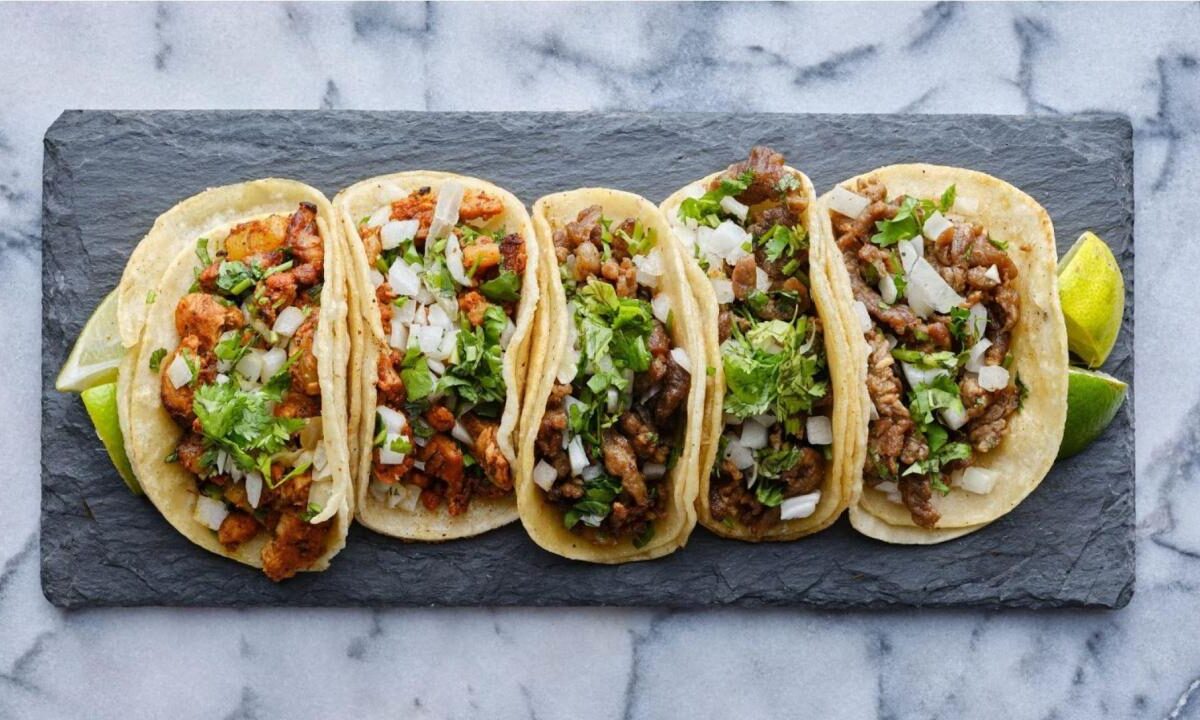
Corn tortilla tacos are not just a dish; they’re a celebration of Mexican heritage and culinary creativity. With roots deeply embedded in indigenous cultures, these tacos tell a story of resilience and transformation over centuries. From their humble beginnings as a staple food to their modern-day gourmet adaptations, corn tortilla tacos have evolved while remaining a beloved comfort food for many.
This fascinating exploration takes us through the historical significance of corn tortillas, their nutritional benefits, and the various ways to prepare them. You’ll discover how the simple corn tortilla has the remarkable ability to bring people together, showcasing the diverse flavors and traditions of Mexican regions. Get ready to delve into the delicious world of corn tortilla tacos and learn how they can elevate your culinary experiences.
Explore the historical significance of corn tortilla tacos in Mexican cuisine.
The corn tortilla holds a revered place in the heart of Mexican cuisine, serving not only as a staple food but also as a cultural symbol of identity and heritage. Originating from ancient Mesoamerican civilizations, corn tortillas have evolved into various forms, with tacos standing out as a popular and versatile dish. This transformation reflects the social and culinary evolution of Mexico, deeply intertwined with the history of its people.
The origins of corn tortillas can be traced back thousands of years to indigenous communities such as the Aztecs and Mayans, who cultivated maize as a primary crop. The process of nixtamalization, where corn is soaked and treated with alkaline solution, was developed to enhance the nutritional value and flavor of the grain. This technique led to the creation of the corn tortilla, a flatbread that became a fundamental part of the diet of ancient Mesoamericans. Over time, these tortillas transitioned into various culinary expressions, most notably the taco, which began to emerge in the 19th century as street food, showcasing the creative use of local ingredients and flavors.
Influence on regional dishes and culinary practices
Corn tortilla tacos have significantly influenced regional dishes across Mexico, adapting to local ingredients and culinary traditions. They serve as a vessel for a wide range of fillings, from meats to vegetables, often accompanied by salsas and other condiments that vary by region. The versatility of the taco has led to the development of numerous regional variations, each reflecting the agricultural bounty and cultural practices of its area.
– Street Tacos: Originating in urban centers, these simple yet flavorful tacos are typically made with grilled meats, onions, and cilantro, served in small tortillas.
– Tacos al Pastor: A fusion of Lebanese shawarma and Mexican flavors, this dish combines marinated pork and pineapple, showcasing the influence of immigrants on Mexican cuisine.
– Fish Tacos: Popularized in coastal regions, these tacos utilize fresh seafood, highlighting the diversity of ingredients available within different ecosystems.
The corn tortilla is more than just a food item; it embodies the spirit of indigenous communities that have historically relied on maize as a source of sustenance. These communities have maintained traditional farming practices and culinary techniques over generations, ensuring the preservation of cultural heritage. Corn tortillas symbolize resilience, as they have adapted through colonization and modernization while remaining a fundamental part of Mexican life.
“Corn is the soul of our culture, and the tortilla is the heart of our cuisine.”
Analyze the nutritional benefits of corn tortilla tacos compared to other types of tacos.
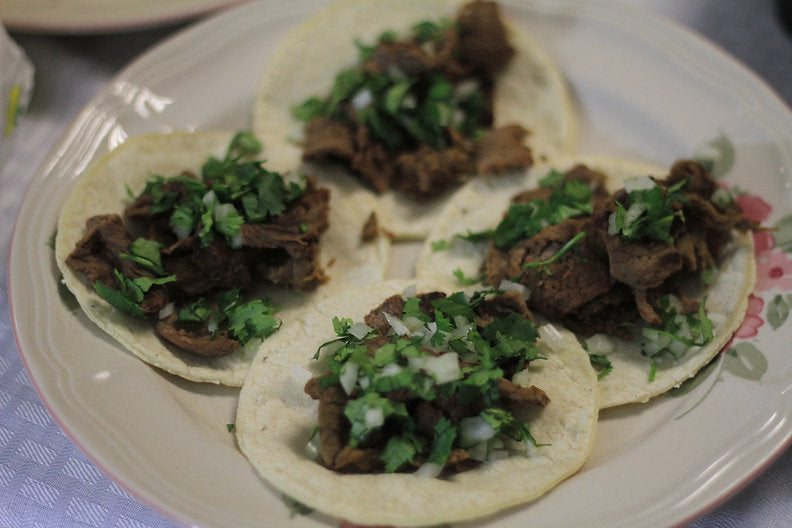
Corn tortilla tacos are a delightful staple in many cuisines, especially in Mexican culture. They are often favored for their unique flavor, texture, and nutritional profile. In comparison to other taco options, particularly those made with flour tortillas, corn tortillas present a range of health benefits that can contribute positively to dietary choices. Understanding these differences helps in making informed decisions when it comes to our meals, especially for those seeking a healthier lifestyle.
Nutritional Components of Corn Tortillas
Corn tortillas are made from masa harina, a type of flour made from corn that is particularly rich in essential nutrients. They are often touted for their nutritional benefits, which include a significant amount of dietary fiber, vitamins, and minerals. One of the standout features of corn tortillas is their high fiber content, which can aid in digestion and promote a feeling of fullness. They also contain essential nutrients such as magnesium, phosphorus, and B vitamins, contributing to overall health and well-being.
The following are key nutritional components of corn tortillas:
- Dietary Fiber: A typical corn tortilla contains about 1.5 to 2 grams of dietary fiber, which is essential for digestive health.
- Lower Caloric Content: Corn tortillas generally have fewer calories than their flour counterparts, usually around 50-60 calories per tortilla.
- Gluten-Free: Corn tortillas are naturally gluten-free, making them a suitable option for individuals with gluten intolerance or celiac disease.
- Nutrients: Corn tortillas offer vitamins such as niacin (B3) and folate, which are important for energy metabolism and cellular function.
When comparing corn tortillas to flour tortillas, the differences in caloric content and dietary fiber become particularly apparent. Flour tortillas can have approximately 90-150 calories per tortilla, depending on size, and often contain lower amounts of fiber compared to corn tortillas. This can make corn tortillas a better choice for those looking to manage their weight while ensuring adequate fiber intake.
Contribution to a Balanced Diet
Incorporating corn tortilla tacos into a balanced diet can support various health goals. Their low caloric content and rich fiber profile make them an excellent base for a variety of fillings, allowing for a diverse range of nutrients in one meal. For instance, pairing corn tortillas with lean proteins like grilled chicken or beans, along with plenty of colorful vegetables, not only enhances flavor but also boosts the nutritional value of the meal. This combination can provide a balanced intake of protein, carbohydrates, vitamins, and minerals.
Moreover, the versatility of corn tortillas permits numerous culinary adaptations. From classic tacos filled with seasoned meat and fresh salsa to vegetarian options loaded with beans, avocado, and greens, there’s a corn tortilla taco for everyone. The inclusion of heart-healthy fats, like avocado, further enhances the nutritional quality of these meals.
The dietary fiber found in corn tortillas contributes to improved gut health, helps regulate blood sugar levels, and may assist in weight management. Regular consumption of fiber-rich foods is linked to a reduced risk of chronic diseases such as heart disease and diabetes. Furthermore, the nutrients contained in corn tortillas can promote energy levels, making them an ideal choice for those leading active lifestyles.
In summary, corn tortilla tacos not only provide a delicious and satisfying meal option but also deliver a range of nutritional benefits that can support a balanced diet. Their unique properties compared to flour tortillas make them a preferred choice for health-conscious individuals looking to maximize their dietary intake while enjoying flavorful cuisine.
Describe the process of making authentic corn tortillas from scratch.
Making authentic corn tortillas from scratch is a delightful culinary experience that begins with selecting the right corn and involves a unique process called nixtamalization. This traditional method enhances the flavor and nutritional value of the corn while also making it easier to grind. The effort pays off in the form of homemade tortillas that are fresher and tastier than store-bought options. Here’s a detailed breakdown of how to create these delicious staples from scratch.
Selecting the Right Corn and Nixtamalization
The first step in making authentic corn tortillas lies in choosing the right type of corn. Opt for dried corn varieties such as white or yellow masa harina, which are specifically intended for tortilla making. The nixtamalization process, which involves soaking and cooking the corn in an alkaline solution (usually limewater), is crucial for achieving the desired flavor and texture.
1. Selecting Corn:
– Use high-quality dried corn, preferably organic if available. The corn should be intact, without signs of mold or damage.
2. Nixtamalization Process:
– In a large pot, combine 1 cup of dried corn with 1 tablespoon of food-grade lime (calcium hydroxide) and 5 cups of water.
– Bring this mixture to a boil, then let it simmer for about 30-45 minutes until the corn kernels are tender.
– Once cooked, remove the pot from heat and let the corn sit in the solution for at least 12 hours or overnight. This resting period allows the corn to absorb the lime.
– After soaking, rinse the corn thoroughly to remove any excess lime and loosen the hulls. The kernels should now easily separate from their skins.
Tools Needed for Tortilla Preparation
Having the right tools makes tortilla-making straightforward. Required tools include:
– A heavy-duty pot for boiling the corn.
– A blender or food processor for grinding the nixtamalized corn into masa.
– A tortilla press for shaping the tortillas evenly.
– A cast-iron skillet or griddle for cooking the tortillas.
These tools ensure that you can achieve the desired consistency and shape for your tortillas.
Cooking Methods for Perfect Corn Tortillas
Once you have prepared the masa, it’s time to transform it into tortillas. The cooking method greatly affects the texture and flavor:
1. Forming the Tortillas:
– Divide the masa into small balls, about the size of a golf ball.
– Place one ball between two sheets of plastic wrap in the tortilla press. Press down firmly to flatten the masa into a thin tortilla.
2. Cooking the Tortillas:
– Preheat your cast-iron skillet or griddle over medium-high heat.
– Carefully peel the tortilla from the plastic and place it on the hot skillet. Cook for about 30-45 seconds on each side, or until you see golden brown spots forming.
– Adjust the cooking time based on your desired level of doneness.
3. Achieving the Perfect Texture and Flavor:
– The key to perfect corn tortillas is to ensure they are neither too thick nor too thin. The ideal tortilla should be pliable yet sturdy enough to hold fillings without breaking.
– For enhanced flavor, consider adding a pinch of salt to the masa before forming the tortillas.
– Serve the tortillas warm, wrapped in a clean kitchen towel to keep them soft and moist.
Making corn tortillas from scratch may take a bit of practice, but the satisfaction of enjoying fresh, homemade tortillas is well worth the effort.
Examine the cultural variations of corn tortilla tacos across different regions of Mexico.
The rich tapestry of Mexican cuisine is beautifully embodied in the diverse variations of corn tortilla tacos. Each region of Mexico boasts its own interpretation, characterized by unique ingredients, preparation methods, and serving styles that reflect local traditions and influences. From the bustling streets of Mexico City to the coastal towns along the Pacific coast, tacos tell the story of regional identities and culinary heritage.
One of the most iconic taco styles is Tacos al Pastor, which originated in central Mexico, influenced by Lebanese immigrants who introduced the shawarma cooking technique. This dish typically features marinated pork that is cooked on a vertical spit. The marinade includes a blend of chilies, spices, and pineapple, giving it a sweet and savory flavor. It is often served with onions, cilantro, and a slice of pineapple on top. The preparation method, where the meat is thinly sliced and served on fresh corn tortillas, showcases the fusion of cultures and the adaptability of taco recipes to local tastes.
Tacos de Pescado
Tacos de Pescado, or fish tacos, are a staple of the coastal regions, particularly in Baja California. The tacos are typically made with grilled or battered fish, such as cod or tilapia, and served in soft corn tortillas. This style highlights the region’s access to fresh seafood and reflects the local culinary emphasis on light, refreshing ingredients.
The preparation of Tacos de Pescado is often complemented by various toppings, such as shredded cabbage, pico de gallo, and a drizzle of creamy sauce or lime. The use of fresh herbs and citrus not only enhances the flavors but also respects the local tradition of using seasonal ingredients.
In addition to specific styles, local traditions significantly influence taco recipes across the regions. For example, in Oaxaca, tacos are often filled with tlayudas, a large, crispy tortilla, topped with beans, cheese, and local meats. This reflects the region’s commitment to using indigenous ingredients and traditional cooking techniques, such as nixtamalization, a process that enhances the flavor and nutritional value of corn.
Another regional variation can be found in the Yucatán Peninsula, where tacos de cochinita pibil are prevalent. This dish features slow-cooked pork marinated in achiote paste and citrus juices, wrapped in banana leaves, which infuses the meat with rich flavors. The unique combination of local spices and cooking methods illustrates the cultural significance of tacos in Yucatecan celebrations and everyday life.
Overall, the cultural variations of corn tortilla tacos across Mexico highlight the interplay between local ingredients, historical influences, and traditional cooking practices. These tacos are not merely food; they are a reflection of regional pride and a celebration of Mexican heritage.
Discuss popular fillings for corn tortilla tacos and their flavor profiles.
Corn tortilla tacos are a staple in Mexican cuisine, celebrated for their versatility and the explosion of flavors they offer. From traditional to modern adaptations, the choice of fillings can dramatically alter the taste and texture of these delightful treats. Understanding the flavors of various fillings can enhance both the preparation and enjoyment of tacos, making it essential for taco enthusiasts and casual diners alike.
Traditional and Modern Fillings
Exploring the variety of fillings available for corn tortilla tacos reveals a rich tapestry of flavors and textures that cater to diverse palates. Below is a list of popular traditional and modern fillings:
- Barbacoa: Slow-cooked beef, often seasoned with spices, producing a tender and flavorful filling that pairs well with fresh toppings.
- Carnitas: Shredded pork that is braised and then crisped, offering a savory richness complemented by citrus notes.
- Pollo Asado: Grilled chicken marinated in spices, resulting in a smoky and zesty flavor profile.
- Fish: Grilled or fried fish, often seasoned with lime and spices, provides a fresh, light alternative.
- Vegetarian Options: Options like grilled vegetables, beans, and roasted peppers deliver robust flavors while catering to plant-based diets.
- Jackfruit: A modern vegetarian filling that mimics pulled pork, seasoned with spices, offering a sweet and savory profile.
Comparison of Vegetarian and Meat-Based Fillings
When comparing vegetarian options to meat-based fillings, both categories have their unique appeal and flavor profiles. Meat-based fillings like barbacoa and carnitas are often lauded for their rich, savory flavors and hearty textures, making them popular among traditional taco lovers. These flavors are intensified by cooking methods such as slow-cooking and grilling, which enhance the natural juices and spices.
On the other hand, vegetarian fillings like grilled vegetables or beans provide a different taste experience—often fresher, lighter, and sometimes with a hint of sweetness. As plant-based diets gain traction, innovative vegetarian options like jackfruit tacos are increasingly popular, offering a compelling alternative without sacrificing taste. The flexibility of vegetarian fillings allows for creative combinations with spices and herbs, making them appealing for a wider audience.
The Role of Toppings and Salsas in Enhancing Taco Flavor
Toppings and salsas play a crucial role in elevating the flavors of corn tortilla tacos. Fresh ingredients such as chopped onions, cilantro, avocado, and lime add brightness and texture, balancing the richness of the fillings. Salsas vary widely in flavor, from mild pico de gallo to fiery red salsa, and they serve to enhance or complement the primary flavors of the fillings.
For instance, a fresh tomatillo salsa can add a tangy kick to spicy meat fillings, while a creamy avocado salsa can mellow out the heat. The layering of flavors through toppings not only enhances the aesthetic appeal of the taco but also creates a harmonious taste experience. The combination of savory, spicy, tangy, and creamy elements in toppings can transform a simple taco into a culinary delight, encouraging experimentation and personalization.
In summary, the variety of fillings and the thoughtful use of toppings and salsas are central to the taco experience, creating an inviting diversity that speaks to both tradition and modern culinary trends.
Create a guide for pairing beverages with corn tortilla tacos.
Pairing beverages with corn tortilla tacos enhances the overall dining experience, allowing the flavors of both the food and drink to shine. The right beverage can elevate the taste of your tacos, complementing the fillings and balancing the spices perfectly. Traditional Mexican drinks offer a vast array of choices, ensuring that there’s something to suit every palate. Understanding the flavor profiles of both the tacos and the beverages is essential for creating a harmonious meal.
Traditional Mexican beverages to complement tacos
When it comes to traditional Mexican drinks, there are numerous options that pair well with corn tortilla tacos. These beverages not only enhance the taste of the tacos but also reflect the rich culinary heritage of Mexico. Here are some beverages along with their ideal taco pairings:
- Aguas Frescas: Refreshing fruit waters made from fruits like hibiscus (jamaica), tamarind, or cucumber. The light and fruity flavors of aguas frescas pair exceptionally well with tacos filled with grilled meats, fish, or even vegetarian options. For instance, a tamarind agua fresca goes well with spiced fish tacos.
- Margaritas: This classic cocktail, made with tequila, lime juice, and orange liqueur, is a perfect match for tacos al pastor or carnitas. The acidity from the lime helps cut through the richness of the pork, providing a balanced taste.
- Mexican Beer: Light lagers and pale ales, like Corona or Pacifico, are excellent for pairing with corn tortilla tacos, especially those filled with spicy ingredients like chorizo. The crispness of the beer refreshes the palate after each bite.
- Horchata: A sweet, creamy drink made from rice, almonds, and cinnamon, horchata pairs beautifully with savory tacos, particularly those with rich flavors like barbacoa. The sweetness tempers the spices, creating a delightful contrast.
- Tequila or Mezcal: Sipping a good quality tequila or mezcal can enhance the flavors of tacos, particularly those with smoked meats. The earthy smokiness of mezcal complements grilled tacos marvelously.
The importance of beverage choices greatly depends on the taco fillings and spices used. For instance, tacos with rich and fatty fillings tend to pair well with refreshing drinks, while spicier tacos benefit from sweeter or more acidic beverages to balance the heat. Selecting the right drink not only enhances the meal but also creates a more enjoyable dining atmosphere, bringing out the best flavors in both the tacos and beverages.
Demonstrate how to host a corn tortilla taco night at home.
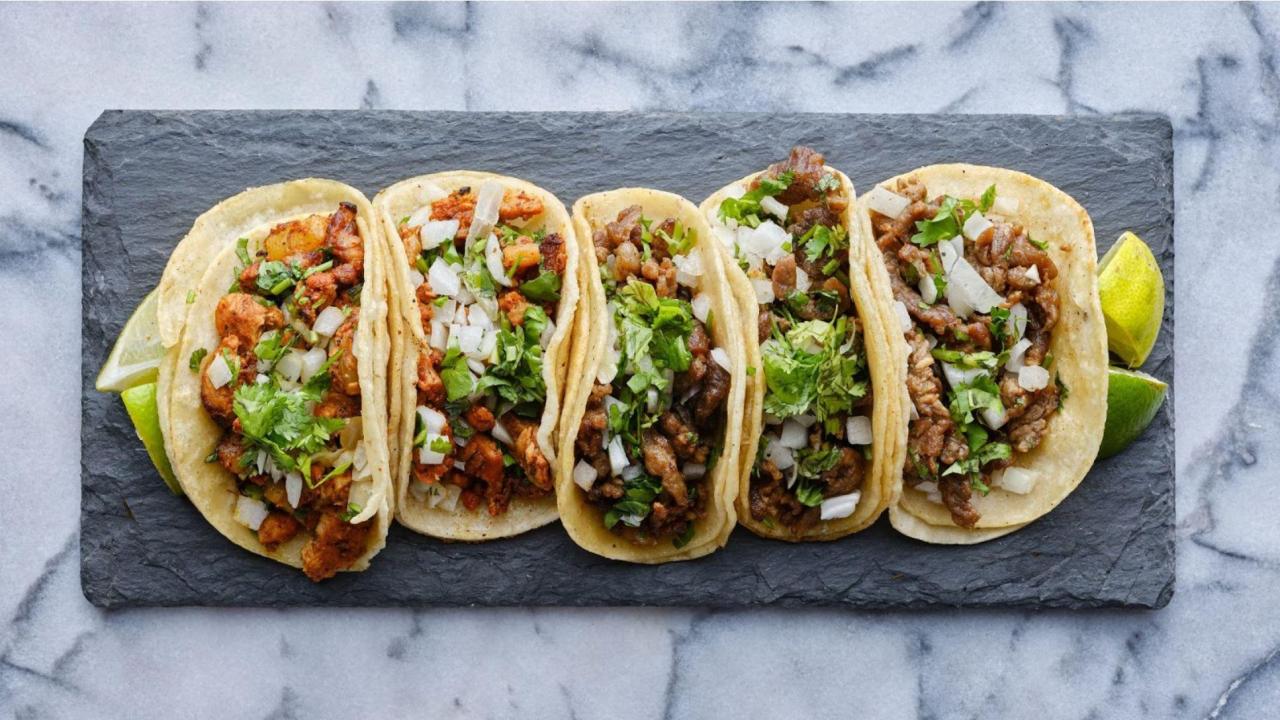
Hosting a corn tortilla taco night at home is an exciting way to bring friends and family together for a fun-filled evening of delicious food and laughter. The key to a successful taco night lies in careful planning, from ingredient selection to creating a warm atmosphere. Let’s dive into the steps necessary for setting up a delightful taco bar and ensuring your guests feel engaged and entertained throughout the event.
Preparing the Taco Bar
To create a taco bar that impresses, you’ll want to focus on a variety of ingredients and an appealing presentation. Start by selecting high-quality corn tortillas as the foundation of your tacos, ideally both soft and crispy options. Next, consider a range of proteins. Common choices include seasoned ground beef, shredded chicken, and black beans for a vegetarian option.
Once the proteins are chosen, it’s crucial to add complementary toppings. Consider including:
- Chopped lettuce
- Fresh diced tomatoes
- Shredded cheese (cheddar, queso fresco)
- Avocado slices and guacamole
- Sour cream
- Pickled jalapeños
- Fresh cilantro
- Salsa (various types like pico de gallo and salsa verde)
- Lime wedges
The decoration plays a significant role in the overall atmosphere. Opt for bright, festive colors, perhaps using a Mexican-themed tablecloth or colorful plates. You can also add elements like small sombreros or papel picado (cut paper decorations) to enhance the theme.
“Presentation adds an element of excitement to the culinary experience.”
Creating an Inviting Atmosphere
An inviting environment will encourage your guests to mingle and enjoy the night. Dimmed lighting, soft music with a Latin vibe, and comfortable seating can transform your home into a mini fiesta. Set up a central table for the taco bar while ensuring there’s ample space for guests to gather around and serve themselves.
Involving guests in the preparation process can also contribute to a lively atmosphere. Consider assigning tasks, such as chopping veggies or mixing ingredients, to guests upon arrival. This hands-on approach not only lightens your workload but also fosters interaction and laughter.
Fun Activities and Games
Incorporating fun activities and games can elevate your taco night experience. Start with taco trivia, where participants can answer questions related to Mexican culture, food, and history. For instance, prepare multiple-choice questions about different types of tacos or famous Mexican dishes.
Another engaging activity is a taco-making contest. Provide various ingredients and challenge groups to create the most innovative or delicious taco. Assign a judging panel to taste and evaluate the creations. This can spark friendly competition and creativity.
As the evening progresses, you might introduce a piñata filled with candy or small prizes. The excitement of breaking a piñata aligns well with the festive spirit of the taco night.
“Games and contests foster camaraderie and create memorable moments.”
Additionally, you can have a salsa dance-off to get everyone on their feet and engaged. This can be paired with a playlist featuring upbeat Latin music that encourages dancing.
Lastly, consider a themed photo booth area where guests can take fun pictures with props like sombreros or mustaches.
By thoughtfully preparing your taco bar, creating an inviting atmosphere, and incorporating engaging activities, you’ll ensure that your corn tortilla taco night is a memorable and enjoyable experience for everyone involved.
Investigate the role of corn tortilla tacos in contemporary food trends.
Corn tortilla tacos have seen a remarkable evolution, transitioning from traditional staples to contemporary culinary icons. Their versatility and ability to adapt to various flavors have made them a centerpiece in the modern food scene. As people become increasingly adventurous with their culinary choices, corn tortilla tacos have emerged as a popular canvas for innovation, showcasing everything from classic fillings to gourmet interpretations.
Rise of gourmet taco shops and their influence on traditional recipes
In recent years, the emergence of gourmet taco shops has significantly influenced how traditional corn tortilla tacos are prepared and served. These establishments are redefining the taco experience by experimenting with high-quality ingredients, unique flavor combinations, and artistic presentations. Gourmet tacos often feature fusion elements, such as Korean BBQ-inspired fillings paired with kimchi or Asian slaw, offering diners an elevated twist on the classic dish.
The gourmet trend has also prompted a rise in local sourcing of ingredients, allowing chefs to create seasonal and sustainable menus. This focus on quality over quantity has led to a deeper appreciation for the craftsmanship involved in taco preparation, with chefs often highlighting the traditional techniques of masa nixtamalization—the process of treating corn with lime to enhance its flavor and nutritional value. As a result, the line between traditional tacos and gourmet interpretations continues to blur, creating a rich tapestry of culinary experiences.
Impact of street food culture on the popularity of corn tortilla tacos
Street food culture has played a pivotal role in the popularity of corn tortilla tacos, bringing them to the forefront of global gastronomy. Food trucks and street vendors serve as accessible entry points for consumers eager to explore authentic flavors without the formality of a sit-down restaurant. This casual dining experience allows for a diverse range of taco options, highlighting regional specialties, such as fish tacos from Baja California or al pastor from Mexico City.
The sensory appeal of street food, combined with the rich cultural narratives behind each taco, creates an authentic connection for diners. Street taco vendors often uphold traditional cooking methods, ensuring that the essence of the corn tortilla taco remains intact while attracting a new generation of food enthusiasts.
Role of social media in popularizing taco varieties globally
Social media has revolutionized the food landscape, contributing significantly to the global popularity of corn tortilla tacos. Platforms like Instagram and TikTok have become vital for food discovery, enabling users to share visually stunning taco creations that can go viral in seconds. High-definition images of vibrant taco presentations paired with catchy captions captivate audiences, encouraging them to seek out unique taco varieties.
The rise of food influencers has further amplified this trend, as they curate experiences that encourage followers to explore diverse taco offerings. For instance, videos showcasing the art of taco making—from hand-pressed tortillas to intricate salsas—have created a new appreciation for the craft behind these dishes.
Moreover, social media facilitates the exchange of culinary ideas across borders, allowing home cooks and aspiring chefs to replicate and innovate upon popular taco recipes. This cross-pollination of food culture has led to the creation of inventive taco varieties, such as vegan or gluten-free options, ensuring that corn tortilla tacos remain relevant and inclusive in a rapidly changing food landscape.
Ultimately, the intersection of taco culture with social media has solidified corn tortilla tacos as not just a meal, but a movement that resonates with food lovers around the globe.
Final Wrap-Up
In conclusion, corn tortilla tacos are much more than a tasty meal; they are a cultural icon that continues to inspire chefs and home cooks alike. From the traditional recipes passed down through generations to innovative fillings that push culinary boundaries, these tacos offer something for everyone. Whether you’re hosting a taco night or simply enjoying them solo, corn tortilla tacos promise a delightful experience every time, proving that food can be both a joy and a journey.
Clarifying Questions
What are corn tortillas made from?
Corn tortillas are made from masa harina, a type of corn flour treated with lime during processing.
Can corn tortilla tacos be frozen?
Yes, you can freeze corn tortillas; just place parchment paper between them to prevent sticking.
Are corn tortillas gluten-free?
Yes, corn tortillas are naturally gluten-free, making them a great option for those with gluten sensitivities.
How do I store leftover corn tortillas?
Store leftover corn tortillas in an airtight container in the fridge for up to a week or freeze them for longer storage.
What is the best way to heat corn tortillas?
The best way to heat corn tortillas is to warm them on a skillet or griddle for about 30 seconds on each side.