 Rogert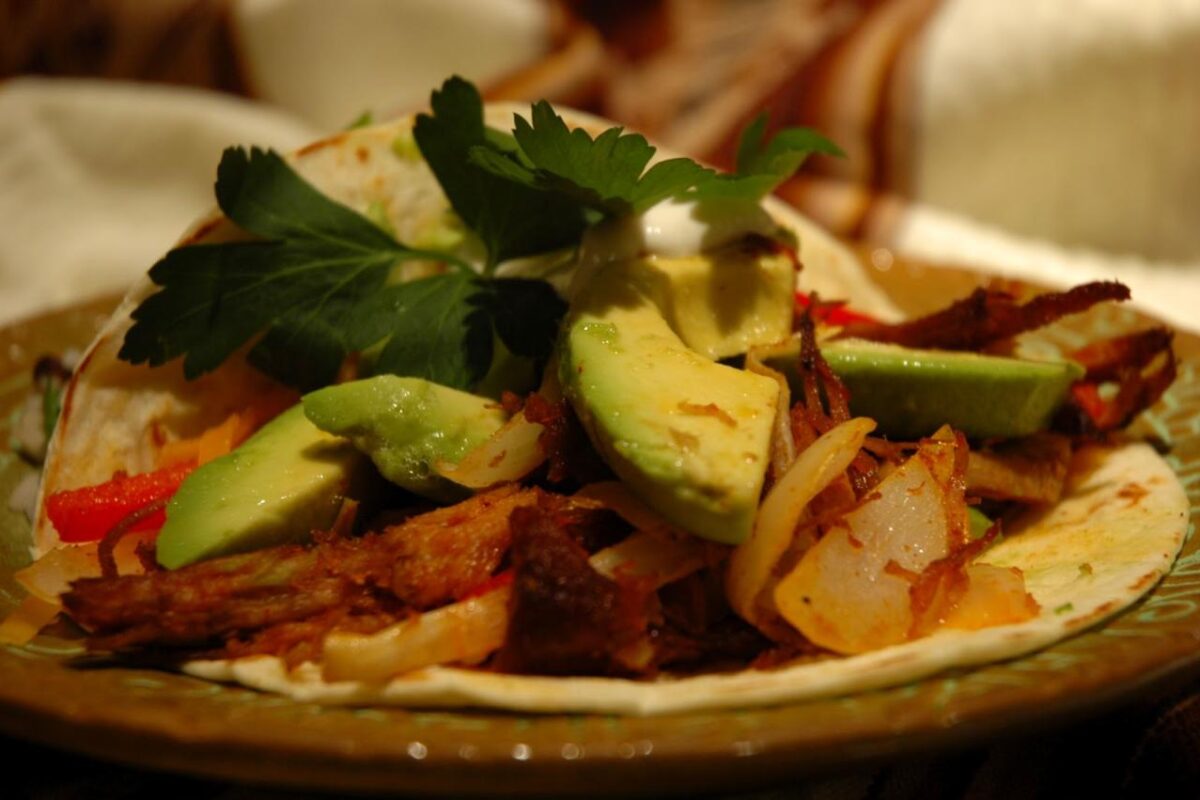
Carnitas tacos are not just a meal; they represent a rich tapestry of culture and history within Mexican cuisine. Originating from the traditional cooking style of slow-braised pork, these tacos capture the heart of family gatherings and street food culture alike, inviting everyone to savor their delightful flavors. As we explore the history, ingredients, and cooking methods behind these tacos, you’ll discover why they hold a special place in the hearts of many.
From the essential spices that bring the pork to life to the diverse toppings that enhance every bite, carnitas tacos offer an experience that varies by region and personal preference. Each taco tells a story of culinary tradition, adaptability, and the joy of sharing food with loved ones, making them a beloved dish for all occasions.
The History and Origins of Carnitas Tacos
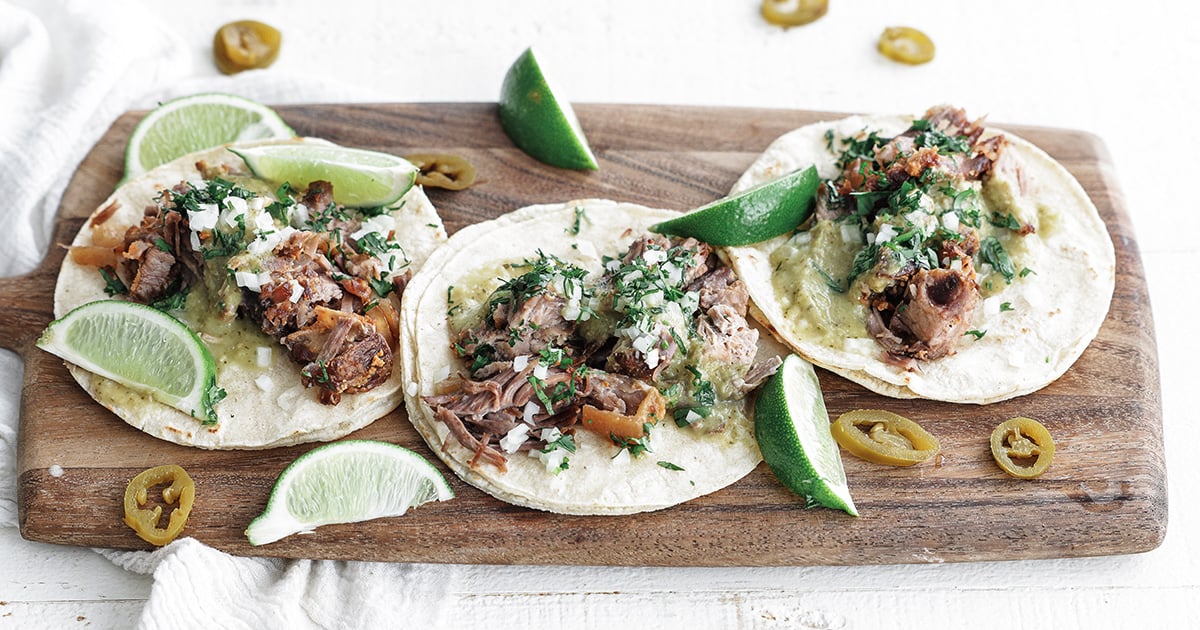
Carnitas, which translates to “little meats” in Spanish, holds a cherished place in Mexican cuisine, celebrated not only for its flavor but also for its cultural significance. Traditionally, this slow-cooked pork dish is prepared by simmering pork in its own fat until it becomes tender and flavorful, often resulting in crispy edges. The popularity of carnitas tacos has roots deeply embedded in Mexican traditions, evolving over centuries while maintaining regional characteristics that influence their preparation and serving styles.
Cultural Significance of Carnitas in Mexican Cuisine
The cultural relevance of carnitas extends beyond mere taste; it often symbolizes celebration and family gatherings. In Mexico, carnitas are commonly prepared for significant occasions such as weddings, birthdays, and religious festivities. The method of cooking reflects communal values, as families often gather to prepare and enjoy this dish together. The flavor profile of carnitas is enhanced by the addition of spices and herbs like cumin, garlic, and bay leaves, creating a rich culinary experience that signifies warmth and hospitality.
Regional Variations of Carnitas
Carnitas vary significantly across different regions of Mexico, leading to diverse interpretations of this popular dish. Each region incorporates unique cooking techniques and local ingredients, which influence taco preparation. Here are some notable regional variations:
- Michocan Style: Considered the birthplace of carnitas, this style emphasizes the use of lard and traditional spices, resulting in a rich flavor. The pork is usually cooked in large copper pots, creating a distinct taste that is hard to replicate.
- Jalisco Style: Known for its emphasis on citrus flavors, this variation often incorporates orange juice and zest, giving the carnitas a slightly tangy profile. The cooking method here can include grilling, adding smoky undertones.
- Veracruz Style: This style often integrates local herbs and spices, using a lighter cooking technique that showcases the meat’s natural flavors. The use of fresh ingredients like oregano and thyme is common.
Historical Evolution of Tacos
The taco, as a concept, has evolved from its humble beginnings into a staple of Mexican street food. Its origins date back to the 18th century when the concept of wrapping food in tortillas began to gain popularity. Initially, tacos were filled with various ingredients, including fish and insects. As time progressed, the introduction of carnitas as a filling transformed the taco landscape. The rich, flavorful pork complemented the simplicity of the tortilla, making it a favored choice among the populace.
“Tacos are not just a food; they represent a deep-rooted tradition and cultural identity within Mexico.”
The rise of carnitas tacos can be linked to urban migration in the 20th century, as people from rural areas brought their culinary traditions into cities, blending them with new influences. Street food vendors began to offer carnitas tacos, making them accessible to a wider audience and solidifying their place in both everyday life and special occasions. As the taco gained international recognition, carnitas remained a beloved filling, showcasing the rich history and flavors of Mexican cuisine.
Key Ingredients for Making Authentic Carnitas Tacos
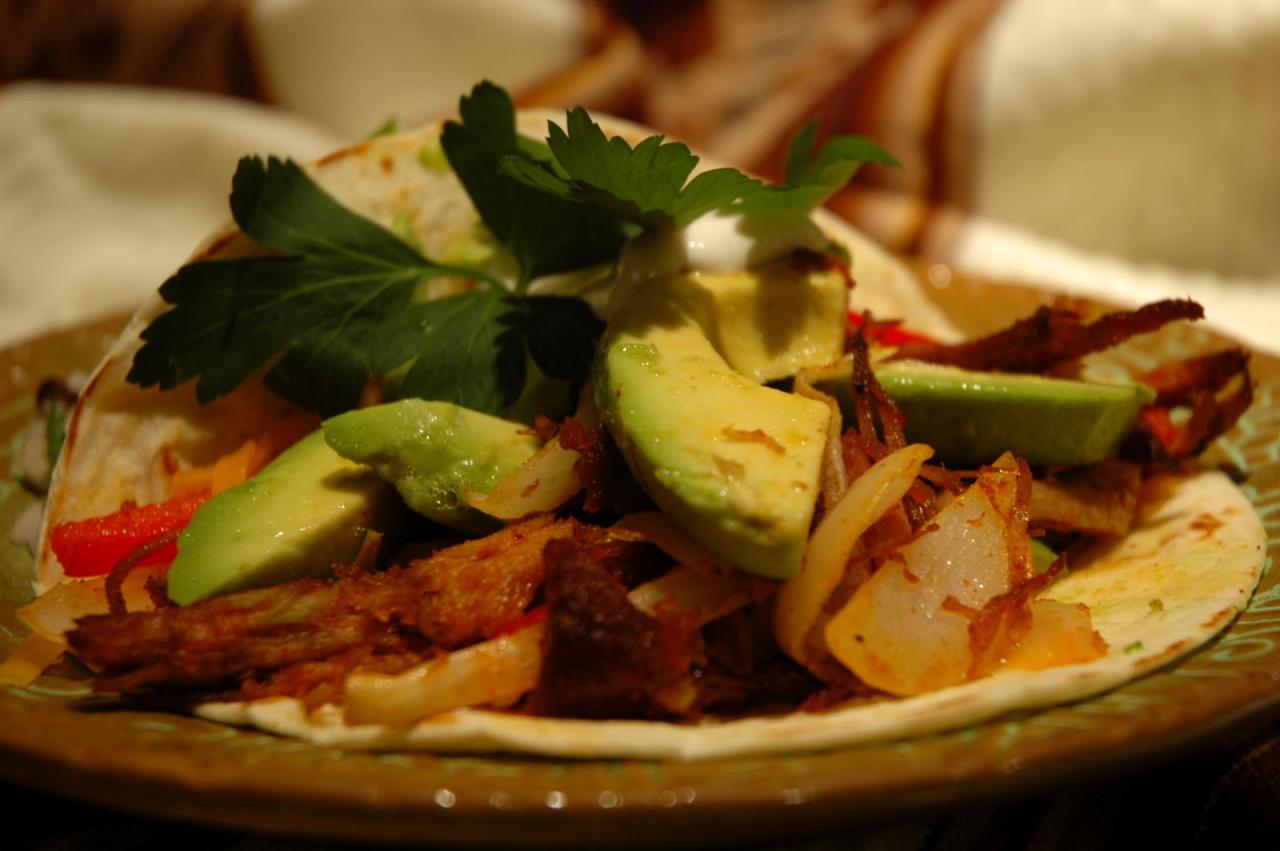
To create authentic carnitas tacos, it’s essential to use the right ingredients that contribute to the rich flavors and textures characteristic of this traditional dish. Understanding the key components will elevate your taco-making skills and ensure a delicious outcome that stays true to its Mexican roots.
One of the most important aspects of crafting carnitas is selecting the right ingredients. The choice of meat, along with specific spices and herbs, plays a significant role in achieving the desired taste and aroma. For traditional carnitas, the following elements are vital:
Essential Ingredients for Traditional Carnitas
The foundation of authentic carnitas lies in the selection of high-quality meat and complementary ingredients. Below are the essential components needed for traditional carnitas:
- Pork Shoulder (Pork Butt): This cut is preferred due to its perfect balance of meat and fat, which renders down during cooking, resulting in tender, juicy carnitas.
- Orange: Whole oranges or orange juice add a citrusy sweetness that enhances the flavors and balances the richness of the pork.
- Garlic: Fresh garlic cloves provide a robust flavor that is essential for depth in the carnitas.
- Onion: Coarsely chopped onions contribute a mild sweetness and aromatic quality during the cooking process.
- Lard or Vegetable Oil: While traditional recipes often call for lard for authenticity, vegetable oil can be used as a substitute to achieve the necessary moisture and texture.
Spices and Herbs for Enhanced Flavor
To truly bring out the flavor of the meat, specific spices and herbs are crucial. These ingredients not only enhance the taste but also infuse the carnitas with a delightful aroma. The following spices and herbs are commonly used in traditional recipes:
- Cumin: This spice adds an earthy, warm flavor and is a staple in Mexican cuisine.
- Oregano: Mexican oregano has a slightly different flavor profile than Mediterranean oregano, offering a more robust and citrusy taste.
- Bay Leaves: These leaves add a subtle depth of flavor during the slow cooking process.
- Black Pepper: Freshly ground black pepper contributes a mild heat and complements the other spices.
- Salt: Essential for enhancing all the flavors in the dish, salt is used throughout the cooking process to ensure the meat is well-seasoned.
Choosing the Right Type of Meat
Selecting the appropriate cut of meat is paramount for successful carnitas. The ideal meat should have a good fat content that helps to keep the final dish moist and flavorful. Pork shoulder is the most popular choice due to its marbling, which results in tender chunks when cooked slowly. The fat renders during cooking, allowing the meat to absorb the flavors of the spices and herbs.
“The secret to great carnitas lies in the quality of the pork and the richness of the cooking process.”
When preparing carnitas, ensure that the meat is fresh and sourced from reputable suppliers to guarantee the best taste and texture. This attention to detail will be reflected in the final dish, leading to authentic and flavorful carnitas tacos that impress everyone at the table.
The Cooking Methods for Preparing Carnitas
Carnitas are a beloved Mexican dish known for their rich flavor and tender texture. The preparation of carnitas can vary, but the essence remains the same: slow-cooked pork shredded to perfection. Two of the most popular methods for cooking carnitas are slow-cooking and oven roasting, each offering distinct flavors and textures. Below, we explore these methods in detail and provide insights into achieving the best results.
Slow-Cooking Method
Slow-cooking is a traditional technique that allows the pork to cook gently over an extended period, resulting in incredibly tender meat. The process involves first seasoning the pork shoulder, often with a blend of spices such as cumin, oregano, garlic, and salt, then placing it in a slow cooker with some liquid, such as broth or orange juice.
“The key to successful slow-cooked carnitas is patience; the longer, the better.”
1. Preparation: Cut the pork shoulder into large chunks, season generously, and place them in the slow cooker.
2. Cooking: Set the slow cooker on low for 6-8 hours or high for 3-4 hours until the pork is fork-tender.
3. Finishing: Once cooked, shred the meat with forks and optionally broil it for a few minutes to achieve crispy edges.
Pros:
– Easy and hands-off cooking.
– Retains moisture, leading to juicy meat.
Cons:
– Takes a long time to cook.
– May not achieve a crispy texture without additional steps.
Oven Roasting Method
Oven roasting is another excellent method to prepare carnitas, especially for those who prefer a caramelized exterior. This method also involves seasoning the pork, but instead of a slow cooker, the pork is placed in a roasting pan in the oven.
“Roasting caramelizes the sugars and creates a delightful crust on the carnitas.”
1. Preparation: Preheat the oven to 300°F (150°C). Season the pork shoulder and place it in a roasting pan.
2. Cooking: Cover the pan tightly with aluminum foil and roast for about 3-4 hours until the meat is tender.
3. Finishing: Uncover for the last 30 minutes to allow the top to brown. Shred the meat before serving.
Pros:
– Produces a crispy, flavorful exterior.
– Cooking time is shorter compared to slow-cooking.
Cons:
– Requires more attention to ensure it doesn’t dry out.
– Less moisture retention compared to slow-cooking.
Tips for Perfect Carnitas
Achieving perfect carnitas comes down to technique and ingredients. Here are some essential tips to enhance both texture and flavor:
– Quality Meat: Always choose a well-marbled pork shoulder or butt, as the fat renders beautifully during cooking, adding flavor and moisture.
– Season Generously: Use a robust blend of spices and citrus to enhance the flavor profile. Consider marinating the pork overnight for deeper flavor penetration.
– Cooking Liquid: Incorporate flavorful liquids such as beer, broth, or citrus juice to enrich the meat’s taste during cooking.
– Crisp Up: After shredding, use a hot skillet or broiler to crisp up the carnitas for an added texture that contrasts with the tender meat.
– Resting Time: Let the shredded meat rest for a few minutes before serving, allowing the juices to redistribute throughout.
By understanding these cooking methods and utilizing these tips, you can create carnitas that are not only flavorful but also perfectly textured, making for delicious tacos or any dish you desire.
Popular Toppings and Sides for Carnitas Tacos
Carnitas tacos are a delicious culinary staple that can be elevated by a variety of toppings and sides. The beauty of carnitas lies in their flavorful, slow-cooked pork, which serves as a canvas for many complementary ingredients. Whether you prefer traditional options or modern twists, the right choices can enhance your taco experience significantly.
These tacos are versatile, allowing for a range of toppings that add texture, flavor, and visual appeal. Popular toppings not only enhance the flavor but also contribute to the overall enjoyment of each bite. Here’s a closer look at some of the most beloved toppings and sides that pair beautifully with carnitas tacos.
Traditional and Modern Toppings
When it comes to toppings for carnitas tacos, both traditional and modern options stand out for their ability to complement the rich flavors of the pork. Here’s a list of popular choices:
- Chopped onions: Adds crunch and a mild flavor that balances the richness of the carnitas.
- Cilantro: Fresh and aromatic, cilantro provides a burst of flavor that brightens the dish.
- Lime wedges: A squeeze of lime juice enhances the flavors and adds a refreshing zest.
- Pico de gallo: This fresh salsa, made with tomatoes, onions, jalapeños, and lime, adds a vibrant color and freshness.
- Radish slices: Crunchy and slightly peppery, radishes offer great texture and contrast.
- Sour cream: Creamy and tangy, sour cream balances the spices in the tacos.
- Avocado or guacamole: The creamy texture of avocado or guacamole adds richness and depth.
- Hot sauce: For those who enjoy heat, a drizzle of hot sauce can kick up the flavor.
The Role of Salsas
Salsas are essential in enhancing the overall taste of carnitas tacos. They can add layers of flavor, acidity, and heat, making each bite more exciting. The choice of salsa can dramatically change the taco experience. Here are some common types of salsa that perfectly accompany carnitas tacos:
- Tomato salsa: A classic choice, providing a fresh and tangy flavor that complements the meat.
- Green salsa (salsa verde): Made from tomatillos, this salsa offers a unique tartness and is a great match for pork.
- Mango salsa: The sweetness of mango adds an interesting twist, bringing a fruity flair that contrasts with the savory carnitas.
- Pineapple salsa: Similar to mango salsa, pineapple salsa provides a tropical sweetness that pairs well with the spices in carnitas.
Suggested Side Dishes
Pairing side dishes with carnitas tacos can enhance the meal and provide a well-rounded dining experience. Here are some side dish suggestions that go well with carnitas tacos:
- Mexican rice: Flavored with tomatoes and spices, this dish adds a hearty element to your meal.
- Refried beans: Creamy and protein-rich, refried beans complement the tacos perfectly.
- Elote (Mexican street corn): Grilled corn on the cob slathered in mayonnaise, cheese, and chili powder offers a delightful addition.
- Chips and guacamole: A classic starter, providing crunch and creaminess before diving into the tacos.
- Fruit salad: A refreshing side that can cleanse the palate between bites of rich carnitas.
Exploring Regional Variations of Carnitas Tacos Across Mexico
Carnitas tacos are a beloved staple in Mexican cuisine, and their preparation and presentation can vary significantly from one region to another. Each area boasts its own unique twist, influenced by local ingredients, cooking techniques, and cultural traditions. Understanding these regional variations not only enhances the appreciation of carnitas tacos but also sheds light on the culinary diversity found throughout Mexico.
Different regions of Mexico have developed their own distinctive styles of carnitas tacos. For instance, in Michoacán, where carnitas originated, the traditional method involves slow-cooking pork in lard, often seasoned with spices like oregano and garlic. This method results in tender, flavorful meat that is then served in soft corn tortillas, accompanied by simple garnishes such as chopped onions and cilantro. In contrast, in Mexico City, street vendors often serve carnitas tacos with a variety of salsas and toppings, allowing for a customizable experience that caters to a wide range of palates. This adaptability showcases the versatility of carnitas in urban settings, where flavor experimentation is encouraged.
Distinct Cooking Techniques and Ingredients
The preparation methods and ingredients used in carnitas tacos vary widely across Mexico, each contributing to a unique culinary experience. The following highlights some noteworthy regional approaches:
- Michoacán: The birthplace of carnitas, where pork is simmered in its own fat with spices until it achieves a rich, crispy exterior and tender interior.
- Guadalajara: Known for using a blend of orange juice and various spices in the cooking process, giving the pork a citrusy flavor.
- Yucatán: Incorporates achiote paste, resulting in a distinctive red color and a unique flavor profile influenced by Mayan traditions.
- Mexico City: Street vendors often employ quick frying methods, offering a fast and crispy version of carnitas that is highly popular among locals.
Each of these regional styles reflects the local available ingredients, heritage, and preferences, resulting in a rich tapestry of flavors and textures. Additionally, special events and festivals may bring forth unique recipes that further showcase regional pride.
Street Vendors vs. Restaurants
The approach to crafting carnitas tacos can differ significantly between street vendors and restaurants. Street vendors, often operating in bustling markets and street corners, prioritize speed and accessibility. Their carnitas tacos tend to be more straightforward, utilizing a selection of salsas and condiments to allow patrons to tailor their tacos to individual tastes. The vibrant atmosphere, combined with the fresh preparation in front of customers, adds to the overall experience.
In contrast, restaurants may take a more refined approach, emphasizing the quality and sourcing of ingredients. Chefs might experiment with gourmet toppings, artisanal tortillas, or even fusion flavors that incorporate elements from other cuisines. This attention to detail often results in a more elevated dining experience, where the focus is on appreciating the craftsmanship behind each taco.
“The regional variations of carnitas tacos illustrate the heart of Mexican culture—diverse, rich, and ever-evolving.”
Crafting the Perfect Taco Shell for Carnitas
Choosing the right taco shell can elevate your carnitas tacos from good to unforgettable. With a variety of options available, from soft and warm tortillas to crispy and crunchy shells, the choice you make can greatly influence the texture and flavor profile of your meal. Each type of shell brings its own unique touch to the experience, making it essential to select the perfect one for your carnitas.
There are two primary types of taco shells that can be used for carnitas: soft tortillas and crispy taco shells. The choice between these options not only affects the overall taste but also how the carnitas and toppings are enjoyed. Soft tortillas, typically made from corn or flour, allow for easy folding, making them ideal for a more traditional taco experience. On the other hand, crispy taco shells offer a satisfying crunch that contrasts beautifully with the tender, juicy carnitas.
Types of Taco Shells for Carnitas
Understanding the different types of taco shells available can enhance your carnitas taco experience. Here’s a look at the options:
- Soft Corn Tortillas: These are the traditional choice for tacos in Mexico. Their slightly chewy texture complements the richness of carnitas perfectly and allows the flavors to meld beautifully.
- Soft Flour Tortillas: Flour tortillas are softer and often larger, making them great for holding generous portions of carnitas and toppings. They add a milder flavor that allows the meat to shine.
- Crispy Corn Shells: These shells provide a delightful crunch and are often pre-fried. The crunchy texture can add a fun element to the dining experience but may not hold as much filling as soft tortillas.
- Baked Taco Shells: A healthier alternative to fried crispy shells, baked shells can provide a similar crunch without the extra oil. They are easy to make at home and can be flavored with spices.
The choice of shell can significantly influence the dining experience. A soft tortilla lets you savor the meat and toppings in a more integrated manner, while crispy shells can enhance the contrast in textures, making each bite exciting.
Homemade Taco Shell Recipe
Making your own taco shells at home is simple and allows you to customize them to your liking. Here’s a straightforward method for crafting both soft and crispy taco shells:
For Soft Corn Tortillas:
1. Ingredients:
– 2 cups masa harina (corn flour)
– 1/2 teaspoon salt
– 1 1/4 cups warm water
2. Method:
– In a mixing bowl, combine masa harina and salt. Gradually add warm water until a dough forms.
– Knead the dough for a few minutes until smooth. Divide it into small balls.
– Using a tortilla press or a rolling pin, flatten each ball into a thin circle.
– Cook on a hot skillet for about 30 seconds on each side until lightly toasted and cooked through.
For Crispy Taco Shells:
1. Ingredients:
– Corn tortillas
– Oil for frying
2. Method:
– Heat oil in a deep pan over medium heat.
– Carefully fold a corn tortilla in half and fry it in the oil for about 2-3 minutes, turning once, until golden and crispy.
– Remove and drain on paper towels.
Crafting your own taco shells not only guarantees freshness but also allows you to experiment with flavors and thickness, ensuring your carnitas tacos are as delicious as possible.
The Influence of Carnitas Tacos on American Cuisine
Carnitas tacos have made a significant impact on American cuisine, transcending their traditional Mexican roots to become a beloved staple in various culinary landscapes across the United States. As the taco culture has flourished, particularly in urban areas, carnitas tacos have been embraced and adapted by food enthusiasts and professional chefs alike, often resulting in exciting new interpretations and flavors that reflect the diverse American palate.
The adaptation of carnitas tacos in the U.S. shines a light on the evolving nature of culinary traditions. In American food culture, these tacos have been reimagined by incorporating local ingredients and inventive flavor combinations, paving the way for a fusion of tastes that cater to contemporary dining experiences. This has led to the emergence of several popular restaurants and food trucks specializing in carnitas tacos, each offering their unique twists on the classic dish.
Popular Establishments Specializing in Carnitas Tacos
A variety of restaurants and food trucks across the United States have gained acclaim for their exceptional carnitas tacos, showcasing the dish’s versatility and widespread appeal. The following are notable establishments recognized for their dedication to crafting delicious carnitas tacos:
- Guelaguetza in Los Angeles: Celebrated for its authentic Oaxacan cuisine, Guelaguetza serves succulent carnitas tacos that highlight traditional preparation methods and bold flavors.
- La Taqueria in San Francisco: Known for its mission-style burritos and tacos, La Taqueria offers mouthwatering carnitas tacos that are a local favorite, featuring tender pork and fresh toppings.
- Los Tacos No. 1 in New York City: This popular taco shop in Chelsea Market serves carnitas tacos with a focus on quality ingredients and authentic flavors, attracting a diverse crowd of taco lovers.
- El Jefe’s Taqueria in Boston: A vibrant taqueria offering a creative twist on classic dishes, El Jefe’s features carnitas tacos that are bursting with flavor and complemented by unique salsas.
The fusion of flavors found in contemporary carnitas tacos reflects a blend of culinary traditions. Chefs often experiment with different spices, marinades, and toppings, resulting in innovative variations that appeal to various tastes and dietary preferences. For instance, some eateries offer carnitas tacos topped with pickled vegetables, avocado crema, or even fusion ingredients like kimchi, showcasing how global influences have enriched this beloved dish.
“Carnitas tacos are not just a meal; they are a canvas for creativity and cultural exchange, blending flavors from around the world while honoring their traditional roots.”
Nutritional Aspects of Carnitas Tacos
Carnitas tacos are a delicious and popular dish known for their rich flavor and satisfying texture. However, understanding their nutritional value is essential for those looking to maintain a balanced diet. This analysis delves into the nutritional components of carnitas, their place in a healthy eating pattern, and some health considerations to keep in mind while enjoying this culinary delight.
Carnitas, which is typically made from pork shoulder, is a rich source of protein and various nutrients. A standard serving of carnitas (about 3 ounces) contains approximately 25 grams of protein, essential for muscle repair and growth. Additionally, this dish offers a good amount of fats, primarily unsaturated fats, which are beneficial when consumed in moderation. However, it is crucial to consider portion sizes and the overall balance of ingredients in carnitas tacos to maintain a nutritious diet.
Nutritional Benefits of Carnitas
Carnitas provide several nutritional benefits, making them a valuable addition to your meal rotation when enjoyed mindfully. The key aspects include:
- Protein Content: Carnitas are high in protein, which is important for body function, muscle maintenance, and satiety.
- Vitamins and Minerals: Pork is a good source of B vitamins, particularly B6 and B12, which support energy metabolism and neurological function.
- Flavor and Satisfaction: The savory flavor of carnitas can enhance meal enjoyment, promoting a satisfying dining experience which can help curb excessive snacking later.
Health Considerations When Consuming Carnitas Tacos
While carnitas tacos can be nutritious, there are some health considerations to keep in mind. Being aware of these factors helps in making healthier choices while indulging in this tasty dish.
- Caloric Density: Carnitas are calorically dense, which means that they can contribute to exceeding daily caloric needs if portion control is not practiced.
- Sodium Content: Processed carnitas often contain high levels of sodium, which can contribute to hypertension and other health issues if consumed frequently.
- Fat Content: While some fats are beneficial, the saturated fat content in pork can raise cholesterol levels if consumed in excess.
Healthier Alternatives and Modifications
For those looking to enjoy carnitas tacos while maintaining a healthier diet, consider the following alternatives and modifications that can enhance nutritional value without sacrificing flavor.
- Lean Cuts: Opt for leaner cuts of pork or even alternative proteins, such as chicken or turkey, which provide lower fat content while still delivering protein.
- Whole Grain Tortillas: Choose whole grain or corn tortillas to increase fiber content, which can help with digestion and satiety.
- Vegetable Additions: Incorporate a variety of vegetables such as onions, cilantro, and avocados to boost vitamins, minerals, and healthy fats, enhancing the overall nutrient profile.
- Portion Control: Be mindful of serving sizes and consider pairing tacos with a side salad or vegetable-based dish to create a more balanced meal.
Incorporating healthier ingredients and practicing moderation can turn traditional carnitas tacos into a nutritious and satisfying part of your diet.
Final Wrap-Up
In summary, carnitas tacos are a celebration of flavors and cultural heritage that transcend borders. Their versatility in preparation and presentation ensures that there’s a carnitas taco for everyone, whether enjoyed at a bustling food truck or a cozy family dinner. As you explore the world of carnitas tacos, may you find new favorites and delicious experiences that bring you closer to this timeless dish.
Detailed FAQs
What type of meat is best for carnitas?
Pork shoulder is the most commonly used cut, known for its rich flavor and tenderness after cooking.
Can I make carnitas tacos in advance?
Yes, you can prepare the carnitas ahead of time and store them in the refrigerator for a few days, reheating them before serving.
What toppings are traditional for carnitas tacos?
Common toppings include diced onions, fresh cilantro, lime wedges, and various salsas.
Are carnitas tacos gluten-free?
Carnitas themselves are gluten-free, but be sure to check the taco shell and toppings for gluten content.
How spicy are carnitas tacos?
The spiciness can vary depending on the salsa used; many salsas range from mild to hot, so you can adjust to your taste.