 Rogert
Fiesta celebrations serve as vibrant expressions of cultural identity, bringing together communities in a joyous atmosphere filled with music, dance, and delicious food. These events not only showcase the rich traditions of various regions but also highlight the importance of community involvement in creating memorable experiences. From colorful parades to heartfelt rituals, each fiesta tells a unique story that resonates with the values of its participants.
As we delve into the world of fiestas, we will explore their cultural significance, the diverse types celebrated worldwide, and the culinary and artistic elements that enhance these festivities. Each fiesta is a testament to the resilience and creativity of communities, reflecting how traditions evolve while still honoring the past.
The Cultural Significance of Fiesta Celebrations
Fiesta celebrations are vibrant expressions of cultural identity and community spirit, deeply rooted in the history and traditions of diverse societies. These events, often marked by colorful parades, traditional music, and communal feasting, serve not only as entertainment but also as vital opportunities for communities to come together, celebrate their heritage, and reinforce social bonds. They reflect the values of unity, generosity, and joy that are central to many cultures, offering a platform where individuals can express their beliefs, customs, and collective memories.
Historically, fiestas have evolved from ancient rituals and agricultural celebrations aimed at honoring deities, marking the changing seasons, or commemorating significant historical events. For instance, in Mexico, fiestas are often linked to Catholic traditions, such as the Feast of Our Lady of Guadalupe, which showcases a blend of indigenous customs and Spanish influence. Similarly, in regions like Spain, fiestas such as La Tomatina or Las Fallas celebrate local history, folklore, and the community’s resilience. Each region has its own unique fiestas that resonate with the local population, showcasing their distinct narratives and cultural significance.
Community Involvement in Fiesta Celebrations
The success of a fiesta heavily relies on community involvement and active participation, which fosters a sense of belonging and pride among participants. When individuals contribute their time, resources, and creativity to the planning and execution of these events, it strengthens community ties and enhances cultural transmission. This grassroots involvement can manifest in various ways:
- Organizational Efforts: Community members often form committees or groups dedicated to planning the fiesta, involving tasks such as fundraising, logistics, and promotion. This collaborative effort ensures that the fiesta reflects the desires and traditions of the community.
- Artistic Contributions: Local artists, musicians, and performers play a crucial role in enhancing the fiesta experience. Their unique talents not only entertain but also educate attendees about the cultural narratives and histories of the community.
- Culinary Traditions: Food is a central element of any fiesta, with local families often contributing traditional dishes. This not only preserves culinary heritage but also allows community members to share their stories and cultural backgrounds through food.
- Volunteering: Many community members volunteer their time during the fiesta, helping with setup, cleanup, or facilitating activities. This spirit of volunteerism fosters a collective ownership of the event, making it a true reflection of the community’s values.
The participation in fiestas goes beyond mere attendance; it builds a sense of responsibility and connection among community members. As people come together to celebrate, share, and engage with their heritage, they reinforce the cultural fabric that binds them.
“Fiesta celebrations are not just events; they are living expressions of a community’s identity and history.”
In summary, fiestas are a crucial aspect of cultural expression, embodying the shared values and traditions of communities around the world. The active involvement of community members ensures that these celebrations thrive, making them a significant and cherished part of cultural life.
The Various Types of Fiesta Events Around the World
Fiesta events are vibrant celebrations that reflect the rich cultural heritage of different regions across the globe. Each fiesta brings its unique flavors, traditions, and festivities, showcasing the local community’s spirit and history. From colorful parades to religious ceremonies, these events unite people in joyous celebration, often with deep-rooted significance.
Unique Fiesta Events in Various Countries
Across the world, numerous fiesta events stand out due to their distinct themes, activities, and cultural backgrounds. Here are five notable examples:
- La Tomatina (Spain): Held annually in Buñol, this unique festival involves a massive tomato fight where participants throw ripe tomatoes at each other. It symbolizes the joy of community and is a humorous way to celebrate the harvest.
- Dia de los Muertos (Mexico): This two-day celebration honors deceased loved ones with vibrant altars, marigold flowers, and sugar skulls. Activities include parades, music, and family gatherings, highlighting the importance of remembering those who have passed.
- Holi (India): Known as the Festival of Colors, Holi celebrates the arrival of spring with joyous throwing of colored powders, singing, and dancing. It signifies the triumph of good over evil and fosters community bonding.
- Oktoberfest (Germany): This world-famous beer festival held in Munich features traditional German cuisine, folk music, and amusement rides, highlighting Bavarian culture and hospitality. It attracts millions of visitors and promotes camaraderie through shared experiences.
- Mardi Gras (USA): Particularly famous in New Orleans, Mardi Gras is characterized by vibrant parades, elaborate masks, and lively parties. It merges French, Spanish, and African cultures, celebrating life and indulgence before the Lenten season.
The themes and activities associated with these fiestas vary widely, reflecting the local customs and traditions. For instance, La Tomatina is centered around playful chaos, while Dia de los Muertos focuses on reverence and remembrance. Holi and Oktoberfest, on the other hand, promote communal joy through colorful expressions and shared meals, respectively. Mardi Gras stands out with its emphasis on extravagant displays and lively music, showcasing a blend of cultural influences.
Despite these differences, common elements unite these diverse celebrations. They all serve as a means of cultural expression, foster community spirit, and create opportunities for socialization. Each fiesta encourages participation and inclusivity, allowing people to come together, celebrate their heritage, and create lasting memories.
Fiestas, in their essence, are a testament to the joy of life, community, and cultural diversity.
Culinary Delights Associated with Fiesta Celebrations
Fiesta celebrations are rich in cultural significance, and food plays a pivotal role in enhancing the overall experience. These gatherings are a time for families and communities to come together, share stories, and enjoy vibrant culinary traditions that reflect their heritage. The dishes served during fiestas are often steeped in history, representing a blend of flavors that tell the story of the region’s agricultural bounty and cultural influences.
The significance of food and drink during fiestas cannot be overstated. They not only nourish the body but also bring people together, fostering a sense of community and celebration. Local ingredients are often highlighted, bringing freshness and authenticity to each dish. The careful selection and preparation of these ingredients create a feast that is both delicious and symbolic of the culture it represents.
Traditional Fiesta Dishes
A variety of traditional dishes are prepared during fiesta celebrations, each with its own unique flavor profile and cultural significance. Below are three beloved recipes that are often found at these festive gatherings, showcasing the diversity and richness of local cuisine.
- Tacos al Pastor: This popular dish consists of marinated pork, typically cooked on a vertical spit, similar to shawarma. The pork is seasoned with a blend of spices, including achiote, and served in soft corn tortillas topped with pineapple, onions, and cilantro. The combination of sweet and savory makes this dish a fiesta favorite.
- Chiles en Nogada: A symbol of Mexican independence, this dish features poblano peppers stuffed with a mixture of meat, nuts, and spices, then topped with a creamy walnut sauce and garnished with pomegranate seeds. The colors of this dish—green, white, and red—reflect the Mexican flag, making it a dish of great patriotic significance.
- Flan: This classic dessert is a smooth caramel custard made with eggs, milk, and sugar, often flavored with vanilla. Its rich texture and sweet taste provide a perfect ending to any fiesta meal, delighting guests of all ages.
Incorporating local ingredients into these dishes not only enhances their flavor but also supports local agriculture and sustainability. For instance, the use of fresh vegetables, herbs, and meats sourced from nearby farms ensures that the food is both delicious and environmentally conscious. Local culinary traditions often dictate the use of seasonal ingredients, allowing for a vibrant representation of the region’s agricultural offerings.
Food is an integral part of fiesta celebrations, serving as a medium through which culture and community are expressed. The recipes and ingredients not only satisfy hunger but also connect people to their roots, creating a memorable experience that is cherished by all who participate.
The Role of Music and Dance in Fiesta Atmosphere
Music and dance are essential elements that breathe life into fiesta celebrations, creating an electrifying atmosphere that brings communities together. They serve not only as entertainment but also as a means of expressing cultural identity and heritage. The rhythm and melodies resonate with participants, often evoking memories and feelings of pride, joy, and unity among attendees.
The lively beats and vibrant movements during fiestas are integral to the overall ambiance. Music sets the tone, while dance provides a visual feast that captivates onlookers. Together, they establish a shared experience that connects individuals to their roots and to one another. This dynamic interplay fosters a sense of belonging and enhances the collective spirit of the event.
Popular Music Genres and Dance Styles in Fiesta Celebrations
Various music genres and dance styles are emblematic of fiesta celebrations, each contributing to the unique flavor of the event. Understanding these elements provides insight into their cultural significance and impact on community engagement.
The following list highlights some popular music genres and dance styles commonly featured at fiestas:
- Mariachi: A traditional Mexican genre characterized by its lively ensemble of violins, trumpets, and guitars, often accompanied by folk dancing.
- Salsa: A vibrant dance style that originated in Latin America, known for its energetic rhythm and intricate movements, frequently showcased at Caribbean fiestas.
- Banda: A brass band music style popular in Mexico, featuring a mix of traditional and modern influences that encourage group dancing.
- Cumbia: Originating from Colombia, this genre blends African, Indigenous, and Spanish influences, and is celebrated through lively group dances.
- Flamenco: A passionate and expressive dance and music form from Spain, often performed solo or in groups, reflecting deep cultural roots.
- Reggaeton: A modern genre that combines Latin rhythms with hip-hop influences, appealing especially to younger audiences during fiestas.
Performances of these genres and dances evoke community spirit and cultural pride by creating spaces for shared experiences and collective participation. The vibrant sounds and movements inspire audience members to engage, whether through dancing, singing along, or simply enjoying the spectacle. This participation reinforces cultural heritage and fosters a sense of unity within the community, as people from diverse backgrounds come together to celebrate their shared identity.
Music and dance transform a fiesta from mere celebration into an immersive cultural experience that brings people together and strengthens community bonds.
The Impact of Modern Influences on Traditional Fiesta Celebrations
The essence of traditional fiesta celebrations has long been rooted in local customs, community bonds, and cultural heritage. However, in recent years, the presence of modern influences, particularly globalization and technology, has significantly transformed these age-old practices. This exploration delves into how these factors have impacted the authenticity of fiestas, the delicate balance between tradition and contemporary trends, and the challenges faced by organizers in preserving the essence of these vibrant celebrations.
Transformation Due to Globalization and Technology
Globalization has ushered in an era where cultural exchanges occur at an unprecedented rate, resulting in both enrichment and dilution of local traditions. Traditional fiesta celebrations are increasingly influenced by global trends, leading to changes in food, music, and even attire. For instance, while traditional dances and local cuisines remain central, the introduction of international music genres and fusion foods has become commonplace.
This evolution is complemented by technology, which has revolutionized how fiestas are advertised and experienced. Social media platforms allow organizers to reach wider audiences, but they also create pressures to adapt to fast-changing trends. The use of live streams during events is one such example; while it increases accessibility, it can also shift focus away from the communal aspects that define traditional celebrations.
“The challenge lies in balancing cultural authenticity with the ever-present influence of modernity.”
Preserving Authenticity Amid Contemporary Trends
As fiestas embrace modern influences, maintaining their cultural integrity has become a pressing concern. Organizers often grapple with the decision of how much to adapt to contemporary trends without losing the spirit of the original celebrations.
To navigate this challenge, many communities implement strategies to strike a balance:
- Community Involvement: Engaging local residents in planning ensures that the spirit of the fiesta remains intact. This grassroots approach often leads to a unique blend of old and new practices that reflect the community’s identity.
- Focused Programming: Selecting specific elements of traditions to highlight can help maintain authenticity while incorporating modern attractions. For example, a traditional parade may include contemporary floats, but the core performances remain rooted in local history.
- Education and Workshops: Offering educational sessions about the significance of traditional practices can foster a deeper appreciation among attendees, encouraging them to respect and participate in authentic customs.
Challenges for Traditional Organizers
Despite these strategies, traditional organizers face numerous challenges in maintaining the essence of fiesta celebrations. Increasing commercialization can lead to events that prioritize profit over cultural significance. Moreover, the tendency for younger generations to gravitate towards modern entertainment options poses a threat to the involvement in traditional festivities.
Key challenges include:
- Funding Constraints: Securing sponsorship can lead to compromises in authenticity, as sponsors may prioritize marketing over cultural representation.
- Changing Demographics: As communities evolve, the demographic shift may result in a detachment from traditional practices, requiring organizers to find innovative ways to engage diverse audiences.
- Perception of Relevance: The challenge of convincing both locals and visitors of the significance of traditional practices in a rapidly modernizing world can impact attendance and participation.
In summary, while modern influences have undeniably reshaped traditional fiesta celebrations, they also provide an opportunity for creativity and evolution. By proactively addressing the challenges presented by globalization and technology, communities can navigate these changes while honoring their rich cultural heritage.
Planning a Successful Fiesta
Planning a fiesta involves careful consideration of various elements to ensure the event is memorable and enjoyable for all attendees. A successful fiesta not only requires a creative theme and flavorful food but also meticulous organization and effective promotion. Here, we Artikel key considerations that will guide the planning process, helping you create an unforgettable celebration.
Comprehensive Checklist for Fiesta Planning
Creating a detailed checklist is crucial for ensuring every aspect of the fiesta is covered. This checklist should include essential items such as:
- Theme selection and decoration planning
- Catering options and menu finalization
- Guest list compilation and invitations
- Entertainment arrangements, such as music and activities
- Logistics including seating, tables, and utensils
- Safety and emergency protocols
Each item on the checklist contributes to a seamless event experience, minimizing last-minute stress.
Importance of Budgeting, Venue Selection, and Guest Involvement
Budgeting plays a pivotal role in the fiesta planning process. A well-structured budget helps in allocating resources effectively, ensuring that no critical areas are overlooked. Key factors to consider include:
- Venue rental costs
- Catering expenses
- Decorations and entertainment fees
- Contingency funds for unexpected costs
Choosing the right venue can enhance the fiesta atmosphere. Consider factors such as capacity, location, and accessibility. A venue that aligns with the theme of the fiesta can elevate the event’s overall impact.
Guest involvement is another critical aspect. Engaging guests in the planning process can enhance their experience. This can be accomplished through:
- Soliciting input on food choices or activities
- Encouraging guests to contribute decorations or games
- Creating a participatory atmosphere through interactive entertainment
Guest involvement not only fosters excitement but also builds a sense of community among attendees.
Promoting the Event for High Participation
Effective promotion is key to ensuring a high turnout for your fiesta. A multifaceted approach can be beneficial, incorporating various platforms and methods. Strategies to consider include:
- Utilizing social media channels for announcements and updates
- Creating visually appealing invitations, both digital and printed
- Engaging local businesses for sponsorship or cross-promotion
- Following up with reminders as the event date approaches
Incorporating these promotional strategies can generate excitement and anticipation, leading to a successful turnout.
“Effective promotion transforms an ordinary fiesta into a highly anticipated event.”
Unique Fiesta Decoration Ideas to Enhance the Experience
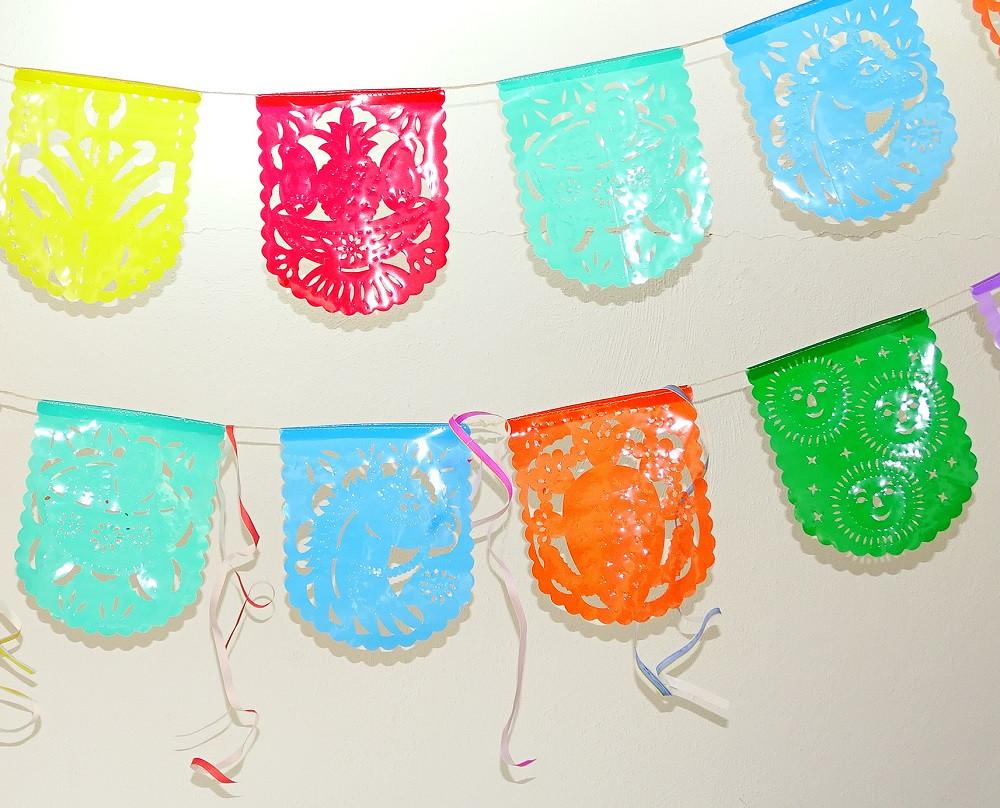
Fiesta celebrations are vibrant and filled with life, and the decorations set the tone for the entire event. Creating a festive atmosphere can be achieved through thoughtful design elements that reflect the spirit of Mexican culture. From colorful banners to traditional symbols, these decoration ideas will elevate any fiesta and make it an unforgettable experience.
Incorporating vibrant colors, natural materials, and cultural symbols into your fiesta decorations can create a lively ambiance. Bright hues like pinks, oranges, yellows, and greens symbolize joy and celebration, while materials such as papel picado (perforated paper) and terracotta can add an authentic touch. Using these elements creatively can provide a stunning backdrop for guests and enhance the overall atmosphere of the celebration.
Colorful Banners and Garlands
Banners and garlands are essential for creating a festive environment. They can be used to decorate walls, tables, and entryways, instantly adding a splash of color.
- Papel Picado: This traditional Mexican decoration consists of intricate cut-out designs that can be strung across party areas. Use various colors to create layers of visual interest.
- Felt Banners: Crafting felt banners with festive messages or symbols can add a personal touch. Use bright colors and simple shapes for a cheerful effect.
- Streamers: Twisting and hanging colorful streamers from ceilings or archways can create a whimsical atmosphere that feels both fun and festive.
Centerpieces that Celebrate Culture
Centerpieces play a significant role in enhancing table settings at a fiesta. Thoughtful arrangements can bring together various elements of Mexican culture.
- Cacti and Succulents: Use small potted cacti or succulents as centerpieces. They are low-maintenance, add a natural touch, and symbolize resilience.
- Traditional Textiles: Incorporate vibrant table runners or placemats made from traditional Mexican fabrics, like serapes, to add warmth and color to each table.
- Colorful Vases: Fill vases with bright flowers like marigolds or sunflowers. These flowers not only add color but also have cultural significance, often used in celebrations.
DIY Decoration Projects for Personal Touch
Creating DIY decorations can add a personal flair to the fiesta and can be a fun activity for friends and family. Here are some engaging projects to consider:
- Photo Booth Backdrop: Design a vibrant backdrop using fabric in bright colors or a collection of papel picado. Provide fun props and frames for guests to take memorable photos.
- Hand-painted Flower Pots: Gather terracotta pots and paint them with bright colors or traditional patterns. These can be used to hold centerpieces or as party favors.
- Personalized Party Hats: Make festive sombreros or party hats using colorful paper and decorations. Guests can wear them during the fiesta for added fun and memorable photos.
“A well-decorated fiesta reflects the rich culture and spirit of celebration, making every moment memorable.”
The Role of Fiestas in Strengthening Community Bonds
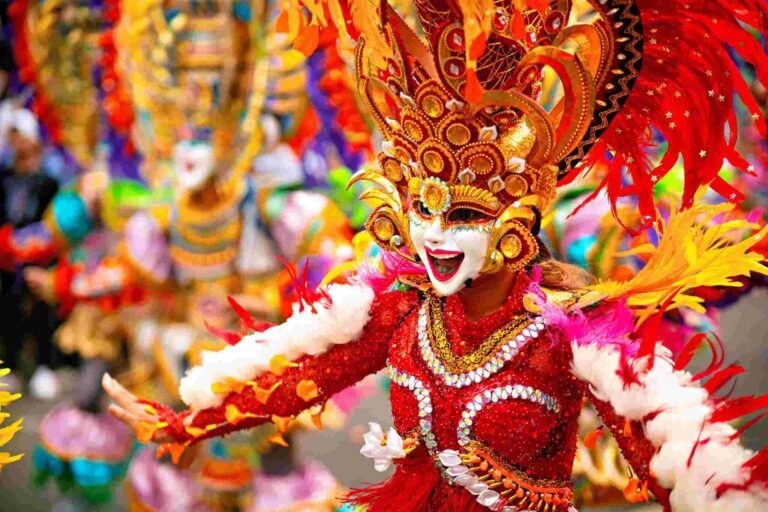
Fiestas have long been a cornerstone of cultural identity and community cohesion. These vibrant celebrations provide an invaluable platform for community engagement and social interaction. They offer residents a unique opportunity to connect with one another, fostering relationships and strengthening the communal fabric.
Fiesta events can serve as a unifying force, especially during challenging times. For instance, after natural disasters like hurricanes or earthquakes, communities often organize local fiestas to raise funds for victims and support recovery efforts. These events not only provide financial aid but also rekindle the spirit of solidarity among residents. An example of this can be seen in Puerto Rico after Hurricane Maria, where local festivals were quickly organized to bring people together, promote healing, and raise money for rebuilding efforts, showcasing the resilience of the community.
Psychological Benefits of Communal Celebrations
Participating in communal celebrations like fiestas yields significant psychological benefits for individuals and the community as a whole. These gatherings stimulate feelings of belonging and acceptance, which are crucial for mental well-being. Engaging in such activities promotes social bonds and reinforces community identity.
The following points highlight the psychological advantages of participating in fiestas:
- Strengthened Social Networks: Fiestas create opportunities for individuals to meet new people, fostering friendships and support networks that enhance emotional health.
- Increased Happiness: The joyful atmosphere of a fiesta can elevate mood and reduce stress, leading to an overall sense of happiness among participants.
- Shared Traditions: Celebrating shared cultural practices helps reinforce a sense of community identity, contributing to personal and collective pride.
- Collective Resilience: Coming together during fiestas can bolster community resilience, helping individuals cope with adversities and fostering collective strength.
“Fiestas serve as a reminder of the power of community, where joy transforms challenges into celebrations of hope.”
The psychological impact of fiestas extends beyond mere enjoyment; they play a pivotal role in fostering community bonds and enhancing the overall well-being of residents. Through these events, individuals experience a sense of belonging that contributes to a healthy, vibrant community.
Conclusive Thoughts
In conclusion, fiesta celebrations are much more than mere events; they are vital threads that weave communities together, fostering connections and promoting cultural pride. As we look at the modern influences shaping these traditions, it is clear that the spirit of fiesta remains strong. Whether through music, food, or shared experiences, these celebrations invite everyone to partake in the joy and unity they inspire, ensuring that the essence of fiesta continues to thrive.
General Inquiries
What is the origin of fiesta celebrations?
Fiesta celebrations originated from various cultural and religious festivities, often combining indigenous, colonial, and contemporary influences throughout history.
How can someone plan a successful fiesta?
Planning a successful fiesta involves careful budgeting, selecting the right venue, and engaging the community through effective promotion and participation.
What role does music play in fiestas?
Music is essential in creating the lively atmosphere of fiestas, with various genres and traditional performances that evoke community spirit and cultural pride.
Are there unique culinary dishes associated with fiestas?
Yes, each fiesta often features traditional dishes that reflect local ingredients and cultural heritage, enhancing the festive experience through food.
How do modern influences affect traditional fiestas?
Modern influences, such as globalization and technology, have introduced new themes and practices, challenging traditional organizers to balance authenticity with contemporary trends.