 Rogert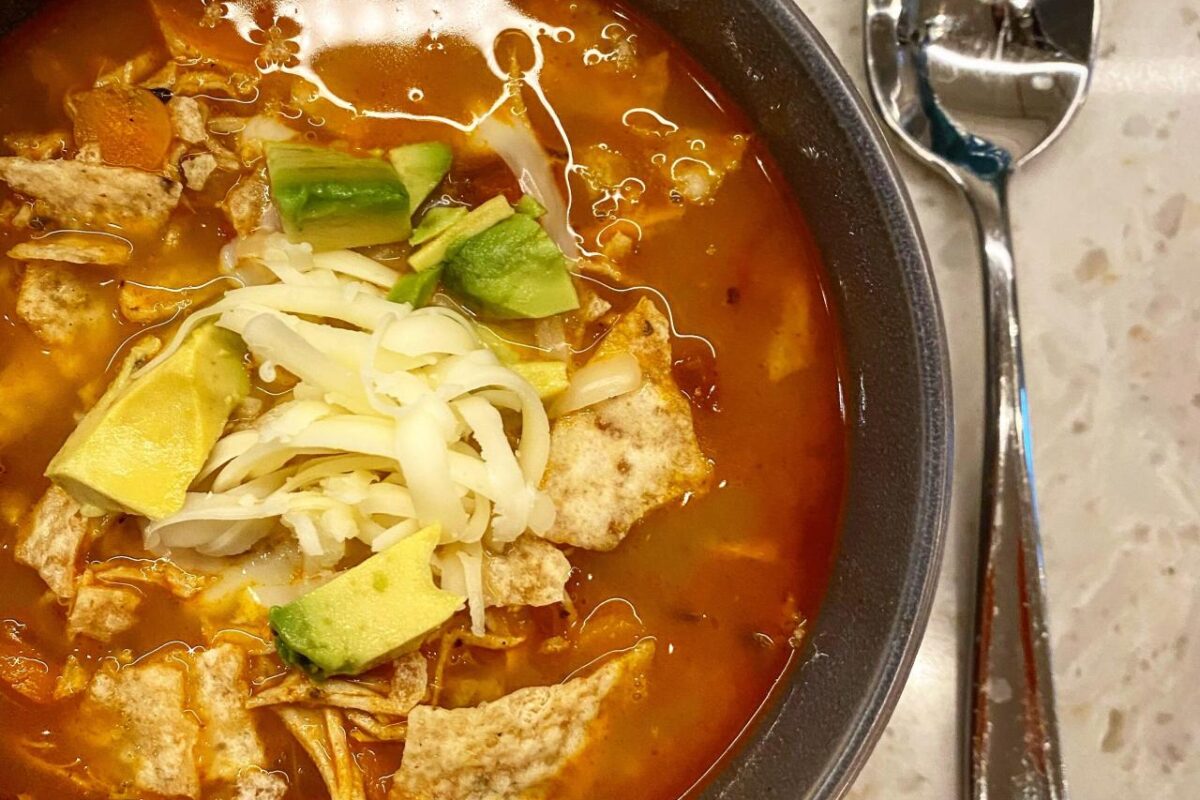
Tortilla soup is not just a dish; it’s a vibrant reflection of Mexican culture and culinary heritage that has evolved over centuries. With its roots deeply embedded in Mexico’s history, this delectable soup combines rich flavors, fragrant spices, and fresh ingredients that tell a story of tradition and community.
As we dive into the world of tortilla soup, we’ll explore its origins, key ingredients, and the techniques that transform simple components into a hearty meal. From its historical significance to contemporary variations, every bowl of tortilla soup is a fusion of flavors that brings people together, making it a beloved staple in kitchens around the globe.
The Origin and History of Tortilla Soup
Tortilla soup, known as “sopa de tortilla” in Spanish, is a traditional Mexican dish that deeply reflects the country’s rich culinary heritage. Its origins can be traced back to the pre-Columbian era, where indigenous cultures utilized native ingredients to create flavorful dishes. The soup is not only a staple in Mexican households but also resonates with cultural significance, often served during celebrations and gatherings.
The evolution of tortilla soup over time showcases the diverse regional influences across Mexico. Originally, the soup was simple, consisting mainly of a broth, tortillas, and basic seasonings. As it traveled through different states and cities, local adaptations began to emerge. In the central regions, ingredients such as chiles, tomatoes, and spices were incorporated, while coastal areas introduced seafood variants. This evolution highlights the adaptability of tortilla soup, making it a canvas for regional flavors and cooking techniques.
Culinary Ingredients and Local Practices
The ingredients used in tortilla soup not only define its flavor but also illustrate the agricultural bounty and culinary practices of various Mexican regions. Common ingredients include:
- Tomatoes: Essential for creating a rich base, tomatoes are often roasted to enhance their sweetness and depth.
- Chiles: Varieties like ancho and guajillo add heat and complexity, showcasing the diversity of local peppers.
- Onions and Garlic: These aromatics provide essential flavor foundations in most Mexican cuisine.
- Stock or Broth: Often made from chicken or vegetables, the broth serves as the soul of the soup, bringing the flavors together.
- Tortillas: Typically cut into strips and either fried or toasted, they add a delightful crunch and are a key characteristic of the dish.
- Avocado and Cheese: These toppings not only enhance the texture but also contribute creaminess and richness, commonly added just before serving.
The use of these ingredients reflects local culinary practices, where seasonal and regional produce is prioritized. For instance, in Oaxaca, you might find mole-inspired variations, while in Yucatán, the use of citrus and spices from the Caribbean influences the soup’s flavor profile.
“The ingredients of tortilla soup are a testament to the agricultural diversity of Mexico, marrying flavors and traditions in every bowl.”
Key Ingredients that Define Tortilla Soup
Tortilla soup is a vibrant dish that encapsulates the warmth and richness of Mexican cuisine. At its core, tortilla soup is a comforting blend of flavors and textures, making it a beloved choice for many. Understanding the key ingredients not only highlights the authenticity of the dish but also showcases how each component contributes to its delightful flavor profile.
The primary ingredients in a classic tortilla soup are chicken broth, tomatoes, corn, black beans, and tortilla strips, each playing a significant role in the overall taste. Chicken broth serves as the foundation, infusing the soup with a savory depth that forms the base of the dish. Tomatoes add acidity and sweetness, balancing the flavors while providing a vibrant color. The corn brings a natural sweetness and texture, while black beans contribute protein and earthiness. Finally, tortilla strips provide a crispy contrast, enhancing the overall eating experience with their crunch.
Main Ingredients and Their Contributions
Each ingredient in tortilla soup serves a specific purpose, contributing to the complex layers of flavor that define this dish. Here’s a closer look at these essential components:
- Chicken Broth: The backbone of the soup, chicken broth imparts a rich, savory flavor that underpins all other ingredients. It can be homemade or store-bought, with homemade broth often adding a superior depth of flavor.
- Tomatoes: Whether using fresh tomatoes or canned, they introduce acidity and sweetness, balancing the richness of the broth. Roasted tomatoes can enhance the flavor profile even further, adding a smoky nuance.
- Corn: Fresh or frozen corn kernels add pops of sweetness and a slight crunch, which contrast beautifully with the smoothness of the broth.
- Black Beans: Packed with protein and fiber, black beans add heartiness to the soup. Their earthy flavor complements the other ingredients, making the soup more filling.
- Tortilla Strips: Fried or baked, these strips create a delightful crunch, enhancing the texture of the soup while also serving as a garnish that adds visual appeal.
Regional variations often introduce unique ingredients, reflecting local tastes and traditions. For instance, in some regions, avocados or lime are added for a creamy texture and zesty brightness. Others might incorporate a variety of peppers, such as poblano or jalapeño, to introduce heat. Personal adaptations can vary as well, with some opting for vegetarian versions by substituting vegetable broth or omitting animal products altogether.
“The beauty of tortilla soup lies not just in its ingredients, but in the way each element harmonizes to create a comforting bowl of flavor.”
Understanding these ingredients and their roles helps in appreciating the depth of flavors in tortilla soup, whether enjoying a traditional recipe or a creative adaptation.
Techniques for Preparing Tortilla Soup from Scratch
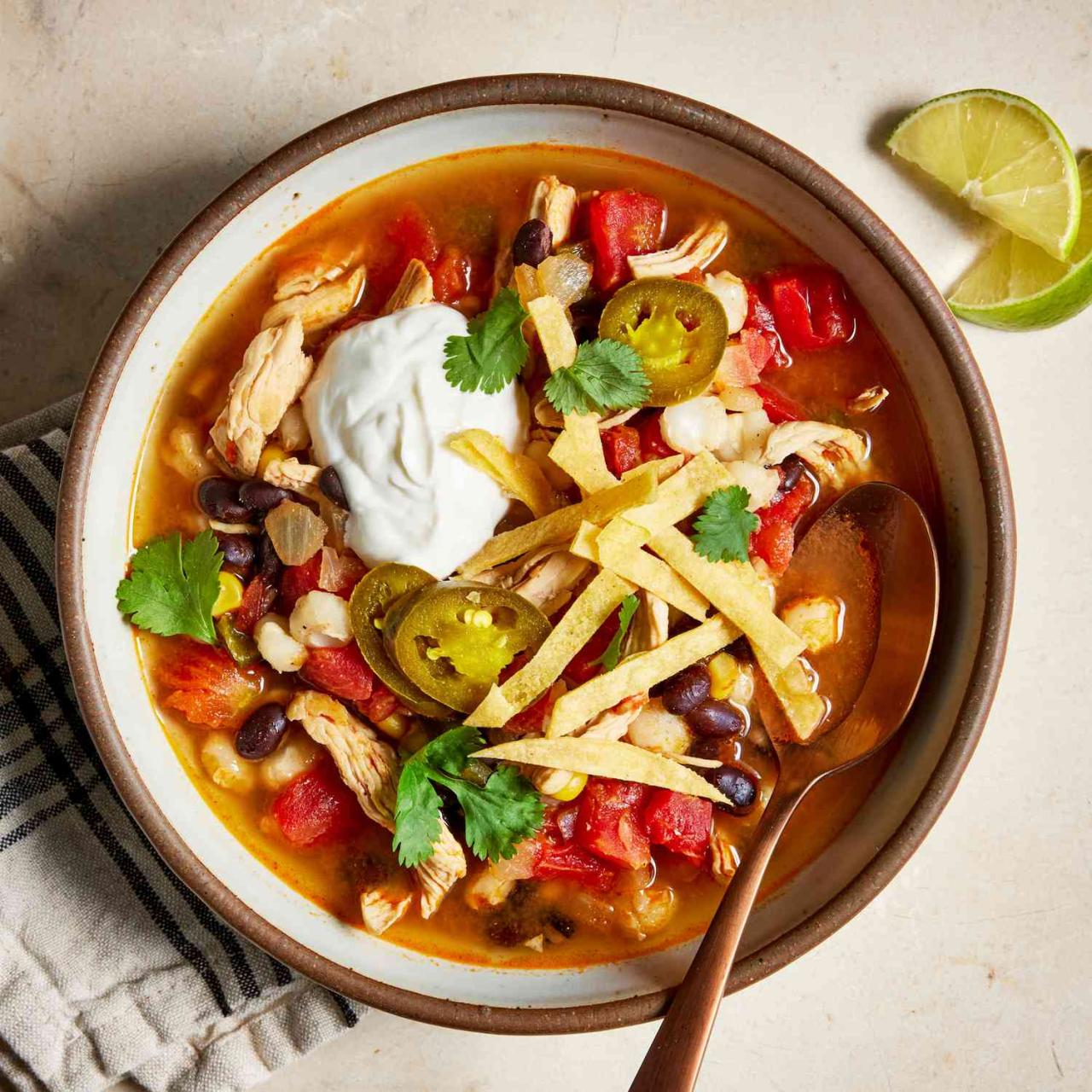
Tortilla soup is a vibrant dish that showcases the rich flavors of Mexican cuisine. Making this soup from scratch not only allows you to control the ingredients but also ensures a fresh and satisfying meal. A well-prepared tortilla soup is hearty, flavorful, and topped with crispy tortillas and other delightful garnishes, creating a perfect balance of textures.
The preparation of tortilla soup involves several steps, from simmering a flavorful broth to assembling the final dish with garnishes. This process emphasizes the importance of each ingredient and technique used, contributing to an end product that is more than just a soup—it’s a warm, comforting experience.
Step-by-Step Process for Making Tortilla Soup
To create an authentic tortilla soup, follow these steps:
1. Prepare the Broth:
Start by making a rich broth using chicken or vegetable stock. For added depth, roast tomatoes, onions, and garlic until caramelized before adding them to the pot. A blend of spices such as cumin, chili powder, and bay leaves will elevate the flavor profile.
2. Add Vegetables:
Incorporate diced bell peppers, zucchini, and corn into the broth. These vegetables bring sweetness and texture to the soup. Simmer until the vegetables are tender.
3. Introduce Proteins:
If desired, add shredded cooked chicken or beans for protein. This step makes the soup heartier and more filling.
4. Blend for Smoothness:
For a smoother texture, use an immersion blender to puree some of the soup, leaving chunks for a pleasing texture.
5. Finish with Fresh Ingredients:
Just before serving, stir in fresh lime juice and chopped cilantro. This brightens the flavor and adds a fresh note to the dish.
6. Prepare Tortilla Strips:
Fry or bake corn tortillas until crisp, then cut them into strips. These will serve as a crunchy topping for the soup.
7. Garnish:
Serve the soup hot, garnishing with the crispy tortilla strips, avocado slices, cheese, and a dollop of sour cream for richness.
Tips for Achieving Perfect Texture and Flavor Balance
Creating the ideal tortilla soup involves paying attention to both texture and flavor. Here are some tips to enhance your cooking experience:
– Layer Flavors: Start by sautéing aromatics like onion and garlic before adding liquids. This builds a solid flavor base.
– Adjust Consistency: If the soup is too thick, add more broth or water. For a thicker soup, let it simmer longer to reduce.
– Balance Heat: Taste as you go to ensure the spice level is to your liking. Use fresh lime juice to counterbalance heat and enhance flavor.
– Mind Your Garnishes: Fresh, high-quality toppings like avocado, cheese, and cilantro can elevate the overall flavor and presentation of the soup.
Common Mistakes to Avoid When Preparing Tortilla Soup
To ensure a successful cooking experience, be aware of these common pitfalls:
– Using Low-Quality Ingredients: Fresh produce, good stock, and authentic spices are key. Avoid pre-packaged or canned items when possible for the best flavor.
– Overcooking Vegetables: Vegetables should be tender but not mushy. Add them at the right time to maintain their texture.
– Neglecting Seasoning: Always taste and adjust seasoning throughout the cooking process to avoid a bland soup.
– Skipping Garnishes: Garnishes are not just decorative; they add essential flavors and textures. Don’t skip them!
– Allowing the Soup to Sit Too Long: While flavors meld over time, allowing the soup to sit too long can lead to overcooked ingredients. Serve it fresh for the best results.
By following these techniques and tips, you can create a delicious and satisfying tortilla soup that is sure to impress anyone who enjoys a comforting bowl of goodness.
Popular Variations of Tortilla Soup Around the World
Tortilla soup, a beloved dish originating from Mexico, has inspired various adaptations globally, reflecting local ingredients, culinary traditions, and cultural influences. Each region brings its unique flair to this versatile dish, showcasing how food can be a canvas for creativity and local culture.
Regional Adaptations of Tortilla Soup
Different regions have developed their own takes on tortilla soup, often incorporating local ingredients that significantly alter the flavor and presentation. Some notable variations include:
- American Southwest: In the United States, particularly the Southwest, tortilla soup often features robust flavors with the addition of chipotle peppers, corn, and black beans. This version is sometimes topped with shredded cheese, avocado, and a dollop of sour cream, giving it a creamy texture that differs from the traditional Mexican preparation.
- Guatemalan Variation: Guatemalan tortilla soup, known as “sopa de tortilla,” may include a richer broth flavored with roasted tomatoes, tomatillos, and various spices. Local ingredients like cilantro and lime are often added to enhance the freshness, and it is commonly served with fried tortilla strips on top.
- Spanish Influence: In Spain, a variation called “sopa de ajo” resembles tortilla soup but incorporates garlic and paprika as primary flavors. Some versions also include seafood, showcasing the Mediterranean influence on this comforting dish. The presentation often includes a drizzle of olive oil, which adds depth to the flavors.
- South American Twist: In countries like Peru, tortilla soup might be adapted using local vegetables such as potatoes and quinoa. This unique blend not only provides a nutritional boost but also reflects the Andean culinary heritage, emphasizing the use of indigenous ingredients.
The variations of tortilla soup not only enhance the dish’s flavor profile but also illustrate how cultural preferences shape culinary practices. Each adaptation serves as a testament to the way food connects communities and showcases their unique identities. The diversity found in tortilla soup across the globe highlights the rich tapestry of flavors and traditions that unite people through the love of food.
“Food is a universal language that transcends borders, bringing people together through shared flavors and experiences.”
Nutritional Benefits of Ingredients in Tortilla Soup
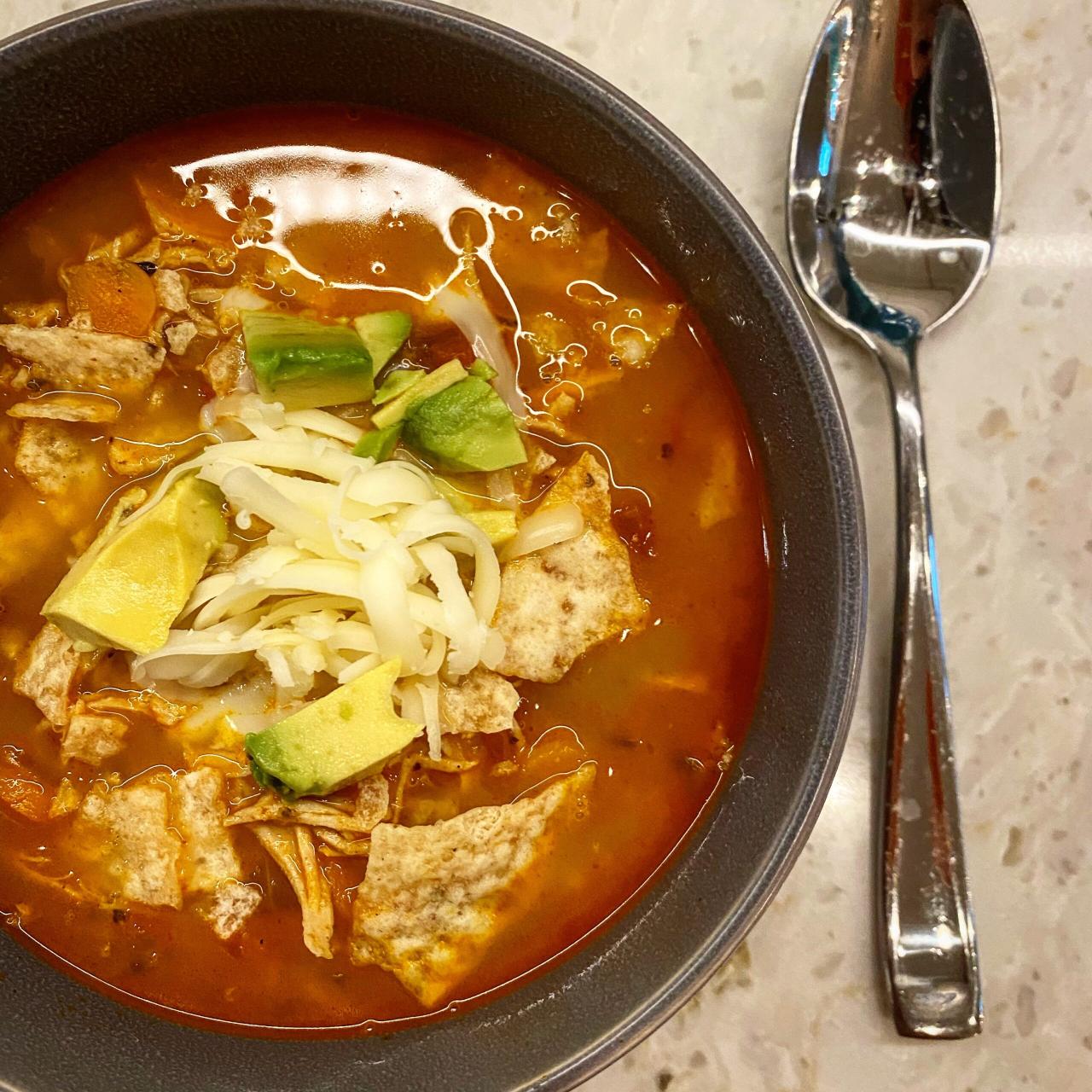
Tortilla soup is not just a comforting dish; it also offers a variety of nutritional benefits that stem from its wholesome ingredients. Each component, from the broth to the toppings, plays a role in enhancing the dish’s overall health profile. Understanding these benefits can help you appreciate why tortilla soup is a fantastic option for various dietary needs.
The key ingredients in tortilla soup typically include tomatoes, corn, beans, chicken (or other protein sources), spices, and tortillas. Each of these items contributes essential nutrients and health benefits, making the soup not only flavorful but also nutritious.
Health Benefits of Main Ingredients
The combination of ingredients in tortilla soup provides a wealth of vitamins, minerals, and antioxidants. Here are some notable benefits:
- Tomatoes: Rich in lycopene, providing antioxidant properties that can help reduce the risk of chronic diseases, particularly heart disease.
- Corn: A good source of fiber and vitamin B, supporting digestive health and energy metabolism.
- Beans: High in protein and fiber, they promote satiety and aid in stabilizing blood sugar levels.
- Chicken: A lean protein option that is essential for muscle repair and growth, providing essential amino acids.
- Spices: Ingredients like cumin and chili powder can boost metabolism and have anti-inflammatory properties.
Including a variety of these ingredients not only enhances the flavor but also creates a balanced meal that supports overall health.
Tailoring Tortilla Soup to Dietary Needs
Tortilla soup can be easily customized to accommodate different dietary preferences and restrictions. Here are a few modifications:
- Vegetarian Option: Replace chicken with additional beans or quinoa to maintain protein levels while keeping the soup meat-free. Vegetable broth can be used for a rich base.
- Gluten-Free Option: Ensure that tortillas used are gluten-free. Additionally, using corn tortillas is an excellent choice since they are naturally gluten-free.
- Low-Sodium Option: Opt for low-sodium broth and limit added salt to make the soup heart healthier.
These adjustments allow anyone to enjoy tortilla soup while adhering to their specific dietary needs.
Importance of Balance in Nutrition
Enjoying a bowl of tortilla soup can contribute to a balanced diet when consumed with consideration for portion sizes and nutritional content. This soup can serve as a meal in itself, offering a combination of macronutrients.
“Balance is essential; a bowl of tortilla soup can provide proteins, healthy fats, and carbohydrates with the right ingredients.”
Incorporating toppings like avocado or cheese can add healthy fats and calcium, while fresh cilantro provides additional fiber and vitamins. It’s essential to enjoy tortilla soup as part of a varied diet that includes a range of other foods to meet all nutritional requirements, ensuring that each bowl contributes positively to overall health and wellness.
Creative Garnishes and Accompaniments for Tortilla Soup
Tortilla soup is a flavorful dish that can be elevated with creative garnishes and side dishes. These enhancements not only improve the presentation but also add layers of flavor and texture that can enrich the overall dining experience. Exploring various garnishing options and accompanying side dishes can transform a simple bowl of soup into a gourmet dining experience.
Garnishing Options for Tortilla Soup
Thoughtful garnishes can enhance both the appearance and taste of tortilla soup. By incorporating a variety of textures and flavors, you can create a visually appealing and satisfying meal. Here’s a list of creative garnishes to consider:
- Fried Tortilla Strips: Crispy strips add crunch and a traditional touch, making them a classic garnish.
- Avocado Slices: Creamy avocado complements the soup’s flavors while providing a rich texture.
- Cilantro: Fresh cilantro brings a burst of color and a hint of freshness that brightens the dish.
- Crumbled Queso Fresco: This mild cheese adds creaminess and enhances the flavor profile.
- Sour Cream or Greek Yogurt: A dollop of sour cream provides a tangy contrast to the spicy broth.
- Chopped Green Onions: The mild onion flavor adds depth and a pop of color.
- Lime Wedges: A squeeze of lime juice adds acidity and freshness, balancing the spices.
These garnishes not only enhance the visual appeal of the soup but also enrich its flavor, creating a more complex and enjoyable experience for the diner.
Side Dishes That Pair Well with Tortilla Soup
When serving tortilla soup, pairing it with complementary side dishes can elevate the meal further. These accompaniments can enhance the overall dining experience and provide additional flavors and textures. Here are some excellent choices:
- Mexican Rice: Fluffy rice seasoned with spices perfectly complements the soup’s broth.
- Black Beans: Served on the side, they provide a hearty element that pairs well with the soup.
- Elote (Mexican Street Corn): Grilled corn topped with cheese and spices adds a sweet and savory component.
- Quesadillas: Cheese-filled tortillas can be dipped into the soup for an extra cheesy flavor.
- Chips and Salsa: A crunchy snack with a fresh salsa provides a delightful contrast to the smooth soup.
These side dishes not only complement the flavors of the tortilla soup but also provide a variety of textures, ensuring a well-rounded meal.
Creative garnishes and thoughtful accompaniments can transform a simple dish into a memorable culinary experience.
Cultural Significance of Tortilla Soup in Celebrations
Tortilla soup is more than just a delicious dish; it embodies the rich tapestry of Mexican culture and traditions. Its presence is felt during various celebrations and gatherings, often becoming a centerpiece that brings families and communities together. The flavors and ingredients resonate with history and heritage, making it a beloved staple in Mexican cuisine.
Tortilla soup symbolizes unity and togetherness, reflecting the importance of family and communal dining in Mexican culture. Traditionally, this dish is prepared during special occasions, where the act of cooking and sharing the soup becomes a ritual that strengthens bonds among family members and friends. The soup serves as a reminder of the warmth and hospitality that are hallmarks of Mexican gatherings.
Occasions Celebrating Tortilla Soup
Various occasions prominently feature tortilla soup, showcasing its cultural importance. Here are some notable examples where this dish plays a significant role:
- Festivals and Holidays: During festivities such as Día de los Muertos (Day of the Dead) and Navidad (Christmas), tortilla soup is often served as part of the feast. It symbolizes comfort and connection to loved ones, especially those who have passed, creating a sense of continuity between generations.
- Family Gatherings: Birthdays, anniversaries, and reunions often include tortilla soup as a beloved dish that everyone can enjoy. Its preparation typically involves multiple family members, reinforcing the values of collaboration and togetherness.
- Community Celebrations: Events such as fiestas and local fairs frequently feature tortilla soup. Vendors might prepare large batches to serve, highlighting the dish’s role in fostering community spirit and shared experiences among participants.
The act of sharing tortilla soup goes beyond mere nourishment; it represents a cultural expression that ties individuals to their roots. This communal dish fosters conversations, laughter, and storytelling, ensuring that traditions are passed down through generations. As families gather around a pot of tortilla soup, they not only savor its flavors but also celebrate their heritage and the bonds that tie them together.
“The warmth of tortilla soup on the table brings not just nourishment, but a sense of belonging and love.”
Tips for Storing and Reheating Leftover Tortilla Soup
Storing and reheating tortilla soup properly is essential to maintain its delightful flavors and textures. Whether you have leftovers from a cozy dinner or a batch made for meal prep, using the right methods for storage and reheating can enhance your experience each time you enjoy your soup.
To ensure that your tortilla soup retains its taste and freshness, it is important to follow some best practices for storage. The method of reheating can also significantly influence the flavors and texture of the soup, making it crucial to choose the right approach for optimal results.
Storage Techniques for Freshness
Proper storage techniques play a vital role in preserving the quality of tortilla soup. Here are some effective methods:
- Cool Before Storing: Allow the soup to cool to room temperature before transferring it to a storage container. This helps prevent condensation, which can lead to spoilage.
- Use Airtight Containers: Store the soup in airtight containers to minimize exposure to air. This helps to keep the flavors intact and prevents the soup from absorbing odors from the fridge.
- Use Glass Containers: Glass containers are preferable as they do not retain odors and can be safely used for reheating in the microwave.
- Label and Date: Label your containers with the date they were stored. This practice ensures you consume the soup within a safe timeframe, ideally within 3-4 days.
Reheating Methods Impacting Taste and Texture
How you choose to reheat tortilla soup can have a significant impact on its overall taste and texture. Here are some effective reheating methods:
- Stovetop Reheating: Reheating on the stovetop allows for even heating. Simply pour the soup into a pot and warm it over medium heat, stirring occasionally until it’s heated through to retain its consistency.
- Microwave Reheating: If you’re short on time, the microwave is convenient. Use a microwave-safe container, cover it loosely to allow steam to escape, and heat in short intervals, stirring in between to prevent uneven heating.
- Adding Fresh Ingredients: To revitalize the soup’s flavors, consider adding fresh toppings like avocado, cilantro, or a squeeze of lime juice right before serving. This enhances freshness and can elevate the overall taste.
Creative Uses for Leftover Tortilla Soup
Leftover tortilla soup can be repurposed in many creative ways that go beyond just reheating it. Here are some ideas for using your leftover soup in different dishes:
- Tortilla Soup Enchiladas: Use the soup as a sauce for enchiladas. Fill corn tortillas with cheese and chicken, roll them up, and pour the soup over the top before baking.
- Tortilla Soup Casserole: Layer tortilla chips, cheese, and your soup in a baking dish for a delicious casserole. Bake until everything is hot and the cheese is bubbly.
- Stuffed Peppers: Mix the leftover soup with cooked rice and use it as a filling for bell peppers. Bake until the peppers are tender for a hearty meal.
- Tortilla Soup Risotto: Substitute the broth in risotto with tortilla soup for a unique twist on a classic dish. It adds a layer of flavor that enhances the creamy texture.
Final Wrap-Up
In conclusion, tortilla soup is more than just a comforting meal; it symbolizes cultural connection and culinary artistry. Whether enjoyed during festive gatherings or as a cozy dinner at home, this soup continues to evolve while honoring its rich history. So, the next time you savor a bowl of tortilla soup, take a moment to appreciate the journey it represents and the joy it brings to every table.
Questions and Answers
What is the base of tortilla soup?
The base is typically a flavorful broth made from tomatoes, chilies, and spices, providing a rich foundation for the soup.
Can I make tortilla soup vegetarian?
Absolutely! You can use vegetable broth and replace any meat with beans or additional vegetables for a delicious vegetarian version.
How can I store leftover tortilla soup?
Store it in an airtight container in the refrigerator for up to 3-4 days, or freeze it for longer preservation.
What are some common garnishes for tortilla soup?
Popular garnishes include avocado, fresh cilantro, lime wedges, and crispy tortilla strips, enhancing both flavor and presentation.
Can tortilla soup be served cold?
While it’s traditionally served hot, some enjoy it chilled, particularly in warmer climates, for a refreshing twist.