 Rogert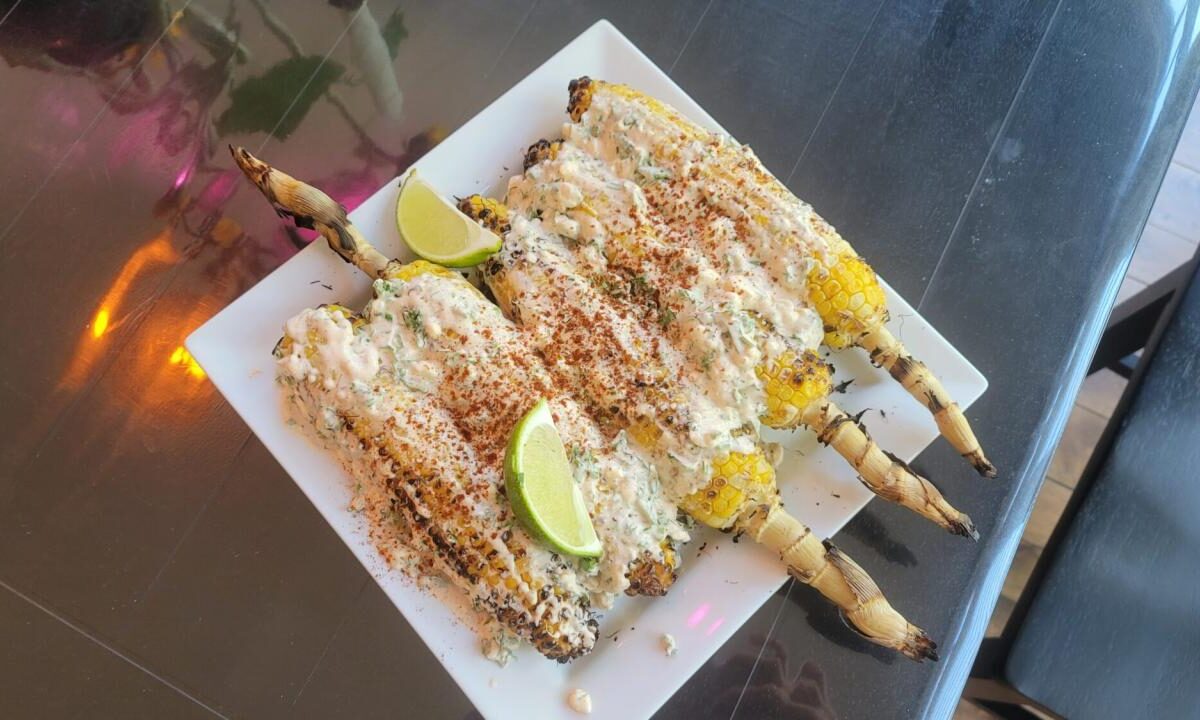
Mexican street corn, also known as elote, is more than just a delicious snack; it’s a vibrant symbol of Mexico’s rich culinary heritage. This beloved street food has deep historical roots that intertwine with the culture and traditions of the country, offering not just flavor but also a unique experience that connects people. With its colorful ingredients and diverse regional variations, Mexican street corn captivates both locals and visitors, making it a must-try for anyone exploring Mexican cuisine.
From bustling street corners to festive celebrations, elote stands out not only for its taste but for the stories it holds, reflecting the warmth and spirit of Mexican society. This article will take you on a journey through the origins, ingredients, and variations of Mexican street corn, as well as practical tips to recreate this dish at home, making it a delightful addition to your culinary repertoire.
The Origin and Cultural Significance of Mexican Street Corn
Mexican street corn, known as “elote,” has deep roots in the culinary traditions of Mexico, embodying a vibrant blend of flavors and cultural stories. This beloved snack has been enjoyed for centuries, reflecting the agricultural wealth of the region and the creativity of its people. The corn itself, a staple food in Mesoamerican culture, was revered by ancient civilizations and has remained a vital part of Mexican cuisine.
Street food holds a prominent place in Mexican society, serving not just as a source of nourishment but also as a communal experience that fosters social connections. Vendors set up their carts in bustling markets and city squares, where people gather, share stories, and create a sense of community. This practice highlights the importance of food as a cultural expression and a means of livelihood for many families. Traditional recipes are often passed down through generations, preserving the unique flavors and cooking techniques of different regions.
Regional Variations of Elote
The diversity of Mexico’s geography and climate has given rise to various regional interpretations of elote, each with its unique twist and local significance. These variations are more than just different toppings; they encapsulate local ingredients, traditions, and cultural identities.
One popular variation is elote preparado, typically found in urban areas like Mexico City, where grilled corn is slathered with a mixture of mayonnaise, cheese, chili powder, and lime juice. This version exemplifies the bold flavors characteristic of the capital’s street food scene. In contrast, the coastal regions, such as Veracruz, feature elote con queso fresco, where farmers often top corn with fresh cheese and a sprinkle of local spices, reflecting the region’s agricultural richness.
Another noteworthy variant is elote en vaso, commonly seen at fairs and markets, where the corn is cut off the cob and served in a cup with similar toppings. This style allows for easy sharing and highlights the communal aspect of dining in Mexican culture. Each region’s approach not only showcases local culinary preferences but also emphasizes the importance of street food as a vehicle for cultural representation and pride.
“Street food in Mexico is a tapestry of flavors, weaving together history, community, and culinary passion.”
The Ingredients that Make Mexican Street Corn Unique
Mexican street corn, or elote, is a beloved treat that captures the essence of Mexican culinary tradition. The combination of fresh corn, flavorful toppings, and a sprinkle of spices results in a dish that’s not only delicious but also rich in cultural significance. Understanding the unique ingredients that contribute to its distinct flavor profile is essential for recreating this street food favorite at home.
The primary ingredients that make Mexican street corn stand out include fresh corn on the cob, lime juice, mayonnaise, cotija cheese, chili powder, and fresh cilantro. Each ingredient plays a pivotal role in crafting the vibrant flavors and textures that define this dish. Fresh corn is the star, providing a sweet, crunchy base that is complemented by the creamy mayonnaise and tangy lime. Cotija cheese adds a salty richness, while chili powder offers a spicy kick. Fresh cilantro brings a burst of freshness that ties all the elements together. To achieve the best results, sourcing high-quality, fresh ingredients is crucial. Here’s a closer look at each ingredient and its contribution to the overall dish.
Key Ingredients and Their Roles
To fully appreciate Mexican street corn, it’s important to understand how each ingredient contributes to the dish’s flavor and texture. Below is a detailed breakdown:
- Fresh Corn: The foundation of elote, fresh corn provides natural sweetness and a satisfying crunch. For the best flavor, choose corn that is in season, typically from late spring to early fall.
- Lime Juice: Adds a zesty brightness that balances the richness of the mayonnaise and cheese. The acidity of lime enhances the overall flavor, making each bite refreshing.
- Mayonnaise: Creates a creamy texture that coats the corn. Used traditionally, it serves as a base for the toppings and helps them adhere to the corn.
- Cotija Cheese: A crumbly, salty cheese that enhances the umami flavor of the dish. It adds both richness and a contrasting texture, making each bite more complex.
- Chili Powder: Provides heat and depth of flavor. The spice level can vary, so you can adjust the amount to suit your taste preferences.
- Fresh Cilantro: Adds a herbaceous note that brightens the dish, offering a contrast to the creamy and cheesy elements.
Sourcing fresh ingredients is key to achieving the authentic taste of Mexican street corn. Visit local farmers’ markets or grocery stores that prioritize fresh produce. Look for corn that is still in the husk and feels firm to the touch, signaling freshness. When selecting lime, choose ones that feel heavy for their size and are slightly soft, indicating juiciness. For cotija cheese, check for freshness, ideally purchasing it from a reputable source or local cheese shop to ensure quality. By using fresh ingredients, you will elevate the flavors of your homemade elote and bring a taste of the streets of Mexico to your own kitchen.
Step-by-Step Guide to Preparing Mexican Street Corn at Home
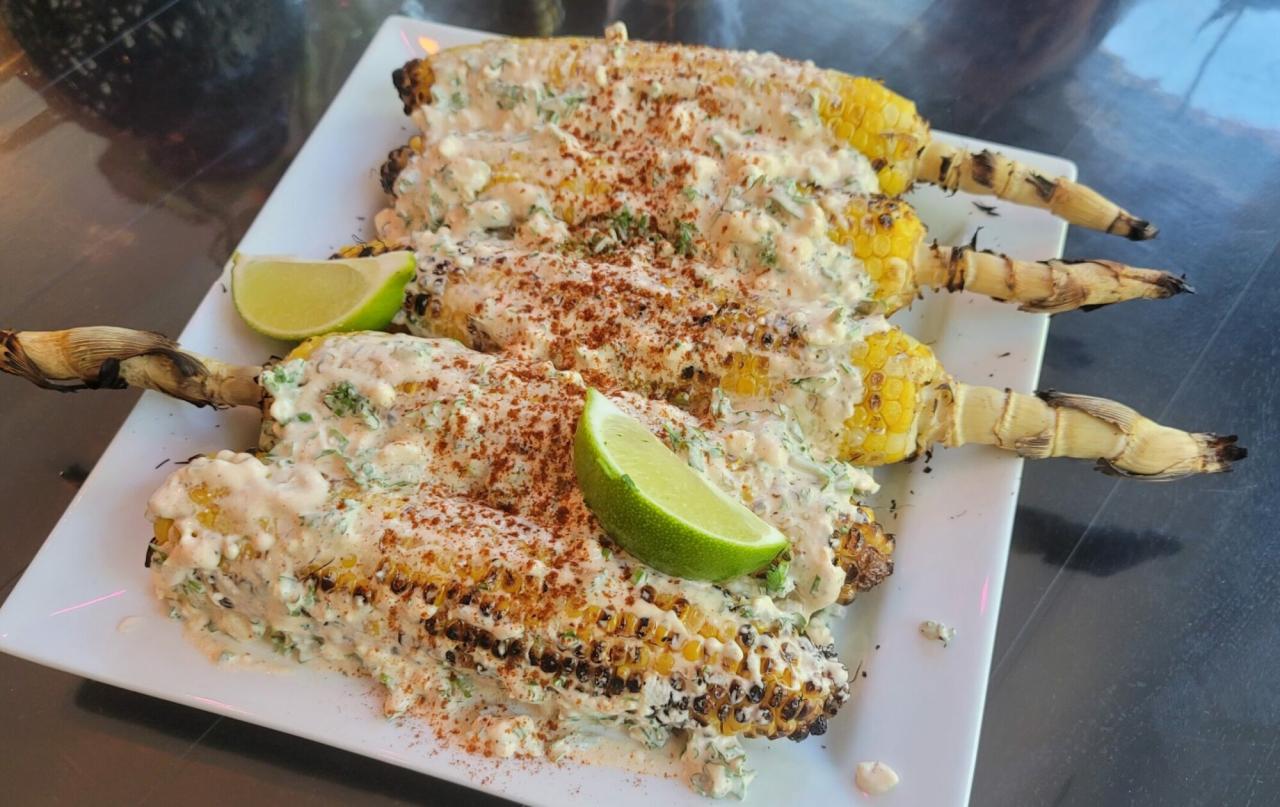
Mexican street corn, or elote, is a delicious and vibrant dish that brings the flavors of the streets of Mexico right to your kitchen. This popular snack features grilled corn on the cob slathered with creamy toppings, spices, and cheese, making it a delightful treat for any occasion. Preparing this dish at home is simpler than it may seem, and with the right ingredients and tools, you can create a mouth-watering version of this beloved street food.
To make Mexican street corn at home, you’ll need to gather the necessary tools and ingredients. The process involves grilling the corn to achieve that signature smoky flavor and then dressing it up with a blend of savory toppings.
Ingredients and Equipment Required
Before getting started, ensure you have the following ingredients and tools at hand. Having everything ready will make the cooking process smoother and more enjoyable.
- 4 ears of fresh corn, husked
- 1/2 cup mayonnaise
- 1/2 cup sour cream or Greek yogurt
- 1 cup crumbled cotija cheese
- 1 teaspoon chili powder
- 1 lime, cut into wedges
- Salt to taste
- Fresh cilantro, chopped (optional, for garnish)
- Grill (outdoor or stovetop grill pan)
- Cooking brush for spreading the mixture
- Mixing bowl
- Tongs for handling the corn
- Knife for cutting lime wedges
- Serving platter
Preparation Steps for Mexican Street Corn
The preparation of Mexican street corn involves several straightforward steps. Follow this guide to ensure your corn is perfectly grilled and topped for maximum flavor.
- Preheat your grill to medium-high heat. If you’re using a stovetop grill pan, heat it over medium-high as well.
- While the grill is heating, mix the mayonnaise and sour cream (or Greek yogurt) in a bowl until well combined. This will serve as the base for your topping.
- Husk the corn, removing all the silk strands. Rinse the corn under water to clean it, and pat it dry with a towel.
- Once the grill is ready, place the corn directly on the grill grates. Cook the corn for about 10-15 minutes, turning occasionally, until it is slightly charred and tender.
- While the corn is grilling, prepare your toppings. In a small bowl, combine the crumbled cotija cheese, chili powder, and salt. Adjust seasoning according to taste.
- After grilling, remove the corn using tongs and let it cool for a couple of minutes. Brush the mayonnaise and sour cream mixture generously over each ear of corn.
- Sprinkle the cheese and chili powder mixture over the coated corn, ensuring an even distribution. Add chopped cilantro if desired.
- Serve the corn immediately with lime wedges on the side for squeezing over the top, enhancing the flavor with a burst of acidity.
“The key to a great elote is the balance of flavors between the creamy toppings, the saltiness of the cheese, and the acidity from fresh lime.”
Variations of Mexican Street Corn and Their Flavor Profiles
Mexican street corn, known as elote, offers a delightful array of flavor variations that reflect the diverse culinary traditions across the country. Each region adds its own twist, combining local ingredients and traditional practices to create unique taste experiences. Understanding these variations can enhance appreciation for the dish and its cultural significance.
One of the most fascinating aspects of elote is its regional adaptations, which showcase how the core concept of grilled corn is transformed by local palates and available ingredients. From the addition of different spices to innovative toppings, these variations can lead to significantly different flavor profiles.
Regional Variations of Elote
Across Mexico, elote can be found in various forms, each with distinctive characteristics influenced by local culture and ingredients. Here are some notable variations:
- Elote de la Ciudad de México: Typically served on a stick, this version is slathered with mayonnaise, crumbled cheese (like Cotija), chili powder, lime juice, and sometimes a sprinkle of garlic. The flavor profile is creamy, tangy, and spicy, making it a favorite in urban settings.
- Elote de Guerrero: Known for its simplicity, this version features grilled corn brushed with butter and sprinkled with salt. The focus here is on the natural sweetness of the corn, highlighting a more straightforward, yet satisfying flavor.
- Elote de Oaxaca: This variation often includes a rich blend of local cheeses and a touch of smoky chili, enhancing the savory quality of the corn. The use of queso Oaxaca adds a stringy texture and a deeper flavor complexity.
- Mexican Street Corn Salad: A modern twist on elote, this salad mixes grilled corn with similar toppings but served in a bowl. The flavor profile is refreshing and vibrant, perfect for summer gatherings.
The impact of ingredient substitutions on taste and authenticity can vary greatly. For instance, while traditional recipes call for Cotija cheese, some modern variations use feta or even vegan cheese alternatives, which can alter the original flavor profiles. Substituting mayonnaise with yogurt or sour cream can also change the creaminess level and tanginess, affecting the overall experience. However, these adaptations often aim to cater to dietary preferences while still trying to maintain the essence of the beloved elote.
“The beauty of Mexican street corn lies not only in its taste but also in its ability to adapt and evolve with time and place.”
Through these variations and transformations, Mexican street corn continues to be a beloved staple, celebrating the rich culinary heritage of Mexico while also embracing modernity and innovation.
Health Benefits and Nutritional Information of Mexican Street Corn
Mexican street corn, or elote, is not only a beloved snack but also packs a significant nutritional punch. Made primarily from corn, which is rich in vitamins and minerals, this dish can offer various health benefits while still being a delicious treat. Understanding its nutritional content can help you appreciate how elote fits into a balanced diet.
Corn is a whole grain that provides essential nutrients such as fiber, vitamins B and C, and minerals like magnesium and potassium. A typical serving of Mexican street corn contains approximately 190 calories, along with 5 grams of protein and about 3 grams of dietary fiber. The fiber content aids in digestion, while the vitamins and minerals support overall health, including immune function and energy metabolism.
Nutritional Components and Health Benefits
The nutritional composition of Mexican street corn includes several components that contribute to its health benefits. Here are some key aspects to consider:
- High in Fiber: Fiber promotes healthy digestion and can help maintain a feeling of fullness, which aids in weight management.
- Rich in Antioxidants: Corn contains antioxidants like lutein and zeaxanthin, which support eye health and may reduce the risk of chronic diseases.
- Source of Essential Vitamins: B vitamins in corn enhance energy production, while vitamin C acts as an antioxidant and supports skin health.
- Low in Fat: When prepared traditionally with minimal added fats, Mexican street corn can be a low-fat option compared to many other snacks.
- Gluten-Free: Corn is naturally gluten-free, making it a suitable snack for those with gluten intolerance or celiac disease.
To incorporate Mexican street corn into a balanced diet, consider pairing it with lean proteins and fresh vegetables. This combination can boost nutrient intake while keeping overall caloric consumption in check.
Healthier Versions of Mexican Street Corn
While traditional Mexican street corn is flavorful, it can be made healthier without sacrificing taste. Here are some tips for creating a lighter version:
- Use Greek Yogurt: Substitute mayonnaise with Greek yogurt to lower calories and increase protein content.
- Limit Cheese: Use a smaller amount of cheese or opt for a low-fat cheese alternative to reduce saturated fats.
- Fresh Herbs and Spices: Enhance flavor with fresh herbs like cilantro or spices like chili powder instead of relying on high-calorie toppings.
- Grill Instead of Boil: Grilling corn adds a smoky flavor without the need for added fats, making it a healthier cooking option.
- Portion Control: Serve smaller portions to enjoy the dish without overindulging.
By making these adjustments, you can enjoy the rich flavors of Mexican street corn while keeping it nutritious and fitting within a healthy lifestyle.
Pairing Mexican Street Corn with Drinks and Dishes
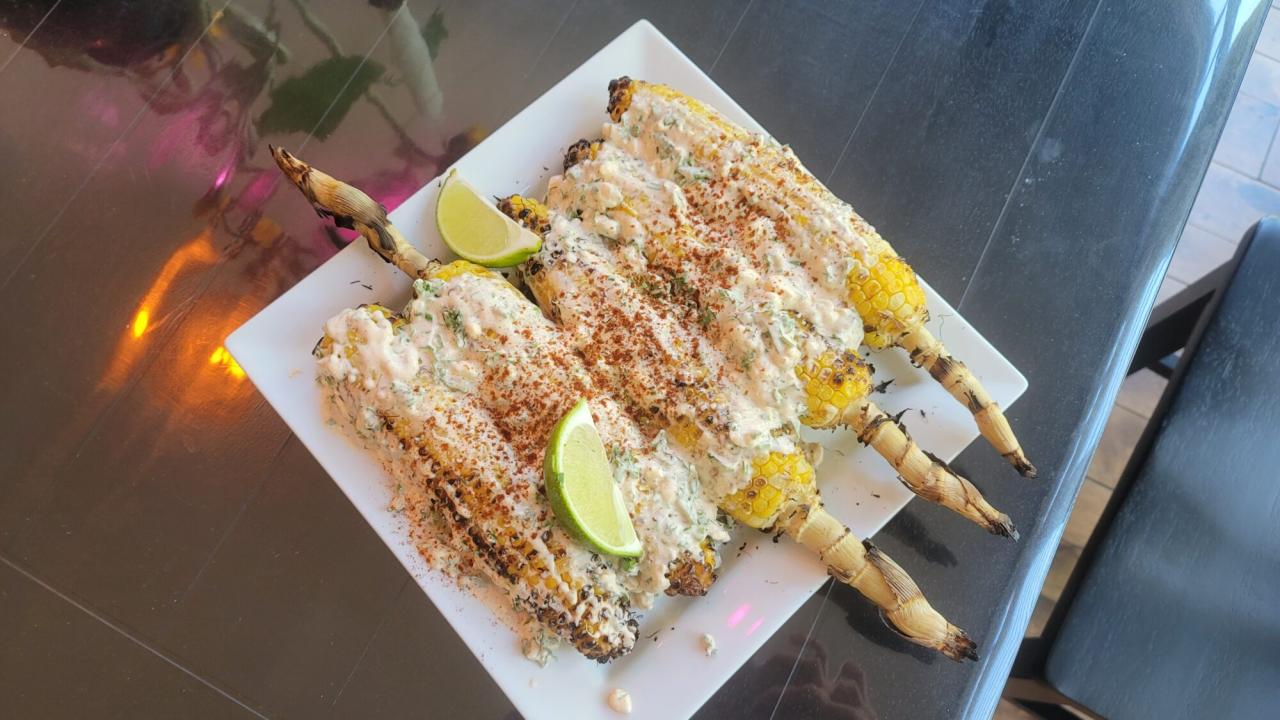
Mexican street corn, or elote, is a beloved snack that bursts with flavors of lime, chili, cheese, and creamy goodness. To enhance the enjoyment of this culinary delight, it’s important to consider what to drink and eat alongside it. The right pairings can elevate the taste experience, making it even more memorable.
A well-rounded meal often includes complementary dishes and beverages that create a harmonious flavor profile. In Mexico, food pairing is a cultural practice where particular drinks and dishes are associated with specific foods, reflecting the rich culinary traditions of the region. The goal is to enhance the overall dining experience by balancing flavors and textures.
Complementary Dishes and Beverages
Pairing drinks and dishes with Mexican street corn can elevate the experience and highlight its vibrant flavors. Here are some suggestions:
- Grilled Meats: Dishes like carne asada or grilled chicken provide a savory balance to the sweet and spicy corn. The charred flavors of the meat complement the smokiness of the grilled corn.
- Fresh Salads: A crisp salad with lime dressing can provide a refreshing contrast. Consider a simple cucumber or jicama salad sprinkled with chili powder and lime for a light side.
- Chips and Salsa: The crunchy texture of tortilla chips with a zesty salsa verde or pico de gallo creates a delightful contrast to the creamy elote.
- Seafood Dishes: Grilled fish tacos or shrimp ceviche can also work beautifully. The acidity from the seafood enhances the flavors of the corn.
When it comes to beverages, there are excellent choices that pair well with Mexican street corn:
- Agua Fresca: Refreshing fruit drinks like agua de jamaica or horchata are perfect non-alcoholic options that offer a sweet and cooling contrast to the corn’s spiciness.
- Margaritas: A classic margarita, whether frozen or on the rocks, complements the flavors of elote perfectly. The lime and tequila enhance the corn’s seasoning, creating a festive pairing.
- Mexican Beer: Light lagers such as Corona or Pacifico are excellent choices. Their refreshing qualities help balance the richness of the corn.
- Tequila or Mezcal: These spirits provide a bold pairing, especially when served with a slice of orange and a sprinkle of salt. The smokiness of mezcal particularly enhances the grilled flavor of the corn.
“Pairing food with the right drinks is an art that enhances the overall dining experience, especially in Mexican culture where flavors and traditions intertwine.”
Popular Street Corn Vendors and Their Signature Recipes
Street corn, or “elote,” is a beloved snack throughout Mexico, with vendors serving up their own unique twists on this classic dish. Known for its delicious flavor and varied toppings, street corn has become a staple of Mexican street food culture. Many vendors have carved out a niche for themselves, creating signature recipes that draw in locals and tourists alike. This discussion explores some of the most renowned street corn vendors and what makes their offerings stand out.
Renowned Street Corn Vendors
Several street corn vendors have gained a reputation for their exceptional recipes and dedication to quality. Here are some of the most notable:
- Elote de la Calle: Located in Mexico City, this vendor is famous for its grilled corn cooked to perfection, topped with a unique blend of queso fresco, spicy mayo, and a sprinkle of chili powder. Their secret lies in using locally sourced corn and a family recipe for the mayo that has been passed down for generations.
- La Guera: Found in Guadalajara, La Guera offers a distinctive style by using a blend of traditional Mexican spices. Their street corn is slathered in creamy cotija cheese, lime, and a house special sauce that brings out the flavors of the spices. Their commitment to sourcing organic ingredients has earned them a loyal following.
- Elote Loco: This vendor in Oaxaca is known for its bold and unconventional toppings. They offer options like crumbled bacon, avocado, and even pickled jalapeños, creating an explosion of flavors that is hard to resist. Their signature dish, elote loco, has become a must-try for anyone visiting the area.
Unique Recipes and Popularity Among Locals
What sets these vendors apart is their innovative approach to elote, turning a simple dish into a culinary experience. Each vendor has honed their recipe to perfection, often incorporating regional ingredients that reflect the local culture.
The popularity of their recipes can be attributed to several factors:
- Fresh Ingredients: Vendors prioritize fresh, high-quality corn and local produce, ensuring that every bite is flavorful and satisfying.
- Creative Toppings: From spicy and tangy to creamy and savory, the variety of toppings available allows customers to customize their elote to suit their taste preferences.
- Cultural Heritage: Many vendors incorporate traditional cooking techniques and family recipes, which resonate deeply with locals, creating a sense of nostalgia and connection to their culinary roots.
Maintaining Quality and Authenticity
To maintain quality and ensure authenticity, these vendors often focus on several key practices:
“Quality is not just a goal; it’s part of our identity.”
- Sourcing Locally: Many vendors form relationships with local farmers to procure the freshest corn and ingredients, which enhances the flavor of their dishes while supporting the community.
- Emphasizing Traditional Techniques: Techniques such as grilling over open flames or preparing sauces from scratch play a crucial role in preserving the authentic taste of elote.
- Consistency in Preparation: Experienced vendors often have a specific preparation process that they follow rigorously, ensuring that each serving meets their high standards.
Through their dedication to quality and authenticity, these street corn vendors not only serve delicious food but also contribute to the vibrant culture of Mexican street cuisine, each dish telling a story that resonates with the community.
The Role of Street Corn in Festivities and Celebrations
Mexican street corn, or elote, is not just a popular snack; it’s a cultural icon that brings communities together during various celebrations and festivals. Its presence is often a hallmark of joyful gatherings, reminding people of their roots and shared heritage. The flavors and textures of street corn infuse traditional festivities with a sense of nostalgia and warmth.
During national holidays and significant events, street corn plays a vital role in fostering communal spirit. It is not uncommon to see vendors setting up shop at parades and celebrations, serving this delectable treat to eager crowds. For example, during Mexico’s Independence Day on September 16th, elote becomes a staple at public festivities, where families come together to enjoy food, music, and each other’s company. Street corn vendors are often located near the heart of these celebrations, creating an atmosphere filled with the delicious aroma of grilled corn, chili, and lime.
Street Corn in Local Festivals
Street corn often features prominently in local festivals, where it is enjoyed alongside other traditional foods and activities. The following are some key occasions where elote takes center stage:
- Feria de la Primavera: Celebrated in various regions, this festival marks the arrival of spring. Street corn is a staple in the festivities, with people savoring it as they enjoy music, dance, and local culture.
- Día de los Muertos: During the Day of the Dead celebrations, street corn is often offered on altars as part of the traditional food offerings, symbolizing hospitality and the importance of sharing with loved ones, both living and deceased.
- Las Posadas: In the lead-up to Christmas, street corn becomes a favorite treat during the Posadas, where families gather to reenact Mary and Joseph’s journey. Vendors often pop up outside churches and community centers, serving elote as people warm up with hot beverages and festive cheer.
- Local Fiestas: Each town in Mexico has its own unique festivals, often inspired by local saints or historical events. Street corn vendors become integral to these celebrations, reflecting the local flavors and traditions.
Street corn’s significance extends beyond mere enjoyment; it symbolizes community, tradition, and connection. It’s not just food—it’s a communal experience that brings people together, creating bonds over shared memories and flavors. The sounds of laughter and conversation grow louder around the street corn stands, as friends and families gather to relish this beloved treat, making it an enduring symbol of celebration in Mexican culture.
“Street corn is more than just a snack; it’s a way of life, a bridge between generations, and a flavor that resonates with the heart of our community.”
Exploring the Global Influence of Mexican Street Corn
Mexican street corn, or elote, has transcended its humble beginnings to become a beloved dish worldwide. The combination of grilled corn, spices, and creamy toppings has inspired various adaptations across different cultures, showcasing how traditional cuisine can evolve and integrate into global food trends. This exploration highlights how the essence of elote has permeated diverse culinary landscapes, resulting in delightful fusion dishes that maintain the spirit of the original while introducing new flavors.
Adaptations in Other Countries and Cultures
Mexican street corn has seen remarkable adaptations in several countries, each adding local ingredients and culinary techniques. These adaptations illustrate the versatility of elote and its ability to resonate with different palates.
For instance, in the United States, Mexican street corn is often found at food trucks and festivals, served on a stick or in a cup. Vendors may incorporate regional spices like cayenne or smoky chipotle to enhance the flavor. Additionally, the creamy dressing might include variations like ranch or barbecue sauce, reflecting local tastes.
In the Philippines, a similar dish called “maíz” features grilled corn served with mayonnaise and grated cheese, echoing the creamy, tangy aspects of elote. The incorporation of local ingredients, such as calamansi, adds a unique twist to the dish, showcasing how different cultures can embrace and adapt the fundamental elements of Mexican street corn.
Fusion Cuisine Trend
The fusion cuisine trend has significantly impacted traditional recipes, allowing culinary traditions to intermingle and innovate. The blending of cultural foods has given rise to creative dishes that celebrate the essence of both cuisines.
For example, some chefs have crafted tantalizing elote-inspired tacos, using grilled corn as a filling or topping along with traditional taco ingredients like carne asada or salsa verde. This combination not only pays homage to the rich flavors of Mexican cuisine but also introduces a playful spin that invites culinary exploration.
Another example is the emergence of elote-inspired pizzas, where corn is featured as a topping alongside cheese, cilantro, and a drizzle of lime crema. This unison of flavors exemplifies how traditional recipes can be transformed through fusion, making them more accessible and appealing in a diverse culinary landscape.
International Dishes Inspired by Mexican Street Corn
The influence of Mexican street corn has led to the creation of numerous international dishes that draw inspiration from its vibrant flavors and presentation. These dishes often incorporate similar ingredients while adapting to local tastes and cooking methods.
One notable example is the introduction of elote-inspired risotto, where creamy arborio rice is infused with corn and finished with cotija cheese and fresh herbs. This dish reflects how the creamy and savory aspects of elote can be adapted into an Italian classic, creating a harmonious blend of flavors.
Another interesting adaptation is the creation of corn salad in many regions, which incorporates grilled corn, lime, chili, and various fresh vegetables. This vibrant side dish mirrors the essence of elote while being easily shareable and often served at barbecues or picnics.
“The beauty of Mexican street corn lies in its ability to adapt and inspire, showcasing the universal love for good food that transcends borders.”
Techniques for Perfecting Your Mexican Street Corn Recipe
When it comes to crafting the perfect Mexican street corn, also known as Elote, several techniques can elevate your dish to mouthwatering perfection. This beloved street food is all about achieving the right balance of flavors and textures, from the sweetness of the corn to the tanginess of the toppings. Here, we will explore cooking methods, tips for flavor enhancement, and how to troubleshoot common issues you might encounter.
Cooking Methods: Grilling vs. Boiling
Choosing the right cooking method can significantly impact the flavor and texture of your corn. Each method offers distinct advantages that enhance the overall experience.
Grilling is often the preferred method for street corn due to the intense smoky flavor it imparts. Cooking corn on a grill caramelizes the natural sugars, resulting in a sweet and savory taste that is hard to beat. Here are some tips for grilling corn:
- Pre-soak the corn in water for about 30 minutes before grilling to keep it moist and prevent burning.
- Grill the corn in husks for a more tender texture, or directly on the grates for more charred flavor.
- Rotate the corn every few minutes to ensure even cooking and a uniform char.
Boiling, on the other hand, is a quicker method that can still yield delicious results. This method ensures the corn is cooked through, but may lack the depth of flavor that grilling provides. If you choose to boil your corn, consider these tips:
- Add sugar to the boiling water to enhance the corn’s sweetness.
- Boil for around 4-6 minutes, just until the kernels are tender but still crisp.
- For added flavor, infuse the water with lime zest or chili powder.
Achieving Ideal Texture and Flavor
The combination of texture and flavor is crucial in making mouthwatering Mexican street corn. Here are ways to ensure you get it just right:
- Use fresh, in-season corn for the best sweetness and crunch.
- Apply a mixture of mayo, crema, or sour cream evenly over the corn while it’s still hot to create a creamy layer that helps toppings adhere.
- Sprinkle cotija cheese generously; this crumbly cheese adds a salty contrast that enhances the overall taste.
- Finish with a squeeze of fresh lime juice and a dusting of chili powder or Tajín for an extra kick.
Troubleshooting Common Issues
Even with the best techniques, you may encounter some challenges while preparing Mexican street corn. Here’s how to tackle common problems:
- If the corn is tough or chewy, it may have been harvested too late. Always choose fresh, tender ears of corn.
- For burnt kernels, ensure you are monitoring the heat of your grill and rotating the corn frequently.
- If the toppings don’t stick, try warming the corn slightly after adding mayo or crema; this helps create a better adhesion.
- In case the flavors are bland, don’t hesitate to adjust your seasoning with more lime juice or salt until it suits your taste.
“The key to unforgettable Mexican street corn lies in the balance of ingredients and the cooking method used.”
Ultimate Conclusion
In conclusion, Mexican street corn is a dish that embodies the essence of Mexican culture, bringing people together through its rich flavors and nostalgic memories. Whether enjoyed at a local market or prepared at home, elote offers a connection to tradition and a celebration of flavor. As you explore the many facets of this beloved street food, may you find joy in every bite, and perhaps be inspired to share it with friends and family.
Top FAQs
What is the difference between elote and esquites?
Elote is grilled corn on the cob served with toppings, while esquites are the off-the-cob version, typically served in a cup.
Can I make Mexican street corn vegan?
Yes, by substituting dairy ingredients with vegan alternatives like nutritional yeast and plant-based margarine.
What are some common toppings for Mexican street corn?
Common toppings include mayonnaise, sour cream, cotija cheese, chili powder, and lime juice.
How can I store leftover Mexican street corn?
Leftover Mexican street corn can be stored in an airtight container in the refrigerator for up to 3 days.
Is Mexican street corn gluten-free?
Yes, when prepared with gluten-free ingredients, Mexican street corn is naturally gluten-free.