 Rogert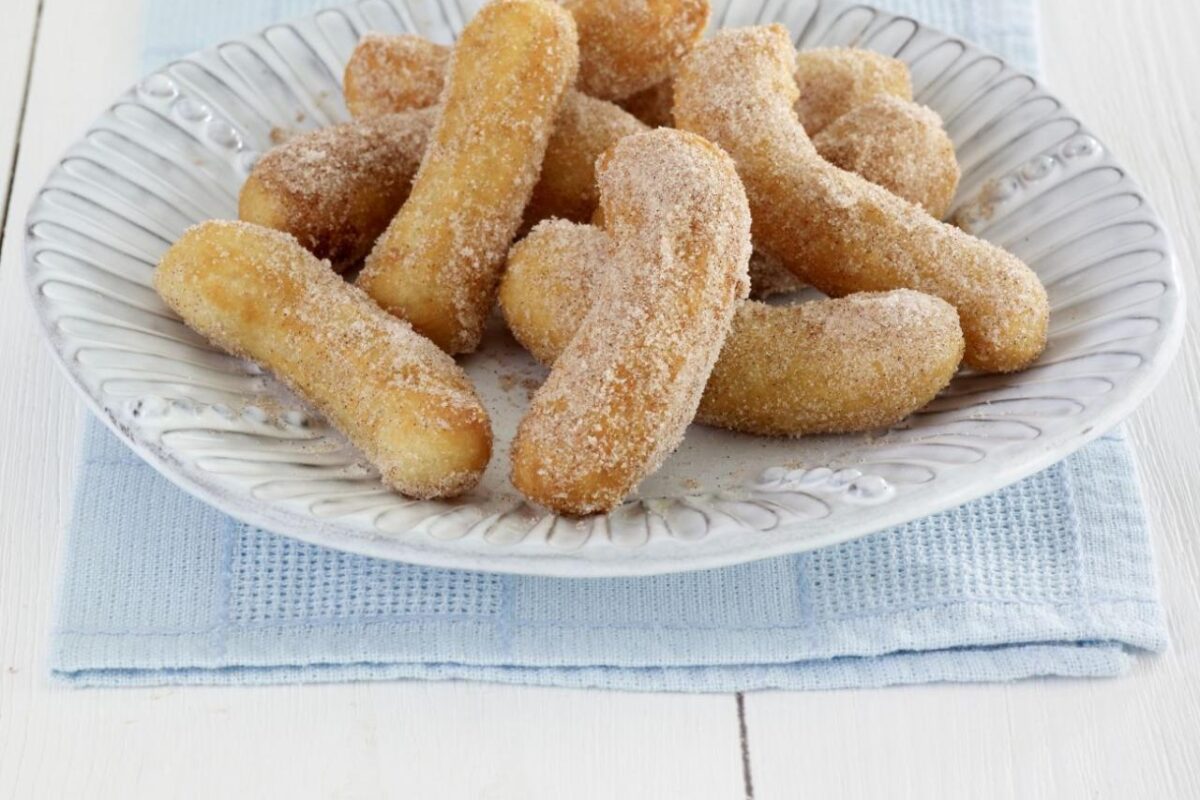
Churros, those delightful fried pastries, have a rich history and a special place in culinary traditions, particularly within Spanish culture. Originating as a festive treat, churros have journeyed through time, evolving alongside regional cuisines while inspiring variations worldwide. From their traditional roots to modern gourmet twists, churros capture the essence of community and celebration in every bite.
As we explore churros’ significance globally, we will delve into their preparation, unique fillings, and innovative adaptations that highlight their versatility. Whether you’re enjoying them at a local fair or making them from scratch at home, churros remain a beloved indulgence that brings people together.
The historical significance of churros in Spanish culture
Churros hold a cherished place in Spanish culture, symbolizing not just a beloved treat but also a deep-rooted tradition. Their origins can be traced back to the Iberian Peninsula, and they have become an integral part of various Spanish festivities and daily life. The story of churros reflects the rich culinary heritage of Spain, highlighting both their historical evolution and their current prominence in local cuisine.
Origins and Traditional Role in Spanish Festivities
Churros are believed to have originated from a blend of influences, including the Spanish shepherds who would prepare them over open fires. Originally, these treats were simple fried dough pastries, ideal for easy transportation and consumption during long journeys. Over time, churros became popular in urban areas, often served at fairs and festivals. This simple yet delicious snack is traditionally enjoyed with thick hot chocolate, especially during winter months or at breakfast.
– The association of churros with festivities can be seen in events like Carnaval, where they are a staple.
– In many regions, churros are served during religious celebrations and communal gatherings, symbolizing joy and togetherness.
Evolution of Churros in Spain
As Spanish cuisine evolved, so did churros, adapting to local tastes and culinary innovations. The traditional recipe has remained largely unchanged, but variations have emerged, reflecting regional preferences. The introduction of filled churros, with chocolate or cream, has gained immense popularity, offering a modern twist on the classic treat.
– Traditional churros are characterized by their long, ridged shape and crispy exterior, often served with a dusting of sugar.
– Regional differences include the thickness of the dough and the style of serving, such as the addition of toppings or dips.
Modern Variations of Churros
In contemporary Spanish bakeries, churros have taken on new forms, showcasing creativity while still honoring their heritage. These modern iterations often incorporate various flavors and fillings, making them appealing to a wider audience.
– Filled churros have become a trend, with options like chocolate, custard, and fruit preserves.
– Gourmet versions can include infused doughs with ingredients like cinnamon or citrus zest, elevating the experience.
– Churros are now often paired with diverse dipping sauces beyond chocolate, including caramel and fruit compotes.
“Churros are not just a treat; they are a celebration of Spanish culture and innovation.”
As churros continue to evolve, they remain a beloved symbol of Spain’s culinary landscape, bridging tradition and modernity in every delicious bite.
Churros around the world
Churros, a beloved sweet treat, have transcended their humble origins in Spain and found a place in the culinary landscape of numerous countries. Each region has not only embraced churros but has also adapted them to reflect local flavors and preferences, creating a fascinating array of variations that highlight the versatility of this delightful pastry.
The preparation of churros varies significantly across different cultures, with unique ingredients and cooking techniques that contribute to their distinctive tastes and textures. From traditional recipes to modern twists, churros around the world showcase a culinary journey rich in history and creativity.
Culinary Variations of Churros
Many countries have contributed their own spin on churros, resulting in a diverse array of flavors and recipes. Here are some notable adaptations:
- Spain: The birthplace of churros, Spanish churros are often served with a thick, rich chocolate sauce for dipping. They can be plain or sprinkled with sugar, and sometimes filled with chocolate or cream.
- Mexico: In Mexico, churros are frequently made with a slightly different dough that incorporates cinnamon. They are served warm and often coated in sugar, sometimes accompanied by a cup of hot chocolate or dulce de leche.
- Argentina: Argentine churros are known for their elongated shape and are typically filled with dulce de leche. They are often eaten as a snack or dessert, highlighting the country’s love for sweet treats.
- Portugal: Known as “churros de chocolate,” Portuguese churros are similar to their Spanish counterparts but are often larger and thicker, served with a side of rich chocolate sauce for dipping.
- United States: In the U.S., churros have gained popularity at fairs and amusement parks. They are often served with various flavored dips, from chocolate to caramel, and sometimes even topped with whipped cream or sprinkles.
Unique Churro Recipes
Different cultures have developed unique churro recipes that reflect their culinary traditions. Here are some interesting variations:
- Churros Rellenos (Mexico): These are churros filled with various sweet fillings such as chocolate, cream, or fruit, providing an extra layer of flavor. The dough is made from flour, water, and cinnamon, creating a delightful treat.
- Chocolate Churros (Spain): This classic Spanish version features churros dipped in a thick, velvety chocolate sauce, often enjoyed during breakfast or as a snack.
- Churros with Cajeta (Mexico): Cajeta is a traditional goat’s milk caramel, and churros served with this sweet sauce highlight the rich flavors of Mexican desserts.
Preparation Methods Across Regions
The methods of preparing churros can vary, showcasing local culinary techniques. Here’s a look at how churros are made in different parts of the world:
- Spain: Churros are piped from a star-shaped nozzle into hot oil, creating long, ridged shapes that fry until golden brown. They are then coated in sugar, emphasizing their simple yet delicious flavor.
- Mexico: The dough is often enriched with cinnamon and sometimes vanilla, giving it a unique taste. The frying process also includes a quick dip in sugar immediately after cooking to enhance the sweetness.
- Argentina: The preparation often involves filling the churros before frying, making them a decadent treat. The dough is typically lighter and airier compared to the Spanish version.
- United States: Here, churros may be deep-fried and then coated in flavored sugars, such as chocolate or cinnamon-sugar, with a variety of dips available to complement their taste.
“Churros are more than just a snack; they are a reflection of cultural identity and culinary tradition across the globe.”
The art of making perfect churros at home
Creating churros at home can be an exciting culinary adventure, bringing the warmth of a traditional Spanish treat right into your kitchen. With their crispy exterior and soft, doughy interior, churros are perfect for indulging your sweet tooth. In this guide, you’ll discover how to make churros from scratch, ensuring they turn out delicious every time.
To begin your churro-making journey, it’s essential to understand the key ingredients and tools required for success. Churros are made from a simple choux pastry, which relies on precise measurements and techniques for the ideal texture. Follow along as we break down the essential components and provide tips to elevate your churro game.
Essential tools and ingredients for churro-making
Having the right tools and ingredients is crucial for making churros that are both delicious and visually appealing. Here’s what you need to get started:
- Ingredients:
- 1 cup all-purpose flour
- 1 cup water
- 2 tablespoons sugar
- 1/2 teaspoon salt
- 1/4 cup unsalted butter
- 2 large eggs
- Vegetable oil for frying
- Ground cinnamon and extra sugar for coating
- Tools:
- A sturdy saucepan
- A mixing bowl
- A wooden spoon or spatula
- A piping bag with a star tip
- A thermometer (for oil temperature)
- A slotted spoon or spider for frying
- A baking sheet lined with paper towels
Each ingredient plays a vital role in achieving the right flavor and texture, while the tools ensure that the process is smooth and efficient.
Step-by-step guide to preparing churros
Follow these steps to create churros that are crisp on the outside and soft on the inside:
1. In a medium saucepan, combine water, butter, sugar, and salt; bring to a boil.
2. Once boiling, remove from heat and immediately stir in the flour until a ball forms.
3. Allow the mixture to cool slightly, then add eggs one at a time, mixing well after each addition until you achieve a smooth dough.
4. Transfer the dough to a piping bag fitted with a star tip.
5. Heat vegetable oil in a deep saucepan to 350°F (175°C).
6. Pipe 4 to 6-inch lengths of dough directly into the hot oil, cutting them with scissors.
7. Fry until golden brown, about 2-3 minutes per side. Remove with a slotted spoon and drain on paper towels.
8. While still warm, roll churros in a mixture of cinnamon and sugar until coated.
Each step is designed to ensure that your churros come out just right, but the key to perfection lies in managing the oil temperature and timing.
Common mistakes to avoid when making churros
Several pitfalls can occur when making churros, which may affect the final outcome. Awareness of these common mistakes will help you troubleshoot effectively:
- Incorrect oil temperature: If the oil is too hot, churros may burn on the outside while remaining raw inside. Conversely, if too cool, they can absorb too much oil and become greasy.
- Overmixing the dough: Mixing too vigorously can incorporate too much air, resulting in churros that are puffy rather than dense. Mix just until combined.
- Not cutting the dough properly: If the churro strands are too short or too long, they may not cook evenly. Aim for uniform sizes.
- Cooling too long before frying: If the dough cools too much before frying, it may not hold its shape. Pipe and fry immediately for best results.
Keeping these tips in mind will help ensure your churros turn out perfectly every time. Embrace the art of making churros at home, and enjoy sharing this delightful treat with family and friends.
Exploring churro fillings and toppings that elevate the experience
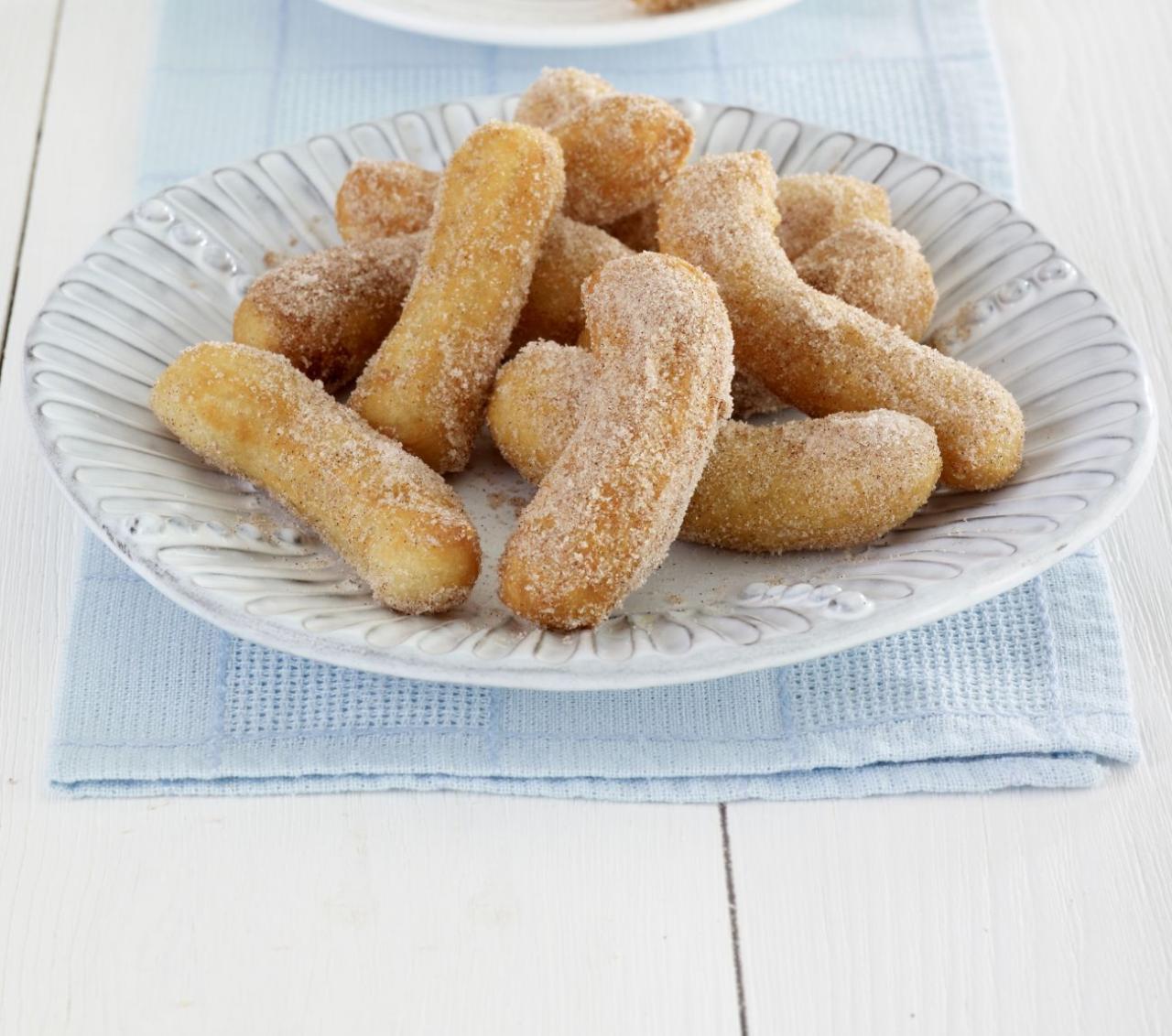
Churros, with their irresistible crispy exterior and soft center, are a blank canvas for creativity when it comes to fillings and toppings. While traditional churros are delightful on their own, adding innovative fillings and toppings can take them to a whole new level, enhancing both flavor and visual appeal. This exploration will dive into popular fillings, delectable toppings, and the exciting world of gourmet churros.
Popular churro fillings
Churros can be filled with a variety of delicious options that complement their sweet, fried dough. Here are some popular fillings along with simple recipes to create them at home:
- Chocolate Filling: Melt dark chocolate with a touch of cream for a rich, gooey filling. Combine 1 cup of dark chocolate chips with ½ cup of heavy cream in a saucepan over low heat until smooth. Allow it to cool slightly before filling the churros.
- Cream Filling: A classic pastry cream works beautifully. Whisk together 2 cups of milk, ½ cup of sugar, and ¼ cup of cornstarch in a saucepan. Cook over medium heat until thickened, then remove from heat and stir in 1 tsp of vanilla extract. Cool before using to fill the churros.
- Fruit Filling: Fresh fruit purees or compotes bring a refreshing twist. Simmer 2 cups of berries with ½ cup of sugar until soft, then puree for a smooth filling. Alternatively, mix chopped fruits with a bit of sugar and lemon juice for a chunkier option.
Delightful toppings and dips
The right toppings can elevate churros from a simple snack to an indulgent dessert. Here’s a list of delightful options that complement the flavors of churros:
- Cinnamon Sugar: A mixture of cinnamon and sugar is a classic coating that adds sweetness and warmth.
- Caramel Sauce: Drizzling warm caramel sauce adds a rich, buttery flavor that pairs perfectly with churros.
- Chocolate Sauce: A thick chocolate ganache or sauce enhances the chocolate experience when paired with chocolate-filled churros.
- Whipped Cream: Light and fluffy, whipped cream can be served on the side for dipping or as a topping.
- Nutella: The iconic hazelnut spread makes for a delicious dip that complements churros beautifully.
Gourmet churros and innovative trends
The trend of gourmet churros has gained popularity in recent years, with chefs experimenting with unique flavors, fillings, and presentations. Innovative combinations such as matcha churros, churros stuffed with cheesecake filling, or even savory options filled with cheese and herbs are redefining this classic treat. Gourmet churros often feature artistic plating and are served with creative dips that reflect current culinary trends.
Gourmet churros not only serve as a nostalgic indulgence but also as a canvas for culinary creativity.
Chefs are taking inspiration from global flavors, incorporating spices and ingredients from various cuisines to create fusion churros, such as churros with dulce de leche from Latin America or matcha from Japan. This evolution showcases how a traditional treat can adapt and thrive in contemporary culinary landscapes, making churros an exciting indulgence for both the traditionalist and the adventurous eater.
Churros and their cultural symbolism in celebrations
Churros are not just a delightful treat; they hold deep cultural significance in various celebrations and traditions. Across many cultures, these fried pastries symbolize joy, sharing, and community spirit. Their sweet, crispy exterior and soft interior have made them a staple at festivities, creating lasting memories for those who partake in them.
Churros play a notable role during specific celebrations, such as Christmas and local fairs. In many Spanish-speaking countries, churros are often enjoyed during the holiday season, served with rich chocolate dipping sauce. This tradition symbolizes warmth and togetherness, as families gather around to indulge in this comforting dessert. At local fairs, churros become a symbol of shared experiences, as friends and families enjoy them while exploring games and rides. Their presence at these events fosters a sense of belonging and camaraderie among attendees.
Churros as a symbol of community and togetherness
Churros embody the essence of community during gatherings, acting as a bridge that connects people. They are often found at communal celebrations where the act of sharing food enhances social bonds.
The following points highlight the importance of churros in fostering togetherness:
- Festive gatherings often feature churros as a crowd-pleaser, encouraging people to come together and enjoy the moment.
- At cultural events, churros are frequently served alongside traditional beverages, creating a shared culinary experience that enhances the celebration.
- Street vendors and local fairs sell churros, bringing communities together as people gather around to enjoy this treat, sparking conversations and memories.
- Many families have their own unique churro recipes passed down through generations, making churros a symbol of familial heritage and shared history.
“The simple act of sharing churros turns moments into cherished memories, uniting friends and families in joy.”
Personal anecdotes often highlight the central role churros play in celebrations. For instance, many recall the excitement of visiting a local fair, where the smell of fresh churros fills the air, drawing them in like a magnet. The anticipation of biting into a warm churro, covered in sugar and cinnamon, is often accompanied by laughter and shared stories. In family gatherings during Christmas, the tradition of making churros together fosters not only culinary skills but also strengthens familial ties.
As churros continue to symbolize joy and togetherness, they remain a beloved treat at celebrations, inviting people to pause, connect, and create lasting memories.
Nutritional perspective
Churros, beloved for their crispiness and sweetness, often occupy a special place in the hearts of those with a sweet tooth. However, their nutritional value raises questions about their place in a balanced diet. Understanding their ingredients and nutritional profile can help in determining whether they are indeed a guilty pleasure or a treat that can be enjoyed more frequently.
Traditional churros are made from a simple mixture of flour, water, sugar, and salt, which is then deep-fried and often coated in sugar and cinnamon. This preparation method contributes to their high-calorie count, typically ranging from 150 to 300 calories per serving, depending on size and toppings. Additionally, churros are high in carbohydrates and sugars while being low in essential nutrients, which can lead to energy spikes followed by crashes. The frying process also adds saturated fats, leading to increased caloric density and potential health implications if consumed in excess.
Comparison with Other Fried Pastries
When comparing churros to other fried pastries, it’s essential to look at their nutritional content and health implications. Similar treats include doughnuts and beignets, which also undergo frying and are often high in sugar and calories. The following points highlight key differences and similarities:
- Caloric Content: Churros generally contain fewer calories than some doughnuts, which can exceed 400 calories each. However, they can still contribute significantly to daily caloric intake if consumed regularly.
- Sugar Levels: Churros are often coated in sugar, adding to their overall sweetness comparable to that of doughnuts, which can lead to increased blood sugar levels.
- Fat Content: The frying process introduces trans fats if not done with care, which can be harmful to heart health. While churros may have slightly less fat than other fried pastries, they should still be consumed in moderation.
Churros may satisfy cravings, but their nutritional profile indicates they should not be a daily indulgence. Instead, they should be enjoyed occasionally within a balanced diet that emphasizes whole grains, fruits, vegetables, and healthy fats.
Healthier Churro Alternatives
For those looking to enjoy churros without the guilt, several alternative recipes can provide a healthier twist. By substituting traditional ingredients, it is possible to create churros that are lower in calories and fats while still delivering on taste. Here are some substitutions to consider:
- Whole Wheat Flour: Using whole wheat flour instead of all-purpose flour increases fiber content, aiding in digestion and promoting a feeling of fullness.
- Air Frying: Air frying reduces the amount of oil needed, significantly cutting down the fat content while still achieving a crispy texture.
- Natural Sweeteners: Replacing sugar with natural sweeteners like honey or maple syrup can lower the glycemic index, making the treat less likely to spike blood sugar levels.
- Omit Coatings: Skipping the sugar coating or using a sprinkle of cinnamon without sugar can reduce the overall sugar intake.
By adopting these modifications, churros can fit more comfortably within a healthier lifestyle, allowing you to enjoy this treat without compromising your nutritional goals.
Churros in modern culinary trends
Churros, the beloved fried dough pastries, have transcended their traditional roots to become a canvas for innovative culinary creations. Contemporary chefs are reimagining these classic treats, introducing them into modern dishes that reflect today’s diverse food landscape. This evolution showcases churros not only as a dessert but also as an ingredient that enhances the dining experience in exciting and unexpected ways.
Innovative Churro Dishes
The modern culinary scene has seen churros incorporated into a variety of contemporary dishes that push the boundaries of traditional dessert-making. One notable trend is the churro ice cream sandwich, where freshly made churros are used as the outer layer, encasing creamy ice cream in a delightful combination of textures and flavors. This dish exemplifies how churros can adapt to fusion concepts and appeal to a broader audience.
In addition to ice cream sandwiches, chefs are exploring various fusion cuisines that blend churros with other international desserts. Here are some popular combinations:
- Churro Waffles: This dish combines the crispy texture of churros with the soft, fluffy nature of waffles, often served with syrup or fruit toppings.
- Churro Sundaes: Layering churros with ice cream, chocolate sauce, and fruits creates a decadent dessert that elevates the churro experience.
- Matcha Churros: Incorporating matcha into the churro dough offers a unique flavor profile that caters to health-conscious dessert lovers.
The creativity doesn’t stop there; modern culinary trends have also led to the development of various churro variations that cater to specific dietary preferences. This reflects the growing demand for inclusivity in food options. Here are some current recipes that highlight these trends:
- Vegan Churros: Made with plant-based ingredients, these churros use almond milk and coconut oil, enabling those following a vegan lifestyle to enjoy this treat.
- Gluten-Free Churros: Utilizing almond flour or a gluten-free flour blend, these churros maintain their delicious taste while being suitable for those with gluten sensitivities.
- Churros with Flavor Infusions: Incorporating flavors like cinnamon, cardamom, or even chili powder into the dough creates unique churro experiences that cater to adventurous eaters.
The versatility of churros in modern culinary trends emphasizes their potential beyond a simple dessert, as they continue to inspire chefs and delight diners in innovative and exciting ways.
Final Review
In summary, churros are more than just a delicious dessert; they are a connection to cultural heritage, creativity in the kitchen, and a source of joy during gatherings. With their rich history and modern interpretations, churros continue to delight taste buds around the globe. So, whether you enjoy them plain or with a twist, these sweet treats are sure to leave a lasting impression.
Answers to Common Questions
What are churros typically made from?
Churros are usually made from a simple dough of flour, water, and salt, which is then deep-fried until golden brown.
Can churros be made gluten-free?
Yes, churros can be made gluten-free by using gluten-free flour alternatives like almond flour or a gluten-free baking mix.
How can I store leftover churros?
Leftover churros are best stored in an airtight container at room temperature and can be reheated in an oven for a few minutes before serving.
Are churros healthy?
Churros are typically high in calories and sugar, so they are best enjoyed as an occasional treat rather than a regular part of a balanced diet.
What are some popular churro toppings?
Popular churro toppings include cinnamon sugar, chocolate sauce, caramel, and fruit preserves, enhancing their flavor and appeal.