 Rogert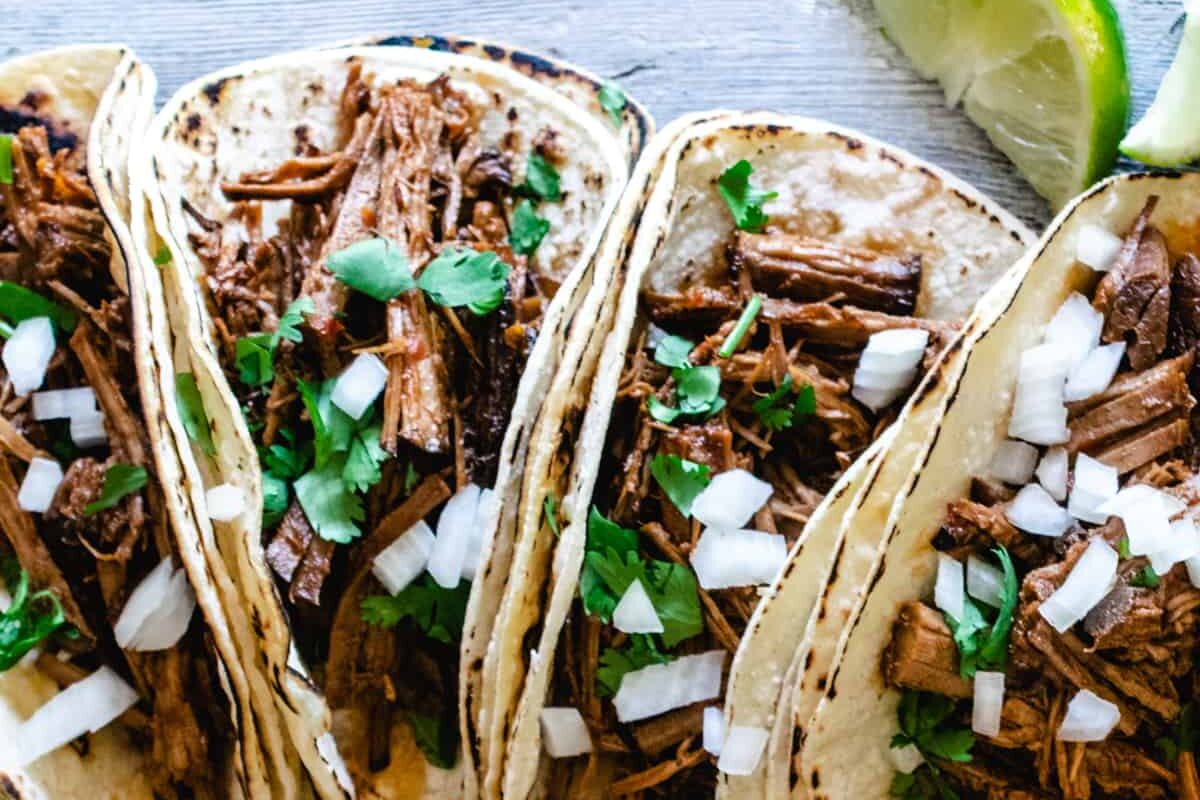
Barbacoa tacos are not just a meal; they are a vibrant celebration of Mexican culinary heritage. Rooted in rich traditions, these tacos offer a taste of history, culture, and community. From the slow-cooked meats that melt in your mouth to the fresh toppings that awaken your senses, barbacoa tacos invite you to explore the depths of flavor and technique behind them.
As we delve into the origins of barbacoa and its evolution into the beloved taco, we’ll uncover the essential ingredients, cooking techniques, and cultural significance that make this dish a staple in Mexican festivities and a favorite in modern cuisine.
The historical origins of barbacoa tacos are deeply rooted in Mexican culinary traditions.
Barbacoa tacos hold a cherished place in Mexican cuisine, with their roots tracing back to ancient Mesoamerican cultures. This traditional dish has evolved over centuries, reflecting the rich tapestry of Mexico’s culinary history and the cultural influences that have shaped it. Originally, barbacoa was a cooking method that involved slow-cooking meats underground, a technique that not only enhanced the flavor but also demonstrated the resourcefulness of early Mexican communities.
The historical significance of barbacoa in Mexico cannot be overstated. It is believed that this cooking style was practiced by indigenous peoples, including the Taino and Aztec civilizations, who utilized local meats such as lamb, goat, and beef prepared in a pit. Over time, as Spanish colonial influences merged with indigenous practices, barbacoa adapted to incorporate various spices and techniques, leading to the creation of barbacoa tacos as we know them today.
Traditional Cooking Methods and Common Meats
The preparation of barbacoa involves a unique process that emphasizes slow cooking and the preservation of flavors. Traditionally, meats are seasoned with a blend of spices, including cumin, garlic, and chili peppers, then wrapped in maguey leaves and buried in a pit lined with hot stones. This method allows the meat to steam and absorb the aromatic flavors, resulting in tender, juicy bites.
Common types of meat used in barbacoa preparation include:
- Lamb: Often favored for its rich flavor, lamb barbacoa is particularly popular in central Mexico.
- Goat: This meat imparts a distinctive taste and is traditionally used in barbacoa in certain regions.
- Beef: In more modern adaptations, beef is frequently utilized, especially in northern Mexico and the United States.
This traditional method not only showcases the depth of flavor but also reflects a communal approach to cooking, often serving as a centerpiece for family gatherings and celebrations.
Regional Variations of Barbacoa Tacos
Barbacoa tacos vary significantly across Mexico, with each region putting its own spin on the classic dish. These regional variations highlight the diverse culinary landscape and the local ingredients available, enhancing the overall dining experience.
Factors influencing these differences include:
- Type of Meat: While lamb and goat are traditional, regions like Baja California often feature beef or even pork in their barbacoa tacos.
- Flavor Profiles: In some areas, barbacoa is spiced with local herbs and salsas, while others may offer a milder flavor with a focus on the meat’s natural taste.
- Taco Construction: Tacos may be served on soft corn tortillas in some regions, while others may opt for crispy taco shells, impacting the overall texture and experience.
Each variation not only showcases local tastes but also serves as a testament to the cultural identity of the community. The essence of barbacoa tacos lies not just in their ingredients, but in the stories and traditions they carry from generation to generation.
Barbacoa tacos serve as a delicious reminder of Mexico’s rich culinary heritage, embodying the fusion of ancient techniques and modern tastes.
Ingredients that make barbacoa tacos truly authentic and flavorful.
Authentic barbacoa tacos are a delightful culinary experience that celebrates rich flavors and traditional cooking methods. The essence of these tacos lies in the careful selection of ingredients, each contributing to the overall taste and texture. The following sections will explore the essential components that elevate barbacoa tacos from ordinary to extraordinary.
Essential Ingredients for Authentic Barbacoa Tacos
To craft the perfect barbacoa tacos, several key ingredients are indispensable. Each plays a unique role in enhancing the flavor profile and authenticity of the dish. Below is a list of the necessary components:
- Meat: Traditionally, barbacoa is made using cuts like beef cheeks or brisket. These cuts are rich in flavor and, when slow-cooked, become tender and succulent.
- Spices: A blend of spices including cumin, oregano, garlic powder, and chili powder is crucial. These spices infuse the meat with depth, complexity, and warmth.
- Acidic elements: Ingredients like lime juice or vinegar are often added to balance the rich flavors of the meat, brightening the overall taste.
- Broth: Using beef broth or a mixture of water with chili sauce helps keep the meat moist and enhances its flavor during the cooking process.
- Tortillas: Fresh corn tortillas are essential for an authentic experience, providing a soft, slightly chewy base that holds the fillings together.
- Toppings: Fresh cilantro, diced onions, and a squeeze of lime are traditional toppings that add freshness and crunch to the tacos.
The careful selection of these ingredients is vital. The meat’s richness, combined with the aromatic spices, creates a savory base that is both comforting and satisfying. The acidity from lime or vinegar cuts through the fat, providing balance, while fresh toppings add a layer of texture and flavor that brightens the dish.
Sourcing High-Quality Ingredients
Finding the best ingredients can significantly impact the quality of your barbacoa tacos. Sourcing high-quality meats, fresh spices, and organic produce will ensure a more authentic taste. When it comes to meat, consider visiting local butcher shops or farmers’ markets, where you can often find grass-fed or pasture-raised options. These meats typically offer better flavor and texture.
For spices, seek out reputable brands or bulk spice shops that sell organic varieties. Organic spices are often fresher and free from additives, allowing the natural flavors to shine through. Additionally, when selecting fresh produce, opt for organic when possible. Organic ingredients tend to have higher nutrient levels and are grown without harmful pesticides, enhancing both the quality and taste of your tacos.
“High-quality ingredients are the foundation of authentic barbacoa tacos; they elevate the dish to a level that frozen or pre-packaged options simply cannot match.”
The cooking techniques that transform simple ingredients into delicious barbacoa tacos.
Barbacoa tacos are a delightful culinary experience, rooted in traditional cooking methods that enhance the natural flavors of the ingredients used. The combination of marinated meat and unique cooking techniques is what sets these tacos apart, creating a rich and savory dish that’s beloved by many. Understanding the cooking process is essential to recreating this classic dish at home.
Marinating and Preparing the Meat
The first step in preparing barbacoa is marinating the meat, typically beef, with an aromatic blend of spices and other ingredients. This process is essential for flavor development and tenderness.
1. Choose the Right Cut: Popular choices include beef cheek, brisket, or chuck roast, as these cuts have the right amount of fat and connective tissue, ideal for slow cooking.
2. Prepare the Marinade: A traditional marinade often includes ingredients like garlic, cumin, chipotle peppers, lime juice, and vinegar. This combination not only adds flavor but also helps to tenderize the meat.
3. Marinate the Meat: Allow the meat to marinate for at least a few hours, preferably overnight. This infusion of flavors is crucial for achieving a satisfying taste profile.
Cooking Techniques for Barbacoa
The cooking method significantly influences the outcome of barbacoa tacos. Different techniques can enhance flavors and textures in various ways.
1. Slow Cooking: This method is commonly used because it allows the meat to become incredibly tender. The low and slow heat breaks down collagen, producing a melt-in-your-mouth texture.
2. Steaming: Steaming is another effective technique, especially when using a pressure cooker. It helps retain moisture, resulting in juicy meat.
3. Pit Cooking: Traditionally, barbacoa was cooked in a pit, wrapped in banana leaves. This method infuses the meat with a unique smoky flavor, contributing to its authenticity.
The impact of these cooking techniques is profound. Slow cooking develops deep, complex flavors and a tender texture. Steaming ensures the meat remains juicy, while pit cooking, though less common today, imparts a distinctive smokiness that is hard to replicate.
“The best barbacoa tacos are those that have been cooked slowly, allowing each bite to be tender and packed with flavor.”
Comparative Impact of Cooking Methods
Each cooking technique brings its unique advantages and characteristics to barbacoa.
– Flavor: The slow cooker tends to emphasize the spices and herbs used in the marinade, while steaming keeps the meat’s natural flavors intact. Pit cooking, however, provides a depth of smokiness that’s often sought after in traditional recipes.
– Texture: While slow cooking creates a fall-apart tenderness, steaming results in a firmer yet juicy bite. Pit-cooked barbacoa often has a slight crust on the exterior, offering a contrast to its soft interior.
– Time Efficiency: Slow cooking generally takes several hours but requires minimal attention. Steaming in a pressure cooker can significantly reduce cooking time while still producing a tender result.
In summary, the choice of cooking technique not only affects the flavors and textures of barbacoa tacos but also caters to personal preferences and available cooking equipment. Understanding these methods allows for a more tailored approach to creating this delectable dish.
The essential toppings and salsas that complement barbacoa tacos.
Barbacoa tacos are a delightful culinary experience, and they truly shine when paired with the right toppings and salsas. These elements not only enhance the flavor profile of the tender, slow-cooked meat but also bring vibrant textures and freshness to each bite. Traditional toppings like onions and cilantro are often complemented by a squeeze of lime, creating a perfect balance of flavors that can be further elevated with the addition of modern salsa varieties.
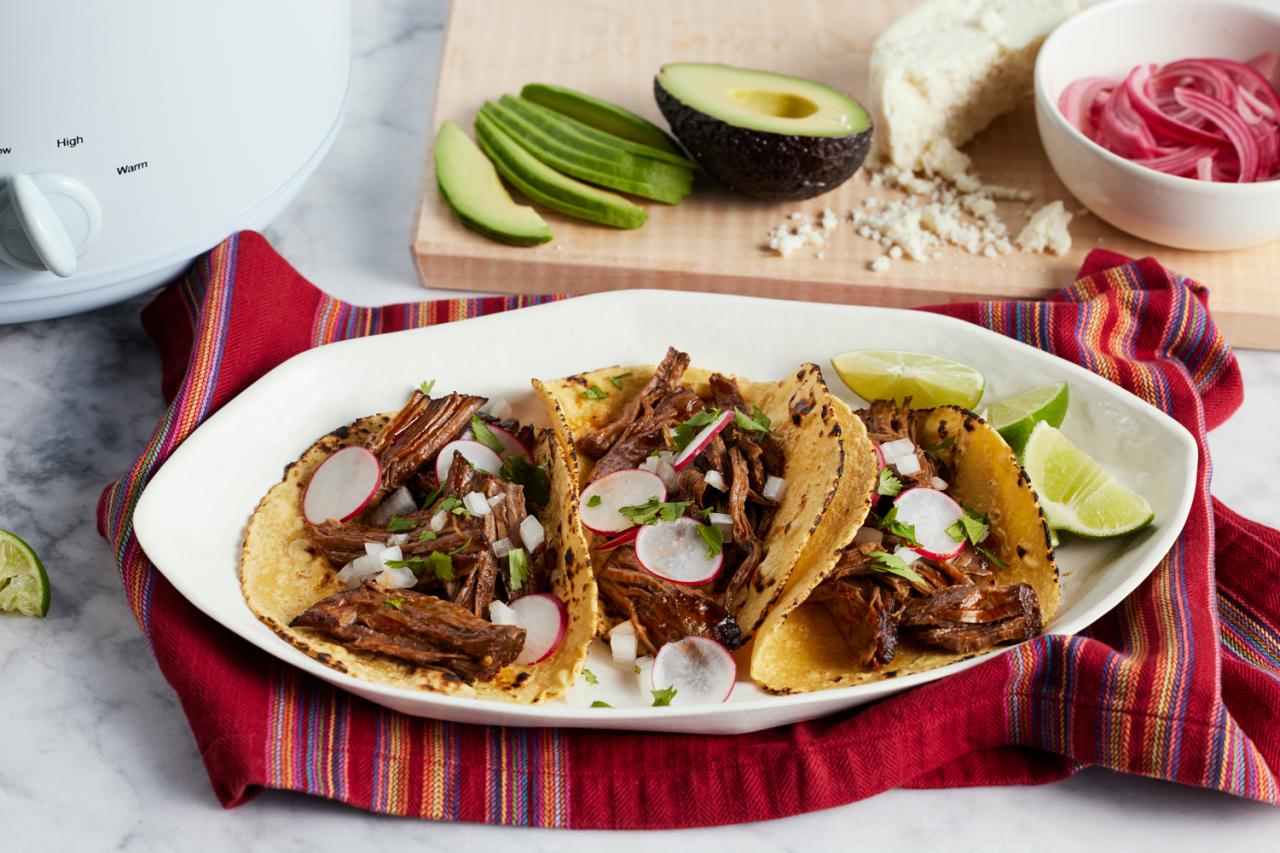
The choice of toppings for barbacoa tacos can range from classic to contemporary, each bringing a unique twist to this beloved dish. Traditional toppings typically include finely chopped onions and fresh cilantro, which add a sharp and herbal note, respectively. Lime wedges are essential for squeezing over the tacos, infusing them with a zesty brightness. Additionally, some may opt for creamy avocado or guacamole, which adds richness, while pickled jalapeños or radishes can introduce a delightful crunch with a hint of heat.
Types of salsas that pair well with barbacoa
Salsas play a crucial role in complementing barbacoa tacos, with various types enhancing the overall taste experience. Each salsa can bring its own distinct flavor profile, making it an essential component for taco enthusiasts. Here are some popular salsa types and their unique ingredients:
– Salsa Verde: Made from tomatillos, cilantro, onion, and lime juice, this green salsa offers a tangy punch that pairs wonderfully with the rich flavor of barbacoa.
– Roja Salsa: This red salsa typically contains tomatoes, garlic, onion, and chili peppers. Its smoky, robust flavor complements the savory notes of barbacoa, providing a delightful contrast.
– Pico de Gallo: A fresh salsa made from diced tomatoes, onions, cilantro, and jalapeños. The crisp texture and bright flavors of pico de gallo enhance the overall freshness of the tacos.
– Chipotle Salsa: Featuring smoky chipotle peppers blended with tomatoes and spices, this salsa adds a rich, spicy depth that works beautifully with the hearty meat.
– Mango Salsa: A modern twist, this salsa incorporates diced mango, red onion, cilantro, lime, and jalapeño. The sweetness of the mango adds a refreshing counterpoint to the savory barbacoa.
To elevate the taco experience further, consider the following recommended combinations of toppings and salsas. These pairings create a balance of flavors that will surely satisfy any palate:
- Classic Combo: Finely chopped onions, fresh cilantro, and a squeeze of lime with salsa verde.
- Spicy Delight: Sliced pickled jalapeños and chunky guacamole with roja salsa.
- Crisp & Fresh: Shredded lettuce, diced tomatoes, and pico de gallo topped with a drizzle of lime juice.
- Sweet & Savory: Sliced avocado, diced red onion, and mango salsa for a delicious twist.
- Rich & Smoky: Creamy feta cheese, cilantro, and chipotle salsa to add a deep flavor dimension.
A guide to creating the perfect barbacoa tacos at home.
Creating barbacoa tacos at home allows you to enjoy a delicious and hearty meal that’s packed with flavor. In this guide, we will take you through a comprehensive recipe for making barbacoa from scratch, share some insider tips for maximizing flavor and texture, and provide a list of essential kitchen tools to ensure smooth preparation.
Comprehensive recipe for barbacoa tacos
To make authentic barbacoa tacos, you will need a few ingredients and roughly 3 hours of cooking time, along with some preparation. This recipe serves about 6-8 people.
Ingredients:
– 3-4 pounds beef chuck roast or brisket
– 1 large onion, quartered
– 4 cloves garlic, minced
– 3-4 dried guajillo peppers (or your preferred chili)
– 2 cups beef broth
– 2 tablespoons apple cider vinegar
– 1 tablespoon ground cumin
– 1 tablespoon dried oregano
– Salt and pepper to taste
– Corn tortillas for serving
– Fresh cilantro, diced onions, and lime wedges for garnish
Preparation Steps:
1. Prep the meat: Cut the beef into large chunks and season generously with salt and pepper.
2. Prepare the sauce: Soak the guajillo peppers in hot water for 15 minutes until softened. Blend the peppers with onion, garlic, beef broth, vinegar, cumin, and oregano until smooth.
3. Cook the meat: In a large pot or Dutch oven, add the beef and pour the sauce over it. Bring to a simmer, cover, and cook on low for about 2-3 hours until the meat is fork-tender.
4. Shred and serve: Once cooked, shred the beef with two forks. Serve on warm corn tortillas, topped with cilantro, diced onions, and a squeeze of lime.
Tips and tricks for enhancing flavor and texture
Achieving the best flavor and texture is crucial for homemade barbacoa. Here are some valuable tips:
– Marinate Overnight: For deeper flavor, consider marinating the beef in the blended sauce for several hours or overnight before cooking.
– Use Quality Ingredients: Select high-quality beef and fresh spices to enhance the overall taste. Organic or grass-fed beef can make a noticeable difference.
– Cook Low and Slow: Cooking the meat at a low temperature allows the collagen to break down, resulting in tender, juicy meat. Consider using a slow cooker for convenience.
– Balance Flavors: Taste the sauce before cooking, and adjust the seasoning if necessary. A little extra vinegar or lime juice can brighten the flavors.
– Enhance Presentation: For added texture and flavor, lightly char the tortillas on a skillet before serving.
Essential kitchen tools and utensils
Having the right tools can make the process of preparing barbacoa tacos much easier and more enjoyable. Here’s a list of essential kitchen items you’ll need:
1. Dutch Oven or Slow Cooker: Ideal for slow cooking and achieving tender meat.
2. Blender or Food Processor: Necessary for pureeing the sauce ingredients smoothly.
3. Sharp Knife and Cutting Board: For chopping meat and vegetables efficiently.
4. Meat Forks: Essential for shredding the cooked beef easily.
5. Tongs: Useful for handling hot tortillas and meat.
6. Skillet or Griddle: For warming and slightly charring tortillas.
7. Measuring Cups and Spoons: To ensure accurate ingredient measurements.
Having these tools on hand will streamline your preparation process, making it more enjoyable to create the perfect barbacoa tacos at home.
Exploring the cultural significance of barbacoa tacos in Mexican celebrations.
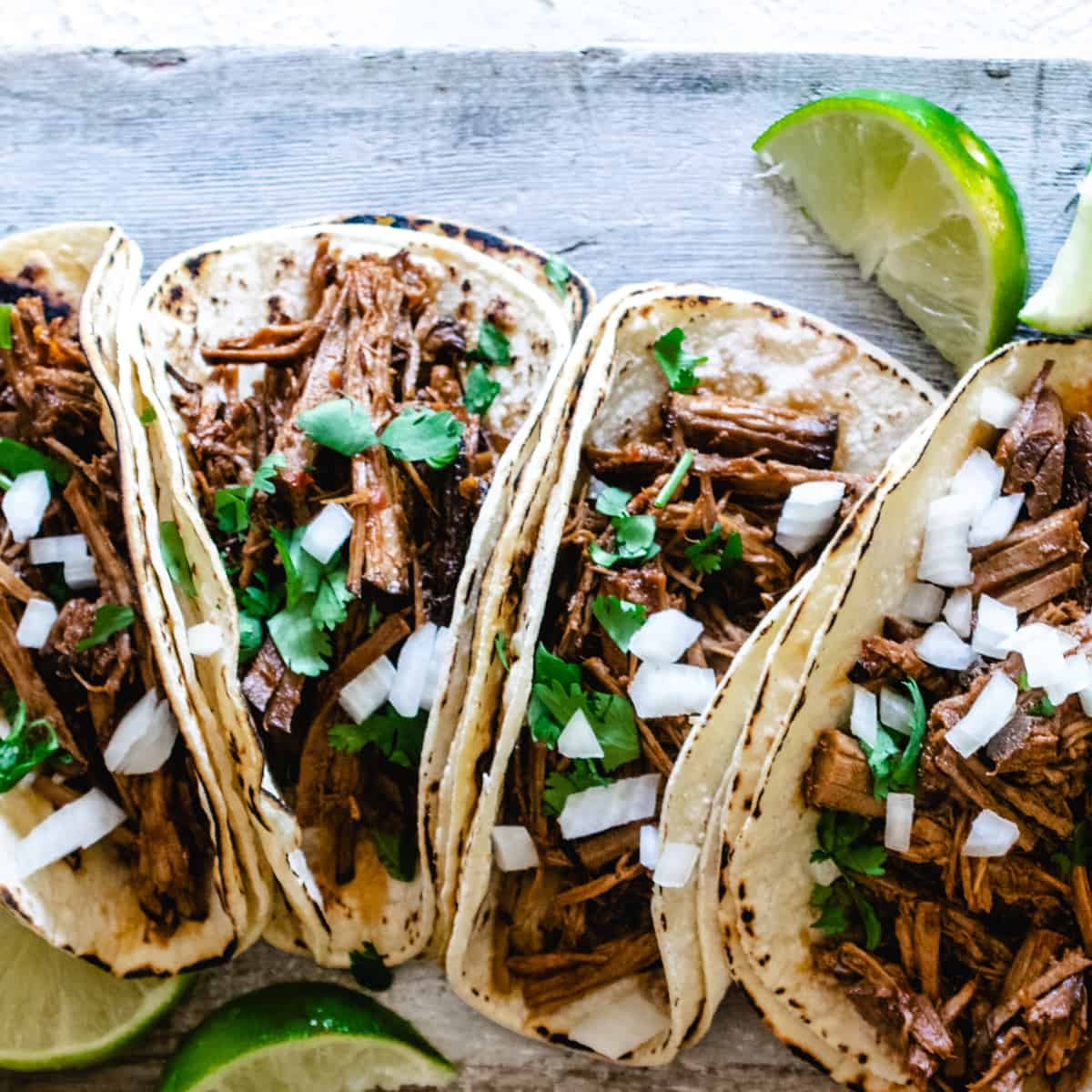
Barbacoa tacos hold a special place in Mexican culture, especially during celebrations and significant gatherings. These flavorful tacos are not just a meal but a symbol of community and family bonding. Traditionally prepared with care, barbacoa embodies the essence of sharing and hospitality that is fundamental to Mexican festivities.
Barbacoa is often featured prominently in celebratory meals, serving as a centerpiece that brings people together. Whether it’s a wedding, birthday, or holiday, the savory, tender meat wrapped in soft tortillas serves to create a sense of belonging and joy. The preparation of barbacoa often involves family members coming together, each contributing to a process that is both culinary and cultural.
Role of Barbacoa Tacos in Celebratory Meals
In Mexican celebrations, barbacoa tacos are more than just a delicious dish; they are a tradition that unites people. The following are notable occasions where barbacoa tacos play an essential role:
- Weddings: At many weddings, barbacoa tacos are a staple dish, symbolizing abundance and the union of two families. The preparation often begins days in advance, involving the entire family, which strengthens bonds and creates beautiful memories.
- Birthdays: Celebrating a birthday with barbacoa tacos signifies joy and festivity. Families often host gatherings where tacos are served alongside music, dancing, and laughter, making the event memorable.
- Holidays: During holidays like Christmas and Día de los Muertos, barbacoa is a cherished dish. It is prepared in large quantities to feed family and friends, reminding everyone of the importance of community during festive times.
The communal aspect of enjoying barbacoa tacos is illustrated through stories shared by families. For instance, a family from Oaxaca recalls how their matriarch would start cooking barbacoa a day before large family gatherings, filling the house with enticing aromas. The anticipation built around the meal became a cherished tradition, where everyone would gather, share stories, and connect over a shared love for this beloved dish.
In another instance, during Día de los Muertos, families honor their loved ones by preparing barbacoa tacos, inviting friends and neighbors to partake in the meal. This act of sharing food becomes a way to celebrate life, love, and memory, reinforcing the cultural significance of barbacoa tacos in connecting the past and the present.
“Food is not just nourishment; it’s a language of love and connection.”
The evolution of barbacoa tacos in contemporary cuisine and food trends.
Barbacoa tacos have undergone a remarkable transformation as they adapt to modern culinary trends and diverse tastes. Originally rooted in traditional Mexican cooking, these tacos are now being reimagined by chefs and food enthusiasts alike, embracing new flavors and innovative presentations while maintaining their cultural significance.
Barbacoa tacos have evolved to incorporate various fusion flavors and gourmet interpretations that reflect the changing landscape of contemporary cuisine. This adaptation often involves the use of non-traditional meats such as lamb or even plant-based proteins, catering to a wider audience. Additionally, ingredients like kimchi, avocado crema, and even sriracha have begun to feature prominently, showcasing a blend of culinary heritages. Such innovations not only satisfy adventurous palates but also highlight the versatility of barbacoa as a base for experimentation.
Fusion flavors and gourmet interpretations
Modern barbacoa tacos frequently include a variety of unique ingredients and flavor combinations that differentiate them from traditional recipes. Here are some notable trends:
- Global influences: Ingredients like hoisin sauce, pickled daikon, and cilantro-lime rice have become common, creating a fusion of flavors that appeal to diverse tastes.
- Gourmet toppings: Chefs now use fancy toppings such as truffle oil, artisan cheeses, and microgreens, elevating the humble taco to a gourmet dish.
- Plant-based options: With the rise of vegan and vegetarian diets, barbacoa tacos made with jackfruit or lentils are becoming popular alternatives.
- Artful presentation: Modern plating techniques showcase barbacoa tacos in visually appealing ways, often served on unique dishware or accompanied by vibrant salsas.
Food trucks and casual dining establishments have been pivotal in popularizing barbacoa tacos in urban areas. These mobile kitchens and eateries provide accessible, affordable options for food lovers seeking authentic flavors. The casual format allows for experimentation with different styles of barbacoa, from traditional to innovative, and encourages a culture of sharing and trying new dishes.
Comparison of traditional and contemporary barbacoa tacos
Traditional barbacoa tacos are characterized by their simplicity, relying on slow-cooked meats, basic seasonings, and fresh tortillas. In contrast, contemporary versions often feature a diverse array of ingredients and techniques that highlight culinary creativity and globalization. The following points illustrate these differences:
- Ingredients: Traditional barbacoa typically uses beef or lamb, seasoned with local spices. Contemporary variations may include unexpected meats or plant-based substitutes.
- Flavor profiles: While traditional preparations focus on earthy, robust flavors, modern tacos may incorporate sweet, spicy, or tangy elements from global cuisines.
- Presentation: Traditional tacos are straightforward, while modern interpretations often come with artistic flair, using garnishes and sauces that enhance visual appeal.
- Serving styles: Traditional barbacoa tacos might be served with minimal sides, whereas contemporary versions often come with a range of accompaniments, such as slaws, pickles, or creative salsas.
Regional variations of barbacoa tacos across the United States.
Barbacoa tacos have become a beloved staple across the U.S., each region adding its own twist based on local culture, ingredients, and culinary traditions. From the smoky flavors of Texas to the fresh ingredients of California and the vibrant food scene in New York, barbacoa tacos reflect not just a dish, but a rich tapestry of regional influences.
In Texas, barbacoa is often synonymous with traditional methods of slow-cooking beef heads, resulting in tender meat that is packed with flavor. The local love for the dish is evident in taco joints throughout the state, where barbacoa is typically served on corn tortillas with a variety of toppings. In California, the influence of fresh produce is clear, with tacos often adorned with salsa verde, avocado, and even fusion ingredients like pickled onions. Meanwhile, New York showcases a multicultural approach, where various immigrant influences create unique interpretations of barbacoa tacos.
Texas Barbacoa Tacos
Texas is renowned for its distinct barbacoa, traditionally made from beef cheeks or heads, slow-cooked with spices and herbs until delectably tender. The culture surrounding barbacoa is deeply rooted in Texan heritage, often enjoyed during breakfast or as a weekend treat. Popular spots like “El Meson” in Austin and “La Barbecue” in Dallas are known for their mouthwatering barbacoa tacos, served with fresh cilantro, diced onions, and a squeeze of lime.
California Barbacoa Tacos
In California, barbacoa tacos reflect the state’s emphasis on fresh, vibrant ingredients. Here, you’ll find beef cooked with spices but often paired with fresh salsas, avocados, and seasonal produce. The fusion of flavors is what makes California’s barbacoa unique, with establishments like “Tacos El Gordo” in San Diego offering a blend of traditional and modern interpretations. The use of fresh, locally-sourced ingredients truly enhances the taco experience.
New York Barbacoa Tacos
New York’s barbacoa tacos reflect a melting pot of culinary influences, blending traditional recipes with innovative twists. Many food trucks and pop-up taco shops showcase a variety of styles, often using different meats like lamb or pork to create their barbacoa. Restaurants like “Los Tacos No. 1” in Chelsea Market exemplify this trend, serving barbacoa tacos with an array of toppings including pickled radishes and spicy sauces. The vibrancy of New York’s food culture ensures that each barbacoa taco is an exciting culinary adventure.
Barbacoa tacos serve as a delicious representation of local customs, traditions, and available ingredients, bringing a taste of cultural diversity to every bite.
End of Discussion
In conclusion, barbacoa tacos represent a remarkable fusion of history, flavor, and culture. Whether enjoyed at a festive gathering or crafted in your own kitchen, they embody the spirit of togetherness and celebration. As we embrace both traditional recipes and contemporary twists, barbacoa tacos will continue to captivate taste buds and hearts across generations.
Commonly Asked Questions
What type of meat is used in barbacoa tacos?
Traditionally, barbacoa tacos are made using beef, particularly from cuts like brisket, but lamb and goat are also popular in certain regions.
Can barbacoa tacos be made vegetarian?
Yes, vegetarian versions of barbacoa tacos can be made using mushrooms, jackfruit, or other plant-based alternatives that mimic the texture and flavor.
What are some common toppings for barbacoa tacos?
Common toppings include diced onions, fresh cilantro, lime wedges, and various salsas to enhance the flavor profile.
How long does it take to prepare barbacoa?
Preparation time for barbacoa can vary, but it typically requires several hours for marinating and slow cooking to achieve the desired tenderness.
Are barbacoa tacos gluten-free?
Yes, barbacoa tacos can be made gluten-free by using corn tortillas instead of flour tortillas.