 Rogert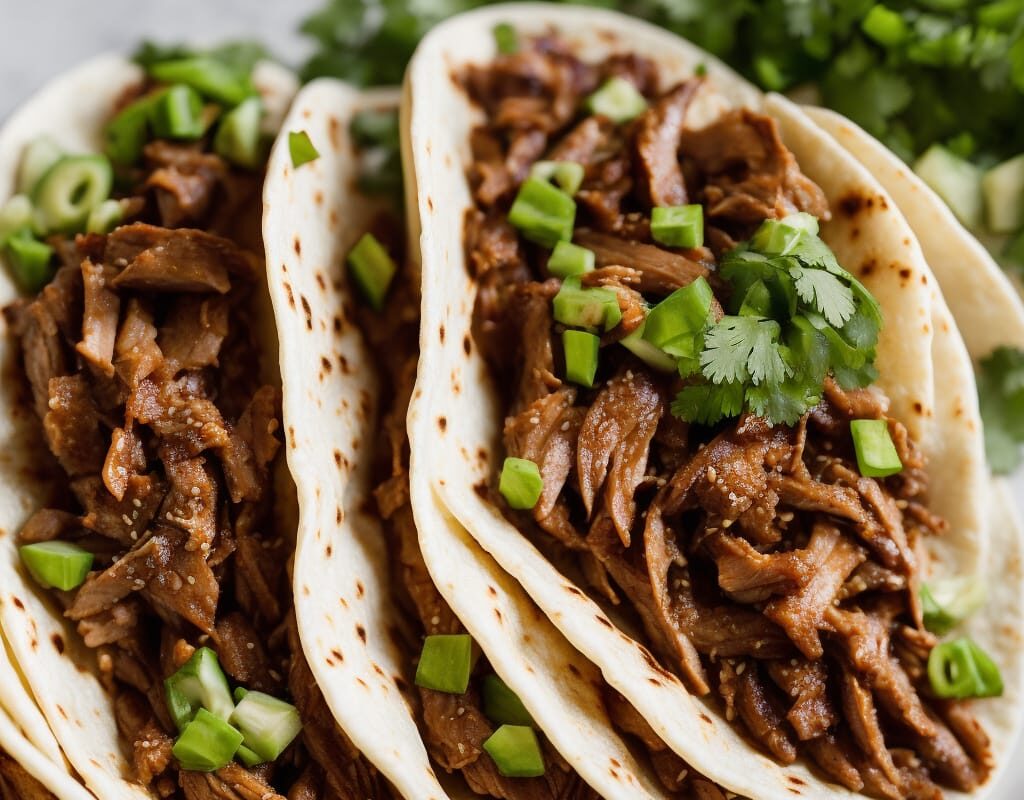
Soft shell tacos are not just a meal; they’re a flavorful adventure that brings cultures together. With their warm, pliable tortillas hugging a variety of delicious fillings, these tacos offer a canvas for creativity and tradition alike.
The rich history of soft shell tacos, their essential ingredients, and the myriad of preparation techniques showcase their evolution from humble beginnings to becoming a staple in modern cuisine.
The Historical Origins of Soft Shell Tacos
Soft shell tacos are not merely a food item; they represent a rich tapestry of cultural influences and traditions that have shaped their evolution over time. Originating in Mexico, these delicious handheld meals have transcended geographical boundaries and cultural barriers, becoming a staple in many cuisines around the world. Understanding the historical origins of soft shell tacos allows us to appreciate the diverse influences that have contributed to their development and popularity.
The development of soft shell tacos can be traced back to various cultural influences, particularly indigenous Mesoamerican practices. The use of corn tortillas dates back to ancient civilizations, such as the Aztecs and Mayans, who created simple flatbreads from ground maize. These tortillas were initially used to hold various fillings, which laid the groundwork for the soft shell taco we know today.
Cultural Influences and Geographical Origins
Several regions in Mexico claim to be the birthplace of soft shell tacos, each adding their unique twist to this traditional dish. The following locations are particularly noted for their contributions:
- Mexico City: Often considered the capital of Mexican cuisine, numerous street vendors in Mexico City serve soft shell tacos filled with a variety of meats and toppings, showcasing the city’s culinary diversity.
- Oaxaca: Known for its rich culinary heritage, Oaxaca offers its own version of soft shell tacos, often featuring locally sourced ingredients such as cheese and vegetables, emphasizing the region’s agricultural strengths.
- Guerrero: This coastal region is famous for its fish tacos, presenting a soft shell variation that highlights the abundant seafood available in the area.
Over time, soft shell tacos have evolved within different culinary traditions, incorporating various ingredients and flavors. The introduction of beef, chicken, and even vegetarian options marked a significant turning point in their evolution. Additionally, the influence of Tex-Mex cuisine in the United States transformed soft shell tacos into a fusion dish that combines Mexican flavors with American adaptations.
“The soft shell taco is not just a meal; it is a cultural symbol that reflects the history and diversity of the regions it touches.”
As soft shell tacos permeated global cuisine, they adapted to local tastes and preferences, leading to the creation of diverse variations, such as Korean BBQ tacos and breakfast tacos. This adaptability highlights the soft shell taco’s ability to bridge cultural divides and create a shared culinary experience.
The Essential Ingredients for Crafting Perfect Soft Shell Tacos

To create the ultimate soft shell taco, it’s crucial to focus on traditional ingredients that complement each other in flavor and texture. Each component contributes significantly to the overall taste experience, providing a delightful blend of crunch, creaminess, and zest. Understanding these ingredients will elevate your taco-making skills and help you appreciate the nuances of this beloved dish.
Traditional Components of Soft Shell Tacos
The classic soft shell taco is composed of several key ingredients, each playing an important role in its construction. Below are the main components that come together to form a harmonious taco experience:
- Soft Tortillas: The foundation of any taco, these are typically made from corn or flour. Corn tortillas provide a slightly sweet and earthy flavor, while flour tortillas offer a softer, chewier texture.
- Protein: Popular choices include seasoned ground beef, shredded chicken, pork carnitas, or grilled fish. Each protein adds its unique flavor profile and texture, making it the star of the dish.
- Fresh Vegetables: Commonly used vegetables include lettuce, tomatoes, onions, and avocados. These ingredients add crunch, freshness, and a burst of color, enhancing both the visual appeal and taste.
- Cheese: Shredded cheese, such as cheddar or queso fresco, introduces a creamy element that melts beautifully over warm ingredients, enriching the overall flavor.
- Salsas and Sauces: From mild to spicy, various salsas (like pico de gallo or tomatillo salsa) and sauces (such as sour cream or guacamole) add layers of flavor and moisture, tying all the components together.
Significance of Each Ingredient
The interplay of flavors and textures from these ingredients creates a balanced taco that is satisfying and enjoyable. The soft tortilla acts as a vessel, holding the ingredients while adding a subtle taste. Proteins provide the main flavor, while fresh vegetables contribute brightness and crunch. Cheese enhances creaminess, and salsas or sauces add moisture and zest, making each bite a delightful experience.
Regional Variations and Personal Preferences
While the traditional components are widely accepted, regional variations and personal preferences allow for creativity in taco-making. For example, in southern regions of the United States and Mexico, you might find tacos filled with barbacoa or spicy chorizo, often topped with pickled onions or jalapeños for extra heat. In contrast, coastal areas may favor seafood tacos with ingredients like mango salsa or creamy chipotle sauce to complement the flavors of the ocean.
Additionally, personal preferences may lead to substitutions such as using grilled vegetables for a vegetarian option or trying different salsas to cater to varying spice tolerances. The beauty of soft shell tacos lies in their versatility, encouraging experimentation while celebrating traditional flavors.
“Soft shell tacos are not just a meal; they are a canvas for flavors and a celebration of culinary creativity.”
Techniques for Preparing Soft Shell Tacos at Home
Making soft shell tacos at home is a delightful culinary adventure that allows for customization and creativity. The process involves crafting your own tortillas, assembling flavorful fillings, and bringing it all together for a delicious meal. By mastering the techniques Artikeld below, you’ll elevate your taco game and impress your family and friends with homemade goodness.
Making Homemade Soft Shell Tortillas
Creating your own soft shell tortillas is a straightforward process that enhances the freshness and taste of your tacos. Here’s a simple step-by-step guide to making them:
1. Gather your ingredients:
– 2 cups all-purpose flour
– 1/2 teaspoon salt
– 1/4 cup vegetable oil or lard
– 3/4 cup warm water
2. In a mixing bowl, combine the flour and salt.
3. Add the vegetable oil and mix until the mixture resembles coarse crumbs.
4. Gradually add warm water, mixing until a soft dough forms. Knead the dough for about 5 minutes until smooth.
5. Cover the dough with a damp cloth and let it rest for at least 30 minutes. This resting period allows the gluten to relax, making it easier to roll out.
6. Divide the dough into small balls, about the size of a golf ball.
7. Roll each ball on a lightly floured surface into a thin circle, about 6 inches in diameter.
8. Heat a non-stick skillet or griddle over medium-high heat. Cook each tortilla for about 1 minute on each side, or until lightly browned and puffed.
9. Keep the cooked tortillas warm in a cloth until ready to serve.
Assembling Soft Shell Tacos for Optimal Flavor
The assembly of soft shell tacos is an art that can turn simple ingredients into an extraordinary dish. Consider the following tips and techniques to achieve the best flavor combinations:
– Layer ingredients thoughtfully: Begin with a base of refried beans or mashed avocado to provide a creamy texture that binds other ingredients.
– Utilize fresh toppings: Fresh ingredients like diced tomatoes, shredded lettuce, and chopped cilantro not only add color but also enhance the flavor profile of the tacos.
– Balance flavors and textures: Incorporate a mix of crunchy and soft ingredients. For example, using crispy radishes or pickled jalapeños alongside tender meats or beans creates a satisfying contrast.
– Add sauces wisely: A squeeze of lime juice or a drizzle of your favorite salsa can elevate the flavor significantly. Consider cilantro-lime crema or spicy chipotle sauce for a flavor boost.
– Mind the portion: Avoid overstuffing the taco, which can lead to a messy eating experience. Aim for a balanced filling that allows the flavors to shine through without overwhelming the tortilla.
Cooking Fillings to Enhance Taste Experience
The filling of your soft shell tacos is just as crucial as the tortilla itself. Here are some cooking methods that can enhance various fillings:
– Grilling for smoky flavor: Grilling meats such as carne asada or chicken can infuse a delicious smoky flavor that complements the taco’s freshness. Use marinades like citrus or garlic to enhance tenderness and taste.
– Sautéing vegetables: Quick sautéing of vegetables like bell peppers, onions, and mushrooms in olive oil with spices can intensify their natural sweetness and add depth to your tacos.
– Slow cooking for tenderness: Using methods like slow cooking for meats (e.g., pulled pork or chicken) ensures that the flavors meld beautifully while making the meat tender and juicy. Incorporate spices like cumin and coriander for a more robust flavor.
– Braising for flavor infusion: Braising fills the meat with flavors from the cooking liquid, which can include stock, beer, or even salsa. This technique is particularly effective for meats used in tacos de carnitas or barbacoa.
– Spice the fillings properly: Adjust spices according to your palate. A little chili powder, paprika, or even cayenne can add a nice kick to your fillings, making every bite exciting.
A Comparison of Soft Shell Tacos and Hard Shell Tacos
When it comes to tacos, the choice between soft shell and hard shell can significantly affect the overall dining experience. Each type offers unique textures and flavors that cater to different preferences. Understanding these differences can help taco lovers choose the perfect base for their favorite fillings and toppings.
Soft shell tacos, typically made from flour or corn tortillas, provide a chewy, pliable texture that allows for easy folding and wrapping around fillings. In contrast, hard shell tacos are usually made from corn tortillas that are fried until crisp, resulting in a crunchy exterior. This difference in texture not only influences the mouthfeel but also affects how the flavors of the ingredients meld together.
Texture and Taste Differences
The distinct textures of soft and hard shell tacos result in varied taste experiences. Soft shell tacos have a more subtle flavor profile that complements ingredients without overpowering them. The pliability of the tortilla allows for a more intimate mix of flavors, creating a cohesive bite.
Hard shell tacos deliver a satisfying crunch with each bite, offering a contrast to the softer fillings inside. However, the rigidity of the shell can sometimes lead to an unbalanced bite if the fillings are too moist, potentially causing breakage and mess. The taste of fried corn in hard shell tacos adds a toasted flavor, which can enhance certain fillings but may overshadow others.
Advantages and Disadvantages
Both types of tacos come with their own sets of advantages and disadvantages. Understanding these factors can help in deciding which type to choose for a particular occasion or personal preference.
- Soft Shell Tacos:
- Advantages:
- Flexible texture makes them easy to fold and eat.
- Less mess when filled with saucy ingredients.
- Variety of flavors in tortillas enhances the overall taste.
- Disadvantages:
- Can become soggy with too much moisture.
- Not as visually dramatic as hard shells.
- Advantages:
- Hard Shell Tacos:
- Advantages:
- Crunchy texture adds a satisfying element to each bite.
- Visually striking presentation, often associated with traditional taco experiences.
- Disadvantages:
- Can break easily, leading to spills and mess.
- Less forgiving with moist fillings, often leading to a disjointed flavor experience.
- Advantages:
Comparison of Popular Fillings and Toppings
When it comes to fillings and toppings, both soft and hard shell tacos can accommodate a variety of ingredients. However, certain fillings may be better suited to one type of shell over the other.
| Filling/Topping | Soft Shell Tacos | Hard Shell Tacos |
|---|---|---|
| Ground Beef | Excellent choice; allows for saucy beef to blend well. | Popular option; the crunch adds a nice texture but watch for breakage. |
| Chicken | Great for a variety of flavors, from grilled to shredded. | Works well; grilled chicken adds a nice contrast to the crunch. |
| Beans | Perfect for a hearty vegetarian option, blends smoothly. | Can be used but may be too heavy for the shell. |
| Cheese | Melted cheese enhances flavor in a soft shell. | Crisp cheese can add a delightful crunch when layered inside. |
| Fresh Veggies | Great for freshness, easily contained within the soft shell. | Adds a crunchy contrast, but can lead to potential spillage. |
Exploring the Popular Toppings for Soft Shell Tacos
Soft shell tacos are a versatile and delicious canvas for various toppings that can enhance their flavor and texture. The choice of toppings can transform a simple taco into a culinary masterpiece, catering to both traditional tastes and adventurous palates. Understanding which toppings work best and how to layer them effectively can lead to an extraordinary dining experience.
Traditional toppings are essential for creating an authentic soft shell taco experience. These classic choices not only complement the flavors of the taco but also respect the rich culinary heritage of Mexican cuisine. The following list showcases the must-have traditional toppings:
- Lettuce: Shredded iceberg or romaine adds crunch.
- Tomatoes: Fresh diced tomatoes provide juiciness and acidity.
- Cheese: Shredded cheddar or cotija cheese enhances flavor depth.
- Sour Cream: Adds creaminess and balances spicy elements.
- Onions: Diced raw onions or grilled onions for a savory kick.
- Jalapeños: Fresh or pickled for a spicy heat.
- Cilantro: Fresh herbs elevate the overall freshness.
Unique toppings can elevate the flavor profile of soft shell tacos, introducing unexpected dimensions to each bite. These creative additions can transform the ordinary into the extraordinary, making every taco a delightful surprise. Consider the following unique toppings to enhance your soft shell taco experience:
- Pineapple Salsa: Adds a sweet and tangy contrast.
- Avocado or Guacamole: Brings creaminess and richness.
- Feta Cheese: Offers a briny flavor that’s different from traditional cheese.
- Mango Chutney: Sweet and spicy for a tropical twist.
- Smoked Chipotle Sauce: Introduces a smoky, spicy dimension.
- Pickled Red Onions: For a sweet and sour crunch.
Layering toppings effectively is key to achieving the best taste experience. The way toppings are arranged can impact the texture and flavor balance in each bite. Here’s a guide to layering toppings for optimal enjoyment:
“Layering is about balancing flavors and textures.”
1. Start with the base: Begin with the protein or main filling (like seasoned beef, chicken, or beans) at the bottom to provide substance.
2. Add a layer of cheese: Place shredded cheese on top of the warm protein, allowing it to melt slightly.
3. Incorporate fresh vegetables: Add shredded lettuce and diced tomatoes for crunch and freshness, allowing them to retain their texture.
4. Introduce creaminess: Spoon sour cream or guacamole over the vegetables for a creamy layer that binds the flavors.
5. Finish with herbs and spices: Top off with cilantro and jalapeños for freshness and heat, ensuring they are visible and accessible in each bite.
By following this layering guide, you can create a soft shell taco that not only looks appealing but also offers a harmonious explosion of flavors and textures in every bite.
Regional Variations of Soft Shell Tacos Across Mexico
Soft shell tacos are a beloved staple of Mexican cuisine, and their preparation and presentation can vary significantly from region to region. Each state brings its own unique flavors, ingredients, and customs to this versatile dish, showcasing the rich culinary diversity found throughout Mexico. Exploring these regional variations not only highlights the local ingredients but also the cultural significance of tacos in everyday life.
Distinct Types of Soft Shell Tacos by Region
Understanding how soft shell tacos differ across various Mexican states reveals the deep-rooted traditions and preferences that influence their preparation. Here are a few notable examples of regional styles:
- Tacos de Suadero (Mexico City): These tacos are filled with a tender cut of beef known as suadero, which is cooked slowly to achieve a melt-in-your-mouth texture. The tacos are typically garnished with onions and cilantro, and often served with a side of spicy salsa.
- Tacos de Pescado (Baja California): Popular in coastal areas, these fish tacos feature battered and fried fish, topped with shredded cabbage, pico de gallo, and a creamy sauce. The freshness of the fish, combined with the crunchy vegetables, makes for a refreshing meal.
- Tacos de Barbacoa (Hidalgo): Barbacoa is traditionally made from lamb or goat that is slow-cooked in an underground oven. The resulting meat is rich in flavor and is typically served with chopped onions and salsa. The preparation method is integral to its unique taste, making it a cherished dish in Hidalgo.
- Tacos al Pastor (Puebla): This style of taco is inspired by shawarma, featuring marinated pork cooked on a vertical spit. Tacos al Pastor are typically topped with pineapple, onions, and cilantro, creating a sweet and savory flavor profile that is emblematic of Puebla’s culinary scene.
- Tacos de Nopales (Various Regions): Incorporating nopales (cactus paddles) into tacos showcases the versatility of this ingredient. Nopales are often grilled or sautéed and can be paired with cheese, salsa, or meat, reflecting the regional affection for this unique plant.
Local customs significantly influence how these tacos are consumed and presented, reflecting the community’s culture and traditions. For instance, in some regions, tacos are served on simple, handmade tortillas, while in others, they may be accompanied by elaborate side dishes and garnishes.
“Every taco tells a story of the land, its people, and their traditions.”
The variety of soft shell tacos across Mexico is a delicious testament to the influence of regional ingredients and culinary practices. Each state contributes its distinct flair, making the taco a symbol of Mexican heritage and a beloved food embraced both locally and globally.
The Role of Soft Shell Tacos in Modern Cuisine
Soft shell tacos have become more than just a traditional Mexican dish; they now occupy a prominent place in the evolving landscape of modern cuisine. With their versatility and ability to combine flavors from various culinary traditions, soft shell tacos have transformed dining experiences across different settings, from food trucks to upscale restaurants. Their integration into contemporary cuisine highlights not only their adaptability but also the growing appreciation for diverse flavors in the culinary world.
Soft shell tacos serve as a canvas for creative culinary expression, allowing chefs to explore new combinations and techniques. As global food trends shift towards fusion and experimentation, soft shell tacos have gained immense popularity. They can be filled with anything from classic ingredients like seasoned beef and cheese to innovative fillings such as Korean BBQ or Thai curry. This flexibility has led to the rise of various fusion dishes that combine cultural elements, offering diners unique flavor profiles.
Examples of Fusion Dishes Incorporating Soft Shell Tacos
Fusion dishes have taken soft shell tacos to new heights, blending various culinary traditions seamlessly. The following examples illustrate how soft shell tacos can merge different flavors and techniques:
- Korean BBQ Tacos: These tacos often feature marinated bulgogi beef, topped with kimchi and spicy mayo, capturing the essence of Korean cuisine while presenting it in a familiar taco format.
- Buffalo Cauliflower Tacos: A vegetarian favorite, these tacos incorporate crispy buffalo cauliflower bites, drizzled with ranch dressing and garnished with fresh cilantro, appealing to health-conscious diners.
- Thai Peanut Chicken Tacos: Combining the richness of Thai peanut sauce with grilled chicken, these tacos are topped with shredded carrots and cilantro, creating a delightful blend of flavors and textures.
The increasing popularity of soft shell tacos reflects broader food trends that favor comfort food with international influences. They resonate with diners seeking adventurous eating experiences and the joy of sampling diverse cuisines. As the trend towards casual dining continues to rise, soft shell tacos fit perfectly into the landscape, offering a fun and interactive way to enjoy meals.
Soft shell tacos exemplify the fusion of global flavors, appealing to a wide range of palates while maintaining their charm.
Soft Shell Tacos as a Healthy Meal Option
Soft shell tacos can be a delightful and nutritious meal choice when prepared with care. They allow for versatility in ingredients, making it easy to incorporate a variety of wholesome components that can boost overall health. With the right choices in toppings and fillings, soft shell tacos can transform into a well-balanced meal that satisfies both the palate and nutritional needs.
One of the main benefits of soft shell tacos lies in their potential for nutritional richness. When made with wholesome ingredients like fresh vegetables, lean proteins, and whole grain tortillas, they can provide a balanced mix of macronutrients. For instance, incorporating ingredients such as black beans, grilled chicken, or sautéed peppers can enhance fiber and protein content, contributing to a feeling of fullness while also delivering essential vitamins and minerals.
Nutritional Enhancements for Soft Shell Tacos
To elevate the health profile of soft shell tacos, several alternatives and strategies can be employed. Choosing the right tortilla and toppings plays a crucial role in ensuring a nutritious meal. The following options can help make soft shell tacos a healthier choice:
- Gluten-Free Tortillas: For those with gluten sensitivities or celiac disease, using gluten-free tortillas made from corn or alternative grains can provide a safe and nutritious option.
- Lean Proteins: Incorporating lean proteins like turkey, fish, or plant-based options like tofu can reduce saturated fat intake while still offering essential nutrients.
- Fresh Vegetables: Loading tacos with a variety of fresh vegetables such as lettuce, tomatoes, onions, and avocados adds fiber, vitamins, and healthy fats.
- Portion Control: Keeping an eye on portion sizes helps in maintaining a balanced meal. Stick to a sensible number of tacos, and fill them with nutrient-dense ingredients rather than high-calorie fillers.
- Balanced Toppings: Opt for lighter toppings such as salsa, Greek yogurt, or a sprinkle of cheese, avoiding heavy sauces that can add unnecessary calories and fats.
Incorporating these elements can significantly enhance the nutritional value of soft shell tacos, making them not only a delicious meal but also a healthy one. By focusing on ingredients that are rich in nutrients and mindful of portion sizes, soft shell tacos can fit seamlessly into a balanced diet without sacrificing flavor or enjoyment.
Creating a Soft Shell Taco Bar for Entertaining
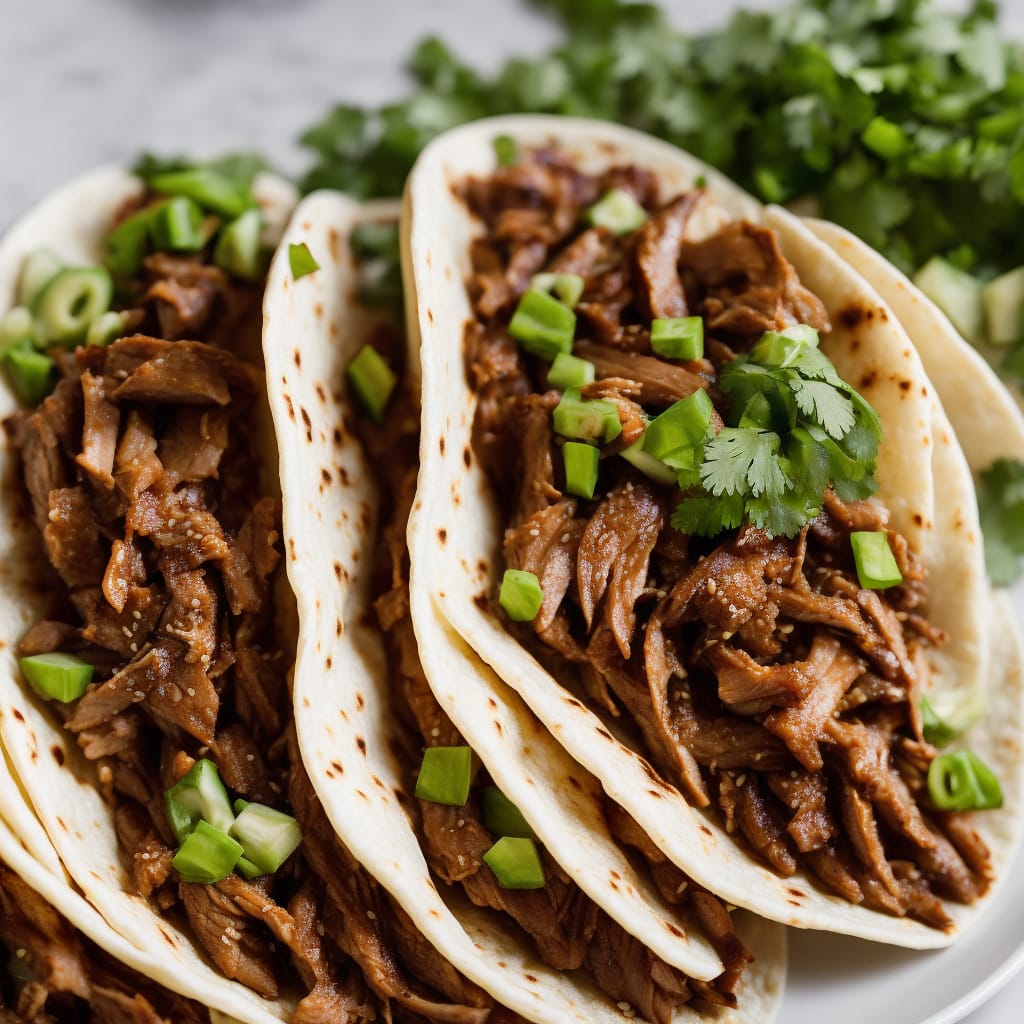
Setting up a soft shell taco bar is an excellent way to engage guests during gatherings, allowing them to customize their meals to suit their tastes. This interactive dining experience not only encourages mingling but also caters to varied dietary preferences, making it a versatile choice for any occasion. With the right components and thoughtful organization, you can create a memorable taco bar that enhances the overall experience.
To successfully set up a taco bar, it’s essential to gather the right ingredients and equipment. This ensures that your guests have everything they need to create their perfect soft shell tacos. Below is a list of necessary components and equipment that will make your taco bar a hit.
Essential Components and Equipment for a Taco Bar
A well-stocked taco bar includes a variety of toppings, proteins, and utensils. The following lists the essentials needed to create a taco bar that impresses your guests:
- Soft Shell Tacos: Choose flour or corn tortillas, or offer both options to accommodate different preferences.
- Proteins: Offer a selection such as seasoned ground beef, shredded chicken, black beans, and grilled vegetables for vegetarian options.
- Toppings: Include diced tomatoes, shredded lettuce, cheese (cheddar, queso fresco), avocado or guacamole, sour cream, and salsa (mild to spicy).
- Spices and Sauces: Provide taco seasoning, hot sauce, and lime wedges for added flavor.
- Utensils: Gather serving spoons, tongs, and plates to facilitate easy serving.
- Serving Dishes: Use bowls and platters to display ingredients attractively, encouraging guests to explore the options.
In addition to the ingredients, presentation is key in enhancing your guests’ taco experience. The way you display the taco bar can influence how much your guests enjoy the setup.
Tips on Presentation and Organization
A visually appealing and organized taco bar invites guests to participate and indulge. Consider the following tips for creating an enticing layout:
- Layered Setup: Organize ingredients in layers, starting with soft shells and proteins at the front, followed by toppings and sauces in the back. This allows guests to build their tacos in an efficient manner.
- Label Everything: Use small signs or labels to identify each ingredient and note any potential allergens, such as dairy or gluten.
- Colorful Ingredients: Incorporate colorful toppings to make the display more inviting. Fresh herbs, vibrant tomatoes, and colorful salsas can create a feast for the eyes.
- Space Management: Ensure there is enough space between different ingredients to prevent crowding and allow for easy access. A well-spaced setup will reduce wait times and enhance the flow.
- Seating Arrangement: Position seating areas near the taco bar to encourage guests to enjoy their creations while mingling.
By following these guidelines, you can create a soft shell taco bar that not only satisfies your guests’ appetites but also sparks conversation and fosters a lively atmosphere. A taco bar adds a touch of fun to any gathering, ensuring everyone leaves satisfied and with a full belly.
The Cultural Significance of Soft Shell Tacos in Social Gatherings
Soft shell tacos hold a special place in the hearts of many, not just as a delicious meal but as a symbol of togetherness and community. Their versatility allows them to fit seamlessly into various social settings, making them a staple for family gatherings, celebrations, and casual get-togethers. The act of sharing soft shell tacos fosters connection and creates lasting memories among friends and family.
In numerous cultures, taco nights have become a cherished tradition, often marking special occasions or simply serving as a weekly ritual. This communal meal encourages participation, where everyone contributes to the assembly of their tacos, enhancing the sense of belonging. The simple act of gathering around a table filled with colorful ingredients not only excites the palate but also sparks conversations, laughter, and storytelling.
Traditions and Stories Associated with Taco Nights
Taco nights are celebrated in various forms across different cultures, each adding a unique twist to the experience. These gatherings often feature a range of ingredients, allowing individuals to customize their meals according to personal tastes. Here are some notable aspects of taco night traditions:
- In Mexican households, taco nights often coincide with family celebrations, such as birthdays or holidays, where extended family comes together to enjoy homemade tortillas and a variety of fillings. This practice reinforces family bonds and cultural heritage.
- In the United States, many families have adopted taco night as a weekly tradition, usually on Tuesdays, creating an opportunity for everyone to unwind and share their week’s experiences. This playful custom, often referred to as “Taco Tuesday,” has grown in popularity across the nation.
- In some communities, taco nights serve as fundraising events, bringing people together for a cause. Churches and schools often host taco dinners, where the proceeds support local initiatives, showcasing the tacos’ role in community bonding and philanthropy.
The beauty of soft shell tacos lies in their ability to transcend cultural boundaries, uniting people from various backgrounds through the joy of sharing food. The adaptable nature of tacos invites creativity, as individuals can explore different flavors and ingredients while still maintaining the core essence of this beloved dish.
“Food is a universal language that transcends barriers, and soft shell tacos are a delicious dialect.”
Through these gatherings, soft shell tacos not only nourish the body but also cultivate a sense of togetherness, making them an integral part of communal meals and social interactions across the globe.
Final Review
In summary, soft shell tacos embody a perfect blend of tradition, flavor, and community. Whether enjoyed at a family gathering or as a quick meal on the go, their versatility and taste make them a beloved choice for all ages.
FAQs
What are soft shell tacos made of?
Soft shell tacos are typically made from corn or flour tortillas filled with various ingredients like meats, beans, vegetables, and cheese.
Are soft shell tacos healthier than hard shell tacos?
Generally, soft shell tacos can be healthier since they are less likely to be fried, allowing for better control of calories and fats.
Can I make soft shell tacos gluten-free?
Yes, you can use gluten-free tortillas made from corn or other gluten-free grains to create soft shell tacos.
What are some popular fillings for soft shell tacos?
Popular fillings include seasoned ground beef, grilled chicken, fish, and a variety of vegetables and beans.
How can I store leftover soft shell tacos?
Store leftovers in an airtight container in the refrigerator for up to three days; reheat the tortillas separately to maintain texture.