
 Rogert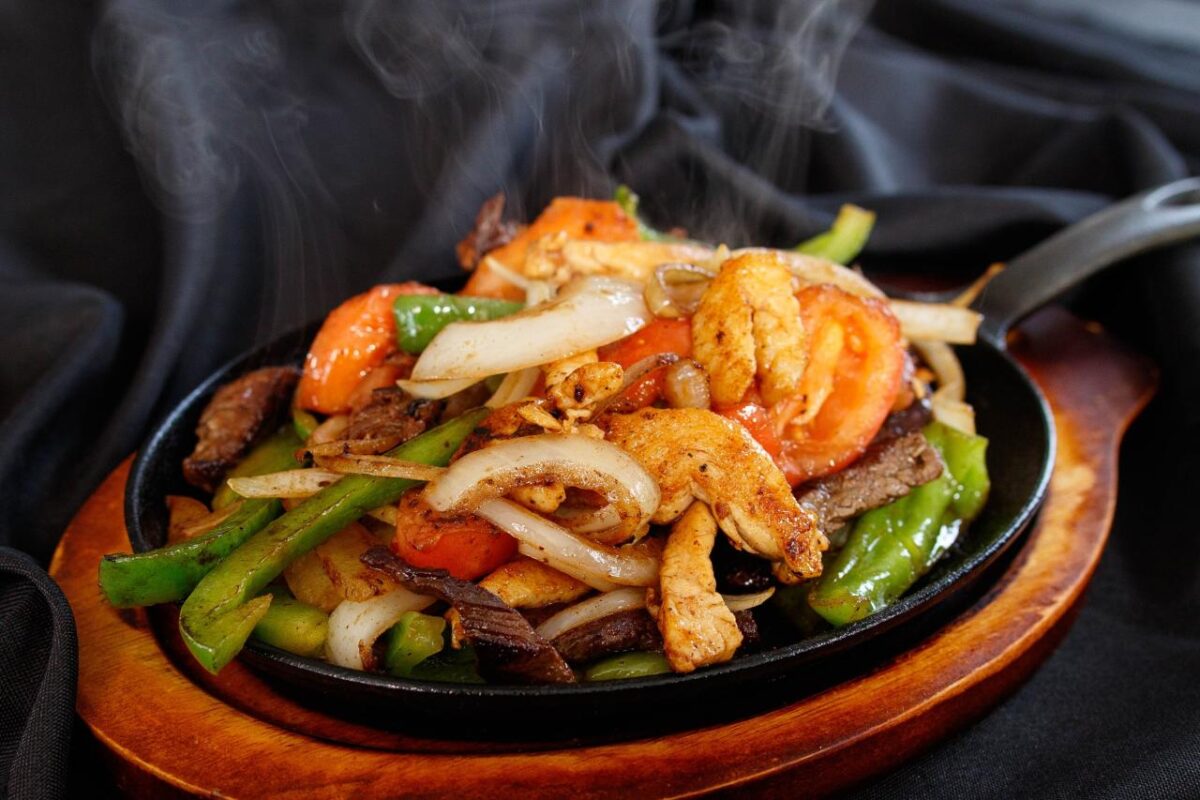
Mexican grill cuisine invites you on a flavorful journey where tradition meets innovation. With its rich history and vibrant cultural significance, grilling in Mexico is not just about food; it’s a celebration of community, family, and heritage. From the sizzling sounds of marinated meats to the fragrant aromas of spices wafting through the air, the Mexican grill experience is both an art and a passion that transcends borders.
This exploration delves into the essential elements of Mexican grilling, highlighting the unique ingredients, cooking techniques, and marinades that give this cuisine its distinct character. Whether you’re a seasoned chef or a curious home cook, understanding the nuances of Mexican grilling will enhance your culinary repertoire and deepen your appreciation for this delicious tradition.
Exploring the Origin and Cultural Significance of Mexican Grill Cuisine
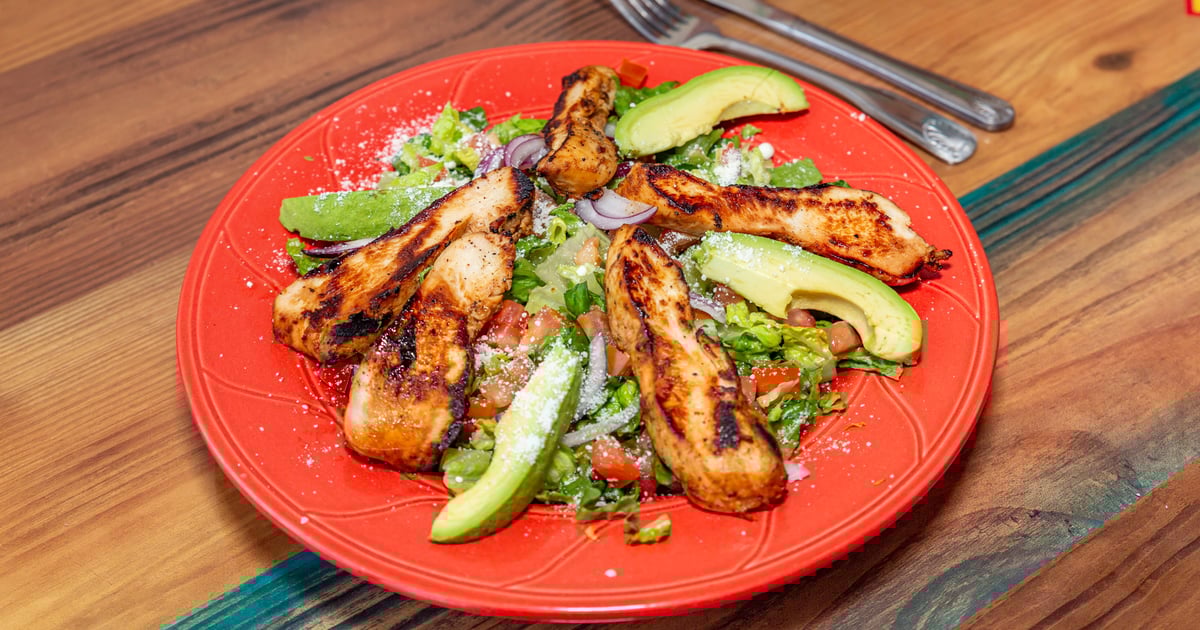
Mexican grill cuisine is a vibrant tapestry of flavors and techniques that has deep historical roots in the rich cultural heritage of Mexico. With influences from indigenous traditions and Spanish colonization, grilling in Mexico has evolved into an art form that celebrates communal dining and culinary diversity. The practice of grilling not only represents cooking methods but also embodies social connections and cultural expressions that have been passed down through generations.
At its core, Mexican grilling is characterized by its use of natural ingredients and traditional techniques that emphasize the authenticity of flavors. Unlike many other culinary styles that rely heavily on elaborate cooking methods or modern technology, Mexican grilling often utilizes simple tools such as open flames or charcoal, allowing the natural tastes of the ingredients to shine through. This method fosters a unique flavor profile that is smoky, savory, and deeply satisfying, inviting diners to experience the essence of Mexican culture through each bite.
Traditional Cooking Methods in Mexican Grilling
The traditional grilling techniques used in Mexican cuisine are distinct and vary regionally, reflecting the diversity of the country’s land and communities. Central to these methods is the practice of “asado,” which involves cooking meat over an open flame. This technique not only imparts a wonderful smoky flavor but also symbolizes gatherings and celebrations.
Some key traditional methods include:
- Comal: A flat griddle made of clay or metal, perfect for toasting tortillas and grilling vegetables. The comal is a staple in many Mexican homes and is often used to prepare a variety of dishes.
- Barbacoa: A slow-cooking method that involves marinating meat (often lamb or beef) and wrapping it in leaves before placing it in a pit. This technique has roots dating back to pre-Hispanic times.
- Taquiza: A communal barbecue cooking style where different meats and tacos are grilled and served for guests to create their own tacos. This practice promotes a sense of togetherness and celebration.
Regional Variations in Grilling Techniques and Flavors
Mexico’s diverse geography contributes to the rich variety of grilling techniques and flavors found across the country. Each region boasts its own specialties based on local ingredients and customs.
For example, in the coastal regions, seafood grilling takes center stage, with dishes such as grilled fish marinated in citrus and spices, often served with fresh salsas. In contrast, northern regions are well-known for their beef dishes, with cuts like arrachera being grilled to perfection.
Some notable regional grilling styles include:
- Yucatán: Renowned for its use of achiote marinade, which infuses grilled meats with a distinct flavor profile. The practice of cooking in an “underground oven” known as “pib” is also popular.
- Oaxaca: Famous for its use of mole sauces and the tradition of grilling with avocado leaves, which adds a unique flavor to dishes.
- Veracruz: Influenced by Afro-Caribbean cuisine, grilling here often incorporates citrus and herbs, resulting in bold and refreshing flavors.
“The essence of Mexican grilling lies not just in the food itself, but in the communal experience it fosters, bringing people together around the fire.”
Essential Ingredients for Authentic Mexican Grilled Dishes
When it comes to authentic Mexican grilling, the choice of ingredients plays a pivotal role in creating those beloved, rich flavors. The culinary tradition of Mexican grilling, known for its depth and variety, relies on a blend of fresh produce, spices, and cooking techniques that bring each dish to life. Understanding these key ingredients not only enhances the grilling experience but also ensures that the flavors remain true to their Mexican roots.
A cornerstone of Mexican grilled dishes is the use of fresh and bold flavors derived from spices, herbs, and marinades. These elements work synergistically to transform basic ingredients into extraordinary meals. The use of marinades, often made with citrus juices, garlic, and various spices, tenderizes the meat while infusing it with flavor. Herbs such as cilantro and oregano, along with spices like cumin and chili powder, add layers of complexity and heat, creating a truly authentic experience.
Key Ingredients in Mexican Grilling
The following ingredients are vital in achieving the authentic taste and aroma associated with Mexican grilling. Each ingredient contributes to the overall flavor profile and character of the dishes.
- Fresh Chiles: Varieties such as jalapeño, serrano, and poblano bring heat and depth. Used both fresh and dried, they are crucial for salsas and marinades.
- Cilantro: This herb has a fresh, citrusy flavor that brightens dishes and balances spicy elements, often used as a garnish or blended into salsas.
- Lime Juice: A key component in marinades, lime juice adds acidity that tenderizes meat and enhances the overall flavor profile.
- Garlic: Used in marinades and as a seasoning, garlic provides a rich, aromatic element that complements grilled meats beautifully.
- Oregano: Mexican oregano differs slightly from Mediterranean varieties, delivering a robust flavor that is often used in marinades and sauces.
- Achieve (Annatto): This seed is ground into a powder for seasoning, giving grilled meats a vibrant color and subtle earthy flavor.
- Queso Fresco: A fresh cheese that adds a creamy texture and mild flavor, often crumbled over grilled vegetables or meats.
- Mesquite Wood: Commonly used for grilling, this wood imparts a distinctive smoky flavor, enhancing the taste of meats and vegetables.
“The combination of fresh ingredients and traditional techniques creates a harmonious experience that defines Mexican grilling.”
Incorporating these ingredients into your grilling repertoire is essential to replicate the authentic flavors of Mexican cuisine. The thoughtful use of spices, herbs, and unique elements sets Mexican grilling apart, offering a culinary journey that celebrates tradition and flavor in every bite.
The Art of Preparing Traditional Mexican Marinades
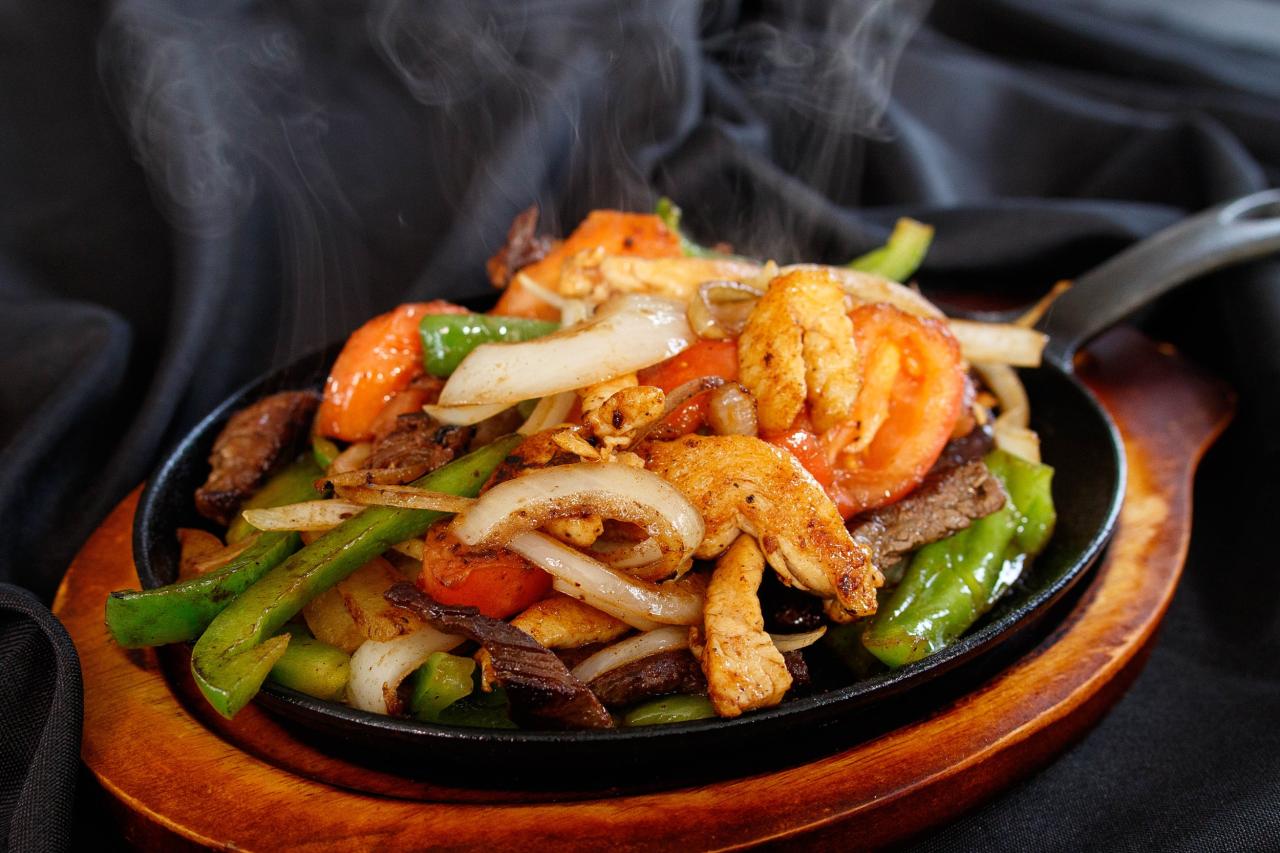
Marinating is an essential step in Mexican grilling that elevates the flavor profile of meats and vegetables. Traditional marinades, known as “adobos,” combine a variety of ingredients that infuse the food with rich, vibrant flavors, ensuring each bite bursts with taste. They are not just about seasoning; they also help tenderize the meat and enhance the overall cooking process.
The right marinade can transform ordinary ingredients into extraordinary dishes. A good marinade typically includes a combination of acid, fat, herbs, and spices. The acid helps tenderize the meat, the fat adds moisture, while the herbs and spices provide depth of flavor. Here are some traditional marinades often used in Mexican cuisine:
Key Ingredients for Traditional Marinades
When preparing marinades, selecting high-quality ingredients is crucial. The following components are commonly found in traditional Mexican marinades:
- Citrus Juice: Lime and orange juice are popular choices that add brightness and acidity, helping to tenderize meats.
- Vinegar: White or apple cider vinegar can enhance the tanginess and deepen the flavor.
- Garlic: Fresh garlic adds a robust and aromatic quality that complements various meats.
- Herbs: Fresh cilantro, oregano, and thyme provide earthy notes, critical in achieving authentic Mexican flavors.
- Chili Peppers: Dried or fresh chilis contribute heat and smokiness, with varieties like chipotle and ancho being favored.
- Spices: Cumin, paprika, and black pepper are often used to build complexity in the marinade.
- Oil: Olive oil or vegetable oil helps to coat the meat and aids in even cooking.
Marinating Times and Techniques
Understanding the appropriate marinating times and techniques for different types of meats and vegetables is vital for achieving the desired results. Each type of protein or vegetable requires a different approach to maximize flavor and texture.
For meats such as chicken and pork, a marinating time of 30 minutes to 2 hours is generally sufficient. Beef benefits from a longer marination period, often ranging from 2 to 12 hours, depending on the cut. For delicate proteins like fish, a shorter marination of 15 to 30 minutes is advisable to avoid the meat becoming mushy.
When it comes to vegetables, 30 minutes to 1 hour is typically ideal. The marinade should be applied generously, allowing the flavors to penetrate adequately. For optimal results, consider the following tips:
- Use a resealable plastic bag: This helps to evenly coat the meat or vegetables, ensuring every piece is well-marinated.
- Refrigerate during marination: Keeping the food cold prevents bacterial growth while allowing flavors to meld.
- Pat dry before grilling: Removing excess marinade can prevent flare-ups on the grill and enhance caramelization.
The Impact of Marination on Flavor and Texture
Marination not only enhances the taste but also affects the texture of grilled foods. Acidic ingredients in the marinade break down muscle fibers, resulting in more tender and juicy meat. The longer the food marinates, the more pronounced these effects become, leading to a more flavorful experience when grilled.
For instance, a well-marinated carne asada grilled to perfection showcases a deep, smoky flavor with a tender bite, making it a favorite in any taco or burrito. Vegetables, when marinated, absorb the marinade and develop an enhanced depth of flavor, leading to a delightful char when cooked.
“Marination is the secret to unlocking deep flavors and achieving perfect texture in grilled foods.”
Popular Mexican Grilled Dishes and Their Preparation Techniques
Mexican cuisine is renowned for its vibrant flavors and diverse ingredients, particularly when it comes to grilled dishes. Grilling is an integral aspect of Mexican cooking, combining traditional techniques with regional variations. This discussion delves into three beloved grilled dishes: tacos al pastor, carne asada, and elote, highlighting their preparation methods, grilling processes, and how they differ across the regions of Mexico.
Tacos al Pastor Preparation Techniques
Tacos al pastor are a quintessential street food in Mexico, deeply rooted in the culinary traditions brought by Lebanese immigrants. The preparation involves marinating thinly sliced pork in a mixture of spices, including achiote, garlic, and citrus juices, which infuses the meat with flavor.
The grilling process utilizes a vertical spit known as a “trompo,” where the marinated pork is stacked and cooked slowly. The outer layer of the meat is sliced off as it caramelizes, creating perfectly crispy, juicy pieces. This method allows for even cooking and a delicious char that enhances the flavor.
In different regions, variations exist. For instance, in Puebla, some may add pineapple to the spit, giving a sweet contrast to the spicy meat, while in Mexico City, the classic style remains more traditional, focusing on the savory marinade without the added sweetness.
Carne Asada Preparation Techniques
Carne asada, meaning “grilled meat,” commonly refers to cuts of beef, such as flank or skirt steak. The meat is typically marinated with ingredients like lime juice, garlic, cumin, and cilantro, which tenderizes the beef and adds a zesty flavor profile.
When grilling carne asada, high heat is essential to achieve a good sear that locks in the juices. This is often done on a charcoal grill, which imparts a smoky flavor. The steak is cooked to medium-rare, ensuring it’s juicy and flavorful.
Regional differences are significant. In northern Mexico, carne asada is often served with simple accompaniments like guacamole and salsa, while in coastal areas, it might be paired with fresh seafood or fruity salsas.
Elote Preparation Techniques
Elote, or Mexican street corn, is a popular grilled snack that showcases the richness of Mexican flavors. The preparation begins with fresh corn on the cob, which is typically soaked in water to prevent burning during grilling.
The grilling process involves charring the corn until tender and slightly smoky. Once grilled, elote is generously smeared with mayonnaise or crema, rolled in crumbled cotija cheese, and topped with chili powder and lime juice for added zest.
In various regions, elote can be presented differently. For example, in some areas, it may be served off the cob as “esquites,” mixed with lime and chili in a cup, while in beach towns, vendors may offer variations topped with additional spices or sauces reflecting local tastes.
Emphasizing the unique grilling techniques and ingredient variations across regions contributes to the complex tapestry of Mexican grilled dishes.
The Role of Salsas and Accompaniments in Mexican Grilled Meals
Salsas and accompaniments are essential elements of Mexican cuisine, especially when it comes to grilled dishes. They not only enhance the flavors of the meats but also add a vibrant touch to the presentation. Whether it’s a smoky chipotle salsa or a refreshing pico de gallo, these condiments bring balance and excitement to every bite, highlighting the rich diversity of Mexican culinary traditions.
Grilled meats, from carne asada to pollo al carbón, often take center stage in a meal. However, the right salsa or accompaniment can elevate these dishes, offering contrasting flavors and textures. Accompaniments like guacamole, grilled vegetables, or even pickled onions complement the savory notes of grilled meats, while salsas introduce zest and freshness that can lighten a hearty dish. The interplay of flavors is crucial, and knowing how to pair these elements can transform a simple meal into a memorable feast.
Importance of Salsas
Salsas serve as a crucial component in Mexican grilled meals, providing not only flavor but also aroma and color. Each type of salsa has its own unique flavor profile that can either complement or contrast with grilled foods. Here are some popular types of salsas and their characteristics:
- Pico de Gallo: A fresh salsa made from diced tomatoes, onions, cilantro, lime juice, and jalapeños. Its bright, crisp flavor pairs perfectly with grilled chicken or fish, adding a refreshing crunch.
- Roasted Tomato Salsa: Made with charred tomatoes, onions, and chilies, this salsa has a smoky depth that pairs well with grilled meats like steak or pork. The roasting process enhances the sweetness of the tomatoes.
- Chipotle Salsa: This salsa incorporates chipotle peppers in adobo sauce, offering a spicy and smoky flavor. It’s excellent with grilled sausages or beef, as it adds a layer of complexity.
- Mango Salsa: Combining sweet mangoes with red onion, jalapeño, and cilantro, this fruity salsa provides a tropical twist that works beautifully with grilled shrimp or fish.
- Avocado Salsa: Creamy and rich, avocado salsa blends avocado with tomatillos and lime juice, creating a smooth texture that complements grilled meats, especially steak.
When pairing salsas with grilled dishes, it is essential to consider the balance of flavors. For example, a rich and fatty cut of meat like pork belly pairs well with a bright, acidic salsa to cut through the fat. On the other hand, lean meats like chicken benefit from a more robust salsa that can enhance their subtle flavors.
“The right salsa doesn’t just complement the grilled meat; it transforms the dining experience into a festival of flavors.”
Incorporating these salsas into your meals can create a delightful balance that showcases the best of Mexican grilling traditions, turning each dish into a celebration of taste and culture.
Trends in Modern Mexican Grilling Techniques and Fusion Cuisine
The world of Mexican grilling is undergoing an exciting transformation as chefs and home cooks alike embrace modern techniques and global flavors. This evolution reflects not only a respect for traditional methods but also an openness to innovation, leading to a rich tapestry of grilling experiences that honor the roots of Mexican cuisine. The infusion of contemporary tools and international inspirations is reshaping how we think about Mexican grilling.
Modern technology has significantly changed the landscape of Mexican grilling by introducing advanced cooking equipment such as gas grills, smokers, and even pellet grills. These tools allow for more precise temperature control and easier maintenance, which expands the possibilities for flavor development and cooking techniques. Traditional methods, such as cooking over an open flame or using traditional clay ovens (comales), are increasingly complemented by these modern appliances, enabling chefs to preserve the authenticity of their dishes while exploring new culinary horizons.
Popular Fusion Dishes with Mexican Roots
The fusion of Mexican cuisine with other culinary traditions has led to the creation of numerous innovative dishes that push the boundaries of grilling. These dishes maintain their Mexican roots while incorporating elements from various global cuisines. Here are some notable examples that highlight this trend:
- Tacos al Pastor Quesadillas: This dish combines the classic taco al pastor, featuring marinated pork, with the cheesy goodness of quesadillas, showcasing the traditional flavors of Mexico in a delightful new format.
- Tequila Lime Chicken Fajitas: Marinated in tequila and lime, this dish blends Mexican flavors with a hint of American grilling style, creating a savory and zesty experience.
- Chipotle BBQ Ribs: A fusion of Mexican chipotle flavors with classic American BBQ techniques results in tender, smoky ribs that burst with flavor while paying homage to both cuisines.
- Grilled Corn with Miso Butter: Incorporating Japanese miso into the traditional Mexican elote (grilled corn) creates a unique flavor profile that highlights the sweetness of the corn while adding a savory depth.
These fusion dishes exemplify how modern Mexican grilling techniques can evolve while still honoring traditional flavors and methods. By merging the past with the present, cooks can create new culinary experiences that resonate with both old and new generations of food lovers.
“Modern Mexican grilling is not just about cooking; it’s about storytelling through flavors and techniques that reflect a rich cultural heritage while embracing the future.”
Celebrating Mexican Grilling at Social Gatherings and Festivals
Mexican grilling is more than just a cooking method; it plays a pivotal role in social gatherings and cultural festivals throughout the country. The communal aspect of grilling brings families and friends together, fostering bonding and creating vibrant experiences that celebrate heritage and tradition. From street fairs to backyard barbecues, the act of grilling forms a centerpiece of celebration and joy.
In Mexican culture, grilling is an integral part of various festivities, marking significant occasions such as birthdays, weddings, and national holidays. These gatherings often feature traditional foods like carne asada, elotes (grilled corn), and an array of colorful salsas. The communal spirit shines through as everyone participates in the preparation, cooking, and sharing of these delicious dishes, making the event a memorable affair.
Customs and Rituals Associated with Grilling
Mexican grilling customs are enriched with rituals that enhance the social experience. It is common to see grilling as a ceremonial act, where specific practices are observed to honor tradition and community.
- Preparation of Ingredients: Families often choose the freshest ingredients from local markets, emphasizing the importance of quality and flavor. Ingredients like fresh cilantro, limes, and spices are essential in marinating meats.
- Gathering Around the Grill: Friends and family members often circle around the grill, sharing stories and laughter while the food cooks, creating a relaxed and joyful atmosphere.
- Offering Food: In some regions, it is customary to offer the first grilled items to family elders or respected guests as a sign of respect and gratitude.
- Live Music and Dance: Festivals often feature mariachi bands or local musicians, creating a lively ambiance that complements the grilling experience. Dance is encouraged, transforming the gathering into a festive celebration.
- Sharing and Community: The act of sharing grilled food is vital, as it symbolizes unity and friendship. Dishes are often served family-style, allowing everyone to partake and enjoy together.
Hosting a Mexican Grill-Themed Party
To host a successful Mexican grill-themed party, consider the following elements that make the occasion enjoyable and immersive for all attendees.
Start with a well-thought-out menu that highlights traditional grill favorites. Popular choices include marinated meats, grilled vegetables, and a range of sides and salsas to accompany the main dishes. Pairing these foods with refreshing beverages like horchata or margaritas further enhances the experience.
- Menu Planning: Include staples such as carne asada, chicken fajitas, and grilled shrimp skewers. Don’t forget about vegetarian options like grilled cactus and peppers.
- Ambiance: Set the mood with vibrant decorations inspired by Mexican culture, including colorful papel picado banners and traditional table settings. Soft lighting or outdoor string lights create a warm atmosphere.
- Interactive Elements: Set up a DIY taco or salsa station, allowing guests to customize their meals with their preferred toppings, promoting engagement and fun.
- Incorporate Traditional Drinks: Offer a selection of Mexican beverages, including agua fresca, tequila, or cerveza, to keep the energy flowing during the gathering.
- Music and Entertainment: Create a playlist of Mexican music to invigorate the atmosphere. Consider hiring a local band or having a dance area for guests to enjoy live performances.
“Grilling is the heart of our gatherings, where love, laughter, and delicious food unite.”
Tips for Achieving the Perfect Grill Marks and Flavor
Grilling is not just about cooking; it’s an art form that brings out the best in meats and vegetables. Achieving those perfect grill marks and infusing your food with rich flavors can elevate your cookout experience to a whole new level. Here, we will explore techniques, temperature control, and troubleshooting strategies to help you become a grilling pro.
Achieving Perfect Grill Marks
Grill marks are not only visually appealing but also signal that your food has been cooked to perfection. To achieve these coveted lines, it’s essential to focus on technique and timing.
1. Preheat the Grill: Ensure your grill is fully preheated to a high temperature before placing any food on it. A temperature of around 450°F to 500°F is ideal for creating those beautiful marks.
2. Oil the Grates: Use a high smoke point oil and brush it on the grill grates. This helps prevent sticking and promotes even cooking.
3. Placement and Timing: Place the food at a 45-degree angle to the grates. After a few minutes, rotate it 90 degrees to create a crosshatch pattern. Timing is crucial; for meats, aim for 3-4 minutes on each side, adjusting based on thickness.
4. Avoid Excessive Flipping: Let the food sear before flipping. Constantly moving the food will prevent it from forming those perfect grill marks.
Temperature Control and Timing Strategies
Understanding temperature control and timing is essential for grilling different types of food. Each type requires specific heat levels and cooking durations to ensure it’s cooked through while maintaining juiciness.
– Meats: Steaks benefit from high heat for a quick sear, followed by lower heat to finish cooking. A medium-rare steak typically takes about 4-5 minutes per side at high heat, then a few additional minutes on medium heat.
– Poultry: Chicken requires more time and an even cooking temperature. For boneless chicken breasts, grill at medium heat for about 6-7 minutes per side.
– Vegetables: Vegetables cook faster than meats. Zucchini and bell peppers usually take about 3-4 minutes per side on medium-high heat.
Maintaining the right temperature throughout the cooking process is critical to achieving the desired results.
Troubleshooting Common Grilling Issues
Even seasoned grillers encounter issues. Here are some common problems and solutions to ensure your cookout is a success:
– Flare-Ups: If you experience flare-ups from dripping fats, move the food to a cooler part of the grill until the flames die down. Consider trimming excess fat before grilling.
– Sticking Food: If food sticks to the grill, it may not have been oiled properly or the grates could be too cool. Preheat and oil grates before placing food on them.
– Uneven Cooking: Flare-ups or temperature variances can lead to uneven cooking. Use a grill thermometer to check temperatures in various areas, ensuring even heat distribution.
By mastering these tips and techniques, you’ll be able to impress your family and friends with beautifully grilled food that not only looks fantastic but tastes even better.
Conclusion
In conclusion, the world of Mexican grill cuisine is a vibrant tapestry woven from history, culture, and flavor. As we celebrate the artistry behind traditional dishes and modern innovations alike, we recognize that grilling is more than just a cooking method; it is an expression of identity and community. So gather your friends and family, fire up the grill, and embark on your own delicious adventure into the heart of Mexican culinary heritage.
Expert Answers
What types of meats are commonly used in Mexican grilling?
Popular choices include beef, chicken, pork, and seafood, each marinated to enhance flavor.
What is the importance of salsas in Mexican grilling?
Salsas add freshness and balance to grilled dishes, complementing the smoky flavors with their vibrant tastes.
How can I achieve the best grill marks?
Preheat your grill, avoid moving the food too much, and ensure proper temperature for optimal grill marks.
Are there vegetarian options in Mexican grilling?
Absolutely! Grilled vegetables like corn, peppers, and zucchini are popular choices.
What beverages pair well with Mexican grilled dishes?
Traditional drinks like margaritas, aguas frescas, and Mexican beers enhance the grilling experience.