 Rogert
Mexican fast food has rapidly become a staple in urban dining, captivating taste buds with its vibrant flavors and cultural richness.
As cities grow and lifestyles change, the incorporation of traditional Mexican ingredients into convenient fast food options has propelled this cuisine into the spotlight. With an increasing number of outlets popping up in major metropolitan areas, Mexican fast food stands as a testament to the blend of culture and convenience, satisfying cravings while reflecting the diverse tastes of a modern society.
The Rise of Mexican Fast Food in Urban Areas
The popularity of Mexican fast food has surged in recent years, particularly in urban environments where diverse culinary experiences are highly sought after. As cities grow, so does the demand for quick, flavorful, and authentic dining options that can cater to a fast-paced lifestyle. This shift is not just a trend but a reflection of cultural integration and adaptation that resonates with both local and global consumers.
Urbanization has played a pivotal role in the growth of Mexican fast food by creating a melting pot of flavors and preferences. With the influx of people from various backgrounds into cities, there is an increasing desire for food that is both convenient and authentic. Mexican cuisine, known for its vibrant flavors and fresh ingredients, fits perfectly into this niche. The fast food industry has effectively adapted traditional recipes, incorporating elements like tacos, burritos, and quesadillas into quick-service formats that appeal to urban dwellers.
The Role of Culture in Fast Food Adaptation
The influence of culture on Mexican fast food can be observed in how traditional flavors are seamlessly integrated into modern dining experiences. Many fast food outlets have embraced authentic Mexican ingredients and cooking techniques while also catering to the local palate. This fusion not only preserves the essence of the cuisine but introduces it to new audiences.
To illustrate this cultural adaptation, consider the following:
- Use of Fresh Ingredients: Fast food chains emphasize the use of fresh vegetables, herbs, and spices typical in traditional Mexican cooking, enhancing the overall flavor profile.
- Menu Diversification: Many outlets offer variations of classic dishes, such as vegan and gluten-free options, ensuring that they appeal to health-conscious consumers while staying true to their roots.
- Regional Specialties: Some fast food establishments showcase regional Mexican dishes, like Tacos al Pastor or Mole, making them accessible to people who may not be familiar with these specialties.
Growth Statistics of Mexican Fast Food Outlets
The rapid increase in the number of Mexican fast food outlets in major cities underscores the growing popularity of this cuisine. According to industry reports, the number of Mexican fast food restaurants in urban areas has grown by approximately 25% over the last five years. Major cities have witnessed a surge in outlets, as well as the emergence of food trucks and pop-up restaurants that specialize in Mexican cuisine.
Key statistics that highlight this growth include:
- Market Growth Rate: The Mexican fast food segment is projected to grow at an annual rate of 5.6% through 2025.
- Urban Presence: Cities like Los Angeles, New York, and Chicago have seen an increase of over 1,000 new Mexican fast food locations combined in the last decade.
- Consumer Preferences: Surveys indicate that nearly 40% of urban consumers prefer Mexican cuisine when selecting fast food options due to its flavor and accessibility.
This rise in popularity is not only contributing to the culinary landscape but also stimulating economic growth and job creation within urban centers. As Mexican fast food continues to flourish, it serves as a testament to the rich heritage of Mexican cuisine and its ability to adapt to modern dining needs.
Key Ingredients That Define Mexican Fast Food
Mexican fast food showcases a vibrant tapestry of flavors, rooted in traditional cuisine but designed for quick and convenient consumption. The key ingredients used are not only staples of Mexican cooking but also contribute to the distinctive taste and texture of the dishes enjoyed worldwide.
A variety of staple ingredients form the backbone of Mexican fast food. Corn, beans, and rice are foundational, providing essential carbohydrates and proteins. Additionally, meats such as chicken, beef, and pork offer hearty flavors, while fresh vegetables and herbs like cilantro, tomatoes, and onions add brightness and freshness. The importance of spices and flavors cannot be overstated; they create the authentic taste profile that defines Mexican cuisine. Spices like cumin, chili powder, and oregano introduce warmth and complexity, while ingredients like lime and avocado bring a refreshing element.
Key Staples in Mexican Fast Food
The following key ingredients are integral to the flavor and structure of popular Mexican fast food dishes:
- Corn: Used in tortillas, tamales, and as a side, corn is a staple that serves as the base for many fast-food items.
- Beans: Rich in protein and fiber, beans are often found in burritos, tacos, and as a topping for various dishes.
- Rice: Typically served as a side or filling, rice complements many dishes while providing essential nutrients.
- Meats: Chicken, beef, and pork are common in tacos, burritos, and quesadillas, offering robust flavors and satisfying textures.
- Vegetables: Fresh ingredients such as onions, tomatoes, and lettuce are essential for garnishing and adding crunch to various fast food items.
- Spices: Cumin, chili powder, and paprika help develop the signature heat and depth associated with Mexican cuisine.
- Herbs: Fresh cilantro and oregano add aromatic qualities that enhance the overall taste experience.
- Avocado: Whether in guacamole or as a topping, avocado brings creaminess and healthy fats to the table.
- Lime: A squeeze of lime adds acidity and brightness, elevating the flavors of many dishes.
The nutritional profiles of these ingredients reflect their importance in offering not just flavor but also health benefits. Below is a table outlining the nutritional values of some of the most popular ingredients used in Mexican fast food:
| Ingredient | Calories (per 100g) | Protein (g) | Carbohydrates (g) | Fat (g) | Fiber (g) |
|---|---|---|---|---|---|
| Corn | 86 | 3.2 | 19.0 | 1.2 | 2.4 |
| Beans (Black) | 132 | 8.9 | 23.7 | 0.5 | 8.7 |
| Rice (White, cooked) | 130 | 2.7 | 28.2 | 0.3 | 0.4 |
| Chicken (cooked) | 239 | 27.3 | 0.0 | 13.6 | 0.0 |
| Pork (cooked) | 291 | 25.7 | 0.0 | 21.0 | 0.0 |
| Tomato | 18 | 0.9 | 3.9 | 0.2 | 1.2 |
| Avocado | 160 | 2.0 | 8.5 | 14.7 | 6.7 |
| Lime | 30 | 0.99 | 11.1 | 0.1 | 0.2 |
Popular Dishes Within the Mexican Fast Food Scene
Mexican fast food has carved a niche for itself in various parts of the world, especially in the United States and Canada. The fusion of traditional Mexican flavors with Western dining habits has led to the creation of a unique fast food culture. Here, we’ll explore some of the top-selling items at Mexican fast food chains, their adaptations to suit local tastes, and what customers have to say about them.
Taco Variations
Tacos are perhaps the most iconic representation of Mexican cuisine in fast food. They are versatile and can be filled with various ingredients to cater to different preferences.
- Crunchy Taco: Often filled with ground beef, cheese, lettuce, and tomatoes, this item appeals to Western palates with its crisp shell and familiar toppings.
- Soft Taco: Offering a softer tortilla option, this dish is preferred for its easy-to-eat nature. Fillings can range from grilled chicken to vegetarian options.
- Fish Taco: Originally from coastal regions of Mexico, this dish has been adapted with fried or grilled fish, topped with cabbage and creamy sauces, gaining popularity in beach towns.
Many customers appreciate the customizable nature of tacos, allowing for a personal touch. As one customer noted, “
The best thing about tacos is that you can make them exactly how you like!
”
Burritos and Their Evolution
Burritos have become a staple in the fast food Mexican scene, with their hearty fillings making them a favorite for on-the-go meals.
- Standard Bean and Cheese Burrito: This classic is a hit for its simplicity and affordability. With refried beans and cheese wrapped in a flour tortilla, it resonates with those looking for comfort food.
- California Burrito: This variant includes French fries, carne asada, cheese, and guacamole, showcasing a distinct fusion of American and Mexican flavors that has captivated diners.
- Breakfast Burrito: Packed with scrambled eggs, bacon, and salsa, this burrito caters to Western breakfast habits while still paying homage to its Mexican roots.
Customers rave about the generous portion sizes and flavors, with one review stating, “
These burritos are a meal in themselves, and they never skimp on filling!
”
Nachos and Their Popularity
Nachos have transitioned from a bar snack to a beloved fast food item, often served as a shareable dish or a meal on their own.
- Classic Nachos: Tortilla chips topped with melted cheese, jalapeños, and sour cream, this dish is a fan favorite for its bold flavors and communal aspect.
- Loaded Nachos: Adding proteins like chicken, beef, or beans elevates this dish, making it a more filling option that appeals to a wider audience.
- Vegetarian Nachos: This version incorporates fresh toppings like guacamole, pico de gallo, and black beans, appealing to health-conscious consumers.
Customer feedback highlights the diverse options available, with many stating, “
Nachos are perfect for sharing or just indulging alone; either way, they’re a win!
”
Quesadillas and Their Flexibility
Quesadillas are another popular fast food item, known for their cheesy goodness and adaptability.
- Cheese Quesadilla: The simplest form, this dish features melted cheese between two tortillas, providing a gooey, satisfying bite.
- Chicken Quesadilla: This variant includes grilled chicken, adding protein while still being easy to consume.
- Vegetable Quesadilla: Filled with a colorful array of veggies and cheese, this option caters to vegetarians and health-conscious diners.
Feedback often mentions how quesadillas are a great choice for both kids and adults, making them a versatile menu item. As one customer put it, “
Quesadillas are my go-to for a quick meal – they’re always cheesy and delicious!
”
The Business Model of Mexican Fast Food Chains
Mexican fast food chains have carved a unique niche in the food industry, combining traditional flavors with quick service. Their business model revolves around several strategies that drive both customer satisfaction and profitability. This segment analyzes the core strategies employed by successful chains, particularly the significance of franchising and brand recognition.
Business Strategies of Successful Chains
Successful Mexican fast food chains employ a variety of strategies to capture market share and enhance profitability. One key aspect is their ability to balance quality and speed, offering authentic Mexican cuisine in a fast-casual format. These chains often focus on innovative menu items that cater to local tastes while maintaining the essence of traditional dishes.
Franchising plays a pivotal role in expanding their reach. It allows for rapid growth by leveraging local partnerships while minimizing capital risk. Franchisees often bring a deep understanding of regional markets, which can result in a more tailored customer experience.
- Menu Innovation: Regularly updating menu items to include seasonal ingredients or trending dishes helps retain customer interest and attract new clientele.
- Quality Ingredients: Sourcing fresh, local ingredients enhances the flavor profile and appeals to health-conscious consumers.
- Speed of Service: Efficient operations and streamlined processes ensure that customers receive their food quickly, enhancing satisfaction.
- Franchise Model: Utilizing franchises facilitates rapid expansion and local market adaptation, reducing the financial burden on the parent company.
- Brand Recognition: Strong branding efforts, including consistent marketing campaigns, foster customer loyalty and attract new customers.
Franchising is more than just a method of expansion; it is a strategy that embodies trust and reliability. Franchisees often benefit from established brand recognition, which can significantly reduce the time and effort needed to build a customer base. This symbiotic relationship allows both the franchisor and franchisee to share in the success of the brand.
“Franchising provides a systematic approach to business growth, allowing fast food chains to scale quickly while maintaining quality and brand standards.”
In conclusion, the profitability of Mexican fast food chains is driven by a combination of innovative business strategies, effective franchising practices, and strong brand recognition. By continually adapting to consumer preferences and leveraging local partnerships, these chains remain competitive in a dynamic market.
Health Considerations of Mexican Fast Food Options
Fast food has become an integral part of modern dining culture, including popular Mexican cuisine options. While they offer great convenience and flavorful meals, health considerations are vital when indulging in these delicious dishes. The balance between enjoying Mexican fast food and maintaining a healthy diet requires awareness of nutritional values and making informed choices.
Mexican fast food is often associated with high calories, saturated fats, and sodium, which can lead to various health issues when consumed excessively. Ingredients such as cheese, sour cream, and fried items frequently appear on the menu, making certain dishes less healthy. However, there are options for those who wish to indulge without compromising their health goals.
Healthier Alternatives Available
When dining at Mexican fast food establishments, it’s essential to be aware of healthier alternatives that can satisfy cravings without the calorie overload. Below are some options that could be considered:
- Grilled Chicken Tacos: Opting for grilled rather than fried chicken reduces unhealthy fats while providing protein.
- Vegetable Fajitas: A colorful mix of grilled vegetables can be a satisfying choice that is lower in calories and high in fiber.
- Salsa and Guacamole: These can add flavor and nutrients to your meal while keeping it healthier than heavy creams and sauces.
- Salads with Lean Proteins: Many places offer salads topped with grilled chicken or shrimp, which can be a balanced option.
- Whole Wheat Tortillas: Choosing whole grain products can increase fiber intake and improve overall nutrition.
Making balanced choices at these outlets involves considering portion sizes and preparation methods. It’s beneficial to share dishes or choose smaller portions to prevent overeating. Additionally, being mindful of toppings and sauces can significantly impact the overall healthiness of your meal.
“Choosing wisely when dining out can enhance your health without sacrificing flavor.”
Maintaining hydration is also important, so opting for water or unsweetened beverages instead of sugary drinks can make a difference. By understanding the options available and making conscious decisions, one can enjoy the vibrant flavors of Mexican fast food while still prioritizing health.
The Role of Social Media in Promoting Mexican Fast Food
Social media has revolutionized the way brands connect with consumers, especially in the food industry. Mexican fast food brands have harnessed the power of platforms like Instagram, Facebook, and TikTok to engage customers and create buzz around their offerings. Social media campaigns not only enhance brand visibility but also influence consumer behavior and preferences, making them a crucial element in the marketing strategies of these brands.
One of the significant impacts of social media is its ability to generate consumer interest through targeted campaigns and user-generated content. Engaging posts, interactive stories, and vibrant visuals play a vital role in attracting potential customers. Brands like Taco Bell have successfully utilized social media to create viral marketing campaigns that resonate with younger audiences. For instance, their #TacoEmojiEngine campaign encouraged users to tweet taco emojis, which would then generate a personalized taco image in response. This interactive approach not only boosted engagement but also increased brand loyalty among consumers.
Successful Marketing Strategies in Mexican Fast Food
Several brands have implemented innovative marketing strategies on social media, leading to increased sales and customer engagement. The following are noteworthy examples:
- Chipotle’s ‘Savor the Moment’: Chipotle uses Instagram to showcase its fresh ingredients and customer stories, encouraging followers to share their own experiences with the hashtag #ChipotleStories. This creates a community feeling and promotes customer loyalty.
- Taco Bell’s Menu Innovations: Taco Bell often announces new menu items through eye-catching visuals and influencer partnerships on social media. For instance, the release of their “Cheetos Quesadilla” was coupled with a fun Instagram campaign that featured influencers showcasing the product in creative ways.
- QDOBA’s Interactive Polls: QDOBA engages their audience by hosting interactive polls on Instagram stories, allowing followers to vote on new menu items. This strategy not only garners participation but also gives customers a sense of ownership in product development.
The impact of food photography plays a crucial role in attracting customers to Mexican fast food. High-quality images can evoke strong emotional responses and stimulate cravings. By employing professional photography that highlights the vibrant colors and textures of dishes like tacos, burritos, and quesadillas, brands can create an enticing visual appeal.
“An image speaks a thousand words; in the world of food, it can also speak to a thousand appetites.”
Furthermore, social media allows brands to leverage user-generated content, where customers share their own food photos. This not only provides authentic testimonials but also creates a sense of community. For example, hashtags like #TacoTuesday or #MexicanFoodLovers encourage customers to post their meals, further enhancing brand visibility and attracting new customers through relatable content.
Global Expansion of Mexican Fast Food Brands
The global expansion of Mexican fast food brands has transformed the culinary landscape in many countries. This phenomenon is not just about introducing tacos and burritos; it involves navigating a complex web of cultural preferences, local regulations, and competitive markets. As brands venture into international waters, they face both opportunities and challenges that shape their strategies and offerings.
The introduction of Mexican fast food into international markets presents several challenges. These include cultural differences, varying consumer preferences, and local competition. Brands often have to adapt their menus to suit the local palate while maintaining the essence of Mexican cuisine. Compliance with food safety regulations and supply chain logistics can also complicate things further. For instance, brands like Chipotle and Taco Bell have had to customize their offerings in countries like Japan, where rice is a staple, leading to the introduction of rice bowls alongside traditional items.
Influence of Global Tastes on Menus
As Mexican fast food brands expand globally, they are increasingly influenced by local tastes. This adaptation is crucial for gaining traction in diverse markets. Menu items are often modified or completely reimagined to cater to local preferences.
For example, in India, where vegetarianism is common, chains like Taco Bell have introduced products such as paneer tacos and potato burritos, moving away from meat-centric offerings. Similarly, in the Middle East, the use of spices and halal meat has allowed brands to appeal to local customs and dietary restrictions. The integration of local ingredients and flavors not only helps in customer acceptance but also enhances the brand’s relevance in the new market.
Reception of Mexican Fast Food Across Countries
The reception of Mexican fast food varies significantly across different countries. Understanding these differences can provide insights into consumer behavior and market potential.
Several factors influence how Mexican fast food is perceived, including cultural backgrounds, culinary traditions, and existing competition. For instance, in the United States, Mexican food has been embraced as a mainstream cuisine, leading to the rapid success of various chains. In contrast, in countries like Sweden, Mexican fast food is still seen as a novelty, resulting in slower growth for brands.
Here’s a brief overview of the reception of Mexican fast food in key regions:
- United States: Highly popular, with a diverse array of options available. The blend of traditional and Americanized versions appeals to a broad audience.
- Europe: Varied reception; countries like the UK have seen success, while others like Germany are still warming up to the concept.
- Asia: Mixed responses; countries like Japan have shown interest, but adaptations are often necessary to align with local tastes.
- Latin America: Familiarity with flavors creates a different dynamic, often leading to a blend of local and traditional Mexican offerings.
In essence, the global journey of Mexican fast food brands illustrates the complexity of food culture and the importance of localization in achieving success in diverse markets.
Sustainability Practices in Mexican Fast Food Chains
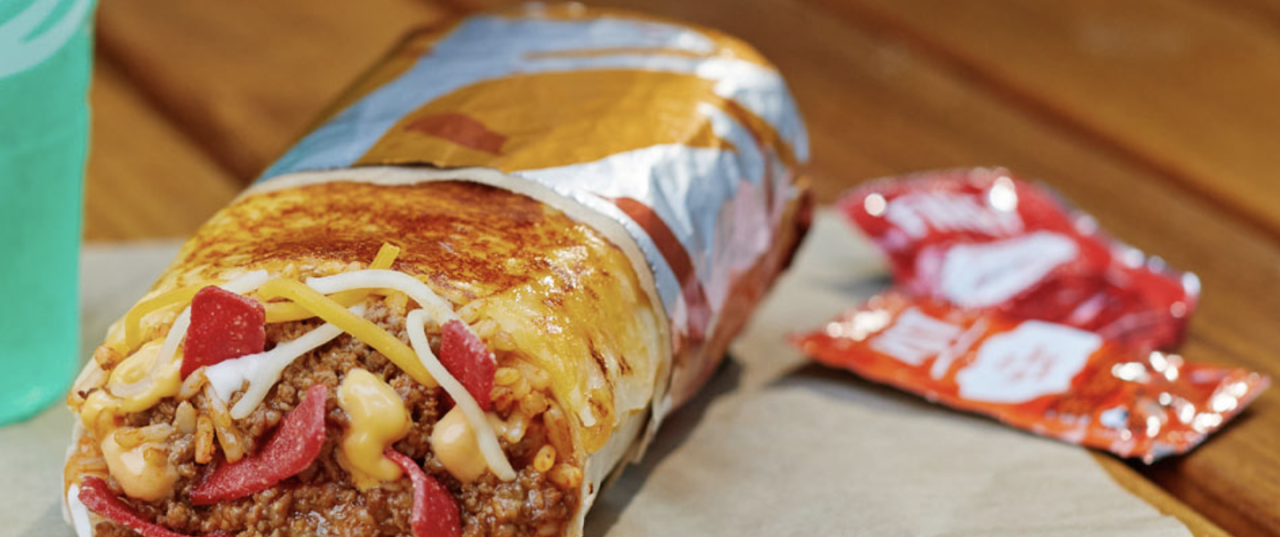
As the fast food industry evolves, many Mexican fast food chains are stepping up to meet growing consumer demand for sustainable practices. These chains are increasingly aware of their environmental responsibilities, working towards reducing their carbon footprints and promoting eco-friendly operations. The integration of sustainability into their business models not only supports local communities but also attracts a conscientious customer base.
Sourcing local ingredients plays a crucial role in minimizing environmental impact and enhancing sustainability. By procuring food items from nearby farms, fast food brands can reduce transportation emissions and support the local economy. This practice also often results in fresher ingredients, improving the quality of the food served. Many chains are now adopting farm-to-table practices, ensuring their ingredients are organic and ethically sourced.
Successful Initiatives to Reduce Waste
Mexican fast food brands are implementing a variety of innovative initiatives aimed at waste reduction. These initiatives often reflect a broader commitment to sustainability and environmental stewardship. Here are some noteworthy efforts:
- Composting Programs: Several chains have initiated composting programs to convert food waste into nutrient-rich compost, which can then be used for local agriculture. Such efforts not only reduce landfill waste but also support soil health.
- Eco-Friendly Packaging: Many fast food chains are transitioning to biodegradable or recyclable packaging materials. This initiative significantly lowers the amount of plastic waste produced and helps promote a circular economy.
- Food Donation Partnerships: Collaborations with local food banks and charities are becoming more common. By donating unsold food, these chains help fight hunger while minimizing waste.
- Energy-Efficient Operations: Invested in energy-efficient appliances and renewable energy sources, many fast food restaurants are reducing their overall energy consumption, which translates to lower greenhouse gas emissions.
These practices demonstrate a commitment not only to sustainability but also to community welfare and environmental responsibility. By embracing such initiatives, Mexican fast food chains are setting a precedent for the entire industry, showcasing how profitability and sustainability can go hand in hand.
Future Trends in Mexican Fast Food
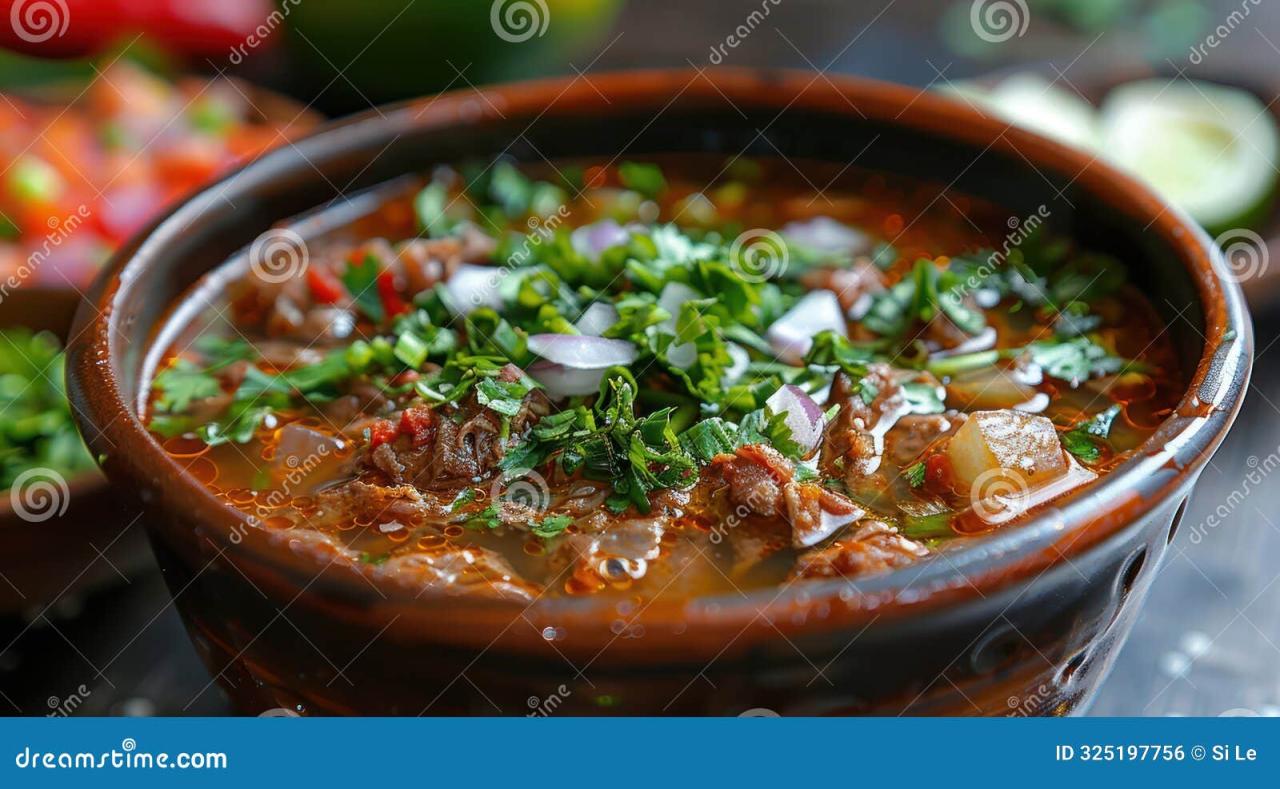
As the fast food landscape continues to evolve, Mexican fast food is positioned to embrace a range of trends that will redefine customer experiences and menu offerings. This dynamic cuisine, known for its bold flavors and diverse ingredients, will likely adapt to changing consumer preferences and technological advancements in the coming years.
Technological Advancements Shaping Customer Experiences
The integration of technology into the fast food industry is transforming how customers interact with brands. Mexican fast food establishments are expected to leverage various technological advancements to enhance convenience and personalization. The rise of mobile ordering apps is already streamlining the ordering process, allowing customers to customize their meals at their fingertips.
With the increased use of artificial intelligence, restaurants can analyze customer preferences and offer tailored recommendations. Additionally, contactless payment systems and advanced POS technologies are facilitating smoother transactions, minimizing wait times, and improving overall service efficiency.
Furthermore, the implementation of virtual and augmented reality experiences can create immersive dining environments, allowing patrons to explore the rich culture of Mexico while enjoying their favorite dishes. These technological integrations not only enhance the customer experience but also foster brand loyalty in an increasingly competitive market.
Impact of Health and Wellness Trends on Menu Development
The growing emphasis on health and wellness among consumers is reshaping the menu offerings in the Mexican fast food sector. As people become more health-conscious, there is a significant shift towards lighter, more nutritious options that still retain authentic flavors.
To cater to this trend, many restaurants are likely to incorporate organic ingredients, plant-based proteins, and gluten-free alternatives into their menus. This not only aligns with consumer demand but also addresses dietary restrictions and preferences. For instance, the introduction of quinoa tacos or cauliflower-based burritos can attract health-focused customers while maintaining the essence of Mexican cuisine.
As consumers increasingly seek transparency regarding nutritional information, restaurants may adopt clearer labeling practices to highlight healthier ingredients and cooking methods. This commitment to health can establish a competitive edge in the fast food market, allowing brands to resonate with a broader audience.
“Embracing health trends not only meets consumer demands but also showcases a commitment to quality and wellness in food choices.”
Ultimately, the future of Mexican fast food will hinge on its ability to adapt to these evolving trends, ensuring that it remains relevant and appealing to a diverse range of customers.
Cultural Influences on Mexican Fast Food Menus
Mexican fast food is a vibrant blend of traditional flavors and modern convenience, shaped by the rich tapestry of regional cuisines across Mexico. This influence extends deep into the menu offerings of fast food chains, adapting beloved regional dishes into formats that cater to a fast-paced lifestyle while honoring their culinary roots. Understanding these influences reveals how local tastes are reflected in fast food menus, making them unique to each region.
Regional Mexican cuisine profoundly impacts the menu offerings in fast food restaurants. Each state in Mexico has its own culinary identity, and these regional specialties often inspire fast food adaptations. For example, in the coastal areas, seafood tacos are popular, while in the highlands, hearty meat dishes like birria take center stage. Fast food restaurants curate their offerings to include these local favorites, ensuring they resonate with the local clientele.
Regional Variations in Popular Dishes
The adaptation of regional dishes into fast food formats showcases the diversity of Mexican cuisine. Popular items such as tacos, burritos, and quesadillas exemplify how local ingredients and traditions influence their preparation and presentation.
– Tacos: In Baja California, fish tacos are a staple, featuring battered fish topped with fresh cabbage and creamy sauce. Fast food outlets in this region often serve these with a quick assembly style, using fresh and local seafood to appeal to the coastal clientele.
– Burritos: In Northern Mexico, burritos packed with savory carne asada or slow-cooked barbacoa are prevalent. Fast food chains in the northern regions adapt these by offering them in convenient, portable wraps, making them easy to eat while on the go.
– Quesadillas: In Mexico City, quesadillas can be filled with a variety of ingredients, including mushrooms and squash blossoms. Fast food versions may simplify this by offering cheese or chicken as primary fillings, but they often maintain the traditional cooking method of grilled tortillas to preserve authentic flavors.
The menu variations reflect local preferences, with ingredients sourced from nearby markets, which not only supports local farmers but also ensures freshness in the meals served.
“Fast food is not just about convenience; it’s a reflection of the cultural richness that defines Mexican cuisine.”
Local tastes significantly shape the fast food experience, compelling chains to innovate while remaining true to tradition. For instance, spicy sauces and salsas are prevalent in many regions, influencing fast food chains to offer a variety of heat levels, catering to the local palate. Additionally, beverages such as horchata and aguas frescas are often found on the menu, allowing patrons to enjoy a holistic culinary experience that goes beyond mere food and taps into the cultural essence of Mexican dining.
In essence, the remarkable interplay between regional cuisine and fast food menus not only enriches the dining experience but also showcases how food can transcend boundaries while maintaining its cultural significance.
Cultural Influences on Mexican Fast Food Menus
The diverse and vibrant nature of Mexican cuisine is intricately woven into the fabric of fast food offerings across the globe. Mexican fast food chains not only cater to traditional tastes but also adapt regional flavors to create unique menu items that resonate with local preferences. This blending of culinary traditions and fast food convenience is reshaping how consumers experience Mexican food on a daily basis.
Regional Mexican cuisine significantly impacts menu offerings in fast food restaurants. Each region of Mexico boasts its own culinary identity, characterized by distinct ingredients, flavors, and cooking techniques. This regional diversity is reflected in how fast food chains curate their menus, often incorporating local tastes and preferences to appeal to a broader audience. For instance, while tacos are a staple across Mexico, the fillings and styles vary widely by region, resulting in unique fast food adaptations that celebrate local flavors.
Regional Variations of Popular Dishes
The adaptation of popular Mexican dishes in fast food formats showcases a fascinating interplay between tradition and modernity. Fast food restaurants often modify classic recipes to create items that are both accessible and convenient for a quick meal. Here are some notable examples of how regional variations of popular dishes find their way into fast food menus:
- Tacos: In Northern Mexico, tacos norteños typically feature grilled meats with minimal toppings, while in the Yucatán, tacos al pastor are prevalent with marinated pork and pineapple. Fast food chains may offer a fusion of these styles, such as a taco with barbacoa beef topped with tangy salsa verde.
- Burritos: Originating from the northern states, burritos filled with rice, beans, and various proteins have become a fast food staple. However, in the southern regions, variations like the burrito de desayuno—a breakfast burrito filled with eggs and chorizo—are gaining traction in breakfast menus.
Fast food experiences are deeply shaped by local tastes, which drive menu innovation and diversity. For example, in areas with a high concentration of Hispanic communities, fast food chains frequently integrate regional spices and cooking methods. In California, for instance, the popularity of California-style burritos, which include fries and guacamole, demonstrates how local ingredients can transform a traditional dish into a fast food sensation. Fast food chains often conduct market research to tailor their menus accordingly, ensuring they resonate with the cultural palate of their target demographic.
Understanding and embracing regional Mexican cuisine not only enhances the authenticity of fast food offerings but also creates a more engaging dining experience for customers.
Through the fusion of traditional Mexican flavors and fast food convenience, restaurants continue to innovate, making the cultural influences of Mexico an integral part of the fast food landscape. As consumer preferences evolve, so too will the offerings, blending the past with the present to create a flavorful future.
Closing Notes
In summary, the rise of Mexican fast food reflects not only a culinary trend but also the dynamic interplay between culture, health, and business in urban environments. As this industry continues to evolve, it promises to deliver exciting flavors and innovations that cater to both traditionalists and contemporary diners alike.
FAQs
What are the most popular Mexican fast food chains?
Popular chains include Taco Bell, Chipotle, and Del Taco, known for their unique takes on classic Mexican dishes.
Are there vegetarian options in Mexican fast food?
Yes, many Mexican fast food outlets offer vegetarian options such as bean burritos, guacamole, and salads.
How has social media impacted Mexican fast food?
Social media has significantly boosted visibility and consumer engagement through sharing food experiences and promotional campaigns.
What are some common health concerns with Mexican fast food?
Health concerns typically include high sodium levels, fat content, and portion sizes, which can contribute to unhealthy eating habits.
How are Mexican fast food brands addressing sustainability?
Many brands are adopting sustainable practices by sourcing local ingredients and minimizing waste through eco-friendly packaging.