
 Rogert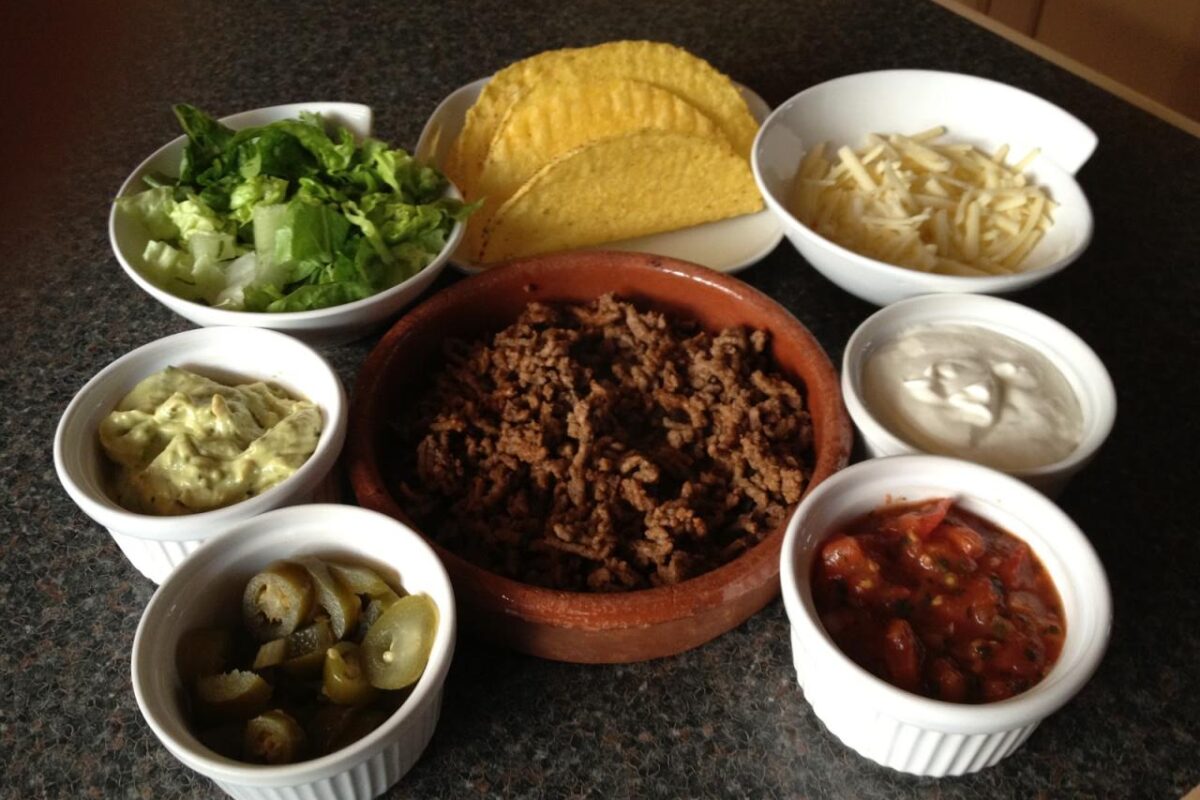
Understanding the key components such as corn, beans, and chili peppers will lay the foundation for your cooking adventures. Embracing traditional techniques and fresh ingredients will elevate your creations, bringing the heart of Mexico into your home. Whether you’re a seasoned cook or a curious beginner, mastering how to cook Mexican food at home will surely delight your taste buds and impress your friends and family.
Understanding the Essentials of Mexican Cuisine
Mexican cuisine is a vibrant tapestry of flavors, colors, and textures, often celebrated for its rich history and cultural significance. Central to this culinary tradition are several key ingredients that form the backbone of countless dishes. By familiarizing yourself with these essentials, you’ll be better prepared to create authentic meals in your own kitchen.
The foundational ingredients in Mexican cooking include corn, beans, and chili peppers. Corn, or “maíz,” is perhaps the most crucial component; it forms the basis of staple foods like tortillas, tamales, and elote. Corn is not only versatile but also integral to the country’s cultural identity, dating back thousands of years to the Mesoamerican civilizations. Beans, including black beans, pinto beans, and garbanzos, provide essential protein and fiber, making them a frequent pairing with corn in various dishes. Together, corn and beans offer a complete protein source, essential in a cuisine where meat is often limited. Chili peppers are another cornerstone, with varieties such as jalapeño, serrano, and poblano imparting distinct heat and flavor. They can be found in salsas, stews, and as garnishes, contributing to the characteristic boldness of Mexican food.
Traditional Mexican Spices and Herbs
A variety of spices and herbs enhance the flavors of Mexican dishes, each adding its unique profile to recipes. Understanding these ingredients is key to mastering the cuisine.
The following spices and herbs are commonly used in Mexican cooking:
- Cumin: Earthy and nutty, cumin adds depth to dishes like tacos and chili.
- Coriander: Bright and citrusy, coriander seeds and fresh cilantro are essential in salsas and guacamole.
- Oregano: Mexican oregano differs from Mediterranean varieties, offering a robust flavor often used in slow-cooked meats and sauces.
- Bay Leaves: These add a subtle, aromatic quality to soups and stews.
- Thyme: Used sparingly, thyme complements the flavors of grilled meats and vegetable dishes.
Understanding the significance of these spices can transform the flavor profile of your dishes, allowing you to replicate authentic tastes at home.
Regional Variations in Mexican Cuisine
Mexican cuisine is diverse, with distinct regional variations that reflect local ingredients, climate, and cultural influences. Each region has its own culinary traditions that shape cooking styles and recipes.
For example, the coastal areas, such as Veracruz, are known for their seafood dishes, while the Yucatán Peninsula boasts flavors influenced by its Mayan heritage, often featuring achiote paste and citrus. The northern region is famous for its beef and goat dishes, reflecting ranching traditions. In contrast, the central regions, particularly Mexico City, mix various regional styles, resulting in a fusion cuisine that is ever-evolving.
These regional differences not only celebrate local produce but also highlight the historical blending of cultures, showcasing how indigenous practices melded with Spanish, African, and Asian influences over centuries. Embracing these variations enriches your cooking experience and deepens your appreciation of Mexican culinary heritage.
Essential Techniques for Cooking Mexican Dishes
Mexican cuisine is a vibrant tapestry of flavors and techniques that make each dish a celebration of culture and tradition. Understanding the essential cooking methods is crucial to replicating authentic Mexican flavors in your own kitchen. This guide explores various techniques commonly employed in Mexican cooking, including grilling, steaming, and frying, alongside processes like tortilla making and the preparation of the complex mole sauce.
Cooking Techniques in Mexican Cuisine
Mexican cooking encompasses various techniques, each contributing unique flavors and textures to the dishes. Mastering these methods can elevate the quality of your meals significantly. Here are some of the most commonly used techniques:
- Grilling: Known locally as “asado”, grilling is a vital technique in Mexican cuisine, often used for meats and vegetables. The smoky flavors imparted by charcoal or wood enhance the taste, making it a popular choice for tacos and fajitas.
- Steaming: This method is essential for preparing tamales, where masa (dough) is filled with various ingredients and wrapped in corn husks, then steamed until fluffy and flavorful. Steaming retains moisture and enhances the natural flavors of the ingredients.
- Frying: Common in dishes like churros and quesadillas, frying provides a crispy texture that contrasts beautifully with soft fillings. Both shallow and deep frying are employed, depending on the recipe.
Making Homemade Tortillas
Tortillas are a staple in Mexican cuisine, serving as the base for many dishes. Making them at home is relatively simple and rewarding. The key ingredients include masa harina (corn flour) or all-purpose flour for flour tortillas.
To make tortillas:
1. Mix the ingredients: Combine masa harina with warm water and a pinch of salt until a smooth dough forms. For flour tortillas, mix all-purpose flour with water and a bit of oil or shortening.
2. Knead the dough: Knead until smooth and elastic. Let the dough rest for about 30 minutes covered with a damp cloth.
3. Shape and flatten: Divide the dough into small balls and flatten them using a tortilla press or a rolling pin to achieve a thin, even circle.
4. Cook the tortillas: Heat a skillet over medium-high heat. Cook each tortilla for about 30 seconds on each side until lightly browned and cooked through.
Tortillas can be enjoyed fresh or stored in a sealed container for later use.
Preparing Classic Mexican Mole
Mole is a rich, complex sauce that varies by region and family tradition, often featuring a blend of chilies, spices, and chocolate. The intricate preparation involves multiple steps that create its signature depth of flavor.
The process includes:
1. Roasting ingredients: Start by roasting various dried chilies, nuts, seeds, and spices to enhance their flavors.
2. Grinding: Once roasted, grind the ingredients into a fine paste using a molcajete (traditional stone mortar) or a modern blender.
3. Cooking the paste: Sauté the paste in a pan with oil, allowing it to fry for a few minutes, which deepens the flavor.
4. Adding liquids: Gradually incorporate broth and/or tomatoes into the paste, simmering the mixture to meld the flavors together.
5. Incorporating chocolate: Finally, add a small amount of chocolate, stirring until melted, which adds richness and balances the spice.
Mole can take several hours to prepare but results in a sauce that can elevate any meat or vegetable it accompanies, showcasing the rich culinary heritage of Mexico.
Popular Mexican Dishes to Try at Home
Mexican cuisine is a vibrant tapestry of flavors, colors, and traditions that reflect the rich cultural heritage of the country. Cooking Mexican food at home can be an exciting adventure that brings the essence of Mexico to your kitchen. Below are five quintessential Mexican dishes that are not only delicious but also easy to prepare with common ingredients.
Quintessential Mexican Dishes
The following dishes are staples in Mexican culinary culture, each offering unique tastes and textures.
- Tacos: Soft or hard tortillas filled with a variety of ingredients, tacos are a versatile dish that can be customized to suit any palate.
- Enchiladas: Rolled tortillas stuffed with meat or cheese, smothered in a rich chili sauce, and baked until bubbly.
- Chiles Rellenos: Poblano peppers stuffed with cheese or meat, battered, and fried, offering a delightful combination of flavors.
- Guacamole: A creamy avocado dip mixed with lime juice, cilantro, and spices, perfect for dipping or as a topping.
- Quesadillas: Tortillas filled with cheese and other fillings, folded and grilled until crispy, making for a quick and satisfying meal.
Preparation of Tacos
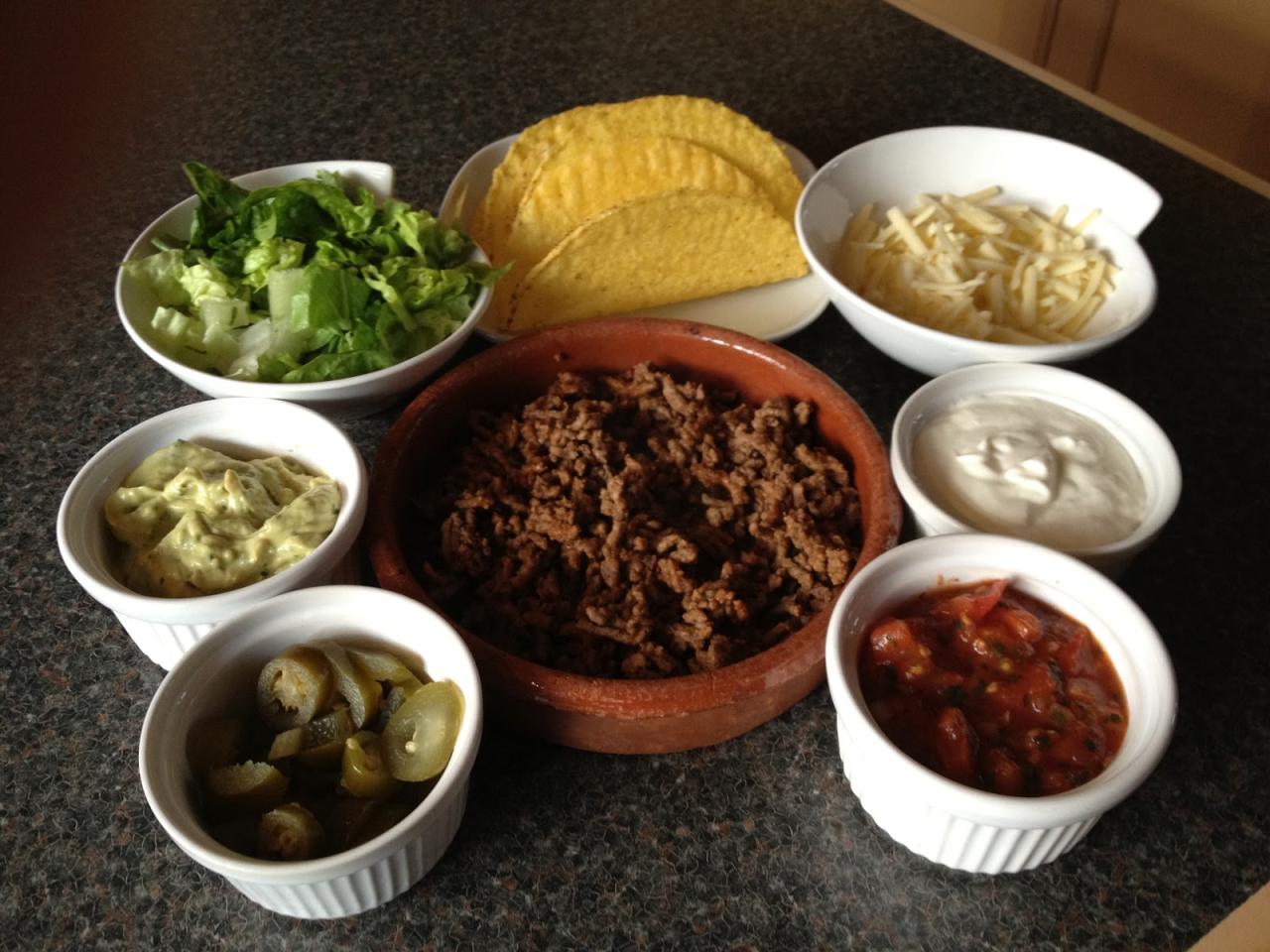
Tacos are a beloved Mexican dish that can be easily prepared at home, making them a popular choice for family dinners or gatherings. The basic structure of a taco consists of a tortilla filled with various ingredients, allowing for endless possibilities in terms of flavors and textures.
To prepare tacos, you will need the following ingredients:
– Tortillas (corn or flour)
– Protein of choice (ground beef, chicken, pork, beans, or tofu)
– Fresh vegetables (lettuce, tomatoes, onions)
– Cheese (queso fresco or shredded cheese)
– Toppings (sour cream, salsa, guacamole, cilantro)
– Spices (cumin, chili powder, garlic powder, salt)
Steps to Prepare Tacos:
1. Cook the Protein: Start by heating a skillet over medium heat. Add your choice of protein, along with spices. For example, if using ground beef, cook until browned, breaking it apart with a spatula.
2. Warm the Tortillas: In a separate pan, lightly warm the tortillas for about 30 seconds on each side to make them pliable.
3. Assemble the Tacos: Place a generous spoonful of the cooked protein onto each tortilla. Top with fresh vegetables, cheese, and any desired toppings.
4. Serve: Enjoy your tacos immediately, garnished with cilantro and a squeeze of lime.
Variations for different fillings include:
– Fish Tacos: Use grilled or battered fish, topped with cabbage slaw and a creamy sauce.
– Vegetarian Tacos: Stuff with sautéed mushrooms, zucchini, or roasted vegetables.
– Breakfast Tacos: Fill with scrambled eggs, chorizo, and avocado for a hearty start to the day.
Traditional Sides Accompanying Main Dishes
Accompanying side dishes enhance the meal experience, providing contrasting flavors and textures. Below is a table detailing traditional sides that pair beautifully with main dishes.
| Side Dish | Preparation Method | Flavor Pairings |
|---|---|---|
| Mexican Rice | Cooked with tomatoes, garlic, and spices, simmered until fluffy. | Pairs well with tacos and enchiladas. |
| Refried Beans | Cooked beans mashed and sautéed with onions and spices. | Great side for any meat dish or as a taco filling. |
| Elote (Mexican Street Corn) | Grilled corn on the cob, slathered with mayonnaise, cheese, and chili powder. | Excellent accompaniment to grilled meats and fish tacos. |
| Guacamole | Mashed avocados mixed with lime, onions, and tomatoes. | Perfect with tacos and as a dip for tortilla chips. |
| Salsa Fresca | Chopped tomatoes, onions, cilantro, and lime juice. | Adds freshness to tacos and enchiladas. |
The Role of Fresh Ingredients in Mexican Cooking
In Mexican cuisine, the vibrancy and depth of flavor are often attributed to the fundamental use of fresh ingredients. These ingredients not only enhance the taste of dishes but also contribute to the overall healthiness of meals. Fresh produce plays a crucial role, particularly in staple items such as salsas and salads, where the individual flavors can shine through. The essence of authentic Mexican cooking lies in the quality of the ingredients, making it vital to prioritize freshness.
Fresh ingredients are essential in Mexican recipes for several reasons. They provide maximum flavor, nutritional value, and visual appeal. For instance, bright, ripe tomatoes create a rich salsa, while crisp lettuce adds crunch to salads. When preparing these dishes, sourcing ingredients that are in season and locally grown can elevate your cooking. It is advisable to explore farmer’s markets or local produce stands where you can find vibrant fruits and vegetables that have been harvested recently. Moreover, many online grocery services offer the ability to order fresh produce directly from farms, ensuring quality over convenience.
Sourcing Authentic Ingredients
Finding genuine ingredients for Mexican cooking is paramount for achieving traditional flavors. Below are methods for sourcing these ingredients effectively:
- Visit Local Farmers’ Markets: These markets often feature vendors who sell organic and locally sourced produce. Engaging with the vendors allows you to inquire about their farming practices and pick the freshest items.
- Join Community Supported Agriculture (CSA): By investing in a CSA, you receive a box of fresh, seasonal produce directly from local farms, often delivered weekly.
- Explore Specialty Grocery Stores: Look for stores that specialize in Latin American products. They typically carry authentic Mexican ingredients, including fresh herbs like cilantro and epazote.
- Online Farmers and Specialty Stores: Websites dedicated to organic or specialty foods can provide access to unique items that might not be available in your local grocery store.
Storing and preserving fresh herbs and vegetables is vital to maintaining their flavor and quality. Proper storage methods can extend the life of these ingredients, allowing you to enjoy them at their peak freshness.
Storing Fresh Herbs and Vegetables
Understanding the correct techniques for storing fresh herbs and vegetables is essential in Mexican cooking. The following practices help in preserving the flavor and maximizing the longevity of your ingredients:
- Herb Storage: For herbs like cilantro or parsley, it helps to keep them in a small jar with water, covering the leaves with a plastic bag. This mimics the conditions of a fresh cut flower arrangement and keeps the herbs vibrant.
- Vegetable Storage: Store vegetables like tomatoes at room temperature to maintain their flavor, while leafy greens should be kept in the refrigerator wrapped in a damp paper towel to retain moisture.
- Freezing: For longer-term storage, chop fresh herbs and mix them with olive oil, then freeze in ice cube trays. This makes it easy to use them in future recipes.
- Airtight Containers: Use airtight containers for herbs and certain vegetables to prevent them from wilting or spoiling too quickly.
Fresh ingredients are the heartbeat of Mexican cuisine, bringing dishes to life with their vibrant colors and flavors.
Adapting Mexican Recipes for Dietary Preferences
Adapting traditional Mexican recipes to accommodate various dietary preferences allows everyone to enjoy the rich flavors of this vibrant cuisine. Whether you’re vegetarian, vegan, or following a gluten-free diet, you can still savor classic dishes without compromising on taste or authenticity. This guide will detail effective ways to modify favorite recipes while maintaining their beloved characteristics.
Many traditional Mexican recipes rely heavily on specific ingredients that may not suit everyone’s dietary needs. However, with some thoughtful substitutions, you can recreate dishes that not only respect the original flavors but also cater to different dietary preferences. Here are some common modifications:
Ingredient Substitutions for Dietary Needs
When modifying Mexican recipes, it’s essential to consider alternatives that keep the essence of the dish intact. Below are examples of ingredient substitutions for various dietary restrictions:
- Vegetarian: In place of meat, use hearty vegetables like mushrooms or eggplant, which provide a satisfying texture. For example, in tacos, replace beef with sautéed portobello mushrooms seasoned with traditional spices.
- Vegan: Swap dairy products with plant-based options. Instead of sour cream, try cashew cream or coconut yogurt, and use nutritional yeast for a cheesy flavor in dishes like enchiladas.
- Gluten-Free: Substitute regular tortillas with gluten-free corn tortillas made from masa harina. Additionally, replace wheat-based sauces with tamari or rice flour-based options to avoid gluten while still enjoying dishes like mole.
In adapting recipes, it’s crucial to understand the essence of each dish, as some ingredients contribute significantly to flavor and texture. For instance, when creating a vegan version of a traditional mole sauce, using roasted nuts and seeds can enhance creaminess and authenticity while adhering to vegan standards.
“Understanding traditional flavor profiles is key to successful adaptations without losing authenticity.”
While modifying recipes can present challenges, there are effective solutions to maintain the spirit of the dish. For example, achieving the right balance of spice and flavor may require experimentation with different herbs and spices, such as using smoked paprika for a depth of flavor in dishes that traditionally use chorizo.
Adjusting cooking times and methods may also be necessary when using alternative ingredients. For example, plant-based proteins such as tofu or tempeh generally require less cooking time than traditional meats, which can lead to quicker meal preparation without sacrificing taste.
With these mindful adaptations, you can enjoy delicious Mexican cuisine that aligns with your dietary preferences while keeping the authenticity and cultural significance of the dishes alive.
Creating a Mexican-Themed Meal Plan
Designing a week-long meal plan featuring delicious Mexican dishes is a great way to explore vibrant flavors while enjoying home-cooked meals. This plan will not only keep your taste buds excited but also introduce you to various ingredients and cooking techniques commonly used in Mexican cuisine.
Organizing meal prep is crucial for a successful week in the kitchen. By planning ahead and utilizing batch cooking, you can save time during busy weekdays while ensuring you have fresh meals on hand. Here’s a curated 7-day meal plan filled with authentic Mexican dishes, along with tips for efficient meal prep.
7-Day Mexican Meal Plan
This meal plan includes a diverse range of breakfast, lunch, and dinner options that highlight the rich flavors of Mexican cuisine. Below are the daily dishes along with their key ingredients and preparation methods.
| Day | Meal | Dishes | Ingredients | Preparation Method |
|---|---|---|---|---|
| 1 | Breakfast | Chilaquiles | Tortilla chips, salsa verde, crema, cheese, and eggs | Fry tortilla chips; top with warmed salsa, eggs, cheese, and crema. |
| 1 | Lunch | Taco Salad | Ground beef, black beans, lettuce, tomatoes, avocado, cheese | Cook beef with spices; layer with beans and veggies. |
| 1 | Dinner | Chicken Enchiladas | Tortillas, shredded chicken, enchilada sauce, cheese | Fill tortillas with chicken, roll, top with sauce and cheese; bake. |
| 2 | Breakfast | Huevos Rancheros | Eggs, corn tortillas, salsa, refried beans | Fry eggs; serve on tortillas with salsa and beans. |
| 2 | Lunch | Quesadillas | Flour tortillas, cheese, bell peppers, onions | Fill tortillas with cheese and veggies; grill until golden. |
| 2 | Dinner | Beef Tacos | Ground beef, corn tortillas, toppings (lettuce, cheese, salsa) | Cook beef; serve in tortillas with toppings. |
| 3 | Breakfast | Mexican Oatmeal | Oats, cinnamon, vanilla, almond milk, bananas | Cook oats with milk and spices; top with sliced bananas. |
| 3 | Lunch | Sopes | Thick corn tortillas, beans, meat, veggies, cheese | Fry tortillas; top with beans, meat, and garnish. |
| 3 | Dinner | Fish Tacos | White fish, corn tortillas, cabbage, lime, sauce | Grill fish; serve in tortillas with cabbage and sauce. |
| 4 | Breakfast | Breakfast Burrito | Eggs, beans, cheese, salsa, tortillas | Scramble eggs; wrap with beans and salsa in a tortilla. |
| 4 | Lunch | Ensalada de Nopales | Nopales (cactus), tomatoes, onions, cilantro, lime | Mix diced nopales with veggies; dress with lime. |
| 4 | Dinner | Pork Carnitas | Pork shoulder, spices, tortillas, avocado | Slow cook pork with spices; shred and serve with tortillas. |
| 5 | Breakfast | Pan Dulce | Sweet bread, coffee | Enjoy fresh pan dulce with a cup of coffee. |
| 5 | Lunch | Tortilla Soup | Chicken broth, tortillas, tomatoes, cheese, avocado | Simmer broth; add ingredients; garnish with cheese and avocado. |
| 5 | Dinner | Stuffed Peppers | Bell peppers, quinoa, black beans, corn, cheese | Mix filling; stuff into peppers and bake. |
| 6 | Breakfast | Fruit and Yogurt Parfait | Yogurt, mixed fruits, granola | Layer yogurt with fruits and granola. |
| 6 | Lunch | Mexican Rice Bowl | Rice, beans, corn, cheese, salsa | Layer rice with beans and toppings. |
| 6 | Dinner | Chili Rellenos | Poblano peppers, cheese, tomato sauce | Stuff peppers with cheese; bake and serve with sauce. |
| 7 | Breakfast | Eggs a la Mexicana | Eggs, tomatoes, onions, jalapeños | Sauté veggies; add beaten eggs and cook. |
| 7 | Lunch | Guacamole and Chips | Avocado, lime, cilantro, tortilla chips | Mash avocados with lime and cilantro; serve with chips. |
| 7 | Dinner | Mole Chicken | Chicken, mole sauce, rice, tortillas | Cook chicken in mole sauce; serve with rice and tortillas. |
Meal Prep and Ingredient Storage
To streamline your week, proper meal prep is essential. Here are some useful tips for batch cooking and storing ingredients:
– Batch Cooking: Prepare larger quantities of key ingredients like beans, rice, and proteins on the weekend. This allows you to quickly assemble meals throughout the week.
– Storage Tips: Store prepped ingredients in airtight containers to keep them fresh. Use clear containers to easily identify what you have available.
– Freezing: Certain dishes like enchiladas or soups freeze well. Portion them out and freeze in individual servings for quick meals later.
– Labeling: Always label containers with names and dates to prevent mix-ups and ensure you use them while they’re still fresh.
Incorporating Mexican flavors into every meal can add excitement and variety. From spicy and savory breakfasts to hearty lunches and delightful dinners, this meal plan is designed to maximize your culinary adventure and keep your palate pleased throughout the week.
Exploring Beverage Pairings with Mexican Food
When it comes to enjoying Mexican cuisine, the right beverage pairing can elevate the meal to a whole new level. Traditional Mexican beverages not only complement the flavors of the food but also enhance the overall dining experience. Whether you prefer alcoholic cocktails or refreshing non-alcoholic drinks, there’s a perfect match for every dish. This section dives into the wonderful world of Mexican beverages, highlighting traditional drinks and their ideal pairings, as well as the art of mixology for crafting authentic cocktails.
Traditional Mexican Beverages and Their Pairings
In Mexican culture, beverages are an integral part of the dining experience and can significantly influence the flavors of a meal. Here are some traditional drinks and the dishes they pair perfectly with:
- Margarita: This iconic cocktail made with tequila, lime juice, and triple sec is the perfect match for spicy dishes like tacos al pastor or enchiladas. The tartness of the lime cuts through the richness of the meat, creating a balanced flavor profile.
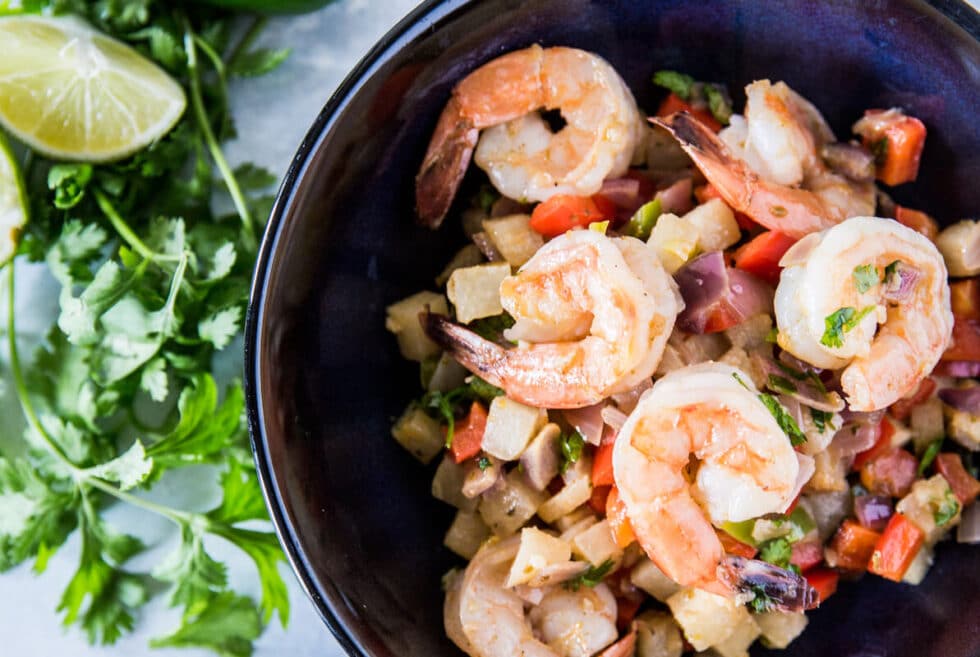
- Paloma: A refreshing mix of tequila and grapefruit soda, the Paloma is excellent alongside grilled fish or shrimp tacos. The citrus flavors enhance the freshness of the seafood, making each bite more enjoyable.
- Aguas Frescas: These refreshing fruit drinks, made from blending fruits like watermelon or hibiscus with water and sugar, pair wonderfully with lighter fare such as ceviche or fresh salads, providing a sweet counterbalance to the acidity of the dishes.
- Horchata: A creamy, sweet rice-based drink flavored with cinnamon, horchata complements spicy dishes like chiles en nogada. The coolness of the drink helps to soothe the heat, creating a delightful contrast.
Crafting Authentic Mexican Cocktails
Mixology is an art form, especially when it comes to creating authentic Mexican cocktails. Two of the most popular cocktails are the margarita and the paloma, both of which can be easily made at home with a few ingredients. Here’s how to craft them:
For the perfect margarita: 2 oz tequila, 1 oz lime juice, 1 oz triple sec, with a salted rim for that extra touch.
- Margarita Recipe:
- Rub the rim of a glass with a lime wedge and dip it into salt.
- In a shaker, combine tequila, lime juice, and triple sec with ice.
- Shake well and strain into the prepared glass.
- Garnish with a lime wheel for a final touch.
- Paloma Recipe:
- Fill a glass with ice and add 2 oz tequila.
- Squeeze half a lime into the glass.
- Top with grapefruit soda or fresh grapefruit juice and soda water.
- Garnish with a lime wedge or grapefruit slice.
Non-Alcoholic Drinks in Mexican Culture
Non-alcoholic beverages play a vital role in Mexican culture, offering a refreshing option that complements a variety of meals. They are often enjoyed during meals and celebrations, making them essential to the dining experience. Two popular examples are aguas frescas and horchata, each with its unique appeal.
- Aguas Frescas: These drinks, made with fresh fruits or herbs blended with water and sweetened, are a staple in Mexican households. Common flavors include watermelon, tamarind, and hibiscus, providing a refreshing accompaniment to any meal.
- Horchata: Known for its creamy texture and sweet cinnamon flavor, horchata is often served with savory dishes. Its cooling effect makes it a popular choice to balance spicy flavors and is commonly found at Mexican restaurants and family gatherings.
Last Recap
In summary, cooking Mexican food at home is not just about following recipes—it’s about celebrating a culture and bringing people together around the table. By mastering essential ingredients and techniques, you can create authentic dishes that resonate with flavor and tradition. So venture forth into this culinary exploration and discover the joy of preparing Mexican cuisine your way, making every meal a festive occasion.
FAQ Corner
What are the essential ingredients for Mexican cooking?
Essential ingredients include corn, beans, chili peppers, tomatoes, and various spices like cumin and oregano.
Can I make Mexican food vegetarian?
Absolutely! Many traditional Mexican dishes are naturally vegetarian or can be easily adapted using plant-based ingredients.
What is the best way to store fresh herbs used in Mexican cuisine?
Wrap fresh herbs in a damp paper towel, place them in a plastic bag, and store them in the fridge for optimal freshness.
How can I achieve the right balance of flavors in Mexican dishes?
Focus on balancing acidity, heat, and sweetness, using ingredients like lime juice, chilies, and fruits or vegetables to achieve depth.
What are some easy Mexican dishes to start with?
Tacos, quesadillas, and guacamole are great beginner-friendly options that are quick to prepare and delicious.