
 Rogert
Gluten free tacos are a culinary delight that caters to a variety of dietary needs while still packing a punch of flavor. These tasty treats not only offer a satisfying crunch but also allow for creative freedom with ingredients and fillings that can cater to every palate. Whether you’re gluten intolerant or simply looking to explore healthier options, gluten free tacos can be both nutritious and delicious.
With a blend of vibrant ingredients, unique taco shells, and diverse fillings, the world of gluten free tacos is ripe for exploration. From traditional recipes reimagined with modern twists to inventive ways of setting up taco bars for gatherings, there’s a lot to discover. Dive into the savory possibilities and learn how to enhance your taco experience with the right pairings and preparation tips.
Gluten free taco ingredients that enhance flavor and texture
Creating delicious gluten-free tacos starts with selecting the right ingredients that not only cater to dietary needs but also amplify the flavor and texture of the dish. By incorporating a variety of gluten-free components, you can craft tacos that are exciting and satisfying, ensuring each bite is packed with taste.
To elevate your taco recipes, consider these essential gluten-free ingredients that can transform your culinary experience. These ingredients offer unique flavors and textural contrasts that can be seamlessly combined for a delightful taco experience.
Essential Gluten-Free Ingredients
The following ingredients are key in enhancing the flavor profile and texture of gluten-free tacos. Each ingredient contributes its own distinct character, allowing for diverse culinary creativity:
- Corn Tortillas: A staple for gluten-free tacos, corn tortillas bring a sweet, earthy flavor and a soft yet slightly chewy texture that serves as the perfect vessel for fillings.
- Black Beans: Rich in protein and fiber, black beans add a creamy texture and a slightly nutty flavor, providing a hearty base for your taco fillings.
- Pico de Gallo: This fresh salsa made from diced tomatoes, onions, and cilantro introduces a bright, zesty flavor that balances heavier fillings with its acidity and crunch.
- Avocado: Creamy and rich, avocado adds a luscious texture to tacos. Its mild flavor allows it to complement other ingredients while also providing healthy fats.
- Spices and Herbs: Ingredients like cumin, chili powder, and fresh cilantro not only enhance the flavors but also add depth and warmth to the dish. These spices can be adjusted to create varied flavor profiles, from mild to spicy.
Combining these ingredients can create wonderful textures. For instance, layering creamy avocado atop a hearty black bean filling, wrapped in a soft corn tortilla, results in a satisfying contrast between creamy and chewy. Meanwhile, the fresh crunch of pico de gallo can enliven each bite, ensuring that every taco is an enjoyable experience. Embracing a variety of flavors and textures allows for endless customization, making your gluten-free taco creations truly unique and delicious.
Creative ways to prepare gluten free taco shells
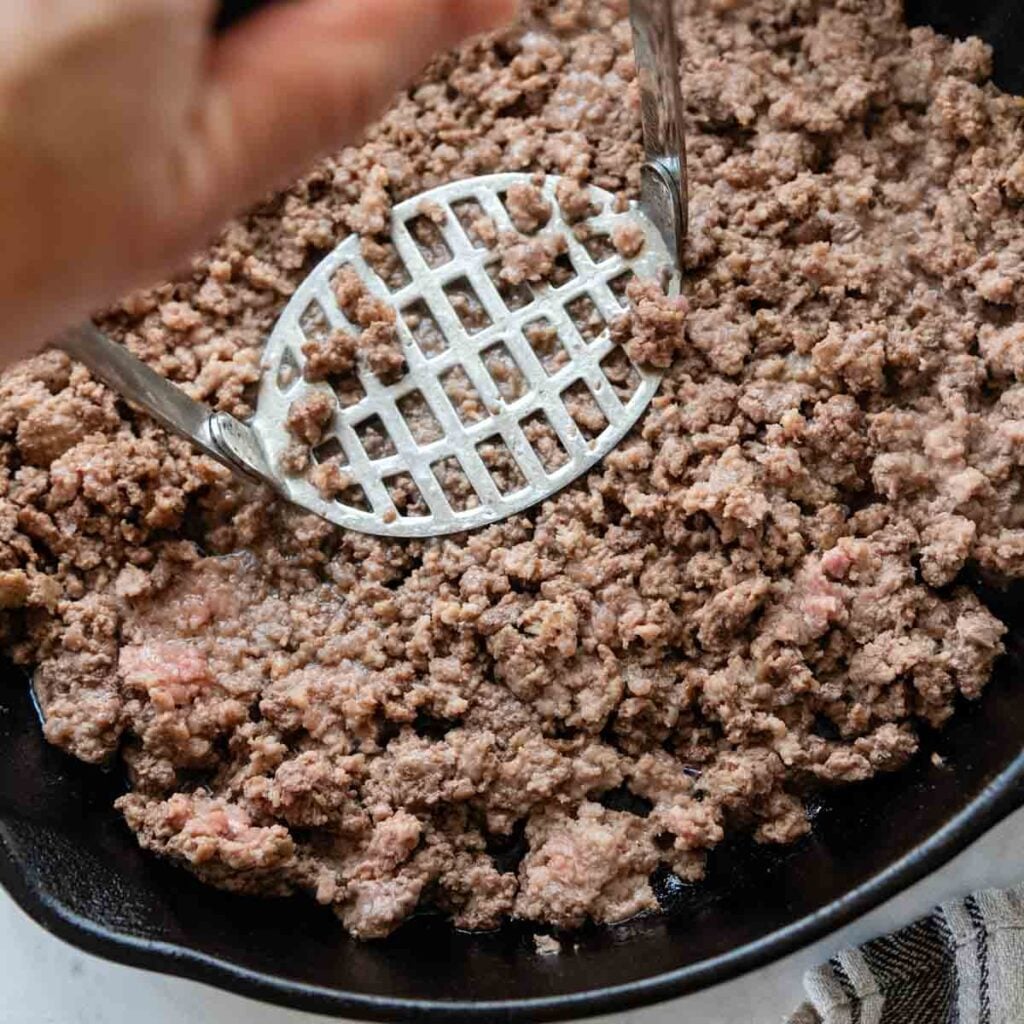
Taco shells are the foundation of any great taco experience. For those who are gluten-sensitive or seeking alternatives, there are many creative ways to make gluten-free taco shells that are not only delicious but also easy to prepare. Using alternative flours and methods, you can create flavorful and crispy taco shells tailored to your preferences.
One of the most popular ways to make gluten-free taco shells is by using alternative flours such as cornmeal, almond flour, or chickpea flour. Each of these flours brings unique flavors and textures to your taco shell. The following steps Artikel how to make taco shells using cornmeal, a classic choice for gluten-free cooking.
Preparation of taco shells using alternative flours
Making taco shells with cornmeal is a straightforward process that yields delightful results. Here’s a step-by-step guide:
1. Ingredients: Gather the following ingredients:
– 1 cup of cornmeal
– 1 cup of water
– 1 tsp of salt
– 1 tsp of olive oil (optional)
2. Mixing the Dough: In a bowl, combine the cornmeal and salt. Gradually add water while stirring until a thick dough forms. If you prefer, add olive oil for additional flavor and moisture.
3. Shaping the Shells: Divide the dough into small balls, about the size of a golf ball. Using a tortilla press or a rolling pin, flatten each ball between two sheets of parchment paper until it resembles a thin disc.
4. Cooking the Shells: You can choose to bake or fry the shells. For baking, preheat your oven to 375°F (190°C) and place the flattened discs on a baking sheet. Bake for 10-12 minutes until they are golden and crisp. For frying, heat oil in a skillet over medium heat and fry each disc for about 2-3 minutes per side until crispy and golden brown.
5. Cooling: Once cooked, let the taco shells cool on a wire rack. This will help maintain their crispiness.
Using alternative flours like almond flour or chickpea flour can also be a great option. Both flours can yield slightly different textures; almond flour tends to be softer while chickpea flour offers a richer taste.
Impact of baking versus frying taco shells
The method of cooking can greatly affect the final flavor and texture of your taco shells. Baking typically results in a lighter, crispier shell that is lower in fat, while frying provides a richer flavor and a more traditional texture.
– Baking:
– Healthier option as it requires less oil.
– Produces a crisp shell with a less greasy finish.
– Ideal for those who prefer a lighter taco experience.
– Frying:
– Adds a savory depth of flavor due to oil absorption.
– Results in a crunchier texture, reminiscent of traditional taco shells.
– Can be more satisfying for those who enjoy the indulgence of fried foods.
Both methods have their merits and can be selected based on personal preference or dietary needs.
Customization of taco shells with seasonings and ingredients
Enhancing the flavor of your taco shells can be done easily through the addition of various seasonings and ingredients. This customization allows you to tailor your taco shells to match the fillings you plan to use. Consider the following ideas:
– Seasoning Blends: Mix spices such as cumin, paprika, garlic powder, or chili powder into the dough before cooking. These spices can elevate the flavor profile of the shells, making them more harmonious with traditional taco fillings.
– Cheese Infusion: For a cheesy flavor, incorporate grated cheese directly into the dough mixture. This not only adds flavor but also creates a delightful texture.
– Herbs: Fresh or dried herbs like cilantro, oregano, or basil can be added for a fresh twist. Simply chop and mix them into the dough before cooking.
– Color & Texture: Add ingredients like spinach or beet puree to the dough for color and added nutrition. This can create visually appealing taco shells that are as nutritious as they are tasty.
By experimenting with these methods, you can create gluten-free taco shells that are not only accommodating but also deliciously unique. Whether baked or fried, with added flavors and textures, these taco shells can enhance your taco night and cater to a range of dietary preferences.
Popular fillings for gluten free tacos that cater to diverse diets
Gluten-free tacos are a fantastic way to enjoy delicious flavors while accommodating various dietary preferences. With a variety of fillings available, these tacos can be tailored to fit vegan, vegetarian, and even meat-lover diets. The key is to choose fillings that are not only gluten-free but also packed with flavor and nutrients.
Filling options for diverse diets
A selection of diverse fillings can elevate the taco experience for everyone. Here are four distinct filling options, each catering to different dietary needs:
- Grilled Chicken with Avocado: Marinate chicken breast in lime juice, garlic, cumin, and paprika before grilling. Once cooked, slice it and layer it in the taco shell with fresh avocado slices, cilantro, and a squeeze of lime. This filling offers a protein-rich option that feels indulgent yet healthy.
- Spicy Black Bean and Corn: Combine canned black beans with corn, diced bell peppers, and onions. Season with chili powder, cumin, and a dash of hot sauce. Heat the mixture until warmed through and serve it in taco shells topped with diced tomatoes and a dollop of sour cream or yogurt. This filling is perfect for vegetarians and provides a hearty, fiber-rich option.
- Cauliflower and Chickpea Tacos: Roast cauliflower florets and canned chickpeas with olive oil, smoked paprika, and garlic powder until golden brown. Serve in taco shells with a refreshing slaw made from cabbage and carrots, dressed in a lime vinaigrette. This vegan filling is not only colorful but also packed with texture and flavor.
- Fish Tacos with Mango Salsa: Use white fish fillets seasoned with lime, salt, and pepper, then grill or pan-sear them until cooked through. Top with a fresh mango salsa made from diced mango, red onion, cilantro, and jalapeño. This filling brings a taste of the coast to your taco night and is a great low-carb option.
When presenting these fillings, consider using colorful toppings and garnishes. Arrange the fillings artfully in the taco shell, allowing the vibrant ingredients to peek through. Adding fresh herbs, sliced radishes, or a sprinkle of cheese on top can enhance the visual appeal. Remember, an attractive presentation adds to the overall enjoyment of the meal!
Creating a gluten free taco bar for gatherings and events
Hosting a taco bar can be a fun and interactive way to cater to guests with various dietary needs, especially when considering gluten-free options. By providing a gluten-free taco bar, you create an inclusive atmosphere where everyone can enjoy delicious food without worry. Below, we’ll explore the essential components to include in your taco bar, how to set it up to avoid cross-contamination, and tips for effective labeling.
Items to Include in a Gluten-Free Taco Bar
A diverse selection of items ensures that guests have plenty of choices when creating their perfect taco. Here’s a comprehensive list of gluten-free ingredients to include:
- Soft corn tortillas (ensure they are labeled gluten-free)
- Crispy corn tortilla chips
- Ground beef, seasoned with gluten-free spices
- Shredded chicken, cooked with gluten-free seasoning
- Black beans and pinto beans (cooked without gluten ingredients)
- Fresh pico de gallo, made from tomatoes, onions, cilantro, and lime
- Guacamole, prepared fresh with ripe avocados
- Shredded lettuce
- Diced onions
- Sliced jalapeños (fresh or pickled)
- Chopped cilantro
- Shredded cheese (like cheddar or queso fresco)
- Various salsas (check for gluten-free labels)
- Sour cream or plain Greek yogurt
Providing a mix of proteins, vegetables, and condiments allows guests to customize their tacos to their liking, while also ensuring gluten-free options are abundant.
Setup Process to Avoid Cross-Contamination
Ensuring that your gluten-free taco bar is safe for those with gluten sensitivities or celiac disease is crucial. Here are steps to set up your taco bar to minimize the risk of cross-contamination:
- Use separate serving utensils for each item to prevent mixing of gluten and gluten-free foods.
- Designate specific areas for gluten-free items, clearly separating them from gluten-containing foods.
- Label all ingredients clearly, using color-coded labels or signs for gluten-free and gluten-containing items.
- Consider using disposable gloves when handling gluten-free items to avoid any accidental contact.
- Clean all surfaces and utensils with soap and water before setting up the taco bar to remove any gluten residue from previous uses.
By taking these precautions, you can create a safe dining experience for guests who need to avoid gluten.
Creating Appealing Labeling for Taco Bar Items
Proper labeling can enhance the taco bar experience by providing clear information about each food item. Here are some tips for creating effective and appealing labels:
- Use large, legible fonts that can be easily read from a distance.
- Incorporate colors that align with the theme of your gathering, making the labels visually appealing.
- Include icons or symbols to indicate gluten-free options, such as a green checkmark or a wheat-free symbol.
- Provide brief descriptions of each item, especially if they are homemade, to spark interest in trying them.
- Consider using a chalkboard or small easels for a rustic look, or printable cards for a more formal presentation.
Effective labeling not only informs guests about their options but also adds an aesthetic touch to your taco bar setup, making it more inviting.
Exploring regional variations of gluten free tacos
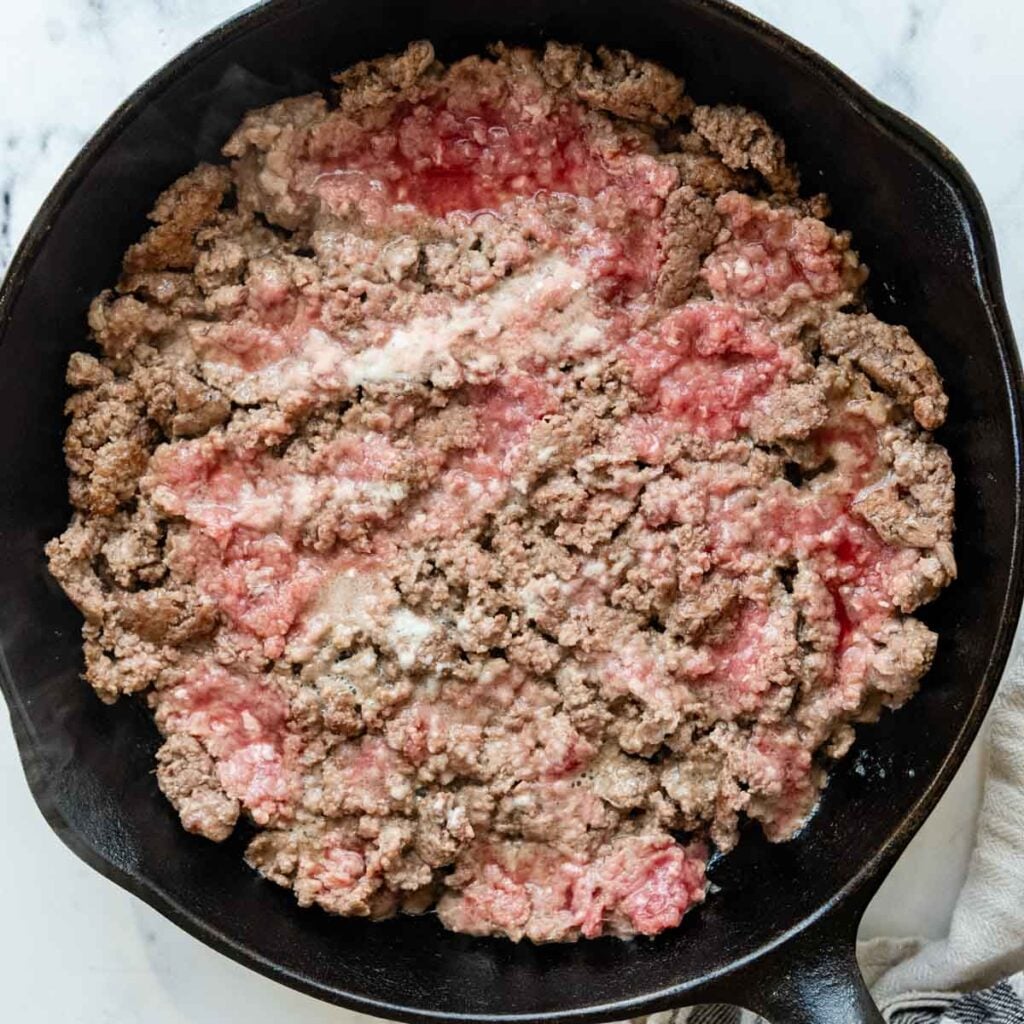
Tacos are a versatile culinary delight, with each region offering its unique twist on this traditional dish. By embracing gluten-free alternatives, we can explore various regional taco styles while honoring their cultural significance. This exploration will highlight how to maintain the essence of each taco style, ensuring that everyone can enjoy them, regardless of dietary restrictions.
Mexican Tacos al Pastor
Originating from central Mexico, Tacos al Pastor are famous for their marinated pork, which is slow-cooked on a vertical spit. The dish is a reflection of Lebanese shawarma, brought to Mexico by immigrant communities. To adapt Tacos al Pastor for gluten-free diets, corn tortillas are the perfect choice, as they are naturally gluten-free.
To maintain traditional flavors, the marinade can include ingredients like achiote paste, which is usually free of gluten, as well as pineapple, onions, and cilantro. This combination captures the essence of Tacos al Pastor while ensuring that those avoiding gluten can still partake in this delicious experience.
California Fish Tacos
California Fish Tacos, especially popular in Southern California, emphasize the use of fresh, local seafood. Typically, they are made with battered fish, which presents a challenge for gluten-free adaptations. However, by substituting traditional wheat-based batter with a mixture of cornmeal and gluten-free flour, the dish maintains its crunchy texture.
These tacos often include toppings such as cabbage slaw and creamy sauce, which can easily be made gluten-free by using gluten-free mayonnaise and vinegar. The cultural significance of California Fish Tacos lies in their coastal roots, embodying the laid-back, fresh approach to California cuisine while accommodating those with gluten sensitivities.
Tex-Mex Breakfast Tacos
In Texas, breakfast tacos have become a staple, featuring a variety of fillings such as scrambled eggs, bacon, and cheese. The cultural impact of breakfast tacos is profound, signifying the fusion of Mexican and American culinary traditions. To create gluten-free versions, corn tortillas can be used, allowing the flavors to shine without compromising dietary needs.
Classic fillings can remain intact, but it’s essential to ensure that any salsas or sauces are gluten-free. For example, a classic pico de gallo or avocado salsa can add a fresh touch, maintaining the essence of a hearty breakfast taco while being accessible to all.
Pairing beverages with gluten free tacos for a complete dining experience
To elevate your gluten-free taco dining experience, the right beverages can play a crucial role in complementing the flavors of your dish. The ideal drink will not only enhance the taste but also provide a refreshing contrast or a harmonious blend with the essential ingredients of the tacos. Making thoughtful choices in beverage pairing can turn a good meal into an exceptional one.
When considering suitable beverages to accompany gluten-free tacos, it’s essential to account for the diverse flavor profiles of the tacos themselves. Whether you’re enjoying spicy chorizo, zesty shrimp, or simple veggie tacos, there are numerous options available, both alcoholic and non-alcoholic. Here’s a selection of beverages that pair wonderfully with gluten-free tacos, enhancing your overall dining experience.
Alcoholic beverage options
A variety of alcoholic beverages can enhance the flavors of gluten-free tacos, creating a balanced and enjoyable meal. Below are some recommended options along with their flavor profiles:
- Mexican Beer: Light and crisp Mexican lagers, like Corona or Pacifico, provide a refreshing contrast to the spices in tacos. Their mild flavor allows the taco’s ingredients to shine without overpowering them.
- Margarita: A classic choice, margaritas made with fresh lime juice, tequila, and orange liqueur provide a zesty, citrusy contrast that brightens the flavors of the tacos. Consider experimenting with different flavors like mango or strawberry for a twist.
- Sangria: A fruity red or white sangria can add a sweet and tangy element that complements both spicy and savory tacos. The addition of fresh fruits enhances the drink’s complexity and brings a lightness to the meal.
- Tequila: Sipping high-quality tequila, especially añejo or reposado, can elevate your taco experience. The smooth, rich flavors of the tequila merge beautifully with the spices in the tacos.
Non-alcoholic beverage options
Non-alcoholic beverages can also provide the perfect complement to gluten-free tacos, catering to a wider audience while maintaining a flavorful profile. Here are some excellent choices:
- Agua Fresca: This traditional Mexican drink made from fresh fruits, water, and sugar offers a refreshing and light option. Varieties such as watermelon or hibiscus can enhance the meal with their sweet and tart flavors.
- Lemonade: A classic homemade lemonade, especially when infused with herbs like mint or basil, provides a bright and tangy flavor that cuts through the richness of the tacos.
- Sparkling Water: A simple yet effective choice, sparkling water with a splash of lime or lemon can cleanse the palate between bites, enhancing the overall flavors of the meal.
- Iced Tea: Unsweetened iced tea, especially when brewed with citrus elements or herbs, offers a subtle flavor that complements a variety of taco fillings without overwhelming them.
“Pairing the right beverage with gluten-free tacos not only enhances the flavors but also transforms a meal into a memorable experience.”
Nutritional benefits of choosing gluten free tacos
Choosing gluten-free tacos can be a delicious way to enjoy your favorite flavors without the potential downsides associated with gluten. Many individuals who avoid gluten find that they can still indulge in flavorful meals by opting for gluten-free ingredients. These tacos often incorporate a variety of nutrient-dense foods that can enhance overall health and wellness.
Gluten-free tacos typically utilize corn tortillas, quinoa, or other gluten-free grains, which can offer several health advantages. For instance, corn tortillas are often lower in calories and higher in fiber compared to traditional flour tortillas. The fiber content contributes to better digestion and can help maintain a healthy weight. Furthermore, gluten-free options may also be made from ingredients like beans, which are rich in protein and essential vitamins.
Health benefits of gluten-free taco ingredients
Several ingredients commonly found in gluten-free tacos provide significant health benefits. Here’s a closer look at some of these nutritious components:
- Corn tortillas: Made from whole corn, they are a good source of B vitamins and provide necessary fiber, promoting digestive health.
- Quinoa: This gluten-free grain is high in protein and contains all nine essential amino acids, making it a complete protein source.
- Beans: Rich in protein, iron, and antioxidants, beans are excellent for heart health and can help reduce cholesterol levels.
- Fresh vegetables: Ingredients like tomatoes, avocados, and peppers are packed with vitamins, minerals, and antioxidants, all contributing to a well-rounded diet.
- Salsa: Often made from fresh ingredients, salsa is low in calories and provides a flavorful punch, along with vitamins A and C.
By incorporating these nutritious ingredients, gluten-free tacos not only satisfy cravings but also provide essential nutrients that contribute to overall health.
Nutritional comparison between gluten-free and traditional tacos
The nutritional profile of gluten-free tacos can differ significantly from that of traditional tacos, primarily due to the types of tortillas used and the ingredients chosen for fillings.
| Nutritional Component | Gluten-Free Taco (per taco) | Traditional Taco (per taco) |
|---|---|---|
| Calories | 150 | 200 |
| Protein | 7g | 6g |
| Fiber | 3g | 1g |
| Saturated Fat | 1g | 2g |
The table illustrates that gluten-free tacos can offer fewer calories and more fiber, making them a lighter choice. Additionally, they often contain healthier fats, especially when filled with avocado or lean proteins, promoting heart health.
Incorporating gluten-free tacos into a balanced diet
Gluten-free tacos can seamlessly fit into a balanced diet, providing a versatile platform for healthy eating. These tacos can be tailored to individual dietary needs by varying the fillings and toppings.
It’s important to consider portions and to include a variety of food groups for a well-rounded meal. Pairing gluten-free tacos with a side of fresh salad or roasted vegetables can enhance nutrient density while keeping the meal enjoyable.
By choosing whole, minimally processed ingredients, individuals can create delicious, satisfying gluten-free tacos that align with their dietary goals and preferences. The key is to maintain balance while enjoying the flavorful options that gluten-free tacos provide.
“Choosing gluten-free doesn’t mean sacrificing taste or nutrition; it opens up a world of healthy culinary possibilities.”
Tips for storing and reheating gluten free tacos without losing quality
When it comes to enjoying gluten-free tacos, proper storage and reheating techniques are essential to maintain their delicious flavor and appealing texture. Whether you have leftovers from a taco night or you’re prepping for a future meal, following the right methods will ensure that your tacos taste just as good as when they were freshly made.
Best methods for storing prepared gluten-free tacos
To keep your gluten-free tacos fresh, it’s important to use the right storage methods. Proper storage prevents sogginess and preserves the taste of the ingredients. Here are some effective techniques:
- Use airtight containers: Store tacos in airtight containers to prevent exposure to air, which can lead to dryness and loss of flavor. If you have assembled tacos, consider separating ingredients to keep tortillas firm.
- Wrap in foil or parchment paper: For a quick and simple approach, wrap tacos individually in foil or parchment paper. This helps maintain moisture while preventing them from sticking together.
- Refrigerate promptly: Always refrigerate tacos within two hours of preparation to minimize bacterial growth. Ensure they are cooled to room temperature before sealing them in containers.
- Freeze for longer storage: If you want to keep tacos for an extended period, consider freezing them. Wrap each taco tightly in plastic wrap and place them in a freezer-safe bag. This method can preserve their quality for up to three months.
Reheating techniques that maintain flavor and texture
Reheating gluten-free tacos correctly is crucial to ensuring that they remain enjoyable. The goal is to warm them thoroughly without making them soggy or overcooked. Here are some effective reheating techniques:
- Oven method: Preheat your oven to 350°F (175°C). Place tacos on a baking sheet and cover them with foil to retain moisture. Heat for about 10-15 minutes, checking to ensure they’re warmed through.
- Stovetop method: Warm a skillet over medium heat and add a small amount of oil. Place the tacos in the skillet, cooking each side for 1-2 minutes until heated through. This method helps retain crispiness.
- Microwave method: For a quick option, place tacos on a microwave-safe plate and cover them with a damp paper towel. Heat in short bursts (30 seconds), checking frequently to avoid overcooking. Note that this method may result in softer tortillas.
Common mistakes to avoid when storing and reheating
Storing and reheating gluten-free tacos may seem straightforward, but certain mistakes can compromise their quality. Avoiding these pitfalls will help you enjoy your tacos as intended:
- Not separating wet and dry ingredients: Mixing wet toppings (like salsa or guacamole) with the tacos can lead to sogginess. Always store them separately when possible.
- Leaving tacos uncovered: Exposing tacos to air can dry them out. Always cover or seal them properly to retain moisture and flavor.
- Reheating too quickly: Avoid high temperatures or excessive reheating time, as this can lead to tough tortillas and overcooked fillings. Always heat at moderate temperatures.
- Ignoring food safety guidelines: Always adhere to food safety guidelines by refrigerating leftovers promptly and discarding any tacos left out for more than two hours.
Wrap-Up
In summary, gluten free tacos offer a wonderful opportunity to indulge in flavors without compromising on health or dietary restrictions. By experimenting with various ingredients, fillings, and preparations, you can create a taco experience that is both enjoyable and inclusive. So gather your friends, set up that taco bar, and celebrate the delicious versatility of gluten free tacos!
Expert Answers
Are all taco fillings gluten free?
No, not all taco fillings are gluten free. It’s important to check sauces, seasonings, and processed ingredients for gluten content.
Can I use regular corn tortillas for gluten free tacos?
Yes, most corn tortillas are gluten free, but always check labels to ensure there are no cross-contamination risks.
How can I ensure my taco bar is truly gluten free?
Use separate utensils for gluten free items, clearly label all ingredients, and avoid cross-contact with gluten-containing foods.
Are there gluten free taco kits available?
Yes, many brands offer gluten free taco kits that include tortillas and seasoning packets.
Can I freeze gluten free tacos?
Yes, you can freeze gluten free tacos, but it’s best to store the shells and fillings separately to maintain texture.