 Rogert
The mojito is more than just a cocktail; it’s a refreshing symbol of Cuban culture and heritage. With its vibrant mix of mint, lime, sugar, and rum, this drink has captivated palates around the world, becoming a staple in bars and restaurants. The mojito’s rich history traces back to the cobbled streets of Havana, where it has evolved over centuries, gaining popularity not just for its taste but also for the stories and legends surrounding it.
As we explore the mojito, we’ll delve into its origins, essential ingredients, and various tempting variations, all while highlighting its role in modern cocktail culture. Whether you’re sipping a classic mojito or experimenting with unique twists, this beloved drink offers a delightful experience that reflects its vibrant roots.
The history and origins of the Mojito
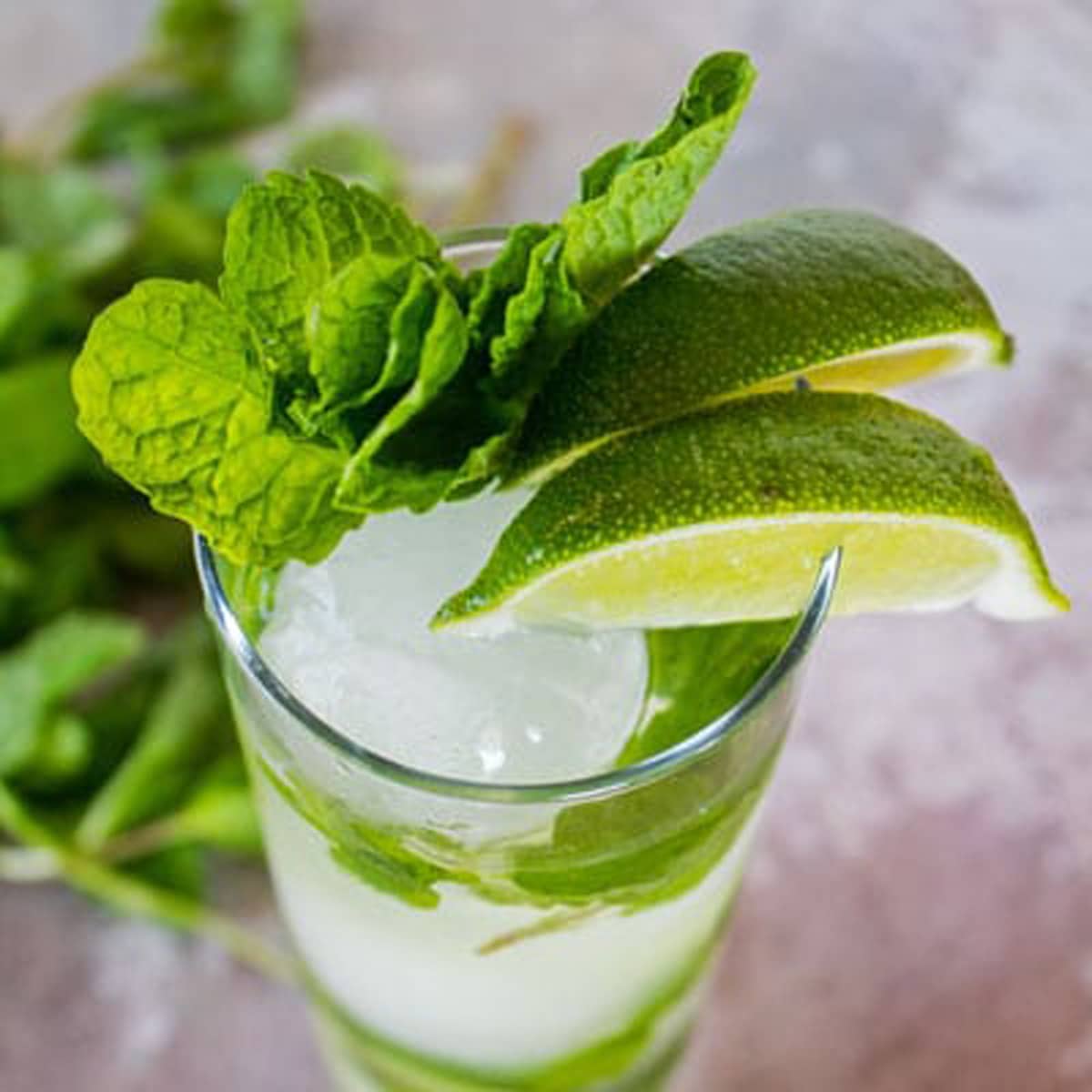
The Mojito, a refreshing cocktail that has captured the hearts and palates of many around the globe, boasts a rich history deeply rooted in Cuba. This harmonious blend of rum, mint, lime, sugar, and soda water is more than just a drink; it represents a significant aspect of Cuban culture and social life. The origins of the Mojito date back to the 16th century, when it was believed to have been invented by sailors who were looking for a remedy to combat dysentery and scurvy. The concoction, initially made with aguardiente, a crude form of rum, lime, mint, and sugar, was known as “El Draque,” named after Sir Francis Drake, the English sea captain and privateer.
As time progressed, the drink underwent a transformation with the introduction of refined rum, leading to the modern version we enjoy today. The Mojito became a staple in Cuban bars, especially during the 19th century when it was popularized among the upper class. It was not until the 20th century, particularly in the 1930s, that the Mojito gained international fame, partially due to the influence of iconic figures like Ernest Hemingway. Hemingway frequented La Bodeguita del Medio in Havana, where he famously declared that the best Mojito could be found. This endorsement not only solidified the cocktail’s status in Cuba but also sparked a global trend in cocktail culture, inspiring bartenders worldwide to craft their interpretations of the Mojito.
Cultural significance of the Mojito in Cuba
The Mojito is more than a cocktail; it is a symbol of Cuban heritage and identity. It represents the spirit of celebration, social gatherings, and the vibrant atmosphere of Cuban nightlife. The drink is often enjoyed during festive occasions and is commonly served at family gatherings, embodying the warmth and hospitality of Cuban culture. Its refreshing qualities make it the perfect accompaniment to the tropical climate of the island.
The Mojito’s influence extends far beyond Cuba, having inspired countless variations and adaptations across the globe. Its rise in popularity coincided with the cocktail renaissance of the late 20th century, where classic drinks were revisited and reimagined. Bartenders started experimenting with ingredients like flavored spirits, fresh fruits, and spices, creating innovative twists on the classic Mojito. The drink has become a symbol of summer and relaxation in bars and restaurants worldwide, showcasing its adaptability and enduring allure.
“In the Mojito, you find the essence of Cuba – a refreshing escape that brings together tradition, flavor, and a spirit of joy.”
Famous personalities, particularly Ernest Hemingway, have played a significant role in the Mojito’s legacy. Hemingway’s love for the drink not only elevated its status but also helped cement its connection to the artistic and literary culture of the time. The Mojito’s presence in popular media and literature continues to inspire cocktail enthusiasts, ensuring that this timeless drink remains a beloved choice for many.
The essential ingredients that make up a Mojito
The classic Mojito is a refreshing cocktail that embodies the spirit of summertime. Its combination of sweetness, citrus, and minty freshness makes it a favorite among cocktail enthusiasts. Understanding the essential ingredients that contribute to its distinct flavor is crucial for crafting the perfect Mojito.
The key ingredients in a classic Mojito include fresh mint leaves, white rum, fresh lime juice, sugar (or simple syrup), soda water, and ice. Each ingredient plays a vital role in achieving the signature taste and texture of the cocktail. The proportions of these ingredients can vary based on personal preference, but a typical recipe calls for around 10-12 mint leaves, 2 ounces of white rum, the juice of half a lime (approximately 1 ounce), 2 teaspoons of sugar, and a splash of soda water, topped off with ice.
Comparison of different types of rum used in Mojitos
When it comes to rum selection for Mojitos, the choice of rum can significantly alter the flavor profile of the drink. Here’s a detailed comparison of various types of rum commonly used:
- White Rum: Often the go-to choice for Mojitos, white rums like Bacardi Superior have a light flavor with subtle sweetness that complements the mint and lime. They are usually distilled from sugarcane or molasses and aged for a short period for a smooth finish.
- Light Rum: Similar to white rum but often even lighter in flavor, light rums are ideal for those who prefer a more delicate taste. Brands like Mount Gay Eclipse provide a hint of fruitiness that can enhance the overall experience.
- Gold Rum: Aged a bit longer, gold rums like El Dorado 3 Year Old offer more complex flavors, including caramel and vanilla notes. These rums can deepen the taste of a Mojito, providing a richer experience.
- Overproof Rum: For a stronger kick, overproof rums can be used. Brands like Wray and Nephew offer robust flavors and a higher alcohol content, perfect for adventurous drinkers looking to intensify their Mojito.
Importance of fresh mint and lime
Fresh mint and lime are indispensable to a Mojito, as they are the primary contributors to its refreshing taste. Here’s why they matter:
Fresh mint leaves provide a fragrant aroma and a cool taste that is essential for the overall experience of the drink. When muddled correctly, mint releases its essential oils, creating a vibrant flavor that invigorates the other ingredients. It is important to use high-quality, fresh mint to avoid a bitter taste, which can come from wilted or old leaves.
Fresh lime juice is equally crucial, as it adds a zesty brightness that balances the sweetness of the sugar. The acidity of lime juice not only enhances the Mojito’s flavor but also brings a refreshing quality that makes the cocktail incredibly thirst-quenching. Using freshly squeezed lime juice rather than bottled juice ensures a more vibrant flavor and a more authentic cocktail experience.
“The quality of your ingredients can make or break your Mojito; always opt for fresh mint and fresh lime.”
Different variations of Mojito to try at home
The Mojito is a classic cocktail that combines refreshing mint, zesty lime, and sweet sugar, all brought together with rum and soda water. This beloved drink has inspired numerous variations that not only maintain its refreshing essence but also introduce exciting new flavors. Experimenting with these variations at home can enhance your cocktail-making skills and offer a delightful twist to your Mojito experience.
Mojitos can be tailored to suit different palates, whether you prefer fruity, spicy, or herbal flavors. Below is a collection of unique Mojito variations, each with its own vibrant personality.
Unique Mojito Variations
Here are some creative Mojito variations to try at home, each featuring alternative ingredients to elevate your cocktail experience.
- Strawberry Mojito: Replace traditional lime with fresh strawberries for a fruity twist. Muddle strawberries with mint leaves, add lime juice, sugar, rum, and top with soda water.
- Pineapple Mojito: Add fresh pineapple chunks while muddling with mint. Combine with lime juice, sugar, rum, and finish with soda water for a tropical taste.
- Spicy Jalapeño Mojito: Incorporate sliced jalapeños into the muddling process for a kick. Muddle with mint, lime juice, sugar, and rum, then add soda water to balance the heat.
- Ginger Mojito: Use fresh ginger slices or ginger beer instead of soda water. Muddle mint and ginger, mix with lime juice, sugar, and rum for a zesty flavor.
- Coconut Mojito: Replace soda water with coconut water for a rich and creamy texture. Muddle mint with lime juice and sugar, add rum, and then pour in coconut water.
- Herbal Mojito: Experiment with herbs like basil or rosemary in place of mint. Muddle your chosen herb with lime juice and sugar, then mix in rum and soda water.
Preparation Methods for Variations
Each variation has its own preparation method, allowing you to craft the perfect Mojito for your taste preferences. Below are step-by-step instructions for a few popular variations.
- Strawberry Mojito:
- Muddle 5-6 fresh strawberries with 10 mint leaves in a glass.
- Add the juice of 1 lime and 2 teaspoons of sugar.
- Pour in 1.5 ounces of white rum and mix well.
- Fill the glass with ice and top with soda water.
- Garnish with a strawberry and mint sprig.
- Spicy Jalapeño Mojito:
- Muddle 2-3 slices of jalapeño with 10 mint leaves.
- Add the juice of 1 lime and 2 teaspoons of sugar.
- Mix in 1.5 ounces of white rum.
- Fill the glass with ice and top with soda water.
- Garnish with a mint sprig and jalapeño slice.
- Coconut Mojito:
- Muddle 10 mint leaves with the juice of 1 lime and 2 teaspoons of sugar.
- Add 1.5 ounces of white rum.
- Fill the glass with ice and pour in 3 ounces of coconut water.
- Stir gently and garnish with mint and a lime wedge.
Flavor Profiles of Mojito Variations
To help you choose which Mojito variation to mix, here’s a table categorizing them based on their flavor profiles. This can guide your selection based on your mood or occasion.
| Flavor Profile | Mojito Variation |
|---|---|
| Fruity | Strawberry Mojito, Pineapple Mojito, Coconut Mojito |
| Spicy | Spicy Jalapeño Mojito |
| Herbal | Herbal Mojito |
| Zesty | Ginger Mojito |
The art of mixing the perfect Mojito
The Mojito is a classic cocktail that epitomizes the vibrant flavors of summer with its refreshing combination of mint, lime, sugar, rum, and soda water. Mastering the art of mixing a Mojito involves specific techniques that enhance each element, resulting in a drink that is well-balanced and bursting with flavor. To create this iconic beverage, one must understand the importance of muddling, shaking, and serving.
Muddling, Shaking, and Serving Techniques
Muddling is a crucial technique in crafting a Mojito, as it releases the essential oils from the mint leaves, imparting a fragrant aroma and fresh flavor. To muddle correctly, place a handful of mint leaves in a sturdy glass, add a couple of lime wedges, and sprinkle in some sugar. Using a muddler, gently press down on the mint and lime, rotating slightly to avoid tearing the leaves too much. The goal is to extract the mint oils and lime juice without shredding the leaves into tiny pieces.
Once muddled, it’s time to shake. Add your chosen white rum and ice to the glass, then pour in a splash of soda water. Using a cocktail shaker filled with ice, shake the mixture vigorously for about 10-15 seconds. This process chills the drink thoroughly while mixing the flavors beautifully. After shaking, strain the mixture back into a glass filled with fresh ice and top with more soda water to taste, ensuring a bubbly finish.
The type of glassware you choose can elevate the experience. Traditional Mojitos are often served in tall, clear highball glasses that showcase their vibrant colors. For tools, a sturdy muddler, a jigger for measuring rum, and a cocktail shaker are essential. A fine mesh strainer can also be helpful for a clean presentation.
To achieve a balanced drink and avoid common mistakes, consider the following tips. Over-muddling can lead to bitterness, so be gentle with the mint. Also, ensure you don’t skimp on the lime juice, as it balances the sweetness of the sugar. Using fresh ingredients always yields a brighter flavor profile than pre-packaged ones. When adding soda water, do so gently to maintain the carbonation, as too much agitation can flatten the drink.
“A Mojito should be a harmonious blend of sweetness, acidity, and freshness.”
Pairing food with Mojitos for an enhanced experience
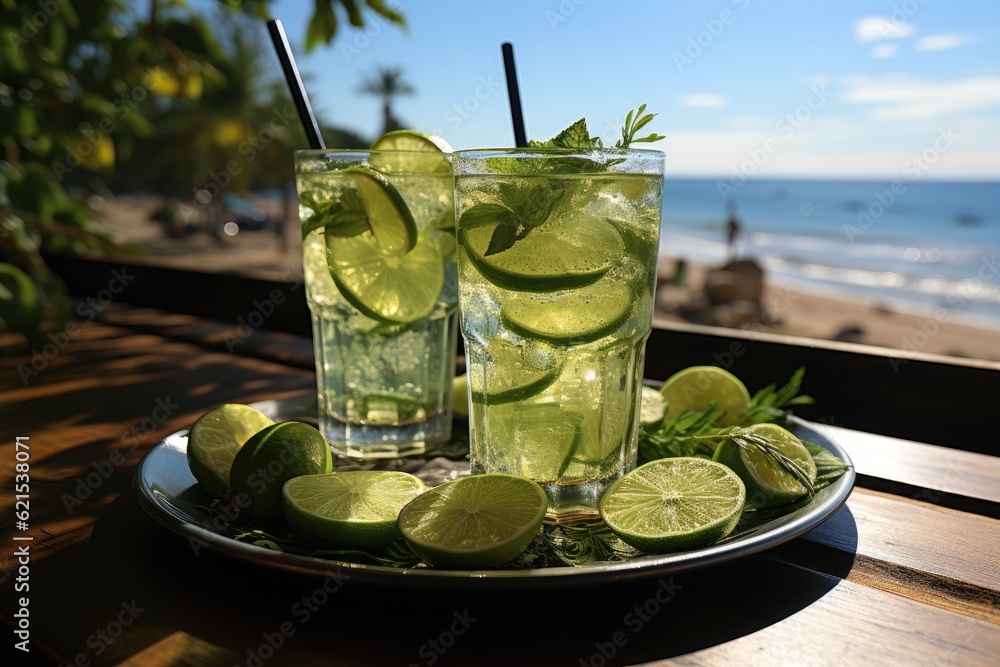
The Mojito, with its invigorating blend of mint, lime, and rum, offers a delightful refreshment that can elevate your dining experience. When paired with the right foods, the zesty notes of a Mojito can enhance flavors and create a harmonious balance on the palate. Choosing complementary dishes not only enhances the flavors of the drink but also sets the mood for an enjoyable meal.
The Mojito’s flavor profile is characterized by its bright acidity from the lime, the sweetness of sugar, and the aromatic freshness of mint. Understanding these elements can guide you in selecting food that either matches or contrasts these flavors, creating a memorable culinary experience. Especially in warmer months, the refreshing nature of a Mojito can lighten the heaviness of certain dishes, making them more enjoyable.
Recommended Food Pairings
Selecting the right dishes to accompany your Mojito can significantly impact the overall dining experience. Here’s a list of suggested food pairings, divided into appetizers and main courses, along with Mojito variations that enhance these flavors.
| Dish | Type | Mojito Variation |
|---|---|---|
| Fresh Ceviche | Appetizer | Citrus Mojito |
| Grilled Shrimp Tacos | Main Course | Spicy Mojito |
| Caprese Salad | Appetizer | Classic Mojito |
| Chicken Satay | Main Course | Mango Mojito |
| Stuffed Peppers | Main Course | Berry Mojito |
Incorporating these food pairings into your meal planning not only complements the Mojito’s refreshing taste but also enhances the dining ambiance. For instance, the light and zesty flavor of a Citrus Mojito pairs beautifully with the tangy freshness of ceviche, creating a vibrant starter that awakens the palate. Similarly, the sweetness of a Mango Mojito balances well with the savory notes of chicken satay, resulting in a delightful main course.
“The right food pairing with a Mojito can elevate the entire dining experience, making each bite and sip a celebration of flavors.”
By considering the Mojito’s unique flavor characteristics during meal planning, you can create a dining experience that is not just about food but an overall sensory delight. The refreshing essence of the Mojito can transform any meal into an occasion, inviting guests to relax and enjoy every moment.
The Mojito’s role in modern cocktail culture
The Mojito has transcended its origins in Cuba to become a global symbol of refreshing cocktails, shaping the landscape of modern drinking culture. This classic concoction, made with rum, mint, lime, sugar, and soda water, is not only a staple on cocktail menus worldwide but also a representation of the vibrant social scene surrounding mixology today. Its rise in popularity has sparked a variety of trends and innovations within the cocktail community.
Popularity in Bars and Restaurants
The Mojito’s presence on cocktail menus is a testament to its enduring appeal. Almost every bar and restaurant today includes this minty delight, making it a go-to choice for patrons seeking a refreshing respite. The drink’s simplicity and balance of flavors allow for customization, encouraging bartenders to experiment with variations.
- Widespread Availability: The Mojito is now a common feature in cocktail lists, ranging from casual beach bars to upscale dining establishments, showcasing its versatility.
- Signature Variations: Many bars have crafted their unique takes on the Mojito, infusing flavors like berries, cucumber, or even exotic spices, enhancing its profile and drawing in diverse clientele.
- Cultural Relevance: The Mojito serves as a cultural emblem, often featured in settings that celebrate Caribbean influences and summer vibes, thus reinforcing its status in cocktail culture.
Trends in Cocktail Culture
The rise of craft cocktail bars has further solidified the Mojito’s status in contemporary drinking culture. The emphasis on quality ingredients and artisanal techniques has led to a resurgence of interest in this classic drink.
- Use of Fresh Ingredients: Craft bartenders prioritize fresh mint, organic sugar, and hand-squeezed lime juice, elevating the Mojito from a simple beverage to a sophisticated experience.
- Creative Mixology: Innovations such as the Smoked Mojito or Frozen Mojito have emerged, showcasing the creativity that modern mixologists bring to this traditional drink.
- Cocktail Competitions: The Mojito is often featured in bartending competitions, where mixologists showcase their skills and creativity, further enhancing its prestige in the cocktail arena.
Representation in Social Media
In today’s digital age, the Mojito has become a social media darling, with its vibrant aesthetics and refreshing allure making it an ideal subject for online sharing.
- Instagram-Worthy Aesthetic: The Mojito’s bright colors and fresh garnishes make it visually appealing, leading to a plethora of Instagram posts that celebrate its beauty.
- Influencer Endorsements: Many influencers and food bloggers highlight the Mojito in their content, often showcasing unique recipes or local bar recommendations, thus expanding its visibility.
- Community Engagement: The Mojito has sparked conversations around cocktail culture, with enthusiasts sharing their tips, home recipes, and personal variations, fostering a sense of community among cocktail lovers.
“The Mojito is not just a drink; it’s a lifestyle, reflecting the vibrancy and creativity of modern cocktail culture.”
Epilogue
In conclusion, the mojito stands as a testament to the beauty of simplicity and the joys of culinary creativity. Its ability to adapt and inspire new flavors makes it a timeless choice for any cocktail enthusiast. So, whether you’re enjoying a traditional mojito or trying out one of its many variations, remember the stories it carries and the refreshing experience it promises, making every sip a celebration of its rich heritage.
Key Questions Answered
What is the best type of rum for a mojito?
The best type of rum for a mojito is a light or white rum, as it complements the fresh flavors without overpowering them. Brands like Bacardi and Havana Club are popular choices.
How do I make a mojito less sweet?
To make a mojito less sweet, reduce the amount of sugar or syrup you use, or opt for fresh fruit juices instead of sweet mixers.
Can I use bottled lime juice instead of fresh?
While bottled lime juice can be convenient, fresh lime juice provides a much brighter and more vibrant flavor that truly enhances the mojito.
What tools do I need to make a mojito?
You will need a muddler to crush the mint and lime, a shaker or stirring utensil, and a glass for serving. A jigger for measuring ingredients can also be helpful.
How can I make a non-alcoholic mojito?
For a non-alcoholic mojito, simply omit the rum and replace it with soda water or a sparkling tonic, while keeping the mint, lime, and sugar for flavor.