
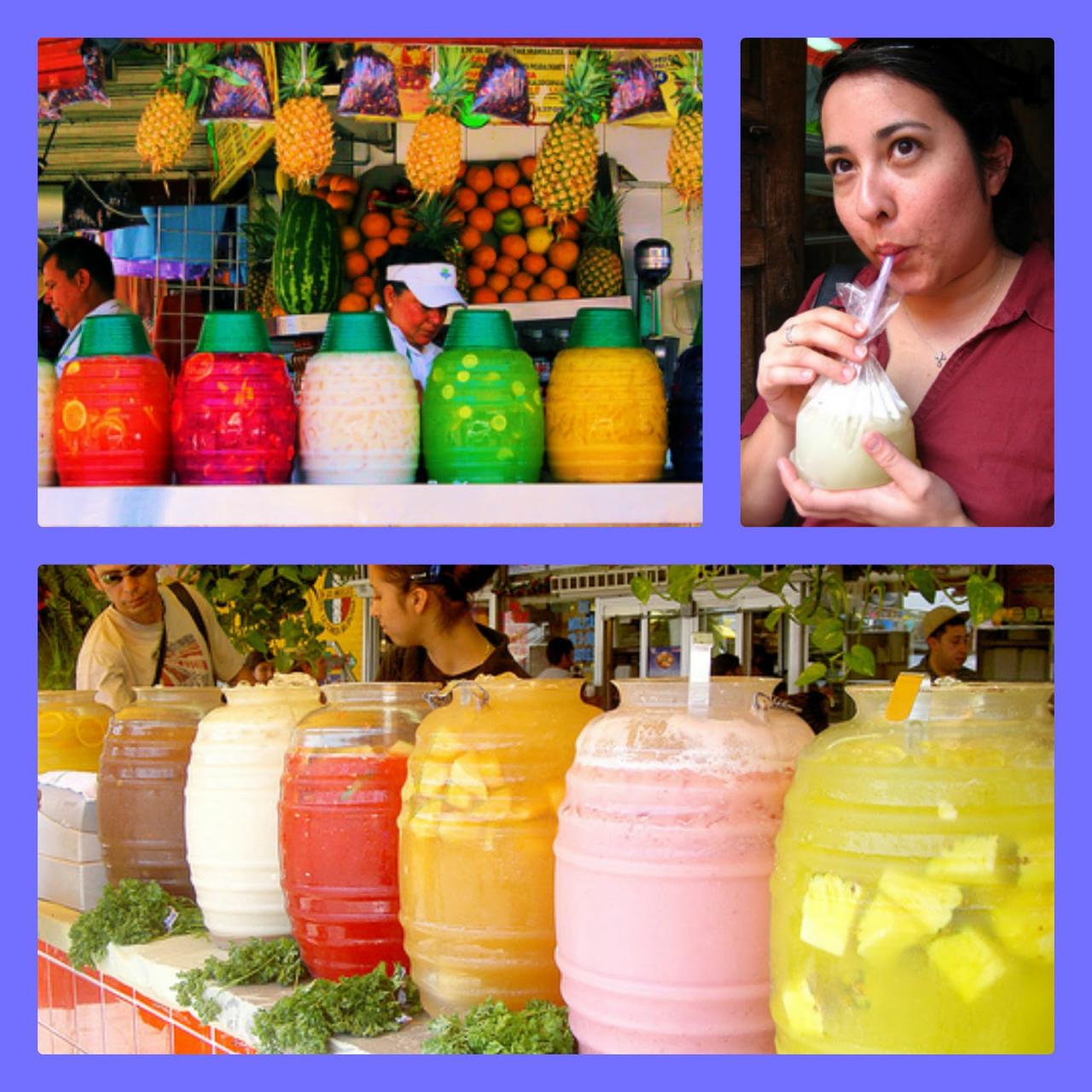
 Rogert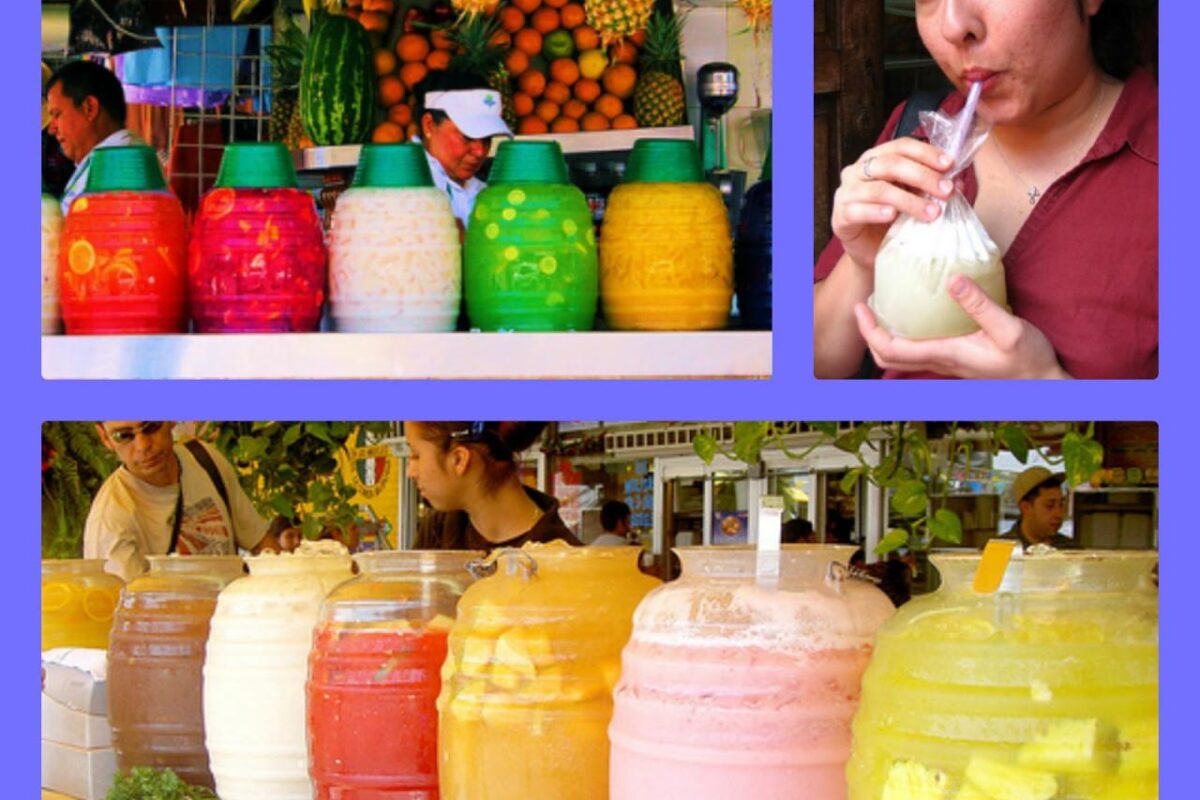
Aguas frescas are more than just delightful beverages; they are a vibrant expression of Latin American culture, steeped in history and tradition. These refreshing drinks, typically made from fruits, flowers, or seeds mixed with water and sugar, have been enjoyed for generations, often served in homes and at social gatherings. Each region offers its unique twist, showcasing local ingredients and flavors that reflect the rich diversity of Latin America.
From the sweet notes of hibiscus to the tangy zest of tamarind, aguas frescas not only quench thirst but also carry the essence of community and celebration. They serve as a bridge between generations, connecting people through shared recipes and cultural practices. Whether enjoyed on a hot summer day or at festive gatherings, aguas frescas embody a spirit of hospitality and warmth that is truly special.
Aguas frescas and their cultural significance in Latin America
Aguas frescas, or “fresh waters,” are a beloved beverage that holds deep cultural significance throughout Latin America. Originating from the need to hydrate and refresh, these drinks are often made from fruits, cereals, and flowers combined with water and sugar. Their versatility and refreshing qualities make them a staple in many Latin American households and street markets, especially during the hot summer months. Not only do aguas frescas provide relief from the heat, but they also serve as a means to connect with cultural roots and traditions.
Historically, aguas frescas date back to the indigenous peoples of Mesoamerica who utilized local fruits and plants to create refreshing drinks. The Aztecs and Mayans were known to infuse water with ingredients like hibiscus, tamarind, and various fruits, establishing a practice that would persist through generations. The arrival of Spanish colonizers in the 16th century introduced new fruits like oranges and limes, further diversifying the aguas frescas repertoire. As time progressed, the recipes evolved to reflect the local ingredients and cultural contexts across Latin America, leading to regional variations that highlight the rich tapestry of traditions.
Regional variations of aguas frescas
Each Latin American country boasts its own unique takes on aguas frescas, reflecting local tastes and agricultural products. Understanding these variations enhances appreciation for the drink’s cultural significance.
– Mexico: Aguas frescas are a vital part of Mexican culture, with popular versions including agua de horchata, made from rice, cinnamon, and vanilla, and agua de jamaica, which is brewed from hibiscus flowers. Street vendors commonly offer these alongside meals, cementing their role as a refreshing companion to traditional cuisine.
– Guatemala: The Guatemalan take on aguas frescas often features fruits like blackberries and tamarind. These drinks are frequently served during celebrations and gatherings, symbolizing hospitality and community.
– El Salvador: In El Salvador, the beloved agua de coco (coconut water) is a popular choice, reflecting the coastal lifestyle and the abundance of coconut palms in the region.
Key ingredients that define aguas frescas include fruits like mango, watermelon, and pineapple, as well as grains, nuts, and flowers. These ingredients do not just add flavor; they carry cultural importance and historical context. For instance, hibiscus is often regarded as a symbol of beauty and vitality, and its use in beverages connects people to traditions of health and wellness.
Aguas frescas represent not just a drink but a celebration of the region’s biodiversity and culinary heritage.
The process of making traditional aguas frescas
Aguas frescas, the refreshing beverages popular in Mexican culture, are made by blending fresh fruits, water, and a hint of sweetness. This delightful drink not only quenches thirst but also celebrates the vibrant flavors of local fruits. To prepare a classic agua fresca, you need to follow a few straightforward steps that ensure a delicious outcome.
Ingredients and Preparation Steps
To create your own agua fresca, you’ll need the following ingredients:
- 2 cups of fresh fruit (such as watermelon, cantaloupe, or pineapple), chopped
- 4 cups of water
- 1/4 to 1/2 cup of sugar (adjust to taste)
- Juice of 1 lime (optional, for added flavor)
- Ice cubes (for serving)
The preparation is simple yet crucial for achieving the perfect balance of flavors. Begin by blending the chopped fruit with 2 cups of water until smooth. Strain the mixture through a fine-mesh sieve or cheesecloth into a pitcher, discarding any solids. Add the remaining water, sugar, and lime juice, and stir until the sugar is completely dissolved. Adjust sweetness as desired. Chill in the refrigerator and serve over ice for a refreshing treat.
Tips for Achieving Balance of Sweetness and Flavor
Achieving the perfect balance of sweetness and flavor in aguas frescas requires a bit of attention to detail. Here are some key tips to consider:
- Always taste the fruit before blending; this helps determine how much sugar is necessary.
- Start with less sugar, adding more gradually until the desired sweetness is reached.
- Incorporating citrus, like lime or lemon juice, can enhance the overall flavor profile and cut through the sweetness.
- Consider blending complementary herbs, such as mint or basil, for added complexity.
Experimenting with these suggestions will help you craft a well-balanced agua fresca that highlights the fresh fruit’s natural flavors.
Common Mistakes to Avoid
When making aguas frescas at home, it’s essential to steer clear of some common pitfalls. Being aware of these mistakes can lead to a much more enjoyable drink:
- Using overripe or under-ripe fruit can significantly impact flavor; always choose ripe, fresh fruit.
- Neglecting to adjust sugar levels can lead to an overly sweet or bland beverage; taste as you go.
- Not straining the mixture results in a gritty texture and can detract from the refreshing experience.
- Forgetting to chill the agua fresca before serving can make it less enjoyable, as it’s best served cold.
By avoiding these mistakes, you’ll be on your way to mastering the art of making delicious aguas frescas at home.
Popular flavors and their health benefits
Aguas frescas are flavorful, refreshing drinks that not only delight the palate but also offer various health benefits. With a variety of popular flavors such as hibiscus, tamarind, and cucumber, these drinks are a perfect alternative to sugary beverages. Let’s explore some of these flavors and their unique properties that can contribute positively to our health.
Hibiscus
Hibiscus agua fresca is made from the dried calyces of the hibiscus flower, known for its deep red hue and tart flavor. This drink is packed with antioxidants, particularly anthocyanins, which can help reduce inflammation and improve heart health. Additionally, studies have indicated that hibiscus tea may assist in lowering blood pressure and cholesterol levels.
Tamarind
Tamarind agua fresca brings a sweet and tangy flavor, originating from the tamarind fruit. This drink is rich in vitamins C and E, which are essential for maintaining a healthy immune system. Tamarind is also known for its digestive benefits, as it contains dietary fiber and aids in digestion. Moreover, its natural sugars provide energy without causing a spike in blood sugar levels, making it a great alternative to sugary drinks.
Cucumber
Cucumber agua fresca is a light and hydrating option, especially popular during the warmer months. The high water content in cucumbers helps keep the body hydrated. Cucumbers are also low in calories and a good source of vitamins K and C, as well as potassium. This drink can assist in maintaining healthy skin and may promote weight loss due to its low-calorie nature and ability to keep you feeling full.
Nutritional comparison with sugary drinks
When comparing aguas frescas to sugary drinks, the health benefits become clear. Traditional sugary beverages are often loaded with empty calories, high fructose corn syrup, and additives that can lead to weight gain and other health issues. In contrast, aguas frescas, made from natural fruits and herbs, provide essential nutrients and antioxidants that support overall health.
For example, a typical 12-ounce serving of a sugary soda can contain around 150 calories and 39 grams of sugar. In comparison, a homemade agua fresca may have fewer than 100 calories and can be sweetened naturally with fruit, minimizing added sugars and maximizing health benefits.
Incorporating seasonal fruits
Using seasonal fruits in aguas frescas not only enhances the flavor but also packs in additional nutrients. For instance, summer fruits like strawberries and watermelon can be blended into refreshing drinks, while fall fruits such as apples and pears can add a cozy touch during cooler months.
Including a variety of fruits can maximize the health benefits of aguas frescas. Seasonal fruits are often at their peak nutritional value and taste, making them the ideal choice for these beverages. Here’s how to incorporate them:
- Choose fruits that are in season for the best flavor and nutrient density.
- Experiment with combinations, mixing citrus fruits with berries for a vitamin C boost.
- Consider adding herbs like mint or basil to enhance flavor profiles.
- Utilize natural sweeteners such as honey or agave if needed, but use them sparingly.
Aguas frescas in modern culinary practices
Aguas frescas, traditional Mexican beverages made from a blend of water, fruits, and sugar, have transcended their origins to find a place in modern culinary practices. Today, these refreshing drinks are not just consumed in casual settings but have also made their way into upscale restaurants and innovative recipes, appealing to a wider audience who appreciate both their flavor and versatility.
As chefs and home cooks explore new flavors and combinations, aguas frescas serve as the perfect base for a variety of contemporary dishes and drinks. This evolution not only highlights the adaptability of aguas frescas but also showcases their potential in elevating dining experiences across different cuisines. Their natural sweetness and vibrant colors make them a favorite choice for creative culinary applications.
Innovative ways to serve aguas frescas
When planning events or gatherings, presenting aguas frescas in unique and appealing ways can enhance the overall experience. Below is a table showcasing innovative serving ideas that can elevate the traditional presentation:
| Serving Idea | Description |
|---|---|
| Fruit-Infused Pitchers | Serve aguas frescas in clear glass pitchers infused with fresh fruits and herbs for a visually stunning display. |
| Aguas Frescas Cocktails | Mix aguas frescas with spirits like tequila or rum to create refreshing cocktails that appeal to adult guests. |
| Sorbet Floats | Add a scoop of sorbet to aguas frescas for a fun, frosty treat that adds texture and flavor. |
| DIY Aguas Frescas Bar | Create a self-serve station with various aguas frescas flavors and garnishes for guests to mix and match. |
| Layered Drinks | Layer different colored aguas frescas in clear glasses for a striking visual effect that tempts guests. |
Fusion recipes incorporating aguas frescas
The versatility of aguas frescas has inspired a wave of fusion recipes that integrate these traditional beverages into diverse culinary styles. Chefs are creatively combining flavors from various cuisines, resulting in unique dishes that highlight both the freshness of aguas frescas and the richness of other cultures. Here are some notable examples:
– Aguas Frescas Tacos: Incorporating flavors from aguas frescas like watermelon or mango in taco salsas, adding a sweet and refreshing twist to savory fillings.
– Ceviche with Aguas Frescas: Using aguas frescas as a marinade for ceviche, infusing the seafood with fruity notes that complement its tanginess.
– Aguas Frescas Ice Cream: Transforming traditional aguas frescas into sorbet or ice cream, offering a creamy, frozen dessert option that retains the original flavors.
– Aguas Frescas Glazed Proteins: Creating glazes from aguas frescas to marinate meats, adding a sweet and tangy flavor profile that enhances grilled dishes.
– Savory Aguas Frescas Soups: Experimenting with savory variations of aguas frescas, using ingredients like cucumber and lime, served chilled as a refreshing soup.
“Aguas frescas are no longer just a summer drink; they are a culinary canvas for innovation and creativity.”
Aguas frescas and sustainability
Aguas frescas, the refreshing beverages made from fruits, grains, and seeds, not only offer delightful flavors but also present an opportunity to embrace sustainable practices. By sourcing ingredients responsibly and utilizing local produce, we can create delicious drinks while supporting environmental and community health.
Sourcing ingredients sustainably for homemade aguas frescas involves selecting local and organic produce, which reduces the carbon footprint associated with transportation and promotes biodiversity. Utilizing seasonal fruits ensures that the ingredients are at their freshest, which enhances flavor and nutritional value while minimizing waste.
Sustainable practices in sourcing ingredients
Implementing sustainable practices in the preparation of aguas frescas can be achieved through the following methods:
- Buy Local: Purchasing fruits and vegetables from local farmers’ markets supports the local economy and reduces transportation emissions.
- Choose Organic: Organic produce is grown without synthetic pesticides and fertilizers, promoting healthier ecosystems and reducing chemical runoff into waterways.
- Seasonal Selection: Utilizing fruits that are in season not only ensures peak flavor but also reduces the need for energy-intensive greenhouse production.
- Community Supported Agriculture (CSA): Joining a CSA program allows you to receive fresh, local produce regularly while supporting sustainable farming practices.
The benefits of using local and organic produce extend beyond taste; they also enhance the nutritional quality of aguas frescas and help support sustainable farming methods. Locally sourced fruits tend to be fresher, containing more nutrients compared to those that have traveled long distances.
Waste reduction strategies in food preparation
Aguas frescas can be a key component of a waste-reduction strategy in food preparation by creatively utilizing excess or surplus produce. Implementing these strategies can help minimize food waste:
- Utilizing Leftover Ingredients: If you have fruits that are overripe or nearing their end, they can be transformed into refreshing aguas frescas instead of being discarded.
- Composting: Remaining pulp from making aguas frescas can be composted to enrich soil, creating a closed-loop system that supports sustainable gardening.
- Creative Flavor Combinations: Blending different fruits or incorporating herbs can help use up various ingredients that might otherwise go to waste.
- Infusing Water: Using the leftover pulp to infuse water provides a flavorful way to extend the use of ingredients, promoting hydration without waste.
Utilizing local and organic produce not only enhances the quality of aguas frescas but also supports sustainable agricultural practices, contributing to a healthier planet.
Aguas frescas as a refreshing alternative to sodas
Aguas frescas have gained popularity as a go-to refreshment, especially in warm climates. Unlike sodas, these vibrant, flavorful beverages are made primarily from natural ingredients, making them a healthier alternative that can quench your thirst without the excess sugar and calories often found in carbonated drinks.
The shift towards aguas frescas reflects a growing awareness of health and wellness among consumers. By choosing aguas frescas, you are opting for beverages that are often lower in calories and sugar, while also providing hydration and essential nutrients from fruits and herbs.
Comparison of calories and sugar content
A side-by-side comparison of aguas frescas and popular soda brands clearly illustrates their differences in nutritional value. Here’s a concise breakdown of the average calories and sugar content of selected aguas frescas compared to well-known sodas:
| Beverage | Calories (per 12 oz) | Sugar (grams) |
|---|---|---|
| Agua Fresca (Horchata) | 120 | 25 |
| Agua Fresca (Jamaica) | 60 | 15 |
| Coca-Cola | 140 | 39 |
| Pepsi | 150 | 41 |
| Sprite | 140 | 38 |
This table reveals that while some aguas frescas can contain a moderate amount of sugar, they still often have fewer calories compared to regular sodas. The emphasis on natural ingredients in aguas frescas also means fewer artificial additives, making them more appealing for health-conscious consumers.
Creative marketing strategies for aguas frescas
To elevate aguas frescas as a trendy beverage choice, effective marketing strategies can be employed across various settings, such as cafes, restaurants, and events. Here are some creative ideas:
– Seasonal Promotions: Introduce limited-time flavors according to the season, like watermelon in summer or spiced apple in fall, to attract different customer segments.
– Health and Wellness Focus: Highlight the natural ingredients and low-calorie content in marketing materials. Use phrases like “refreshingly natural” or “the guilt-free refreshment” to draw in health-conscious individuals.
– Visual Appeal: Create aesthetically pleasing presentations for aguas frescas, using colorful fruits and herbs. Encourage customers to share their experiences on social media with hashtags, promoting organic buzz around the beverages.
– DIY Workshops: Host workshops where customers can learn to make their own aguas frescas. This not only engages the community but also builds brand loyalty through hands-on experiences.
– Partnerships with Local Farms: Source fruits and ingredients from local farms to emphasize freshness and support the community. Incorporating stories about local sourcing into marketing can resonate well with customers.
– Themed Events: Organize events centered around cultural or tropical themes where aguas frescas feature prominently. This could include food pairings, live music, or cooking demonstrations that celebrate the flavors of aguas frescas.
By implementing these strategies, aguas frescas can position themselves as a refreshing and trendy alternative to sodas, appealing to a wide audience seeking natural and flavorful beverages.
The role of aguas frescas in social gatherings
Aguas frescas are not just refreshing beverages; they are an integral part of social events in Latin American culture, embodying a spirit of community and togetherness. These flavorful drinks enhance the atmosphere of gatherings, bringing people together and celebrating traditions. Their vibrant colors and diverse flavors invite conversation and connection among guests, making them a staple at many festive occasions.
Aguas frescas play a significant role in celebrations and festivals, acting as a bridge between different generations and cultures. They often evoke nostalgia, reminding people of family gatherings and nostalgic childhood memories. The act of preparing and serving aguas frescas can also be a communal task, further strengthening bonds among friends and family. In many regions, these beverages symbolize hospitality, inviting guests to partake in a shared experience.
Occasions for serving aguas frescas
Aguas frescas are traditionally served at a variety of celebrations, each with its unique significance. Here are some notable occasions where these drinks are commonly enjoyed:
- Birthday Parties: Celebrating life milestones with family and friends often includes aguas frescas, reflecting joy and festivity.
- Weddings: At weddings, these beverages serve as refreshing options for guests, complementing the festive atmosphere.
- Religious Ceremonies: Events such as baptisms and Quinceañeras often feature aguas frescas, symbolizing purity and celebration.
- Community Festivals: Local fairs and festivals use aguas frescas to honor traditions, with each region showcasing its unique flavors.
- Family Gatherings: From reunions to casual get-togethers, serving aguas frescas fosters connection and shared experiences among loved ones.
The presence of aguas frescas at these occasions not only enhances the sensory experience but also carries cultural significance, reinforcing social bonds and traditions that are cherished across generations.
Aguas frescas recipes for different dietary preferences
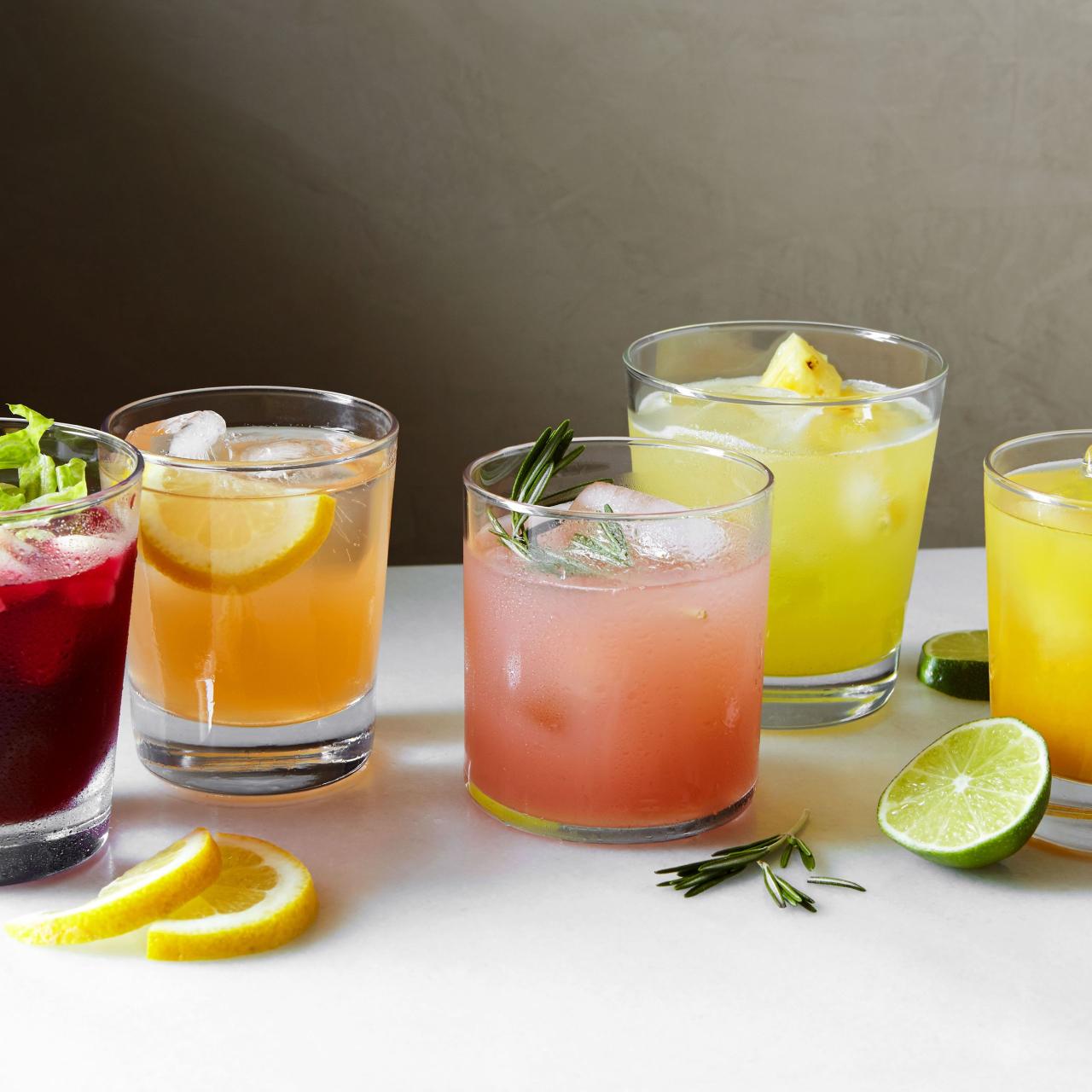
Aguas frescas are refreshing, fruit-infused beverages originating from Mexico that can easily be adapted to suit various dietary needs. With natural flavors and vibrant colors, these drinks not only quench thirst but can also complement a range of diets, including vegan, gluten-free, and low-sugar options. Crafting customized aguas frescas allows for creativity and ensures everyone can enjoy this delightful beverage.
Adapting aguas frescas to cater to specific dietary preferences often involves selecting the right ingredients and sweeteners. While traditional recipes may use sugar or other sweeteners, there’s a growing demand for alternatives like agave nectar, stevia, or monk fruit. Understanding how to balance flavors while accommodating dietary restrictions is essential in delivering a delicious experience without compromising health goals.
Vegan aguas frescas recipes
Vegan aguas frescas can be made using a variety of fruits and herbs without any animal-derived ingredients. Here are a couple of simple recipes:
- Pineapple Mint Agua Fresca: Blend fresh pineapple chunks with water, strain, and mix in freshly chopped mint leaves and lime juice. Serve chilled for a tropical refreshment.
- Watermelon Lime Agua Fresca: Puree ripe watermelon pieces, strain the juice, and add a squeeze of lime for a refreshing drink. Garnish with lime slices for visual appeal.
Gluten-free aguas frescas recipes
Aguas frescas are naturally gluten-free, making them an excellent choice for those with gluten sensitivities. Here are two recipes that ensure a delightful experience:
- Mango Chamoy Agua Fresca: Blend fresh mango with water and a splash of chamoy sauce, which is gluten-free. Strain, serve over ice, and garnish with chili powder for a spicy twist.
- Cucumber Lime Agua Fresca: Puree peeled cucumbers with water and lime juice. Strain the mixture and serve it over ice, garnished with cucumber slices for a refreshing touch.
Low-sugar aguas frescas recipes
For those looking to reduce sugar intake, using natural sweeteners or opting for low-sugar fruits can make a significant difference. Here are a couple of low-sugar options:
- Strawberry Basil Agua Fresca: Blend fresh strawberries with water and a handful of basil. Use a sugar alternative like stevia to sweeten if desired. This refreshing drink is perfect for summer.
- Herbal Citrus Agua Fresca: Brew a strong herbal tea, such as hibiscus or chamomile, and chill it. Mix with lemon or lime juice, and sweeten lightly with agave nectar or leave unsweetened for a flavorful option.
Sweetener adaptations for aguas frescas
Adjusting sweeteners in aguas frescas can help accommodate various dietary preferences. Here’s how you can adapt:
- Agave Nectar: A popular vegan alternative, agave nectar offers a lower glycemic index compared to refined sugar.
- Stevia: This natural sweetener is calorie-free and ideal for those on low-sugar diets. Just a small amount provides significant sweetness.
- Monk Fruit Sweetener: Another excellent option for low-sugar diets, monk fruit is a natural sweetener that doesn’t raise blood sugar levels and is suitable for keto diets.
Pairing aguas frescas with cuisines or dishes
Aguas frescas can enhance the dining experience when paired thoughtfully with certain cuisines. Here are pairing suggestions:
- Mexican Cuisine: Pair a refreshing cucumber agua fresca with tacos or enchiladas for a cooling contrast to spicy flavors.
- BBQ Dishes: A watermelon agua fresca complements grilled meats and adds a light, fruity balance to smoky flavors.
- Asian Dishes: Serve a ginger-infused agua fresca alongside sushi or stir-fries to harmonize with the umami flavors present in the meals.
Closing Notes
In summary, aguas frescas are a captivating blend of flavor, health benefits, and cultural significance that offer a refreshing alternative to sugary drinks. Their versatility allows for endless creativity in the kitchen, making them an ideal choice for any occasion. As we continue to embrace sustainable practices and innovative recipes, aguas frescas will undoubtedly remain a cherished part of social gatherings and culinary traditions for years to come.
FAQ Corner
What are aguas frescas made of?
Aguas frescas are typically made from fresh fruits, flowers, or seeds blended with water and sugar, creating a refreshing drink.
Can aguas frescas be made without sugar?
Yes, aguas frescas can be prepared using natural sweeteners like honey, agave, or by using less sugar to cater to different dietary preferences.
Are aguas frescas gluten-free?
Yes, aguas frescas are naturally gluten-free as they are made from fruits and water without any gluten-containing ingredients.
How long do aguas frescas last in the fridge?
Generally, aguas frescas can be stored in the refrigerator for up to three days, but they are best enjoyed fresh.
Can you use frozen fruits for aguas frescas?
Absolutely! Frozen fruits can be used to make aguas frescas, and they can add a nice chill to the drink.
What occasions are aguas frescas typically served at?
Aguas frescas are often served at celebrations, festivals, picnics, and family gatherings, highlighting their role in social events.