
 Rogert
Cocktails have long been a symbol of celebration, creativity, and culture, weaving their way through the fabric of social gatherings across the globe. From their mysterious origins to the science that brings them to life, the world of cocktails is as diverse as it is fascinating, showcasing how flavors, techniques, and ingredients evolve through time. Whether you’re a seasoned mixologist or a curious novice, understanding the rich history and intricate details behind cocktails opens up a world of delightful possibilities.
As we delve into the fascinating evolution of cocktails, we’ll explore their historical significance, the science of mixology, the artistry of garnishes, and much more. This journey will not only deepen your appreciation for cocktails but also inspire you to create your own unique blends that can impress at any gathering.
Exploring the History of Cocktails
The history of cocktails is a fascinating journey that reflects the evolution of society, culture, and taste. From their humble beginnings in the early 19th century to their status as a modern culinary art form, cocktails have undergone significant transformations influenced by various historical events and cultural shifts. This exploration reveals not only the drinks but also the social dynamics that shaped them.
The origins of the cocktail can be traced back to the early 1800s, with the word itself believed to have first appeared in print in 1806. At that time, cocktails were defined as a mix of spirits, sugar, water, and bitters. This combination, known as the “bittered sling,” laid the groundwork for future cocktail creations. Over the decades, cocktails evolved, influenced by significant historical events such as Prohibition in the United States, which led to the clandestine production of drinks and the rise of speakeasies. These underground bars became melting pots for cocktail culture, giving birth to many classic drinks we enjoy today.
Significant Historical Events Influencing Cocktails
Several pivotal moments in history have significantly impacted the development of cocktails. Understanding these events can provide insight into the rich tapestry of cocktail culture.
- Prohibition Era (1920-1933): With the banning of alcohol in the United States, many cocktail recipes were altered to mask the poor quality of illegal spirits. This era saw the emergence of inventive cocktails that prioritized flavor, leading to classics like the Sidecar and the French 75.
- World War II (1939-1945): Soldiers returning from overseas brought back international flavors and spirits, which influenced American cocktail culture. The Daiquiri and the Mai Tai became popular as tropical flavors gained traction.
- The Tiki Movement (1950s-1960s): Following WWII, Tiki culture took off in America, inspired by Polynesian themes and exotic ingredients. Cocktails like the Zombie and the Scorpion became staples at Tiki bars, further diversifying cocktail menus.
Popular Cocktails and Their Societal Impact
Throughout different eras, certain cocktails have emerged as symbols of their time, reflecting the tastes and values of society.
- Mojito: Originating in Cuba, the Mojito gained popularity in the 20th century and became synonymous with Caribbean leisure and relaxation, embodying a laid-back tropical lifestyle.
- Martini: The Martini, with its elegant simplicity, became a symbol of sophistication in the 1920s, often associated with the glamour of Hollywood and the roaring twenties.
- Old Fashioned: This classic cocktail has seen a resurgence in recent years, representing a return to traditional values and craftsmanship in mixology, appealing to a modern audience seeking authenticity.
“The cocktail serves as a reflection of societal changes, adapting to the times while maintaining its core essence.”
The history of cocktails is not just about the drinks themselves; it’s about the stories they tell and the people they connect. Each cocktail carries with it a piece of history, a notion of place, and a glimpse into the culture that crafted it.
Understanding the Science Behind Mixology
Mixology is not just an art; it is also a science that involves understanding the reactions and interactions between various ingredients. When creating cocktails, the combination of flavors, temperatures, and the physical properties of the ingredients can significantly influence the final product. This section delves into the fascinating scientific principles that underlie the craft of mixology.
Chemical Reactions in Cocktail Ingredients
When different cocktail ingredients are mixed, various chemical reactions occur that can alter the taste, aroma, and appearance of the drink. For example, when you combine citrus juices with spirits, the acidity from the juice can affect the perception of sweetness and bitterness in the alcohol. This is primarily due to the interaction of the acids and the alcohol, which enhances the flavors and balances the overall profile.
Another interesting reaction occurs when bitters are introduced into cocktails. The compounds in bitters, primarily derived from herbs and spices, can increase the complexity of a drink by engaging different taste receptors on the palate. The balance achieved through these reactions is crucial for creating well-rounded cocktails.
Temperature and Dilution Effects on Taste
Temperature plays a vital role in the enjoyment of cocktails. Cold temperatures can suppress sweetness and enhance the refreshing qualities of a drink, while warmer temperatures can bring out fuller flavors. For instance, a perfectly chilled martini emphasizes its crispness and cleanliness, while a warm cocktail might taste heavier and less vibrant.
Dilution, on the other hand, occurs when ice melts in a cocktail, which can significantly impact the drink’s flavor and texture. Controlled dilution can enhance flavors, as it helps to mellow harsh notes and integrate the different components of a cocktail. A classic example is the Old Fashioned, where a small amount of water from melting ice helps to unlock the flavors of the whiskey and the bitters.
“The right balance between dilution and temperature can elevate a cocktail from good to unforgettable.”
Importance of Balance Between Flavors
Creating a cocktail is akin to composing a symphony; each ingredient must harmonize with the others to achieve a balanced flavor profile. Key components of this balance include sweetness, acidity, bitterness, and aroma.
To ensure a cocktail achieves this balance, bartenders often rely on established ratios and flavor pairings. For example, the classic sour cocktail structure follows a ratio of 2:1:1 (two parts spirit, one part sour, one part sweet), which provides a foundation for creating well-balanced drinks.
A practical exercise in balance is the creation of a Daiquiri, where the combination of rum, lime juice, and simple syrup must be adjusted to suit individual tastes while maintaining the overall integrity of the cocktail. The right proportions can result in a refreshing beverage that is neither too tart nor overwhelmingly sweet.
“Balance in cocktails is achieved when the flavors work together rather than compete against each other.”
The Role of Garnishes in Cocktails
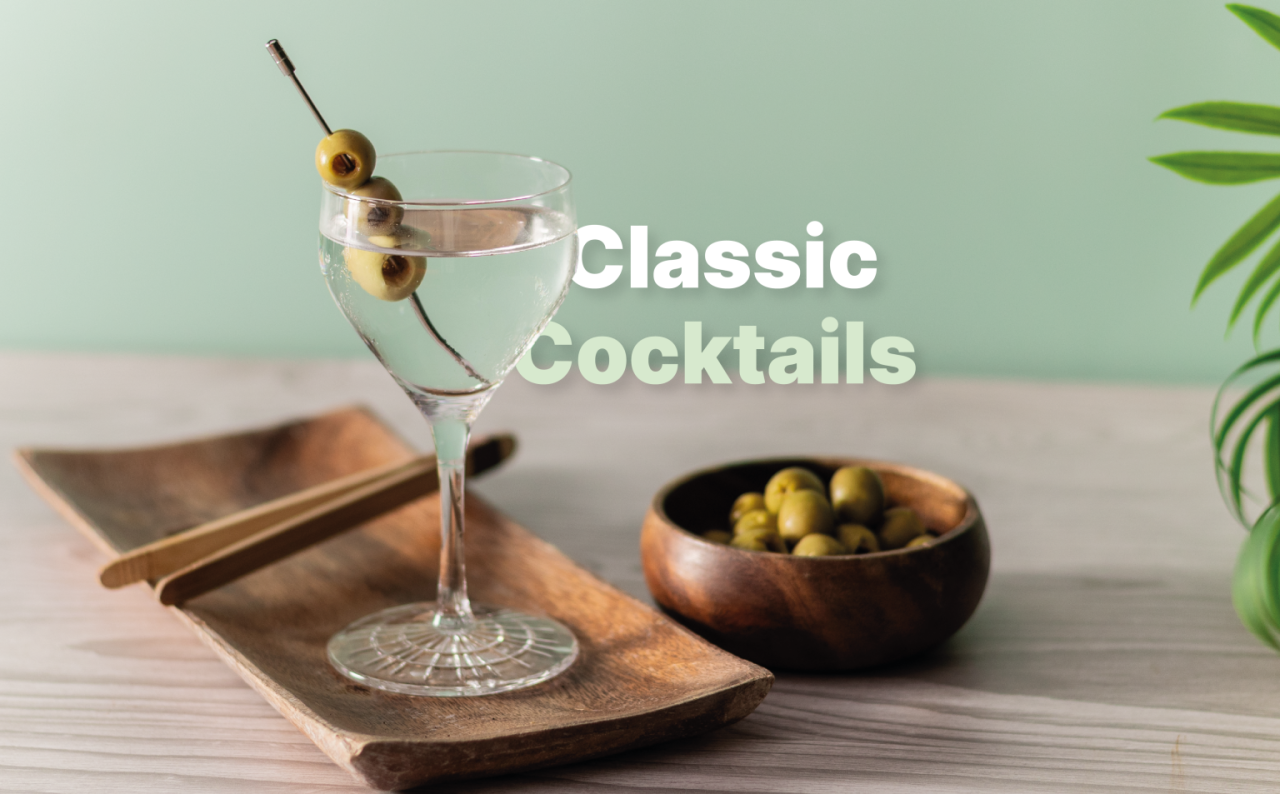
Garnishes play a vital role in the cocktail world, serving not only as a decorative element but also enhancing the overall flavor profile and drinking experience. From a simple sprig of mint to an intricate citrus twist, garnishes elevate the aesthetics and sensory engagement of a cocktail, making it visually appealing and more enjoyable to consume.
Garnishes can be classified into several types, each serving distinct purposes in enhancing cocktails. Understanding these categories allows mixologists and drink enthusiasts to select the appropriate garnish that complements the cocktail’s ingredients and overall theme.
Types of Garnishes and Their Purposes
Garnishes can be classified into three main categories: botanicals, fruits, and flavored additions. Each serves a unique purpose, contributing to the cocktail’s flavor, aroma, and presentation.
- Botanical Garnishes: This includes herbs and spices such as mint, basil, and rosemary. They add aromatic qualities and can enhance the drink’s flavor profile. For example, a sprig of rosemary not only looks elegant in a gin and tonic but also infuses herbal notes with each sip.
- Fruit Garnishes: Fresh fruits such as citrus slices, cherries, and berries are commonly used. They can provide acidity, sweetness, or a burst of color. A lemon twist can brighten a whiskey sour, offering both visual appeal and a zesty aroma.
- Flavored Additions: This category includes flavored salts, sugars, or bitters. These garnishes can deepen or contrast the cocktail flavors. For example, a rim of smoked salt on a margarita can enhance the smoky notes of mezcal while providing a unique tasting experience.
Selecting and preparing garnishes requires creativity and an understanding of the cocktail’s flavor dynamics. Choosing garnishes that harmonize with the cocktail ingredients enhances the overall experience. When preparing garnishes, consider the following:
- Freshness: Always use fresh ingredients; wilted herbs or overripe fruits can detract from the cocktail’s quality.
- Color Contrast: Bright and vibrant colors can make a cocktail visually striking. For instance, a deep red cherry on a pale pink drink creates an eye-catching effect.
- Complementary Flavors: Ensure that the garnish does not overpower the main ingredients. For example, a thin slice of jalapeño can add a spicy kick to a fruity margarita without overwhelming its sweetness.
The presentation of a cocktail is greatly influenced by its garnishes. Not only do they enhance visual appeal, but they also impact the overall drinking experience. A well-garnished cocktail invites curiosity and excitement, encouraging the drinker to appreciate the craftsmanship involved.
“A cocktail is not just a drink; it’s an experience. The right garnish can transform it from ordinary to extraordinary.”
In summary, the careful selection and preparation of garnishes can significantly enhance the flavor, aroma, and visual presentation of cocktails, ultimately contributing to a memorable drinking experience.
Crafting Signature Cocktails for Events
Creating signature cocktails for events is an art that combines creativity with a deep understanding of flavors, themes, and guest preferences. These unique drinks can elevate any gathering, providing a memorable experience that resonates with the occasion. By focusing on the event’s theme and the characteristics of your guests, you can design cocktails that not only taste good but also enhance the overall ambiance of your gathering.
The process of crafting these cocktails begins with a clear concept or theme that ties into the event. Consider factors such as the season, location, and purpose of the event. This foundational step informs the selection of ingredients and presentation style. A thoughtful approach ensures that the cocktails resonate with the event’s vibe, making them more enjoyable for guests.
Ingredient Selection Based on Seasonality and Guest Preferences
Choosing the right ingredients is crucial for creating signature cocktails that appeal to your guests. Seasonal ingredients not only enhance flavor but also reflect the time of year, making your cocktails more relevant and enjoyable. For instance, fresh fruits and herbs in summer cocktails can invigorate, while warm spices and richer flavors can create comfort during colder months.
When selecting ingredients, consider the following points:
- Seasonal Availability: Use fruits and herbs that are currently in season. For example, strawberries and basil in summer or cranberries and cinnamon in winter.
- Dietary Restrictions: Be mindful of common dietary preferences or restrictions among your guests, such as allergies or vegan choices.
- Flavor Profiles: Align the ingredient selection with the tastes of your guests; some may prefer sweeter cocktails, while others may enjoy more bitter or savory flavors.
Examples of Signature Cocktails for Different Gatherings
A well-crafted cocktail can complement any event, from weddings to corporate gatherings. Below are some tailored examples of signature cocktails that can enhance various types of gatherings:
- Garden Party: A refreshing Cucumber Mint Cooler made with gin, muddled cucumber, mint, lime juice, and tonic water offers a light and crisp flavor perfect for outdoor settings.
- Winter Holiday Party: A Spiced Apple Cider Mule, blending vodka, spiced apple cider, ginger beer, and a dash of cinnamon, creates a warm and festive atmosphere.
- Corporate Networking Event: A Classic Whiskey Sour with bourbon, lemon juice, and simple syrup provides a sophisticated option that appeals to a wide range of palates.
- Bridal Shower: A Pink Champagne Punch combining sparkling wine, raspberry puree, and a splash of lemonade adds a celebratory touch suitable for elegant occasions.
Crafting signature cocktails for events is a thoughtful process that requires attention to detail. By considering the seasonality of ingredients and the preferences of your guests, you can create memorable drinks that resonate with the theme of the gathering, ensuring a delightful experience for all attendees.
The Influence of Regional Ingredients on Cocktails
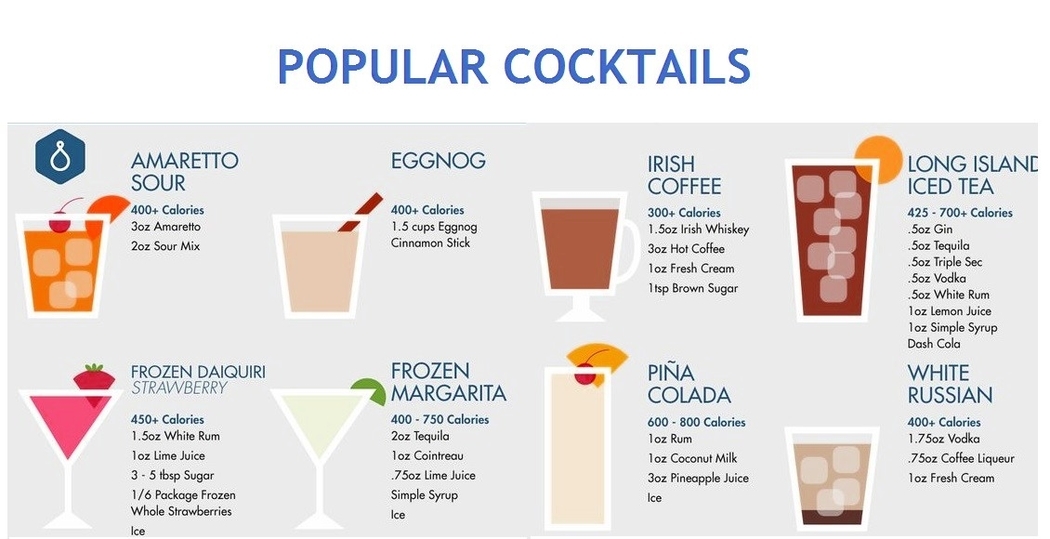
The world of cocktails is deeply intertwined with the local ingredients available in different regions. From the fresh fruits of tropical climates to the unique spices found in local markets, these elements shape not only the flavors of cocktails but also the creativity of bartenders. The influence of regional ingredients creates a vibrant tapestry of cocktail culture that reflects the essence of each locale.
Regional ingredients play a pivotal role in defining the character and style of cocktails. Ingredients like local fruits, herbs, and spirits contribute distinct tastes that showcase the terroir of a place. For instance, tequila from Jalisco, Mexico, carries the flavors of the agave plant native to that region. In contrast, gin from the UK often features botanicals that are locally sourced, such as juniper berries. The variety of regional ingredients allows for a diverse range of cocktails that highlights local agriculture and production methods.
Signature Regional Cocktails and Their Ingredients
Popular regional cocktails often tell a story of the local culture and traditions through their unique ingredients. Understanding these cocktails can deepen the appreciation for their origins and the craftsmanship involved. Here are a few notable examples:
- Margarita (Mexico): A classic cocktail made with tequila, lime juice, and orange liqueur. The quality of local tequila, often made from blue agave, greatly influences its flavor.
- Mojito (Cuba): This refreshing drink combines white rum, fresh mint, lime juice, sugar, and soda water. The mint and limes grown in Cuba contribute to its distinct aroma and taste.
- Pisco Sour (Peru): Made with pisco (a grape brandy), lime juice, simple syrup, and egg white, it showcases Peru’s agricultural products, especially the Peruvian limes.
- : This cocktail features gin, Campari, and vermouth. Its unique flavor stems from local Italian herbs used in the vermouth and the high-quality gin produced in various Italian distilleries.
Utilizing regional ingredients allows bartenders to craft cocktails that not only taste great but also connect drinkers to the local environment. Adapting classic cocktails using regional produce or spirits can enhance their appeal and introduce exciting new flavors. For instance, a traditional Daiquiri can be reinvented with local fruits like passionfruit or mango, providing a tropical twist.
“Local ingredients not only enhance the flavor but also tell the story of a place and its people.”
Another example is substituting local herbs for the traditional basil in a Gin Basil Smash, allowing for a fresh, new take that reflects the local botanical diversity. This practice not only respects the classic recipes but also embraces the uniqueness of each region’s offerings, encouraging creativity and innovation in cocktail crafting. The result is a cocktail culture that thrives on diversity and celebrates local flavors, making every sip a journey through the region’s landscape and history.
Innovative Techniques in Modern Cocktail Making
In the rapidly evolving world of mixology, innovative techniques are at the forefront of creating unforgettable drinking experiences. Modern cocktail making has transcended traditional methods, embracing creativity and technology to craft unique flavors and presentations. These advancements not only enhance the enjoyment of cocktails but also keep the culture vibrant, encouraging mixologists to push boundaries.
One of the leading advancements in cocktail preparation is molecular gastronomy, a discipline that merges food science with culinary artistry. This technique allows for the manipulation of flavor and texture in unexpected ways, resulting in cocktails that are not only delicious but visually stunning. For instance, mixologists can create foam from infused flavors, transforming the drinking experience by adding a light, airy texture to a drink. Similarly, the use of spherification can turn liquids into caviar-like beads, bursting with flavor when bitten into.
Molecular Gastronomy Techniques in Cocktails
Molecular gastronomy has introduced several innovative techniques that elevate the cocktail-making process. Here are some notable examples:
- Spherification: This technique encapsulates liquids in a gel-like membrane, creating “caviar” that can be infused with various flavors. For instance, a mojito caviar can be created that bursts with the fresh flavors of lime and mint on the palate.
- Foams and Espumas: Using a siphon, mixologists can create flavored foams that sit atop cocktails, adding an aromatic layer of taste. A gin and tonic foam, for example, enhances the traditional drink with a light, effervescent twist.
- Smoke Infusion: By utilizing a smoking gun, mixologists can infuse cocktails with smoke, adding an intriguing flavor profile. A classic Old Fashioned can be elevated with a hint of cherrywood smoke, providing depth to its character.
- Gelification: This process transforms liquids into gels, allowing for creative presentations, such as cocktail shots served in gel form that can be enjoyed with a spoon or fork.
The integration of technology in cocktail preparation is another significant aspect of modern mixology. High-tech tools such as precision blenders, sous-vide machines, and even 3D food printers are being utilized. The precision blender can create the perfect texture for purees or frozen cocktails, while sous-vide allows for precise temperature control to infuse spirits with herbs and spices over extended periods. A 3D food printer can create intricate garnishes or even edible cocktail straws, thus blending aesthetics with functionality.
The importance of innovation in cocktail culture cannot be overstated. As consumers’ palates evolve and demand more unique experiences, mixologists are challenged to adapt and innovate. The embrace of new techniques keeps the cocktail scene dynamic and exciting, ensuring that there is always something fresh for enthusiasts to discover. For example, bars like The Aviary in Chicago have gained fame for their avant-garde approach to cocktails, incorporating surprising elements and presentations that captivate their clientele.
“Innovation is the heartbeat of cocktail culture, where creativity meets science to craft memorable experiences.”
The Trends Shaping the Future of Cocktails
The cocktail industry is undergoing a significant transformation, influenced by various emerging trends that reflect changing consumer preferences, health consciousness, and innovative preparation methods. As we venture into the future, these trends will not only redefine how cocktails are made but also how they are enjoyed and perceived. Recognizing these shifts is essential for both cocktail enthusiasts and industry professionals seeking to stay ahead of the curve.
Emerging Ingredients and Preparation Methods
The evolution of cocktail ingredients and preparation techniques is a hallmark of the industry’s future. Bartenders and mixologists are increasingly experimenting with unconventional ingredients, which not only enhance flavor profiles but also add unique visual elements to drinks. One notable trend is the use of locally sourced and foraged ingredients, which emphasizes sustainability and supports local economies.
Innovative preparation methods, such as sous-vide infusions and barrel-aging, are gaining traction. These methods allow for unique flavor extraction and complexity that traditional techniques may not achieve. Additionally, the use of technology, such as nitrogen-infused cocktails and carbonated mixtures, is becoming more common, providing patrons with a sensory experience that goes beyond taste.
Health-Conscious Choices
Health consciousness is becoming increasingly prevalent in the cocktail scene, with consumers seeking options that align with their wellness goals. As a result, bars and restaurants are introducing low-sugar, low-calorie, and alcohol-free alternatives to traditional cocktails. This shift is not merely a trend; it reflects a broader societal movement towards healthier lifestyles.
Key elements driving this trend include:
- Use of natural sweeteners like agave and honey instead of refined sugars.
- Incorporation of functional ingredients such as adaptogens and superfoods, which claim to offer health benefits.
- Growth of non-alcoholic spirits and mixers that provide flavorful alternatives without the effects of alcohol.
These choices not only cater to health-conscious consumers but also attract new demographics, diversifying the cocktail market.
Predictions for the Cocktail Landscape
As we look to the future, several predictions can be made regarding the cocktail landscape. The focus on sustainability will likely increase, with more bars adopting eco-friendly practices such as waste reduction and sustainable sourcing. This shift may also lead to a rise in cocktails that feature upcycled ingredients, which promote responsible consumption.
Technological integration is expected to continue shaping the industry, with advancements in AI and robotics enhancing the cocktail-making process. For instance, bars may employ robotic bartenders that ensure consistency and precision while freeing human bartenders to focus on creativity and customer interaction.
Real-life examples of these trends include brands like Seedlip, which pioneered the non-alcoholic spirit movement, and bars such as Attaboy in New York City, which utilize seasonal and locally sourced ingredients to create bespoke cocktails. As these trends continue to evolve, the cocktail industry will likely become more inclusive, inventive, and aligned with consumers’ values and lifestyles.
The Art of Pairing Cocktails with Food
When it comes to dining experiences, the right cocktail can elevate a meal from ordinary to extraordinary. Pairing cocktails with food is an art that requires an understanding of flavors, ingredients, and culinary traditions. A well-chosen cocktail can enhance the taste of a dish, highlight its nuances, and even cleanse the palate between courses. Whether you’re hosting a dinner party or simply enjoying a night in, mastering this art will impress your guests and enrich your dining experiences.
Creating harmonious pairings involves considering the flavors in both the cocktail and the dish. Generally, the goal is to find balance: the cocktail should complement the food without overpowering it. A good starting point is to match intensity levels—lighter cocktails with delicate dishes and bolder drinks with richer fare. Additionally, think about the various elements in the dish, such as acidity, sweetness, and spice, to guide your cocktail selection.
Examples of Successful Pairings
Understanding how certain cocktails can enhance specific dishes can be incredibly rewarding. Here are some curated pairings that showcase the potential of cocktails to complement various cuisines:
- Margarita with Fish Tacos: The zesty lime and tequila in a margarita perfectly balance the rich flavors of grilled fish and fresh toppings, enhancing the overall freshness of the dish.
- Manhattan with Steak: The deep flavors of bourbon and sweet vermouth in a Manhattan contrast beautifully with a well-cooked steak, highlighting its rich umami qualities.
- Mojito with Shrimp Ceviche: The refreshing mint and lime notes of a mojito align well with the citrusy shrimp ceviche, making each bite and sip a vibrant experience.
- Negroni with Charcuterie Board: The bitterness of the Campari in a Negroni complements the salty meats and cheeses on a charcuterie board, creating a sophisticated balance.
- Old Fashioned with Dark Chocolate Dessert: The sweet and bitter notes in an Old Fashioned enhance the richness of dark chocolate, making it a perfect end to a meal.
The thought process behind selecting the right cocktail involves considering the main ingredients of the dish, its preparation method, and the overall dining experience you wish to create. For instance, a spicy dish may benefit from a cocktail that offers sweetness or cooling elements, while a sweet dessert might call for a cocktail with a sharper, more acidic profile to balance the flavors.
In practice, pairing cocktails with food is about experimentation and personal preference. Take the time to explore different combinations, and don’t hesitate to adjust based on the particular flavors of the ingredients you are using. The journey of finding the perfect pairing can be just as enjoyable as the meal itself.
Closure
In conclusion, the world of cocktails is a vibrant tapestry woven from history, science, and creativity. As we’ve seen, each element—from the choice of ingredients to the techniques used in mixing—plays a pivotal role in crafting the perfect drink. By embracing both tradition and innovation, cocktails continue to evolve, promising a thrilling future for enthusiasts and casual drinkers alike. So raise your glass to the art of cocktails, and may your next sip be filled with inspiration!
Quick FAQs
What are the most popular cocktails today?
Some of the most popular cocktails include the Margarita, Mojito, Old Fashioned, and Espresso Martini, each offering unique flavors and experiences.
What is the difference between shaken and stirred cocktails?
Shaken cocktails are mixed vigorously to chill and aerate them, while stirred cocktails are gently mixed to maintain a silky texture and clarity.
How do I choose the right cocktail for an event?
Consider the theme of the event, the season, and your guests’ preferences to select cocktails that will enhance the overall experience.
Can cocktails be made low-calorie?
Yes, by using fresh ingredients, low-calorie mixers, and controlling the amount of alcohol, you can create delicious low-calorie cocktails.
What tools are essential for a home bar?
A basic home bar should include a shaker, jigger, muddler, strainer, and a good set of glassware to craft a variety of cocktails.