
 Rogert
Margaritas have long been a beloved beverage, embodying the vibrant spirit and rich culture of Mexico while also capturing the hearts of enthusiasts around the world. This refreshing cocktail, with its perfect balance of tequila, lime, and sweetness, invites exploration into its intriguing backstory, diverse variations, and the joy it brings to social gatherings.
From its origins steeped in tradition to modern innovations that redefine the drink, margaritas showcase how a simple mix can transform into an experience full of flavor and celebration. Join us as we delve into the captivating history, essential ingredients, mixing techniques, and food pairings that make margaritas a staple at any gathering.
The history and origins of margaritas are fascinating topics that need exploration
The margarita stands as one of the most iconic cocktails, celebrated for its refreshing taste and vibrant character. Its rich history and evolution reflect the cultural tapestry of Mexico and the United States, showcasing how a simple drink can symbolize much more than just a beverage. By delving into the origins and cultural significance of the margarita, one can appreciate how it has become a staple in social gatherings and festivities.
The origins of the margarita are often steeped in folklore and varying narratives, which contribute to its mystique and popularity. While the exact birthplace of the margarita remains disputed, many accounts trace its roots back to Mexico in the 1930s. One popular story credits bartender Carlos “Danny” Herrera, who is said to have invented the drink at his Tijuana restaurant, “Rancho La Gloria,” for a customer who was allergic to all spirits except tequila. Another tale suggests it was created in the 1940s by a socialite named Margarita Sames, who mixed the drink at her Acapulco home during a party. Despite the discrepancies in its origin story, what is undeniable is the margarita’s rise to fame and its deep connection to Mexican culture.
Cultural significance of margaritas in Mexican and American traditions
The margarita serves as more than just a beverage; it has become a symbol of celebration and social interaction. In Mexico, margaritas are commonly enjoyed during festive occasions, family gatherings, and national holidays, making them a staple in traditional cuisine. Their presence is often associated with warm weather and outdoor festivities, reflecting the country’s vibrant spirit.
In the United States, the margarita has gained a reputation as a quintessential summer drink and is a popular choice at barbecues, beach outings, and casual social events. Its influence stretches beyond mere consumption; the margarita has inspired a plethora of variations, each with unique twists that cater to diverse palates. The drink’s versatility has allowed it to evolve, adapting to current trends while maintaining its classic roots.
Key milestones in the margarita’s evolution include:
- The introduction of margarita mixes in the 1960s, which made the drink more accessible to the general public.
- The rise of frozen margaritas in the 1970s, catering to a growing demand for blended cocktails, especially in tourist areas.
- The establishment of National Margarita Day on February 22, further cementing its status in American pop culture.
- The craft cocktail movement in the 2000s, which emphasized fresh ingredients and artisanal techniques, leading to the revival of classic margarita recipes.
Throughout its history, the margarita has transcended borders, intertwining with both Mexican and American traditions. Its ability to adapt over time while remaining a beloved choice exemplifies the cultural significance of this iconic cocktail. The margarita continues to bring people together, serving as a reminder of the joy found in shared experiences and celebrations.
Various types of margaritas have distinct flavors and characteristics that appeal to many
Margaritas are beloved cocktails that offer a delightful mix of flavors, and their variations showcase an incredible range of tastes that cater to different preferences. Each margarita type brings unique ingredients and preparation methods, allowing for creative twists on the classic recipe that can excite both the traditionalist and the adventurous drinker alike.
The classic margarita typically consists of tequila, lime juice, and orange liqueur, which come together to form a refreshing and tangy beverage. However, modern interpretations have expanded this simple formula, introducing a myriad of flavors and textures. The base ingredient, tequila, plays a crucial role in the final taste of the drink, with different types (blanco, reposado, añejo) contributing distinct profiles. Lime juice provides the necessary acidity, while various mixers and flavorings can elevate the drink to new heights.
Comparative Variations of Margaritas
The world of margaritas is rich with variations, each showcasing unique characteristics and flavor profiles. Here’s a look at some popular types of margaritas:
– Classic Margarita: This version is a timeless favorite, traditionally made with:
– 2 oz of tequila
– 1 oz of lime juice
– 1 oz of orange liqueur (like Cointreau or Triple Sec)
– Salt for rimming the glass
– Fruit-Flavored Margarita: Adding fresh or pureed fruit creates a delightful twist. Common varieties include:
– Strawberry Margarita
– Mango Margarita
– Watermelon Margarita
– Spicy Margarita: Incorporating jalapeños or chili powder provides a refreshing kick that pairs surprisingly well with the drink’s sweet and sour elements.
– Frozen Margarita: Blended with ice, this margarita offers a slushy texture that’s perfect for hot summer days.
– Margarita on the Rocks: Served over ice, this style emphasizes the fresh ingredients while adding a refreshing chill, allowing the drinker to savor each sip.
The importance of ingredients in defining the flavor profile of margaritas cannot be overstated. The choice of tequila influences not only the taste but also the smoothness of the drink, while lime juice is essential for balancing sweetness with acidity. Mixers and additional flavorings, such as fruit purees or herbs, can dramatically alter the overall experience, making the margarita a versatile cocktail that continues to evolve.
The margarita can be infinitely customized, allowing for a perfect match to any palate.
The essential ingredients for crafting the perfect margarita require careful selection
Creating the ideal margarita goes beyond simply mixing ingredients; it’s a delicate balance of quality and freshness that can elevate the drink from ordinary to extraordinary. The components you choose play a pivotal role in defining the flavor profile and overall experience of this beloved cocktail.
The foundation of a delicious margarita is high-quality tequila. Premium tequila is not only smoother but also provides a more complex flavor that enhances the drink. The distinction between tequila types—blanco, reposado, and añejo—affects the taste significantly. Blanco offers a crisp, clean profile, while reposado introduces notes from the aging process in oak barrels, and añejo adds depth with richer flavors. Choosing a 100% agave tequila ensures that you’re getting a pure product without additives, making a profound difference in the final taste.
Importance of Fresh Lime Juice
Fresh lime juice is a vital ingredient that can make or break your margarita. The zesty, vibrant flavor of freshly squeezed limes is unmatched by bottled alternatives, which often contain preservatives and sweeteners that can compromise the drink’s integrity. Fresh lime juice not only adds a bright acidity but also complements the tequila’s natural flavors, creating a harmonious balance.
To elevate your margarita experience, consider these additional ingredients that can enhance the depth and complexity of the cocktail:
- Agave Syrup: A natural sweetener derived from the same plant as tequila, it adds a gentle sweetness without overpowering the other flavors.
- Triple Sec or Cointreau: These orange-flavored liqueurs introduce a citrusy sweetness that rounds out the margarita beautifully.
- Fresh Fruits: Incorporating fresh fruits like strawberries, mangoes, or jalapeños can add unique flavors and a refreshing twist. Using seasonal fruits can provide a unique touch to your margarita.
- Herbs: Fresh herbs such as mint or basil can introduce an aromatic element, giving the drink a refreshing quality that enhances the overall experience.
- Salt or Sugar Rim: Rimming the glass with salt or sugar not only adds texture but also helps to balance the drink’s flavors. The choice between salt and sugar can be influenced by the overall flavor profile you wish to create.
Each ingredient contributes to a multi-dimensional flavor experience that transforms the margarita into not just a drink, but a delightful adventure for the senses.
High-quality tequila and fresh lime juice are key ingredients that elevate the margarita experience.
Techniques for mixing margaritas can greatly influence their final taste
Mixing a margarita is not just about combining ingredients; it’s an art that can elevate the overall experience. A classic margarita, when prepared with care, can offer a perfect balance of flavors that delights the palate. Understanding the techniques behind mixing can make all the difference in crafting a refreshing drink that stands out.
Step-by-step process of mixing a classic margarita
To achieve the ideal margarita, it’s important to follow a precise process. Start by gathering fresh ingredients—high-quality tequila, orange liqueur (like Cointreau or Triple Sec), fresh lime juice, and simple syrup. Here’s a simplified sequence to prepare your drink:
1. Prepare the glass: Rim the glass with lime juice and dip it into salt to create a salted rim.
2. Combine the ingredients: In a shaker, add 2 ounces of tequila, 1 ounce of orange liqueur, and 1 ounce of fresh lime juice. For a sweeter taste, add half an ounce of simple syrup.
3. Add ice: Fill the shaker with ice cubes, leaving some space for shaking.
4. Shake: Secure the lid on the shaker and shake vigorously for about 15 seconds to mix and chill the ingredients while aerating the drink.
5. Strain: Using a strainer, pour the mixture into the prepared glass filled with ice.
6. Garnish: Add a lime wheel or wedge for a pop of color and serve.
Shaking versus stirring margaritas
The method of mixing—whether shaking or stirring—plays a critical role in the texture and dilution of the margarita.
– Shaking: This technique is ideal for margaritas that contain citrus or fruit juices. Shaking not only blends the ingredients thoroughly but also aerates the drink, creating a frothier texture. The vigorous movement effectively chills the mixture, making it refreshing. A classic margarita benefits from shaking, ensuring the lime juice integrates seamlessly with the alcohol.
– Stirring: This method is more appropriate for drinks that require less aeration, such as those made simply with spirits and liqueurs. Stirring is gentler and maintains the drink’s clarity and smoothness. For variations like a margarita served on the rocks with no citrus, stirring can help retain the integrity of the flavors without overly diluting them.
Garnishing and serving techniques
The presentation of a margarita can enhance the overall drinking experience. Here are some effective garnishing and serving techniques:
– Glassware: A traditional margarita glass or a rocks glass is essential for serving. Choose a glass that complements the drink’s profile.
– Rimming the glass: The salted rim not only adds flavor but also visual appeal. Consider using flavored salts, like chili or lime zest, for a unique twist.
– Garnishes: A simple lime wheel or wedge adds a touch of color, while fresh herbs like mint can introduce an aromatic element. Consider using edible flowers for a more sophisticated presentation.
– Ice: Use large ice cubes or ice spheres to keep the drink cold while minimizing dilution. Crushed ice can be used for a more casual look, especially in blended margaritas.
– Serving style: Present the drink on a colorful napkin or coaster to enhance the visual presentation. For a fun touch, consider serving with a straw or stirrer, especially for blended versions.
Perfect pairings for margaritas can enhance the overall dining experience
Margaritas are not just a refreshing beverage; they can significantly elevate your dining experience when paired with the right foods. The vibrant flavors and acidity of margaritas complement various dishes, making them a delightful addition to any meal. Understanding which foods pair well with this iconic cocktail can enhance the enjoyment of both the drink and the meal, creating a harmonious dining experience.
Foods that pair well with margaritas
The right food pairings can enhance the flavors of margaritas and vice versa. The acidity and sweetness in margaritas can balance and amplify the flavors in food, making for a memorable meal. Here’s a selection of foods that work wonderfully with margaritas:
- Fish Tacos: The delicate flavors of grilled or fried fish combine beautifully with the citrus notes of margaritas, creating a refreshing bite.
- Guacamole and Chips: The creaminess of avocado and the saltiness of tortilla chips contrast nicely with the tangy margarita, enhancing the overall tasting experience.
- Spicy Shrimp Ceviche: The freshness and spiciness of ceviche are perfectly countered by the coolness of a classic margarita, making this duo a favorite.
- Grilled Veggie Fajitas: The smoky flavors from grilled vegetables complement the margarita’s citrus, creating a vibrant and satisfying bite.
- Carnitas: The rich and tender pork can be balanced with the acidity of margaritas, making each bite more enjoyable.
Regional dishes that traditionally accompany margaritas in Mexican cuisine
Margaritas hold a special place in Mexican culture, often enjoyed during festive occasions or as a refreshing treat on warm days. Certain regional dishes are traditionally served with margaritas, amplifying their flavors and celebrating authentic Mexican cuisine.
- Tacos al Pastor: This dish features marinated pork, pineapple, and onion, creating a flavorful punch that is perfectly complemented by the sweetness of a margarita.
- Chiles en Nogada: This seasonal dish of poblano peppers stuffed with meat and topped with a walnut sauce pairs well with margaritas, balancing rich flavors with zesty notes.
- Quesadillas: Whether filled with cheese, mushrooms, or flor de calabaza (squash blossoms), these cheesy delights are enhanced by the acidity of margaritas.
- Posole: A hearty hominy soup often served at celebratory gatherings pairs wonderfully with a margarita, especially when garnished with lime and radishes.
Unique flavor combinations that elevate a meal featuring margaritas
While traditional pairings are fantastic, experimenting with unique flavors can take your margarita experience to new heights. Here are some innovative combinations to consider:
- Tequila-Infused Jicama Salad: A refreshing salad with jicama, lime, and cilantro can enhance the margarita experience, providing a crunchy texture that complements the drink.
- Mango Salsa: This sweet and tangy salsa adds an exciting twist, harmonizing with the flavors of a margarita while offering a burst of tropical sweetness.
- Chipotle BBQ Wings: The smoky spice from chipotle-flavored wings contrasts beautifully with the sweetness of a margarita, creating a delicious flavor explosion.
- Chocolate Mole Sauce: Rich dishes drizzled with mole sauce offer a complex flavor that pairs surprisingly well with margaritas, balancing sweetness and heat.
The role of margaritas in social gatherings and celebrations is significant and worth discussing
Margaritas have become more than just a beverage; they have transformed into a cultural symbol of joy and celebration, making them a staple in various social gatherings. These refreshing cocktails embody a spirit of festivity and togetherness, often reflecting the vibrant cultures that produce them. From casual get-togethers to grand celebrations, margaritas play a pivotal role in enhancing the atmosphere and creating memorable experiences.
The significance of margaritas in social settings can be traced back to their roots in Mexican culture, where they are often enjoyed during festive occasions. They have become synonymous with warmth, friendship, and celebration. As they gained popularity worldwide, margaritas found their way into many social events, from birthdays to weddings and everything in between. Their versatility allows for endless variations, making them a favorite among party hosts and guests alike.
Cultural events and holidays featuring margaritas
Margaritas are prominently featured in a variety of cultural events and holidays, reflecting their deep connection to social celebration. The following occasions showcase the importance of margaritas:
- Cinco de Mayo: This Mexican holiday celebrates the victory at the Battle of Puebla, and margaritas are a natural choice for toasting to history. Parties often feature themed decorations, traditional music, and, of course, an abundance of margaritas.
- Summer Barbecues: As the sun shines bright, summer gatherings often include margaritas as a refreshing drink option. They pair perfectly with grilled food, contributing to a laid-back atmosphere.
- National Margarita Day (February 22): A day dedicated to celebrating this beloved cocktail, bars and restaurants often hold special events, showcasing different margarita recipes and flavors, encouraging patrons to indulge in this delightful drink.
- Fiesta Celebrations: In many Latin American cultures, fiestas are a way to celebrate life, love, and friendship, and margaritas are an essential part of the festivities, enhancing the experience with their refreshing taste.
Creative margarita-themed parties and events
Margarita-themed parties are a fantastic way to bring friends and family together, with creativity and fun at their core. Here are a few examples that illustrate the diverse options available for hosting a memorable margarita event:
- Margarita Tasting Party: Similar to wine tasting, guests sample various margarita recipes featuring different spirits, flavors, and garnishes. This interactive setup encourages sharing preferences and discovering new favorites.
- DIY Margarita Bar: Setting up a DIY margarita station allows guests to customize their own drinks. Include various mixers, spices, and garnishes, letting creativity flow as attendees craft their unique concoctions.
- Margarita and Taco Night: Pairing margaritas with a taco feast creates an enjoyable culinary experience. Guests can mix and match flavors, enhancing the evening with delicious food and drinks.
- Beach or Poolside Party: Margaritas are the perfect refreshing drink for a beach or poolside gathering. The ambiance of sun, water, and good company makes for a delightful experience, with margaritas serving as the highlight.
Innovations in margarita recipes are continually emerging and deserve attention
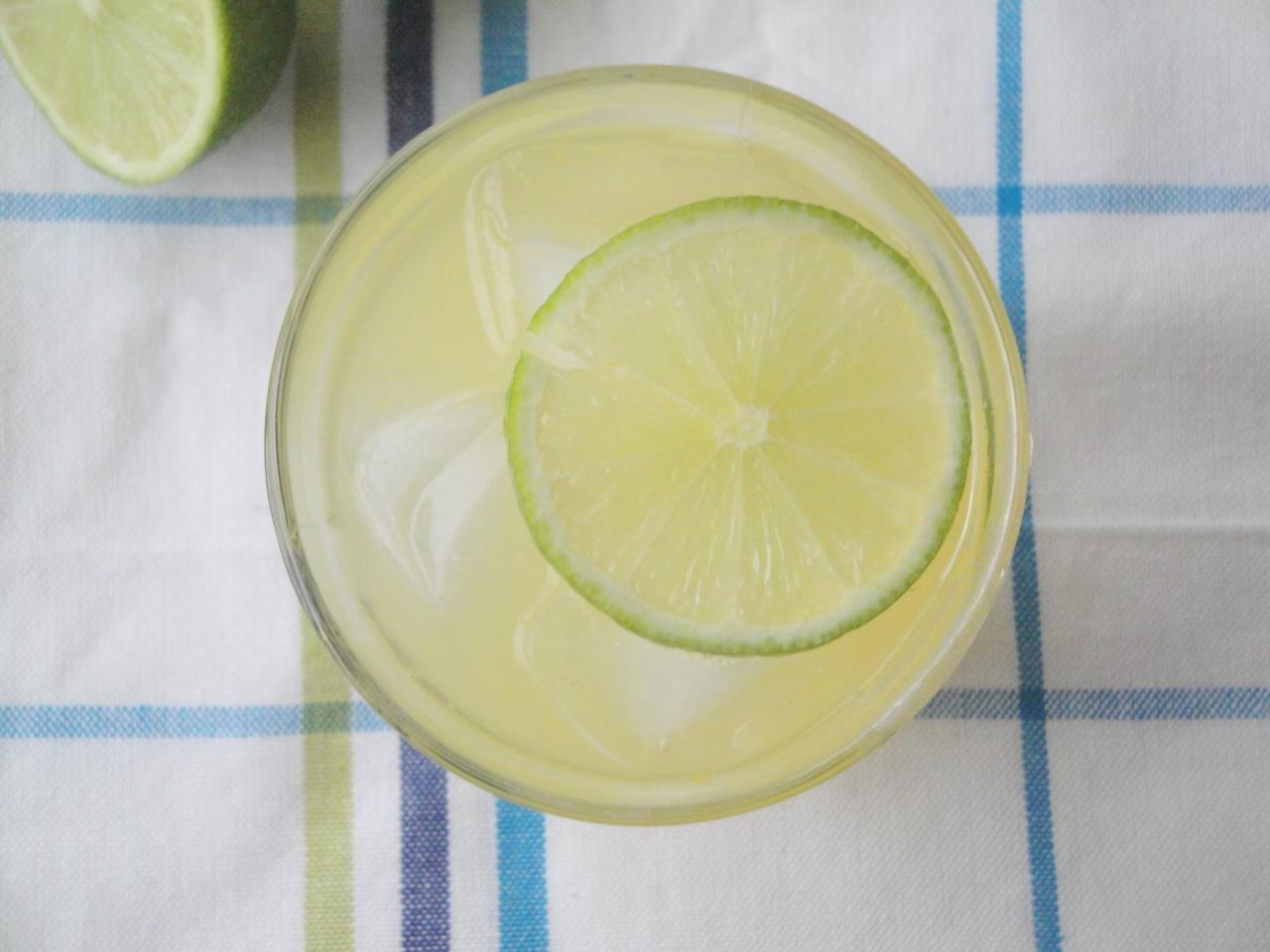
Margaritas have come a long way from their traditional roots, evolving into a canvas for creativity and culinary exploration. Contemporary trends in margarita recipes reflect a shift towards unique flavor profiles, innovative techniques, and an emphasis on quality ingredients. This evolution is driven by a growing interest in craft cocktails and a desire for personalization in beverage choices.
Modern bartenders are not only revisiting classic margarita ingredients but are also incorporating a range of unusual elements that elevate the drink to new heights. The exploration of fusion flavors, local ingredients, and artisanal techniques is reshaping how margaritas are crafted and enjoyed.
Emerging Ingredients and Techniques
The landscape of margarita innovation is characterized by the use of unexpected ingredients and advanced preparation methods. These innovations not only enhance the drink but also provide a unique experience for the consumer. Some notable examples include:
- Fruit Purees: Bartenders are increasingly using fresh fruit purees, such as mango, passion fruit, or even beetroot, to add depth and vibrant colors to the margarita. This not only enhances the visual appeal but also introduces new flavor dimensions.
- Infused Spirits: Infusing tequila with herbs, spices, or even exotic fruits has become a popular trend. For instance, jalapeño-infused tequila adds a spicy kick, while cucumber-infused tequila offers a refreshing twist.
- Smoke and Char: Techniques such as smoking ingredients or using charred fruits can add a complex layer of flavor. Smoked salt around the rim of the glass or charred citrus can transform the traditional margarita into a bold, unique cocktail.
The presentation of margaritas is also receiving significant attention. Bartenders are experimenting with glassware, garnishes, and even serving methods to create an unforgettable experience.
“The margarita is not just a drink; it’s an experience that evolves with each innovation.”
Flavor Experimentation and Presentation
Innovative bartenders are pushing the boundaries of flavor combinations and aesthetics in modern margaritas. The focus has shifted from simply mixing ingredients to creating a holistic experience that engages the senses.
Some of the hallmark trends in flavor experimentation include:
- Herbal Elements: Incorporating fresh herbs like basil or mint not only adds aromatic qualities but also enhances the overall flavor profile. Muddling these herbs into the cocktail brings out fresh notes that complement traditional ingredients.
- Unique Sweeteners: Traditional simple syrup is being replaced with artisanal sweeteners such as agave nectar, honey, or flavored syrups—like lavender or rosemary—to create a more complex sip.
- Garnishing Techniques: Bartenders are now using creative garnishes, such as edible flowers, candied fruits, or even flavored ice cubes, to elevate the visual appeal and taste of the drink.
Such innovations not only redefine the margarita but also reflect broader trends in the cocktail industry, where personalization and creativity are highly valued. The margarita continues to adapt and evolve, highlighting the artistry and craftsmanship of modern mixology.
The health considerations related to margarita consumption should not be overlooked
When enjoying a classic margarita, it’s essential to consider not just the delightful flavors but also the nutritional aspects and health implications that accompany this popular cocktail. Understanding what goes into a margarita can help in making informed choices about consumption and encourage healthier alternatives without sacrificing taste.
Traditional margaritas typically consist of tequila, lime juice, and orange liqueur, often served with a salt rim. The nutritional profile of a standard margarita reveals that it can contain around 200-400 calories per serving, depending largely on the proportions and ingredients used. The primary concerns often stem from the sugar content found in the orange liqueur, which can add a significant amount of empty calories. Alcohol itself can also lead to various health impacts, including dehydration and potential weight gain if consumed in excess.
Nutritional aspects and health impacts
The health implications of margarita consumption go beyond just calorie counts. Key considerations include:
- Caloric Content: A standard margarita can contribute a substantial amount of calories to your diet. Regular consumption may lead to weight gain if not balanced with physical activity.
- Sugar Levels: High sugar content from liqueurs and mixers can spike blood sugar levels, posing risks for individuals with diabetes or insulin sensitivity.
- Alcohol Effects: Moderation is key as excessive alcohol intake can lead to liver damage, increased risk of certain cancers, and other health complications.
Health-conscious drinkers may seek ways to enjoy margaritas while mitigating some of these concerns.
Healthier margarita alternatives
For those looking to indulge without the negative health impacts, there are alternatives that maintain flavor while reducing calories and sugar.
- Fresh Ingredients: Using fresh lime juice and homemade syrups can drastically lower added sugars compared to commercial mixers.
- Lower-Calorie Spirits: Opting for premium tequila and avoiding sugary liqueurs can reduce overall calorie intake. Consider using a splash of soda water for fizz instead.
- Fruit Enhancements: Adding pureed fruits like strawberries or mangoes can provide natural sweetness and nutrients, enhancing flavor without relying on processed ingredients.
Common misconceptions about margaritas
Margaritas often face a range of misconceptions that can lead to misunderstanding their health implications.
- All Margaritas Are Unhealthy: Not all margaritas are created equal; a well-made margarita with fresh ingredients can be enjoyed responsibly.
- Tequila is Bad for You: In moderation, tequila has been linked to potential health benefits, including aiding digestion and being lower in sugar compared to other spirits.
- Margaritas are Only for Special Occasions: Many people believe margaritas should only be consumed during festivities, but enjoying a responsibly made margarita can fit into a balanced lifestyle.
Considering these aspects can help those who enjoy margaritas to make healthier choices, ensuring that their enjoyment of this classic cocktail can be both pleasurable and mindful.
Outcome Summary
In conclusion, margaritas are more than just a cocktail; they are a cultural symbol, an evolving drink that continues to adapt and inspire. Whether you prefer the classic taste or a creative twist, understanding the nuances of this beloved beverage enhances not only your appreciation but also your dining experiences. So, raise your glass and toast to the rich history and delightful variations of margaritas that bring people together, one sip at a time.
Question Bank
What is the best type of tequila for margaritas?
Generally, a high-quality blanco tequila is recommended for its crisp flavor, but some prefer reposado for a richer taste.
Can I make margaritas without alcohol?
Yes, you can create delicious mocktail versions using non-alcoholic tequila alternatives or simply omit the alcohol.
What is the traditional rim for a margarita glass?
The classic rim for a margarita glass is coated with salt, enhancing the drink’s flavors.
How can I make a margarita less sweet?
Reduce the amount of sweetener or use fresh lime juice to balance the flavors without overpowering sweetness.
Are frozen margaritas different from on-the-rocks?
Yes, frozen margaritas are blended with ice for a slushy texture, while on-the-rocks are served over ice, offering a different drinking experience.