
 Rogert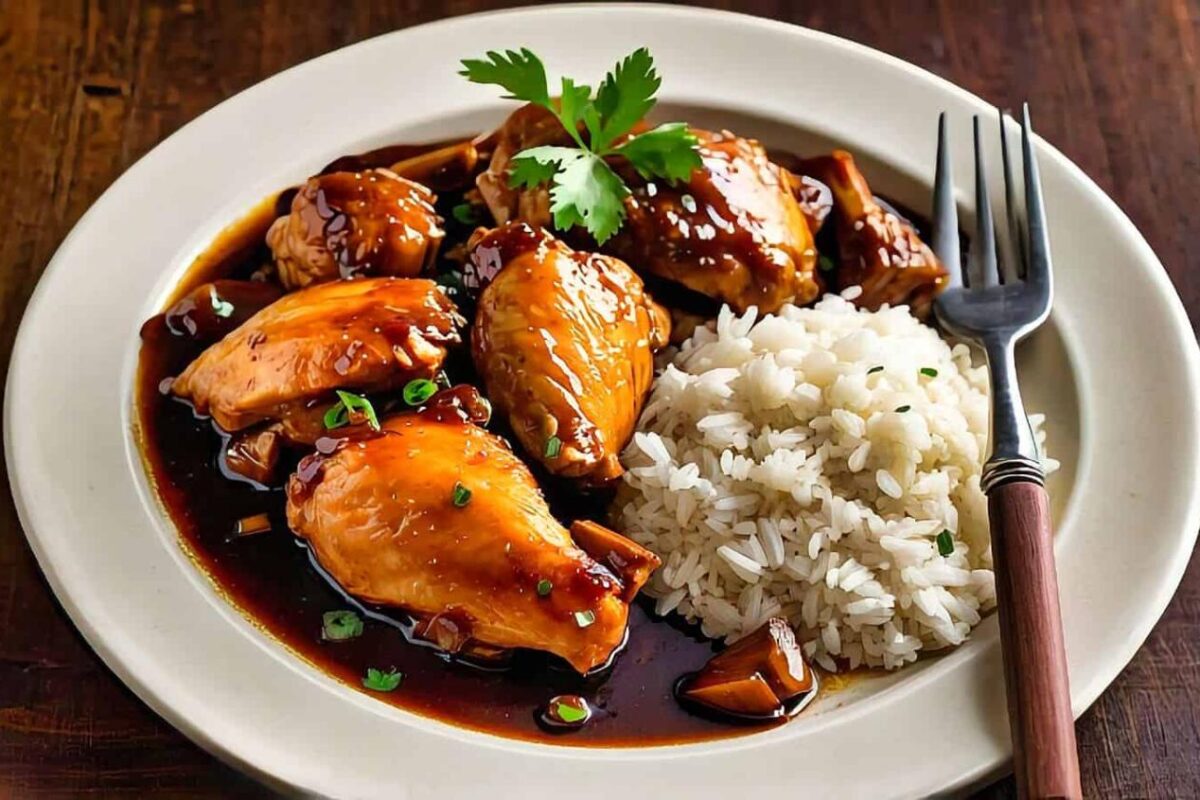
Adobo is more than just a dish; it’s a vibrant emblem of Filipino culture that resonates through family gatherings and celebrations. It encapsulates a rich history, blending indigenous flavors with influences from Spanish colonial times, creating a unique culinary experience that varies across the Philippine archipelago. Each region’s twist on adobo tells its own story, from the sweet and savory versions of Pampanga to the spicy interpretations of Mindanao, making it a beloved comfort food that connects generations.
As we delve into the world of adobo, we’ll explore its essential ingredients, cooking techniques, and the creative ways it has been reimagined globally while also considering its health implications and modern adaptations. This journey will not only enlighten the palate but also celebrate the cultural significance of a timeless favorite in Filipino cuisine.
Understanding the Cultural Significance of Adobo in Filipino Cuisine
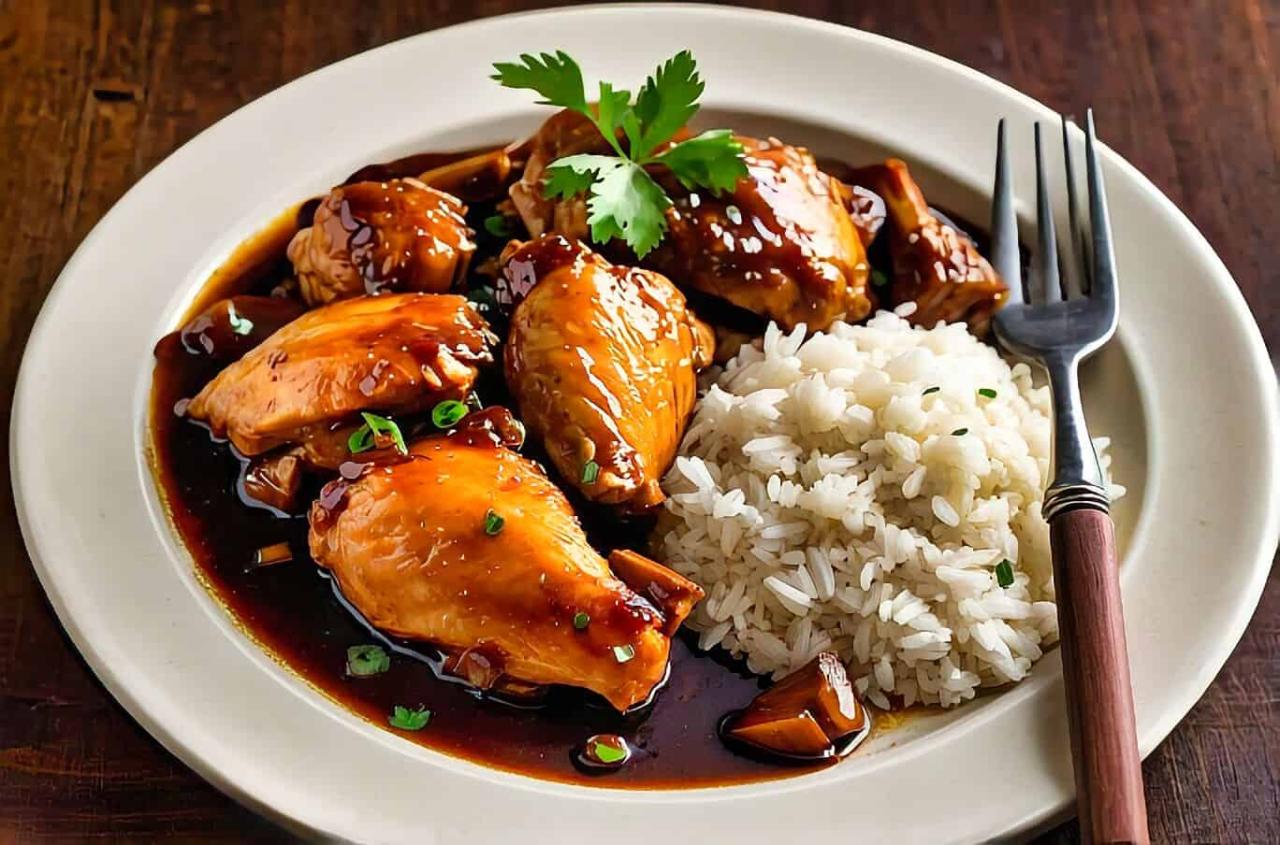
Adobo is more than just a dish in Filipino cuisine; it embodies the rich tapestry of the Philippines’ cultural heritage. With roots that trace back to the pre-colonial period, the dish has evolved through centuries, influenced by various cultures and culinary practices. This unique blend of history and flavors reflects the heart of Filipino family life and traditions.
Historically, adobo can be traced back to the indigenous people of the Philippines who utilized vinegar and salt as methods for preserving meat. Spanish colonizers adopted this technique, dubbing it “adobar,” which means “to marinate.” As a result, adobo became synonymous with the Filipino way of cooking, representing not only a method but also a celebration of identity and resilience. Today, adobo is a staple in Filipino households and is often served during family gatherings, holidays, and significant life events, symbolizing unity and love.
Importance of Adobo in Family Gatherings and Celebrations
Adobo often serves as the centerpiece of Filipino family gatherings, highlighting its role in fostering connections and creating lasting memories. The dish is typically prepared in large batches, allowing family members to share in the feast and enjoy its savory flavors.
The warmth of a family gathering is often enhanced by stories shared over bowls of steaming adobo. Celebrations like birthdays, holidays, and graduations are incomplete without this beloved dish. Anecdotes abound, such as how a grandmother’s secret adobo recipe is passed down through generations, each adding their own twist while preserving the essential flavor.
Regional Variations of Adobo
The beauty of adobo lies in its diversity across the Philippine archipelago. While the fundamental ingredients may remain consistent, the methods and flavors vary significantly from region to region, showcasing local ingredients and cultural influences.
For instance, in Luzon, particularly in the Ilocos region, adobo may be prepared with soy sauce, vinegar, and garlic, often accompanied by potatoes and hard-boiled eggs. In contrast, the Visayas region favors a sweeter variant, incorporating coconut milk and sometimes even pineapple. Mindanao showcases a more fiery version, highlighting spices and chilies, reflecting the local culinary practices.
A brief overview of regional adobo variations includes:
- Ilocano Adobo: Characterized by its use of sugar and soy sauce, often served with potatoes.
- Visayan Adobo: Incorporates coconut milk, giving it a creamy texture and sweeter taste.
- Mindanao Adobo: Known for its spicy kick, often using local chili peppers and herbs.
Each version tells a story of the region’s history and the people’s preferences, making adobo a delicious representation of Filipino culture.
“Adobo is not just food; it is a symbol of Filipino identity, love, and tradition.”
The Ingredients that Make Adobo Unique
Adobo is a culinary masterpiece that hails from the Philippines and is renowned for its bold flavors and aromatic qualities. Its uniqueness lies not only in the cooking method but also in the carefully selected ingredients. These components come together to create a dish that is both savory and tangy, capturing the essence of Filipino cuisine.
The primary ingredients in traditional Adobo recipes are relatively simple yet create a complex flavor profile. The essential elements include chicken or pork, garlic, bay leaves, and black pepper. These ingredients not only contribute to the taste but also enhance the dish’s aromatic qualities. Below is a closer look at these vital components that define Adobo.
Primary Ingredients in Adobo
The following ingredients are fundamental to crafting an authentic Adobo. Each of them plays a significant role in the overall flavor and texture of the dish.
- Meat (Chicken or Pork): The primary protein source that provides a rich and hearty base for the dish. Chicken is more commonly used, but pork adds a unique depth of flavor.
- Garlic: This aromatic ingredient adds a pungent and savory character that enhances the overall taste. It is usually minced or crushed before being added.
- Bay Leaves: These leaves infuse a subtle herbal note, balancing the dish’s rich flavors. They are typically added whole and removed before serving.
- Black Peppercorns: These add a mild heat and earthy flavor. Whole peppercorns are often used to release their flavor slowly during cooking.
The unique combination of vinegar and soy sauce is what significantly influences the flavor profile of Adobo. Vinegar, often cane or rice vinegar, provides the sharp tanginess and acidity that cuts through the richness of the meat. Soy sauce contributes depth and umami, bringing a salty complexity to the dish. The balance between these two ingredients creates a harmonious blend of flavors that is characteristic of Adobo.
Influence of Vinegar and Soy Sauce
The interplay between vinegar and soy sauce is crucial in defining the taste of Adobo. Vinegar serves not only as a preservative but also shapes the dish’s signature tang.
“The distinctive taste of Adobo is shaped by the balance of tangy vinegar and savory soy sauce.”
When combined, vinegar and soy sauce create a well-rounded flavor profile that can vary based on the proportions used. For example, a greater proportion of vinegar results in a more acidic Adobo, while a higher ratio of soy sauce deepens the umami flavor.
Regional Variations of Unique Ingredients
Adobo is versatile and can be adapted to reflect regional preferences and available ingredients. This adaptability introduces unique elements that further enhance its flavor. Some notable variations include:
- Coconut Milk: In certain regions, particularly in Bicol, coconut milk is added to create a creamy texture and a hint of sweetness.
- Chilies: Some variations incorporate fresh or dried chilies for a spicy kick, making the dish more vibrant and exciting.
- Hard-Boiled Eggs: Often included in some family recipes, eggs add protein and richness, making the dish even heartier.
- Fruit: In certain areas, fruits like pineapple or guava may be added, introducing a sweet and tangy contrast to the savory elements.
Step-by-Step Guide to Cooking Traditional Adobo
Adobo, a quintessential Filipino dish, is celebrated for its rich flavors and aromatic blend of ingredients. Cooking traditional adobo can be a delightful experience, offering a glimpse into the culinary traditions of the Philippines. This guide will take you through the process of creating classic adobo, providing insights into different cooking methods and tips for achieving that perfect balance of flavors.
Detailed Recipe for Classic Adobo
To prepare a traditional adobo, you will need the following ingredients and follow these steps:
Ingredients:
– 2 lbs chicken or pork (or a mix of both)
– 1 cup soy sauce
– 1 cup vinegar (cane vinegar works best)
– 1 cup water
– 1 medium onion, sliced
– 4 cloves garlic, minced
– 2-3 bay leaves
– 1-2 teaspoons black peppercorns
– 2 tablespoons cooking oil
– Salt and pepper to taste
– Optional: 1-2 tablespoons sugar for sweetness
Preparation Time: 15 minutes
Cooking Time: 1 hour
Total Time: 1 hour 15 minutes
Cooking Steps:
1. Marinate the Meat: In a bowl, combine the chicken or pork with soy sauce, minced garlic, and half of the sliced onions. Marinate for at least 30 minutes, preferably overnight in the refrigerator for deeper flavor.
2. Sauté the Aromatics: In a large pot, heat cooking oil over medium heat. Sauté the remaining onions until translucent, then add the marinated meat (reserving the marinade for later use).
3. Brown the Meat: Cook the meat until browned on all sides, about 5-7 minutes.
4. Add Liquids and Seasoning: Pour in the reserved marinade, vinegar, and water. Add bay leaves, peppercorns, and if desired, sugar. Do not stir immediately; let the vinegar cook for a few minutes to mellow out the acidity.
5. Simmer the Adobo: Stir gently and bring the mixture to a boil. Reduce heat to low, cover, and simmer for 40-50 minutes until the meat is tender. Adjust seasoning with salt and pepper as needed.
6. Serve: Remove from heat and let it sit for a few minutes before serving. Adobo is best enjoyed with steamed rice.
Alternative Cooking Methods
There are various methods to cook adobo, each yielding distinct flavors and textures. Here are some popular alternatives:
– Pressure Cooking: This method significantly reduces cooking time while intensifying flavors. When using a pressure cooker, the adobo can be ready in about 20-30 minutes. The sealed environment locks in moisture, resulting in tender meat and a rich sauce.
– Slow Cooking: For those who prefer a hands-off approach, slow cooking allows the ingredients to meld together beautifully over several hours. Using a slow cooker, you can set your adobo to cook for 6-8 hours on low heat, creating melt-in-your-mouth meat and enhanced flavors.
Each method affects the final dish differently; pressure cooking is quicker and maintains a punchy taste, while slow cooking offers deep, developed flavors.
Tips for Achieving Perfect Flavor Balance in Adobo
Balancing the flavors in adobo is crucial to creating a truly delightful dish. Here are some tips to consider:
1. Quality Ingredients: Use high-quality soy sauce and vinegar for a more authentic taste. The type of vinegar can affect the overall flavor, so choose one that complements the dish.
2. Marination Time: Allowing the meat to marinate longer enhances the flavor profile and tenderness. A longer marination time can help achieve a more complex taste.
3. Adjusting Acidity and Saltiness: If the adobo is too tangy, adding a little sugar can help balance the acidity. Conversely, if it’s too salty, additional water or a touch more vinegar can help.
4. Experimenting with Ingredients: Consider incorporating coconut milk for a creamier version or adding vegetables like potatoes or hard-boiled eggs for added texture and flavor variety.
5. Resting Time: Letting the adobo sit for a while after cooking allows the flavors to meld further, which can enhance the overall experience.
By following these steps and tips, you can create a traditional adobo that not only pays homage to its roots but also suits your palate.
Exploring Variations of Adobo Around the World
Adobo, a dish deeply rooted in Filipino culture, has found its way into various cuisines around the globe. Its rich flavors and unique preparation methods have inspired countless adaptations, allowing people from different backgrounds to enjoy this iconic dish. While the essence of adobo remains, regional variations reveal how cultural influences have shaped this beloved recipe over time.
Adobo Variations in Mexico
In Mexico, adobo represents a distinct culinary tradition, often characterized by its use of dried chiles, spices, and vinegar. Unlike the Filipino version, Mexican adobo typically involves marinating meats, usually pork or chicken, in a blend of spices that includes ingredients like garlic, cumin, and oregano. The marinated meat is then cooked, often resulting in a rich, spiced sauce that is used to complement the dish.
- Ingredients: Mexican adobo uses a variety of dried chiles, such as ancho or guajillo, which adds a smoky flavor. In contrast, Filipino adobo relies more heavily on soy sauce and vinegar.
- Cooking methods: While Filipino adobo is often simmered in its marinade, Mexican adobo may involve grilling or roasting the marinated meat to achieve a different texture and flavor profile.
- Serving styles: Mexican adobo is frequently served with rice, but it might also accompany tortillas or be used as a filling in tacos, highlighting the integration of local staples.
Adobo Adaptations in Puerto Rico
Puerto Rican adobo, known as “adobo criollo,” incorporates a blend of local spices and ingredients that reflect the island’s diverse culinary heritage. This variation often includes ingredients such as garlic, oregano, and citrus, contributing to a bright and zesty flavor profile. The cooking process may also differ, with some Puerto Rican recipes opting for slower, braised methods to enhance tenderness.
- Citrus influence: The use of lime or orange juice in Puerto Rican adobo adds a refreshing tanginess, which is less common in its Filipino counterpart.
- Herb variations: Puerto Rican versions frequently incorporate fresh herbs like cilantro, enhancing its aroma and freshness compared to the more straightforward flavor of Filipino adobo.
- Cooked with rice: In Puerto Rico, adobo is often made as part of a one-pot meal, simmering with rice, which absorbs the flavorful broth and creates a comforting dish.
Cultural Influences on Adobo Variations
The evolution of adobo across different cultures illustrates how culinary practices are influenced by geography, available resources, and historical interactions. In Mexico and Puerto Rico, indigenous techniques and ingredients merge with Spanish colonial influences, resulting in unique adaptations of the original Filipino dish. As these regions embraced their local flavors, variations emerged that reflect their specific tastes and cooking methods.
“Adobo’s journey across borders showcases the beautiful interplay of cultures, creating new flavors while honoring its roots.”
The global journey of adobo is a testament to the adaptability of culinary traditions. Each variation not only enriches the dish but also tells the story of the people who have made it their own over generations.
Health Aspects of Adobo and Nutritional Value

Adobo, a beloved dish in Filipino cuisine, is not only known for its rich flavors but also for its nutritional content. A typical serving of adobo typically includes meat, vinegar, soy sauce, garlic, and spices, offering a unique blend of taste and health benefits. Understanding the nutritional profile of adobo can help consumers appreciate its value while also guiding them to make healthier choices when enjoying this dish.
The nutritional components of a standard serving of adobo can vary based on ingredients and preparation methods but generally include protein, fats, and a range of vitamins and minerals. For instance, a serving of chicken adobo provides about 200-300 calories, depending on the portion size and cooking methods. It typically contains:
| Nutrient | Amount per Serving |
|---|---|
| Calories | 200-300 |
| Protein | 20-30g |
| Total Fat | 10-15g |
| Sodium | 700-1200mg |
| Iron | 2-3mg |
Nutritional Benefits and Potential Drawbacks
The consumption of adobo can offer various health benefits due to its nutritional content. The use of vinegar in adobo can aid digestion and enhance gut health, while the protein from the meat supports muscle repair and growth. The garlic and spices infuse the dish with antioxidants that may help boost the immune system.
However, there are potential drawbacks to regular consumption of adobo. The high sodium content, primarily from soy sauce, can contribute to elevated blood pressure and other cardiovascular issues if consumed excessively. Additionally, the fat content varies depending on the type of meat used, so those managing their fat intake should consider using leaner cuts or skinless poultry.
To enjoy adobo healthily without sacrificing its signature taste, modifications can be made. Consider these suggestions for a healthier version:
- Use lean meats such as chicken breast or tofu to reduce fat content.
- Opt for low-sodium soy sauce to cut down on sodium intake.
- Add more vegetables like bell peppers, spinach, or eggplant to boost fiber and nutrients.
- Incorporate less oil during cooking or use healthier oils like olive oil.
- Experiment with using alternative marinades with citrus juices or herbs for flavor without added sodium.
By making these adjustments, adobo can remain a flavorful staple while promoting better health outcomes.
The Role of Adobo in Modern Filipino Cuisine
Adobo, often considered the unofficial national dish of the Philippines, has found its place in modern Filipino cuisine by evolving alongside contemporary culinary trends. Chefs today are not just preserving traditional recipes but are reinventing them, allowing Adobo to cater to a broader audience while retaining its foundational flavors.
Modern chefs are experimenting with various ingredients and techniques to innovate traditional Adobo recipes. This evolution showcases the dynamic nature of Filipino cuisine while celebrating its rich heritage. For example, some chefs incorporate local ingredients like coconut milk or fruit-based marinades, resulting in unique versions that reflect regional flavors.
Innovative Adobo Recipes
The creativity surrounding Adobo has led to a variety of innovative dishes that pay homage to the classic recipe while pushing the boundaries of flavor and presentation. Here are some notable examples:
- Adobo Flavored Ramen: Some chefs have started to use Adobo braising liquid as a base for ramen broth, creating a fusion that appeals to both Filipino and Japanese palates.
- Adobo Tacos: By using shredded Adobo as a filling, these tacos combine Mexican influences with traditional Filipino flavors, offering a fresh take on both cuisines.
- Adobo Risotto: Infusing Arborio rice with Adobo flavors, this dish blends Italian cooking techniques with Filipino ingredients, highlighting the adaptability of Adobo.
The presentation of Adobo in restaurants often diverges from home cooking, emphasizing aesthetics and artistic flair. In fine dining establishments, Adobo may be served as a deconstructed dish, with elements plated separately to enhance visual appeal. This contrasts with the more rustic, hearty presentation typical of home-cooked Adobo, which prioritizes comfort and tradition.
“Adobo’s versatility allows it to transcend cultural boundaries while remaining true to its roots.”
In summary, the role of Adobo in modern Filipino cuisine is characterized by innovation and fusion, as chefs explore new culinary possibilities while honoring the dish’s traditional significance. As it adapts to contemporary tastes and preferences, Adobo continues to be a beloved symbol of Filipino culture, bridging the past with the present.
Pairing Adobo with Other Dishes and Beverages
Adobo, a beloved dish known for its rich, savory flavor, is versatile enough to pair beautifully with a variety of side dishes and beverages. Finding the right accompaniments can elevate the dining experience and bring out the best in this classic dish. Here, we explore side dishes that complement Adobo and suggest beverages that enhance its complex flavors.
Complementary Side Dishes
Pairing Adobo with the right side dishes allows the bold flavors of the dish to shine while providing a delightful balance on the plate. The following side dishes work harmoniously with Adobo due to their contrasting or complementary flavors and textures.
- Steamed Rice: A staple companion, steamed rice absorbs the savory sauce of Adobo, creating a delightful mouthful of flavor.
- Garlic Fried Rice: This adds an aromatic twist, enhancing the overall flavor profile of the meal while keeping it simple.
- Vegetable Stir-Fry: A mix of crunchy vegetables adds freshness and a crisp texture, balancing the rich sauce of Adobo.
- Pancit: This traditional noodle dish provides a wonderful contrast with its slight saltiness and variety of textures, making the meal more satisfying.
- Pickled Vegetables: The acidity of pickled vegetables cuts through the richness of Adobo, providing a refreshing palate cleanser.
Beverage Pairings
The right beverage can enhance the flavors of Adobo, making each bite more enjoyable. Various drinks can complement its savory notes, from soft drinks to traditional beverages. Here are some options that can elevate your dining experience.
- Sipa (Filipino Rice Wine): This traditional drink has a unique flavor that complements the spices in Adobo, making it a perfect pairing.
- Iced Tea: A refreshing glass of iced tea, whether sweetened or unsweetened, balances the saltiness of the dish.
- Beer: A light lager or pale ale can enhance the flavors of Adobo while offering a crisp contrast to the dish’s richness.
- Fruit Juices: Citrus-based juices like calamansi or pineapple provide a sweet and tangy contrast, which can brighten the meal.
Sample Menu Featuring Adobo
Creating a well-rounded menu that features Adobo as the main dish can impress guests and provide a delightful culinary experience. Below is a sample menu that highlights the deliciousness of Adobo alongside complementary dishes and beverages.
| Course | Dishes |
|---|---|
| Appetizer | Vegetable Lumpia (spring rolls) |
| Main Course | Chicken Adobo with Steamed Rice |
| Side Dish | Garlic Fried Rice and Pickled Vegetables |
| Dessert | Leche Flan (caramel custard) |
| Beverage | Iced Tea or Calamansi Juice |
The Future of Adobo in Global Cuisine
Adobo, a dish deeply rooted in Filipino culture, has begun to carve a niche for itself in international culinary circles. With its rich flavors and versatile nature, Adobo is poised for growth in global cuisine. As culinary trends evolve, several factors could influence the popularity of Adobo across different cultures and dining preferences.
Adobo’s distinct flavor profile and adaptability make it a candidate for fusion with various international cuisines. As the world becomes more interconnected, culinary experimentation is becoming more commonplace. Chefs and home cooks alike are exploring ways to integrate traditional dishes like Adobo into various culinary contexts, leading to innovative adaptations that retain the dish’s essence while appealing to diverse palates.
Trends Influencing Popularity
Several trends are currently shaping the culinary landscape that may enhance Adobo’s global prominence. Recognizing these trends can provide insight into how Adobo may further integrate into different cuisines:
- Health-conscious Eating: As more individuals prioritize healthful eating, Adobo’s flexible ingredients can be modified to meet dietary needs, such as using lean proteins or substituting with plant-based options.
- Globalization of Cuisine: The increasing interest in ethnic foods encourages the exploration of lesser-known dishes, including Adobo, as chefs seek to introduce authentic flavors to their menus.
- Comfort Food Trend: The rise of comfort food, particularly during challenging times, sees many turning to Adobo for its warm, hearty qualities, making it a staple in homes beyond the Philippines.
- Plant-based Alternatives: The growth of vegetarian and vegan diets offers opportunities for plant-based versions of Adobo, utilizing ingredients like jackfruit or tofu to replicate its traditional flavors.
Predictions on Evolving Dietary Preferences
As dietary preferences shift, Adobo is likely to evolve to remain relevant in diverse culinary scenes. The trend towards personalization in cooking may lead to various adaptations of Adobo, catering to local tastes and ingredients while maintaining its core characteristics. For example, regions may incorporate local spices or cooking techniques, leading to unique iterations that reflect cultural influences. This adaptability ensures Adobo’s ongoing relevance in the culinary world.
Challenges in Modern Cooking Practices
Despite its promising future, traditional Adobo may encounter challenges as modern cooking practices evolve. The following points illustrate potential obstacles:
- Authenticity vs. Innovation: Striking a balance between maintaining the authentic flavors of Adobo while embracing modern culinary techniques can be challenging for chefs and home cooks alike.
- Ingredient Accessibility: Certain traditional ingredients may become less accessible due to globalization, impacting the authenticity of the dish and altering its flavor profile.
- Fast-Paced Cooking Trends: The demand for quick meal solutions may challenge the slow-cooking traditions of Adobo, which requires time and patience for the best results.
- Global Competition: With many cuisines vying for attention on the global stage, traditional dishes like Adobo must stand out in the competitive culinary landscape.
“Adobo represents not just a dish, but a cultural narrative; its evolution in global cuisine reflects the changing tastes and preferences of diners everywhere.”
Ultimate Conclusion
In conclusion, adobo stands as a testament to the depth and diversity of Filipino culinary traditions, evolving yet rooted in history. Whether enjoyed at a festive family gathering or as a gourmet dish in a modern restaurant, adobo continues to inspire and adapt in exciting ways. Through the exploration of its variations and global influence, it is clear that adobo will remain a cherished dish, inviting everyone to savor its rich flavors and stories for years to come.
Frequently Asked Questions
What is the origin of adobo?
Adobo originated during the Spanish colonial period, deriving its name from the Spanish word for “marinade”.
Can adobo be made with other proteins?
Yes! Adobo can be made with chicken, pork, beef, seafood, and even vegetables.
Is adobo typically spicy?
Traditional adobo is not usually spicy, but regional variations may include chili peppers for added heat.
How long can I store leftover adobo?
Leftover adobo can be stored in the refrigerator for up to 3-4 days and can also be frozen for longer preservation.
What are some common side dishes served with adobo?
Adobo is often paired with steamed rice, pickled vegetables, or a side salad to complement its rich flavors.