
 Rogert
Hot sauce isn’t just a condiment; it’s a vibrant symbol of culinary creativity and cultural expression. From its humble beginnings to its current status as a staple in kitchens worldwide, hot sauce has evolved into a diverse range of flavors and heat levels that tantalize the taste buds. Whether you’re drizzling it on tacos or mixing it into a cocktail, hot sauce adds an exciting twist that elevates any dish.
This exploration into the world of hot sauce uncovers its rich history, scientific foundation, and the myriad of varieties that exist today. We’ll delve into the cultural significance of hot sauce across different regions, investigate the compounds that give it its kick, and discover how it has found its way into both traditional and innovative recipes. Join us as we navigate the spicy landscape of this beloved condiment.
The history and evolution of hot sauce as a condiment
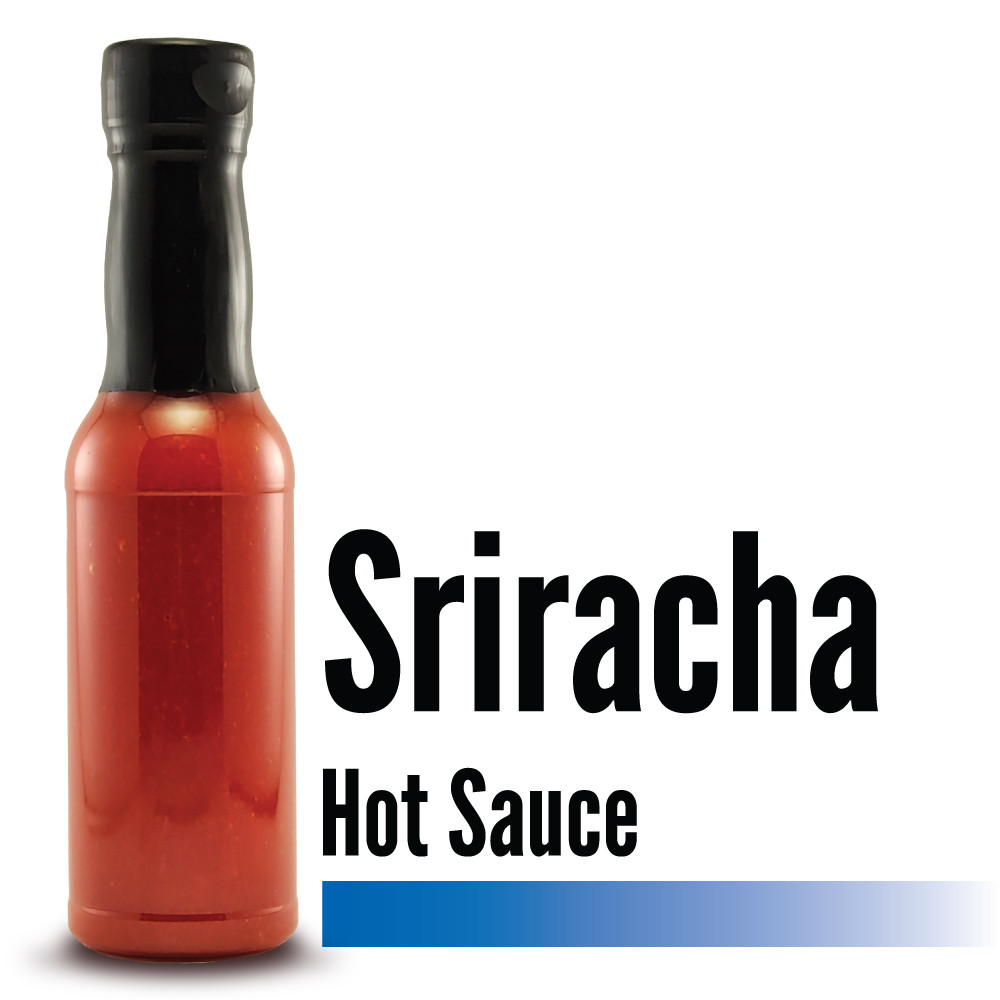
Hot sauce has a rich history that spans centuries and continents, making it one of the most beloved condiments worldwide. Originally born out of necessity, hot sauce has evolved into a culinary staple that enhances flavors and ignites taste buds. Its journey from ancient practices to modern-day gourmet offerings reflects not only changes in taste but also the cultural significance of spice across various regions.
The origins of hot sauce can be traced back to ancient civilizations where spicy peppers were first cultivated. Native Americans, for instance, used chili peppers long before European contact, integrating them into their diets and cultures. The cultural significance of hot sauce varies across regions, with countries like Mexico and Thailand celebrating it as a vital component of their culinary identity. These diverse uses showcase hot sauce as more than just a flavor enhancer but also a part of cultural expression.
Origins and Cultural Significance
The inception of hot sauce as a condiment is attributed to the use of chili peppers, which were domesticated in Central and South America over 6,000 years ago. The following points highlight the historical timeline and significance of hot sauce across different cultures:
- Pre-Columbian Era: Indigenous peoples utilized wild chili peppers in various dishes, believing in their medicinal properties and using them in rituals.
- Colonial Period: European colonization introduced hot sauce to new regions, with the Spanish and Portuguese taking chili peppers to Asia and Africa, integrating them into local cuisines.
- 19th Century: The first commercial hot sauce, Tabasco, was created in Louisiana in 1868, marking a pivotal moment in the evolution of hot sauce as a mass-produced product.
- Global Influence: By the 20th century, hot sauces began to gain popularity in Western cuisines, influenced by the growing immigration of cultures that embraced spicy flavors.
Evolution of Ingredients in Hot Sauces
The ingredients used in hot sauces have evolved significantly over time, adapting to regional tastes and available resources. Initially, hot sauces were simple mixtures of crushed peppers and salt, but modern variations incorporate a diverse range of ingredients. The following aspects illustrate this evolution:
- Ancient Mixes: Early hot sauces predominantly featured native chili varieties, salt, and sometimes vinegar, reflecting local agricultural practices.
- Introduction of Vinegar: By the 19th century, vinegar became a common ingredient, enhancing preservation and flavor, with notable brands like Tabasco capitalizing on this.
- Modern Innovations: Contemporary hot sauces experiment with a myriad of ingredients, such as fruits, herbs, and spices, leading to unique flavors that appeal to a global audience.
- Fusion Styles: The rise of fusion cuisine has led to the creation of hot sauces that blend traditional recipes with unconventional ingredients, catering to diverse palates.
Milestones in Hot Sauce Development
Several key milestones have marked the evolution of hot sauce from a local specialty to a global sensation. Each of these milestones illustrates the growing popularity and commercialization of hot sauce:
- 1868: The founding of the Tabasco brand, which paved the way for mass-produced hot sauces.
- 1980s: The explosion of hot sauce varieties in the United States, with brands like Frank’s RedHot and Sriracha gaining immense popularity.
- 2000s: The rise of artisan hot sauce producers, emphasizing local ingredients and unique flavor profiles, reflecting a trend towards gourmet condiments.
- 2010s and Beyond: The emergence of a ‘hot sauce culture’ and festivals celebrating spicy foods, highlighting the condiment’s significance in culinary expressions worldwide.
“Hot sauce is not just a condiment; it is a cultural phenomenon that transcends borders and brings people together through shared culinary experiences.”
The science behind the heat of hot sauce and its ingredients
Hot sauce is a fiery condiment that often tantalizes the taste buds while bringing a rush of heat. This heat is primarily attributed to certain chemical compounds found in various peppers, the most notable being capsaicin. Understanding the science behind the heat can deepen our appreciation for this vibrant addition to culinary dishes, revealing both its flavor profile and potential health impacts.
The burning sensation caused by hot sauce is largely a result of capsaicin, a compound that interacts with the body’s pain receptors. When capsaicin binds to TRPV1 receptors in the mouth, it tricks the brain into thinking there is a physical burn, leading to the sensation of heat. This unique interaction not only enhances flavor but also triggers the release of endorphins, which can induce feelings of pleasure. It’s important to note that capsaicin is measured using the Scoville Heat Scale, which quantifies the heat level of peppers based on the concentration of capsaicin they contain.
Types of peppers used in hot sauce production and their heat levels
Various types of peppers are used in hot sauce production, each offering distinct flavor profiles and heat levels. The differences in heat can be attributed to the varying amounts of capsaicin present in each pepper variety. Understanding these differences can enhance one’s culinary experience, whether seeking a mild kick or intense heat.
The Scoville Heat Units (SHU) scale is commonly referenced to gauge the spiciness of peppers. Here are some popular peppers used in hot sauces and their corresponding heat levels:
- Bell Pepper: 0 SHU – Mild and sweet, often used for flavor without heat.
- Poblano: 1,000 – 2,000 SHU – A mild pepper with rich flavors, often roasted.
- Jalapeño: 2,500 – 8,000 SHU – A popular pepper that provides moderate heat.
- Serrano: 3,000 – 6,000 SHU – Slightly hotter than jalapeños with a bright and crisp taste.
- Habanero: 100,000 – 350,000 SHU – Known for its intense heat and fruity flavor.
- Ghost Pepper (Bhut Jolokia): 800,000 – 1,000,000 SHU – Extremely hot with a distinct smoky flavor.
- Carolina Reaper: 1,500,000 – 2,200,000 SHU – Currently one of the hottest peppers, known for its fruity undertones.
Each of these peppers contributes unique characteristics to hot sauces, allowing for a vast range of flavors and heat profiles.
Health benefits and potential risks of consuming spicy foods
Spicy foods, particularly those containing capsaicin, can offer a variety of health benefits, making them an intriguing addition to one’s diet. However, it’s equally important to understand the potential risks associated with high consumption of spicy ingredients.
The consumption of spicy foods can have several positive effects:
- Boosts Metabolism: Capsaicin has been shown to increase metabolic rate, aiding in weight management.
- Pain Relief: Capsaicin creams are often used to alleviate pain, showcasing its effectiveness beyond flavor.
- Heart Health: Regular consumption of spicy foods may lower blood pressure and cholesterol levels.
- Improved Digestion: Spices can increase stomach acid levels and promote a healthier digestive system.
Despite these benefits, some individuals may experience adverse effects from consuming spicy foods, especially in large amounts:
- Gastrointestinal Distress: High consumption of spicy foods can lead to stomach pain, heartburn, or diarrhea.
- Allergic Reactions: Rarely, some people may be allergic to specific peppers or their compounds.
- Exacerbation of Certain Conditions: Conditions like gastritis or irritable bowel syndrome may worsen with spicy foods.
Understanding both the health benefits and risks associated with hot sauce consumption can help individuals make informed dietary choices, allowing them to enjoy the heat while maintaining their well-being.
The diverse varieties of hot sauce found around the world
Hot sauce is a beloved condiment that varies widely across cultures, each region showcasing its own unique flavor profiles and ingredients. From the tangy and spicy blends of Louisiana to the sweet and garlicky notes of Sriracha, hot sauces are a testament to the diversity of culinary traditions worldwide. This exploration will dive into some of the most notable regional styles and lesser-known varieties that are gaining traction among enthusiasts.
Regional styles of hot sauce
Different regions have developed their own distinctive hot sauce styles, each with unique ingredients and flavor profiles influenced by local tastes and culinary traditions. Below are some prominent examples:
- Louisiana Hot Sauce: Known for its vinegar-forward flavor, Louisiana hot sauces typically use cayenne peppers. The most famous brands, like Tabasco, deliver a tangy and spicy kick that complements Southern cuisine.
- Sriracha: Originating from Thailand, Sriracha combines red jalapeño peppers, garlic, sugar, and vinegar. Its sweet and spicy flavor has made it a global favorite, especially in fusion dishes.
- Sambal: A staple in Indonesian and Malaysian cuisine, Sambal is a chili paste that can vary in heat and ingredients, often including shrimp paste, garlic, and lime. This gives it a complex flavor profile that enhances a range of dishes.
- Chili Crisp: A Chinese condiment, chili crisp blends chili oil with crunchy garlic and onion bits. It adds texture and a rich umami flavor, making it perfect for stir-fries and as a topping for noodles and rice.
Comparative flavor profiles and ingredients
When comparing various hot sauces, the differences in flavor profiles and ingredients are striking and can significantly affect culinary applications. Here are some key distinctions:
- Vinegar vs. Oil Base: Louisiana hot sauces often use vinegar as a base, providing a sharp tang, while sauces like chili crisp utilize oil, creating a richer mouthfeel.
- Heat Levels: The heat can vary widely; for instance, Sriracha tends to be milder compared to the intense heat of some specialty Sambals that utilize stronger chili varieties.
- Sweetness: Sriracha’s sweetness contrasts with the more savory and umami-rich flavors of sauces like Sambal or chili crisp, which often incorporate fermented ingredients.
- Texture: Many hot sauces are smooth, but chili crisp stands out with its crunchy elements, allowing it to enhance both flavor and texture in dishes.
Lesser-known hot sauces gaining popularity
In recent years, several lesser-known hot sauces have emerged, capturing the attention of culinary enthusiasts and foodies alike. These sauces bring new flavors and experiences to the table:
- Piri Piri: A Portuguese sauce made from African bird’s eye chili peppers, vinegar, and spices, offering a unique spicy and smoky flavor.
- Harissa: A North African chili paste that combines roasted red peppers, spices, and sometimes nuts, known for its complex heat and aromatic profile.
- Ajika: A Georgian condiment made from hot peppers, garlic, and herbs, providing a robust flavor that pairs well with meat dishes.
- Yuzu Kosho: A Japanese chili paste that combines yuzu citrus, chili peppers, and salt, creating a bright and tangy sauce that enhances seafood and grilled dishes.
The role of hot sauce in culinary traditions and recipes
Hot sauce is more than just a condiment; it is an integral part of many culinary traditions around the globe. Its unique ability to enhance flavors and add a fiery kick makes it a staple in various cuisines, from the spicy delights of Mexico to the tangy zest found in Southeast Asian dishes. Hot sauce is utilized in numerous traditional recipes, showcasing its versatility and significance in enhancing the overall dining experience.
A vast array of traditional dishes prominently feature hot sauce, showcasing its ability to elevate flavors and provide depth to various recipes. Here are some notable examples where hot sauce plays a critical role:
Traditional dishes featuring hot sauce
Hot sauce can transform simple recipes into flavorful masterpieces. Below are some dishes where hot sauce is not just an option but a central ingredient.
- Buffalo Wings: This iconic American dish is tossed in a mixture of hot sauce and butter, creating a flavorful glaze that is both spicy and rich.
- Gumbo: A classic Louisiana stew, gumbo often includes hot sauce as a key seasoning, enhancing the dish’s depth and complexity.
- Enchiladas: In Mexican cuisine, enchiladas are commonly smothered in hot sauce, adding a bold flavor that complements the savory filling.
- Ceviche: This refreshing seafood dish often features hot sauce, which adds a spicy kick to the citrus-marinated fish.
- Kimchi: A staple in Korean cuisine, kimchi’s fermentation process is often enhanced with hot pepper flakes or hot sauce, providing its signature heat.
Using hot sauce creatively opens up new culinary possibilities beyond traditional applications. Hot sauce can be introduced into recipes in unexpected ways, such as in desserts or cocktails, offering a unique twist to conventional flavors.
Creative uses of hot sauce in unexpected recipes
Exploring creative avenues for hot sauce can lead to delightful culinary discoveries. Incorporating hot sauce into various recipes can provide an exciting contrast to sweetness and other flavor profiles.
- Spicy Chocolate Mousse: A hint of hot sauce can intensify the richness of chocolate, creating a dessert that tantalizes the taste buds with both sweet and spicy notes.
- Hot Sauce Ice Cream: When mixed with cream and sugar, hot sauce can create a surprising yet refreshing ice cream flavor that intrigues adventurous palates.
- Fiery Cocktails: Adding hot sauce to cocktails like Bloody Marys or margaritas can enhance the drink’s overall flavor, providing a unique kick that elevates the cocktail experience.
Pairing hot sauce with different foods can significantly enhance their flavors, creating a harmonious balance that excites the palate. Understanding the principles behind these pairings can lead to a more enjoyable dining experience.
Principles of pairing hot sauce with foods
Hot sauce can be paired effectively with a variety of foods, enhancing their natural flavors while adding complexity. Below are some guidelines for successful pairings.
- Complementing richness: Hot sauce works excellently with rich foods, such as creamy dishes or fatty proteins like pork and duck. The heat cuts through the richness, balancing the flavors.
- Contrasting sweetness: Pairing hot sauce with sweet elements, like fruits or desserts, creates a delightful contrast that enhances both the heat and sweetness.
- Enhancing freshness: Foods like salads or seafood can be invigorated with hot sauce, which provides a zesty kick that brightens the dish.
“Hot sauce not only adds heat but also depth, making it an essential ingredient in both traditional and innovative culinary practices.”
The hot sauce industry and the rise of artisanal brands
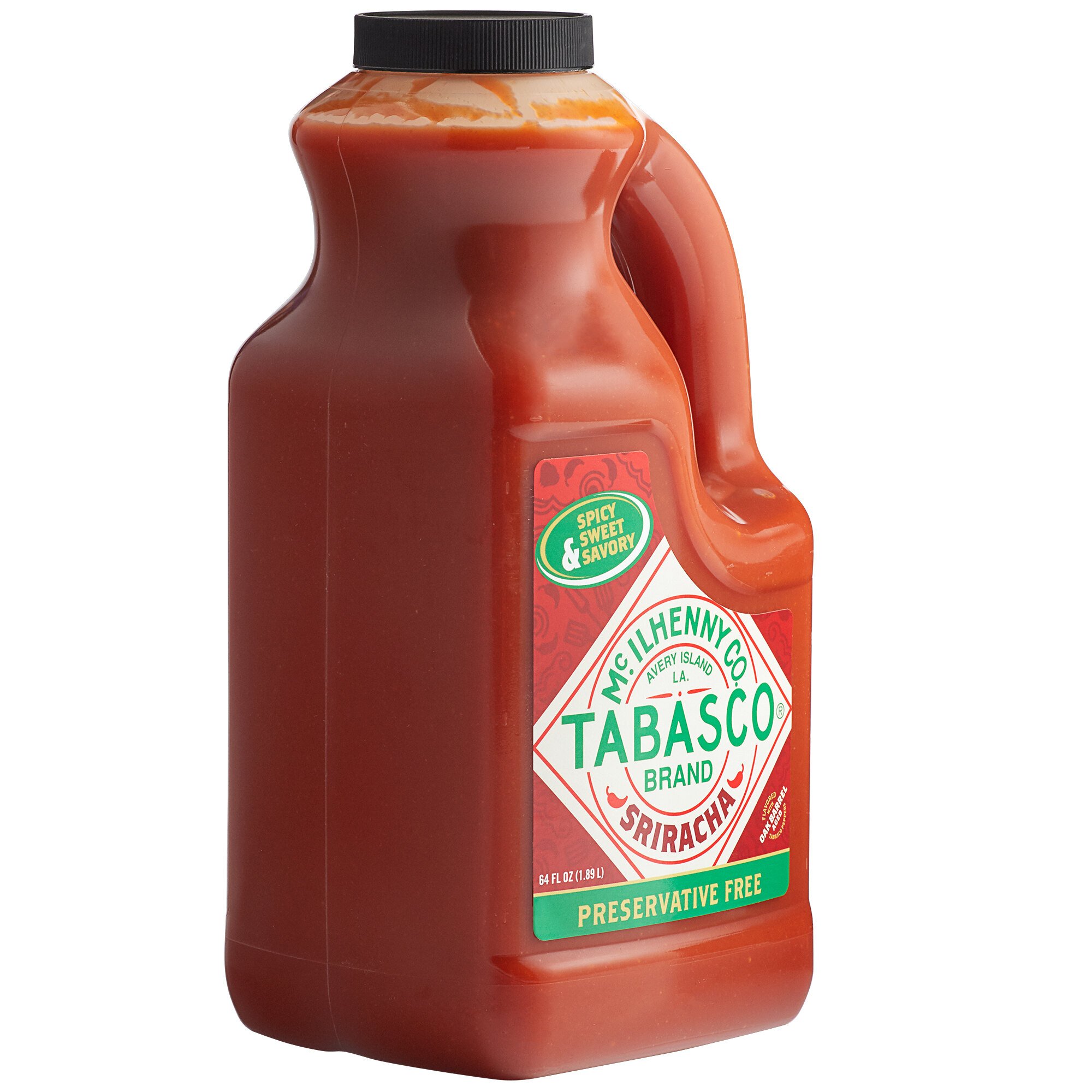
The hot sauce industry has experienced significant growth in recent years, fueled by a surge in consumer interest in flavor exploration and culinary experimentation. This has led to the emergence of numerous brands, ranging from well-established names to niche artisanal producers. The evolving landscape of the market reflects changing consumer preferences, where quality and uniqueness take precedence over mass production.
Key players in the hot sauce market have shaped consumer trends by introducing innovative flavors and marketing strategies. Major brands like Tabasco and Frank’s RedHot have set the standard for quality and accessibility, capturing a broad audience with their classic offerings. These companies have influenced consumer expectations, leading to increased interest in unique, bold flavors that challenge traditional palates. Their extensive distribution networks also ensure that hot sauce is a staple in homes and restaurants across the globe.
Artisanal hot sauce brands and their flavor uniqueness
The rise of artisanal hot sauce brands has transformed the market, bringing a focus on small-batch production, local ingredients, and distinctive flavor profiles. These brands often prioritize quality over quantity, crafting sauces that tell a story and connect with consumers on a personal level. The following points Artikel the unique approaches taken by artisanal brands:
- Local Sourcing: Many artisanal brands source their ingredients from local farms, emphasizing the importance of freshness and seasonal flavors. This practice not only supports local economies but also enhances the overall taste of the product.
- Creative Flavor Combinations: Artisanal hot sauces often blend traditional chili varieties with unexpected ingredients, such as fruits, herbs, and spices. This creativity results in sauces that range from fruity and sweet to smoky and complex, appealing to adventurous eaters.
- Small-Batch Production: By producing sauces in limited quantities, artisanal brands can maintain high standards of quality and craftmanship. This approach also allows for greater experimentation with flavors, leading to unique offerings that stand out in a crowded market.
- Storytelling and Branding: Artisanal brands frequently emphasize their origin stories, highlighting the passion and dedication behind their products. Engaging branding and packaging further entice consumers who seek authenticity and a connection to the products they consume.
Marketing strategies employed by successful hot sauce companies are essential to their appeal. These strategies often leverage social media, influencer partnerships, and community engagement to build brand loyalty and drive sales. For example, many brands utilize visually appealing content on platforms like Instagram to showcase their products in use, helping to inspire consumers to incorporate hot sauce into their meals. Additionally, some companies engage in collaborations with local chefs or food festivals to increase visibility and create a community around their brand.
“The hot sauce market has evolved from a simple condiment to a cultural phenomenon, with consumers seeking new flavors and experiences.”
The combination of innovative marketing, a focus on quality ingredients, and a commitment to unique flavors has allowed artisanal hot sauce brands to thrive alongside established players, reshaping the industry’s landscape and catering to a diverse range of consumer tastes.
Personalizing your hot sauce experience with customization
Creating your own hot sauce at home is an exciting culinary adventure that allows you to tailor flavors and heat levels to your specific taste. This process not only enhances your culinary skills but also lets you experiment with unique ingredients that speak to your palate. With a few basic tools and ingredients, you can craft a hot sauce that is distinctly yours.
To begin your hot sauce-making journey, gather the essential ingredients. You’ll need a base of fresh chili peppers, which can vary from mild varieties like jalapeños to fiery ones such as habaneros or ghost peppers. Other key ingredients include vinegar, salt, and optional additions like garlic, onions, or fruits for sweetness. In terms of equipment, you will require a blender or food processor, a saucepan, and clean bottles for storage.
Adjusting heat levels and flavors
Understanding how to manipulate the heat and flavor profile of your hot sauce is crucial for creating a personalized experience. Here are important factors to consider when customizing your sauce:
– Chili Pepper Selection: The type of chili pepper you choose will significantly impact the heat level. For a milder sauce, opt for poblano or Anaheim peppers. For spice enthusiasts, consider using Carolina Reaper or scotch bonnet peppers.
– Heat Adjustment Techniques: To reduce the heat, incorporate more vinegar or other liquids, or add ingredients like sugar, honey, or cream to balance the spice. Conversely, to increase heat, you can add more chili peppers, or consider including dried chilies for a concentrated heat.
– Flavors and Aromatics: Adding garlic, onions, or herbs can enhance the complexity of your sauce. Experiment with fruits like mango or pineapple for sweetness that contrasts with the heat, creating a rich flavor profile.
– Acidity Balance: Vinegar not only preserves the sauce but also adds tanginess. Different types of vinegar can offer distinct flavors; apple cider vinegar is sweeter, while white vinegar is sharper. Adjust the quantity to match your taste preference.
When crafting your sauce, remember to keep a record of your ingredient ratios and techniques to replicate your favorite versions.
Storing, aging, and using homemade hot sauce
Proper storage and aging can elevate your homemade hot sauce. Here are essential tips to ensure longevity and flavor enhancement:
– Storage Containers: Use glass bottles or jars that can be sealed tightly to prevent air exposure, which can spoil the sauce. Make sure the containers are sterilized to inhibit bacterial growth.
– Aging Process: Allow your hot sauce to age for a few weeks to let the flavors meld together. The sauce can develop a more complex profile over time. Store it in a cool, dark place to maintain optimal conditions.
– Usage Tips: Homemade hot sauces are versatile and can be used in a variety of dishes. Drizzle it over tacos, mix it into marinades, or use it to spice up soups and stews.
– Safety Precautions: Always taste your sauce before using it in large quantities, especially if it contains potent ingredients. If you notice any off flavors or signs of spoilage, it’s best to discard the sauce.
By customizing your hot sauce experience, you not only create a product that matches your unique taste but also engage in a fulfilling and creative kitchen practice that allows for endless experimentation.
Trends and future directions in the hot sauce market
The hot sauce market is continually evolving, driven by consumer tastes, health trends, and innovative flavor profiles. As more individuals explore culinary diversity and seek unique experiences, the industry is responding with an exciting array of flavors and ingredients. This evolution presents not just opportunities for producers but also challenges as they adapt to shifting consumer preferences and market dynamics.
Emerging trends in flavors and ingredients
Innovative flavors and unique ingredients are reshaping the hot sauce landscape. The demand for bold and diverse flavor profiles has led to the introduction of unconventional ingredients, blending traditional heat with new culinary influences.
Some notable trends include:
- Global influences: Flavors inspired by global cuisines, such as Korean gochujang or Caribbean scotch bonnets, are gaining popularity, reflecting the increasing interest in international food experiences.
- Fruity blends: Hot sauces that incorporate fruits like mango, peach, or pineapple are appealing to consumers looking for a balance of sweet and spicy.
- Smoky flavors: The addition of smoked ingredients, such as chipotle or hickory, adds depth and complexity, catering to sophisticated palates.
Consumer preferences shaping hot sauce production
Understanding consumer preferences is crucial for companies aiming to thrive in the competitive hot sauce market. Today’s consumers are increasingly conscious about what they eat, seeking transparency and quality in their food products.
Key preferences include:
- Natural and organic products: There is a rising demand for hot sauces made with all-natural, organic ingredients, as consumers prioritize healthier options.
- Low-sodium alternatives: As health consciousness grows, many consumers are looking for lower-sodium options that still deliver on flavor and heat.
- Artisanal craftsmanship: A preference for small-batch, artisanal sauces is increasing, with consumers valuing unique recipes and local sourcing.
Health trends affecting spicy food popularity
The health benefits associated with spicy foods are contributing to their growing popularity. Research indicates that capsaicin, the active component in chili peppers, may have various health benefits, including boosting metabolism and promoting heart health.
Relevant health trends include:
- Spicy foods for wellness: More consumers are incorporating spicy foods into their diets for potential health benefits, encouraging brands to market their products as not only flavorful but also beneficial.
- Gut health focus: The connection between spicy foods and gut health is being highlighted, as spicy ingredients are believed to promote a healthy digestive system.
- Increased interest in functional foods: Consumers are seeking foods that provide additional health benefits, prompting the development of hot sauces infused with probiotics or vitamins.
As the hot sauce market continues to innovate, the integration of health-conscious trends and global flavors will be essential in meeting consumer demands and ensuring sustained growth.
Last Word
As we wrap up our flavorful journey through the world of hot sauce, it’s clear that this fiery condiment offers much more than just heat. Its deep-rooted history, varied regional styles, and the growing artisan movement showcase its versatility and significance in our culinary traditions. Embracing hot sauce is not just about enjoying spice; it’s about celebrating the stories and innovations that come with it. So, whether you’re a connoisseur or a casual user, there’s always more to explore in the vibrant world of hot sauce.
Detailed FAQs
What is the hottest hot sauce in the world?
As of now, “Pepper X” holds the title for the hottest hot sauce, measuring over 3 million Scoville Heat Units.
Can hot sauce go bad?
While hot sauce can last a long time due to its acidity and salt, it may lose flavor over time and should be checked for changes in taste or smell.
Is there a health benefit to eating hot sauce?
Yes, hot sauce can boost metabolism and promote heart health, but moderation is key due to potential digestive issues for some individuals.
Can you make hot sauce without peppers?
Yes, you can create hot sauces using other ingredients for heat, such as horseradish or mustard, but they will have different flavor profiles.
How should hot sauce be stored?
Hot sauce should be stored in a cool, dark place, and once opened, it’s best kept in the refrigerator to maintain freshness.