
 Rogert
Fresh cilantro’s culinary significance across various cultures
Fresh cilantro, also known as coriander in many parts of the world, plays an essential role in global cuisine, adding a unique flavor and vibrant color to dishes. This herb’s distinct taste has earned it a prominent place in various culinary practices, transcending borders and cultures. It is often celebrated for its versatility, being utilized both as a primary ingredient and as a garnish to enhance the visual appeal of dishes.
Role of Fresh Cilantro in Traditional Dishes
Fresh cilantro is integral to many traditional dishes across different cultures, enriching flavors and adding a refreshing quality. Here are three culinary traditions that showcase its significance:
- Mexican Cuisine: In Mexican cooking, fresh cilantro is indispensable, commonly found in salsa verde and guacamole. Its bright flavor complements the spicy elements in these dishes, providing a perfect balance.
- Indian Cuisine: In India, fresh cilantro is used extensively in various dishes like chutneys, curries, and biryanis. It is often blended into spice mixtures or garnished on top of finished recipes, enhancing both aroma and taste.
- Thai Cuisine: Thai cuisine frequently employs fresh cilantro in dishes like tom yum soup and larb. Its citrusy notes add a vibrant freshness that cuts through the richness of coconut milk and other bold flavors.
Fresh Cilantro as Garnish Versus Primary Ingredient
The use of fresh cilantro varies significantly depending on its role in a dish. As a garnish, it is often added just before serving to provide a burst of flavor and a pop of color. This technique is common in dishes such as pho, where cilantro leaves are sprinkled on top to enhance the overall presentation and aroma. In contrast, when used as a primary ingredient, cilantro may be blended into sauces and marinades, allowing its flavor to permeate the dish. In recipes like chimichurri, the herb serves as a foundational component, showcasing its robust profile.
Flavor Profile and Impact on Taste
The flavor profile of fresh cilantro is distinctive and often polarizing. It has a fresh, citrusy, and slightly peppery taste that can enhance the overall flavor of a dish. This herb can brighten up heavy or rich dishes, providing a contrast that makes the meal more balanced.
“Cilantro can transform ordinary dishes by adding depth and freshness, making it a beloved herb in many culinary traditions.”
In sum, the culinary significance of fresh cilantro extends across various cultures, enriching traditional dishes and elevating their flavors. Its dual role as both a garnish and a primary ingredient showcases its versatility, while its unique flavor profile creates a lasting impact on the taste of numerous recipes.
The health benefits associated with consuming fresh cilantro
Fresh cilantro, often seen as a garnish in various cuisines, packs a punch when it comes to health benefits. This vibrant herb is not just a flavor enhancer; it’s loaded with nutrients that can significantly contribute to overall wellness. Let’s delve into the various health benefits associated with incorporating fresh cilantro into your diet.
Nutritional components of fresh cilantro
Fresh cilantro contains a variety of essential nutrients that support health in different ways. The primary nutritional components include:
- Vitamins A, C, and K: These vitamins are vital for maintaining healthy vision, skin, and immune function. Vitamin K is particularly important for blood clotting and bone health.
- Minerals such as potassium and calcium: Potassium helps to regulate blood pressure, while calcium is essential for bone health and muscle function.
- Antioxidants: Cilantro is rich in antioxidants, which help to combat oxidative stress in the body and may reduce the risk of chronic diseases.
The combination of these nutrients makes fresh cilantro a powerful ally in promoting health while enhancing the flavors of a dish.
Benefits for digestion and detoxification
Fresh cilantro is renowned for its beneficial effects on digestion and detoxification. It contains dietary fiber, which aids in promoting regular bowel movements and alleviating constipation. Additionally, cilantro may help stimulate the production of digestive enzymes, improving the overall efficiency of the digestive process.
Cilantro is also believed to possess detoxifying properties. Its compounds can bind to heavy metals and other toxic substances in the body, facilitating their excretion. This process can be particularly beneficial for individuals exposed to environmental toxins or those seeking to cleanse their bodies of built-up impurities.
Cilantro may help in binding heavy metals and promote their detoxification from the body.
Medicinal uses based on traditional practices and contemporary research
Cilantro has been utilized in traditional medicine for centuries, particularly in cultures that emphasize herbal remedies. It has been associated with several medicinal benefits, supported by modern research as well. Some notable uses include:
- Anti-inflammatory properties: Studies suggest that cilantro contains compounds that may help reduce inflammation, potentially benefiting conditions like arthritis.
- Antimicrobial effects: Research indicates that cilantro has antimicrobial properties, which may help combat infections caused by certain bacteria and fungi.
- Blood sugar regulation: Preliminary studies hint at cilantro’s potential to help regulate blood sugar levels, making it a useful inclusion for individuals with diabetes.
Cilantro’s diverse medicinal applications, both from historical perspectives and current research findings, highlight its significance in natural health practices and dietary choices.
Techniques for growing and harvesting fresh cilantro at home
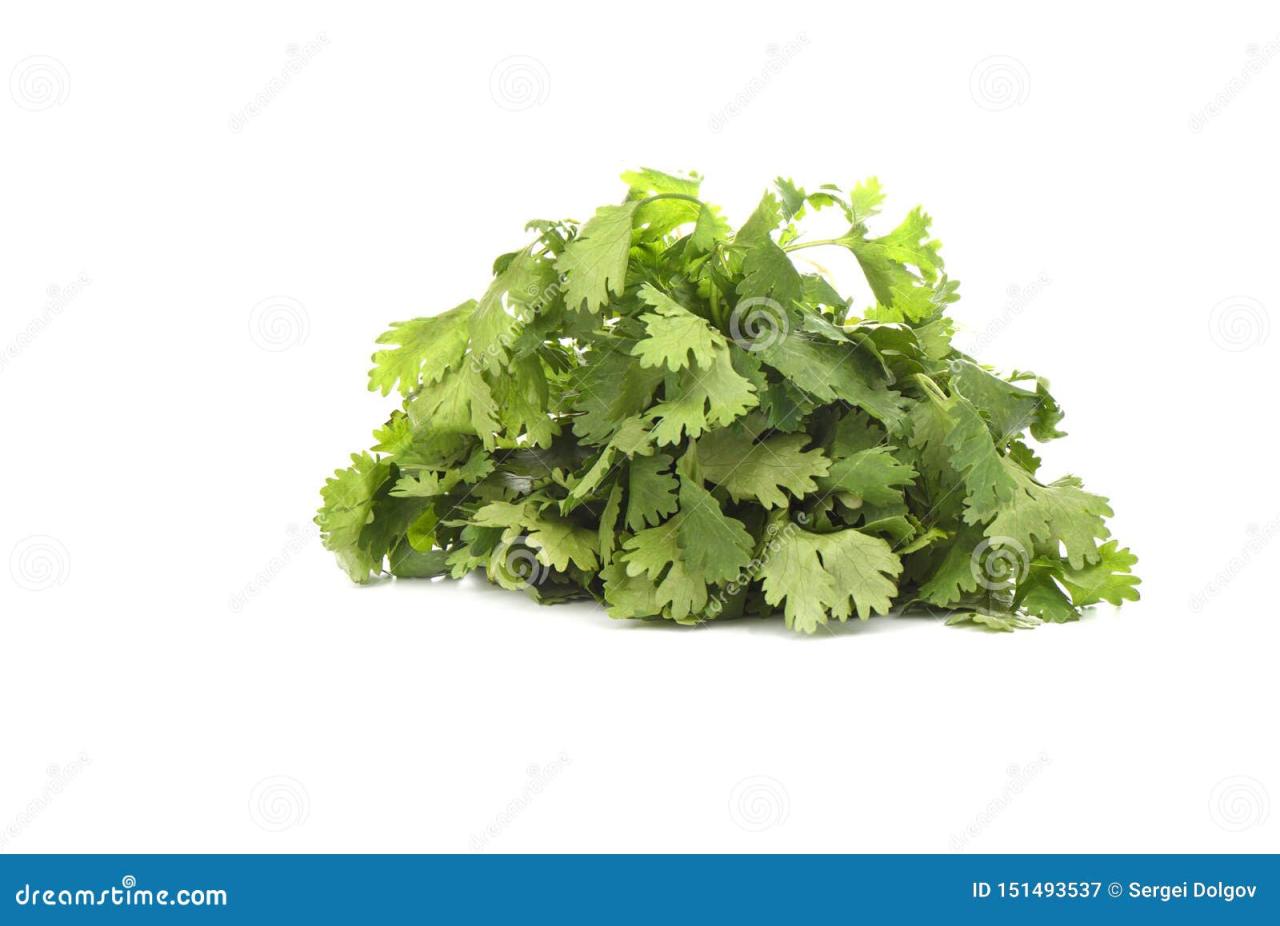
Growing cilantro at home is a rewarding experience that not only enhances your culinary creations but also adds a touch of greenery to your space. This herb thrives in various conditions, making it an ideal choice for novice and experienced gardeners alike. Understanding the best practices for planting, maintaining, and harvesting cilantro ensures you can enjoy fresh leaves throughout the season.
Starting cilantro from seeds and maintaining optimal growing conditions
To successfully grow cilantro, you can begin with seeds, which are readily available and easy to handle. Here’s a step-by-step guide to get started:
1. Choosing seeds: Select high-quality cilantro seeds, preferably organic, to improve germination rates and overall plant health.
2. Preparing the soil: Use well-draining soil enriched with organic matter. A neutral pH ranging from 6.2 to 6.8 is ideal for cilantro. You can mix potting soil with compost to create a nutrient-rich environment.
3. Sowing seeds: Sow cilantro seeds directly into the ground or in pots. Plant them about 1/4 inch deep and space them roughly 6 inches apart. For pots, use a container that is at least 12 inches deep to accommodate root growth.
4. Watering: Water the seeds gently after planting. Maintain consistent moisture, allowing the top inch of the soil to dry out slightly between waterings to prevent root rot.
5. Light requirements: Cilantro prefers full sun but can tolerate partial shade. Position your plants to receive at least 6 hours of sunlight each day. If growing indoors, place them near a south-facing window or under grow lights.
6. Temperature: Cilantro thrives in cooler temperatures, ideally between 50°F to 85°F. If temperatures exceed 85°F, cilantro may bolt, leading to premature flowering and a decline in leaf production.
Maintaining these conditions will help your cilantro flourish.
Best practices for harvesting cilantro
Harvesting cilantro properly ensures that the plant continues to grow and produce leaves throughout the season. Here are some best practices to follow:
– Timing: Begin harvesting once the plants are about 6 inches tall and have developed several leaves. This is usually about 3 to 4 weeks after planting.
– Method: Use sharp scissors or garden shears to cut the outer leaves first. By snipping the leaves at the base, you encourage new growth from the center of the plant. Avoid uprooting the entire plant unless you wish to harvest it completely.
– Frequency: Regular harvesting encourages continuous growth. Trim the leaves every few weeks, but ensure to leave at least one-third of the plant to sustain its health.
– Storage: Store freshly harvested cilantro in a plastic bag in the refrigerator for up to a week. For longer storage, consider freezing the leaves in ice cube trays with water or oil.
Applying these methods will help ensure a steady supply of fresh cilantro for your dishes.
Troubleshooting common issues with cilantro
Growing cilantro can sometimes lead to challenges such as pests or diseases. Understanding how to identify and manage these problems can help maintain a healthy crop. Here are some common issues and their solutions:
– Pests: Aphids are a common pest that can infest cilantro. They appear as small, green or black insects on the leaves. Use a strong stream of water to dislodge them or apply insecticidal soap if the problem persists.
– Diseases: Fungal diseases like powdery mildew can affect cilantro, particularly in humid conditions. To prevent this, ensure good air circulation by spacing plants adequately and avoid overhead watering.
– Bolting: Cilantro can bolt when exposed to excessive heat or prolonged sunlight. If you notice tall flower stalks forming, consider providing partial shade during the hottest parts of the day or plant cilantro in cooler seasons for better results.
By staying vigilant and responsive to these potential issues, you can enjoy a bountiful harvest of fresh cilantro all season long.
Creative uses of fresh cilantro beyond traditional recipes
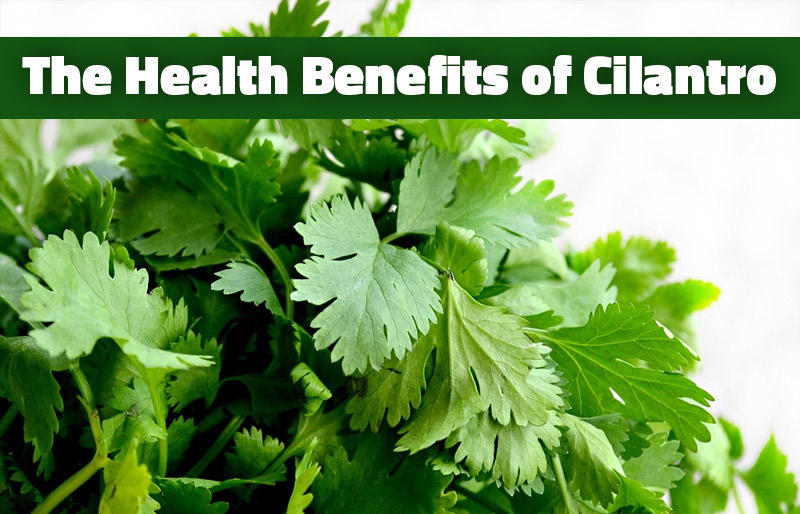
Fresh cilantro is often associated with classic dishes and flavors, but its versatility extends far beyond the traditional realms of curries and salsas. This aromatic herb can elevate a wide variety of dishes and beverages, offering a fresh, vibrant taste that can enhance both familiar and unexpected culinary creations. By exploring unconventional uses for fresh cilantro, enthusiasts can discover new ways to incorporate this herb into their diets, making meals more exciting and flavorful.
Unconventional uses for fresh cilantro
Fresh cilantro can be used in a myriad of creative ways that go beyond typical culinary applications. Here’s a list showcasing some innovative ideas for adding cilantro to various dishes and beverages:
- Cilantro-infused lemonade: Blend fresh cilantro with lemon juice, sugar, and water for a refreshing twist on traditional lemonade, perfect for warm days.
- Cilantro pesto: Swap out basil for cilantro in your favorite pesto recipe to create a zesty variation that pairs wonderfully with pasta or as a sandwich spread.
- Cilantro dip: Mix Greek yogurt with chopped cilantro, lime juice, and garlic for a creamy dip that serves well with vegetables or chips.
- Cilantro cocktails: Muddle cilantro with other fresh ingredients like cucumber and lime to create a unique cocktail base, adding a fresh punch to drinks like mojitos.
- Cilantro salad dressing: Blend cilantro with olive oil, vinegar, and spices to create a vibrant salad dressing that complements a variety of greens.
Incorporation into modern fusion cuisine
Modern fusion cuisine celebrates the blending of culinary traditions, and fresh cilantro plays an essential role in many of these inventive dishes. By integrating fresh cilantro into diverse cultural recipes, chefs and home cooks can create unique flavor profiles that intrigue the palate. For example, cilantro can be found in Asian-inspired tacos, where the herb is combined with grilled meats and spicy sauces, or in Mediterranean dishes where it adds a refreshing note to grilled seafood.
“Fusion cuisine allows for creativity, and cilantro is the perfect herb to bridge flavors from different culinary traditions.”
Pairing fresh cilantro with other ingredients
To truly unlock the potential of fresh cilantro, it is crucial to pair it thoughtfully with complementary ingredients. Certain flavors can enhance the herb’s natural profile, making for delightful culinary experiences. Here are several pairings that work harmoniously with fresh cilantro:
- Lime: The bright acidity of lime enhances cilantro’s freshness, making them a classic pairing in many dishes.
- Chili: The heat from chili peppers contrasts beautifully with cilantro’s cool flavor, creating a balanced taste in salsas and sauces.
- Garlic: The earthy depth of garlic complements cilantro’s bright notes, adding richness to dips and dressings.
- Avocado: The creamy texture of avocado pairs well with cilantro, elevating the flavor of salads and sandwiches.
The impact of fresh cilantro on sensory experiences during meals
Fresh cilantro, with its vibrant green leaves and aromatic fragrance, plays a significant role in enhancing the sensory experiences of meals. Its presence not only elevates the visual appeal of dishes but also engages our senses through aroma and taste, making every bite more enjoyable. As we delve deeper into the impact of fresh cilantro, we will explore its contribution to aroma and presentation, the psychological effects it has on diners, and how its unique texture influences the overall mouthfeel of a dish.
Aroma and Presentation in Culinary Experiences
The aroma of fresh cilantro is an essential aspect of its culinary appeal. When added to dishes, it emits a fresh, citrusy fragrance that can invigorate the senses and enhance the overall dining experience. This distinctive scent stimulates the olfactory receptors and can often evoke feelings of freshness and cleanliness. The vibrant green color of cilantro leaves can also elevate the visual presentation of meals, making them more appetizing. A sprinkle of fresh cilantro can transform a simple dish into a culinary masterpiece, appealing to both sight and smell.
“Aromatic herbs like cilantro can significantly enhance the sensory appeal of food, creating a more immersive dining experience.”
Cilantro’s vibrant appearance not only garnishes dishes but also highlights the freshness of the ingredients used. For example, in a bowl of pho, the bright green cilantro leaves contrast beautifully against the rich broth and other colorful vegetables, creating an inviting visual dynamic. This interplay of colors and aromas can elevate the perception of a dish, making it more desirable to diners.
Psychological Effects on Diners
The incorporation of fresh cilantro into meals extends beyond mere flavor and aroma; it also has psychological effects on diners. Cilantro is often associated with health and freshness, which can influence diners’ perceptions of the overall quality of their meal. The presence of fresh herbs like cilantro often leads to positive associations, suggesting that the food is nutritious and well-prepared.
Research indicates that ingredients perceived as fresh can increase the enjoyment of a meal and promote feelings of satisfaction. Diners may feel more inclined to savor their food when cilantro is present, as it reinforces the notion of a wholesome culinary experience. This psychological connection to freshness can lead to an overall enhanced perception of taste, even if the flavor profile remains consistent without the herb.
Texture and Mouthfeel Influence
Cilantro’s texture contributes significantly to the mouthfeel of a dish, offering a unique contrast to other ingredients. The delicate, slightly crisp leaves provide a refreshing crunch that can enhance the overall sensory experience. When biting into a dish, the addition of fresh cilantro can create a satisfying textural variety, complementing other elements of the meal.
For instance, in a salsa or a salad, the fresh cilantro leaves add a burst of crispness that can elevate the enjoyment of the dish. This textural interplay can be particularly appealing in contrast to softer ingredients, such as avocado or cooked beans, providing a multi-layered sensory experience that engages both the palate and the mind.
“The texture of fresh cilantro not only contributes to mouthfeel but also accentuates the flavors and experiences of a dish.”
In summary, fresh cilantro impacts sensory experiences during meals through its aromatic qualities, appealing presentation, psychological associations with health, and its distinctive texture. Utilizing cilantro effectively in culinary creations can transform ordinary dishes into extraordinary dining experiences that fully engage the senses.
Challenges and solutions related to the use of fresh cilantro in cooking
Fresh cilantro is a beloved herb in many cuisines, known for its vibrant flavor and aroma. However, cooks often encounter a few challenges when incorporating this herb into their dishes. Understanding these obstacles and finding effective solutions can greatly enhance the cooking experience and the overall flavor profile of meals.
One of the most common challenges cooks face is the strong flavor of fresh cilantro, which can dominate a dish if not balanced properly. Some individuals also struggle with the herb’s short shelf life, as it tends to wilt and lose its freshness quickly. These factors can lead to frustration in both casual and professional kitchens alike. By being aware of these challenges, cooks can adopt strategies to work with cilantro more effectively.
Balancing cilantro with other flavors
To create harmonious dishes that appeal to various palates, it’s essential to balance the taste of fresh cilantro with other ingredients. Here are some strategies to achieve this balance:
- Pair with citrus: The acidity of lemon or lime juice can help to tone down cilantro’s strong flavor, making it more palatable for those who find it overpowering.
- Mix with dairy: Ingredients like sour cream, yogurt, or cheese can mellow the herb’s intensity, creating a creamier texture and a more balanced taste.
- Use in moderation: Start with a smaller amount of cilantro and gradually increase it based on personal preference, ensuring it complements rather than overpowers the dish.
- Combine with contrasting flavors: Pairing cilantro with sweet, salty, or spicy elements can enhance its flavor without letting it dominate the dish. For example, using it alongside roasted vegetables or spicy peppers can create a delightful contrast.
Preservation methods for fresh cilantro
To extend the freshness of cilantro after purchase or harvest, several preservation methods can be employed. These techniques can help maintain the herb’s flavor and aroma, reducing waste and enhancing cooking convenience.
- Refrigeration: Store cilantro in the refrigerator by placing the stems in a glass of water, covering the leaves with a plastic bag. This method mimics the herb’s natural growing conditions and helps maintain its freshness for up to two weeks.
- Freezing: Chop cilantro and mix it with a small amount of water or oil in an ice cube tray. Once frozen, transfer the cubes to a freezer bag for easy use in future dishes.
- Drying: Although this may alter its flavor, drying cilantro can be an effective way to preserve it. Hang the stems upside down in a dry, dark, and well-ventilated area until the leaves are crisp, then store them in an airtight container.
- Herb-infused oils: Blend fresh cilantro with olive oil and strain the mixture to create an infused oil. This not only preserves the herb but also provides a flavorful oil for cooking and dressing salads.
Concluding Remarks
Query Resolution
What should I look for when buying fresh cilantro?
When buying fresh cilantro, look for bright green leaves without any yellowing or wilting, and choose bunches that feel fresh and fragrant.
How can I store fresh cilantro to keep it fresh longer?
To store fresh cilantro, place the stems in a glass of water, cover the leaves loosely with a plastic bag, and keep it in the refrigerator.
Is there a difference between fresh cilantro and dried cilantro?
Yes, fresh cilantro has a bright, vibrant flavor and aroma, while dried cilantro loses much of its potency and taste, making them not directly interchangeable in recipes.
Can I use cilantro stems in cooking?
Absolutely! Cilantro stems are flavorful and can be used in cooking alongside the leaves, adding depth to dishes.
Why do some people dislike cilantro?
Some individuals have a genetic predisposition that makes them sensitive to compounds in cilantro, causing it to taste soapy or unpleasant to them.