
 Rogert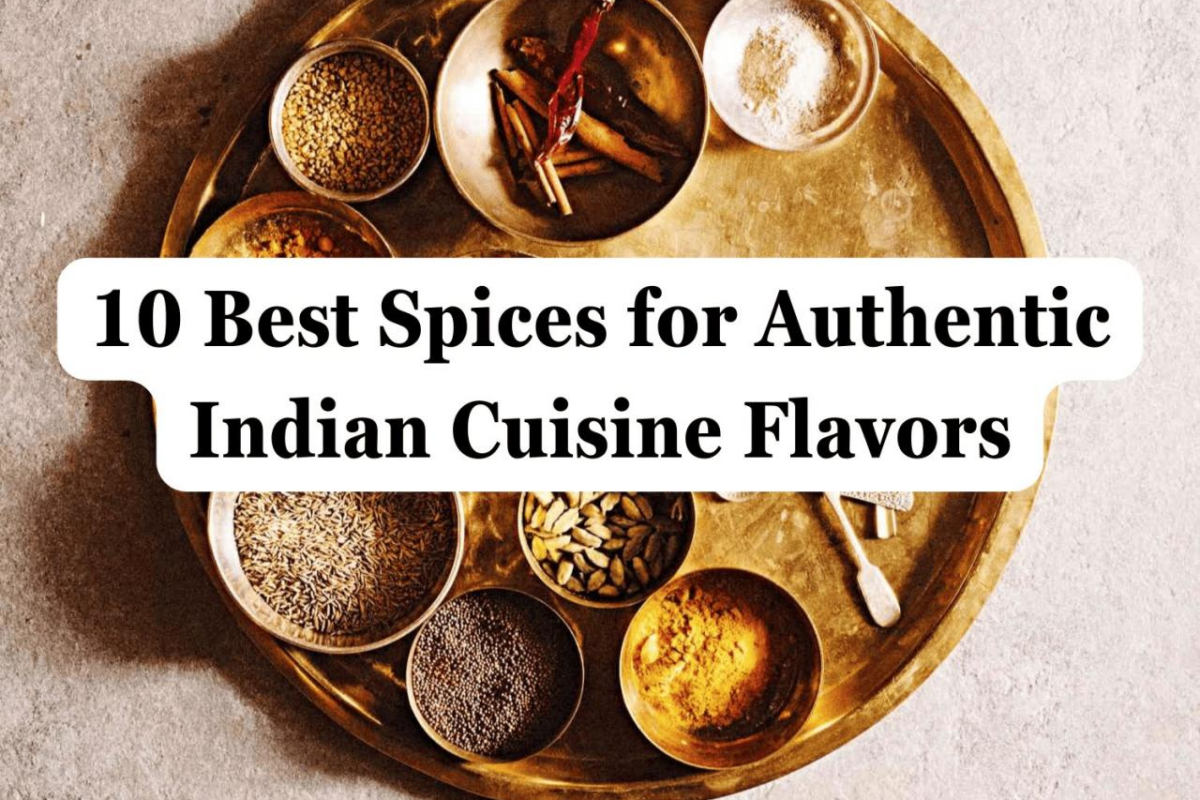
Authentic spices are more than just flavor enhancers; they carry the essence of culture and history, weaving narratives that span generations and continents. From the vibrant markets of India to the spice routes of the Middle East, each spice tells a story of its origin, reflecting the traditions and practices of the communities that cherish them.
As we explore the intricacies of authentic spices, we will uncover their historical roots, the sustainable methods of sourcing them, and the vital role they play in enriching our culinary experiences while supporting local farmers and promoting biodiversity.
Authentic spices and their origins hold vital cultural significance across various cuisines.
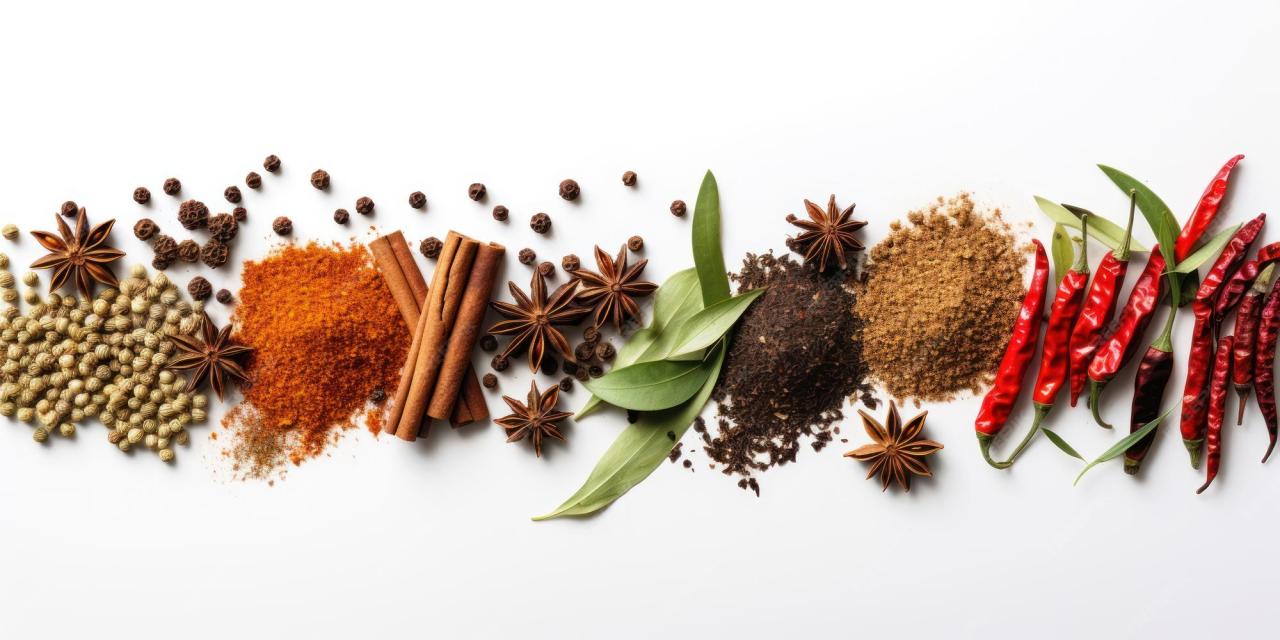
The world of spices is a rich tapestry woven through centuries of history, culture, and culinary tradition. Each spice carries with it a story of its origin, deeply rooted in the landscapes and lifestyles of the people who cultivated it. From the fiery heat of chili peppers to the sweet warmth of cinnamon, authentic spices serve not only to flavor food but also to convey cultural identity and heritage across different cuisines.
Understanding the historical background of specific spices reveals how geographical regions have influenced their use. Spices like black pepper, originating from the Western Ghats of India, played a crucial role in trade routes and shaped culinary practices from Asia to Europe. Similarly, saffron, derived from the crocus flower predominantly grown in Iran, has been treasured for its unique flavor and vivid color, often associated with luxury and cultural rituals. These spices were not merely ingredients but also commodities that established connections between regions and cultures.
Historical Background and Geographical Origins of Key Spices
The connection between spices and their geographical origins reflects the intricate relationship between culture and cuisine. Many spices have historical significance that transcends their culinary uses.
- Cinnamon: This aromatic spice, native to Sri Lanka, has been utilized in various cultures for thousands of years. It was highly sought after in the ancient world, used in incense, medicine, and even as currency.
- Turmeric: Known for its vibrant yellow color, turmeric has its roots in South Asia, particularly India. It has been used in traditional medicine and rituals, symbolizing purity and fertility in many cultures.
- Chili Peppers: Originally from the Americas, chili peppers traveled to Asia through trade routes and became integral to cuisines in countries like India and Thailand, where their heat defines many traditional dishes.
- Cardamom: Hailing from the forests of India and Sri Lanka, cardamom has been known as the “queen of spices” for its complex flavor and historical use in ancient medicinal practices.
The exploration of these spices highlights how cultural practices influence their integration into various cuisines. In Indian cooking, for example, spices are not just ingredients; they are central to the cuisine’s identity. The use of a specific blend of spices, known as masala, varies from region to region, each reflecting local tastes, agricultural practices, and cultural traditions.
Traditional recipes often intertwine with the use of authentic spices, preserving culinary heritage. For instance, the Moroccan tagine, a slow-cooked stew, showcases a variety of spices such as cumin, coriander, and cinnamon, each adding distinct flavors and aromas that define this iconic dish. The preparation of tagine is a communal activity, often passed down through generations, emphasizing the importance of spices in social and cultural gatherings.
“Spices are the soul of a dish, reflecting the culture and history from which they originate.”
The process of sourcing and harvesting authentic spices requires specific knowledge and techniques.
The journey of authentic spices from farm to table is intricate, relying heavily on specialized knowledge and techniques passed down through generations. This process not only ensures the highest quality spices but also maintains the integrity of the traditional practices associated with spice cultivation.
Growing and harvesting authentic spices involves a careful blend of agricultural skills, environmental awareness, and an understanding of the unique characteristics of each spice. Techniques vary significantly between different types of spices, as each requires specific conditions and methods for optimal growth. For instance, the cultivation of saffron involves delicate hand-harvesting of the flower’s stigmas, requiring precision and timing to ensure the highest quality yield. Similarly, vanilla beans demand a labor-intensive pollination process, predominantly done by hand due to the specific local conditions needed for flowering.
Methods of Growing and Harvesting Authentic Spices
The methods used in growing and harvesting spices are as diverse as the spices themselves, reflecting the unique climates and soils they thrive in.
- Traditional Cultivation Techniques: Many spices, such as cinnamon and cardamom, are harvested from trees and plants that grow best in shaded, humid environments, requiring knowledge of agroforestry practices.
- Organic Farming Practices: A growing trend is the use of organic methods, which eschews synthetic fertilizers and pesticides, favoring natural composting and crop rotation to enrich soil health and promote biodiversity.
- Hand-Harvesting: Authentic spices like cloves and nutmeg are often harvested by hand, ensuring that only the best-quality products are selected, which also aligns with sustainable practices that minimize environmental impact.
- Drying and Processing Techniques: After harvesting, spices often undergo specific drying methods that preserve their flavor and aroma, such as sun drying for herbs or low-temperature drying for chili peppers, which requires careful monitoring.
The importance of sustainable practices in spice cultivation cannot be overstated. Sustainable farming not only protects the local ecosystem but also enhances the long-term viability of spice farming for future generations. This holistic approach often involves:
- Preserving Biodiversity: By maintaining diverse crops, local farmers can reduce the risk of disease and pests, ensuring a more resilient agricultural system.
- Soil Health Management: Implementing techniques such as cover cropping and reduced tillage helps maintain soil fertility and prevent erosion, which is crucial for long-term spice cultivation.
- Community Engagement: Involving local communities in spice production fosters a sense of ownership and pride, ensuring that traditional knowledge is passed down while also enhancing local economies.
The role of local farmers and communities in maintaining the authenticity of spices is pivotal. These individuals possess a deep understanding of their land and climate, often having cultivated spices for generations. Their insights into local practices and ecological balance are invaluable in upholding the quality and authenticity of spices.
“Local farmers are the guardians of spice heritage, ensuring that the flavors we cherish today come from sustainable and authentic sources.”
By prioritizing local sourcing and community-driven initiatives, the integrity of spice cultivation is preserved, allowing consumers to enjoy spices that are not only flavorful but also deeply rooted in cultural traditions. The collaboration between farmers, local communities, and spice producers creates a robust system that champions both quality and sustainability in the world of spices.
Cooking with authentic spices enhances flavor profiles and nutritional benefits in dishes.
Cooking with authentic spices not only adds depth and complexity to our meals but also introduces a host of health benefits. These spices, sourced from various cultures around the world, infuse our dishes with unique flavors that elevate even the simplest recipes. By understanding the role of these spices, we can enhance our culinary creations while also reaping nutritional rewards.
Authentic spices offer a wide range of flavors that can transform ordinary dishes into extraordinary culinary experiences. For instance, the warm, earthy notes of cumin can elevate a classic chili, while the aromatic brightness of saffron can enhance a traditional risotto. Spices like turmeric and ginger add not only flavor but also vibrant color and health benefits. When combined thoughtfully, these spices create a symphony of tastes that engage the palate and enrich the dining experience.
Examples of Flavor Enhancement with Authentic Spices
Incorporating authentic spices into popular dishes can significantly change their flavor profiles. Here are a few notable examples:
- Indian Curry: The use of garam masala, comprising spices like cardamom, cloves, and cinnamon, creates a rich and aromatic dish that is both flavorful and comforting.
- Mexican Mole: This complex sauce uses a blend of spices including chili powder, cumin, and chocolate, resulting in a deep, savory flavor that complements meats beautifully.
- Middle Eastern Tagine: The blend of cinnamon, coriander, and saffron in tagine dishes not only enhances the taste but also adds layers of warmth and sweetness, balancing savory elements.
Health Benefits of Authentic Spices
Many authentic spices are known for their health-promoting properties, making them beneficial not just for flavor but also for overall well-being. Here are some examples:
- Turmeric: Contains curcumin, a powerful anti-inflammatory and antioxidant compound that supports joint health and may improve cognitive function.
- Ginger: Often used to relieve digestive issues, ginger has anti-inflammatory properties and can help reduce nausea.
- Cinnamon: Known to help regulate blood sugar levels, cinnamon also has antimicrobial properties that can benefit gut health.
The Science Behind Flavor Combinations with Authentic Spices
Understanding the science of flavor combinations can enhance the effectiveness of using authentic spices in cooking. The principle of flavor pairing suggests that certain spices and ingredients complement each other based on their chemical compounds. For instance:
“Spices like cumin and coriander both contain earthy notes that harmonize beautifully, making them perfect partners in dishes like falafel.”
When spices are combined with ingredients that have contrasting flavors, such as sweet and savory, it creates a more balanced and appealing dish. The Maillard reaction, which occurs when proteins and sugars are cooked together, can also be enhanced by spices, leading to complex flavor profiles. This scientific approach not only aids in creating delicious meals but also encourages creativity in the kitchen, allowing home cooks to experiment with different spice combinations for unique culinary experiences.
The market for authentic spices is growing, driven by consumer demand for quality and origin.
The increasing trend towards health consciousness and culinary exploration has fueled a significant growth in the market for authentic spices. Consumers are now more knowledgeable than ever about the origins of their food, and this awareness is driving demand for high-quality spices that offer both flavor and health benefits. As a result, companies that prioritize authentic sourcing are benefiting from this shift in consumer preferences.
Recent studies indicate that consumers are increasingly favoring spices that are organic, non-GMO, and sustainably sourced. The emphasis on transparency regarding the origin of spices has also become a critical factor in purchasing decisions. Many consumers are now willing to pay a premium for spices that have been ethically sourced and provide traceability back to their roots. This growing preference for authenticity is reshaping the spice market landscape.
Trends in Consumer Preferences for Spices
The evolving landscape of consumer preferences in the spice market highlights several key trends that businesses should be aware of:
- Health and Wellness Focus: There is a rising interest in spices that offer health benefits, such as turmeric for its anti-inflammatory properties and cinnamon for its blood sugar regulation effects.
- Culinary Authenticity: Consumers are seeking out spices that reflect authentic culinary traditions, leading to increased demand for region-specific blends and single-origin spices.
- Sustainability and Ethical Sourcing: A growing number of consumers prioritize ethically sourced spices, favoring brands that demonstrate commitment to fair trade practices and environmental sustainability.
- Flavor Exploration: As consumer palates evolve, there is a trend towards exploring international spices, with consumers eager to experiment with flavors from diverse cuisines.
The importance of these trends cannot be overstated, as they shape not only what products companies offer but also how they market them to reflect the values of their target consumers.
Challenges and Opportunities in Sourcing Authentic Spices
Sourcing authentic spices presents a mix of challenges and opportunities for businesses aiming to capitalize on the growing market.
- Quality Assurance: Ensuring the quality and authenticity of spices can be difficult due to issues such as adulteration and mislabeling, which can undermine consumer trust.
- Supply Chain Complexity: The logistics of sourcing spices from diverse regions can create challenges in terms of consistency and reliability of supply.
- Market Competition: The increasing interest in authentic spices means that businesses face stiff competition, necessitating a strong brand identity and unique selling propositions.
- Consumer Education: A significant opportunity lies in educating consumers about the benefits and uses of authentic spices, which can enhance brand loyalty and customer engagement.
Understanding these dynamics allows businesses to navigate the complexities of the market effectively while seizing opportunities to stand out.
Impact of Globalization on the Availability of Authentic Spices
Globalization has transformed the spice market by enhancing the availability and variety of authentic spices worldwide.
- Increased Access: Global trade agreements and advancements in logistics have made it easier for consumers to access spices from around the world, broadening their choices.
- Cultural Exchange: Exposure to diverse cuisines through globalization encourages consumers to seek out authentic spices that reflect different culinary traditions.
- Emerging Markets: As economies develop, new markets are opening up for authentic spices, creating opportunities for suppliers to reach untapped customer bases.
- Standardization vs. Authenticity: While globalization promotes standardization in some aspects, it also creates a demand for unique and authentic products that can differentiate brands in a crowded market.
The interplay of globalization and local traditions enriches the spice market, providing consumers with a diverse array of options while supporting the growth of authentic brands.
Authentic spices can be differentiated from imitation products through various indicators.
Authentic spices are cherished for their richness in flavor, aroma, and color, playing a crucial role in culinary traditions worldwide. Differentiating them from imitation products requires a keen eye and an understanding of specific characteristics that define genuine spices. By recognizing these indicators, consumers can make informed choices and enhance their cooking experiences with true flavor.
The visual and sensory characteristics of spices are the first indicators of authenticity. Genuine spices typically exhibit vibrant, rich colors that are indicative of their natural state, whereas imitation products may appear dull or faded. For instance, authentic saffron threads are vivid red with golden-yellow tips, whereas counterfeit saffron often contains a significant proportion of coloring agents, leading to a uniformity in color that lacks the distinct variations found in genuine saffron. Moreover, authentic spices may vary in size and shape due to natural growing conditions, while imitation spices often exhibit uniformity due to mass production.
Visual and Sensory Characteristics
When assessing authentic spices, several visual and sensory characteristics stand out:
- Color: Genuine spices are known for their vibrant and varied colors that reflect their natural origins.
- Aroma: Authentic spices release strong, complex scents when crushed or ground, while imitation spices may have a weak or artificial smell.
- Texture: Real spices often have diverse textures due to their natural state, while counterfeit products may feel overly processed or smooth.
- Flavor: The taste of genuine spices is rich and multifaceted, while imitation spices often present a bland or single-note flavor profile.
Certifications and standards play an essential role in identifying genuine spices. Various organizations and regulatory bodies have established certifications that ensure the authenticity and quality of spices. For example, the USDA Organic certification signifies that spices are grown without harmful pesticides and adhere to organic farming practices. Similarly, Protected Designation of Origin (PDO) and Protected Geographical Indication (PGI) labels indicate that spices come from specific regions known for their unique growing conditions, guaranteeing quality and authenticity.
Certifications and Standards
Several certifications can signify the authenticity of spices, adding a layer of trust and credibility:
- USDA Organic: Ensures that spices are grown without synthetic fertilizers or pesticides.
- Fair Trade: Indicates that farmers receive fair compensation and work under ethical conditions.
- ISO Standards: Provide guidelines for the quality and safety of spice production.
- PDO and PGI: Ensure that spices are produced in specific regions with traditional practices.
Comparing the flavor profiles of authentic spices versus their counterfeit alternatives reveals substantial differences. Authentic spices often deliver layered and robust flavors that evolve with cooking, enhancing dishes in unique ways. For instance, genuine cumin boasts a warm, earthy flavor, while imitation cumin might taste overly sharp or artificially flavored. This distinction can significantly affect the overall taste of prepared dishes, making authenticity crucial for culinary success.
Flavor Profiles Comparison
Understanding the flavor profiles of authentic spices versus imitation ones highlights the importance of quality:
- Authentic Black Pepper: Has a complex flavor with subtle heat and a hint of floral notes.
- Imitation Black Pepper: Often lacks depth, presenting a harsh and one-dimensional spice.
- Authentic Vanilla: Offers rich and creamy undertones, with sweet and woody notes.
- Imitation Vanilla (Vanillin): Provides a flat and singular sweetness, lacking the complexity of real vanilla.
In conclusion, being able to identify authentic spices is vital for anyone who values quality in cooking. Recognizing visual cues, understanding certifications, and appreciating the flavor diversity can significantly enhance your culinary endeavors.
The role of technology in preserving the authenticity of spices is becoming increasingly important.
In an era where consumers are becoming more discerning about the origin and authenticity of their food products, technology has stepped in as a pivotal player in ensuring that spices maintain their integrity. The spice industry, known for its rich history and diverse offerings, is increasingly adopting modern techniques to combat issues related to adulteration, fraud, and mislabeling. The adoption of technology not only safeguards the authenticity of spices but also enhances consumer trust in their purchases.
Modern techniques employed for tracking the provenance of spices include geographic information systems (GIS), blockchain technology, and DNA barcoding. These methods ensure that consumers can trace the journey of their spices from farm to table, verifying their authenticity and quality. For example, blockchain technology creates an immutable record of every transaction and movement of spices throughout the supply chain. This transparency helps in verifying the source of the spices and ensures that they are not tampered with during transit.
Technology in Quality Control for Spices
The quality control of spices is essential for maintaining their flavor, aroma, and health benefits. Various technological advancements are pivotal in achieving stringent quality standards, ensuring that spices remain pure and authentic.
One significant technology is the use of spectroscopy, which enables producers to analyze the chemical composition of spices and detect any impurities or adulterants. Additionally, machine learning algorithms are increasingly being utilized to identify quality issues in spices before they reach consumers. These technologies enable quick detection of deviations from quality standards, ensuring that only the best products are available in the market.
The implementation of these technologies not only secures quality but also fosters consumer trust. When consumers see that companies are utilizing cutting-edge technologies to verify the authenticity of their spices, they are more likely to feel confident in their purchases. Moreover, the certification processes that often accompany these technologies reassure consumers that they are getting the real deal.
Furthermore, companies that embrace digital platforms to share information about their supply chains, including the journey of their spices, significantly enhance consumer confidence. For instance, a spice brand might utilize a QR code on its packaging, allowing consumers to scan and view detailed information about the spice’s source and journey. This level of transparency is becoming a vital component in building brand loyalty and trust among consumers.
In summary, the integration of technology in the spice industry plays a crucial role in preserving authenticity while ensuring quality control. As consumers increasingly seek transparency and reliability in their food products, the role of technology will only continue to grow, shaping the future of how spices are sourced, processed, and enjoyed.
Authentic spice blends reflect regional diversity and culinary creativity.
Spice blends are a testament to the rich tapestry of culinary traditions across the globe. Each region has developed its unique combinations of spices, reflecting local ingredients, cultural influences, and historical trade routes. These blends not only enhance flavors but also tell stories of the people and places they originate from. Understanding and utilizing these authentic spice blends can transform everyday cooking into a vibrant exploration of world cuisines.
The art of creating spice blends lies in achieving the perfect balance and proportion of ingredients. Each spice has its own unique flavor profile, and when combined, they can either complement or overpower each other. Mastering the balance allows chefs and home cooks alike to create flavorful dishes that pay homage to their cultural roots while encouraging culinary creativity.
Iconic Spice Blends from Various Cultures
Across the globe, numerous spice blends stand out for their distinctive flavors and traditional significance. Here’s a look at some iconic blends that are essential to their respective cuisines:
- Garam Masala – A staple in Indian cuisine, this blend typically includes cinnamon, cardamom, cloves, cumin, and coriander. It is used in both vegetarian and meat dishes to add warmth and complexity.
- Harissa – Originating from North Africa, especially Tunisia, this fiery blend consists of chili peppers, garlic, cumin, coriander, and sometimes caraway. It’s commonly used in stews and as a condiment.
- Ras el Hanout – A Moroccan blend that varies by region and family, it often includes spices like cinnamon, cumin, coriander, ginger, and even rose petals, used in tagines and grilled meats.
- Za’atar – A Middle Eastern mix of thyme, sesame seeds, sumac, and salt, this blend is versatile for seasoning meats, vegetables, and even flatbreads.
- Chinese Five Spice – Combining star anise, cloves, Chinese cinnamon, Sichuan pepper, and ginger, this aromatic blend is used in various dishes, enhancing both savory and sweet flavors.
To make the most of these spice blends, here are several recipes that showcase their usage effectively.
Recipes Utilizing Authentic Spice Blends
Utilizing spice blends requires an understanding of their strengths and ideal applications in cooking. Here are a few recipes that highlight their flavors:
Garam Masala Chicken Curry
This dish utilizes Garam Masala to create a flavorful curry. Start by marinating chicken in yogurt and Garam Masala. Sauté onions, garlic, and ginger, add the marinated chicken, and cook until done. Finish with tomatoes and cream for richness.
Harissa Roasted Vegetables
Toss your favorite vegetables with olive oil and Harissa before roasting. The spice blend brings a delightful heat and depth to the dish, perfect as a side or in a grain bowl.
Moroccan Tagine
Use Ras el Hanout in a traditional Moroccan tagine with lamb or chicken, along with vegetables and dried fruits. The spices infuse the dish with aromatic complexity as it simmers slowly.
Za’atar Flatbreads
Brush flatbreads with olive oil and sprinkle with Za’atar before baking. These can be served as a tasty appetizer or alongside dips.
Chinese Five Spice Pork Tenderloin
Rub pork tenderloin with Chinese Five Spice, salt, and pepper, then roast until tender. The spice mix adds a unique flavor that pairs beautifully with Asian-inspired sides.
Importance of Balance and Proportions in Spice Mixes
Creating authentic spice mixes is not merely about combining spices; it’s about achieving harmony.
“The right balance of spices can elevate a dish from good to unforgettable.”
Understanding individual spice characteristics is crucial. For instance, a dominant spice, such as cumin, can overwhelm subtler flavors if not balanced properly. A typical approach involves starting with a base spice, adding complementary spices, and adjusting to taste.
Maintaining proportions is vital; a good practice is to use a ratio, such as 2 parts of the primary spice to 1 part of each secondary spice. This can help ensure that one flavor does not take over while allowing each ingredient to contribute to the overall profile. Experimentation and personal taste play significant roles in mastering these proportions, enabling culinary creativity in every dish.
The impact of climate change on the cultivation and availability of authentic spices is a growing concern.
Climate change poses significant challenges to the cultivation of authentic spices, affecting their availability and diversity. As temperature and precipitation patterns shift, spice farmers are experiencing both immediate and long-term effects that threaten the future of these vital crops. The delicate balance of ecosystems where spices thrive is increasingly at risk, prompting a need for urgent adaptations and solutions.
Changing weather patterns lead to unpredictable growing conditions, impacting crop yields significantly. For instance, rising temperatures can enhance the growth of certain pests and diseases that attack spice plants, while erratic rainfall can either lead to droughts or flooding, both of which can devastate spice crops. Regions that previously enjoyed ideal conditions for spices like cardamom or black pepper are now facing stress due to these climactic shifts.
Long-term implications of climate change on spice diversity
The long-term implications of climate change extend beyond immediate crop yields to the very diversity of spices. The genetic diversity of spice plants is crucial for their resilience against pests and diseases. With climate change, some traditional spice-growing regions may become unsuitable for their native crops, leading to potential loss of genetic diversity. This situation threatens not just the spices themselves but also the culinary traditions associated with them.
- Loss of Native Varieties: Many indigenous spice varieties may disappear as farmers abandon them for more resilient, commercially viable options.
- Reduced Crop Rotation: Climate-induced pressure may lead to less diverse farming practices, increasing vulnerability to pests and diseases.
- Market Impacts: A decline in spice diversity can affect global markets, reducing consumer options and possibly leading to higher prices.
Farmers across the globe are implementing various solutions to adapt to the challenges posed by climate change. For example, many are experimenting with climate-resilient varieties of spices that can withstand temperature fluctuations and pests. Sustainable farming practices such as intercropping and agroforestry are being adopted to enhance biodiversity and soil health. Moreover, the use of data-driven approaches, such as climate-smart agriculture techniques, allows farmers to make informed decisions about planting and harvesting times based on changing weather patterns.
“Adaptation is not just about survival; it’s about thriving in the face of change.”
The integration of technology in farming practices is also becoming increasingly prevalent. Farmers are utilizing precision agriculture tools that leverage satellite imagery and weather forecasts to optimize irrigation and nutrient management. These innovations are crucial for maintaining crop health and ensuring sustainable spice production in an era of climate change. As the spice industry confronts these challenges, collaboration between farmers, researchers, and policymakers will be essential to safeguard the future of authentic spices and the rich culinary heritage they embody.
Ending Remarks

In conclusion, authentic spices are indispensable not only for their flavor but also for their role in preserving cultural heritage and promoting sustainable practices. As the market for these genuine ingredients continues to grow, it’s essential to remain informed about sourcing, authenticity, and the unique stories behind each spice, ensuring we appreciate their true value in both our kitchens and communities.
Query Resolution
What are authentic spices?
Authentic spices are those sourced from their original regions, adhering to traditional cultivation methods and standards that ensure their purity and flavor.
How can I tell if a spice is authentic?
Look for visual indicators such as vibrant color, aroma, and texture, as well as certifications or reputable sources that guarantee their authenticity.
Why are authentic spices more expensive?
They often require more careful cultivation, sustainable practices, and fair compensation for local farmers, which contributes to their higher price point.
Can I grow authentic spices at home?
Yes, many authentic spices can be grown in home gardens, though the success depends on climate and proper care specific to each plant.
What health benefits do specific authentic spices offer?
Many authentic spices, such as turmeric and cinnamon, are known for their anti-inflammatory properties and potential health benefits, contributing to overall well-being when used in moderation.