 Rogert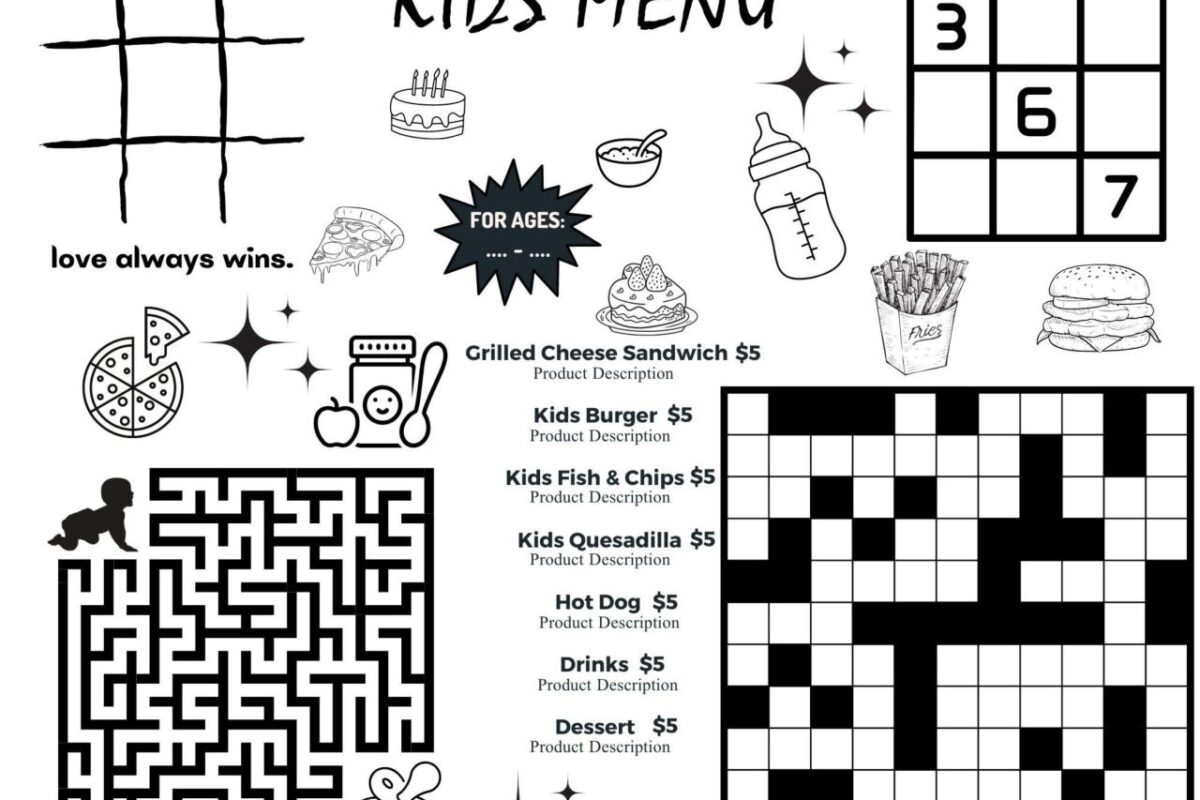
The Importance of a Kids Menu in Family Dining Establishments
A dedicated kids menu plays a crucial role in enhancing the dining experience for families. It not only makes dining out more enjoyable for children but also alleviates the stress for parents trying to find suitable options for their little ones. When families visit a restaurant, they often seek an environment that caters to all age groups, and a thoughtfully designed kids menu can be the key to achieving that harmony.
Catering to children’s tastes and dietary needs is essential for a positive dining experience. Kids have unique preferences and nutritional requirements that differ from those of adults. By offering a menu specifically designed for them, restaurants can ensure that children are not only satisfied but also receive meals that provide the necessary nutrients for their growth and development. A well-curated kids menu can include a variety of options that appeal to young palates while considering dietary restrictions and allergies.
Popular Dishes Typically Found on Kids Menus
A kids menu often features a range of dishes that are both appealing and manageable for young diners. These meals commonly prioritize familiar flavors and kid-friendly presentations, making them enticing for little ones. Below are some examples of popular dishes typically found on kids menus:
- Macaroni and Cheese: A classic comfort food, macaroni and cheese is creamy, cheesy, and loved by many children. It’s usually served in a fun shape or with added ingredients like broccoli or chicken to enhance nutrition.
- Mini Burgers: Smaller-sized burgers are perfect for little hands. Often customizable with various toppings, mini burgers offer a fun way for kids to choose their favorite flavors.
- Pasta with Marinara Sauce: Simple and flavorful, pasta with marinara sauce is a staple on kids menus. It’s easy to eat and can be paired with vegetables or protein for a complete meal.
- Chicken Tenders: Battered and fried chicken tenders are a hit among kids, often accompanied by dipping sauces like honey mustard or barbecue for added flavor.
- Cheese Pizza: A universally loved option, cheese pizza allows children to enjoy a familiar meal that can be customized with toppings, appealing to various tastes.
“A well-designed kids menu can transform dining out into an exciting adventure for children.”
These dishes, along with other options like fruit cups, yogurt parfaits, and smoothies, ensure that children have meals they will enjoy while helping parents feel confident about their choices. By focusing on the tastes and dietary needs of children, family dining establishments can create a welcoming atmosphere that encourages families to eat out together.
Nutritional Considerations for Designing a Kids Menu
Creating a balanced kids menu requires careful consideration of essential nutrients that support growth, development, and overall health. Children have unique dietary needs that differ from adults, and therefore, their meals should be thoughtfully designed to include a variety of nutrients that contribute to their well-being.
To achieve a balanced approach, it’s crucial to include key nutrients such as proteins, healthy fats, carbohydrates, vitamins, and minerals. These components work together to ensure that children receive the energy and nutrients they need for their active lifestyles. Incorporating healthy options into the menu can be done without sacrificing flavor by using creative cooking methods and appealing presentations that make nutritious foods enticing.
Essential Nutrients in a Kids Menu
A well-rounded kids menu should focus on the following essential nutrients:
- Proteins: Critical for growth and muscle development, proteins can be sourced from lean meats, poultry, fish, beans, and dairy products. Example: Grilled chicken strips served with a side of homemade honey mustard for dipping.
- Healthy Fats: Necessary for brain development and energy, healthy fats can be found in avocados, nuts, seeds, and olive oil. Example: Avocado toast topped with cherry tomatoes and a sprinkle of cheese.
- Carbohydrates: The primary energy source, carbohydrates should come from whole grains, fruits, and vegetables. Example: Whole grain pasta with a chunky vegetable sauce.
- Vitamins and Minerals: Important for various bodily functions, an array of colorful fruits and vegetables ensures a wide range of vitamins and minerals. Example: A rainbow fruit salad featuring strawberries, blueberries, kiwi, and orange segments.
Incorporating these nutrients into meals not only promotes healthier eating habits but also sets a foundation for lifelong wellness.
Incorporating Healthy Options
Introducing healthy options into a kids menu can be achieved by utilizing creative techniques that elevate flavor without excessive calories or unhealthy ingredients. Here are effective strategies to enhance taste:
- Flavorful Seasonings: Use herbs and spices to add flavor without added sugars or fats. For instance, seasoning roasted vegetables with garlic and rosemary can make them more appealing.
- Engaging Presentation: Presenting meals in fun shapes or colors can attract children’s attention. For example, using cookie cutters to create star-shaped sandwiches makes lunchtime exciting.
- Flavorful Sauces: Create homemade sauces using healthy ingredients. A yogurt-based dip paired with fresh veggies can be both delicious and nutritious.
- Incorporating Familiar Foods: Transforming traditional favorites into healthier versions can encourage acceptance. For example, using cauliflower rice instead of regular rice can make a nutritious twist on a stir-fry meal.
By focusing on taste alongside nutrition, meals can be both enjoyable and nourishing for kids.
Meeting Dietary Restrictions and Allergies
When designing a kids menu, it’s essential to consider dietary restrictions and allergies to accommodate all children’s needs effectively. Implementing inclusive practices ensures that every child can enjoy their meals safely.
- Identifying Common Allergens: Be aware of common allergens such as nuts, dairy, gluten, and eggs. Clearly label all menu items and offer alternatives. For example, provide a dairy-free cheese option for kids with lactose intolerance.
- Substituting Ingredients: Use alternative ingredients to create allergen-free versions of popular dishes. For instance, substitute almond milk for regular milk in smoothies for those with dairy allergies.
- Customizable Options: Allow children to customize their meals by offering a build-your-own option. This approach lets them choose ingredients based on their preferences and restrictions.
- Staff Training: Ensure that kitchen staff are well-trained in handling allergens and cross-contamination risks. Regular training can help maintain a safe cooking environment.
By integrating these strategies into menu design, it is possible to create a kids menu that is inclusive, nutritious, and enjoyable for all children, regardless of their dietary requirements.
Creative Themes and Presentation for Kids Menus
Creating a fun and engaging dining experience for children can significantly enhance their interest in meals. By incorporating playful themes and vibrant presentations, meals can transform into exciting adventures that appeal to young diners. This not only encourages children to explore new foods but also helps in developing healthy eating habits.
Importance of Fun Themes in Meals
A well-thought-out theme can elevate a meal from ordinary to extraordinary. Themes can be inspired by popular children’s characters, animals, or even space adventures. Themed meals make dining an engaging activity, allowing children to immerse themselves in the experience. For instance, a “Dinosaur Adventure” theme could feature chicken nuggets shaped like dinosaur footprints and broccoli trees. This imaginative approach makes children more eager to try different foods, enhancing their overall meal enjoyment.
Visually Engaging Plate Presentations
An appealing plate presentation captures children’s attention and sparks their curiosity about the food. Various techniques can be employed to make meals visually exciting. Here are some ideas:
- Character Shapes: Use cookie cutters to shape sandwiches, fruits, or vegetables into their favorite characters or animals.
- Rainbow Plates: Arrange colorful fruits and vegetables in a rainbow pattern, making the plate visually stunning.
- Fun Utensils: Serve meals with vibrant, themed utensils, such as forks shaped like animals or spoons in fun colors.
- Layering Colors: Create layered parfaits with yogurt and fruits to showcase a variety of colors and textures.
The importance of vibrant colors cannot be overstated. Children are naturally drawn to bright colors, and utilizing a range of hues not only enhances the visual appeal but can also make meals more enticing.
The Role of Color and Creativity in Menu Design
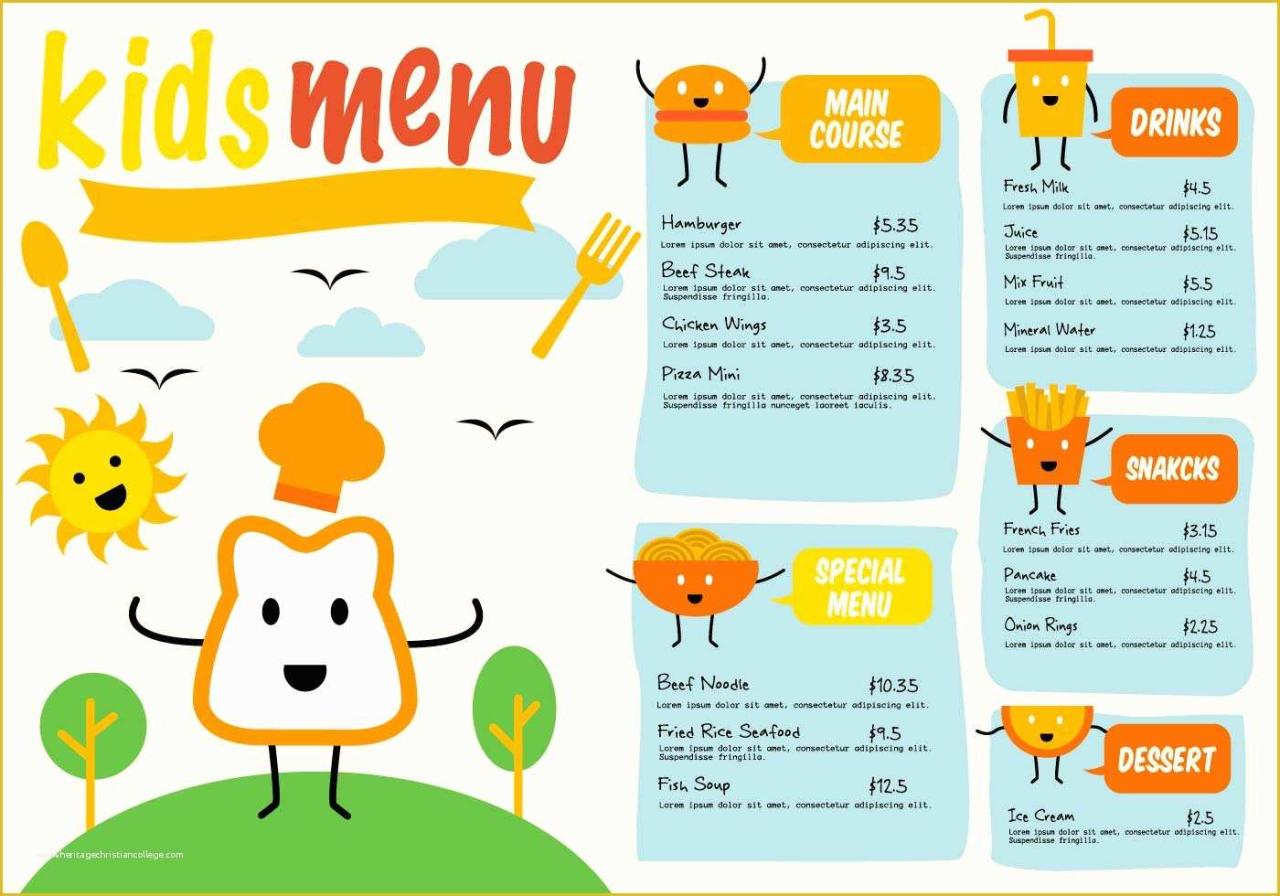
In addition to presentation, the design of the menu itself plays a crucial role in enticing children. A creatively designed menu can include colorful illustrations, fun fonts, and animated characters that resonate with children.
- Bright Colors: Utilize colors like yellow, red, and green extensively to attract attention.
- Illustrations: Include playful drawings of food items which can help children identify what they are interested in trying.
- Interactive Elements: Consider add-ons like stickers or coloring sections to keep children engaged while they wait for their meals.
In conclusion, the integration of creative themes, visually appealing presentations, and vibrant colors plays a pivotal role in making meals enjoyable for children. By providing a fun and playful dining experience, we can encourage kids to develop a love for food that may last a lifetime.
Engaging Kids through Interactive Menu Options
Providing an engaging and interactive menu can transform the dining experience for kids. By incorporating elements that allow children to participate actively in their meal choices, restaurants can create a fun atmosphere that encourages creativity and exploration. Interactive menus not only enhance the dining experience but also promote healthier eating habits by involving kids in meal preparation.
One effective way to make the kids’ menu interactive is by offering build-your-own meal choices. This empowers children to customize their meals according to their preferences, making them more likely to enjoy what they eat. Below are some ideas for interactive meal options that could be included on a children’s menu:
Build-Your-Own Meal Choices
Offering customizable meal options is essential for engaging kids in the dining experience. These choices can include:
- Build-Your-Own Tacos: Kids can choose from various proteins, toppings, and sauces to create their perfect taco.
- Personalized Pizzas: Providing a selection of toppings allows children to design their own pizzas, promoting creativity and choice.
- DIY Sundae Bar: Allow kids to build their sundaes with multiple ice cream flavors, toppings, and sauces, making dessert an interactive experience.
- Make-Your-Own Sandwiches: Offering different breads, spreads, and fillings encourages kids to experiment with flavors and textures.
In addition to meal customization, incorporating fun activities or games can further enhance the interactive experience. These activities can be designed to keep kids engaged while they wait for their meals. Here are some ideas for activities that could accompany the menu:
Fun Activities and Games
Incorporating games and activities into the dining experience not only entertains kids but also fosters a sense of community among diners. Consider the following:
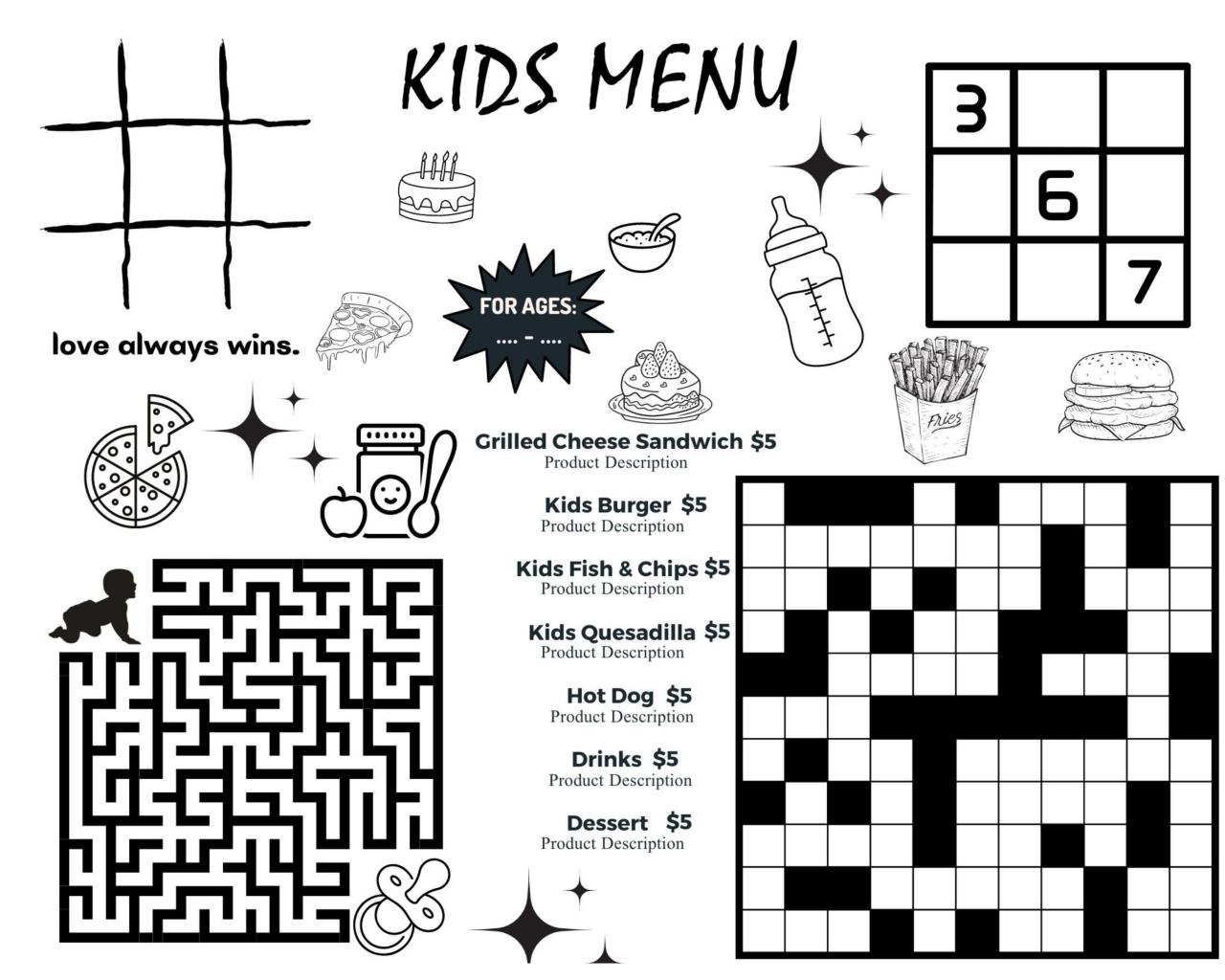
- Coloring Sheets: Provide fun coloring sheets featuring characters from your restaurant or themed illustrations related to the menu.
- Food-Related Puzzles: Simple crosswords or word searches based on menu items can keep kids entertained during their wait.
- Interactive Table Games: Use tables with built-in games, such as Tic-Tac-Toe or Hangman, that kids can play while waiting for their food.
Gathering feedback from kids is crucial for improving menu offerings and ensuring that meal choices resonate with young diners. This feedback can be collected in various engaging ways to encourage kids to express their thoughts.
Feedback Collection Methods
Implementing creative methods for gathering feedback can enhance the overall dining experience and help refine menu items. Here are some effective strategies:
- Feedback Cards: Provide colorful cards that kids can fill out with their favorite meal items or suggestions, using fun graphics to appeal to their creativity.
- Interactive Tablets: Allow children to use tablets with simple interfaces to rate their meals or suggest new items, making the feedback process more engaging.
- Sticker Voting: Kids can choose their favorite dishes by placing stickers on a menu board, making the feedback process visual and fun.
Utilizing these interactive options not only makes dining enjoyable for kids but also ensures that the menu evolves based on their preferences, creating a loyal customer base from an early age.
Pricing Strategies for Kids Menus in Restaurants
Establishing a competitive pricing strategy for kids’ meals is crucial for attracting families to restaurants. Parents are often looking for value and variety when dining out with their children, making menu pricing a pivotal factor in their decision-making process. By implementing effective pricing strategies, restaurants can boost their appeal to families and encourage repeat visits.
Pricing models for kids’ meals can significantly influence customer choices and overall satisfaction. Various approaches, such as value meals or combo offers, can enhance the perceived value of kids’ menus, making them more enticing to families. Understanding different pricing strategies allows restaurants to tailor their offerings to meet the expectations of their target audience, ensuring both profitability and customer satisfaction.
Pricing Models for Kids Meals
There are several effective pricing models that restaurants can adopt when crafting their kids’ menus. Each model has its unique advantages and can be designed to meet the needs of families while maximizing revenue.
- Value Meals: Offering a combination of food items at a discounted price appeals to parents looking for budget-friendly options. A value meal might include a main dish, side, and drink, providing a complete meal at a lower price point.
- Combo Offers: Pairing popular menu items together, such as a burger with fries and a drink, can increase sales and provide a sense of value. For example, a combo might offer a chicken tenders meal with a side of fruit and a drink for a special price.
- Family Deals: Implementing special rates for families dining together, such as ‘kids eat free’ nights or discounts when ordering multiple kids’ meals, can encourage larger groups to visit the restaurant. This not only boosts sales but also enhances customer satisfaction.
- Tiered Pricing: Offering various price points based on portion size or premium ingredients allows parents to choose according to their preferences and budget. For instance, smaller portions could be priced lower, catering to younger children.
Adjusting pricing strategies can lead to noticeable impacts on sales and customer satisfaction. For example, a restaurant that introduced a value meal saw a 20% increase in kids’ meal sales within three months. This increase was accompanied by positive feedback from parents who appreciated the affordability and variety of options. Similarly, a family-friendly restaurant that offered a ‘kids eat free’ night reported a significant rise in overall sales, as families were more likely to dine out on promotions that provided added value.
The right pricing strategies can transform a restaurant’s appeal to families, fostering loyalty and repeat visits.
Seasonal Changes and Specials on Kids Menus
Introducing seasonal changes to kids menus offers a fresh and exciting dining experience that aligns with children’s natural curiosity and growing tastes. By rotating menu items based on the season, restaurants can not only keep kids engaged but also provide them with nutritious and delicious options reflective of the time of year. Utilizing seasonal ingredients can enhance flavors, foster creativity in dish presentation, and encourage healthier eating habits among young diners.
Incorporating local produce into seasonal menus provides several advantages. It supports local farmers, reduces transportation costs, and offers fresher ingredients that can enhance flavor and nutrition. When kids see fruits and vegetables that are grown in their own community, they may be more inclined to try new foods.
Creative Seasonal Themes and Holiday Specials
Seasonal themes and holiday specials can transform a standard kids menu into an adventure of flavors and fun. Below are some creative ideas for each season and holiday that can make the dining experience memorable:
- Spring: Garden Delights – Create dishes inspired by a garden, featuring vibrant vegetables and bright flavors. Options could include a “Rainbow Veggie Wrap” or “Petite Pea Pasta” that highlights fresh peas and herbs.
- Summer: Tropical Paradise – Embrace the warmth of summer with tropical fruits and lighter fare. Items like “Pineapple Chicken Skewers” or “Mango Salsa Fish Tacos” can introduce kids to fruity flavors in a fun way.
- Fall: Harvest Celebration – Highlight the bounty of autumn with hearty, comforting dishes. Consider “Pumpkin Mac and Cheese” or “Apple Cinnamon Chicken,” which incorporate seasonal produce in a kid-friendly manner.
- Winter: Cozy Comforts – Offer warm, soothing meals during the chilly winter months. Dishes like “Cheesy Broccoli Soup in a Bread Bowl” or “Warm Berry Crisp” can make kids feel cozy while enjoying seasonal flavors.
Each holiday can also inspire unique menu items that resonate with festive themes. For example, during Halloween, “Monster Mash Meatballs” can be served with green spaghetti, while Christmas could feature “Rudolph’s Reindeer Sandwich” shaped like a reindeer, topped with healthy ingredients for decoration.
“Utilizing local produce not only supports the community but also enhances the freshness and quality of menu items, making meals more appealing to young diners.”
Incorporating locally-sourced ingredients enhances the appeal of seasonal menu items. Creating a partnership with local farmers can provide fresh produce that inspires creative dishes. For instance, during summer, using sweet corn in “Corn Fritters” allows children to enjoy familiar flavors while being introduced to the concept of farm-to-table dining.
Restaurants can also involve kids in the process by hosting events like “Kids’ Chef Days,” where they can participate in cooking with seasonal ingredients. This interactive experience can ignite a passion for cooking and healthy eating in young diners, turning mealtime into an educational adventure.
Marketing Strategies for Promoting Kids Menus
Creating an engaging kids menu is just the first step; effectively marketing it to families is crucial for maximizing its potential. Families often seek dining options that cater to children’s tastes while ensuring a pleasant experience for both parents and kids. By implementing strategic marketing initiatives, restaurants can attract more families and turn their kids’ menu into a highlight of their dining experience.
A multifaceted approach to marketing kids menus can involve a range of promotional activities and effective communication channels. Emphasizing the unique features of the kids menu, such as healthy options, fun presentations, and interactive dining experiences, can significantly appeal to parents. Moreover, organizing events or introducing discounts can enhance interest and customer loyalty.
Promotional Ideas for Attracting Parents
Implementing promotional strategies can greatly enhance the visibility of a kids menu. Here are some effective promotional ideas that can attract parents and their children:
- Themed Events: Organize special themed nights, such as “Pizza Party” or “Taco Tuesdays,” where kids can participate in making their own meals. This interactive experience will not only draw families in but also create memorable dining experiences.
- Family Discounts: Offer discounts for families dining together, such as “Kids Eat Free” on specific days or percentages off for larger groups. This encourages families to choose your restaurant over others.
- Birthday Party Packages: Create packages specifically designed for children’s birthday parties. Offering a fun atmosphere, special menu items, and activities can attract parents looking for a hassle-free celebration venue.
- Seasonal Promotions: Launch seasonal promotions that resonate with holidays or local events, such as Halloween-themed treats or summer cookouts. Such promotions can keep the menu fresh and exciting throughout the year.
- Educational Workshops: Host workshops where kids can learn about healthy eating or cooking. Offering an educational aspect can attract parents who prioritize their children’s nutrition and development.
Using Social Media and Advertising
Leveraging social media and advertising channels is essential for spreading awareness about a kids menu. With a majority of parents utilizing social media platforms, targeted advertising can effectively reach this demographic. Engaging content, including mouth-watering images of kids menu items and fun videos of children enjoying their meals, can create buzz and encourage sharing among friends and family.
Consider running campaigns that highlight customer testimonials or family experiences at your restaurant. Sharing user-generated content, where families post their dining experiences, can enhance credibility and foster a sense of community around your brand. Engaging with local influencers or parenting bloggers can also amplify your message and broaden your reach.
Utilizing ads on platforms such as Facebook and Instagram can target specific demographics based on location and interests. Highlighting key aspects of the kids menu, such as nutritional information and unique flavors, can resonate well with health-conscious parents.
“Creative marketing strategies not only attract families but also enhance their overall dining experience, leading to repeat visits and positive word-of-mouth recommendations.”
The Role of Feedback in Evolving Kids Menus
Gathering feedback from parents and children is essential in crafting a kids menu that is both appealing and nutritious. Understanding the preferences and tastes of your young diners allows for the creation of meals that not only satisfy their appetites but also promote healthy eating habits. Feedback serves as a guiding light to refine menu offerings, ensuring that they evolve with the changing needs and desires of families.
To systematically gather feedback, it is important to implement a structured approach that includes both qualitative and quantitative methods. This can be achieved through various channels such as surveys, direct conversations, and suggestion boxes. An effective feedback strategy might involve the following steps:
Methods for Gathering Feedback
Creating an environment where parents and children feel comfortable sharing their opinions is crucial. Here are some effective methods for gathering feedback:
- Surveys: Distributing short, engaging surveys via email or through a tablet at the restaurant can yield valuable insights. Ensure the surveys include both rating scales and open-ended questions to capture diverse opinions.
- Focus Groups: Organize small group discussions with parents and children to delve deeper into their preferences. This method allows for more nuanced feedback and ideas for new menu items.
- Suggestion Boxes: Place suggestion boxes in restaurants where families can anonymously submit their thoughts. This encourages honest feedback without the pressure of face-to-face interaction.
- Social Media Engagement: Utilize social media platforms to ask for feedback on specific menu items or ideas. Engaging posts can spark conversations and provide immediate insights.
Analyzing the gathered feedback is equally important to ensure that the insights translate into actionable changes. It involves categorizing and prioritizing responses to identify trends and common themes. The analysis can lead to specific adjustments in menu offerings.
Analyzing Feedback for Menu Improvement
Understanding the feedback received is fundamental to enhancing the menu. The analysis process can include:
- Identifying Trends: Look for recurring suggestions or complaints, which can indicate what items are most or least liked.
- Quantifying Responses: Use rating scales from surveys to calculate average scores for menu items, helping to determine which dishes should be kept, modified, or removed.
- Prioritizing Changes: Based on the analysis, prioritize changes that align with customer preferences and dietary trends, ensuring that new offerings are both appealing and health-conscious.
Real-life examples illustrate how feedback can lead to tangible improvements. For instance, a restaurant may have received numerous requests for healthier options without compromising on taste. In response, they introduced a range of veggie-packed meals that were both colorful and flavorful. This not only received enthusiastic responses from both parents and kids but also increased overall sales of those menu items, demonstrating the positive impact of actively incorporating customer feedback.
“Feedback is the breakfast of champions.” — Ken Blanchard
In conclusion, integrating feedback into the menu development process not only enhances customer satisfaction but also fosters a loyal customer base. By listening to the voices of parents and children, restaurants can create a dynamic kids menu that grows and evolves with their audience.
Collaborating with Nutritionists for Menu Development
Working with nutritionists when designing a kids menu can significantly enhance meal quality and appeal. Their expertise ensures that the food offered not only tastes great but is also packed with essential nutrients that support children’s growth and development. By integrating the knowledge of nutritionists, restaurants can create menus that promote healthy eating habits from a young age.
The involvement of nutritionists leads to meals that are well-balanced and tailored to meet the dietary needs of children. This collaboration ensures that each dish provides a mix of proteins, healthy fats, carbohydrates, vitamins, and minerals. It also aids in minimizing unhealthy ingredients such as excess sugars and preservatives. Nutritionists can guide menu developers on portion sizes and appropriate food choices, helping to create a menu that is not only delicious but also promotes better health outcomes for children.
Enhancing Nutritional Value of Meals
Focusing on the nutritional value of meals is crucial when developing a kids menu. The input from nutritionists can help achieve several key benefits:
- Balanced Meals: Nutritionists emphasize the importance of incorporating a variety of food groups, ensuring kids receive balanced meals that support their energy needs.
- Portion Control: Expert guidance on appropriate serving sizes helps in preventing overeating and encourages healthy eating patterns among children.
- Whole Ingredients: Nutritionists recommend using whole, unprocessed ingredients that are rich in nutrients, avoiding artificial additives and unhealthy fats.
- Allergy Management: They can provide insights on common allergens and suggest alternatives, making menus safer for children with food sensitivities.
- Education on Nutrition: Collaborating with nutritionists can also allow restaurants to educate families about healthy eating habits through menu descriptions and labeling.
“A nutritious meal is the foundation for a child’s healthy growth and development.”
Building credibility and trust in a kids menu is essential. When parents see that nutritionists have contributed to the menu development, it enhances the perception of quality and safety. This trust can lead to increased customer loyalty and a positive reputation in the community. Promoting the involvement of nutritionists can be done through clear labeling on menus, educational materials, and active engagement in community events that focus on nutrition education. By prioritizing health and safety through expert collaboration, restaurants can effectively cater to the needs of both children and their parents.
Trends Influencing Kids Menus in Modern Dining
The landscape of kids menus in modern dining is evolving rapidly, driven by changing consumer preferences and innovations in culinary experiences. Restaurants are increasingly recognizing that children are not just small adults; they have unique tastes, health needs, and expectations. This shift is prompting establishments to adopt trends that cater specifically to younger diners, making meals both enjoyable and nutritious.
Technology is playing a pivotal role in enhancing kids dining experiences. Many restaurants are integrating interactive elements into their kids menus, which not only engage children but also inform parents. For example, digital menus offered via tablets or apps allow kids to explore food options through fun animations and games. These menus often include features such as allergen information, nutritional facts, and even the ability to customize meals. Some establishments have implemented augmented reality (AR) experiences where kids can see 3D visuals of their meals before ordering. This not only excites young diners but also encourages them to make healthier choices by visually engaging them with the food options.
Impact of Food Trends on Kids Menus
Restaurants are increasingly influenced by broader food trends, particularly the rise of plant-based eating, which is reshaping what children crave. Parents are more health-conscious than ever, leading to a demand for wholesome options that appeal to kids. The following points illustrate how these trends manifest in kids menus:
- Plant-Based Options: Many restaurants are introducing plant-based versions of popular items such as burgers, nuggets, and pizzas, making them more appealing to young eaters. For instance, a burger made from lentils or chickpeas can be both nutritious and fun for kids to eat.
- Creative Ingredients: Establishments are incorporating unusual ingredients like quinoa, sweet potatoes, and even zucchini into kids meals. This not only boosts nutritional value but also introduces children to diverse flavors early on.
- Interactive Food: Foods that can be constructed or assembled, such as build-your-own tacos or pizzas, are gaining popularity. This interactive element can make meals more engaging and enjoyable for children.
- Healthy Snacks: Restaurants are now offering healthier snack options like fruit cups, veggie sticks with hummus, and yogurt parfaits that cater to the snacking culture of children while maintaining their health.
“Kids menus are evolving to reflect a growing awareness of health and sustainability, making dining out a more enriching experience for the whole family.”
By embracing these trends, restaurants not only cater to the palates of young diners but also align with the values of parents who prioritize health and sustainability. Through this thoughtful approach, establishments can create a dining environment that is both enjoyable and beneficial for children.
Final Thoughts
Q&A
What should be included in a kids menu?
A kids menu should include a variety of dishes that cater to children’s tastes, such as pastas, sandwiches, and healthier options like fruits and vegetables.
How can restaurants ensure kids meals are nutritious?
Restaurants can collaborate with nutritionists to create balanced meals that are rich in essential nutrients while still being appealing to kids.
What are some fun themes for kids menus?
Fun themes can include superheroes, animals, or even popular children’s movies, making meals more exciting for kids.
How can technology enhance kids menus?
Technology can be integrated through interactive digital menus or apps that allow kids to customize their meals or play games related to food.
What strategies can boost kids meal sales?
Offering combo meals, special discounts on kids meals, or hosting themed family nights can significantly boost kids meal sales.