
 Rogert
Kicking off with Mexican pizza, this unique dish embodies a delightful blend of cultural influences, merging the zest of Mexican cuisine with the comfort of Italian flavors. Often overshadowed in the culinary world, Mexican pizza has carved out its own niche, showcasing its vibrant ingredients and bold tastes that have evolved over the years.
This dish is not only a feast for the senses but also a testament to the creative adaptability of food across cultures. As we delve into its origins and significance, we’ll uncover how Mexican pizza has become a cherished choice for many, delighting palates and bringing people together at the dining table.
Mexican pizza’s history and cultural significance are often overlooked by many people.
Mexican pizza, a vibrant fusion of flavors and cultures, has a rich history that traces back to a melting pot of culinary traditions. This unique dish combines elements from both Mexican and Italian cuisines, creating a gastronomic experience that many enjoy today, yet often overlook its historical and cultural significance.
The origins of Mexican pizza can be linked to the migration patterns of various populations, particularly in the United States. It is believed to have emerged during the 20th century, primarily in areas with significant Mexican-American communities. This dish represents a synthesis of traditional Italian pizza, which was introduced to the U.S. by Italian immigrants, and the flavors of Mexican cuisine, characterized by ingredients such as beans, jalapeños, and various cheeses. Over time, Mexican pizza has evolved from simple combinations of cheese and salsa on a tortilla to a more complex dish featuring layers of toppings including ground meats, fresh vegetables, and a variety of spices.
Cultural influences that shaped the dish
The cultural influences that shaped Mexican pizza are profound and multifaceted, reflecting the dynamic interactions among immigrant communities in the United States. The concept of pizza itself, native to Italy, found its way to America in the late 19th century. As Italian immigrants settled in the U.S., they adapted their traditional dishes to local tastes and available ingredients. This adaptation laid the groundwork for the emergence of Mexican pizza.
The culinary scene in the U.S. underwent significant transformation when Mexican food began to gain popularity in the mid-20th century. The rise of Tex-Mex cuisine, which blends traditional Mexican flavors with American cooking styles, played a vital role in the evolution of Mexican pizza. Ingredients such as refried beans, avocado, and sour cream began to be used alongside classic Italian elements like tomato sauce and mozzarella cheese. This hybridization exemplifies how food acts as a cultural bridge, connecting different traditions and communities.
Mexican pizza occupies a notable position in contemporary dining experiences. Its significance is not only culinary but also social, as it reflects the diverse cultural landscape of the U.S. today. There are several key aspects that underline its importance:
- Accessibility and Versatility: Mexican pizza is a dish that can be easily customized to cater to various dietary preferences, including vegetarian and gluten-free options. This versatility makes it a popular choice in diverse dining settings, from fast-food chains to gourmet restaurants.
- Social and Family Dining: The communal nature of pizza encourages sharing, making it an ideal dish for family gatherings and social events. It fosters a sense of togetherness and celebration, often being a centerpiece at parties and casual get-togethers.
- Culinary Innovation: Many chefs and home cooks experiment with different toppings and styles, leading to creative variations that keep the dish fresh and exciting. This innovation highlights the evolving nature of cuisine and how cultural influences continue to shape food trends.
- Representation of Identity: For many, Mexican pizza symbolizes the fusion of cultural identities. It stands as a testament to the contributions of immigrant communities to the American culinary landscape, celebrating diversity and hybrid cultures.
In summary, Mexican pizza is more than just a dish; it embodies a rich tapestry of cultural influences that are often overlooked. Its evolution reflects the interconnectedness of cuisines and the ongoing dialogue between different culinary traditions. Today, it continues to serve as a significant element in the American dining experience, bringing people together while showcasing the beauty of cultural fusion.
{The ingredients that define an authentic Mexican pizza are essential to its flavor profile.}
Authentic Mexican pizza brings a vibrant twist to the traditional Italian version, boasting a unique flavor profile rooted in its distinct ingredients. The cornerstone of its appeal lies in a blend of fresh produce, spices, and textures that create a culinary experience unlike any other.
To set Mexican pizza apart from its Italian counterpart, it incorporates ingredients that reflect the rich culinary heritage of Mexico. While Italian pizza often features a simple tomato base topped with mozzarella cheese, Mexican pizza introduces an array of flavors through diverse toppings and traditional components.
{Key Ingredients that Distinguish Mexican Pizza}
The ingredients that contribute to the authentic taste of Mexican pizza are carefully selected to enhance its overall flavor. Below are several key ingredients that define this dish:
- Masa Harina or Cornmeal Crust: Unlike the traditional wheat-based crust, Mexican pizza often uses masa harina, lending a distinct texture and flavor that complements the toppings.
- Refried Beans: A layer of refried beans adds a creamy texture and depth, serving as a flavorful base that blends well with other toppings.
- Chihuahua Cheese: This cheese melts beautifully and offers a mild, creamy flavor, making it a preferred choice for authentic Mexican pizzas.
- Pico de Gallo: Fresh tomato, onion, and cilantro combine to create a zesty topping that brightens the entire dish.
- Jalapeños or Chipotle: These peppers add heat and smokiness, enhancing the overall flavor profile and providing a true taste of Mexico.
{Role of Spices and Herbs}
Herbs and spices play a pivotal role in elevating the flavors of Mexican pizza. The use of traditional spices not only enhances taste but also adds aromatic qualities that are characteristic of Mexican cuisine.
Key spices include:
- Cumin: Offers a warm, earthy flavor that complements the beans and meat toppings.
- Cilantro: This herb adds a fresh, citrusy note that brightens the dish, often included in salsas or as a garnish.
- Oregano: Mexican oregano has a slightly different flavor profile than its Italian counterpart, with a more pungent and floral quality that enhances the overall taste.
These spices and herbs harmonize together, creating a unique taste experience that celebrates the essence of Mexican cuisine.
{Optional Toppings and Variations}
Exploring different toppings and variations allows for a more personalized Mexican pizza, catering to various dietary preferences. Here are some optional toppings that can be included:
- Grilled Chicken or Steak: Adds protein and flavor, suitable for meat lovers.
- Mushrooms: A vegetarian option that brings an earthy flavor to the pizza.
- Bell Peppers: Offer sweetness and crunch, enhancing the overall texture.
- Avocado or Guacamole: Provides creaminess and richness, making it a great addition for a touch of luxury.
- Vegan Cheese: Suitable for those following a plant-based diet, allowing everyone to enjoy the flavors of Mexican pizza.
These optional toppings can transform the dish, ensuring it appeals to a wide audience while maintaining the integrity of its authentic Mexican flavors.
Preparation methods for Mexican pizza can vary significantly depending on personal preferences and regional styles.
Mexican pizza offers a delightful mix of flavors and textures, influenced by various regional practices and personal tastes. The preparation methods can range from using traditional techniques to modern shortcuts, allowing for a wide array of crust options and assembly methods. Whether you’re opting for a homemade creation or a quick store-bought alternative, the process holds its unique charm.
Crust Preparation Techniques
The crust serves as the foundation for any Mexican pizza, and its preparation can greatly impact the final dish. There are various techniques to create the perfect crust, accommodating different preferences.
- Homemade Dough: Making your own dough can be rewarding and allows for customization. Typically, a mixture of flour, water, yeast, salt, and sometimes cornmeal is used, resulting in a soft yet crispy texture. Allow the dough to rise for an hour before rolling it out into your desired shape.
- Store-bought Options: For those short on time, many grocery stores offer pre-made dough or even ready-to-bake crusts. These can range from traditional flour-based options to gluten-free varieties. Just follow the package instructions for the best results.
- Alternative Bases: Some might prefer using tortillas or flatbreads as a base, which can give the pizza a unique twist while also being a quicker option. Corn tortillas can add a distinct flavor that complements the toppings.
Assembling a Mexican Pizza
Assembling a Mexican pizza is where the fun begins, and there are traditional practices that enhance the flavor and authenticity of the dish.
Begin by preheating your oven to a high temperature, typically around 475°F (245°C), to ensure a crispy crust. Spread a layer of refried beans over your crust as a base. Then, add a generous layer of seasoned ground beef or shredded chicken, followed by a mixture of bell peppers, onions, and corn for added texture. Sprinkle a blend of cheeses, such as cheddar and Monterey Jack, liberally over the top.
Cooking Methods
The cooking method can also change the overall experience of the Mexican pizza. Here are some popular cooking techniques:
- Oven-Baking: The most common method, oven-baking provides even heat distribution. Place the assembled pizza directly on a baking sheet or pizza stone for about 10-15 minutes, or until the cheese is bubbly and golden.
- Grilling: Grilling gives a smoky flavor that enhances the pizza’s overall taste. Preheat a grill, place the pizza on a pizza stone or directly on the grill grates, and cook with the lid closed for about 8-12 minutes. Be sure to keep an eye on it to prevent burning.
- Using a Pizza Stone: A pizza stone absorbs moisture and ensures a crispy crust. Preheat the stone in your oven for at least 30 minutes before placing the assembled pizza on it. This method is ideal for achieving a restaurant-quality crust at home.
The experience of enjoying Mexican pizza can be enhanced with the right pairings and accompaniments.
Mexican pizza is not just a meal; it’s an experience that tantalizes the taste buds and brings people together. To elevate this culinary delight, pairing it with the right side dishes and beverages can significantly enhance the overall enjoyment. The combination of flavors can create a balanced and satisfying meal that leaves a lasting impression.
Choosing suitable side dishes and beverages that complement the bold flavors of Mexican pizza is essential. A well-paired beverage can refresh the palate, while side dishes add texture and variety to the meal. When selecting sides, consider options that echo the vibrant ingredients found in Mexican cuisine.
Side dishes and beverages
A selection of side dishes can provide additional layers of flavor and texture to your Mexican pizza experience. Here are a few that work harmoniously:
- Refried beans: Creamy and savory, they add a rich texture that balances the crispness of the pizza.
- Mexican street corn (Elote): Grilled corn on the cob topped with mayonnaise, cheese, and spices is a deliciously sweet complement.
- Jicama salad: A refreshing crunch comes from this salad, often mixed with lime juice and chili powder.
- Guacamole: Creamy and zesty, it pairs well with the spicy notes of the pizza.
- Rice: Cilantro-lime rice can be a flavorful side that adds brightness and complements the dish.
Beverages play a crucial role as well. Choosing drinks that enhance the meal’s flavors can bring everything together. Consider these options:
- Margaritas: A classic choice that adds a tangy, citrusy kick.
- Mexican soda: Fizzy and sweet, these can offer a refreshing contrast.
- Craft beers: A light lager or a fruity IPA can be a great accompaniment, balancing the spices.
- Iced horchata: The creamy, cinnamon-infused rice drink can provide a sweet counterpoint.
Importance of garnishes
Garnishes like fresh cilantro or lime are essential in enhancing the overall flavor profile of Mexican pizza. They not only add visual appeal but also elevate the taste.
“A sprinkle of fresh herbs or a squeeze of citrus can transform an already delicious dish into something extraordinary.”
Cilantro brings a fresh, herbal note that cuts through the richness of the cheese and meats, while lime adds a bright acidity that can brighten the entire dish. These garnishes can make your Mexican pizza not just a meal, but a culinary experience to be savored.
Dips and salsas
No Mexican feast is complete without an array of dips and salsas that serve as perfect companions to Mexican pizza. These condiments amplify flavors and add an extra zing. Here’s a curated list of suggested dips and salsas:
- Pico de gallo: Fresh tomatoes, onions, cilantro, and lime create a vibrant, fresh salsa.
- Mango salsa: A sweet and tangy salsa that adds a fruity twist and a bit of texture.
- Chipotle salsa: Smoky and spicy, this salsa provides depth and heat.
- Queso dip: Creamy and cheesy, it’s perfect for dipping or drizzling over the pizza.
- Avocado crema: A creamy blend of avocados and sour cream that adds a silky smoothness.
These accompaniments not only enhance the flavors of the Mexican pizza but also create a festive atmosphere, making the meal more enjoyable.
Health considerations associated with Mexican pizza need to be carefully evaluated.
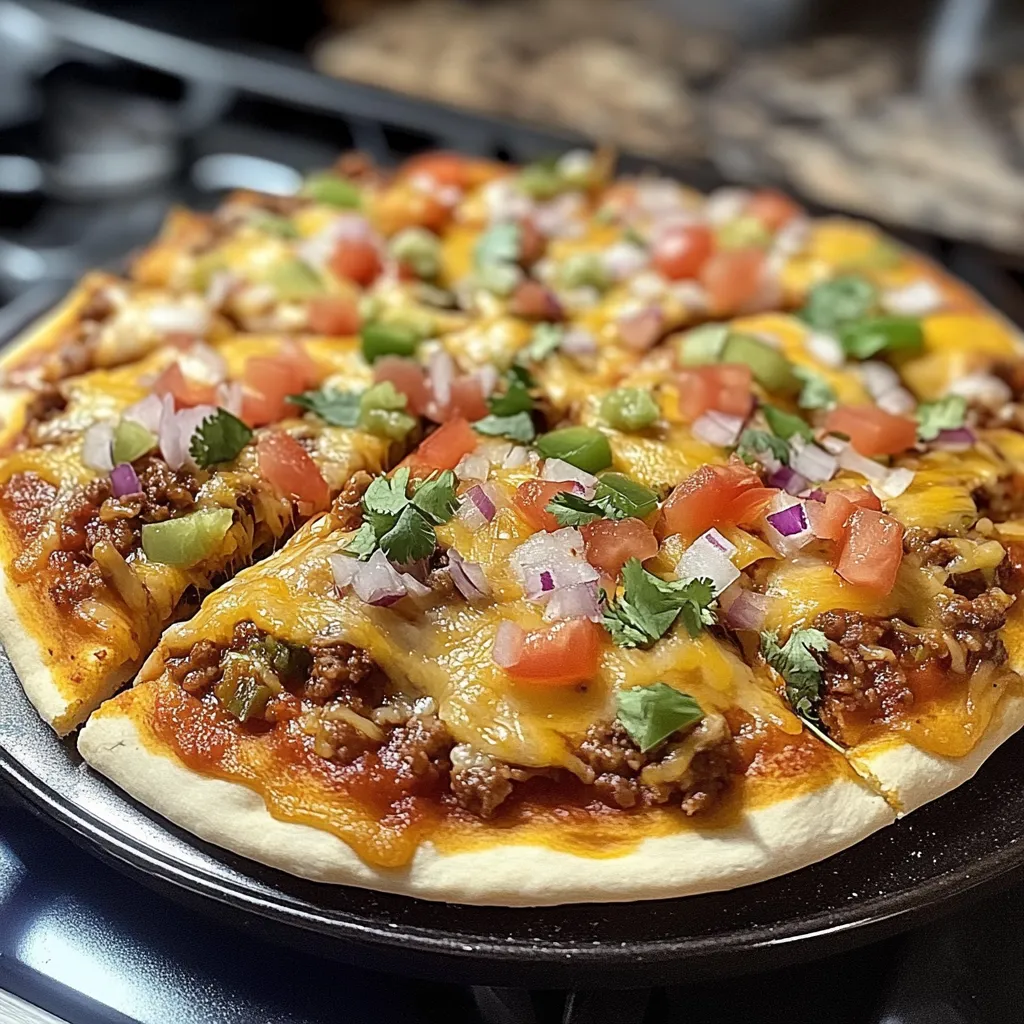
Mexican pizza is a delicious fusion of flavors, but it’s important to assess its nutritional value carefully. Understanding the calorie content and macronutrient breakdown can help individuals make informed choices, particularly for those with specific dietary needs. Additionally, exploring healthier alternatives can enhance the meal’s nutritional profile while maintaining its beloved taste.
Mexican pizza typically contains a variety of ingredients that contribute to its overall nutritional value. A standard serving often contains approximately 300-500 calories, depending on the size and toppings. The macronutrient breakdown usually includes around 15-25 grams of protein, 30-50 grams of carbohydrates, and 10-25 grams of fat. Ingredients such as cheese and meats can significantly increase the calorie and fat content, while beans and vegetables can provide healthier options.
Nutritional aspects of traditional ingredients
A closer look at common ingredients used in Mexican pizza reveals significant nutritional aspects that can be optimized. The following points highlight key components to consider:
- Tortilla: Usually made from refined flour, traditional tortillas can be high in calories and low in fiber. Opting for whole-grain or corn tortillas can boost fiber content and reduce overall calories.
- Cheese: While adding flavor, cheese is calorie-dense and high in saturated fats. Using reduced-fat cheese or a smaller amount can lower calorie intake without compromising taste.
- Meat: Commonly, ground beef or sausage is used, which are high in fat and calories. Leaner options, such as grilled chicken or turkey, can be healthier substitutes.
- Beans: Often included for protein and fiber, beans are a nutritious addition. Black beans or pinto beans can enhance the dish while providing essential nutrients.
- Vegetables: Fresh toppings like bell peppers, onions, and tomatoes add vitamins and minerals. Increasing the vegetable content can improve nutrient density.
To maintain a balanced meal while enjoying Mexican pizza, consider these practical tips. Including a side salad or a serving of fresh fruit can increase fiber and vitamin intake. Additionally, moderation plays a crucial role; sharing a pizza or enjoying a smaller portion can help keep calorie consumption in check.
Balancing indulgence with nutrition is key to enjoying Mexican pizza as part of a healthy diet.
Creative twists on the traditional Mexican pizza can bring new flavors to the table.
Mexican pizza is a beloved dish that combines the rich flavors of Mexican cuisine with the comforting appeal of pizza. By incorporating creative twists, you can elevate this classic dish, introducing new flavors and ingredients that tantalize the taste buds. From unexpected fusion variations to seasonal vegetable options, there are countless ways to refresh this staple.
One effective way to innovate on Mexican pizza is through the fusion of distinct culinary traditions. By merging unexpected ingredients, you can create exciting new flavor profiles that surprise and delight diners. Consider the following fusion variations:
Fusion variations with unexpected ingredients
Several unique combinations can breathe new life into the traditional Mexican pizza. Here are a few ideas that showcase the potential of blending diverse cuisines:
- Thai-inspired Mexican pizza: Top your pizza with a spicy peanut sauce, shredded carrots, bean sprouts, fresh cilantro, and a sprinkle of crushed peanuts for a delightful crunch.
- Indian-inspired Mexican pizza: Use naan as the base, and spread a layer of tikka masala sauce, topped with grilled chicken, red onions, and a drizzle of yogurt sauce for a rich and aromatic experience.
- Hawaiian twist: Incorporate pineapple and ham alongside traditional Mexican toppings like jalapeños and cilantro for a sweet and spicy flavor explosion.
In addition to fusion ideas, incorporating seasonal vegetables into your Mexican pizza can create a fresh and vibrant take on the dish. Utilizing fresh produce not only elevates the flavor but also highlights the best of what each season has to offer.
Using seasonal vegetables for a fresh take
Seasonal vegetables can add color, freshness, and nutrition to your Mexican pizza. When choosing vegetables, consider those that are at their peak during different times of the year. Here are some suggestions for seasonal vegetable toppings:
- Spring: Artichokes, asparagus, and radishes can be thinly sliced and roasted for a light and tasty topping.
- Summer: Grilled zucchini, bell peppers, and corn bring a sweetness and smokiness that perfectly complement the other ingredients.
- Fall: Roasted butternut squash, caramelized onions, and Brussels sprouts create a hearty, comforting pizza.
- Winter: Kale, roasted root vegetables, and even Brussels sprouts can provide a nutrient-rich base that adds depth to flavor.
Experimenting with different sauces and cheeses can also lead to unique taste profiles that elevate your Mexican pizza beyond the ordinary. The choice of sauce can dramatically change the flavor dynamics of the dish, while various cheeses can introduce new textures and tastes.
Experimenting with sauces and cheeses
The sauce and cheese used on a Mexican pizza can significantly influence its overall flavor. Here are some innovative ideas to consider:
- Chipotle crema: A smoky chipotle sauce can add a spicy kick that enhances the flavor of the toppings.
- Avocado sauce: A blend of ripe avocados, garlic, lime juice, and cilantro can serve as a creamy and zesty base.
- Different cheeses: Beyond traditional mozzarella, try using spicy pepper jack, tangy feta, or creamy goat cheese to create a rich and complex taste.
By embracing creativity and utilizing fresh ingredients, Mexican pizza can transform into a gastronomic adventure that delights both the palate and the senses.
Conclusion
In conclusion, the journey through the world of Mexican pizza reveals not just a dish, but a celebration of flavors and cultural exchange. From its rich history and essential ingredients to the various preparation methods and creative twists, it stands as a versatile option that caters to diverse tastes and dietary preferences. Whether enjoyed in its classic form or with innovative additions, Mexican pizza continues to be a beloved choice, inviting everyone to savor its deliciousness.
FAQ Insights
What makes Mexican pizza different from Italian pizza?
Mexican pizza features a unique blend of spices, beans, and toppings like jalapeños and avocado, setting it apart from traditional Italian varieties.
Can I make a healthier version of Mexican pizza?
Yes, you can use whole grain crusts, low-fat cheeses, and fresh vegetables to create a healthier version.
What are some popular toppings for Mexican pizza?
Common toppings include black beans, corn, salsa, jalapeños, and a variety of cheeses, alongside fresh garnishes like cilantro.
How can I customize my Mexican pizza?
You can customize it by adding seasonal vegetables, experimenting with different sauces, or using alternative proteins.
Are there vegetarian options for Mexican pizza?
Absolutely! You can create delicious vegetarian versions using toppings like roasted vegetables, beans, and cheese.