 Rogert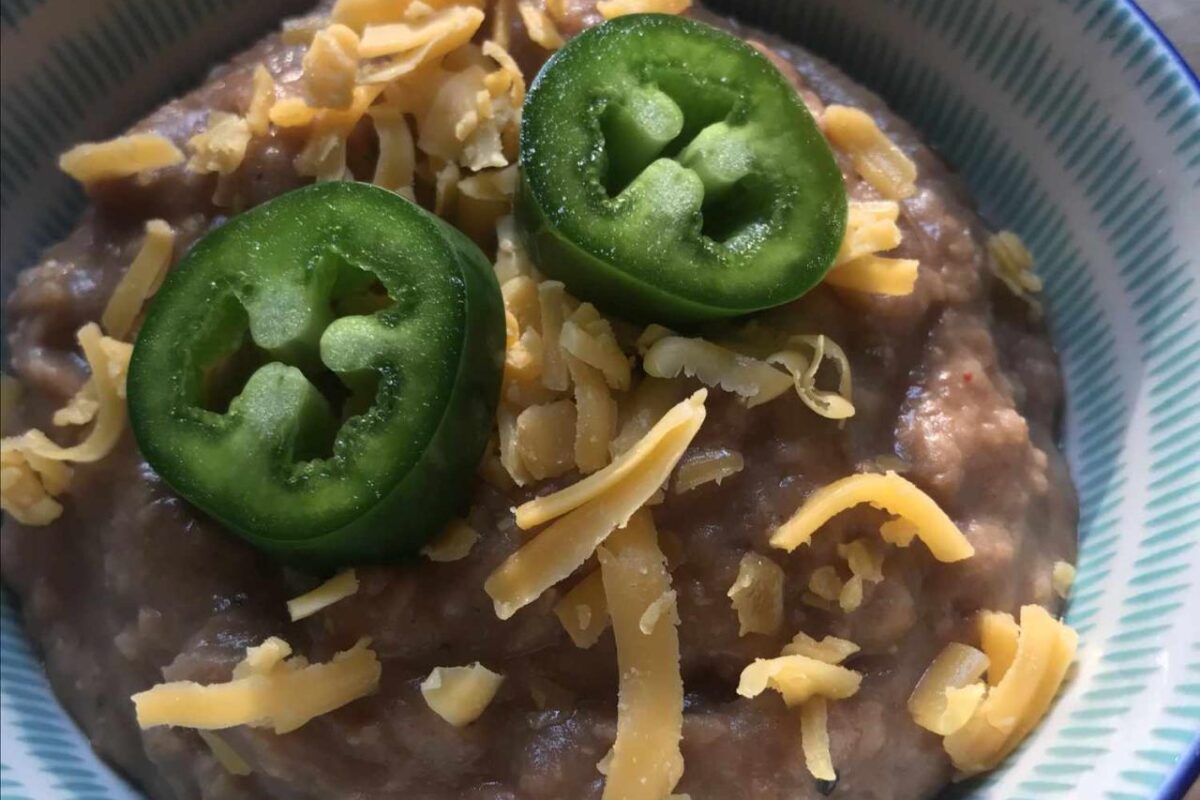
Refried beans are not just a delicious accompaniment; they are a cultural cornerstone in Mexican cuisine, encapsulating centuries of tradition and evolution. From humble beginnings as a peasant food to a beloved staple found in various dishes, refried beans tell a story that intertwines with the history of Mexico itself. Their rich, creamy texture and savory flavor make them a favorite in households, symbolizing the warmth of family meals and the joy of shared gatherings.
Nutritionally, refried beans pack a powerful punch, offering a wealth of health benefits that make them a smart addition to any diet. Loaded with essential nutrients, they serve as a fantastic source of protein, fiber, and various vitamins and minerals. This makes them particularly appealing to vegetarians and vegans seeking wholesome, plant-based protein options, while also being versatile enough to blend seamlessly into numerous global cuisines.
The historical significance of refried beans in Mexican cuisine
Refried beans, or “frijoles refritos,” hold a cherished place in Mexican cuisine, serving as both a staple and a symbol of cultural identity. Their evolution reflects the history and agricultural practices of Mexico, as well as the influences of native traditions and colonial encounters. Originally, beans have been a fundamental part of the Mexican diet for thousands of years, with archaeological evidence pointing to their cultivation as far back as 7,000 years ago. The method of refrying beans emerged later, becoming a popular cooking technique that enhances their flavor and texture.
The practice of refrying beans likely began with the arrival of the Spanish in the 16th century, who brought new cooking methods and ingredients. This method involves cooking beans, mashing them, and then frying them with lard or oil, which not only adds richness but also preserves the beans for longer periods. Over the centuries, refried beans have woven themselves into the fabric of Mexican culture, emphasized by their presence in festive celebrations and everyday meals alike.
Cultural Importance of Beans in Traditional Mexican Households
Beans, particularly in their refried form, are more than just a food item; they represent sustenance, tradition, and familial bonds in many Mexican households. Beans are often integrated into meals as a source of protein and nutrition, especially in rural areas where access to diverse food options may be limited. They are a symbol of frugality and resilience, embodying the ability to create nourishing meals from simple ingredients.
In traditional Mexican households, refried beans can be found in various forms and combinations. They can be served alongside rice and tortillas, or as part of dishes such as enchiladas and burritos. The versatility of refried beans is showcased in their integration into several popular Mexican dishes, including:
- Frijoles Charros: A hearty bean stew that combines refried beans with bacon, sausage, and spices.
- Beans in Tacos: Refried beans are often used as a base layer in tacos, providing a creamy texture that complements other toppings.
- Enchiladas: Refried beans can be spread inside tortillas before being rolled up and smothered in sauce.
The cultural significance of beans transcends mere sustenance, as they are often a centerpiece during family gatherings and celebrations. Their rich flavor and nutritional value ensure that they remain a beloved staple and an enduring symbol of Mexican heritage.
The nutritional benefits of incorporating refried beans into a diet
Refried beans are a staple in many cuisines, particularly within Mexican and Tex-Mex dishes. Not only do they add a rich flavor and creamy texture to meals, but they also bring a plethora of nutritional benefits that can enhance your overall health. Incorporating refried beans into your diet can be a delicious way to boost your nutrient intake while enjoying satisfying meals. Below, we delve into the specific health benefits and key nutrients found in refried beans, as well as how they stack up against other common protein sources.
Nutritional Profile of Refried Beans
Refried beans are an excellent source of essential nutrients, making them a valuable addition to any diet. They are primarily made from pinto beans or black beans, both of which are packed with fiber, protein, vitamins, and minerals. The nutritional composition of refried beans includes:
- High Fiber Content: Refried beans are rich in dietary fiber, which aids in digestion and helps to maintain a healthy weight. A diet high in fiber can also lower the risk of developing type 2 diabetes and heart disease.
- Protein Source: A single serving of refried beans provides a good amount of plant-based protein, essential for muscle repair and overall body function. Protein is crucial for building and repairing tissues.
- Vitamins and Minerals: Refried beans are loaded with vitamins and minerals, including folate, iron, magnesium, and potassium. Folate is vital for cell reproduction and is particularly important for pregnant women, while potassium helps regulate blood pressure.
- Low in Fat: When prepared without excessive oils, refried beans can be a low-fat option, making them heart-healthy. They can be a satisfying alternative to higher-fat protein sources.
Incorporating refried beans into your meals can provide a comprehensive nutrient boost while promoting overall health.
Comparative Nutritional Value of Refried Beans
When comparing refried beans to other common protein sources, they hold their own in terms of nutritional value. For example, when looking at them alongside traditional sources of protein such as chicken, beef, and tofu, they can provide comparable benefits in a plant-based format. Below is a comparison of the nutritional content of refried beans versus these sources:
| Food Source | Protein (per 100g) | Fiber (per 100g) | Fat (per 100g) |
|---|---|---|---|
| Refried Beans | 7.5g | 6.4g | 1.2g |
| Chicken (cooked) | 31g | 0g | 3.6g |
| Lean Beef (cooked) | 26g | 0g | 10g |
| Tofu (firm) | 8g | 0.3g | 4.8g |
This comparison highlights that while refried beans provide a moderate amount of protein, they significantly contribute to fiber intake, which is often lacking in animal protein sources. Additionally, they are lower in fat, aligning them with health-conscious dietary choices.
Including refried beans in your meals not only enhances flavor but also adds substantial nutritional value, making them an excellent choice for a balanced diet.
Different methods for preparing refried beans at home
Refried beans are a staple in many cuisines, particularly in Mexican cooking. They offer a rich flavor and creamy texture that enhances a variety of dishes. Preparing refried beans at home allows for customization to suit personal taste preferences, and it can be done using different cooking methods. Below is a guide on creating delicious refried beans from scratch, including essential ingredients and various cooking techniques.
Ingredients for Refried Beans
A few basic ingredients are required to prepare refried beans. They include:
- 2 cups of dried pinto beans (or black beans)
- Water (for soaking and cooking)
- 1 small onion, diced
- 2-3 cloves of garlic, minced
- Salt to taste
- Oil or lard (for frying)
- Cumin and chili powder (optional, for added flavor)
To prepare the beans, it is important to soak them beforehand to reduce cooking time and enhance digestibility.
Stovetop Method
The stovetop method is a traditional way to prepare refried beans, allowing for direct control over the cooking process. Here’s a step-by-step guide:
- Rinse the dried beans thoroughly under cold water.
- Soak the beans overnight in water or use the quick soak method by boiling them for 2 minutes and letting them sit for an hour.
- Drain the beans and place them in a large pot. Cover with fresh water (about 3 inches above the beans).
- Bring the water to a boil, then reduce to a simmer. Cook the beans for 1.5 to 2 hours or until tender.
- Drain the beans, reserving some cooking liquid.
- In a skillet, heat oil or lard over medium heat. Add the diced onion and minced garlic; sauté until softened.
- Add the cooked beans to the skillet, mashing them with a potato masher or fork, and mix in some of the reserved cooking liquid until you reach your desired consistency.
- Add salt and spices to taste, and cook for an additional 5-10 minutes.
Slow Cooker Method
Using a slow cooker offers a hands-off approach and results in tender beans that maintain their flavor. Follow this process:
- Rinse and soak the beans as described in the stovetop method.
- Place the soaked beans in the slow cooker. Add diced onion, minced garlic, and enough water to cover the beans by an inch.
- Cook on low for 6-8 hours or on high for 3-4 hours until the beans are soft.
- Drain the beans, reserving the cooking liquid.
- In a skillet, heat oil or lard and sauté onion and garlic, then add the beans. Mash them while adding reserved liquid for creaminess.
Pressure Cooker Method
For added speed, the pressure cooker method is efficient and yields fantastic results. Here’s how to do it:
- Rinse and soak the beans according to previous methods.
- Place the beans in the pressure cooker with diced onion and garlic, and cover with water (about 2 inches above the beans).
- Seal the pressure cooker and cook on high for about 30-40 minutes.
- Once done, allow the pressure to release naturally.
- Drain, reserving some liquid, then follow the same mashing and seasoning steps as above.
Tips for Perfect Refried Beans
Achieving the perfect texture and flavor in refried beans can enhance your dishes significantly. Here are some helpful tips:
- For creamier beans, use a potato masher or a food processor to achieve your desired consistency.
- If you prefer a smoky flavor, consider adding a chipotle pepper or smoked paprika during cooking.
- Always taste and adjust seasonings as you go; beans often benefit from additional salt and spices.
- For a richer flavor, using lard instead of oil can provide a traditional taste.
- Experiment with herbs and spices, such as cilantro or lime juice, to complement the beans.
The role of refried beans in vegetarian and vegan diets
Refried beans hold a pivotal place in vegetarian and vegan diets, serving as a nutritious and accessible protein source. For those who avoid animal products, refried beans offer a hearty alternative that not only nourishes but also adds richness and texture to a variety of dishes. They are often made from pinto or black beans, both of which are high in protein and fiber, making them an essential component for maintaining a balanced diet.
The significance of refried beans extends beyond their protein content; they also provide essential nutrients such as iron, potassium, and magnesium. Their versatility allows them to be incorporated into numerous dishes, enhancing both flavor and nutrition. This makes them a staple for individuals following plant-based eating patterns, where every meal counts towards meeting dietary needs.
Creative uses of refried beans in vegetarian and vegan recipes
Refried beans can be utilized in a wide range of creative vegetarian and vegan recipes, making them an exciting ingredient in meal preparation. Their creamy texture and savory taste allow them to shine in various culinary applications. Below are some innovative ways to incorporate refried beans into everyday meals:
- Tacos and Burritos: Spread refried beans as a base layer in tacos or burritos, adding toppings such as avocado, salsa, and vegetables for a flavorful and filling meal.
- Bean Dip: Blend refried beans with spices and herbs to create a delicious dip, perfect for snacking with tortilla chips or fresh vegetables.
- Chili: Use refried beans as a thickener in vegetarian chili, enhancing its heartiness while contributing to the overall protein content.
- Stuffed Peppers: Mix refried beans with quinoa, corn, and spices to stuff bell peppers, then bake until tender for a nutritious dish.
Incorporating refried beans into recipes not only elevates flavor but also contributes significantly to the overall nutrient profile, making them an excellent choice for those looking to enrich their plant-based meals.
Versatility of refried beans in global cuisines
Refried beans are not solely confined to Mexican cuisine; their adaptability allows them to be embraced by various culinary traditions around the world. The following points illustrate how refried beans can be creatively integrated into diverse dishes from different cultures:
- American Southwestern Cuisine: Refried beans are often used in Southwestern dishes, paired with cheese, spices, and corn to create hearty casseroles or baked dishes.
- Middle Eastern Cuisine: In some Middle Eastern variations, refried beans can serve as a substitute for hummus, providing a different flavor profile while retaining a creamy texture.
- Indian Cuisine: Refried beans can be incorporated into vegetarian curries, where they add depth and protein, complemented by traditional spices and herbs.
- Italian Cuisine: Use refried beans as a spread on bruschetta, topped with fresh tomatoes and basil for a unique twist on a classic appetizer.
The potential for refried beans to transcend cultural boundaries showcases their versatility, making them a valuable ingredient for those following vegetarian and vegan diets. Embracing such diverse applications not only enhances meal variety but also promotes a rich culinary experience rooted in nutrition and creativity.
A comparison of store-bought versus homemade refried beans
When it comes to refried beans, the choice between store-bought and homemade can significantly affect your meal experience. Store-bought options provide convenience, while homemade variants allow for customization and freshness. Understanding the pros and cons of each can help you make an informed decision that suits your culinary needs and lifestyle.
Store-bought refried beans undoubtedly have their advantages, such as time-saving convenience and consistent flavor. They are readily available in various flavors and styles, from vegetarian to spicy. However, there are some downsides to consider. Many pre-made products contain preservatives, added sugars, or unhealthy fats, which can detract from the natural taste of the beans. Additionally, the cost of purchasing these cans or pouches can add up over time, especially if consumed frequently.
Enhancements for Store-Bought Refried Beans
While store-bought refried beans can be convenient, it’s easy to elevate their flavor and nutrition with a few simple ingredients. Here are some tips to enhance them:
- Add spices: Incorporating cumin, chili powder, or smoked paprika can deepen the flavor profile.
- Fresh herbs: Toss in chopped cilantro or green onions for a fresh burst of flavor.
- Sautéed vegetables: Mix in sautéed onions, garlic, or bell peppers to add texture and taste.
- Cheese: Stir in shredded cheese for creaminess and an extra layer of flavor.
- Lime juice: A splash of lime juice can brighten the overall taste.
By incorporating these ingredients, you can transform a simple can of refried beans into a more flavorsome and satisfying dish.
Cost-effectiveness is another critical factor when comparing homemade versus store-bought refried beans. Making your own beans from dried legumes can be significantly cheaper than buying cans. Dried beans are both economical and nutritious, providing a higher yield for a lower price. For instance, a pound of dried pinto beans, typically costing around $1-2, can yield several cups of refried beans, whereas a can may cost $1-3 for just one serving.
Additionally, homemade refried beans allow for better control over ingredients, enabling you to create a healthier version without unnecessary additives. While the initial time investment for cooking dried beans may seem daunting, preparing a larger batch and freezing portions can help save time and money in the long run.
In conclusion, both store-bought and homemade refried beans have their merits. The choice ultimately depends on your priorities regarding convenience, flavor, and cost.
Creative ways to serve and enjoy refried beans
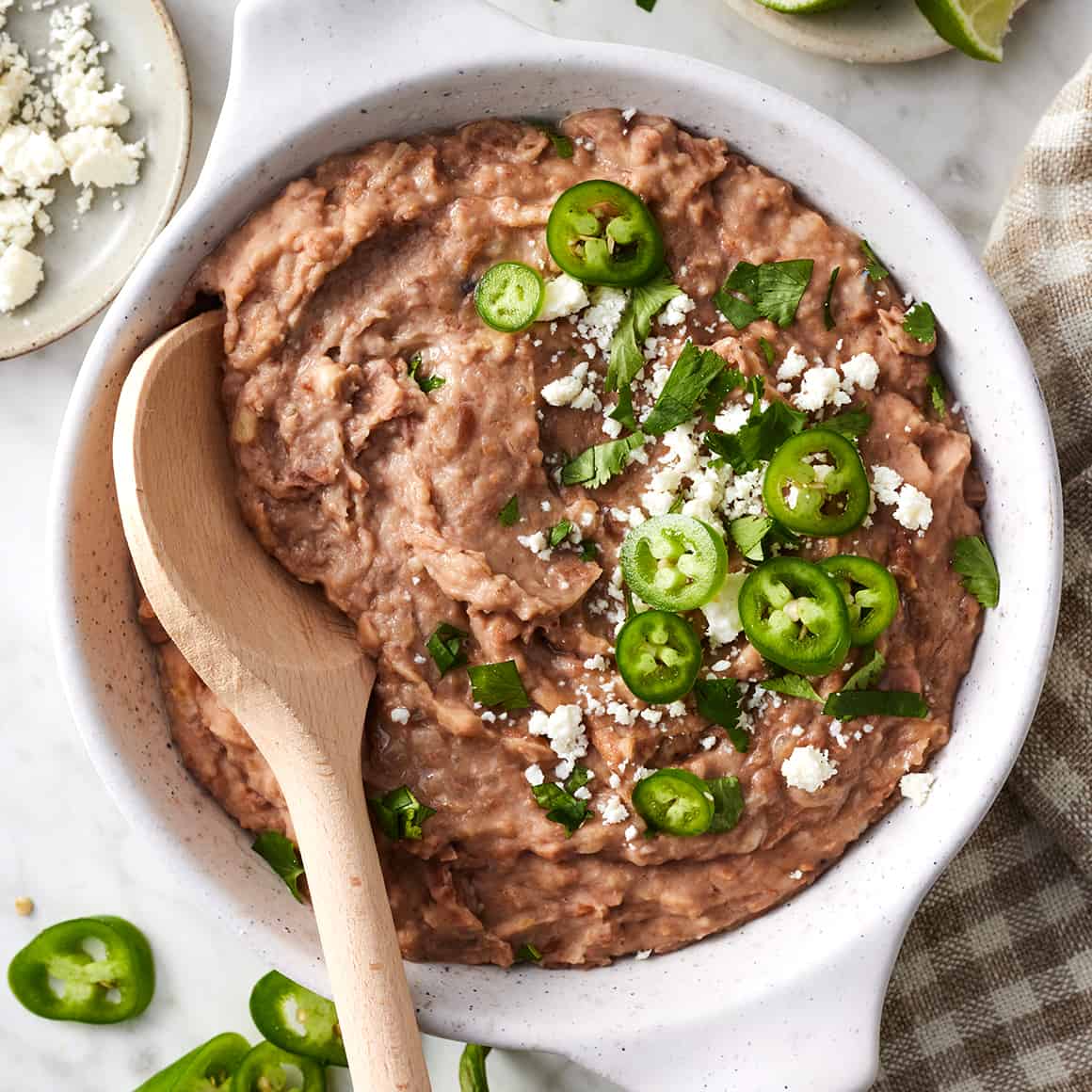
Refried beans are a versatile staple that can elevate a variety of dishes, adding depth and richness to meals. Their creamy texture and hearty flavor make them an ideal ingredient for creative culinary endeavors. Exploring unique ways to serve and enjoy refried beans opens up a world of delicious possibilities, adding excitement to traditional recipes while also helping to reduce food waste.
Refried beans can be incorporated into both appetizers and main courses, enhancing the overall flavor profile. With a little creativity, they can be adapted to fit a wide range of cuisines, making them a truly adaptable ingredient. Here are some unique recipes and serving suggestions that highlight refried beans in innovative ways.
Unique recipes utilizing refried beans
Incorporating refried beans into recipes can lead to delightful surprises. Here are some unique ideas to enjoy this classic ingredient:
- Refried Bean Quesadillas: Spread refried beans on a tortilla, layer with cheese and veggies, fold and grill until crispy.
- Refried Bean Dip: Mix refried beans with sour cream, salsa, and cheese for a creamy, flavorful dip served with tortilla chips.
- Refried Bean Stuffed Peppers: Fill halved bell peppers with a mixture of refried beans, rice, and spices, then bake until tender.
- Refried Bean Enchiladas: Roll refried beans with cheese in tortillas, cover with enchilada sauce, and bake until bubbling.
- Refried Bean Burger: Create a veggie burger with mashed refried beans, breadcrumbs, and spices, then grill to perfection.
Serving suggestions with side dishes
Refried beans can serve as a flavorful base or side dish, pairing well with various accompaniments. Below is a table of serving suggestions, highlighting complementary side dishes.
| Serving Suggestion | Accompanying Side Dish |
|---|---|
| Refried Beans with Tacos | Mexican Street Corn |
| Refried Beans on Rice | Guacamole and Salsa |
| Refried Bean Burrito | Side Salad with Lime Vinaigrette |
| Nachos with Refried Beans | Pico de Gallo |
| Refried Beans in a Taco Salad | Chips and Cheese |
Enhancing appetizers and main courses with refried beans
Refried beans can be a delicious addition to appetizers and main courses, enhancing flavors and providing a creamy texture. They can be used to create rich layers in various dishes, making them more satisfying.
For appetizers, refried beans can be spread on bruschetta, topped with avocado and diced tomatoes. They can also be used as a filling for spring rolls, providing a unique twist on traditional recipes. In main courses, adding refried beans to casseroles or layered dishes like lasagna can create a heartier meal.
Incorporating refried beans into diverse recipes not only enhances flavor but also adds nutritional value, making meals more satisfying.
The rich, savory taste of refried beans can serve as a cornerstone for many dishes, transforming them into something special.
Closing Summary
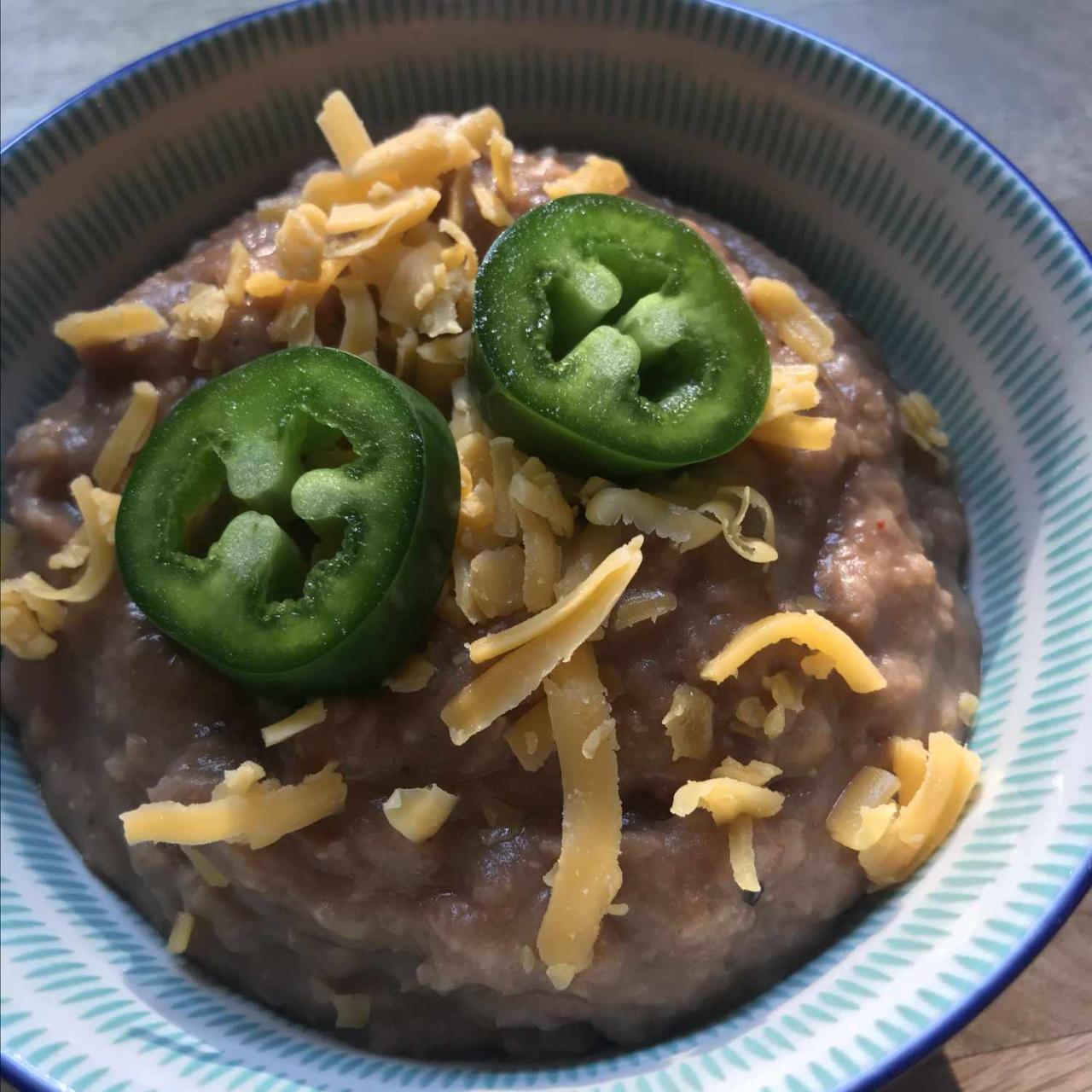
In summary, refried beans are much more than a side dish; they are a rich tapestry of culture, health benefits, and culinary creativity. Whether enjoyed in traditional Mexican meals or incorporated into innovative recipes, their versatility ensures they remain a cherished component in the diets of many. As we explore the intricacies of preparing them at home versus buying them pre-made, the enduring popularity of refried beans is sure to inspire both seasoned cooks and newcomers alike to appreciate this remarkable ingredient.
Quick FAQs
What are refried beans made from?
Refried beans are primarily made from cooked and mashed beans, typically pinto or black beans, seasoned with spices and sometimes fat like lard or oil.
Can refried beans be frozen?
Yes, refried beans can be frozen for up to six months. Just ensure they are stored in an airtight container or freezer bag for best results.
Are refried beans gluten-free?
Yes, refried beans are inherently gluten-free, making them a safe choice for those with gluten sensitivities.
How can I make refried beans spicier?
You can make refried beans spicier by adding jalapeños, chili powder, or hot sauce during the cooking process to suit your taste.
What dishes can I serve with refried beans?
Refried beans can be served with tacos, burritos, enchiladas, or as a side to grilled meats, and they also make a great dip for tortilla chips.