
 Rogert
Salsa roja is not just a condiment; it’s a vibrant celebration of flavor that embodies the rich culinary traditions of Latin America. This versatile sauce, made from fresh tomatoes, chilies, and various spices, has woven itself into the very fabric of countless dishes, delivering a delicious kick that can transform any meal.
From its historical roots to its modern adaptations, salsa roja’s significance extends far beyond its basic recipe. Each region in Latin America boasts its unique twist, showcasing the diverse ingredients and preparation methods that bring this beloved sauce to life.
The rich history and cultural significance of salsa roja in Latin cuisine
Salsa roja, a vibrant and flavorful sauce, serves as a cornerstone of Latin cuisine, enriching dishes and connecting cultures across generations. With roots deeply embedded in the culinary traditions of various Latin American countries, salsa roja exemplifies the fusion of indigenous ingredients and Spanish influences, resulting in a unique condiment that enhances meals and embodies the essence of Latin cooking.
The origins of salsa roja can be traced back to the early civilizations of Mesoamerica, where indigenous peoples utilized tomatoes, chili peppers, and spices to create flavorful accompaniments to their meals. Over time, as Spanish colonizers introduced new ingredients and cooking techniques, salsa roja evolved, incorporating elements such as garlic, onion, and various herbs. This evolution not only signifies the adaptation of flavors but also reflects the cultural intermingling that shapes the diverse culinary landscape of Latin America.
Role in traditional Latin American dishes
Salsa roja plays an essential role in traditional Latin American cuisine, serving as a key component in a variety of dishes. Its rich flavor profile complements many basic staples, enhancing the overall dining experience.
Key aspects of salsa roja’s role include:
- Accompanying proteins: Whether drizzled over grilled meats, served with tacos, or as a dip for empanadas, salsa roja elevates the flavors of various proteins.
- Ingredient in stews: Many Latin American stews, such as pozole or birria, incorporate salsa roja as a base, adding depth and complexity to the dish.
- Enhancing vegetarian options: Salsa roja can also serve as a vibrant topping for vegetarian dishes, such as enchiladas or quesadillas, providing a burst of flavor that appeals to all palates.
Regional variations of salsa roja
Salsa roja is not a one-size-fits-all condiment; its preparation and flavor can vary significantly across different regions and cultures within Latin America. These variations are often influenced by local ingredients, cooking traditions, and cultural preferences.
Several notable regional variations include:
- Mexican salsa roja: Typically made with tomatoes, tomatillos, and various chili peppers, this version is known for its fresh and vibrant taste, often accompanied by lime juice and cilantro.
- Argentinian salsa criolla: A type of salsa roja that features diced onions, peppers, and vinegar, this condiment is frequently used with grilled meats, reflecting the country’s barbecue culture.
- Chilean pebre: This salsa roja variant includes tomatoes, cilantro, and garlic, providing a fresh and zesty accompaniment to bread or grilled dishes, showcasing the importance of fresh herbs in Chilean cooking.
“Salsa roja is more than just a condiment; it is a cultural expression that reflects the heart and soul of Latin cuisine.”
The essential ingredients that make up a traditional salsa roja recipe
Salsa roja is a vibrant and flavorful staple in Mexican cuisine, often used as a condiment or dip. To capture the authentic taste of this classic sauce, it is vital to select the right combination of fresh ingredients. Each element contributes not only to the overall flavor but also to the texture and aromatic qualities of the salsa.
The primary ingredients required for an authentic salsa roja include tomatoes, chili peppers, garlic, onion, cilantro, lime juice, and salt. Each of these ingredients plays a crucial role in creating the distinctive flavor profiles that make salsa roja irresistible.
Primary ingredients and their flavor profiles
Understanding the role of each ingredient can enhance the preparation of salsa roja. Below is a breakdown of the essential components and their contributions:
- Tomatoes: The foundation of salsa roja, tomatoes provide sweetness and acidity. Ripe, fresh tomatoes offer a juicy texture and a bright red color that enhances the visual appeal of the salsa.
- Chili Peppers: Depending on the variety used, chili peppers add varying levels of heat and flavor complexity. Common choices include jalapeños for a moderate kick or serranos for a more intense spice.
- Garlic: Garlic contributes a pungent, savory flavor that balances the sweetness of the tomatoes. Fresh garlic is recommended for a robust and aromatic experience.
- Onion: Onions provide a sweet and slightly tangy taste, adding depth to the salsa. White or red onions can be used, with red onions offering a milder flavor.
- Cilantro: This herb adds a fresh, citrusy note that complements the other ingredients. It is crucial to use fresh cilantro for the best flavor.
- Lime Juice: Lime juice introduces acidity and brightness, enhancing the overall taste and helping to preserve the freshness of the other ingredients.
- Salt: Salt is essential for enhancing flavors. It helps to unify the dish and bring out the natural tastes of the other ingredients.
Freshness in the selection of ingredients cannot be overstated. Utilizing fresh produce ensures that the salsa has a vibrant flavor and appealing texture. Ingredients that are overripe or wilted may compromise the overall taste, leading to a dull and uninteresting salsa. For the best results, sourcing ripe tomatoes and fresh herbs from local markets or home gardens can significantly elevate the quality of the salsa roja.
Different preparation methods for salsa roja and their unique outcomes
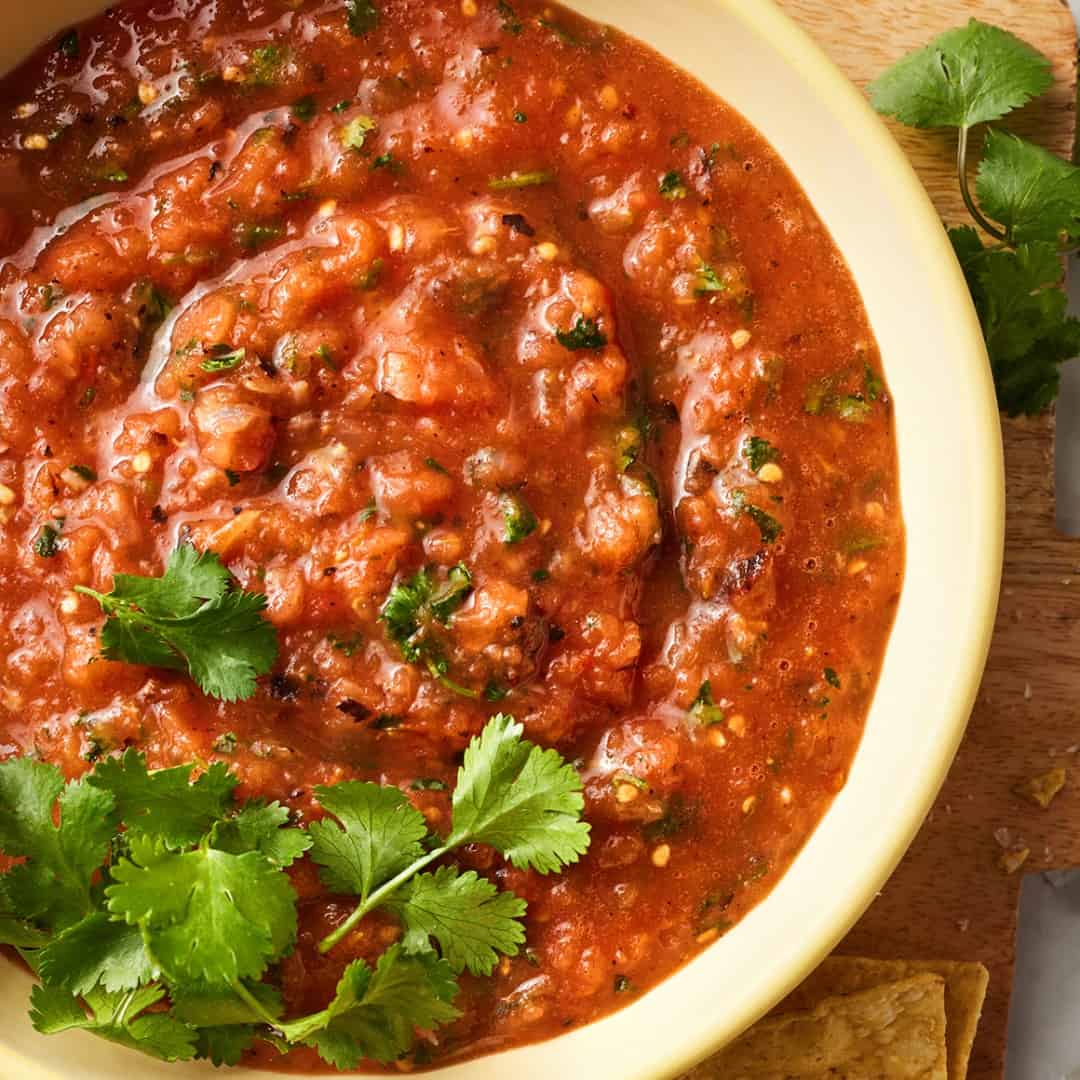
Salsa roja is a versatile and beloved condiment in many Latin cuisines, with its roots deeply embedded in Mexican tradition. The preparation of salsa roja can vary greatly, offering a range of flavors and textures that can complement different dishes. Understanding the impacts of various preparation methods allows for a more tailored and enjoyable salsa experience, whether it’s used as a dip, a topping, or a cooking ingredient.
Different techniques utilized in preparing salsa roja include blending, roasting, and grinding, each contributing unique flavor profiles and textures to the final product.
Blending
Blending is one of the most common methods used to prepare salsa roja, resulting in a smooth and consistent texture. When fresh ingredients are combined in a blender, the flavors meld together seamlessly, creating a vibrant salsa that retains the raw freshness of the vegetables.
The flavor profile of blended salsa roja often emphasizes the brightness of the tomatoes and the heat from the chilies, making it a perfect choice for those who prefer a more straightforward, zesty taste. For optimal consistency, it’s crucial to add ingredients like water or lime juice gradually, as this allows for better control over the thickness of the salsa.
Roasting
Roasting ingredients is another popular method that imparts a smoky depth and richness to salsa roja. By charring tomatoes, onions, and chilies on a grill or in an oven, the natural sugars caramelize, enhancing the flavors and adding a subtle smokiness that can elevate the overall taste of the salsa.
This preparation method also helps to mellow the rawness of the onions and garlic, resulting in a more complex flavor profile that is both savory and slightly sweet. Roasting can be particularly beneficial for those who enjoy a bolder, heartier salsa. To achieve the perfect balance, it’s recommended to allow the ingredients to cool slightly before blending, ensuring that the salsa doesn’t become too watery.
Grinding
Grinding, often done with a molcajete (a traditional stone mortar and pestle), allows for a rustic texture that many enthusiasts appreciate. This method releases essential oils and flavors from the ingredients, resulting in a more intense taste compared to blending.
Salsa roja prepared by grinding typically has a chunkier consistency, which can add an interesting mouthfeel and enhance the overall sensory experience of the dish. The flavors tend to be more concentrated, making it a fantastic option for those who favor bold, earthy undertones. To perfect this method, it’s advisable to grind the ingredients in stages, starting with the harder items like garlic and salt, followed by tomatoes and chilies to ensure a well-mixed and flavorful salsa.
Achieving the perfect salsa roja is all about balance: the right combination of heat, acidity, and texture will create a condiment that elevates any dish.
The role of salsa roja in enhancing dishes beyond traditional uses
Salsa roja, a vibrant and flavorful sauce typically made from tomatoes, chili peppers, onions, and various spices, is often associated with traditional Mexican cuisine. However, its versatility extends far beyond the classic pairing with tacos and enchiladas. This section explores innovative ways to incorporate salsa roja into diverse dishes, showcasing its ability to elevate flavors and enhance culinary experiences.
Salsa roja can transform everyday meals into exciting flavor adventures. Its robust flavor profile complements a wide range of ingredients, making it an excellent addition to various cuisines. Here are some creative ways to incorporate salsa roja into non-traditional recipes, demonstrating its adaptability and enhancing overall flavor:
Creative Uses of Salsa Roja
Salsa roja can seamlessly integrate into numerous dishes across different culinary styles, adding a zesty kick. Consider these examples where salsa roja can play a starring role:
- Grilled Meats: Marinating chicken, pork, or beef in salsa roja before grilling infuses the meat with tangy and spicy flavors, resulting in a delicious and aromatic dish.
- Soups and Stews: Adding a few spoonfuls of salsa roja to a pot of soup or stew can enhance its depth and complexity, providing a flavorful base that excites the palate.
- Breakfast Dishes: Incorporate salsa roja into scrambled eggs or an omelet for a spicy breakfast twist. It can also elevate the flavor of breakfast burritos or huevos rancheros.
- Pasta Dishes: Use salsa roja as a pasta sauce base, mixing it with olive oil and garlic to create a unique and flavorful sauce. This can be particularly delightful with shrimp or chicken.
- Pizza Topping: Replace traditional pizza sauce with salsa roja for an added kick, pairing beautifully with cheese, vegetables, and meats.
- Marinades and Dips: Combine salsa roja with yogurt or sour cream to create a zesty dip for fresh vegetables or chips, or use it as a marinade for grilled fish.
Incorporating salsa roja into these dishes not only brings vibrant flavors but also allows for a fusion of culinary traditions. The heat from the chilies and the freshness from the tomatoes can invigorate familiar recipes, making everyday meals feel extraordinary.
Another way salsa roja elevates everyday flavors is through its ability to complement various textures. The chunky consistency of salsa roja adds an exciting contrast to smooth or creamy dishes, enhancing the overall dining experience. By experimenting with this versatile sauce, home cooks and chefs alike can discover new flavor combinations, enriching their culinary repertoire.
Pairing salsa roja with drinks for an elevated dining experience
Salsa roja, with its vibrant flavors and rich texture, is a staple in many culinary traditions, especially in Mexican cuisine. To enhance the experience of enjoying salsa roja, pairing it with the right beverages can elevate the dining occasion. The right drink not only complements the salsa’s heat and zest but also accentuates its flavors, creating a harmonious taste experience.
When considering beverages to pair with salsa roja, it’s essential to think about how different flavor profiles interact with the salsa’s ingredients, such as tomatoes, chili peppers, and spices. The aim is to balance the salsa’s acidity and spiciness with drinks that either contrast or complement these elements. Here are some beverage options that can enhance your enjoyment of salsa roja:
Complementary Beverage Options
Exploring various drink options can lead to delightful combinations that heighten the flavor of salsa roja. Below are suggested beverages along with explanations of their compatibility:
- Mexican Beers: Light, crisp beers like Corona or Pacifico provide a refreshing contrast to the spiciness of salsa roja. Their mild flavor lets the salsa shine while the carbonation cleanses the palate.
- Margaritas: A classic margarita, whether on the rocks or blended, brings a tart and slightly sweet balance to the salsa’s heat. Lime juice enhances the freshness of the tomatoes while tequila adds depth.
- Paloma: This refreshing cocktail made with tequila and grapefruit soda offers a fruity profile that pairs well with the spicy notes of salsa roja. The sweetness from the soda can temper the heat and enhance the overall experience.
- Red Wine: Light-bodied red wines, such as a Pinot Noir, can complement the flavors in salsa roja. The wine’s berry notes harmonize with the tomato base while its acidity balances the spiciness.
- Sangria: A fruity sangria, especially one infused with citrus and berries, can enhance the salsa’s flavors, providing a refreshing contrast that invigorates the taste buds.
Each of these beverages brings unique characteristics that can enhance your dining experience with salsa roja. The interplay of flavors between the salsa and the drink can create a memorable meal, making it an enjoyable occasion for any gathering.
“The right drink not only complements the salsa’s heat and zest but also accentuates its flavors, creating a harmonious taste experience.”
Health benefits associated with the ingredients found in salsa roja
Salsa roja is not only a flavorful addition to many dishes, but it also packs a nutritional punch thanks to its various ingredients. Typically made from tomatoes, chili peppers, onions, garlic, and cilantro, each component contributes unique health benefits, making salsa roja a great choice for those looking to enhance their diet while enjoying bold flavors. Understanding the health implications of these ingredients can help you appreciate salsa roja beyond its taste.
The primary ingredient in salsa roja, tomatoes, is rich in vitamins C and K, potassium, and folate. They are also a major source of antioxidants, particularly lycopene, which is linked to numerous health benefits including reduced risk of heart disease and certain cancers. Chili peppers, on the other hand, contain capsaicin, known for its anti-inflammatory properties and ability to boost metabolism. Onions and garlic are both rich in compounds that may lower cholesterol levels and support heart health, while cilantro adds a fresh flavor and boasts antioxidant properties. Together, these ingredients create a nutritious blend that can support overall health.
Nutritional values of common ingredients in salsa roja
Understanding the nutritional profile of salsa roja’s ingredients is essential for recognizing its benefits. The following table summarizes the key nutritional values found in the main components of salsa roja per 100 grams:
| Ingredient | Calories | Carbohydrates (g) | Fiber (g) | Vitamins & Minerals |
|---|---|---|---|---|
| Tomatoes | 18 | 3.9 | 1.2 | Vitamin C, Vitamin K, Potassium |
| Chili Peppers | 40 | 9.5 | 1.5 | Vitamin C, Vitamin A, Capsaicin |
| Onions | 40 | 9.3 | 1.7 | Vitamin C, Folate, Manganese |
| Garlic | 149 | 33.1 | 2.1 | Vitamin C, Vitamin B6, Manganese |
| Cilantro | 23 | 3.7 | 2.8 | Vitamin K, Vitamin C, Potassium |
Incorporating salsa roja into a balanced diet can lead to significant health improvements. Its low calorie count makes it an excellent condiment for those looking to manage their weight while still enjoying flavorful meals. The variety of vitamins and minerals found in salsa roja can support immune function, improve digestion, and enhance heart health. Moreover, the antioxidants present in these ingredients fight against oxidative stress, promoting long-term wellness.
“Adding salsa roja to your meals not only enhances taste but also contributes to a healthier lifestyle.”
Salsa roja’s global influence and its adaptation in international cuisines
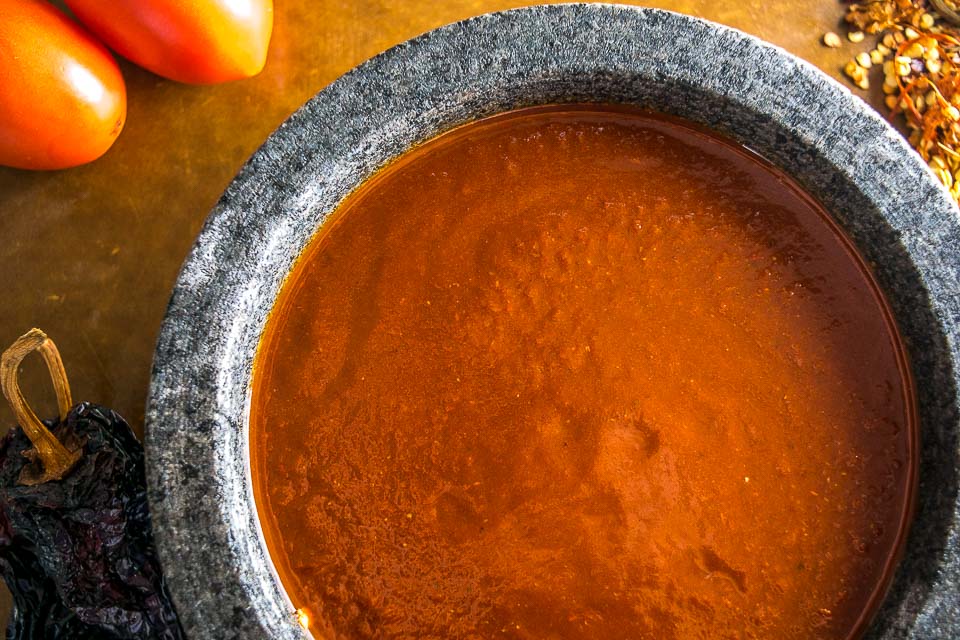
Salsa roja, a vibrant and flavorful sauce hailing from Mexico, has transcended its traditional roots to become a favorite across the globe. Its versatile nature and dynamic flavor profile have allowed it to be embraced and adapted by various cuisines, showcasing its global appeal and adaptability.
Salsa roja has seen a remarkable integration into diverse culinary traditions, enhancing dishes with its rich taste and aromatic qualities. The fusion of flavors that occurs when salsa roja is combined with other ingredients has birthed innovative dishes around the world. This adaptation not only emphasizes the sauce’s versatility but also highlights the joy of culinary exploration and creativity.
International Dishes Inspired by Salsa Roja
Many international cuisines have found inspiration in salsa roja, incorporating its bold flavors into their own traditional recipes. The following are notable examples of how this sauce has influenced dishes beyond Latin America:
- Pizza: In Italy, some pizza makers have begun to use salsa roja as a base sauce, combining it with mozzarella and fresh toppings for a unique twist on classic pizza.
- Tacos al Pastor: Originally from Mexico, this dish has found fans in the United States and Canada, often incorporating local ingredients alongside salsa roja to create regional variations.
- Grilled Vegetables: In Mediterranean cuisine, grilled vegetables may be drizzled with salsa roja to add a spicy and tangy element, enhancing their natural flavors.
- Asian Stir-Fries: Some chefs fuse salsa roja with soy sauce and sesame oil, resulting in a vibrant stir-fry sauce that offers a delightful kick to traditional Asian dishes.
The integration of salsa roja into these dishes not only enhances flavor but also creates a culinary bridge between cultures, allowing for a unique dining experience that celebrates diversity.
“Salsa roja’s adaptability showcases the beauty of culinary fusion, bringing together flavors from different parts of the world.”
As a result of these adaptations, salsa roja has become a staple in many kitchens worldwide, proving that good food knows no borders. The harmonious blend of spices and ingredients in salsa roja continues to inspire chefs and home cooks alike, leading to new and exciting culinary creations that pay homage to its origins while embracing innovation.
The art of presentation
The way salsa roja is presented can significantly enhance its appeal and elevate any gathering. A beautiful presentation not only entices the eyes but can also enhance the dining experience, making guests more eager to indulge. By employing a few artistic techniques, you can transform a simple bowl of salsa into a stunning centerpiece that complements your culinary offerings.
Creating an attractive presentation for salsa roja involves a keen eye for color and texture. The vibrant reds and greens of the ingredients create a visual feast, while the contrasting textures provide depth and interest. To achieve the maximum visual impact, consider the following techniques for garnishing and presenting salsa roja attractively.
Garnishing techniques for salsa roja
Enhancing salsa roja with thoughtful garnishes can make a significant difference in its presentation. Here are some effective methods to consider:
- Chopped Fresh Cilantro: Sprinkle fresh cilantro over the top for a pop of green that complements the red hues.
- Avocado Slices: Arrange thin slices of avocado around the salsa or on top, adding a creamy texture that contrasts beautifully with the salsa’s consistency.
- Crumbled Queso Fresco: Adding crumbled cheese not only introduces a new flavor but also provides a visual contrast with its white color against the vibrant salsa.
- Lime Wedges: Place lime wedges on the serving platter to encourage guests to add a fresh squeeze of citrus, enhancing the salsa’s taste and presentation.
The importance of color and texture in the presentation of salsa roja cannot be overstated. Bright reds from tomatoes and chilies are visually stimulating, while pieces of onion and cilantro add layers of green and white. This combination creates an inviting and appetizing display.
Creating an eye-catching salsa roja platter
When entertaining, setting up a salsa roja platter can be a delightful way to engage guests. An aesthetically pleasing arrangement encourages interaction and elevates the dining experience. Here are some tips to create a captivating platter:
- Color Coordination: Use contrasting colors to make the salsa stand out. Arrange it in a white or dark dish to emphasize the vibrant reds of the salsa.
- Accompanying Dishes: Include a variety of dipping options such as tortilla chips, vegetable sticks, or even toasted bread. This adds texture and variety to the platter.
- Layering Textures: Incorporate a mix of smooth and crunchy elements. The salsa’s smooth consistency should be complemented by crispy tortilla chips or fresh veggies for dipping.
- Creative Shapes: Use cookie cutters or molds to shape items on the platter, like cheese or avocado, to add an artistic flair.
“An eye-catching presentation not only pleases the eye but also sets the tone for a memorable dining experience.”
By using these techniques and understanding the significance of color and texture, you can create a stunning display of salsa roja that captivates your guests and enhances the overall experience.
Last Point
In summary, salsa roja serves as a testament to the diversity and depth of Latin cuisine. Whether enjoyed in traditional dishes or as a bold twist in modern recipes, this sauce continues to inspire chefs and home cooks alike. Embrace the flavors and creativity of salsa roja, and let it elevate your culinary experiences to new heights.
FAQ Resource
What is the primary difference between salsa roja and salsa verde?
The main difference lies in the ingredients; salsa roja is primarily made with red tomatoes and red chilies, while salsa verde is made with tomatillos and green chilies.
Can salsa roja be made in advance and stored?
Yes, salsa roja can be prepared ahead of time and stored in the refrigerator for up to a week. Just make sure to keep it in an airtight container.
What are some common dishes that pair well with salsa roja?
Salsa roja pairs excellently with tacos, grilled meats, eggs, and even as a topping for nachos or burgers.
Is salsa roja typically spicy?
The spiciness of salsa roja depends on the type and amount of chilies used, so it can range from mild to hot based on personal preference.
Can I use canned tomatoes to make salsa roja?
Yes, canned tomatoes can be used, especially when fresh tomatoes are out of season. Just choose high-quality canned tomatoes for the best flavor.