
 Rogert
Salsa verde, a vibrant green sauce that bursts with flavor, has a rich history that intertwines with various cultures, particularly in Mexico. This tangy condiment, made from tomatillos, cilantro, and lime juice, not only enhances the taste of countless dishes but also reflects the evolution of culinary practices over the years. As we delve into its origins and cultural significance, we discover how traditional recipes have adapted to modern tastes while retaining their essence, making salsa verde a beloved staple for food lovers everywhere.
From its humble beginnings rooted in indigenous cooking to its current status as a trendy accompaniment in global cuisine, salsa verde invites exploration. This article will uncover the traditional ingredients and preparation methods that have shaped its identity, while also highlighting the health benefits of its key components. Get ready to explore the delightful variations and pairings that make salsa verde an essential addition to any meal.
The Historical Roots of Salsa Verde
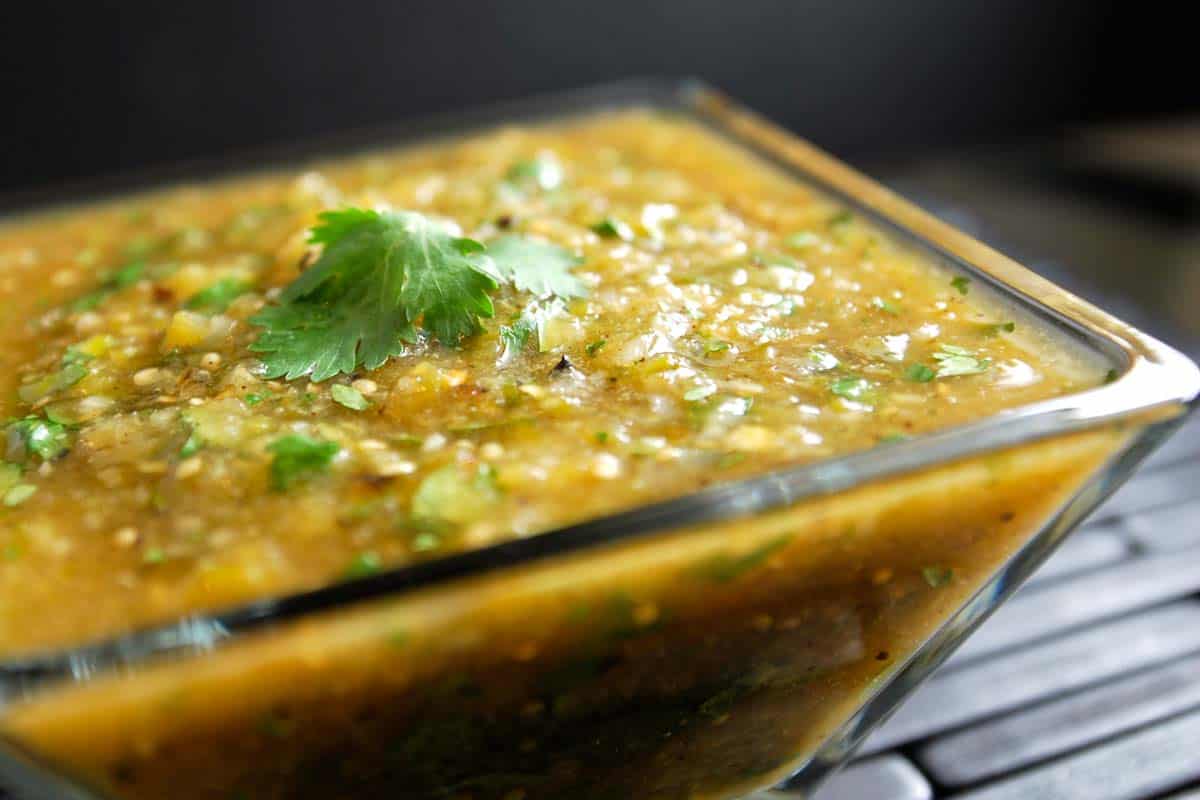
Salsa verde, meaning “green sauce” in Spanish, has a rich history that intertwines with the culinary traditions of various cultures, primarily in Mexico and parts of Latin America. Its origins can be traced back to the Pre-Columbian era, where indigenous people utilized local herbs, vegetables, and spices to create flavor-enhancing condiments. Over the centuries, salsa verde has evolved, adapting to the tastes and agricultural practices of different regions, and becoming a staple in modern kitchens worldwide.
Traditional recipes for salsa verde typically included a mix of tomatillos, green chilies, fresh cilantro, onions, and lime juice. Tomatillos, a key ingredient, are small green fruits resembling tomatoes but encased in a husk. They provide a tartness that balances the heat from green chilies, while cilantro adds a refreshing herbal note. The onions contribute a savory depth, and the lime juice brightens the overall flavor profile. These ingredients not only reflect the bounty of local agriculture but also signify a cultural connection to the land. For instance, tomatillos were a vital crop for the Aztecs and are still a staple in Mexican cuisine today.
Evolution of Preparation Methods
The preparation of salsa verde has significantly changed from its early roots to contemporary methods. Traditionally, ingredients were often ground using a stone mortar and pestle, known as a molcajete, which helped release essential oils and flavors, creating a textured sauce with depth. This labor-intensive process not only brought out the vibrancy of each component but also fostered a communal approach to cooking, where family members gathered to prepare meals together.
In contrast, modern adaptations have embraced convenience. With the advent of blenders and food processors, making salsa verde has become quicker and easier, allowing for a smoother, more uniform texture. While some purists argue that these modern techniques sacrifice flavor complexity, many home cooks appreciate the efficiency and ease of preparation. Additionally, the ingredients have diversified, with variations including avocado for creaminess or different types of peppers to suit varying heat preferences.
Despite these changes, the essence of salsa verde remains unchanged: it is a celebration of fresh ingredients and vibrant flavors that continue to evolve while staying true to its historical roots. Modern-day salsa verde captures the spirit of its ancestry while inviting new interpretations, making it a beloved condiment across kitchens around the globe.
The Chemical Composition of Salsa Verde Ingredients
Salsa verde, a vibrant green sauce originating from Mexican cuisine, boasts a rich assortment of ingredients that not only contribute to its unique flavor but also pack a punch in terms of nutritional value. The primary components of salsa verde include tomatillos, cilantro, lime juice, and peppers. Each ingredient plays a critical role in both the taste profile and health benefits of this sauce.
Tomatillos, the star ingredient, are small green fruits encased in a husk. They are rich in vitamins C and K, potassium, and dietary fiber. Specifically, a 100-gram serving of tomatillos contains about 74 mg of vitamin C, which is essential for immune function and skin health. Vitamin K, crucial for blood clotting, is present at approximately 4.5 mcg per serving. Additionally, tomatillos provide antioxidants like flavonoids and carotenoids that help combat oxidative stress and inflammation.
Cilantro, another key ingredient, is packed with vitamins A, C, and K. Its presence not only enhances the flavor of salsa verde but also offers health benefits such as aiding digestion and reducing inflammation. A notable feature of cilantro is its high antioxidant content, particularly in compounds like quercetin and rosmarinic acid, which can help fight free radicals in the body.
Lime juice, integral for its acidity, not only adds a zesty flavor but also serves to brighten the overall taste of salsa verde. The acidity of lime juice helps balance the flavors of the other ingredients, making them more pronounced. It also plays a role in enhancing the absorption of certain nutrients, such as iron, making it particularly beneficial when consumed alongside iron-rich foods.
Peppers, whether jalapeños or serranos, add spice and a range of vitamins, including vitamin A and various B vitamins. They also contain capsaicin, which is known for its metabolism-boosting properties and potential pain relief effects.
Nutritional Breakdown of Key Ingredients
Understanding the nutritional composition of the ingredients in salsa verde highlights their contributions to health and well-being. Here’s a detailed breakdown of the vitamins and minerals found in the primary ingredients:
| Ingredient | Vitamins | Minerals | Health Benefits |
|---|---|---|---|
| Tomatillos | Vitamin C (74 mg), Vitamin K (4.5 mcg) | Potassium (123 mg) | Boosts immune function, aids in blood clotting. |
| Cilantro | Vitamin A (674 IU), Vitamin C (27 mg), Vitamin K (310 mcg) | Calcium (36 mg), Potassium (521 mg) | Supports digestion, reduces inflammation, rich in antioxidants. |
| Lime Juice | Vitamin C (29 mg) | Calcium (33 mg), Potassium (102 mg) | Enhances flavor, helps in nutrient absorption. |
| Peppers | Vitamin A (371 IU), Vitamin C (80 mg) | Potassium (322 mg) | Boosts metabolism, potential pain relief. |
The combination of these ingredients not only creates a delicious salsa verde but also makes it a nutritious addition to meals. The flavor complexity achieved through the blend of acidity from lime juice and the freshness of cilantro and tomatillos is a testament to the careful balance of flavors that defines this traditional sauce.
Regional Variations of Salsa Verde
Salsa verde, a vibrant green sauce traditionally made from tomatillos and green chilies, showcases the rich culinary diversity of Mexico. Each region has its own unique twist on this classic, influenced by local ingredients, flavors, and cultural traditions. From the bustling streets of Mexico City to the coastal areas of Veracruz, salsa verde takes on various forms, each telling a story that reflects its origin.
The differences in regional salsa verde are often defined by the local produce available and the culinary preferences of the people. In some areas, the sauce may lean towards a spicier flavor profile due to the use of hotter chiles, while others might emphasize a fresher, more herbaceous taste. The choice of ingredients not only affects the flavor but also carries cultural significance, connecting people to their heritage and local produce.
Distinct Ingredients in Regional Salsa Verde
The heart of salsa verde lies in its ingredients, which vary widely across Mexico. Below are some notable regional variations that define the essence of this beloved sauce:
- Mexico City: In the capital, salsa verde is typically made with a combination of roasted tomatillos, serrano peppers, and fresh cilantro. The roasting process adds a smoky depth to the flavor, making it a perfect companion for street tacos.
- Veracruz: This coastal region incorporates unique ingredients like garlic and lime, which add brightness to the sauce. The local preference for fresh seafood often sees salsa verde used as a zesty marinade or dressing for fish dishes.
- Oaxaca: Known for its indigenous ingredients, Oaxacan salsa verde often includes hoja santa, an aromatic herb that imparts a distinct flavor. This variation highlights the region’s commitment to traditional ingredients and culinary heritage.
- Yucatán: Here, the salsa verde can take on a sweeter note with the addition of tropical fruits like mango or pineapple. The interplay of sweet and spicy reflects the diverse influences of Caribbean flavors in Yucatecan cuisine.
- Guadalajara: This region often features a thicker salsa, achieved by blending tomatillos with roasted jalapeños or pasilla peppers. The resulting sauce is rich and savory, making it an ideal pairing for meat dishes.
The texture and flavor profiles of salsa verde can vary greatly due to these regional ingredients and preparation methods. For instance, the salsa from Veracruz might be smoother and more citrusy, making it refreshing, while Guadalajara’s version is thicker and more robust, providing a hearty complement to grilled meats. Often, the use of fresh herbs like cilantro, epazote, or even mint can add an unexpected twist, further enhancing the sauce’s complexity.
“Salsa verde is not just a condiment; it is a celebration of regional ingredients and culinary traditions.”
Overall, regional variations of salsa verde tell a story of the land and its people. Each distinct recipe reflects the local culture, showcasing how traditional dishes evolve while maintaining their core identity. Through these variations, salsa verde remains a beloved staple across Mexico and beyond, resonating with flavors that echo the richness of its roots.
Pairing Salsa Verde with Foods

Salsa verde, with its vibrant green hue and zesty flavor profile, is incredibly versatile and can enhance a wide variety of dishes. Its fresh, herbaceous notes, combined with the tartness of tomatillos or green tomatoes, make it an excellent accompaniment to numerous foods. Whether you’re preparing a casual snack or an elaborate main course, salsa verde can elevate your culinary experience. Below are some dishes that pair remarkably well with this sauce, showcasing its flexibility across different cuisines.
Main Courses and Snacks Pairing with Salsa Verde
When incorporating salsa verde into your meals, consider these specific suggestions that highlight its complementary flavors:
- Grilled Chicken Tacos: The smoky flavor of grilled chicken pairs beautifully with the zesty brightness of salsa verde.
- Fish Tacos: Light and flaky fish, such as cod or tilapia, is enhanced by the tangy kick of salsa verde.
- Chilaquiles: Crisp tortilla chips soaked in salsa verde, topped with cheese and avocado, create a satisfying breakfast or snack.
- Roasted Vegetables: Drizzle salsa verde over roasted carrots, zucchini, or bell peppers for a fresh contrast to the caramelized flavors.
- Quesadillas: Add salsa verde to cheese quesadillas for a lively twist that complements the rich, melty cheese.
- Meatballs: Serve meatballs with a generous spoonful of salsa verde for a unique, flavorful appetizer.
The interplay of flavors when using salsa verde is fascinating. The herby notes from cilantro, the acidity from lime juice, and the slight heat from jalapeños all contribute to a complex taste profile that can enhance many different dishes. The tartness of tomatillos and the fresh ingredients in salsa verde help cut through richer flavors, providing balance and freshness. For instance, when paired with fatty meats like pork or beef, salsa verde helps to lighten the palate, making the meal more enjoyable.
Incorporating salsa verde into international cuisines can be an exciting culinary adventure. It can be used in Italian cooking as a vibrant sauce for grilled fish, or tossed with pasta for an herby twist. In Mediterranean dishes, it can serve as a drizzling sauce for grilled lamb or chicken, complementing the savory flavors with its zesty freshness. Furthermore, in Asian cuisines, salsa verde can be served alongside grilled meats or as a dipping sauce for spring rolls, adding a unique blend of flavors that harmonizes with various spices and ingredients. The adaptability of salsa verde across diverse culinary traditions illustrates its potential to not only enhance traditional recipes but also to introduce a refreshing zest that transcends cultural boundaries.
Homemade vs. Store-Bought Salsa Verde
Salsa verde is a vibrant green sauce that can elevate any dish, making it essential in many kitchens. When it comes to deciding between homemade and store-bought salsa verde, each option has its own set of advantages and disadvantages. Understanding these can help you make the best choice for your culinary needs and taste preferences.
Comparison of Options
When weighing the benefits of homemade versus store-bought salsa verde, several factors come into play: flavor, ingredient quality, and cost-effectiveness. Homemade salsa verde allows for customization and fresh ingredients, while store-bought options offer convenience and shelf stability.
- Flavor: Homemade salsa verde typically boasts a fresher, more vibrant flavor profile, as you can control the ripeness of the tomatoes and the heat of the peppers. In contrast, store-bought varieties may contain preservatives that can dull their taste and freshness.
- Ingredient Quality: When making salsa verde at home, you can select high-quality, organic ingredients. This often results in a healthier product compared to commercial brands, which may include additives and lower-quality ingredients to cut costs.
- Cost-Effectiveness: While the initial investment in fresh ingredients for homemade salsa verde can be higher, it often yields larger quantities, making it more cost-effective in the long run. Store-bought salsa, while convenient, tends to be more expensive per serving.
Homemade Salsa Verde Recipe
Creating your own salsa verde from scratch is simple and rewarding. Here’s a classic recipe to get you started:
Ingredients:
- 1 pound tomatillos, husked and rinsed
- 1/2 medium onion, chopped
- 2 cloves garlic, peeled
- 1-2 jalapeño peppers, stemmed (adjust for desired heat)
- 1/2 cup fresh cilantro, chopped
- Juice of 1 lime
- Salt to taste
Instructions:
- Preheat your oven to 425°F (220°C).
- Place the tomatillos, onion, garlic, and jalapeños on a baking sheet. Roast in the oven for about 15-20 minutes, or until the tomatillos are soft and slightly charred.
- Remove from the oven and let cool slightly.
- In a blender or food processor, combine the roasted vegetables, cilantro, lime juice, and salt. Blend until smooth or leave a little chunky for texture.
- Taste and adjust seasoning as needed. Serve immediately or store in the refrigerator for up to a week.
This homemade version captures the essence of fresh ingredients and allows for personalization, ensuring that every batch suits your palate perfectly. By understanding the pros and cons of each option, you can make an informed decision that enhances your culinary experience with this delicious sauce.
The Role of Salsa Verde in Contemporary Cuisine
Salsa verde, a vibrant and flavorful sauce primarily made from tomatillos, herbs, and spices, has experienced a significant resurgence in contemporary cuisine. Its versatility and robust flavor profile have allowed it to transcend its traditional Mexican roots, becoming a staple in a variety of culinary contexts. Chefs and home cooks alike are embracing salsa verde, leveraging its refreshing taste to enhance dishes across the globe.
The influence of contemporary culinary trends, particularly the growing emphasis on health-conscious eating, has played a crucial role in boosting the popularity of salsa verde. As consumers become increasingly aware of their dietary choices, the demand for fresh, wholesome ingredients has surged. Salsa verde aligns perfectly with this shift, as it is typically made from ingredients that are low in calories yet high in flavor and nutrients. The green sauce often contains tomatillos, which are rich in vitamins C and K, and also provide a good source of antioxidants.
Many chefs and home cooks are leveraging the health benefits of salsa verde to make dishes that are both tasty and nutritious. Its bright, tangy flavor can enhance the appeal of a variety of ingredients, from grilled vegetables and lean proteins to grains and legumes. This adaptability makes it an excellent choice for vegetarian and vegan dishes, allowing for a burst of flavor without compromising nutritional value.
Influence of Culinary Trends on Salsa Verde Popularity
Several culinary trends have significantly contributed to the embrace of salsa verde in contemporary kitchens. The focus on fresh, local ingredients has seen salsa verde being made from seasonal herbs and vegetables, which not only enhances the flavor but also supports local agriculture. Additionally, the trend towards international cuisine has introduced salsa verde to a broad audience, inspiring chefs to incorporate it into fusion dishes.
The following points highlight why salsa verde is appealing in modern gastronomy:
- Versatility: The sauce can be drizzled on tacos, used as a marinade, or served alongside proteins, making it suitable for various dishes.
- Flavor Enhancement: Its bright acidity and herbaceous notes elevate the taste of many foods, making them more enticing.
- Health Benefits: Salsa verde is typically low in calories and high in vitamins, making it an attractive option for health-conscious diners.
- Fusion Cuisine: Chefs are experimenting with salsa verde in non-traditional settings, pairing it with global cuisines and modern cooking techniques.
The appeal of salsa verde lies in its ability to adapt and thrive within various culinary landscapes. Its refreshing profile, healthful ingredients, and versatility make it a valuable asset for anyone looking to elevate their cooking while maintaining a focus on nutrition and flavor.
The Future of Salsa Verde
As culinary trends evolve, the beloved salsa verde is poised to undergo exciting transformations. With increasing awareness of dietary health and sustainability, the future of salsa verde will likely reflect these changes—both in preparation and consumption. From innovative ingredients to new flavor profiles, salsa verde could soon become a canvas for diverse culinary expressions.
One significant trend influencing the future of salsa verde is the shift toward plant-based diets. As more individuals adopt vegetarian and vegan lifestyles, salsa verde can be adapted to incorporate a variety of new ingredients. This culinary evolution may include the use of alternative oils, such as avocado or hemp, which can enhance the flavor while adhering to health-conscious eating habits. Additionally, the rise of gluten-free diets is prompting chefs to experiment with modifications that maintain the salsa’s authenticity without compromising taste.
Innovative Ingredients in Salsa Verde
The potential for introducing new and innovative ingredients into salsa verde is vast, making it an exciting area for culinary exploration. This evolution can be influenced by various factors, such as global ingredient availability, cultural blending, and trending health benefits.
Incorporating superfoods into salsa verde is an emerging trend that caters to health-conscious consumers. Ingredients like spirulina, chia seeds, and nutritional yeast can not only boost nutritional value but also introduce unique flavors. The integration of fruit, such as mango or pineapple, could create a sweeter version of salsa verde that pairs well with grilled meats and seafood. Moreover, the use of fermented ingredients, like kimchi or miso, may add depth and complexity while enhancing gut health.
Another exciting possibility lies in the adaptation of traditional salsa verde recipes to resonate with different cultural cuisines. Adding Asian-inspired elements, like ginger or sesame oil, can create a fusion condiment that appeals to a diverse audience. The experimentation with various herbs, such as cilantro variations or even mint, could lead to fresh flavor profiles that keep the classic salsa verde vibrant and relevant.
In summary, the future of salsa verde looks bright and dynamic, driven by changing dietary preferences and a willingness to innovate. As culinary boundaries blur, salsa verde will continue to evolve, reflecting contemporary tastes while honoring its rich heritage.
Final Conclusion
In conclusion, salsa verde is more than just a condiment; it’s a cultural icon that continues to adapt and thrive in contemporary cuisine. As we have explored its historical roots, nutritional benefits, and diverse regional variations, it becomes clear that salsa verde offers a unique flavor experience that captivates chefs and home cooks alike. With its potential for innovative twists and evolving recipes, salsa verde is poised to remain a favorite for generations to come, bringing a taste of tradition to modern dining experiences.
Query Resolution
What is the main ingredient in salsa verde?
The main ingredient in salsa verde is tomatillos, which provide a tangy and slightly tart flavor.
Can salsa verde be made spicy?
Yes, salsa verde can be made spicy by adding jalapeños or other hot peppers to the blend.
Is salsa verde vegan?
Yes, salsa verde is typically vegan, as it is made from plant-based ingredients.
How long does homemade salsa verde last in the fridge?
Homemade salsa verde can last about 5 to 7 days in the refrigerator when stored in an airtight container.
Can I freeze salsa verde?
Yes, salsa verde freezes well; you can store it in freezer-safe containers for up to 3 months.
What dishes can I use salsa verde with?
Salsa verde pairs wonderfully with tacos, grilled meats, enchiladas, and even as a drizzle over roasted vegetables.