 Rogert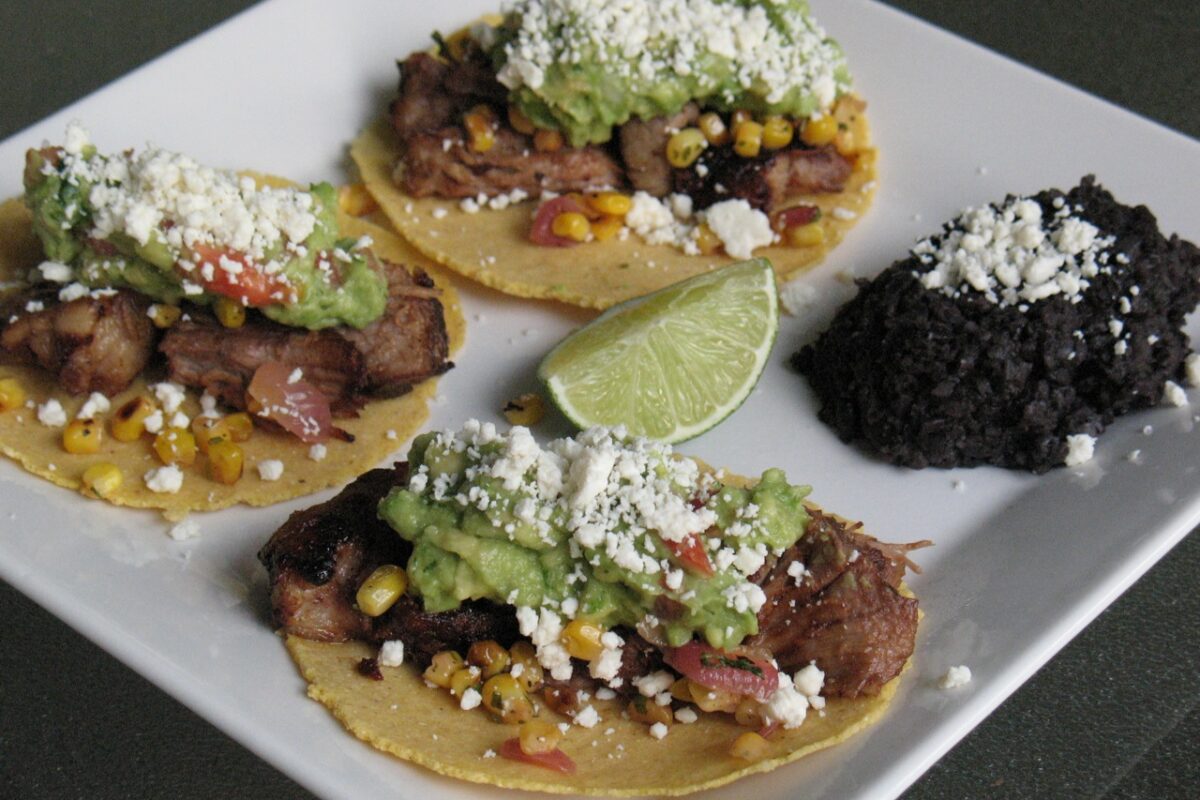
Carnitas tacos, a beloved staple in Mexican cuisine, offer a delightful blend of rich flavors and cultural history that has captivated food lovers for generations. Originating from the heart of Mexico, these tacos are not just a meal; they embody a tradition of family gatherings, festivities, and cherished recipes passed down through the years.
The savory, slow-cooked pork wrapped in a warm tortilla, topped with fresh ingredients, creates a culinary experience that goes beyond taste, inviting you to explore the stories and techniques that make carnitas tacos a true culinary treasure. From their historical roots to modern adaptations, there’s much to discover about these delicious tacos.
The Historical Roots of Carnitas Tacos
Carnitas tacos are a beloved staple in Mexican cuisine, celebrated for their rich flavors and tender meat. Understanding their origins provides a deeper appreciation for this culinary delight. The history of carnitas dates back to the pre-Hispanic era and has evolved through centuries of cultural influences, making it a symbol of Mexican tradition.
The origins of carnitas can be traced to the state of Michoacán, Mexico, where the indigenous Purépecha people first began cooking pork. The term “carnitas” translates to “little meats,” referring to the method of slow-cooking pork in its own fat. Traditionally, this technique allows the meat to absorb flavor while becoming tender and juicy. The preparation of carnitas has transformed over the years, influenced by Spanish colonization and local customs. Various regions adopted and adapted the technique, resulting in distinct styles of carnitas.
Cultural Significance and Regional Variations
Carnitas tacos not only represent a delicious meal but also embody cultural practices and celebrations in Mexico. Different areas have their unique twists on this dish, each reflecting local ingredients and traditions.
Some notable regional variations include:
- Michoacán: The birthplace of carnitas, known for its classic preparation method using a copper pot and a blend of spices like bay leaves and garlic.
- Guadalajara: Here, carnitas are often accompanied by fresh salsas, enhancing the dish’s flavor with local ingredients like tomatillos and chili peppers.
- Mexico City: In the capital, street vendors serve carnitas tacos with a variety of toppings, including pickled onions and cilantro, showcasing its adaptability to urban life.
The celebrations surrounding carnitas tacos are as rich as their flavor. In Michoacán, families often gather during special occasions, such as weddings and festivals, to share homemade carnitas. One popular anecdote tells of a community event where the entire town comes together to prepare carnitas in large quantities, fostering a sense of unity and tradition.
In addition to their communal significance, carnitas tacos are often celebrated in national holidays, symbolizing heritage and reinforcing ties to Mexican culture. The dish has transcended regional boundaries, becoming a favorite not only in Mexico but also among food lovers worldwide, showcasing the universal appeal of its rich, savory taste.
The Essential Ingredients for Making Authentic Carnitas
The heart of any delicious carnitas taco lies in its essential ingredients. These components not only contribute to the overall flavor but also define the authenticity of the dish. Understanding these ingredients will help you appreciate the complexity and depth that authentic carnitas bring to the table.
Carnitas, which translates to “little meats,” primarily uses pork, but the choice of meat can significantly influence the final taste. The traditional cut for carnitas is pork shoulder, known for its ideal balance of fat and meat, leading to succulent results after slow cooking. Other cuts like pork belly or even pork rib can also be used, each offering a unique texture and depth of flavor. The interplay of these meats with the cooking technique—typically braising or slow-roasting—results in a tender, melt-in-your-mouth experience.
Key Ingredients of Authentic Carnitas
The following ingredients are critical in creating authentic carnitas, enhancing its flavor profile and texture.
- Pork Shoulder: This cut is favored for its marbling, which melts during cooking, keeping the meat juicy and tender.
- Pork Lard: Used to render the meat, lard enhances richness and provides an authentic flavor typical of traditional recipes.
- Onions: Adding sweetness and depth, onions are usually cooked alongside the meat, infusing it with flavor.
- Garlic: Essential for flavor, garlic complements the natural taste of pork, giving it a robust profile.
- Citrus (Orange and Lime): The acidity from citrus cuts through the richness of the meat, balancing flavors and adding brightness.
Spices and Seasonings for Flavor Enhancement
The spices and seasonings used in carnitas play a pivotal role in elevating its taste. They create a fragrant aroma and depth of flavor that is characteristic of traditional Mexican cuisine.
Key spices and seasonings include:
- Cumin: This spice adds a warm, earthy tone, making it a staple in carnitas seasoning.
- Oregano (Mexican Oregano preferred): It brings a slight bitterness and complexity that rounds out the flavor.
- Bay Leaves: Used during the cooking process, bay leaves infuse a subtle herbal aroma to the meat.
- Black Pepper: For a touch of heat and seasoning, fresh cracked black pepper is essential.
- Salt: A critical ingredient for enhancing all flavors, salt helps to draw out the natural taste of the meat.
“The secret to unforgettable carnitas lies in the perfect balance of fat, meat, spices, and the slow cooking process.”
When these ingredients come together, they create the rich, savory, and aromatic profile that defines authentic carnitas tacos, making them a beloved choice in Mexican cuisine.
The Cooking Techniques Behind Perfectly Prepared Carnitas
To achieve the most flavorful and tender carnitas, understanding the various cooking techniques is essential. Carnitas, which translates to “little meats,” are traditionally prepared using methods that enhance their rich flavor and buttery texture. The choice of cooking technique can significantly impact the final dish, and mastering these methods is key to a delicious outcome.
Slow Cooking Method
Slow cooking is one of the most traditional and effective methods for preparing carnitas. It allows the meat to break down slowly, ensuring that it becomes incredibly tender and infused with flavor. The low and slow cooking process typically involves simmering the pork in a mixture of spices, citrus juice, and broth. This technique is often done in a slow cooker or Dutch oven, and it requires patience as the meat cooks for several hours.
The significance of temperature and timing cannot be overstated; cooking at a low temperature for an extended period allows for the collagen in the pork to melt, resulting in a melt-in-your-mouth texture.
Frying Techniques
Frying is a popular method for achieving that coveted crispy exterior on carnitas. Once the meat is tender from slow cooking, it can be sautéed in its own fat or a little oil to achieve a delightful crunch. This process is known as “browning” or “carnitas confit.”
The key to successful frying is managing the heat level, ensuring that it is hot enough to crisp the meat without burning it. Frying adds a rich depth of flavor and textural contrast to the soft, succulent meat.
Traditional versus Modern Techniques
Traditional carnitas are often made using a straightforward method of roasting or simmering the pork in lard. Authentic recipes emphasize simplicity, with few ingredients beyond the pork itself, seasonings, and perhaps an orange or lime for acidity.
Modern adaptations may incorporate techniques such as pressure cooking or even sous-vide to expedite the cooking process while still achieving tender results. These methods can be particularly useful for those short on time, allowing for a quicker turnaround without sacrificing flavor or texture.
For example, using a pressure cooker can reduce cooking time to about an hour while still delivering a beautifully tender product. Conversely, sous-vide cooking allows for precise temperature control, ensuring the meat remains juicy and flavorful.
“The essence of perfect carnitas lies in the balance of time, temperature, and technique.”
Ultimately, whether one chooses to stick with traditional methods or explore modern adaptations, the goal remains the same: to create carnitas that are flavor-packed, tender, and irresistible.
Crafting the Ultimate Carnitas Taco
Creating the perfect carnitas taco is an art that blends rich flavors, textures, and vibrant toppings. The beauty of this dish lies not only in the tender, savory carnitas but also in the balance of fresh ingredients that complement them. With a few simple steps, you can assemble a taco that will tantalize your taste buds and impress your guests.
Assembling the perfect carnitas taco involves selecting high-quality ingredients and layering them in a way that maximizes flavor and experience. The most crucial components include the tortilla, the seasoned meat, and a variety of toppings that add freshness and crunch. Here’s a step-by-step guide to help you craft a delicious carnitas taco.
Step-by-Step Guide to Assembling Carnitas Tacos
Begin with the right tortilla, as it forms the foundation of your taco. Corn tortillas are traditional and provide a distinct flavor that pairs beautifully with the rich pork. Flour tortillas are also an option for those who prefer a softer texture. Warm the tortillas in a skillet for a few seconds on each side to enhance their flavor and pliability.
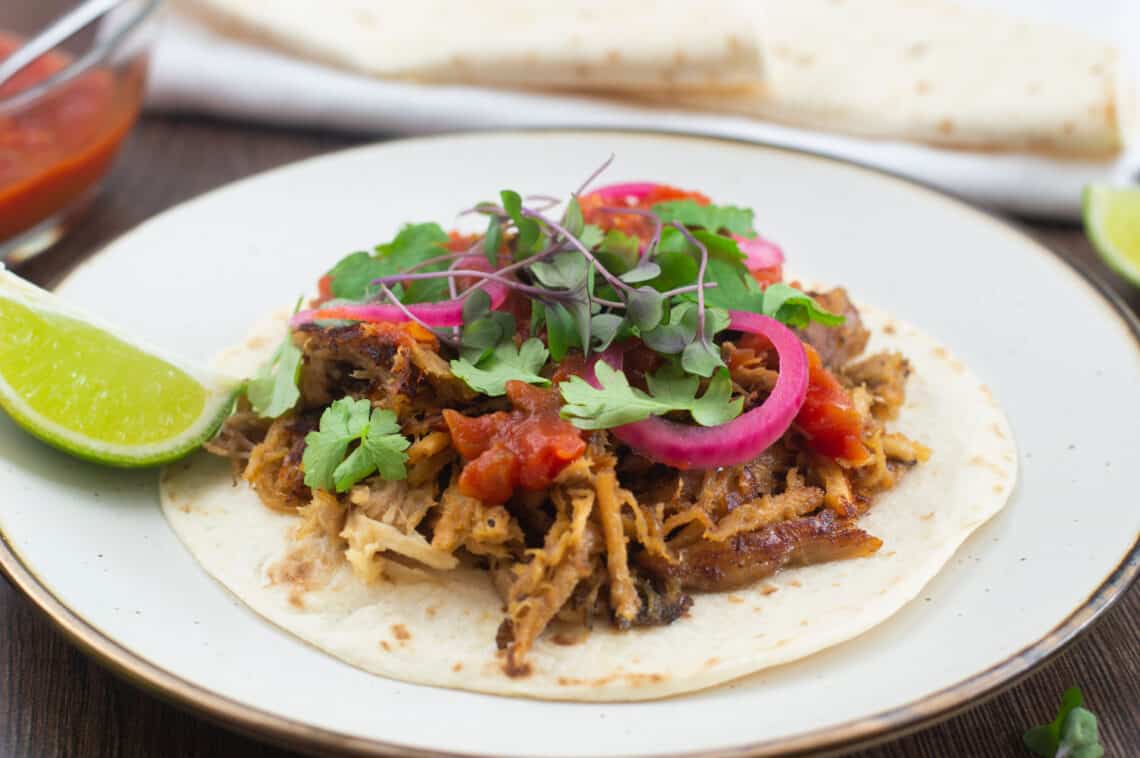
Once you have your tortillas ready, it’s time to add the carnitas. The shredded pork should be juicy and well-seasoned, ideally slow-cooked with spices like cumin, garlic, and bay leaves. Place a generous portion of carnitas in the center of the tortilla.
Next, it’s essential to add toppings that will elevate your taco. Here are some recommendations:
- Chopped onions: Fresh, finely diced onions add a sharpness that balances the richness of the carnitas.
- Cilantro: Fresh cilantro lends a burst of herbal flavor that brightens every bite.
- Lime wedges: A squeeze of lime juice enhances the flavors and adds acidity.
- Radish slices: Adds a crisp texture and a peppery taste that contrasts nicely with the meat.
- Avocado or guacamole: Creaminess from avocado or guacamole provides a delightful richness.
After layering your chosen toppings, a salsa can tie all these flavors together. Consider using:
- Pico de gallo: Fresh tomato salsa adds brightness and a burst of freshness.
- Green salsa: Tomatillo-based salsa adds a tangy kick.
- Red salsa: A smoky, roasted red salsa can complement the savory notes of the pork.
Optional Garnishes to Enhance the Taco Experience
Garnishes can elevate your taco by adding more complex flavors and textures. Here are some optional garnishes to consider:
- Crumbled queso fresco: This mild cheese adds a creamy texture and a bit of saltiness.
- Pickled jalapeños: They add a spicy, tangy kick that can spice up the taco.
- Chili powder or hot sauce: Adds an extra layer of heat for those who enjoy a spicier flavor.
- Shredded cabbage: Crisp cabbage provides crunch and a refreshing contrast to the meat.
- Chopped fresh herbs: Adding fresh herbs like mint or dill can introduce unique flavors and brightness.
By following these steps and considering the suggested toppings and garnishes, you will be well on your way to crafting the ultimate carnitas taco. Each bite will be a delicious combination of flavors, textures, and aromas that are sure to delight.
The Cultural Significance of Carnitas Tacos in Celebrations
Carnitas tacos hold a special place in the heart of Mexican culture, especially during various festivities and celebrations. These savory, slow-cooked pork tacos are not just a delicious treat; they symbolize togetherness, tradition, and the joy of sharing with loved ones. Their presence at gatherings highlights not only the culinary heritage of Mexico but also the significance of communal dining in celebrating life’s milestones.
During special occasions, carnitas tacos are often the centerpiece of feasts, bringing family and friends together to partake in a rich culinary experience. The preparation of carnitas, which involves cooking pork in its own fat until it’s tender and flavorful, is a labor of love that reflects the spirit of celebration.
Traditional Occasions for Serving Carnitas Tacos
Carnitas tacos are typically served at a variety of Mexican celebrations, showcasing their versatility and cultural importance. Instances where these tacos take center stage include:
- Weddings: At Mexican weddings, carnitas tacos are often served during the reception, representing abundance and the joy of union.
- Birthdays: Celebratory birthday gatherings frequently feature carnitas tacos as a favorite dish, highlighting the celebrant’s taste and heritage.
- Fiestas Patrias: National holidays, such as Mexican Independence Day, see families and friends enjoying carnitas tacos as part of barbecues and public celebrations.
- Day of the Dead: During this significant holiday, carnitas are part of the offerings made to honor deceased loved ones, representing the connection between the living and the dead.
- Family Gatherings: Any informal family get-together typically includes carnitas tacos, as they are easy to prepare and perfect for sharing.
The act of sharing carnitas tacos fosters a sense of community and reinforces familial bonds. As each person prepares and enjoys their tacos, stories are shared, laughter fills the air, and a sense of belonging is cultivated. The communal aspect of dining is integral to Mexican culture, and carnitas tacos serve as a delicious vehicle for these cherished moments.
“Food is not just about nourishment; it’s about bringing people together.”
In conclusion, carnitas tacos are much more than a dish; they are a source of cultural pride and a symbol of celebration in Mexican society, embodying the warmth of family and the joy of shared experiences.
Variations of Carnitas Tacos Around the World
Carnitas tacos, while deeply rooted in Mexican cuisine, have inspired numerous variations globally, each reflecting local traditions and ingredients. These adaptations showcase how different cultures embrace and modify the classic dish while maintaining its essence. From the spices used to the types of meat and toppings, regional twists offer a delightful exploration of flavors.
Regional Adaptations of Carnitas Tacos
Several countries have taken the foundational elements of carnitas tacos and infused their culinary heritage into the preparation and presentation. The following are some notable examples:
- Carnitas Tacos in the United States: In many cities across the U.S., particularly in California and Texas, carnitas tacos often feature a blend of traditional Mexican flavors with local twists. For instance, toppings may include avocado crema, pickled onions, and jalapeños, incorporating elements from Tex-Mex cuisine. Street vendors and food trucks commonly serve these tacos, emphasizing fresh ingredients and bold flavors.
- Carnitas Tacos in Puerto Rico: Known locally as “tacos de lechón,” Puerto Rican versions utilize marinated pork shoulder that is slow-cooked and often served with a tangy sauce made from vinegar and citrus. This adaptation highlights the island’s affinity for bold, zesty flavors, setting it apart from its Mexican counterpart while maintaining the essence of slow-cooked pork.
- Carnitas Tacos in Colombia: In Colombia, carnitas tacos may feature “lechona,” a dish made from a whole roasted pig, which is shredded and served in corn tortillas. The addition of local ingredients such as aji (a type of hot sauce) and fresh cilantro reflects Colombia’s unique flavor profile, creating a distinct culinary experience.
- Carnitas Tacos in Spain: Spanish versions of carnitas tacos might incorporate chorizo alongside the pork, creating a richer flavor profile. The use of spice blends specific to Spanish cuisine, such as paprika and saffron, adds depth to the dish, showcasing how regional ingredients can transform traditional recipes while keeping their core essence.
“The beauty of carnitas tacos lies in their adaptability, allowing different cultures to reinterpret them while preserving their traditional roots.”
These varied interpretations of carnitas tacos demonstrate the universal appeal of this beloved dish and its ability to bridge cultural boundaries, making it a global favorite. Each region’s unique ingredients and preparation methods create a tapestry of flavors that celebrates both the origins of carnitas and the local dining experience.
Pairing Drinks with Carnitas Tacos
When it comes to enjoying carnitas tacos, the right beverage can elevate the dining experience significantly. The rich, savory flavors of the succulent pork, paired with zesty toppings, can be complemented beautifully by various drinks that enhance the overall taste. Whether you’re in the mood for something refreshing or traditional, there’s a perfect pairing for everyone.
The characteristics of a good drink pairing with carnitas tacos should focus on balancing the flavors present in the tacos. Drinks that are acidic, slightly sweet, or refreshing tend to work best, as they can cut through the richness of the meat and enhance the various spices used. Below are some suggestions for beverages that work harmoniously with carnitas tacos.
Suggested Beverages
Here are some beverages that can complement your carnitas tacos, each bringing unique characteristics to the table:
- Mexican Beer: Light lagers like Corona or Pacifico offer a refreshing crispness that pairs well with the savory flavors of carnitas. The carbonation helps cleanse the palate between bites.
- Horchata: This traditional Mexican drink made from rice, milk, vanilla, and cinnamon provides a creamy sweetness that balances the spices of the tacos, making it a delightful contrast.
- Margaritas: A classic choice, margaritas (especially when made with fresh lime juice) can enhance the overall flavor experience. The tangy citrus notes complement the seasoning of the meat.
- Agua Fresca: Refreshing fruit waters, such as agua de jamaica (hibiscus tea) or agua de pepino (cucumber water), are not only hydrating but also add a sweet and tart element that pairs nicely with the rich pork.
- Tequila or Mezcal: Sipping a good-quality tequila or mezcal can elevate your taco experience. The smoky notes of mezcal can enhance the depth of flavor in the carnitas.
Incorporating these beverages into your meal not only complements the taco flavors but also enriches the overall experience. Pairing drinks with carnitas tacos can turn a simple meal into a festive occasion, bringing out the best in both food and drink.
Health Considerations When Enjoying Carnitas Tacos
Carnitas tacos are a delightful culinary experience that brings together the rich flavors of slow-cooked pork and the fresh crunch of toppings. While they are undeniably delicious, it’s essential to consider the health aspects of consuming carnitas and tacos. This section explores the nutritional components, potential benefits, and drawbacks of carnitas, as well as tips for preparing healthier versions without sacrificing the dish’s signature taste.
Nutritional Aspects of Carnitas and Tacos
Carnitas, which translates to “little meats,” typically consists of pork that has been braised or simmered until tender. This method of preparation results in flavorful, juicy meat. However, it’s important to be aware of the nutritional content. Carnitas are rich in protein, providing essential amino acids necessary for muscle repair and overall health. On the downside, the pork can also be high in saturated fats and sodium, which can contribute to heart disease and high blood pressure when consumed in excess.
When considering tacos as a whole, various components can affect their nutritional value. The tortilla can add carbohydrates, and additional toppings like cheese and sour cream may increase calorie counts and fats. Therefore, balancing these elements is crucial for a healthier option.
Health Benefits and Drawbacks of Consuming Carnitas
Understanding the pros and cons of enjoying carnitas is vital for making informed dietary choices.
- Health Benefits:
- High in Protein: Support muscle growth and repair.
- Rich in Vitamins: Pork contains B vitamins essential for energy metabolism.
- Iron Source: Contributes to maintaining healthy blood and immune function.
- Health Drawbacks:
- Saturated Fats: Excessive intake can lead to heart issues.
- Sodium Content: High levels can increase blood pressure.
- Caloric Density: Can lead to weight gain if consumed in large portions.
Making Healthier Versions of Carnitas Tacos
Creating a healthier version of carnitas tacos is possible without sacrificing flavor. Here are some effective strategies to consider:
- Choose Lean Cuts: Opt for leaner cuts of pork, such as loin or tenderloin, which have less fat.
- Use Whole Grain Tortillas: Whole grain options increase fiber content, aiding digestion and keeping you fuller longer.
- Add Plenty of Vegetables: Incorporate fresh toppings like lettuce, tomatoes, and avocados to boost nutrients and flavor.
- Limit High-Calorie Additions: Choose lighter options for toppings, such as Greek yogurt instead of sour cream or a sprinkle of cheese instead of a heavy layer.
- Season with Herbs and Spices: Use flavorful herbs and spices to enhance taste without adding extra calories or sodium.
“By making simple swaps and incorporating fresh ingredients, you can enjoy carnitas tacos that are both delicious and nutritious.”
The Future of Carnitas Tacos in Modern Cuisine
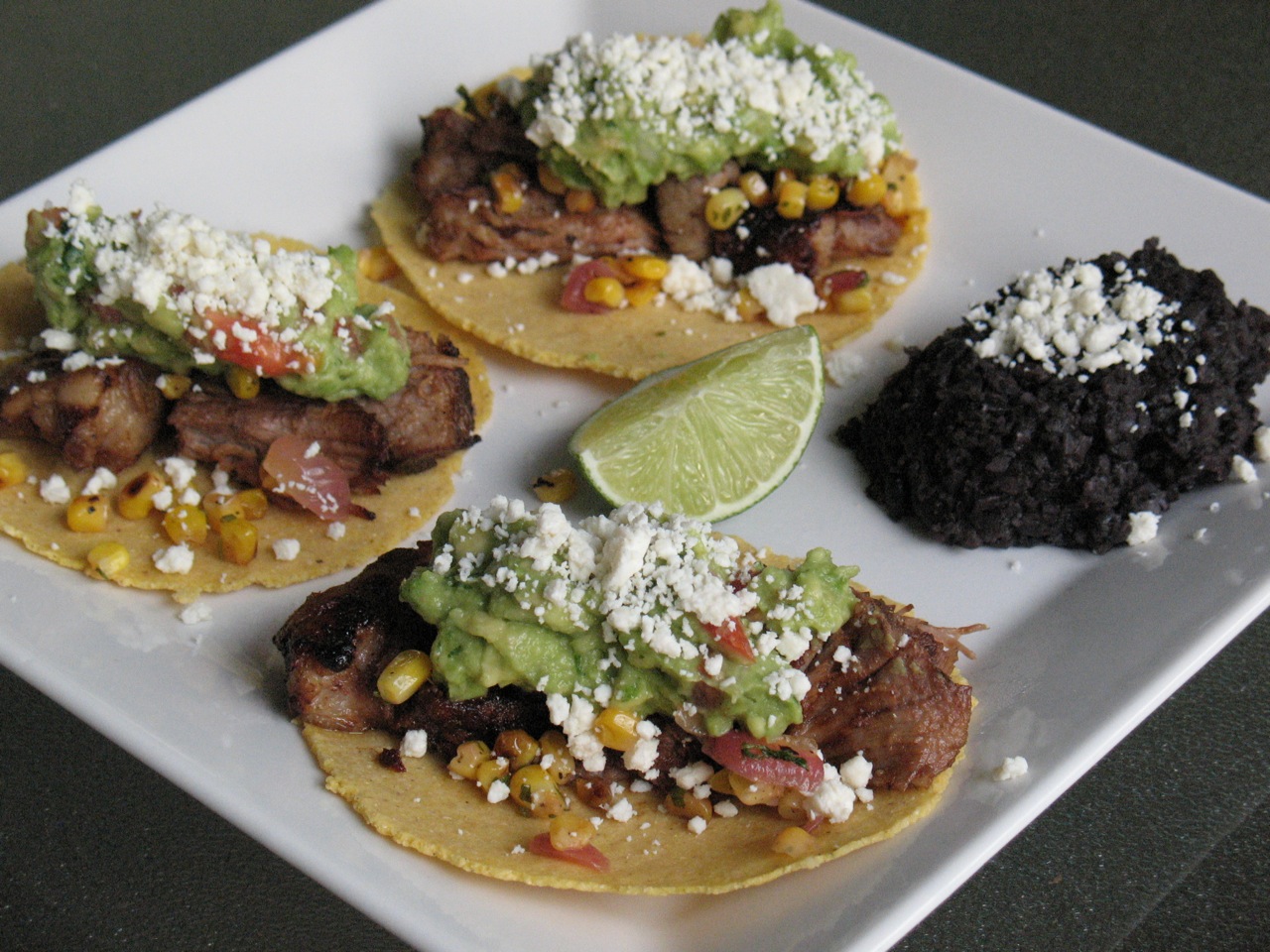
As the culinary landscape continues to evolve, carnitas tacos are being reimagined and reinvigorated through innovative approaches in modern cuisine. This transformation is influenced by cultural exchanges, sustainable practices, and a growing demand for unique flavor profiles. The future of carnitas tacos is bright, as they adapt to contemporary tastes while retaining their cherished traditional roots.
Fusion cuisine is playing a significant role in the evolution of carnitas tacos, merging different culinary traditions to create exciting new dishes. By incorporating various global flavors and techniques, chefs are experimenting with the classic taco format. For instance, carnitas can now be found paired with kimchi, pickled vegetables, or even served in a curry sauce. Such creative fusions not only broaden the appeal of carnitas tacos but also allow chefs to showcase their culinary artistry and cater to diverse palates.
Trends Influencing Traditional Carnitas Recipes
Several trends in the food industry are affecting how traditional carnitas are prepared and enjoyed. These changes highlight the importance of sustainability, health-consciousness, and the culinary experience itself.
The following points encapsulate these trends:
- Sustainable Sourcing: Many consumers now prioritize ethically raised pork. Local farms that practice humane treatment and environmentally friendly farming are becoming the preferred source for carnitas.
- Health Consciousness: There is an increasing demand for healthier options. Chefs may opt for leaner cuts of meat or offer alternative protein sources, such as jackfruit or tofu, to appeal to vegetarians and health-minded customers.
- Artisanal Touch: A focus on handmade tortillas and locally sourced ingredients enhances the authenticity and quality of carnitas tacos, setting them apart in a competitive market.
- Flavor Customization: Consumers are seeking personalized experiences, encouraging taco shops to offer a variety of toppings and salsas that complement the rich flavors of carnitas.
The concept of sustainability is becoming increasingly integral to the culinary world, influencing both how carnitas are made and the sourcing of ingredients. Ethical considerations regarding animal welfare and environmental impact are prompting chefs and restaurants to rethink their practices.
“Sustainability is no longer just a trend; it’s a necessity that shapes the future of gastronomy.”
Commitment to responsibly sourced ingredients not only aligns with consumer values but also promotes a healthier planet. Many establishments are adopting practices such as farm-to-table sourcing, which allows diners to feel more connected to their food. This approach inspires chefs to craft dishes that reflect the local landscape and seasonality, offering fresh and flavorful carnitas tacos that resonate with today’s eco-conscious clientele.
Concluding Remarks
In summary, carnitas tacos are more than just a dish; they represent a vibrant piece of Mexican culture and tradition that continues to evolve. Whether you’re savoring them at a family gathering or trying a unique regional variation, these tacos promise a delightful experience that’s both satisfying and rich in history. As we look towards the future, it’s exciting to see how carnitas tacos will adapt and remain a favorite in kitchens around the world.
Essential FAQs
What is the best meat for carnitas tacos?
The best meat for carnitas is typically pork shoulder, known for its perfect balance of fat and flavor, ensuring tender and juicy results.
Can carnitas tacos be made with other meats?
Yes, while pork is traditional, beef and chicken can also be used for carnitas, each offering a unique twist on the classic flavor.
What are some traditional toppings for carnitas tacos?
Common toppings include diced onions, fresh cilantro, lime juice, and various salsas, which enhance the flavors beautifully.
Are carnitas tacos healthy?
Carnitas tacos can be part of a balanced diet, especially when made with lean cuts and fresh toppings, but moderation is key due to their richness.
How long does it take to prepare carnitas?
Preparing carnitas typically takes several hours, with slow cooking being the best method to achieve tender, flavorful meat.