
 Rogert
Taco meat isn’t just a filling; it’s a delicious tapestry woven through history, culture, and culinary innovation. From its origins in Mexico to its evolution across the globe, taco meat carries with it a story that reflects the diverse tastes and traditions of various regions. Whether you’re savoring ground beef seasoned to perfection or exploring unique plant-based alternatives, taco meat has something for everyone, making it a staple in kitchens and celebrations alike.
This exploration dives into the various types of taco meat and their preparation methods, uncovering health considerations, unique flavor profiles, and creative combinations that can elevate your taco night to new heights. With tips for cooking the perfect taco meat and insights into modern culinary trends, this piece aims to inspire both novice cooks and seasoned chefs alike.
The History of Taco Meat and Its Cultural Significance
Taco meat, a cornerstone of Mexican cuisine, has a rich history that reflects the diverse cultural influences of the regions where it has evolved. Tracing its origins back to the indigenous peoples of Mexico, taco meat has undergone significant transformations over the centuries, adapting to local ingredients and cooking methods. This evolution not only showcases the adaptability of taco meat but also highlights its cultural significance as a symbol of community and tradition.
The history of taco meat can be described as a journey through time, from its ancient beginnings with the Aztecs and Mayans, who would fill corn tortillas with various meats and vegetables, to the modern interpretations we see today. The basic components of taco meat have remained consistent, but regional variations have emerged, each showcasing unique flavors and preparation methods. Factors such as geography, climate, and local agricultural practices have all played a role in shaping the diverse taco meat recipes throughout Mexico and beyond.
Regional Influences on Taco Meat Recipes
The preparation of taco meat varies significantly from one region to another, influenced by local customs and available ingredients. Understanding these regional variations provides insight into the cultural significance of taco meat across different communities. Below are some notable examples of traditional taco meat varieties:
- Carne Asada: A popular choice in Northern Mexico, carne asada features marinated and grilled beef, typically served with fresh salsa and guacamole. This dish is often associated with celebrations and gatherings.
- Al Pastor: Originating from the Lebanese shawarma, al pastor involves marinated pork cooked on a vertical spit. This style has become synonymous with street food in Mexico City and is often served with pineapple and onions.
- Barbacoa: Traditionally made from lamb or beef, barbacoa is slow-cooked in an underground pit, giving it a distinct flavor. It is a staple in many regions, particularly in central Mexico, often enjoyed during special occasions.
- Cochinita Pibil: This Yucatecan specialty features marinated pork wrapped in banana leaves and slow-cooked, resulting in tender, flavorful meat. It is frequently served with pickled red onions.
- Tinga: A dish from the Puebla region, tinga consists of shredded chicken or beef simmered in a spicy tomato sauce. It is commonly used as a filling for tacos and is characterized by its smoky flavor.
Each of these taco meat varieties not only reflects regional ingredients but also embodies the cultural heritage and culinary practices of the communities they originate from. The preparation and enjoyment of taco meat serve as an important communal activity, bringing people together to celebrate tradition, family, and flavor.
Popular Types of Taco Meat and Their Preparation Methods
When it comes to tacos, the choice of meat can significantly influence the flavor and overall experience of the dish. Various meats can be used, each bringing its unique taste and texture to the table. Understanding the popular types of taco meat and the methods used to prepare them can enhance your taco-making skills and elevate your meals.
Several types of meats are commonly used in taco preparation, ranging from traditional options like beef and pork to alternative choices such as chicken and even seafood. Each type of meat requires specific preparation methods to maximize flavor and texture. Below, we will explore the popular types of taco meat along with their respective preparation techniques.
Common Types of Taco Meat
The following list Artikels the most popular meats used in taco dishes and provides insights into their preparation methods:
- Ground Beef: This is the classic choice for tacos, known for its rich flavor. Ground beef is typically seasoned with a blend of spices including cumin, chili powder, garlic powder, and onion powder. The preparation involves browning the beef in a skillet over medium heat, draining excess fat, and mixing in the seasonings along with a splash of water to create a cohesive filling.
- Shredded Chicken: A lighter alternative to beef, shredded chicken can be cooked using various methods, including poaching or grilling. To prepare, chicken breasts are typically boiled until cooked through, then shredded and mixed with taco seasoning. This yields a tender, flavorful filling that pairs well with fresh toppings.
- Pork (Carnitas): Pork is often used in the form of carnitas, which is slow-cooked to achieve a melt-in-your-mouth texture. The meat is seasoned with spices such as cumin, bay leaves, and orange juice before being slow-cooked until it is tender enough to shred. This method enhances the pork’s natural flavors and creates a deliciously rich filling.
- Fish or Shrimp: For a unique twist on tacos, seafood can be used, often grilled or sautéed with spices like paprika, lime juice, and garlic. Fish tacos are typically topped with a fresh slaw to add crunch and balance the flavors.
Cooking Ground Beef for Tacos
Ground beef is one of the most popular choices for taco meat, thanks to its versatility and ability to absorb flavors. Cooking ground beef for tacos involves several key steps:
1. Select the Right Beef: Choose ground beef with an 80/20 meat-to-fat ratio for optimal flavor and moisture.
2. Brown the Beef: In a skillet over medium-high heat, add the ground beef. Use a spatula to break up the meat as it cooks. Continue cooking until the beef is browned and no longer pink.
3. Drain the Fat: Drain any excess fat from the skillet, leaving just enough to keep the beef moist.
4. Add Seasoning: Sprinkle your taco seasoning over the cooked beef. A common mix includes chili powder, cumin, garlic powder, onion powder, salt, and pepper.
5. Incorporate Liquid: Add a small amount of water (about 1/4 cup) to the beef. This helps the spices blend into the meat and prevents it from drying out.
6. Simmer: Let the mixture simmer for a few minutes, allowing the flavors to meld together. Stir occasionally to ensure even seasoning.
7. Serve: Once ready, spoon the seasoned ground beef into taco shells and top with your favorite ingredients like lettuce, cheese, tomatoes, and salsa.
“Proper seasoning and cooking techniques are essential in creating the perfect ground beef for tacos, ensuring a burst of flavor in every bite.”
Taste and Texture Comparison of Taco Meats
The choice of meat not only impacts the flavor but also the texture of the tacos. Here’s a comparison of the taste and texture among different meats:
- Ground Beef: Rich and savory flavor with a crumbly texture that holds up well against toppings.
- Shredded Chicken: Tender and juicy, light in flavor that absorbs spices well, offering a pleasant contrast with crunchy toppings.
- Pork (Carnitas): Deeply flavored, tender, and slightly fatty, providing a satisfying mouthfeel that pairs beautifully with fresh ingredients.
- Fish or Shrimp: Light and flaky texture with a fresh, clean taste, often enhanced by citrus and herbs, making it refreshing and distinct in tacos.
Health Considerations When Choosing Taco Meat
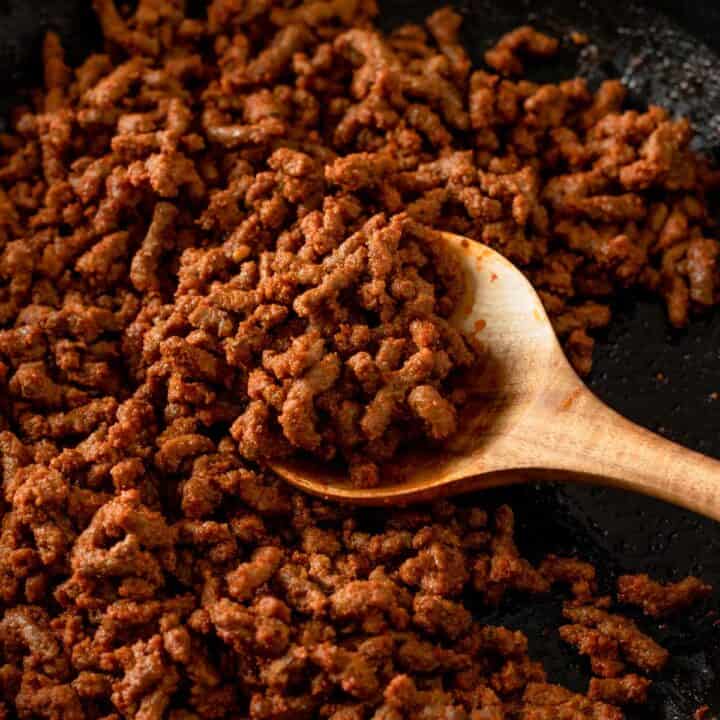
When it comes to enjoying a delicious taco, the choice of meat can significantly impact both flavor and nutritional value. Understanding the health implications of different taco meat options helps in making informed decisions that align with a balanced diet. From the types of meat available to healthier alternatives, let’s delve into the important aspects of selecting taco meat.
Nutritional content varies widely depending on the type of meat used in tacos. Common meats like ground beef, pork, and chicken come with different fat content, calorie counts, and essential nutrients. For example, a typical serving of ground beef (85% lean) contains approximately 250 calories and 20 grams of fat, while ground turkey can provide a leaner alternative with around 170 calories and 10 grams of fat per serving. Understanding these nutritional profiles is essential for individuals aiming to maintain a balanced diet.
Lean Meat Options and Alternatives
Choosing lean meat options is a practical way to enjoy tacos without compromising health. Lean meats not only help reduce the intake of saturated fats but also offer a healthier protein source. Here are some popular lean meat options along with their benefits:
- Ground Turkey: Lower in calories and fat compared to traditional beef, making it a great option for those managing their weight.
- Chicken Breast: A lean source of protein that is versatile and can be seasoned to enhance flavor without added calories.
- Lean Cuts of Beef: Cuts such as sirloin or flank steak provide high protein with less fat content.
- Fish: Rich in omega-3 fatty acids, fish like tilapia or salmon can offer both health benefits and delicious flavors in tacos.
In addition to traditional meats, health-conscious individuals may explore alternatives such as plant-based taco meat substitutes. These options not only cater to vegetarians and vegans but also offer a nutritious alternative for anyone looking to reduce their meat consumption.
Benefits of Using Plant-Based Taco Meat Substitutes
Plant-based taco meat substitutes have gained popularity for their health benefits and environmental impact. They provide an excellent source of protein and often contain fiber, which is beneficial for digestive health. Here are key advantages of incorporating plant-based options into taco recipes:
- Lower in Saturated Fats: Most plant-based proteins are lower in saturated fats compared to animal meats, contributing to better heart health.
- High in Nutrients: Ingredients like beans, lentils, and quinoa are packed with essential vitamins, minerals, and antioxidants.
- Environmental Impact: Plant-based diets typically have a lower carbon footprint, making them a more sustainable choice.
- Versatility: These substitutes can be flavored and seasoned to mimic traditional taco meat, providing a satisfying texture and taste.
Incorporating these health considerations when choosing taco meat can lead to more nutritious meals while still enjoying the rich flavors that tacos offer. Making informed decisions about meat types and alternatives enables individuals to align their dietary choices with their health goals.
Unique Flavor Profiles
Flavoring taco meat is an art that combines skillful seasoning with the right choice of ingredients, creating a delightful symphony of tastes that can elevate any taco experience. The beauty of taco seasoning lies in its deep-rooted tradition and the diverse array of spices and herbs that contribute to its unique flavor profiles. Each seasoning not only enhances the meat’s natural taste but also adds a layer of complexity that makes the dish memorable.
A variety of spices and herbs are commonly used in taco meat seasoning, each offering its own distinctive flavor contribution. Understanding these ingredients is essential for crafting the perfect taco meat.
Popular Spices and Herbs
The selection of spices and herbs plays a critical role in defining the taste of taco meat. Here are some popular choices and their flavor contributions:
- Cumin: This spice adds a warm, earthy flavor with a hint of citrus, making it a foundational ingredient in taco seasoning.
- Paprika: Often used for its sweet and slightly smoky flavor, paprika gives taco meat a rich color and depth.
- Chili Powder: A blend of spices, chili powder brings heat and complexity, typically consisting of ground chilies, garlic powder, and other spices.
- Oregano: This herb introduces a slightly bitter and aromatic note that complements the richness of the meat.
- Garlic Powder: Providing a robust savory flavor, garlic powder enhances the overall taste profile of the taco meat.
- Onion Powder: Like garlic, onion powder adds a sweet and pungent flavor that elevates the seasoning blend.
- Black Pepper: A common seasoning, black pepper contributes a pungent and spicy kick, balancing the sweetness of other ingredients.
Each of these spices can be adjusted in quantity to cater to personal preference, allowing for a customized taco meat flavor that suits any palate.
Methods of Marinating Meats
Marinating is an essential technique used to enhance the flavors of meats before cooking. This method allows spices, herbs, and other ingredients to infuse the meat, resulting in a more flavorful and tender final product. Here are a few effective methods for marinating meats:
1. Dry Rub: Combine your chosen spices and herbs in a bowl, then rub them directly onto the meat. Allow it to rest for at least 30 minutes or up to overnight in the refrigerator for maximum flavor absorption.
2. Wet Marinade: Mix spices, herbs, and acidic components like lime juice or vinegar with oil to create a marinade. Submerge the meat in the mixture and refrigerate for a few hours or overnight to deepen the flavor.
3. Injection Marinade: For thicker cuts of meat, consider using a meat injector to infuse flavors directly into the meat. This method is particularly effective for larger pieces, ensuring every bite is packed with flavor.
4. Brining: Soaking meat in a saltwater solution with added spices can enhance moisture retention and flavor. This is ideal for lean cuts that can dry out during cooking.
Each method has its advantages, allowing cooks to select the best approach based on the type of meat and the desired outcome.
Homemade Taco Seasoning Blend Recipe
Creating a homemade taco seasoning blend is simple and allows for complete control over the flavors. Here’s an easy recipe that can be customized based on personal preferences:
Recipe for Homemade Taco Seasoning:
Ingredients:
- 2 tablespoons chili powder
- 1 tablespoon ground cumin
- 1 tablespoon paprika
- 1 tablespoon garlic powder
- 1 tablespoon onion powder
- 1 teaspoon dried oregano
- 1 teaspoon black pepper
- 1 teaspoon salt
- 1/2 teaspoon cayenne pepper (optional for heat)
Instructions:
1. In a small bowl, combine all the ingredients thoroughly.
2. Store the seasoning blend in an airtight container for up to six months.
3. Use approximately 2-3 tablespoons of the seasoning for every pound of meat.
This versatile blend can be used with ground beef, chicken, turkey, or even plant-based proteins, ensuring delicious taco nights every time. Adjust the spice levels to suit personal taste preferences, making it as mild or spicy as desired.
Creative Taco Meat Combinations for Taco Night
Taco night is the perfect opportunity to experiment with different flavors and ingredients. While traditional beef or chicken tacos have their charm, spicing things up with creative taco meat combinations can truly elevate your gathering. Let’s explore some innovative options that will surprise and delight your guests, transforming your taco night into a culinary adventure.
Innovative Taco Meat Combinations
When it comes to taco night, variety is key to keeping things exciting. Experimenting with unique meat combinations can introduce new flavors and textures. Here are some creative taco meat combinations that are sure to impress your guests:
- Spicy Chorizo and Black Bean: A combination of spicy chorizo sausage with hearty black beans adds depth and a kick of flavor. This mix is perfect for those who enjoy bold tastes.
- Barbacoa Beef and Pineapple: The rich, slow-cooked flavor of barbacoa pairs beautifully with sweet, juicy pineapple, offering a delightful balance of savory and sweet.
- Buffalo Chicken with Blue Cheese Crumbles: Marinated buffalo chicken topped with tangy blue cheese crumbles creates a flavor explosion, reminiscent of classic buffalo wings.
- Teriyaki Pork with Pickled Vegetables: Teriyaki-marinated pork offers a unique sweet and savory profile, especially when paired with crunchy pickled vegetables for added zing.
Fusion Taco Recipes Incorporating International Cuisines
Fusion tacos are a fantastic way to incorporate international flavors into your taco night. These recipes combine traditional taco elements with culinary influences from around the world, creating exciting new dishes. Here are some fusion taco ideas:
- Thai Basil Chicken Tacos: Ground chicken stir-fried with Thai basil, garlic, and chili, served in corn tortillas and topped with a zesty lime-cilantro sauce.
- Kimchi Beef Tacos: Grilled beef marinated in Korean spices topped with spicy kimchi and a drizzle of sriracha mayo for a flavorful twist.
- Indian Chicken Tikka Tacos: Marinated chicken tikka served in naan-like tortillas, complemented by cool cucumber raita.
- Moroccan Lamb Tacos: Spiced lamb with cumin and coriander, topped with mint yogurt sauce, providing a refreshing contrast to the savory meat.
Pairing Taco Meats with Toppings and Sauces
The right toppings and sauces can significantly enhance the flavor profile of your taco meat combinations. Choosing complementary toppings not only adds texture but also elevates the overall taste experience. Here are some pairing suggestions for various taco meats:
- For Spicy Chorizo: Fresh lime wedges, diced avocado, and crumbled queso fresco create a delightful contrast to the spiciness.
- For BBQ Pulled Pork: Crunchy coleslaw and tangy BBQ sauce provide a perfect balance of flavor and texture, enhancing the smokiness of the pork.
- For Fish Tacos: Fresh pico de gallo, shredded cabbage, and a creamy chipotle sauce add freshness and a kick to the lightness of the fish.
- For Vegetarian Taco Mix: Black bean and corn salad topped with salsa verde and crumbled feta cheese offers a satisfying vegetarian option.
“Don’t be afraid to mix flavors and cuisines; the best taco combinations often come from unexpected pairings.”
Tips for Cooking Taco Meat Perfectly Every Time
Cooking taco meat might seem simple, but achieving the perfect balance of flavor and texture requires attention to detail and a few tried-and-true techniques. By following these tips, you’ll ensure that your taco meat is consistently delicious, tender, and packed with flavor. This guide covers essential cooking methods, common pitfalls to avoid, and techniques to enhance the overall quality of your taco meat.
Best Cooking Techniques for Flavorful and Tender Taco Meat
Creating taco meat that is both flavorful and tender involves several key cooking techniques. Start with the right type of meat. Ground beef, turkey, or chicken are popular choices, but the fat content significantly affects flavor and moisture. Aim for a beef blend that is 80/20 (meat to fat ratio) for optimal juiciness.
To properly season your meat, allow it to brown before adding spices and liquids. Browning, also known as the Maillard reaction, enhances flavor through caramelization. After achieving a good sear, incorporate spices like cumin, paprika, garlic powder, and onion powder, and add a splash of water or broth to keep the mixture moist.
Common Mistakes When Preparing Taco Meat
Several common mistakes can hinder the quality of your taco meat. Understanding these pitfalls helps in avoiding them:
- Overcrowding the Pan: Cooking too much meat at once can steam rather than brown the meat. Cook in batches if necessary.
- Not Draining Excess Fat: Leaving too much grease can make the meat greasy and unappetizing. Drain excess fat after browning.
- Skipping the Seasoning Step: Adding spices too late in the process can lead to bland meat. Season as you cook for maximum flavor absorption.
“Proper seasoning and technique are pivotal for transforming ordinary taco meat into something extraordinary.”
Achieving the Perfect Sear and Texture
The texture and sear of your taco meat significantly influence the overall experience. To achieve this, follow these guidelines:
– Use a Cast Iron Skillet: This type of skillet retains heat better, allowing for a more even sear.
– Heat the Pan Adequately: Ensure your skillet is hot before adding the meat. This promotes browning and prevents sticking.
– Break Up the Meat: As the meat cooks, break it up with a spatula. This allows for even cooking and prevents clumping, ensuring a consistent texture.
For added depth of flavor, consider simmering your taco meat after browning with diced tomatoes or a dash of lime juice. This will enhance moisture while allowing the flavors to meld together beautifully.
Through these techniques, you can consistently produce taco meat that is tender, flavorful, and perfectly textured every time, making your taco night a standout event.
The Role of Taco Meat in Modern Culinary Trends
Taco meat has emerged as a staple in contemporary cuisine, showcasing its versatility and adaptability to various culinary trends. As diners become more adventurous and open to exploring global flavors, taco meat has found its place at the forefront of innovative dining experiences. This evolution reflects broader trends in food personalization, social media influence, and the growing popularity of casual dining settings.
Contemporary Cuisine Integration
In modern culinary landscapes, taco meat is no longer confined to traditional Mexican cuisine. Instead, it has been embraced by chefs and home cooks alike, adapting to various culinary styles and preferences. Taco meat appears in Asian-inspired fusion dishes, Mediterranean wraps, and even vegetarian or vegan options using plant-based proteins. This versatility allows for a broad spectrum of flavors and ingredients, appealing to diverse palates while catering to dietary restrictions.
The rise of taco bars and build-your-own taco stations exemplifies the trend of personalization in dining. These setups allow guests to select their favorite proteins, toppings, and sauces, creating customizable meals that cater to individual tastes. Taco bars are increasingly popular at events, parties, and restaurants, offering a fun and interactive dining experience.
Taco Bars and Build-Your-Own Stations
The concept of taco bars has surged in popularity due to the engaging and social nature of the dining experience they provide. Guests can interact while crafting their ideal taco, promoting a lively atmosphere. This format not only enhances the dining experience but also allows hosts to cater to varied dietary needs.
Key features of successful taco bars include:
- Diverse Protein Options: Offering a variety of taco meats, such as beef, chicken, pork, and plant-based proteins, ensures there is something for everyone.
- Toppings Galore: A well-stocked taco bar includes an array of toppings, including fresh vegetables, salsas, cheeses, and sauces, allowing for maximum customization.
- Creative Presentation: Visually appealing displays, including colorful ingredients and unique serving vessels, enhance the overall aesthetic and experience.
As taco bars continue to thrive in restaurants and events, they highlight the importance of social dining experiences in modern culture.
Impact of Social Media on Taco Meat Popularity
Social media has dramatically influenced the way taco meat recipes are shared, celebrated, and popularized. Platforms like Instagram, TikTok, and Pinterest showcase visually striking taco creations that inspire food enthusiasts to experiment with new recipes and techniques. The visually appealing nature of tacos, with their vibrant colors and layered ingredients, makes them particularly shareable.
Popular trends driven by social media include:
- Taco Challenges: Viral challenges encourage users to create unique taco recipes, fostering creativity and engagement.
- Influencer Recipes: Food influencers often create innovative taco dishes, highlighting the versatility of taco meat and encouraging followers to recreate them.
- Hashtags: The use of hashtags like #TacoTuesday and #TacoLover creates a sense of community among taco enthusiasts, fueling interest and participation in taco-related trends.
The impact of social media on taco meat extends beyond mere popularity, shaping culinary trends and encouraging chefs to innovate and adapt traditional recipes. As a result, taco meat continues to enjoy a prominent place in modern dining experiences.
Final Thoughts
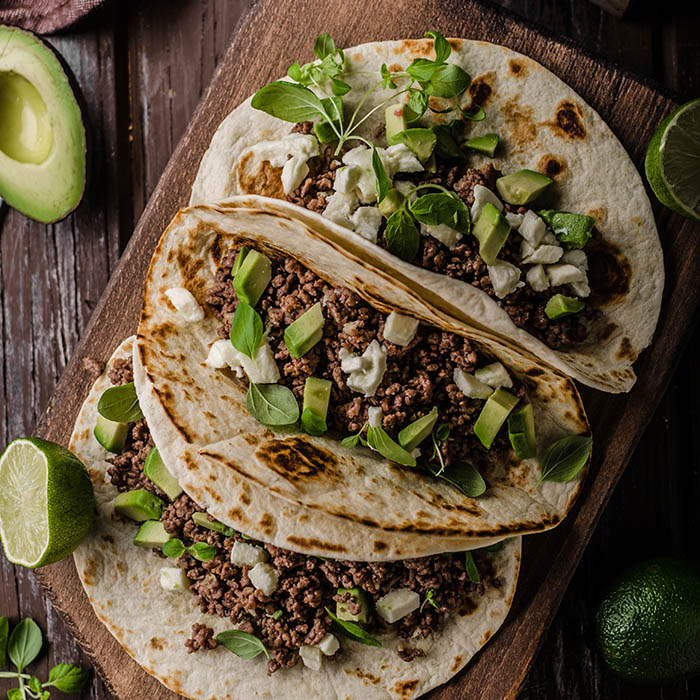
As we wrap up this flavorful journey, it’s clear that taco meat is more than just an ingredient; it’s a celebration of culinary diversity and a reflection of our evolving tastes. From traditional recipes to modern twists, the possibilities are endless. So whether you’re hosting a taco night or simply enjoying a quiet meal at home, remember that taco meat can be both a simple pleasure and a canvas for creativity in the kitchen.
Quick FAQs
What types of meat can be used for tacos?
Common choices include ground beef, chicken, pork, turkey, and plant-based options like lentils or tofu.
How can I make taco meat healthier?
Opt for lean cuts of meat, use less oil, and incorporate vegetables or plant-based substitutes for added nutrition.
What’s the best way to season taco meat?
A mix of chili powder, cumin, garlic powder, and salt works wonders, but feel free to experiment with flavors!
Can I prepare taco meat in advance?
Yes, taco meat can be cooked ahead of time and stored in the refrigerator or freezer for later use.
What are some unique taco meat combinations?
Try combining traditional meats with international flavors, like Korean BBQ beef or Mediterranean spiced chicken!