
 Rogert
Taco fillings are not just about what goes inside a tortilla; they tell a story of culture and evolution through each bite. From the vibrant markets of Mexico to contemporary kitchens around the world, taco fillings showcase an exciting blend of traditional and innovative flavors. The rich history and regional diversity behind these fillings reveal how local ingredients and culinary practices shape each unique creation, making every taco a delightful exploration of taste and heritage.
As we dig deeper, we will uncover the transformative journey of taco fillings, emphasizing everything from the roots of indigenous ingredients to the contemporary rise of plant-based and fusion options. This exploration invites you to understand how different textures, flavors, and health-conscious choices come together to create an unforgettable taco experience.
Exploring the Origins of Popular Taco Fillings
Tacos, a beloved staple of Mexican cuisine, showcase an impressive variety of fillings that reflect the rich history and cultural significance of the regions they originate from. These fillings are not just recipes; they are stories that trace back centuries, influenced by indigenous peoples, colonial encounters, and the fusion of various culinary traditions. Understanding where these fillings come from enhances our appreciation of each bite, revealing a tapestry of flavors that speak to the heart of Mexican culture.
Traditional taco fillings vary significantly across Mexico, shaped by local ingredients, climate, and indigenous farming practices. In northern states, for instance, beef is a popular choice, reflecting the region’s ranching heritage. Tacos de carne asada (grilled beef tacos) are a prime example, often accompanied by simple toppings like onions and cilantro. Conversely, in coastal regions such as Veracruz, seafood takes center stage with fillings like shrimp or fish tacos. These variations are deeply intertwined with the availability of local resources, as well as the historical migration and trading routes that introduced new ingredients and techniques.
Cultural Significance of Indigenous Ingredients
The influence of indigenous ingredients on modern taco fillings is profound and cannot be overstated. Essential elements of traditional Mesoamerican cuisine—such as corn, beans, and chili peppers—continue to play a vital role in contemporary taco recipes. Corn, or maíz, is the foundation of the taco itself, with tortillas made from masa (corn dough) being a staple. The versatility of beans as a protein source complements various fillings, while chili peppers add depth and spice, reflecting the indigenous knowledge of farming and cooking techniques that have been passed down through generations.
Examples of indigenous influences include the use of nopales (cactus paddles) in tacos, providing both flavor and nutritional value, and the incorporation of herbs like epazote, which adds unique aromas. The blending of these ingredients with Spanish influences, such as the introduction of beef, pork, and chicken during the colonial period, showcases how Mexican cuisine evolved into what it is today—a delicious fusion of old and new.
The interplay of these cultural elements not only enriches the flavor profiles of tacos but also serves as a reminder of the history and traditions that shape them, grounding each filling in a cultural narrative that spans centuries.
Creating Unique Vegetarian and Vegan Taco Fillings

Vegetarian and vegan tacos are incredibly versatile, celebrating the richness of plant-based ingredients while offering a delicious alternative to traditional meat fillings. With the right flavor combinations and textures, these tacos can be just as satisfying and flavorful as their meat counterparts. Here, we explore some innovative recipes and techniques to create unique vegetarian and vegan taco fillings that everyone will love.
When crafting vegetarian and vegan taco fillings, it’s essential to consider the variety of plant-based proteins available. Ingredients such as beans, lentils, tofu, tempeh, and seitan can serve as excellent meat substitutes, offering protein while adding unique flavors and textures. Using these ingredients creatively allows for a diverse range of taco fillings that can be tailored to different tastes and preferences.
Innovative Vegetarian and Vegan Taco Recipes
Incorporating a medley of plant-based proteins into taco fillings can create exciting and nutritious options. The following recipes highlight how to utilize these ingredients effectively:
1. Spicy Lentil Tacos: Season cooked lentils with cumin, smoked paprika, and chili powder for a hearty filling. Combine with diced tomatoes and chopped cilantro for freshness. The lentils provide protein and a rich texture that mimics ground meat.
2. Chickpea and Avocado Tacos: Mash chickpeas with ripe avocado, lime juice, and diced red onion. This combination offers creaminess and a satisfying bite, while the lime adds a refreshing zing. Serve with shredded cabbage for crunch.
3. Mushroom and Black Bean Tacos: Sauté mushrooms with garlic and onions until caramelized, then mix with black beans. This filling is umami-rich and pairs well with toppings like avocado slices and salsa verde.
4. Cauliflower and Tempeh Tacos: Roast cauliflower florets with spices such as turmeric and cumin until golden. Crumble tempeh and sauté it with soy sauce and ginger. This filling is full of flavor and provides a variety of textures.
5. Jackfruit Tacos: Shred young jackfruit and cook it with barbecue sauce or taco seasoning for a pulled ‘pork’ effect. Jackfruit’s fibrous texture absorbs flavors beautifully, making it an excellent meat substitute.
Balancing flavors is crucial in vegetarian taco fillings, ensuring that each bite is satisfying. A good taco filling combines salty, spicy, sweet, and acidic elements. For instance, adding a splash of lime juice or a tangy salsa can brighten rich fillings, while fresh herbs can elevate the overall taste.
When assembling your tacos, consider the toppings as well; fresh ingredients like radishes, jalapeños, and pico de gallo can enhance the flavor profile. Also, choose a suitable tortilla—corn or flour, depending on your preference—to complement the fillings and provide an authentic experience.
By creatively utilizing plant-based proteins and focusing on flavor balance, vegetarian and vegan tacos can be just as exciting and fulfilling as traditional meat options, allowing everyone to enjoy a delicious meal that caters to various dietary preferences.
The Science Behind Flavor Combinations in Taco Fillings
The intricate world of taco fillings goes beyond mere ingredients; it delves into the science of flavor combinations that elevate every bite. Understanding how spices, herbs, and other elements interact not only enhances taste but also creates a delightful culinary experience. This symphony of flavors can transform a simple taco into a gastronomic adventure, showcasing the importance of thoughtful ingredient pairing.
Spices and herbs play a pivotal role in enhancing taco fillings, as they contribute to the overall flavor profile and can either complement or contrast with the base ingredients. The key lies in balancing these flavors—sweet, sour, salty, bitter, and umami—to achieve harmony. For instance, the brightness of lime juice can cut through the richness of creamy avocado, while cilantro adds freshness and an herbaceous note. The Maillard reaction, which occurs when proteins and sugars react under heat, also contributes to the depth of flavor in cooked fillings, making it essential to consider cooking methods alongside ingredient choices.
Pairing Ingredients for Optimal Taste
Creating the perfect taco filling is an art that involves strategic ingredient pairings. Understanding the flavor profiles and textures of each component can lead to outstanding combinations. Here are several successful pairings that demonstrate how to achieve optimal taste:
- Spicy Chorizo and Sweet Pineapple: The spicy, smoky flavor of chorizo harmonizes beautifully with the sweetness of grilled pineapple, balancing heat with a refreshing tropical note. This combination provides a savory-sweet experience that tantalizes the taste buds.
- Grilled Chicken and Chipotle Mayo: Tender grilled chicken pairs well with spicy chipotle mayo, creating a creamy texture that enhances the smokiness of the chicken. The heat from the sauce brings depth, making each bite memorable.
- Black Beans and Avocado: Creamy avocado smooths out the hearty texture of black beans, while both ingredients offer a rich umami flavor. This combination is not only delicious but also nutritious, providing healthy fats and protein.
- Roasted Cauliflower and Tahini Sauce: The nuttiness of tahini complements the earthy flavor of roasted cauliflower, creating a vegan option that is both satisfying and flavorful. This unexpected pairing introduces a new dimension to traditional taco fillings.
- Fish and Mango Salsa: Light, flaky fish topped with zesty mango salsa offers a refreshing contrast. The sweetness of the mango combined with lime juice adds brightness that elevates the dish, making it perfect for warm days.
Each of these combinations showcases how understanding the interaction between flavors can lead to innovative and delicious taco fillings. The thoughtful choice of spices and herbs not only enhances the overall taste but also provides a satisfying balance that can cater to various palates. Incorporating these principles into your taco-making endeavors can truly transform your culinary creations into flavorful masterpieces.
Regional Variations in Taco Fillings Across Mexico
Tacos are a quintessential element of Mexican cuisine, renowned not only for their versatility but also for their reflection of regional identities. Across Mexico, the diverse geography, climate, and local agricultural practices play a significant role in shaping taco fillings. Each state boasts its unique offerings, influenced by the ingredients most accessible in their respective areas, resulting in a rich tapestry of flavors and textures.
The choice of taco fillings is largely dictated by local produce and culinary traditions. Various regions of Mexico have their own signature ingredients that define the taste and character of their tacos. For instance, coastal areas like Baja California feature fresh seafood, while the arid regions such as Sonora showcase beef and lamb. Ingredients are often sourced from local farms, reflecting not only seasonal availability but also the cultural practices of the communities. In addition, traditional cooking methods, such as slow-cooking, grilling, and frying, further enhance the distinctiveness of taco fillings. These regional variations highlight the importance of food as a cultural expression and an integral part of community life.
Comparison of Common Taco Fillings and Their Regional Origins
Understanding the local ingredients and cooking methods can provide insight into the rich diversity found within Mexican taco culture. Below is a comparison table that Artikels some popular taco fillings alongside their regional origins:
| Filling | Region | Ingredients | Cooking Method |
|---|---|---|---|
| Fish Tacos | Baja California | Fresh fish, cabbage, crema | Grilled or battered and fried |
| Carne Asada Tacos | Southern California (Mexican style) | Grilled flank steak, onion, cilantro | Grilled |
| Tacos de Barbacoa | Hidalgo | Slow-cooked lamb or beef, savory herbs | Steamed in agave leaves |
| Tacos al Pastor | Mexico City | Marinated pork, pineapple, onion, cilantro | Rotisserie cooked |
| Tacos de Pescado | Veracruz | Fish, avocado, fresh lime | Fried or grilled |
| Tacos de Nopales | Central Mexico | Cactus paddles, cheese, onion | Grilled or sautéed |
| Tacos de Cochinita Pibil | Yucatán | Slow-roasted pork, achiote, pickled onions | Wrapped in banana leaves and baked |
The Rise of Fusion Taco Fillings in Modern Cuisine
The evolution of tacos has taken an exciting turn with the emergence of fusion taco fillings, blending traditional Mexican flavors with global culinary influences. This trend reflects a broader cultural exchange, where diverse food traditions intersect, creating innovative dishes that celebrate both heritage and creativity. Fusion tacos have not only expanded the palate of taco lovers but also fostered a greater appreciation for multicultural cuisine, allowing diners to embark on a culinary journey without leaving their hometown.
The incorporation of global cuisines into taco fillings showcases the versatility of this beloved dish. Chefs and home cooks alike are taking inspiration from international flavors, resulting in unique combinations that surprise and delight. The fusion taco phenomenon can be attributed to the increasing globalization of the food scene, where the sharing of culinary ideas has become as common as the ingredients themselves. Ingredients from various cultures such as Asian, Mediterranean, and even Southern BBQ are being seamlessly integrated into traditional taco recipes, highlighting the creativity and adaptability of chefs.
Examples of Fusion Tacos and Unique Ingredients
Fusion tacos are characterized by their inventive use of ingredients and flavors, which often result in a delightful twist on traditional fillings. Below are some standout examples that illustrate this trend:
- Korean BBQ Tacos: Combining marinated, grilled bulgogi beef with traditional taco toppings like cilantro, onions, and spicy kimchi, these tacos create a unique balance of sweet, savory, and spicy flavors that resonate with fans of Korean cuisine.
- Thai Shrimp Tacos: Featuring grilled shrimp tossed in a zesty Thai chili sauce, these tacos are topped with a crunchy slaw of cabbage, carrots, and fresh herbs. The addition of peanut sauce brings a creamy richness, making them a refreshing and vibrant choice.
- Buffalo Cauliflower Tacos: Designed for the plant-based eater, these tacos use roasted cauliflower coated in spicy buffalo sauce, complemented by a cooling ranch dressing and crisp lettuce. This option showcases how traditional flavors can be reinterpreted in a vegetarian context.
- Indian Butter Chicken Tacos: With tender pieces of butter chicken wrapped in a warm tortilla, garnished with fresh cilantro and red onion, this fusion brings the rich, aromatic flavors of Indian cuisine to a beloved Mexican staple.
- Fish Tacos with Mango Salsa: Utilizing grilled or fried fish topped with a bright mango salsa, these tacos are a nod to both Mexican and Caribbean influences, embodying the essence of a beach-side feast.
The creativity found in fusion tacos reflects a culinary landscape that embraces experimentation and innovation. By combining traditional Mexican elements with flavors from around the world, these tacos are not merely meals; they are a celebration of global diversity in food. Each bite offers an invitation to explore different cultures, providing a delicious reminder of how food can unite us across borders.
Pairing Sides and Salsas with Taco Fillings
When it comes to enjoying tacos, the experience can be elevated significantly with the right pairings of sides and salsas. The variety of taco fillings—ranging from spicy carne asada to zesty grilled vegetables—calls for accompaniments that not only complement the flavors but also enhance the overall meal. A well-thought-out selection of sides and salsas can transform a simple taco into a culinary adventure, offering contrasting textures and tastes that delight the palate.
Salsas play a crucial role in enhancing the enjoyment of tacos, acting as flavor boosters that add freshness, heat, and complexity. They are not just condiments; they are integral components that can round out the meal. A good salsa marries well with the taco filling, offering a balancing act between acidity, sweetness, and spice. For instance, a mango salsa adds sweetness and a tropical touch to spicy fillings, while a classic pico de gallo brings a refreshing crunch that can cut through rich meats.
Classic and Innovative Side Dishes
The choice of side dishes can greatly influence the flavors in your taco meal. Sides should either complement or contrast the taco fillings, providing a rounded dining experience. Here are some classic and innovative options:
- Mexican Street Corn (Elote): Grilled corn on the cob slathered with mayo, cheese, chili powder, and lime juice pairs wonderfully with any meat taco.
- Rice and Beans: A staple in Mexican cuisine, both offer a hearty, filling side that complements chicken or beef fillings perfectly.
- Guacamole: A creamy avocado dip that enhances even the simplest vegetarian tacos with its rich texture and flavor.
- Chips and Salsa: Crispy tortilla chips served with a variety of salsas can serve as a great starter, prepping your taste buds for the tacos to come.
- Pico de Gallo Salad: A fresh mix of tomatoes, onions, and cilantro that adds crunch and brightness to fish tacos.
Salsa Pairing Table
Different salsas can substantially elevate the taco experience. Below is a table showcasing various salsas and their ideal taco pairings:
| Salsa | Flavor Profile | Best Paired With |
|---|---|---|
| Pico de Gallo | Fresh, zesty | Chicken, Fish |
| Mango Salsa | Sweet, fruity | Spicy Pork, Shrimp |
| Tomatillo Salsa | Tangy, slightly sour | Beef, Veggie |
| Chipotle Salsa | Smoky, spicy | Carne Asada, Chorizo |
| Avocado Salsa | Creamy, rich | Vegetarian, Fish |
“The right salsa can elevate your tacos, transforming simple ingredients into a flavorful fiesta on your plate.”
Healthier Taco Filling Options for a Balanced Diet
Tacos can be a delightful treat, but they don’t have to be calorie-laden. With a few adjustments, you can create tasty taco fillings that are nutritious and satisfying. By opting for healthier ingredients and preparing them in a way that maximizes flavor without adding unnecessary calories, you can enjoy your taco night while sticking to a balanced diet. Let’s explore some healthier taco filling options and how to achieve deliciousness without compromising your health goals.
Reducing calories in your taco fillings while still keeping them flavorful is achievable with a few key strategies. Start by choosing lean proteins like grilled chicken, turkey, or plant-based options such as black beans or lentils, which provide essential nutrients without excess fat. These lean options not only lower calorie counts but also deliver high protein content, promoting satiety. Spice up your fillings with bold seasonings like cumin, chili powder, and smoked paprika, which can enhance flavors without adding calories.
Incorporate loads of vegetables into your taco fillings. Chopped bell peppers, onions, and zucchini not only add flavor and texture but also increase the nutritional density of your meal. Vegetables are low in calories and packed with vitamins, making them a perfect addition. Consider using salsa, guacamole, or a fresh pico de gallo as toppings, which can be flavor-packed and healthy alternatives to cheese or sour cream. Avocado, for example, provides healthy fats that are beneficial for heart health, while salsa can add a zesty kick with minimal calories.
Another technique to lower calorie counts is to use whole grain or corn tortillas instead of traditional flour varieties. These options usually contain more fiber and nutrients, which are more beneficial for digestion and overall health. Additionally, you can make smaller tacos using these tortillas to control portion sizes without feeling deprived.
Nutritional Value of Healthier Taco Fillings
Understanding the nutritional value of various ingredients helps in making informed choices when preparing healthier taco fillings. Here’s a look at some nutritious alternatives:
- Lean Proteins: Chicken breast (cooked with no skin) – around 165 calories per 3 ounces; turkey – approximately 135 calories per 3 ounces; black beans – about 120 calories per 1/2 cup.
- Vegetables: Bell peppers – roughly 25 calories per medium pepper; shredded lettuce – around 5 calories per cup; tomatoes – approximately 22 calories per medium tomato.
- Tortilla Options: Whole grain tortillas – about 130 calories each; corn tortillas – approximately 50-70 calories each.
- Healthful Toppings: Avocado – around 80 calories for 1/4 avocado; salsa – roughly 20 calories for 1/4 cup; Greek yogurt as a sour cream substitute – about 20 calories per tablespoon.
Embracing healthier taco fillings not only enhances your meal with nutrients but also allows you to experiment with flavors and textures. By being mindful of ingredient choices and preparation methods, you can enjoy delicious tacos that align with your health objectives. The key is to focus on the goodness that fresh, whole foods bring to your plate while having fun in the kitchen.
The Importance of Texture in Taco Fillings
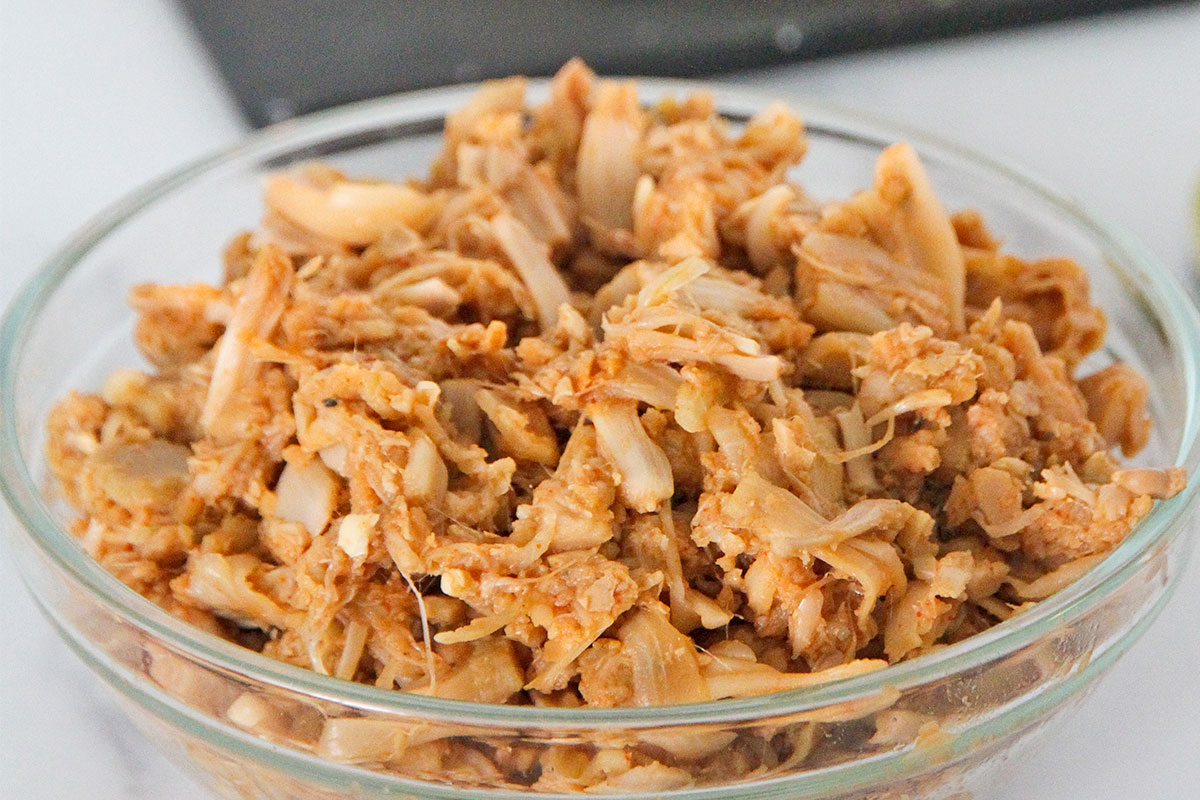
Texture plays a pivotal role in enhancing the overall taco experience, contributing to both the flavor profile and the enjoyment of each bite. In the world of culinary delights, tacos stand out not only for their vibrant flavors but also for the delightful contrast of textures they can offer. The interplay between crunchy and soft fillings is particularly significant, creating a multi-dimensional eating experience that tantalizes the senses.
When diving into the world of taco fillings, the combination of crunchy and soft textures elevates the dish to new heights. Crunchy elements, such as crispy lettuce or tortilla chips, provide a refreshing contrast to the soft, tender fillings like seasoned meat, beans, or creamy guacamole. This balance of textures enhances mouthfeel, making each bite more satisfying and engaging. A taco that features only soft components may lack excitement, while an entirely crunchy filling could overwhelm the palate. Therefore, a harmonious blend of textures not only complements the flavors but also keeps the dining experience dynamic and enjoyable.
Innovative Texture Combinations for Taco Fillings
Exploring innovative texture combinations can lead to unique taco experiences that surprise and delight. Consider these combinations, which highlight the importance of texture in creating memorable tacos:
- Crispy Fried Fish with Creamy Avocado Sauce: The crunch of fried fish contrasts beautifully with the smoothness of avocado sauce.
- Grilled Chicken with Crunchy Slaw: Juicy grilled chicken paired with a zesty, crunchy cabbage slaw adds a refreshing bite.
- Spicy Chorizo with Soft Corn Tortillas: The richness of chorizo meets the soft texture of warm corn tortillas for a classic combination.
- Roasted Vegetables with Tangy Feta Crumbles: The softness of roasted vegetables complements the crumbly texture of feta cheese, enhancing flavor.
- Black Bean Purée with Crispy Tortilla Strips: Creamy black bean purée is elevated by the addition of crunchy tortilla strips for texture contrast.
“The right texture can transform a taco from ordinary to extraordinary, enhancing both flavor and enjoyment.”
Closing Summary
In conclusion, the world of taco fillings is as diverse as it is delicious, offering endless possibilities to satisfy any palate. From traditional recipes that pay homage to cultural roots to modern twists that push culinary boundaries, there’s something for everyone. Whether you prefer classic meat fillings or innovative vegetarian options, the key lies in balancing flavors and textures for a memorable meal that celebrates the art of tacos. So, gather your ingredients, experiment, and enjoy the flavorful journey that comes with each taco filled with creativity.
Frequently Asked Questions
What are some common traditional taco fillings?
Common traditional taco fillings include carne asada, carnitas, pollo, and various fish options, each representing different regions in Mexico.
Can taco fillings be made gluten-free?
Yes, you can easily make taco fillings gluten-free by using corn tortillas and ensuring that all ingredients used are gluten-free.
How do you keep vegetarian taco fillings flavorful?
Using a mix of spices, herbs, and creative cooking techniques like grilling or roasting can enhance the flavor of vegetarian taco fillings.
Are there any popular taco filling pairings?
Popular pairings include pork with pineapple salsa, chicken with avocado crema, and fish with mango salsa for a refreshing contrast.
What is the best way to layer ingredients in a taco?
Start with the base filling, add toppings like cheese and salsa, and finish with fresh herbs or greens to balance texture and flavor.