 Rogert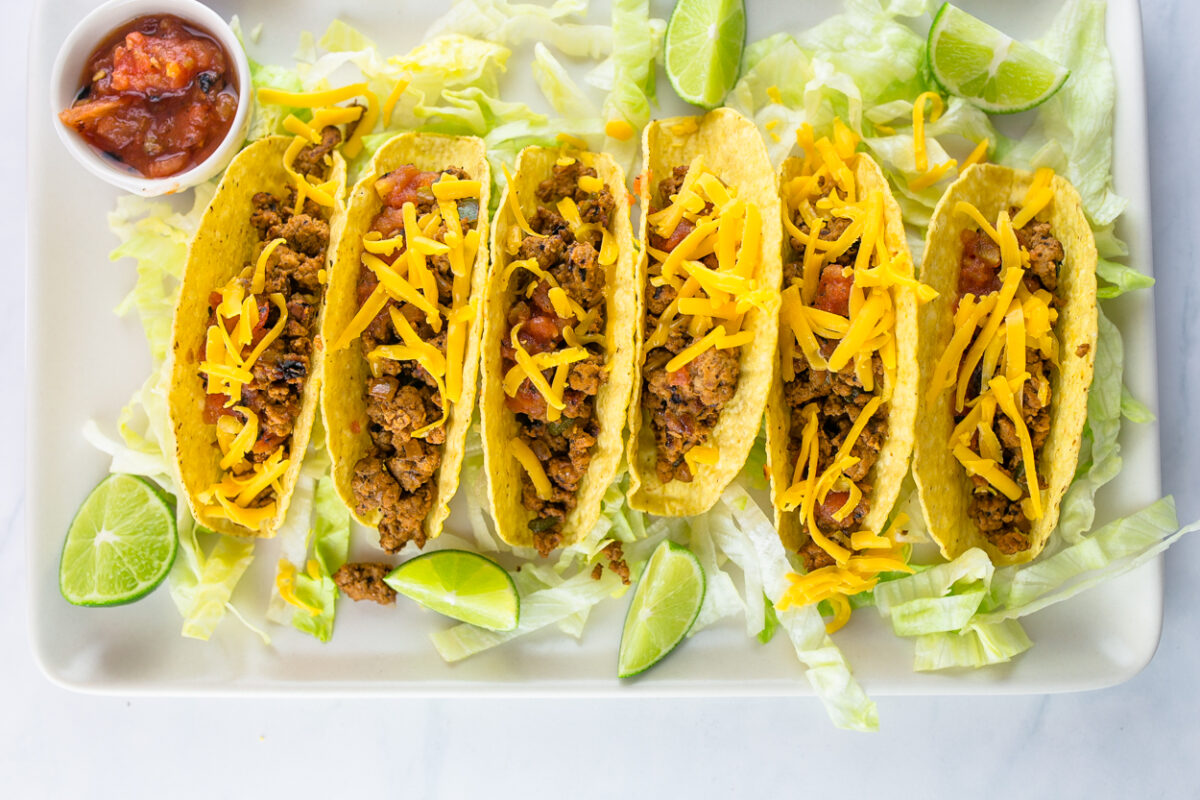
Classic tacos are not just a beloved dish; they are a vibrant emblem of Mexican culture, steeped in history and tradition. From their humble beginnings to the diverse regional variations found across Mexico, tacos offer a delicious glimpse into the country’s culinary landscape.
These delightful creations are defined by their essential ingredients and preparation methods, showcasing local flavors and customs that vary from one region to another. Join us as we explore the rich significance of classic tacos, their essential components, and how they continue to evolve and delight both in Mexico and around the globe.
Classic tacos and their cultural significance in Mexico
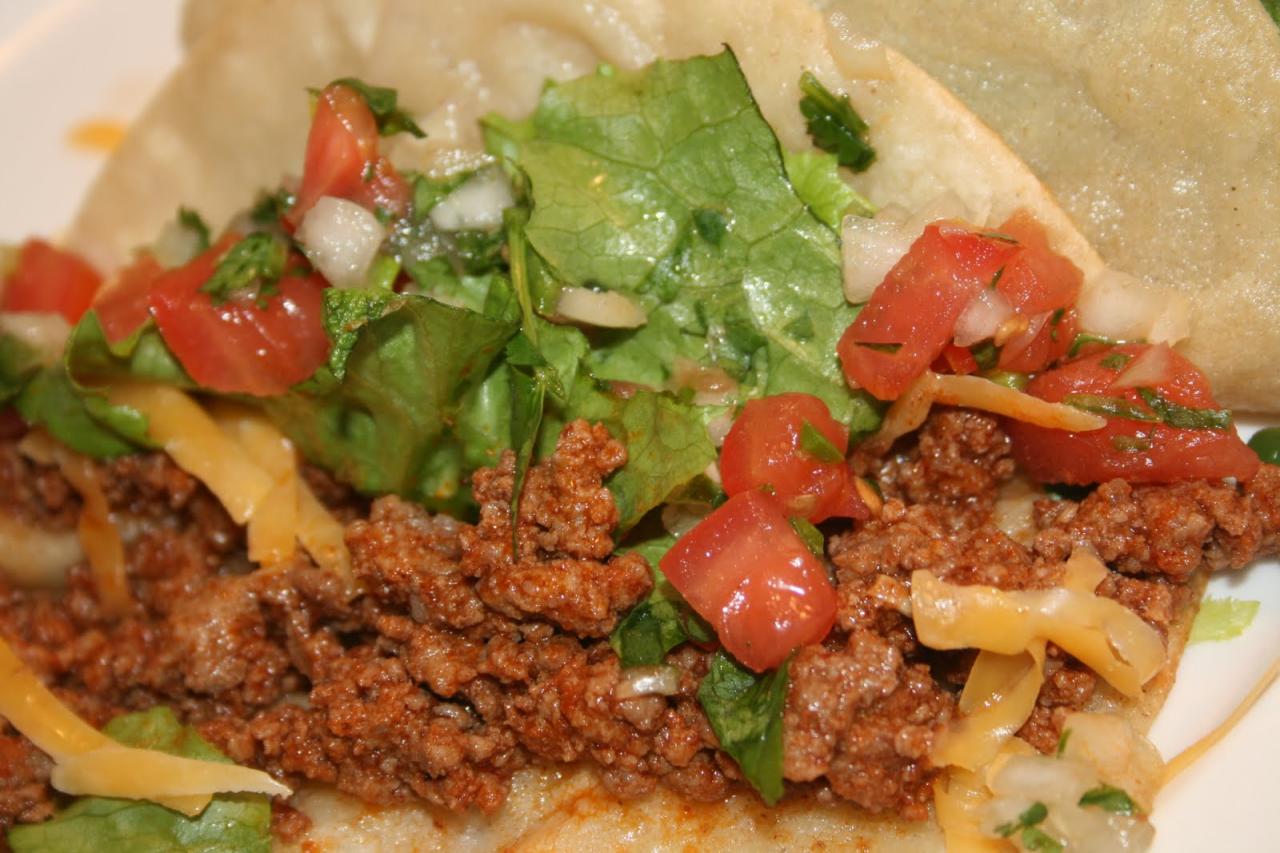
Classic tacos are not just a meal; they are a representation of Mexican identity, history, and culture. Originating from the indigenous peoples of Mexico, tacos have evolved into a cherished staple that reflects the rich culinary heritage of the country. Each bite of a taco tells a story of tradition, ingredients, and regional flavors that have been passed down through generations.
The historical origins of classic tacos can be traced back to the 18th century, with roots deeply embedded in indigenous practices. Initially, tacos were simple creations made with corn tortillas and local fillings. Over time, as different regions of Mexico developed their own culinary customs, the taco evolved to incorporate diverse ingredients and cooking techniques. This adaptability has allowed the taco to flourish across various states, embracing local flavors and traditions while maintaining its core identity.
Regional variations of tacos and their local significance
The diversity of tacos is immense, with each region of Mexico showcasing its own unique style and ingredients. This variety highlights the local customs and agricultural practices, as well as the distinct flavor profiles that define Mexican cuisine.
Some prominent regional variations include:
- Tacos al Pastor: Originating from Mexico City, these tacos feature marinated pork, cooked on a vertical spit, and served with pineapple, onions, and cilantro. This style was influenced by Lebanese immigrants who introduced shawarma to Mexico.
- Tacos de Barbacoa: Hailing from the central region, these tacos use slow-cooked, tender meat, traditionally lamb or beef, wrapped in a corn tortilla. The cooking method reflects indigenous practices of cooking in pits, showcasing the connection to ancestral traditions.
- Tacos de Pescado: Prominent in coastal areas, these tacos feature battered and fried fish, typically garnished with cabbage and a creamy sauce. They illustrate the abundance of fresh seafood available in these regions.
- Tacos de Carnitas: Originating from Michoacán, these tacos are filled with slow-cooked pork, often flavored with citrus and herbs. The cooking method emphasizes the importance of communal gatherings and family recipes.
Through these regional variations, classic tacos embody the essence of Mexican culture, showcasing how local ingredients, climate, and traditions shape culinary practices. Each taco offers a taste of its place of origin, enriching the cultural tapestry of Mexico while celebrating its diverse flavors.
“Tacos are not merely food; they are a way of life, a cultural expression that unites generations.”
The essential ingredients that define classic tacos
Classic tacos are a beloved staple of Mexican cuisine, celebrated for their versatility and rich flavors. At the heart of a classic taco lies a combination of simple yet essential ingredients that work harmoniously to create a satisfying and delicious meal. Understanding these components is key to appreciating the artistry behind each taco.
The fundamental components of a classic taco include tortillas, proteins, and toppings. The tortilla serves as the vessel that holds everything together, while the protein provides the main source of flavor. Toppings like onions, cilantro, salsa, and lime juice elevate the dish, adding freshness and brightness. The balance of these elements is what makes tacos a culinary delight.
Tortilla Variations: Corn vs. Flour
Tortillas are the foundation of any taco, and the choice between corn and flour tortillas significantly impacts the overall experience. Corn tortillas are traditionally used in authentic Mexican tacos and are made from masa harina, which gives them a distinct flavor and texture. They are gluten-free and tend to have a slightly nuttier taste. On the other hand, flour tortillas are softer and chewier, made from wheat flour, making them popular in Tex-Mex cuisine.
The importance of choosing the right tortilla cannot be overstated, as it affects not only the flavor but also the overall authenticity of the taco. Corn tortillas generally complement more robust fillings, like carne asada or carnitas, while flour tortillas pair well with lighter options, such as fish or shrimp tacos.
Common Proteins in Classic Tacos
The choice of protein is critical in defining the character of a taco. Various meats and seafood can be used, each bringing a unique taste profile to the dish. Here are some widely recognized proteins that are staples in classic taco recipes:
- Carne Asada: Grilled and marinated beef, often flank or skirt steak, that is tender and bursting with flavor. Ideal for those who enjoy a rich, hearty taco.
- Carnitas: Slow-cooked, shredded pork that is seasoned with herbs and spices, offering a savory and juicy filling. This versatile protein can be used in many variations of tacos.
- Fish: Commonly used in coastal areas, grilled or battered fish like tilapia or cod brings a fresh, light flavor. Topped with cabbage and a tangy sauce, fish tacos are a refreshing choice.
- Chicken: Often marinated and grilled or shredded, chicken provides a leaner option that pairs well with various toppings and salsas.
- Vegetarian Options: While not traditional, many modern tacos feature roasted vegetables, beans, or tofu, catering to diverse dietary preferences.
Understanding these proteins not only enhances your taco-making skills but also allows you to appreciate the rich traditions behind this iconic dish. Each protein has its origin and methods of preparation, reflecting the culinary diversity of Mexican culture.
Preparation methods for crafting the perfect classic taco
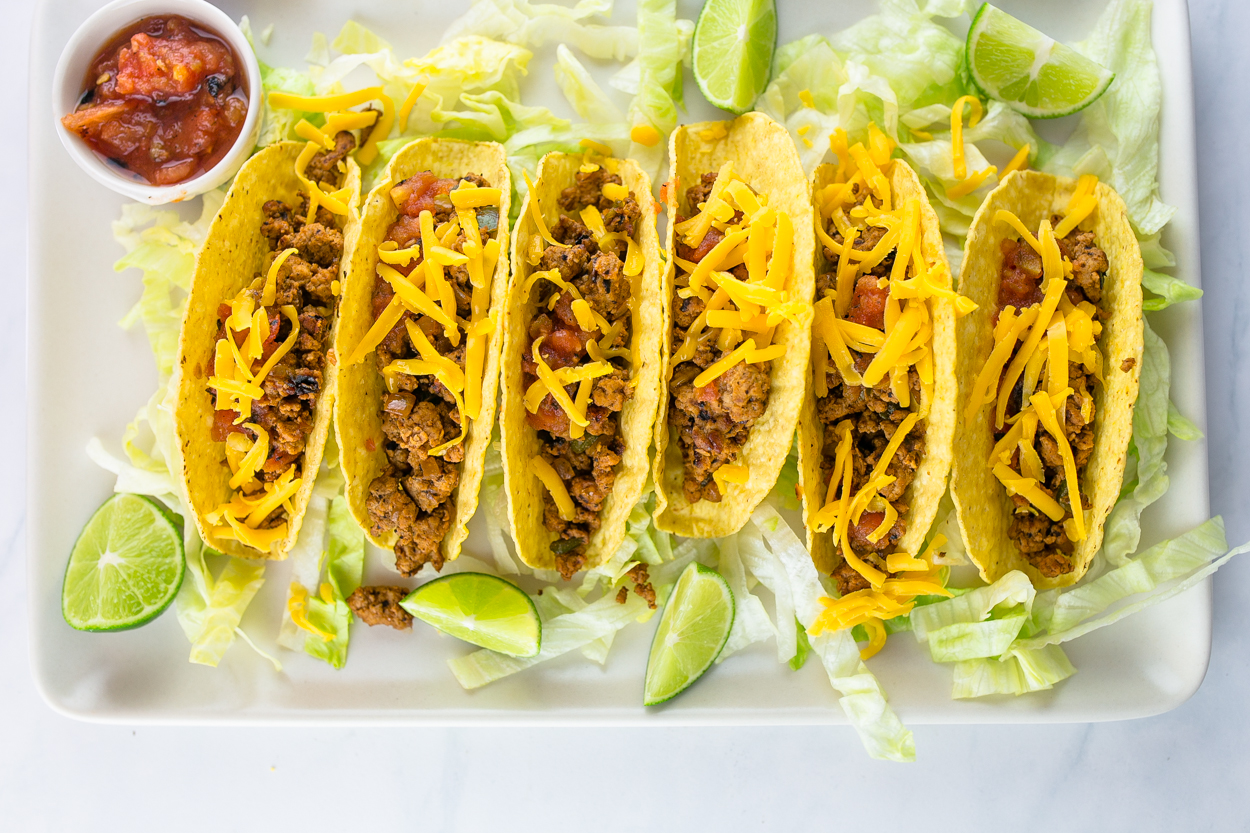
The key to a delicious classic taco lies in the preparation methods used for the tortillas, fillings, and garnishes. Each element contributes significantly to the overall taste and experience, making it essential to follow careful techniques that enhance flavor and texture.
Homemade tortilla preparation
Creating homemade tortillas is a rewarding process that elevates the taco experience. The right texture is crucial for both flavor and structural integrity, allowing the tortilla to hold the fillings without tearing. Here’s how to make them:
1. Select the right flour: Use masa harina, a specially treated corn flour, for corn tortillas, or all-purpose flour for flour tortillas. This choice impacts flavor and texture.
2. Mix the dough: Combine masa harina with warm water and a pinch of salt. For flour tortillas, incorporate fat (like lard or vegetable shortening) to enhance texture. Knead the mixture until smooth.
3. Rest the dough: Allow the dough to rest for at least 30 minutes, which helps develop gluten (for flour tortillas) and improves pliability.
4. Divide and shape: Divide the dough into small balls, and flatten them with a tortilla press or rolling pin to achieve uniform thickness. Aim for about 1/8 inch for flour and slightly thicker for corn tortillas.
5. Cook the tortillas: Heat a cast-iron skillet or griddle over medium-high heat. Cook each tortilla for about 30-45 seconds on each side until lightly browned and cooked through. Keep them warm in a clean kitchen towel until ready to use.
Freshly made tortillas provide a soft, flavorful base that enhances the overall taco experience.
Seasoning and cooking taco fillings
Seasoning and cooking the fillings properly can transform simple ingredients into a flavorful masterpiece. Here are effective methods for enhancing taco fillings:
– Marinating proteins: For meats like chicken, beef, or pork, marinate in a mixture of lime juice, garlic, cumin, and chili powder for at least an hour. This not only infuses flavor but also helps tenderize the meat.
– Cooking techniques:
– Grilling: Ideal for meats and vegetables, grilling adds a smoky flavor and creates appealing char marks.
– Sautéing: Quickly cook fillings over medium-high heat to retain moisture and enhance flavor. This method works well for shrimp or bell peppers.
– Slow-cooking: For tougher cuts of meat, slow-cooking allows them to become tender and absorb seasonings effectively.
– Layering flavors: When cooking, add onions and spices early in the process to build a flavor base, then incorporate other ingredients like tomatoes or beans later to maintain their texture.
Effective seasoning and cooking techniques are essential for highlighting the natural flavors of taco fillings.
Garnishes and salsas
Garnishes and salsas are vital components that complement the flavors of the taco. They add freshness, crunch, and additional layers of flavor. Here’s how to choose and prepare them:
– Fresh toppings: Chopped cilantro, diced onions, and crumbled cheese (like Cotija) provide a refreshing contrast to hearty fillings. Squeeze fresh lime juice over the top to brighten flavors.
– Salsas:
– Pico de gallo: Made from fresh tomatoes, onions, cilantro, jalapeños, and lime juice, this salsa adds a crunchy, zesty element.
– Roasted salsa: Roast tomatoes and peppers until charred, then blend for a smoky flavor that pairs well with grilled meats.
– Creamy elements: A drizzle of sour cream or a dollop of guacamole adds richness and balances spicy flavors.
Thoughtfully chosen garnishes and salsas enhance the taco’s flavor profile, creating a balanced and satisfying bite.
The role of classic tacos in celebrations and everyday life
Classic tacos are more than just a delicious dish; they are a vital part of Mexican culture and identity. In various celebrations and family gatherings, tacos serve as a culinary bridge that brings people together, fostering unity and happiness. Their presence at fiestas and everyday dining showcases their versatility and significance in both social and cultural contexts.
Celebrations in Mexico often revolve around food, and tacos are no exception. At weddings, birthdays, and national holidays such as Cinco de Mayo, tacos are typically featured prominently. They symbolize hospitality and warmth, inviting guests to share in the feast. The custom of making tacos fresh during these events allows families to bond over the preparation and enjoyment of food together. For example, during a typical Mexican wedding, you might encounter a taco station where guests can choose their favorite fillings—from carnitas to fish—and personalize their meal, creating a shared experience that enhances the celebratory atmosphere.
The significance of tacos in everyday dining
In addition to their role in celebrations, classic tacos have become a staple in everyday life in Mexico and around the globe. They are not just reserved for special occasions but are enjoyed as a quick, satisfying meal that caters to various tastes and preferences. Their adaptability has allowed tacos to transcend cultural boundaries, making them a beloved choice in numerous countries.
Tacos are increasingly available in diverse styles that reflect local tastes, from Korean BBQ tacos to vegetarian versions, which appeal to modern dietary preferences. This flexibility demonstrates the universal appeal and enduring popularity of tacos.
The communal nature of taco sharing is often evident in informal gatherings, where friends and family come together for a casual meal. For instance, it is common to see a group of friends gathered around a table piled high with assorted taco fillings and toppings, each person assembling their own custom tacos. This creates an interactive dining experience that encourages conversation and connection.
“Tacos are a culinary symbol of communal sharing, where each bite brings people closer together.”
Overall, whether it’s during a festive celebration or as part of a regular weekday meal, classic tacos hold a cherished place in the hearts of many, representing not just food, but the spirit of togetherness that enhances the joy of shared experiences.
Exploring modern interpretations of classic tacos
Classic tacos have long been a beloved staple of Mexican cuisine, but in recent years, they have undergone exciting transformations that reflect contemporary culinary trends. From food trucks to upscale dining establishments, chefs are reimagining traditional taco recipes, infusing them with innovative flavors, diverse ingredients, and artistic presentations. This exploration of modern interpretations highlights how the taco has evolved while still honoring its rich cultural roots.
Modern taco variations often incorporate unexpected ingredients and techniques that elevate the classic experience. Chefs around the globe have embraced fusion cuisine, blending traditional Mexican flavors with elements from other culinary traditions. This has led to an array of exciting tacos that showcase creativity while still paying homage to the original concept. Here are some notable contemporary twists on classic taco recipes:
Contemporary twists on classic taco recipes
Many chefs are crafting unique flavors by integrating non-traditional ingredients into taco fillings. Here are a few examples of how modern interpretations have taken shape:
- Kimchi Tacos: Combining traditional Korean kimchi with marinated meats or tofu, these tacos offer a spicy and tangy twist that contrasts beautifully with soft corn tortillas.
- Asian-Inspired Tacos: Featuring ingredients like duck, hoisin sauce, and sesame slaw, these tacos bridge the gap between Mexican and Asian cuisines, showcasing a delicious fusion of flavors.
- Vegan and Plant-Based Options: Using ingredients such as jackfruit or lentils to mimic traditional meat fillings, these tacos cater to a growing demand for plant-based cuisine without sacrificing flavor.
- Breakfast Tacos: A modern take on breakfast, featuring scrambled eggs, avocado, and salsa, served in a tortilla, these tacos have become a popular brunch item in various eateries.
- Gourmet Tacos: High-end restaurants are offering tacos filled with luxurious ingredients like lobster, truffle oil, or house-made aioli, elevating the taco to a fine dining experience.
The evolution of taco styles is also evident when comparing traditional methods with modern variations found in food trucks and gourmet restaurants. Food trucks have revolutionized the accessibility of diverse taco offerings, often serving creative combinations that reflect the cultural melting pot of urban environments. Gourmet restaurants, on the other hand, showcase the taco as a canvas for culinary artistry, emphasizing presentation and high-quality ingredients.
Influence of fusion cuisines on classic taco preparations
Fusion cuisines have significantly influenced the way tacos are prepared and presented, allowing chefs to experiment with flavors and cooking techniques from various culinary traditions. This has resulted in:
- Unexpected Ingredients: The use of components like sushi-grade fish for tacos, introducing flavors like wasabi mayo and pickled ginger.
- Global Ingredients: Incorporating spices and herbs from different cultures, such as using za’atar in taco seasoning to create Middle Eastern-inspired dishes.
- Artistic Presentations: Modern tacos are often plated with a focus on aesthetics, utilizing vibrant colors, garnishes, and unique plating techniques to entice diners visually.
- Cooking Techniques: Techniques like sous-vide cooking for meats or char-grilling vegetables are becoming common in taco preparations, enhancing flavor profiles.
The modern taco scene reflects an ongoing dialogue between tradition and innovation, celebrating the versatility of this iconic dish while inviting new culinary influences. As the taco continues to evolve, it remains a delicious representation of cultural exchange and creativity in the culinary world.
Popular taco toppings and their impact on flavor profiles
Tacos are a beloved staple in many cultures, celebrated not just for their versatile fillings but also for the rich array of toppings that enhance their flavor profiles. The right combination of toppings can elevate a simple taco experience into a culinary delight. Understanding how these toppings interact with the base flavors of the taco filling is essential for both taco enthusiasts and culinary creators.
The most popular taco toppings include onions, cilantro, various salsas, lime, jalapeños, and avocado. Each of these toppings contributes distinct flavor notes, textures, and aromas that can complement or contrast with the main fillings. For example, the sharpness of raw onions can cut through the richness of fatty meats, while fresh cilantro adds an aromatic freshness that brightens the overall taste. Salsas introduce varying levels of heat and acidity, enhancing the complexity of flavors.
Impact of Traditional Toppings
Traditional taco toppings play a crucial role in creating authentic flavor profiles. Below are popular toppings along with their contributions:
- Onions: Raw onions provide a crunchy texture and a sharp, slightly sweet flavor. They balance richer meats and add a refreshing bite.
- Cilantro: This herb introduces a fresh, citrusy flavor that cuts through heavier ingredients, enhancing overall brightness in flavor.
- Salsas: Different types of salsa (like pico de gallo or salsa verde) add varying degrees of heat, acidity, and sweetness, elevating the dish’s complexity. Each salsa offers a unique blend of flavors influenced by its ingredients.
- Lime: A squeeze of lime juice adds acidity, enhancing the flavors of the filling while bringing a zesty freshness that lightens the dish.
- Jalapeños: Fresh or pickled, they contribute heat and a slight fruity flavor, which can contrast with the savory aspects of the taco.
- Avocado: Creamy and rich, avocado adds a luxurious texture that complements the spices and other flavors while also providing a cooling effect.
Comparison of Classic versus Innovative Toppings
While traditional toppings are essential for an authentic taco experience, innovative toppings are emerging, bringing exciting new flavor combinations. Comparing classic and innovative toppings reveals how they impact traditional taco enjoyment.
Classic toppings typically focus on enhancing the traditional flavors of meat, beans, and cheese. In contrast, innovative toppings often introduce diverse ingredients that can create unexpected flavor profiles. For example, toppings like kimchi or mango salsa can add a fusion twist to tacos, appealing to adventurous eaters.
The impact is significant; classic toppings provide familiarity and comfort, while innovative toppings can surprise diners and expand their palate. This balance allows for a broader taco experience that can cater to both purists and those seeking something new.
“The marriage of classic and innovative toppings can create a taco experience that is both nostalgic and exhilarating.”
Incorporating both traditional and innovative toppings allows for creative culinary expressions, leading to unique flavor profiles that keep the taco experience vibrant and exciting.
Regional variations of classic tacos across the United States
The evolution of classic tacos in the United States has transformed these traditional Mexican dishes into diverse culinary experiences that reflect the unique flavors and cultures of various regions. While classic tacos have their origins in Mexico, their American counterparts have adapted over time, resulting in an array of styles that highlight local ingredients and preferences.
In the U.S., tacos have evolved in ways that may differ significantly from their Mexican origins. Authentic Mexican tacos typically feature simple yet flavorful ingredients, often focused on a protein, fresh herbs, onions, and salsa, all wrapped in a corn tortilla. In contrast, American variations often emphasize larger portions, a wider variety of toppings, and the incorporation of additional ingredients that cater to local tastes.
California tacos and Tex-Mex styles
California tacos are known for their fresh ingredients and unique twists, often incorporating avocado, fresh salsa, and grilled proteins. Street tacos, which are small and filled with simple ingredients, are particularly popular in Californian taco stands. A famous example is the fish taco, which originated in Baja California and has found its way into the hearts of many coastal cities in California.
Tex-Mex, a regional variation that blends Mexican and American cuisines, features hearty, cheesy dishes that often include hard-shell tacos, ground beef, and toppings like sour cream and guacamole. The influence from Tex-Mex can be seen in establishments like Taco Cabana and Taco Bell, where creative combinations like the crunchy taco and the soft taco reflect a more Americanized palate.
Authentic Mexican variations in the U.S.
Despite the prevalence of fusion styles, many areas in the U.S. still honor authentic Mexican taco traditions, particularly in regions with a strong Mexican heritage. Cities like San Antonio and Los Angeles are home to eateries that serve authentic tacos filled with marinated meats such as al pastor, carnitas, or barbacoa.
An example is Taquería La Mexicana in San Antonio, which offers traditional tacos served on handmade tortillas with fresh cilantro and onions. Similarly, Lizardi’s Taco Stand in Los Angeles features authentic street tacos that stay true to their roots, with options like lengua (beef tongue) and cabeza (head) that cater to adventurous eaters.
Notable taco establishments and their signature offerings
Across the United States, various taco establishments have gained recognition for their distinct styles and offerings that reflect regional differences. Here are a few noteworthy examples:
- Guelaguetza (Los Angeles, CA): Known for Oaxacan-style tacos, featuring rich mole and tlayudas.
- Torchy’s Tacos (Austin, TX): Famous for their creative taco combinations, including the “Trailer Park” which features fried chicken and green chiles.
- Los Tacos No. 1 (New York, NY): Celebrated for authentic Mexican street tacos served with homemade salsas and fresh corn tortillas.
- La Taqueria (San Francisco, CA): Renowned for their super burritos and classic tacos made with high-quality ingredients and bold flavors.
These establishments not only showcase the diversity of taco styles in the U.S. but also highlight how traditional recipes can evolve while maintaining their cultural significance. The array of flavors and styles available across the nation is a testament to the enduring appeal of tacos, making them a beloved staple in American cuisine.
Pairing classic tacos with beverages for an enhanced experience
Classic tacos are not only a delight for the taste buds but also offer a wonderful canvas for beverage pairings. Selecting the right drink can elevate the overall dining experience, enhancing the flavors of the tacos while providing a refreshing contrast to their savory ingredients. From traditional alcoholic options to enticing non-alcoholic beverages, the right pairing can make a meal memorable.
When considering beverage pairings with classic tacos, it’s essential to take into account the different flavor profiles of both the tacos and the drinks. Tacos often feature rich ingredients, including seasoned meats, fresh vegetables, and zesty salsas, which can be complemented beautifully by a range of beverages that either match or contrast these flavors. Below is a comprehensive list of beverages that can be enjoyed with various types of classic tacos.
Recommended beverages for classic tacos
A thoughtful selection of beverages can enhance the enjoyment of classic tacos. Below are various taco types paired with beverages that harmonize well with their specific flavors.
| Taco Type | Recommended Drink | Flavor Profile |
|---|---|---|
| Carnitas Taco | Pale Ale | The malty sweetness of pale ale complements the rich, savory flavor of carnitas. |
| Fish Taco | Lemonade | The citrusy notes of lemonade enhance the freshness of the fish while balancing the taco’s spices. |
| Beef Taco | Red Wine (Merlot) | A smooth Merlot pairs well, accentuating the flavors of the seasoned beef. |
| Vegetarian Taco | Hibiscus Iced Tea | The floral and fruity notes of hibiscus tea provide a refreshing contrast to the earthiness of vegetables. |
| Chicken Taco | Margarita | A classic lime margarita complements the savory chicken and adds a zesty kick. |
| Barbacoa Taco | Stout Beer | The rich, roasted flavors of stout enhance the deep, complex spices of barbacoa. |
Each of these pairings has been crafted to ensure that the beverage complements the taco, enhancing the overall flavors rather than overshadowing them. The importance of balancing flavor profiles cannot be understated; a well-paired beverage can draw out the best in the taco, making each bite and sip an experience to savor.
Concluding Remarks
In conclusion, classic tacos are more than just food; they represent community, celebration, and the rich tapestry of Mexican culture. Whether enjoyed during special occasions or as a daily meal, each taco tells a story of tradition, innovation, and the love for good food. So, the next time you bite into a classic taco, remember the history and passion behind this iconic dish.
FAQ Insights
What are the differences between corn and flour tortillas?
Corn tortillas are traditional and have a distinct flavor, while flour tortillas are softer and more flexible, often used in various taco styles.
Can classic tacos be made vegetarian or vegan?
Absolutely! Classic tacos can easily be adapted with plant-based proteins and toppings for a delicious vegetarian or vegan option.
What are some common toppings for classic tacos?
Popular toppings include onions, cilantro, salsas, guacamole, and lime, each adding unique flavors and textures to enhance the taco experience.
How have classic tacos evolved in the U.S.?
In the U.S., classic tacos have been influenced by various regional styles, leading to creations like Tex-Mex and California tacos that incorporate local ingredients and flavors.
What beverages pair well with classic tacos?
Traditional pairings include Mexican beer, aguas frescas, and margaritas, all of which complement the flavors of classic tacos beautifully.