
 Rogert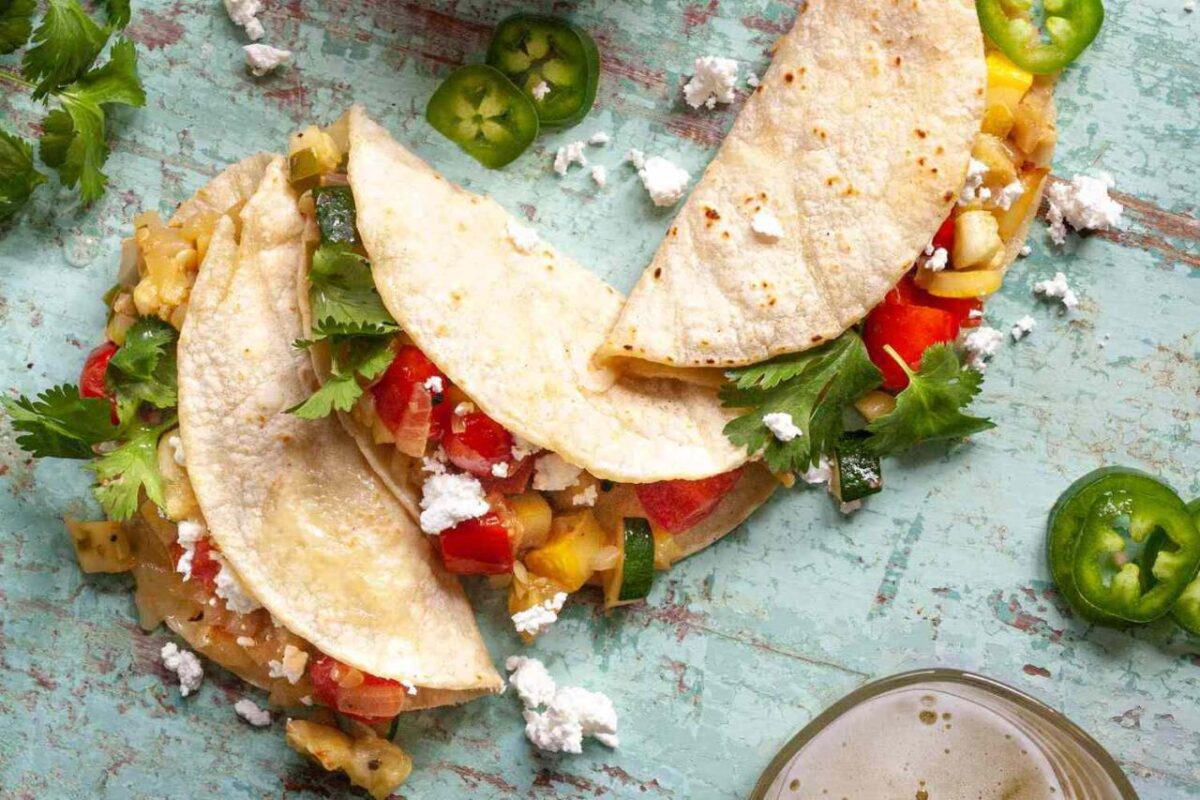
Vegetarian tacos are more than just a meal; they represent a vibrant fusion of flavors and cultures that have evolved over time. From their historical roots to modern interpretations, these plant-based tacos showcase the creativity and adaptability of global cuisines, celebrating the rich tapestry of ingredients that can make each bite a delight.
With a plethora of fresh vegetables, legumes, and unique spices, vegetarian tacos offer not only a delicious option but also a nutritious one, making them a popular choice for health-conscious food enthusiasts. Whether you’re in the mood for a classic recipe or an inventive twist, vegetarian tacos can cater to all palates and preferences, inviting everyone to join in on the fun.
Explore the history and cultural significance of vegetarian tacos in various cuisines
Vegetarian tacos have a rich history that reflects the diverse cultural influences shaping taco cuisine over time. Originating in Mexico, traditional tacos have evolved as various ingredients and cooking methods were integrated from different regions and cultures. The rise of vegetarianism and the popularity of plant-based diets in recent decades have led to a significant transformation in taco recipes, introducing a variety of vegetarian options that still pay homage to their roots.
The origins of vegetarian tacos lie in the traditional Mexican taco culture, which has always utilized fresh vegetables, legumes, and grains. Over time, as globalization brought new culinary ideas and ingredients, vegetarian tacos began to take on unique forms in various cultures. Ingredients such as mushrooms, lentils, and beans became staples in vegetarian versions, often reflecting local agricultural practices and flavors.
Integration of Vegetarian Ingredients in Global Taco Recipes
The fusion of vegetarian ingredients into taco recipes highlights the adaptability of this dish across cultures. Different regions have embraced vegetarianism, leading to the creation of distinct variations of tacos that celebrate local ingredients. Here are some noteworthy examples:
- Mexican Tacos de Nopales: In many parts of Mexico, tacos filled with nopales (cactus paddles) are popular. The slimy texture and unique flavor of nopales create a delicious combination when paired with fresh cilantro, onions, and a squeeze of lime.
- Indian Tacos: In the southwestern United States, the influence of Native American cuisine has led to the creation of Indian tacos, typically featuring frybread topped with various vegetarian ingredients like beans, corn, and avocado.
- Asian-Inspired Tacos: Fusion cuisines have introduced tacos filled with stir-fried vegetables, tofu, and Asian sauces, offering a unique twist on the traditional Mexican recipe, showcasing the versatility of the taco format.
- Southwestern Black Bean Tacos: These tacos incorporate seasoned black beans, corn, and avocado, representing the regional flavors of the American Southwest. They’re often served with fresh pico de gallo and lime.
The cultural significance of vegetarian tacos lies not only in their ingredients but also in their ability to bring people together around a shared meal. They embody a blending of traditions, allowing for personal expression and creativity in cooking. As vegetarianism continues to grow in popularity, these tacos remain a delicious way to explore the culinary landscape, reflecting both historical roots and contemporary food trends.
Identify common ingredients used in vegetarian taco recipes and their nutritional benefits
Vegetarian tacos are a delicious and nutritious option for anyone looking to enjoy flavorful meals without the meat. With a variety of fresh vegetables and legumes available, these tacos can be both satisfying and healthy. Understanding the common ingredients used in vegetarian taco recipes can help you make informed choices that enhance both the taste and nutrition of your meals.
A variety of vegetables and legumes are popular in vegetarian tacos, each offering unique flavors and health benefits. Incorporating these ingredients can elevate your taco game while providing essential nutrients.
Popular vegetables and legumes used in vegetarian tacos
When crafting vegetarian tacos, certain ingredients stand out for their flavor and nutritional profiles. Here are some of the most commonly used vegetables and legumes:
- Black Beans: Rich in protein and fiber, black beans help support digestive health and provide sustained energy.
- Bell Peppers: These colorful vegetables are high in vitamins A and C, which are important for immune function and skin health.
- Avocado: Packed with healthy monounsaturated fats, avocados can help lower cholesterol levels and promote heart health.
- Corn: A good source of carbs, corn is also rich in antioxidants and provides fiber, which is beneficial for digestion.
- Onions: Onions are not only flavorful but also contain quercetin, an antioxidant that may help reduce inflammation.
- Zucchini: Low in calories and high in hydration, zucchini can aid in weight management and provide essential vitamins.
- Kale or Spinach: Leafy greens are high in iron, calcium, and vitamins K and C, supporting bone health and overall wellness.
Choosing fresh, organic produce can significantly enhance the flavor and nutritional value of your vegetarian tacos. Here are some tips to ensure you select the best ingredients:
Tips for selecting fresh, organic produce
When shopping for vegetables and legumes, consider the following guidelines to ensure optimal freshness and flavor:
- Look for Vibrant Colors: Fresh vegetables should have bright, vivid colors. This often indicates higher nutrient levels.
- Check for Firmness: Firm vegetables are typically fresher. Avoid any that feel soft or have blemishes.
- Smell the Produce: Fresh fruits and vegetables often have a pleasant aroma. A lack of scent can indicate that they are past their prime.
- Support Local Farmers: Buying from local farmers’ markets can provide fresher, seasonal produce while supporting your community.
- Choose Organic When Possible: Organic produce is often grown without synthetic pesticides, making it a better choice for both health and the environment.
By selecting quality ingredients and understanding their benefits, you can create vegetarian tacos that are not only delicious but also nutritious. Making informed choices at the grocery store enhances the overall taco experience, allowing you to savor every bite.
Compare different cooking methods for preparing vegetarian tacos
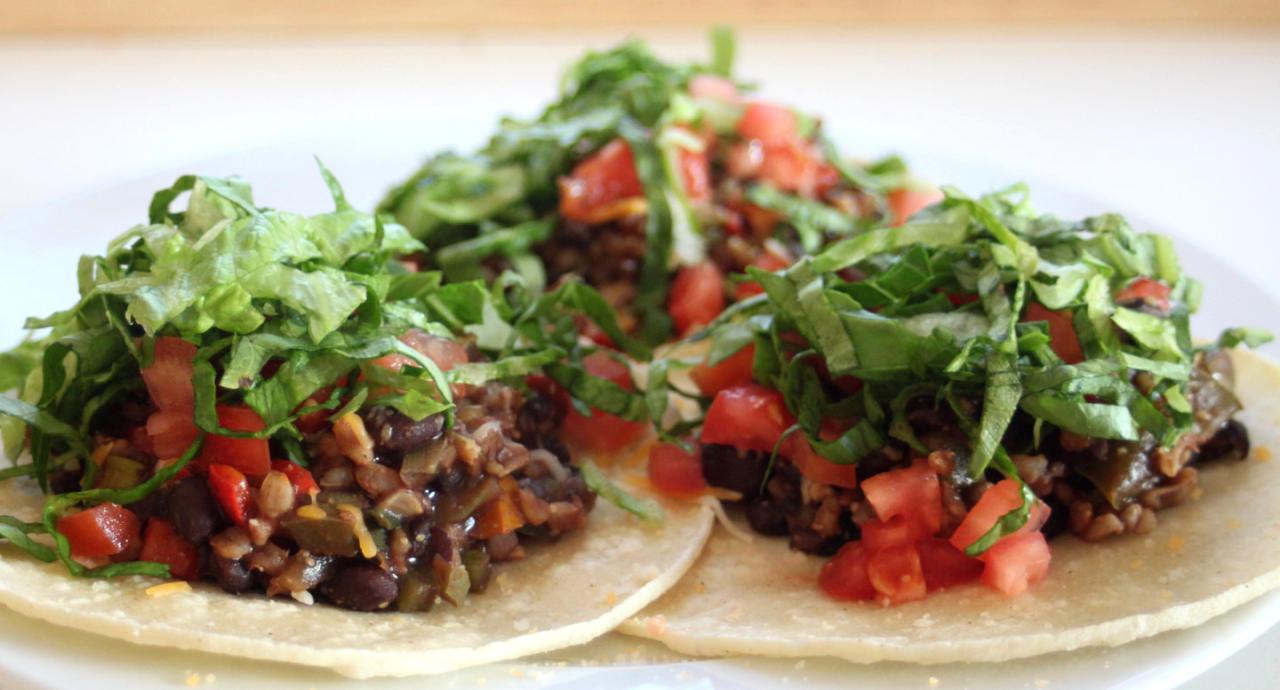
Vegetarian tacos are not only a delicious meal option, but they also provide a blank canvas for a variety of flavors and textures. The method you choose to prepare your taco filling can significantly influence the overall taste and satisfaction of your dish. Here, we will explore various cooking techniques including grilling, roasting, and sautéing, and analyze how each method transforms the ingredients.
Cooking Techniques for Vegetarian Tacos
Different cooking methods can enhance the flavors and textures of your taco ingredients in unique ways. Understanding these differences can help you select the best approach based on your desired outcome. Below is a comparison of three popular cooking methods for vegetarian tacos:
- Grilling: Grilling vegetables, such as bell peppers, zucchini, and corn, over an open flame gives them a smoky flavor and a beautifully charred texture. The high heat caramelizes the natural sugars in the veggies, intensifying their taste. The result is a delightful combination of smoky, sweet, and savory flavors that enhance any taco.
- Roasting: Roasting vegetables in the oven allows them to develop a rich, deep flavor. This method is particularly effective for starchy vegetables like sweet potatoes and butternut squash. The slow cooking process concentrates their flavors and results in a tender texture that complements the crunch of taco shells.
- Sautéing: Sautéing offers a quick cooking method that retains the freshness of the vegetables. This method is ideal for greens like spinach or kale and can also work well for mushrooms, which gain a savory umami flavor. Sautéing allows for quick seasoning to infuse flavors while maintaining the bright colors and textures of the ingredients.
Each of these methods can be adapted for diverse ingredients, allowing you to customize your vegetarian tacos to suit your taste preferences. Below is a step-by-step guide for preparing vegetarian tacos using both grilling and sautéing methods.
Step-by-Step Guide for Preparing Vegetarian Tacos
To showcase the differences, let’s create vegetarian tacos using both the grilling and sautéing techniques.
Grilled Vegetable Tacos
1. Preheat the grill to medium-high heat.
2. Chop your vegetables into similar-sized pieces for even cooking. Consider using bell peppers, zucchini, and red onions.
3. Toss the chopped vegetables with olive oil, salt, pepper, and any desired spices (like cumin or chili powder).
4. Place the vegetables on a grill basket or directly on the grill grate.
5. Grill the veggies for about 5-7 minutes, turning occasionally until they are tender and charred.
6. Warm taco shells on the grill for 1-2 minutes.
7. Fill the shells with the grilled vegetables and top with avocado, salsa, and fresh cilantro.
Sautéed Mushroom and Spinach Tacos
1. Heat a tablespoon of olive oil in a large skillet over medium heat.
2. Add sliced mushrooms and cook for about 5 minutes, stirring occasionally until they are browned and soft.
3. Add fresh spinach to the skillet and sauté until wilted, about 2-3 minutes.
4. Season with garlic, salt, and pepper to taste.
5. Warm taco shells in the microwave or on a stovetop for a few seconds.
6. Spoon the mushroom and spinach mixture into the shells and top with crumbled feta or a drizzle of tahini sauce.
Each cooking method highlights the natural flavors and textures of the ingredients, giving your vegetarian tacos a unique twist. Whether you prefer the smoky char of grilled veggies or the quick sauté of fresh greens, both options are sure to satisfy your cravings for a delicious meal.
Create unique flavor combinations and toppings for vegetarian tacos
Vegetarian tacos present an exciting opportunity to explore vibrant flavors and diverse textures, making every bite a delightful experience. By thoughtfully pairing vegetables and sauces, you can create unique combinations that elevate your taco game to new heights. This section delves into the art of flavor pairing, the importance of unusual toppings, and tips for achieving a perfect balance in your vegetarian taco creations.
Pairing vegetables and sauces for optimal taste
Choosing the right combination of vegetables and sauces is crucial for enhancing the overall flavor profile of your vegetarian tacos. Different vegetables can offer varying degrees of sweetness, earthiness, and crunch, while sauces add moisture and acidity. For instance, pairing roasted sweet potatoes with a zesty lime crema creates an exciting contrast between the sweetness of the potatoes and the sharpness of the crema.
When crafting your combinations, consider the following:
- Grilled corn and avocado salsa: The sweetness of the corn complements the creaminess of the avocado, while fresh lime juice brings brightness.
- Zucchini and tahini dressing: The mild flavor of zucchini pairs well with the nutty richness of tahini, creating a satisfying taco filling.
- Black beans and chipotle mayo: The earthy notes of black beans balance perfectly with the smoky heat of chipotle mayo, adding depth to each bite.
- Roasted bell peppers and garlic aioli: The sweetness of the roasted peppers, combined with the garlicky richness of aioli, results in a robust flavor combination.
Unusual toppings that enhance the taco experience
Toppings can transform a basic taco into a standout dish, especially when you opt for unconventional choices. Introducing unique toppings can infuse your tacos with unexpected flavors and textures, turning an ordinary meal into something extraordinary. Consider adding the following toppings to elevate your vegetarian tacos:
- Pickled red onions: Their tangy flavor adds a refreshing contrast to rich fillings.
- Pomegranate seeds: The burst of sweetness and crunch from pomegranate seeds provides a delightful surprise.
- Spicy mango chutney: This adds a sweet and spicy kick, enhancing the overall flavor experience.
- Crushed pistachios: Their nutty flavor and crunchy texture can add an interesting twist to your tacos.
- Cilantro-lime slaw: A fresh slaw can introduce brightness and crunch, balancing heavier fillings.
Tips for balancing flavors and textures
Creating a successful vegetarian taco goes beyond simply adding ingredients; it’s about achieving a harmonious balance of flavors and textures. This includes considering the sweetness, acidity, spiciness, and crunchiness of your ingredients. Here are some useful tips to enhance your taco creations:
“Balancing flavors is key to creating an unforgettable taco experience.”
– Incorporate ingredients with varying textures; for example, pair creamy elements (like guacamole) with crunchy toppings (like radishes or cabbage).
– Use fresh herbs like cilantro or mint to introduce brightness that can elevate the overall taste.
– Consider the temperature of your ingredients; combining warm fillings with cold toppings can create an appealing contrast.
– Aim for a mix of flavors: sweet, spicy, tangy, and savory elements should all have a place in your taco to create a complex and satisfying dish.
By experimenting with these combinations and suggestions, you can create delicious vegetarian tacos that not only tantalize the taste buds but also bring a delightful variety to your dining experience.
Design a vegetarian taco meal plan for a week with varied flavors and ingredients
Creating a vegetarian taco meal plan for the week is an excellent way to explore diverse flavors and ingredients while promoting healthy eating. Tacos are incredibly versatile and can cater to various dietary preferences, allowing you to experiment with different combinations of vegetables, legumes, grains, and sauces. This plan will provide a delicious array of options while ensuring minimal food waste through strategic preparation.
To streamline cooking and reduce waste, it’s beneficial to plan meals around similar ingredients that can be used in multiple recipes throughout the week. The following meal plan incorporates varied flavors and accommodates different dietary preferences, ensuring every taco night is a delightful culinary adventure.
Weekly Vegetarian Taco Meal Plan
This meal plan features a different vegetarian taco recipe for each day of the week, highlighting unique flavors and textures:
- Monday: Spicy Black Bean Tacos
Utilize canned black beans seasoned with cumin, chili powder, and garlic. Serve with diced avocados, cilantro, and lime wedges.
- Tuesday: Grilled Veggie Tacos
Grill bell peppers, zucchini, and red onions. Serve with a sprinkle of feta cheese and a drizzle of balsamic glaze.
- Wednesday: Cauliflower and Chipotle Tacos
Roast cauliflower florets with chipotle seasoning. Top with cabbage slaw and a creamy avocado dressing.
- Thursday: Chickpea Tacos with Tahini Sauce
Mix canned chickpeas with tahini, lemon juice, and garlic. Add diced cucumbers and cherry tomatoes for freshness.
- Friday: Mushroom and Spinach Tacos
Sauté mushrooms and spinach in olive oil with garlic. Serve with goat cheese or nutritional yeast for a creamy finish.
- Saturday: Sweet Potato and Black Bean Tacos
Roast sweet potatoes with cumin and paprika. Combine with black beans and top with avocado cream sauce.
- Sunday: Zesty Quinoa Tacos
Cook quinoa and mix with corn, diced peppers, and avocado. Serve with fresh salsa and lime.
Preparation Tips to Streamline Cooking
To make the weekly taco preparation efficient and minimize waste, consider the following tips:
- Batch cook ingredients: Prepare larger portions of beans, grains, and roasted vegetables to use throughout the week.
- Use versatile ingredients: Incorporate ingredients that can be used in multiple meals, such as avocados, which can be eaten fresh, in sauces, or as toppings.
- Store leftovers properly: Save any unused ingredients in airtight containers to maintain freshness and extend their shelf life.
- Pre-chop vegetables: Spend some time on the weekend chopping onions, peppers, and other veggies to reduce prep time during the week.
Accommodating Different Dietary Preferences
This vegetarian taco meal plan can easily accommodate various dietary preferences, including gluten-free, vegan, and low-carb diets.
- For gluten-free options, use corn tortillas instead of flour tortillas.
- To make recipes vegan, substitute dairy cheese with plant-based alternatives or skip it altogether.
- For a low-carb diet, use lettuce wraps instead of tortillas for a refreshing and crunchy alternative.
“By planning ahead, you can enjoy a week of delicious vegetarian tacos without the stress of daily meal prep.”
Demonstrate how to host a vegetarian taco night for friends and family
Hosting a vegetarian taco night is a fantastic way to bring friends and family together for a fun and delicious evening. With vibrant flavors and an array of fresh ingredients, your taco night will cater to both vegetarians and meat-lovers alike. This guide Artikels the steps to plan and organize a memorable taco bar, suggests complementary side dishes and beverages, and details how to create an inviting atmosphere for your gathering.
Planning and organizing a taco bar
Setting up a taco bar allows your guests to customize their tacos exactly to their liking. Begin by selecting a variety of vegetarian fillings and toppings that appeal to all taste preferences. Here are some essential components for your taco bar:
- Taco Shells: Offer a choice of soft tortillas and crunchy taco shells to cater to different preferences.
- Vegetarian Proteins: Consider options like grilled veggies, black beans, lentils, or store-bought meat substitutes such as soy chorizo or jackfruit.
- Toppings: Provide an array of toppings including diced tomatoes, shredded lettuce, chopped onions, jalapeños, corn, avocado, and cilantro.
- Cheese: Include a selection of shredded cheeses like cheddar, Monterey Jack, and crumbled feta or dairy-free alternatives for vegan guests.
- Sauces: Prepare a variety of salsas (mild to spicy), guacamole, sour cream, and zesty lime dressing.
Make sure to set up the bar in a way that allows guests to move easily while assembling their tacos. Label each item to avoid confusion and ensure everyone knows what’s available.
Suggestions for side dishes and beverages
Complementing your vegetarian tacos with delicious side dishes and beverages enhances the overall experience. Here are some popular options to consider:
- Side Dishes:
- Mexican Street Corn: Grilled corn on the cob topped with cotija cheese, lime, and chili powder.
- Refried Beans: A creamy side that pairs wonderfully with tacos, seasoned with cumin and garlic.
- Rice and Black Beans: A flavor-packed mixture that adds substance to the meal.
- Chips and Salsa: Fresh tortilla chips served with homemade salsa are always a hit at gatherings.
- Beverages:
- Margaritas: Classic lime margaritas or fruit-infused variations are a great pairing with tacos.
- Agua Fresca: Refreshing beverages made from fruits like watermelon, cucumber, or hibiscus.
- Craft Beers: Local craft beers can provide a unique flavor profile that complements the spices of the tacos.
- Non-Alcoholic Options: Sparkling water or flavored iced teas ensure everyone has something to sip on.
Creating an inviting atmosphere
The right atmosphere can elevate your taco night, making it feel festive and welcoming. Here are some ideas to set the mood:
- Decor: Use colorful tablecloths and festive centerpieces like small cacti or succulents to bring a touch of the fiesta vibe.
- Lighting: Soft lighting such as string lights or candles can create a cozy and inviting ambiance.
- Music: Curate a playlist featuring upbeat Latin music that encourages everyone to enjoy the moment and even dance.
- Seating Arrangements: Create comfortable seating areas with enough space for guests to mingle while enjoying their food.
With thoughtful planning, delicious food, and a welcoming atmosphere, your vegetarian taco night will be a hit, leaving your friends and family with wonderful memories and full bellies!
Share common mistakes to avoid when making vegetarian tacos and offer solutions
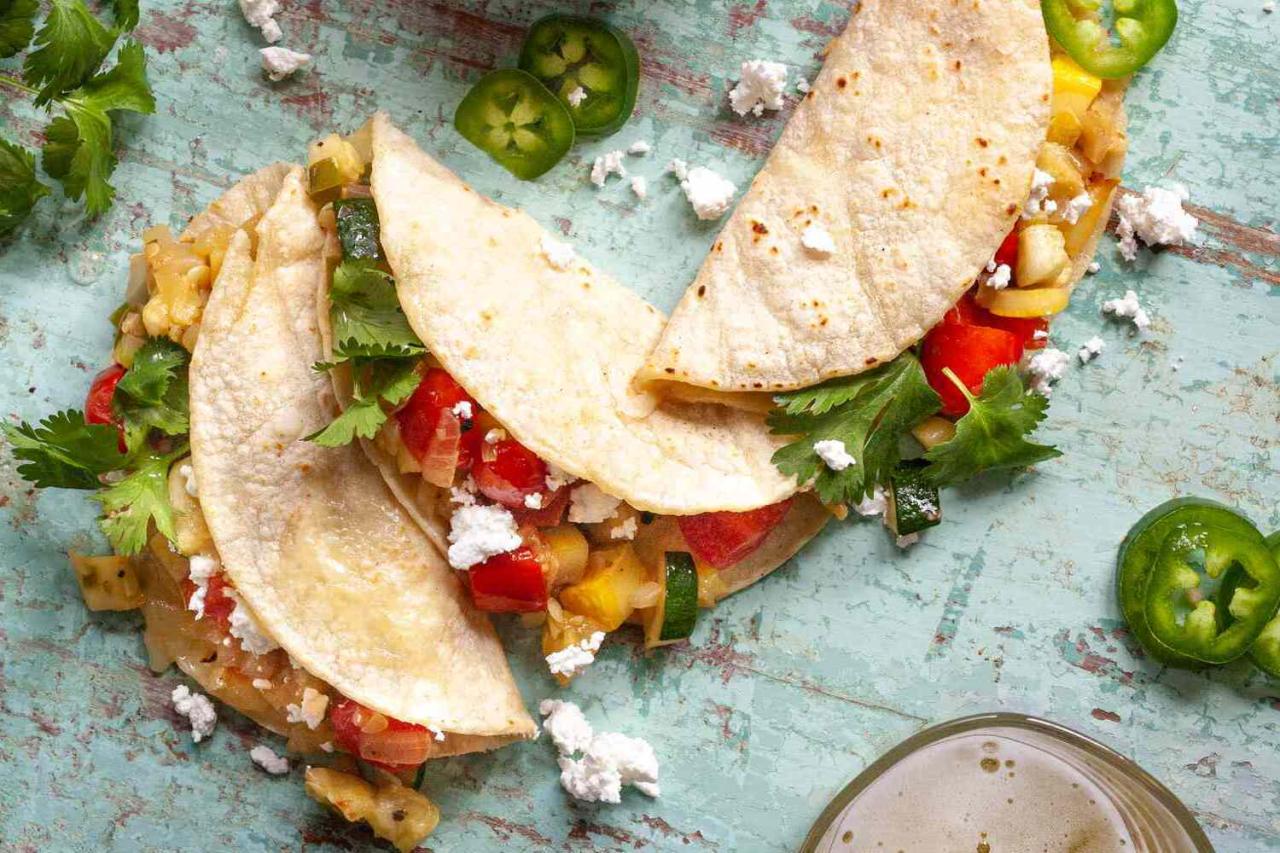
Crafting the perfect vegetarian taco can be a delightful experience, but there are common pitfalls that can detract from the overall flavor and presentation. Recognizing these mistakes and knowing how to address them can elevate your taco-making game to new heights. Below, we’ll delve into frequent errors in ingredient selection and preparation, along with practical tips to troubleshoot common cooking issues.
Ingredient Selection Errors
Choosing the right ingredients is crucial for achieving a delicious vegetarian taco. Many home cooks overlook certain aspects of ingredient selection, leading to bland or unappealing results. Here are some common mistakes along with solutions to enhance your taco experience:
- Overlooking Seasoning: Relying solely on the natural flavors of vegetables can lead to bland tacos. It’s essential to season your ingredients well. Aim for a mix of spices, including cumin, chili powder, and garlic powder, to add depth.
- Using Low-Quality Tortillas: Cheap tortillas can fall apart or lack flavor. Opt for fresh, high-quality corn or flour tortillas. Consider warming them in a skillet to enhance their taste and texture.
- Neglecting Texture Variety: Using only soft ingredients can make tacos mushy. Incorporate crunchy elements like shredded cabbage or crispy radishes for contrast in texture, making each bite enjoyable.
Preparation Mistakes
Preparation plays a significant role in the final outcome of your tacos. Even with the best ingredients, poor preparation can lead to disappointing results. Here are some common mistakes and how to fix them:
- Under- or Overcooking Vegetables: Vegetables need to be cooked just right to maintain their flavor and texture. For example, sautéing bell peppers too long can make them soggy. Aim for vibrant, tender-crisp vegetables by cooking them until just tender.
- Skipping Marinades: Failing to marinate proteins like tofu or tempeh can result in dull flavors. A simple marinade of lime juice, olive oil, and spices can make a world of difference. Let the ingredients soak for at least 30 minutes before cooking.
Flavor and Presentation Improvements
Enhancing the flavor and presentation of your vegetarian tacos can transform a simple meal into a culinary masterpiece. Here are some tips for elevating both aspects:
- Incorporating Fresh Herbs: Fresh cilantro, parsley, or mint can brighten up your tacos. Use them as a garnish to not only enhance flavor but also add a pop of color.
- Adding Salsas and Sauces: A good salsa or sauce can elevate your dish significantly. Consider making a fresh pico de gallo or a creamy avocado sauce to drizzle on top, adding both flavor and visual appeal.
- Artful Assembly: Presentation matters. Layer your ingredients thoughtfully, and consider using a variety of colors and shapes. Arrange your tacos on a platter with lime wedges and toppings for an inviting look.
“The key to exceptional vegetarian tacos lies in the balance of flavors, textures, and presentation. Don’t be afraid to experiment!”
Elaborate on the environmental impact of choosing vegetarian tacos over traditional meat options
The choice of vegetarian tacos over traditional meat options is not just a dietary preference; it’s a step towards a more sustainable future. By opting for plant-based ingredients, individuals can significantly reduce their environmental footprint and contribute positively to the planet’s health. Vegetarian tacos are a vibrant and delicious way to enjoy a meal that aligns with ecological mindfulness.
Transitioning to a plant-based diet offers several benefits regarding sustainability, including lower greenhouse gas emissions, reduced water usage, and less deforestation. Plant-based diets typically require fewer resources to produce compared to animal products. For example, the production of one pound of beef emits approximately 27 kilograms of carbon dioxide equivalent, while vegetables and grains generate significantly less. This shift can lead to substantial reductions in overall carbon footprints.
Food Production Statistics and Environmental Effects
Understanding the statistics related to food production underscores the significant environmental benefits of vegetarian options, such as tacos. The following points highlight key data that illustrate the impact of our food choices:
-
Animal agriculture is responsible for 14.5% of global greenhouse gas emissions.
- The meat industry uses about 80% of the world’s agricultural land yet provides only 18% of the calories consumed by humans.
- Producing one kilogram of beef requires approximately 15,000 liters of water, contrasting sharply with the mere 1,500 liters needed for a kilogram of vegetables.
- Shifting to plant-based diets could reduce food-related emissions by up to 70% by 2050, according to the Food and Agriculture Organization (FAO).
These figures illustrate the heavy environmental toll of traditional meat production. In contrast, vegetarian tacos, filled with beans, avocados, corn, and colorful vegetables, not only minimize resource depletion but also promote biodiversity and soil health.
The adoption of vegetarian tacos is a significant step towards a greener lifestyle. Each ingredient used contributes to a more sustainable food system, lessening the burden on natural resources and ecosystems. By embracing such choices, individuals can enjoy tasty meals while playing a role in preserving our planet for future generations.
Epilogue
In summary, vegetarian tacos are a versatile and exciting option that encourages creativity in the kitchen while supporting a healthier lifestyle. They not only satisfy varying tastes and dietary needs but also contribute to environmental sustainability. Whether hosting a taco night or simply enjoying a meal at home, vegetarian tacos bring people together, proving that plant-based eating can be both enjoyable and fulfilling.
FAQ
What are vegetarian tacos made of?
Vegetarian tacos can be made from a variety of ingredients, including beans, vegetables, grains, and plant-based proteins.
Are vegetarian tacos healthy?
Yes, they can be very healthy, especially when made with fresh vegetables and whole food ingredients that provide essential nutrients.
How can I make vegetarian tacos more flavorful?
Experiment with different spices, herbs, and sauces; adding toppings like avocado, salsa, or pickled vegetables can enhance their flavor.
Can I make vegetarian tacos ahead of time?
Absolutely! You can prepare the filling in advance and store it in the fridge, then assemble the tacos just before serving.
What toppings are best for vegetarian tacos?
Popular toppings include guacamole, sour cream, pico de gallo, fresh cilantro, and a variety of hot sauces.