 Rogert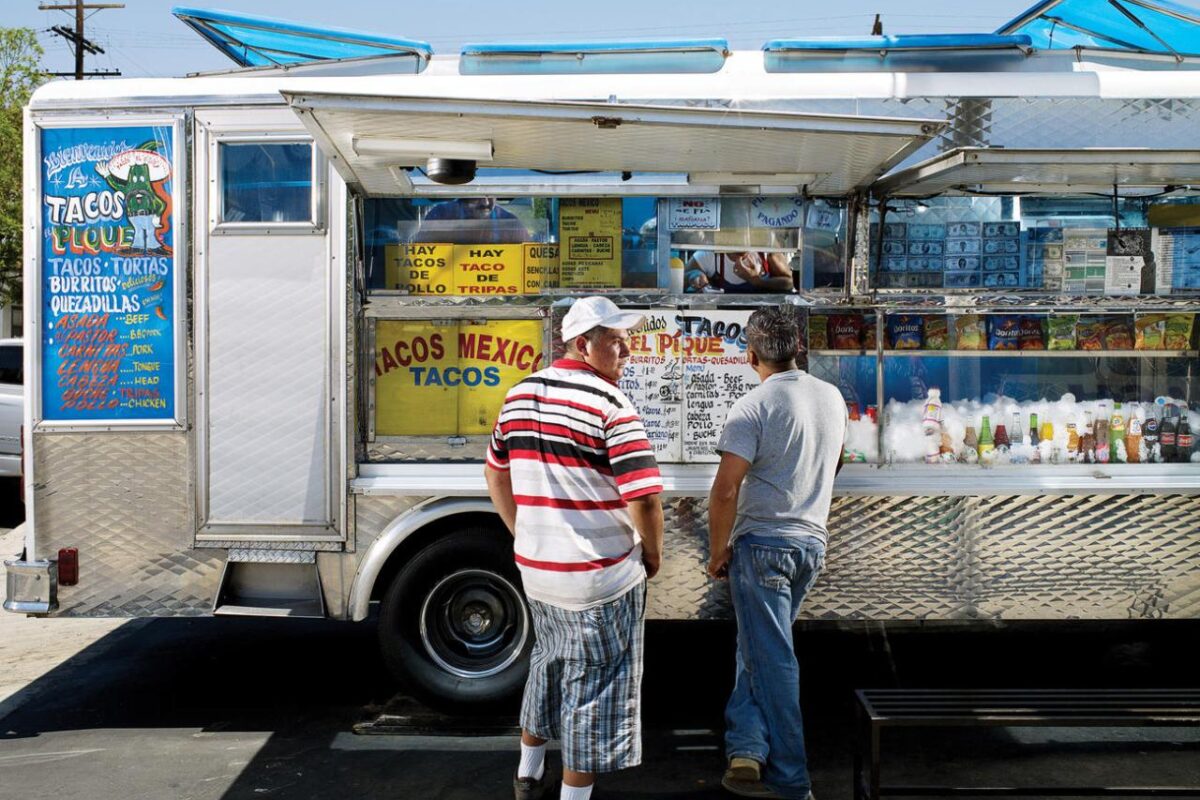
Taco truck is not merely a food vehicle; it’s a vibrant symbol of culinary creativity and cultural fusion that has woven itself into the fabric of our communities. From their humble beginnings as street vendors to today’s gourmet experiences on wheels, taco trucks offer more than just delicious food—they tell stories of tradition, innovation, and community connection.
The journey of taco trucks showcases their historical roots and the profound impact they have had on local economies. With diverse ingredients reflecting regional influences, these mobile kitchens are constantly evolving, making them a tasty representation of both local culture and contemporary food trends.
The culinary origins of taco trucks and their evolution over time
Taco trucks have become a beloved staple in many urban landscapes, embodying the essence of street food culture. Their origins can be traced back to the early 20th century in Mexico, where vendors sold tacos from carts or small stands. As migration patterns changed and cities expanded, the taco truck evolved, adapting to meet the tastes and preferences of diverse communities, leading to their widespread popularity today.
The rise of taco trucks is deeply intertwined with the history of Mexican immigration to the United States. Initially, these mobile food units emerged in areas with significant Mexican populations, providing access to authentic Mexican cuisine for both locals and immigrants. Over time, they transitioned from simple street carts offering basic fare to fully equipped trucks serving gourmet tacos, reflecting both culinary creativity and the vibrant culture of the communities they serve.
Historical context leading to the rise of taco trucks
The emergence of taco trucks can be attributed to several key historical factors that allowed them to flourish. As cities grew in size, so did the need for convenient, affordable food options.
- Post-World War II Immigration: A surge of Mexican immigrants came to the U.S. in search of better opportunities, bringing their culinary traditions with them.
- Street Food Culture: The tradition of selling food from carts and trucks has deep roots in Mexican culture, making this an accessible way for immigrants to share their heritage.
- Urbanization: Rapid urban development in the mid-20th century created bustling neighborhoods where food trucks could easily set up and attract customers.
The cultural significance of taco trucks extends beyond mere nourishment; they represent a fusion of cultures, with many trucks offering unique takes on traditional recipes, incorporating local ingredients and flavors.
Cultural significance in various communities
Taco trucks play a pivotal role in fostering community relationships, offering not just food but a shared space for social interaction. They serve as cultural ambassadors, introducing people to the flavors of Mexico while also adapting to local preferences.
- Community Gathering Spots: Taco trucks often become local hubs where residents gather, fostering a sense of belonging and community spirit.
- Culinary Diversity: Many taco trucks offer a diverse menu, reflecting the multifaceted culinary landscape of their neighborhoods.
- Economic Opportunity: Operating a taco truck can provide a pathway to entrepreneurship for many individuals, allowing them to share their culinary skills while achieving financial independence.
The transformation of taco trucks from humble street vendors to gourmet experiences showcases the evolution of food culture.
Transformation to gourmet experiences
In recent years, taco trucks have transcended their origins, rebranding themselves as gourmet dining experiences. Chefs are now transforming traditional taco recipes into innovative dishes that cater to modern palates.
- High-Quality Ingredients: Many gourmet taco trucks focus on using organic, locally sourced ingredients, elevating the quality of their offerings.
- Unique Flavors and Combinations: Chefs experiment with diverse flavors, creating tacos filled with everything from Korean BBQ to vegan options, appealing to a broader audience.
- Artistic Presentation: The visual appeal of gourmet tacos has also become important, turning food into an art form that enhances the overall dining experience.
This evolution not only reflects the changing tastes of food enthusiasts but also highlights the taco truck’s ability to adapt and thrive in an ever-evolving culinary landscape. The story of taco trucks is a testament to the blending of cultures and the resilience of traditional food in a modern world.
Identifying the key ingredients that make taco trucks unique
Taco trucks are a vibrant and essential part of the culinary landscape, especially in urban areas. They bring the flavors of traditional Mexican cuisine to the streets, offering something different from typical restaurant fare. The key ingredients used in taco trucks not only define the authenticity of the offerings but also reflect regional influences and local food trends.
Taco trucks often feature a variety of essential ingredients that contribute to their unique appeal. Each element plays a crucial role in crafting the classic taco experience, from the tortillas to the fillings. The primary components include:
Essential Ingredients in Traditional Taco Truck Offerings
The foundation of any taco lies in its basic ingredients. Understanding these components is pivotal to appreciating the artistry behind taco trucks.
- Tortillas: Generally made from corn or flour, tortillas are the heart of the taco. Corn tortillas are traditional and gluten-free, offering a distinct flavor and texture that complements the fillings. Flour tortillas, softer and more pliable, are often preferred for burritos or larger tacos.
- Proteins: Common choices for fillings include carne asada (grilled beef), carnitas (slow-cooked pork), pollo (chicken), and pescado (fish). Each protein is typically marinated or seasoned to enhance flavor, reflecting regional styles.
- Salsas: Salsas add layers of flavor and can range from mild to spicy. Ingredients like tomatoes, onions, cilantro, and various peppers are common, contributing to the freshness of the dish.
- Vegetables: Fresh garnishes such as chopped onions, cilantro, and radishes not only add color but also provide crunch and zest, balancing the richness of the proteins.
- Cheese: While not always traditional, cheese varieties like cotija or queso fresco are often sprinkled on top for added creaminess and flavor.
Regional Variations in Taco Truck Offerings
Taco trucks are influenced by the diverse culinary landscapes of the United States, leading to variations in ingredients based on regional preferences.
- California Style: Known for seafood tacos featuring ingredients like grilled shrimp or fish, often paired with unique sauces like chipotle mayo.
- Tex-Mex Influence: Incorporates ingredients like shredded cheese and refried beans, often offering larger, more filling tacos.
- Southwestern Flavors: Features ingredients like green chilies and avocado, often incorporating a smoky taste that reflects local ingredients.
- New York Style: Tacos here can reflect a melting pot of other cuisines, including Asian influences, introducing fillings like Korean barbecue.
Local Food Trends and Innovations in Taco Trucks
Taco trucks also mirror the evolving food trends and innovations in local gastronomy. They adapt to consumer preferences by incorporating organic, plant-based, and locally sourced ingredients.
- Plant-Based Options: Many taco trucks now offer vegan versions of traditional fillings, using ingredients like jackfruit or tofu, responding to the rise in vegetarian and vegan diets.
- Fusion Tacos: Creative combinations, like Korean BBQ tacos or Indian-inspired curry tacos, reflect a growing interest in diverse culinary experiences.
- Locally Sourced Ingredients: Trucks are increasingly prioritizing farm-to-table concepts, ensuring that the ingredients are fresh and often organic, appealing to health-conscious consumers.
- Seasonal Offerings: Many taco trucks change their menus according to seasonal availability, showcasing ingredients like squash in the fall or fresh herbs in the spring.
“The beauty of taco trucks lies in their ability to evolve while staying true to the rich traditions of Mexican cuisine.”
The impact of taco trucks on local economies and communities
Taco trucks have become more than just a source of delicious food; they are vital players in the economic and social fabric of urban areas. Their presence influences job creation, local culture, and community engagement, making them a cornerstone of local economies. As mobile eateries, taco trucks leverage the flexibility of location and menu offerings to bring diverse culinary experiences to various neighborhoods, often enhancing the vibrancy of their communities.
Job Opportunities Created by Taco Trucks
Taco trucks are significant job creators in urban settings, providing employment opportunities for various segments of the community. Many taco trucks operate as family-owned businesses, allowing family members and friends to work together. This not only creates jobs but also fosters a sense of community and shared responsibility. Additional job opportunities often arise in supporting industries, such as food supply chains, equipment maintenance, and marketing.
- For instance, a taco truck that serves at local festivals and events often hires temporary staff, thus providing short-term job opportunities that can help individuals earn income during peak seasons.
- Moreover, taco trucks frequently engage with local suppliers for fresh ingredients, further contributing to the local economy by supporting farmers and food producers.
Promotion of Local Food Culture and Community Engagement
Taco trucks play a crucial role in celebrating and promoting local food culture. They introduce a diverse range of culinary influences that reflects the community’s heritage and preferences. Through their menus, taco trucks can showcase traditional recipes and innovative combinations, which not only attract food lovers but also engage the community in cultural exchange.
- For example, taco trucks often participate in community events, fostering a gathering place where locals can bond over food, music, and culture.
- Additionally, many taco trucks are involved in local charities and initiatives, using their platform to raise funds or awareness for various causes, thus deepening their connection to the community.
Successful Taco Truck Businesses and Their Economic Contributions
The success stories of taco trucks exemplify their positive economic impact. Many have evolved from small operations into recognized brands, illustrating how they can contribute significantly to local economies.
- One notable example is “Kogi BBQ” in Los Angeles, which began as a small taco truck and has since grown into a renowned brand, influencing street food culture and elevating taco trucks’ status in the culinary world.
- Another example is “The Taco Truck” in New Jersey, which has expanded its reach through multiple locations while promoting local ingredients and sustainable practices.
“Local taco trucks are not just food vendors; they are cultural ambassadors and economic engines for their communities.”
Through these examples, it’s clear that taco trucks contribute to job creation, enhance local food culture, and strengthen community ties, thereby playing a pivotal role in the economic development of urban areas.
Comparing the menu offerings of diverse taco trucks across different cities

Taco trucks are a vibrant part of the culinary landscape in many metropolitan areas, each with its unique spin on traditional Mexican fare. From classic street tacos to innovative gourmet creations, these mobile kitchens serve as a canvas for local flavors and ingredients, making each city’s taco truck offerings distinct and exciting. Exploring the menus of taco trucks across different locations reveals not just a variety of flavors, but also the cultural influences that shape them.
Taco Varieties and Unique Ingredients
The diversity of taco varieties offered by taco trucks can be attributed to regional preferences and available ingredients. Each city’s taco trucks often highlight local tastes, resulting in menus that not only represent Mexican cuisine but also integrate local flavors. Here are some popular taco varieties found across different cities and the unique ingredients that set them apart:
- Los Angeles, CA: Known for its vibrant taco culture, trucks often feature Al Pastor tacos, made with marinated pork cooked on a vertical spit and served with pineapple, onions, and cilantro. Reviewers rave about the perfect balance of sweet and savory flavors that these tacos deliver.
- Austin, TX: In this city, you can find Brisket Tacos, a nod to Texas barbecue traditions. The brisket is smoked and served in a corn tortilla with a drizzle of spicy barbecue sauce and pickled onions. Customers love the smoky flavor and the tender meat that melts in your mouth.
- New York City, NY: Here, taco trucks often offer Fish Tacos, usually featuring breaded or grilled fish, topped with cabbage slaw and creamy sauce. The freshness of the fish combined with the crunch of the slaw makes these tacos a fan favorite among locals and tourists alike.
- Chicago, IL: Taco trucks in Chicago frequently serve Chorizo Tacos, featuring spicy pork sausage mixed with potatoes and served with a side of zesty salsa. Customers appreciate the spicy kick and the hearty filling, perfect for a cold day in the Windy City.
- San Francisco, CA: The city’s taco trucks might surprise you with Vegan Tacos, filled with marinated jackfruit or roasted vegetables. Many patrons highlight the flavorful spices and the creative way these trucks cater to plant-based diets without sacrificing taste.
Customer reviews often highlight not just the flavors, but the stories behind them. For example, a customer in Los Angeles shared an experience of discovering a hidden taco truck that serves an irresistible Birria Taco, which draws long lines due to its tender beef and rich broth for dipping. Meanwhile, an enthusiastic diner in Austin expressed how the fusion of BBQ and Mexican fare in the brisket tacos is a culinary love story that celebrates both cuisines.
The heart of each taco truck is its ability to reflect the local culture while providing an authentic taste experience. Each city’s taco truck scene is a delicious exploration of flavors that showcases the diversity of ingredients and cooking styles across the nation.
Tips for starting your own taco truck business
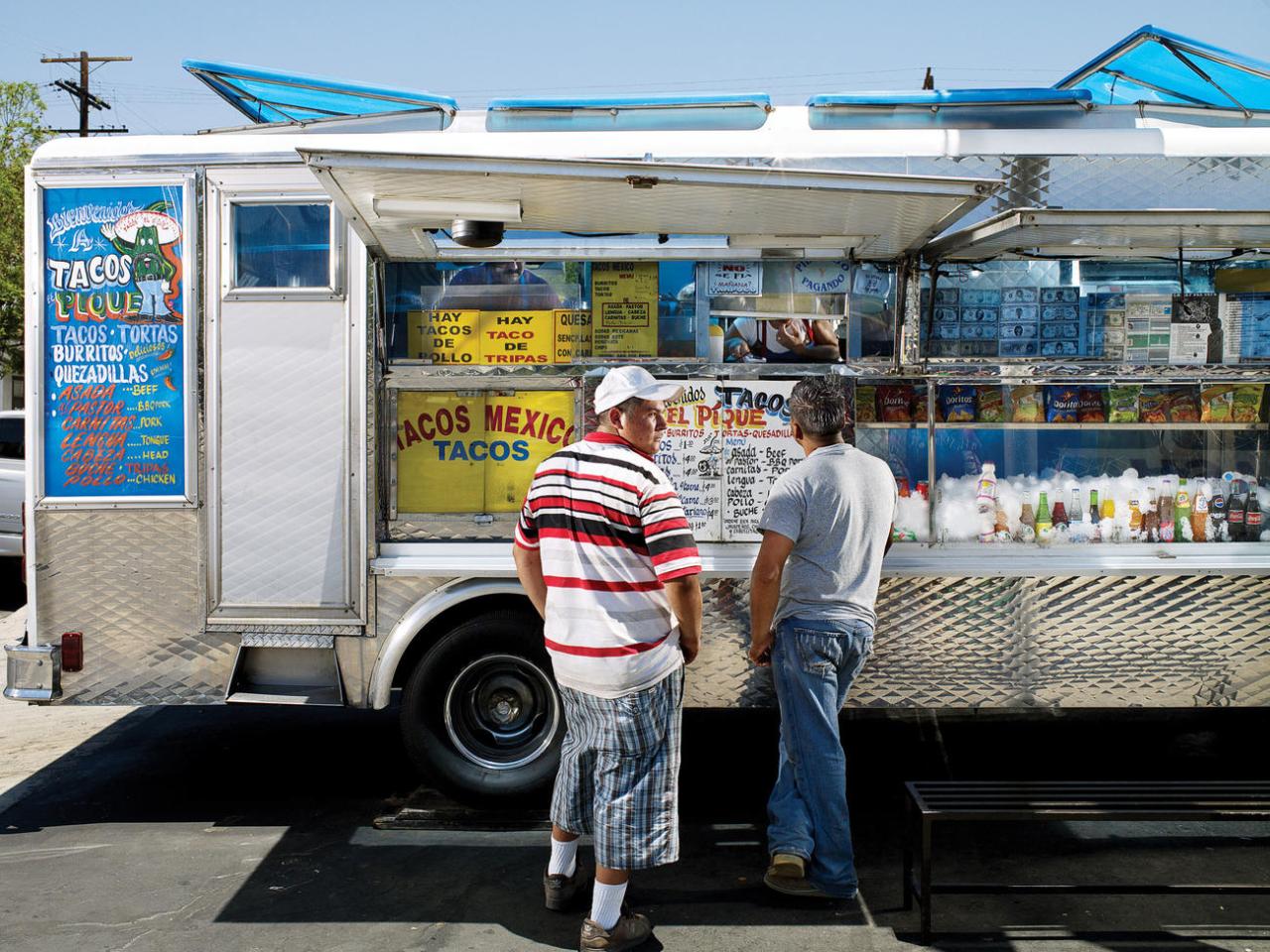
Launching a taco truck business can be both an exciting and lucrative venture. With the right planning, you can serve delicious tacos while building a thriving enterprise. This guide will Artikel essential steps to get your taco truck on the road, from the necessary permits to menu design and effective marketing tactics.
Steps to Launch a Taco Truck
Starting a taco truck involves a series of important steps. Each step lays the foundation for a successful operation. Here’s a concise breakdown of the essential actions to take:
- Conduct Market Research: Understand your target market, local competition, and potential locations.
- Create a Business Plan: Artikel your business model, financial projections, and operational strategy.
- Secure Funding: Explore various funding options like loans, investors, or crowdfunding to finance your venture.
- Choose Your Truck: Select a truck that meets local health regulations and is spacious enough for your equipment.
- Design Your Menu: Focus on unique taco offerings that cater to your target demographic.
Permits and Regulations for Food Trucks
Operating a taco truck involves adhering to various laws and regulations. Each state and city may have its own set of requirements, making it essential to research local regulations thoroughly. Some common requirements include:
Check with local health departments for food safety regulations, as non-compliance can halt your business.
- Business License: Obtain a general business license to operate legally.
- Food Handler’s Permit: Ensure that you or your employees have the necessary food safety training.
- Health Department Permit: Pass health inspections to ensure food safety standards are met.
- Parking Permits: Secure permits for parking your truck in designated areas.
Menu Design and Pricing Strategies
A well-crafted menu can significantly impact sales and customer satisfaction. When designing your menu, consider the following:
Highlight unique offerings to differentiate your taco truck from competitors.
- Focus on Quality: Use fresh, high-quality ingredients to create standout dishes.
- Keep It Simple: Limit menu items to avoid overwhelming customers and ensure efficient service.
- Market Prices: Research competitor pricing to set competitive yet profitable prices.
- Seasonal Specials: Introduce limited-time offers to keep the menu exciting.
Marketing Tactics for Success
Effective marketing can help you reach a broader audience and grow your customer base. Employing the right strategies will ensure your taco truck stands out in a crowded market:
Utilize social media platforms to engage with customers and create buzz around your brand.
- Social Media Presence: Create profiles on platforms like Instagram and Facebook to showcase your food and connect with customers.
- Local Partnerships: Collaborate with local businesses or events to increase visibility.
- Loyalty Programs: Establish rewards for repeat customers to encourage return visits.
- Engaging Promotions: Run contests or giveaways to generate excitement and attract new customers.
Exploring the role of social media in promoting taco trucks
In today’s digital age, social media has become an essential tool for businesses, including taco trucks, to connect with their audiences and drive sales. By leveraging platforms like Instagram and Facebook, taco truck owners can showcase their delicious offerings, engage with customers, and build a loyal following. This exploration focuses on effective social media strategies, the impact of customer engagement, and real-life examples of taco trucks that have thrived through these channels.
Effective social media strategies for taco trucks
To successfully attract customers, taco trucks employ several innovative social media strategies. These tactics not only highlight menu items but also foster community engagement and brand visibility.
- Visual storytelling: Taco trucks often post mouthwatering photos and videos of their food, bringing visual appeal that captures attention. A well-composed image of a taco can generate cravings and encourage shares.
- Location updates: Regularly informing followers of their location and hours of operation is vital. Using stories or posts to highlight their current spot ensures customers can find them easily.
- Real-time engagement: Responding to comments and messages quickly enhances customer interaction, making followers feel valued and more likely to visit.
- User-generated content: Encouraging customers to share their own photos of meals enjoyed from the truck can create a sense of community, driving more organic reach through private sharing.
Impact of customer engagement on sales
Customer engagement on platforms like Instagram and Facebook significantly influences taco truck sales. When customers interact with a brand’s content, it fosters a sense of loyalty and connection that can lead to repeat business.
- Increased brand visibility: Engaging posts that encourage likes, shares, and comments can expand a taco truck’s reach to new potential customers, amplifying their online presence.
- Community building: Responding to inquiries and comments creates a loyal customer base that feels invested in the taco truck’s success, fostering repeat visits and word-of-mouth recommendations.
- Promotions and contests: Running social media contests or promotions can drive engagement, with followers sharing posts to enter, thus attracting new customers and increasing foot traffic.
Successful taco trucks leveraging social media
Numerous taco trucks have effectively harnessed social media for growth, demonstrating the potential of these platforms.
- Los Angeles Taco Truck: This truck uses Instagram to share vibrant photos of their tacos and engages in local community events, leading to increased visibility and customer loyalty.
- Taco Maria: Recognized for its gourmet tacos, Taco Maria maintains a strong online presence by posting behind-the-scenes content and engaging with followers, resulting in a dedicated fanbase.
- King Taco: With a longstanding reputation, King Taco effectively uses Facebook to share promotions and updates, driving consistent foot traffic to their locations.
Social media serves as a bridge connecting taco trucks to their community, fostering engagement and driving sales through visual appeal and interaction.
The cultural fusion seen in modern taco truck offerings
Taco trucks have evolved into vibrant culinary hubs, reflecting a dynamic blend of traditional Mexican flavors with diverse global influences. This fusion represents not only a fusion of tastes but also a cultural dialogue that resonates with food lovers seeking new experiences. The adaptability of taco trucks allows them to weave together rich traditions with innovative culinary practices, resulting in captivating dishes that tell a story of collaboration and creativity.
One of the most exciting aspects of modern taco trucks is their ability to showcase fusion taco options, where classic ingredients meet global cuisines. Chefs and food enthusiasts are embracing creativity, experimenting with flavors, and presenting unique culinary experiences that push the boundaries of traditional tacos. This phenomenon highlights how food can transcend borders, creating a melting pot of flavors that appeal to a wide audience.
Examples of unique fusion dishes
The rise of fusion tacos has led to incredible innovation in taco truck menus. Here are some standout examples of unique fusion dishes that have gained popularity:
- Korean BBQ Tacos: These tacos combine marinated bulgogi beef, kimchi, and spicy gochujang sauce, topped with fresh scallions, all wrapped in a soft corn tortilla. The sweet and savory flavors of Korean BBQ blend seamlessly with the traditional taco format, creating a delightful experience.
- Buffalo Cauliflower Tacos: A vegetarian twist on the classic Buffalo chicken taco, this dish features crispy battered cauliflower tossed in spicy Buffalo sauce, served with crunchy slaw and drizzled with creamy ranch dressing. This option caters to plant-based diets while packing a flavor punch.
- Indian Butter Chicken Tacos: Merging Indian and Mexican cuisines, these tacos are filled with rich butter chicken curry, complemented by a cooling cucumber raita and fresh cilantro. The warm spices of Indian cuisine bring an exciting depth to the taco experience.
- Italian Caprese Tacos: A fresh take that incorporates traditional Italian ingredients, these tacos are filled with mozzarella, basil, and ripe tomatoes, drizzled with balsamic glaze. This refreshing approach reimagines the taco while still celebrating classic flavors.
- Jamaican Jerk Chicken Tacos: Featuring spicy jerk chicken topped with mango salsa and lime crema, these tacos blend the bold flavors of Jamaica with Mexican comfort food, resulting in an unforgettable meal that transports eaters to the Caribbean.
These fusion options not only enhance the taco truck experience but also engage customers in a culinary adventure that reflects a broader cultural exchange. The creativity behind these dishes demonstrates how food can serve as a powerful medium for expressing identity and embracing diversity.
The challenges faced by taco truck owners in the current market
Taco truck owners encounter a variety of challenges that can impact their daily operations and overall success. The food truck industry, while vibrant and full of potential, is also competitive and ever-evolving. Understanding these challenges is crucial for operators seeking to thrive in this dynamic marketplace.
Taco truck operators face common obstacles that can hinder their ability to serve customers effectively. These include regulatory issues, operational costs, and supply chain disruptions. Local health and safety regulations often present hurdles that require significant time and resources to navigate. Furthermore, managing overhead costs while keeping menu prices competitive can be particularly challenging in an environment with fluctuating food prices and labor costs.
Impact of Competition and Changing Consumer Preferences
The taco truck market is increasingly saturated, making competition a significant challenge for owners. With numerous food trucks vying for consumer attention, standing out becomes essential. Additionally, evolving consumer preferences, influenced by health trends and culinary fads, can alter the demand for certain menu items.
Understanding the competitive landscape is vital for taco truck owners. Here are several key factors influencing competition:
- Market Saturation: Many urban areas have seen a rise in the number of food trucks, leading to fierce competition for limited street space and customer attention.
- Consumer Trends: Shifts towards healthy eating, plant-based options, and gourmet cuisine have influenced how taco trucks develop their menus.
- Social Media Presence: An effective online presence is crucial, as consumers often rely on social media to discover food truck locations and menu offerings.
Strategies for Overcoming Challenges
To remain relevant and successful in the face of these challenges, taco truck owners can implement several strategies. These approaches help adapt to market demands and strengthen customer loyalty.
Business operators should consider the following strategies:
- Diversifying the Menu: Introducing innovative dishes or incorporating seasonal ingredients can attract a broader customer base and appeal to changing tastes.
- Engaging with the Community: Participating in local events and collaborating with nearby businesses can enhance visibility and build strong community relationships.
- Leveraging Technology: Utilizing mobile apps for ordering and payment can improve customer convenience and streamline operations.
These strategies not only enhance customer experience but also foster adaptability in a rapidly changing market. Taco truck owners who remain flexible and responsive to consumer needs are more likely to sustain their business and thrive amidst the challenges.
Last Recap
In summary, the taco truck phenomenon encapsulates a rich blend of culture, community, and culinary artistry that continues to thrive in urban landscapes. Whether you’re a food enthusiast or an aspiring entrepreneur, the world of taco trucks offers endless possibilities and flavors that are waiting to be explored. So next time you see one, remember—it’s not just a meal; it’s a celebration of everything that makes our food culture vibrant.
Questions and Answers
What types of tacos are typically found in taco trucks?
Taco trucks often serve a variety of tacos, including traditional options like carne asada and al pastor, as well as unique variations that incorporate regional flavors and ingredients.
Are taco trucks only found in urban areas?
While taco trucks are commonly found in urban environments, they can also appear in suburban and rural areas, especially during local events and festivals.
How do taco trucks adapt their menus?
Taco trucks often adapt their menus based on seasonal ingredients, local preferences, and food trends to keep offerings fresh and appealing to customers.
What permits are needed to operate a taco truck?
Operating a taco truck typically requires health permits, business licenses, and compliance with local regulations, which can vary by city or state.
What role does social media play for taco trucks?
Social media is crucial for taco trucks to engage with customers, promote special events, and share mouth-watering images of their dishes, significantly boosting their visibility and sales.