 Rogert
Authentic Mexican cuisine is a delightful tapestry woven from ancient traditions and diverse regional influences. This culinary art form is not just about food; it represents the history, culture, and identity of the Mexican people. From the indigenous roots that shaped its foundational ingredients to the vibrant flavors introduced through colonization, authentic Mexican cuisine captures a unique blend of tastes that continues to evolve.
As we delve deeper into this topic, we will explore the essential ingredients, traditional cooking techniques, and the cultural significance of food in Mexican society. By understanding these elements, we can appreciate not only the delicious dishes but also the stories they tell about the people who create and enjoy them.
Authentic Mexican Cuisine’s Historical Roots are Essential to Understanding Its Current Influence
The rich tapestry of authentic Mexican cuisine is deeply intertwined with its historical roots, which shaped the flavors, ingredients, and techniques that characterize this vibrant culinary tradition today. Understanding these origins offers insight into the profound influence that both indigenous practices and historical events have had on the evolution of Mexican food, making it a unique blend of old and new flavors that continues to captivate palates around the world.
The historical origins of Mexican cuisine can be traced back thousands of years to the indigenous peoples of Mesoamerica, particularly the Aztecs and Mayans. These civilizations relied heavily on native ingredients such as maize, beans, and chili peppers, which remain staples in Mexican cooking to this day. The domestication of these crops facilitated not only sustenance but also a rich culinary tradition that emphasized the balance of flavors and the significance of food in cultural rituals.
Impact of Colonization on Mexican Cuisine
The arrival of Spanish colonizers in the 16th century introduced a variety of new ingredients and culinary techniques that would profoundly impact Mexican cuisine. This fusion of indigenous and European elements led to the creation of dishes that are now iconic in Mexico. Key influences include:
- New Ingredients: The introduction of ingredients such as garlic, onions, and various spices transformed traditional recipes, allowing for a greater complexity of flavor. Additionally, the incorporation of meats like pork and beef became commonplace, enhancing the protein content of meals.
- Culinary Techniques: Spanish cooking methods, including roasting and frying, enriched Mexican food preparation, leading to the development of new dishes that combined both culinary traditions.
- Fusion of Cultures: The blending of indigenous and Spanish culinary practices fostered a unique gastronomy where dishes like tacos, enchiladas, and mole emerged, symbolizing this cultural hybridization.
Throughout the centuries, Mexican cuisine has evolved significantly, reflecting the diverse regions and cultures that have influenced its development. Regional dishes have arisen, each showcasing local ingredients and cooking methods that are as varied as the geography of the country itself. For instance, the coastal areas are renowned for their seafood, while the interior regions focus on hearty staples like corn and beans.
Evolution of Regional Dishes and Culinary Practices
The evolution of Mexican cuisine is marked by the adaptation of local ingredients to create distinctive regional flavors. This culinary diversity can be categorized into several notable regions, each with their own specialties:
- Oaxaca: Known as the “Land of Seven Moles,” Oaxaca’s rich culinary heritage showcases complex sauces made from native ingredients, with unique variations that highlight the region’s indigenous roots.
- Yucatán: The cuisine here is influenced by Mayan traditions, featuring dishes like cochinita pibil and salsas made from local fruits and spices, emphasizing slow cooking techniques that deepen flavors.
- Veracruz: This coastal region is famous for its seafood dishes, which often incorporate tropical fruits and spices, showcasing a blend of indigenous and Caribbean influences.
Mexican cuisine is not just about the food; it embodies a living history, a celebration of cultural identities, and an ongoing journey of flavors.
The interplay of indigenous ingredients with European influences has led to a dynamic culinary landscape, where each region contributes to a greater narrative of Mexican identity. The historical roots of this cuisine continue to resonate today, shaping the way food is experienced and enjoyed in both Mexico and the wider world. The vibrant markets, family gatherings, and street vendors reflect a culinary heritage that is both authentic and evolving, inviting everyone to partake in its rich flavors and stories.
The Role of Regional Diversity in Creating Authentic Mexican Dishes Must Be Recognized
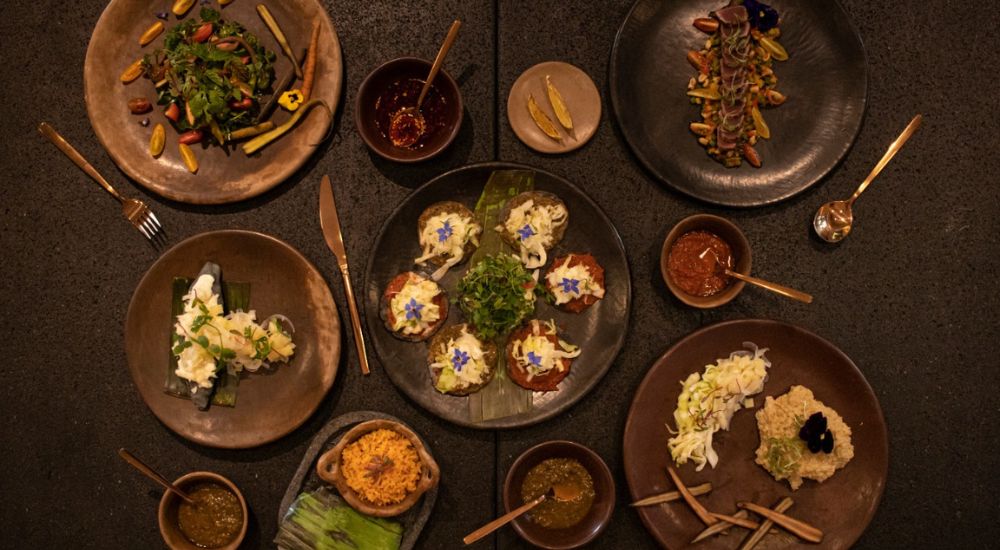
Mexican cuisine is a vibrant tapestry woven from the threads of its diverse regions, each contributing its own unique flavors, ingredients, and cooking techniques. The geography, climate, and culture of each area significantly influence the types of dishes that emerge, making regional diversity a cornerstone of authenticity in Mexican culinary practices. Understanding these regional nuances helps to appreciate the rich heritage of Mexican food.
The impact of geography on ingredient choices is profound in Mexico. Different regions boast distinct climates and resources that dictate what can be grown and harvested. For instance, coastal areas are abundant in seafood, while mountainous regions may focus more on hearty grains and tubers. The local traditions and customs play a crucial role in shaping culinary practices, as families pass down recipes that reflect historical influences and available resources.
Key Regional Variations in Mexican Cuisine
To grasp the diversity of Mexican cuisine, it is essential to recognize specific dishes that exemplify these regional distinctions:
- Oaxacan Cuisine: Known for its rich moles, Oaxacan cuisine is marked by the use of flavorful chiles, spices, and local ingredients like chocolate and cheese. A popular dish here is Mole Negro, characterized by its deep, complex flavors derived from a blend of various chiles and spices.
- Yucatán Cuisine: The Yucatán Peninsula showcases a unique blend of Mayan traditions and Spanish influence. Cochinita Pibil, a slow-roasted pork dish marinated in achiote, is a hallmark of this region, highlighting the use of citrus and local spices.
- Veracruz Cuisine: Located along the Gulf of Mexico, Veracruz is famous for its seafood dishes. A classic example is Huachinango a la Veracruzana, a red snapper dish cooked with tomatoes, olives, and capers, reflecting the region’s access to fresh fish and bold flavors.
- Central Mexican Cuisine: This area, which includes Mexico City, is known for staples like tacos, tamales, and enchiladas. The use of corn, beans, and chiles is prevalent, with dishes such as Tacos al Pastor showcasing marinated pork cooked on a spit, influenced by Lebanese immigrants.
Local traditions and customs continue to influence culinary practices, with families often gathering for large meals that celebrate local ingredients. Festivals and religious observances also play a role, as specific dishes are prepared for special occasions, preserving age-old recipes that tell the story of the region. The melding of indigenous and colonial influences over centuries has enriched the culinary landscape, ensuring that each bite of authentic Mexican cuisine is a reflection of its diverse roots.
The essence of Mexican cuisine lies not just in its flavors but in the stories and histories that each dish carries from its region of origin.
Essential Ingredients that Define Authentic Mexican Cuisine Should Be Examined
Authentic Mexican cuisine is a celebration of flavors, colors, and textures, deeply rooted in cultural history. The essence of this vibrant culinary tradition lies in its essential ingredients, many of which date back to the ancient civilizations that inhabited the region. Each ingredient plays a crucial role in creating distinct dishes that are both satisfying and reflective of Mexico’s diverse heritage.
The following ingredients are foundational to authentic Mexican cooking, forming the backbone of many beloved dishes. Their unique qualities not only provide sustenance but also contribute to the depth and character of the cuisine.
Commonly Used Ingredients
The core ingredients of Mexican cuisine reflect the agricultural practices and climate of the region. Here are some of the most commonly used elements:
- Corn: The staple of Mexican cuisine, corn is used in various forms, such as masa for tortillas, tamales, and more. Its versatility allows it to be incorporated into both savory and sweet dishes.
- Beans: A primary source of protein, beans are often prepared in soups, stews, and side dishes. Varieties such as black beans and pinto beans are particularly popular.
- Chili Peppers: Integral to flavoring dishes, chili peppers come in numerous varieties, ranging from mild to extremely spicy. They can be used fresh, dried, or ground into powders, adding heat and complexity to recipes.
- Tomatoes: Fresh and dried tomatoes are key ingredients in salsas, sauces, and many main dishes. They provide acidity and sweetness, balancing other flavors.
- Avocado: Known for its creamy texture and healthy fats, avocado is often used in guacamole and as a garnish for various dishes.
Fresh herbs and spices also play a significant role in Mexican cuisine. Ingredients such as cilantro, oregano, and epazote enhance flavors and aromas, contributing to the overall experience of the meal. The use of fresh herbs not only adds vibrancy but also elevates the taste profiles by introducing aromatic notes that complement the primary ingredients.
Indigenous versus Introduced Ingredients
The culinary landscape of Mexico has been shaped by both indigenous practices and those introduced during colonization. Below is a comparison of these ingredients and their impact on traditional dishes:
| Indigenous Ingredients | Ingredients Introduced During Colonization | Effects on Traditional Dishes |
|---|---|---|
| Corn | Wheat | Wheat introduced baking techniques like bread-making, altering traditional recipes. |
| Beans | Lentils | Lentils became a protein alternative in some regions, diversifying legume usage. |
| Chili Peppers | Black Pepper | Black pepper added new spice profiles to dishes, although chili remains predominant. |
| Squash | Onions | Onions enhanced flavor in various dishes, complementing native squash varieties. |
| Tomatoes | Garlic | Garlic enriched the flavor of salsas and sauces, creating new culinary possibilities. |
Through this historical blend of indigenous ingredients and those introduced during colonization, authentic Mexican cuisine has evolved into a rich tapestry of flavors, showcasing the resilience and creativity of its people. Each ingredient carries a story, making every meal a reflection of Mexico’s cultural journey.
Traditional Cooking Techniques that Preserve Authenticity Require Exploration
Authentic Mexican cuisine is deeply rooted in tradition, where cooking techniques play a crucial role in preserving the flavors and heritage of the dishes. These methods, passed down through generations, not only enhance the taste but also embody the cultural significance of each meal. Understanding these techniques brings us closer to the heart of Mexican culinary art.
One of the most essential cooking methods in authentic Mexican cuisine is nixtamalization. This ancient process involves soaking and cooking corn in an alkaline solution, typically limewater, which enhances the nutritional value and flavor of the maize. The result is masa, or dough, used for tortillas and tamales—staples in Mexican cuisine. This method not only alters the texture but also introduces a unique taste that is impossible to replicate with store-bought alternatives.
Cooking Utensils Essential for Authenticity
The utensils used in traditional Mexican cooking significantly influence the final outcome of the dishes. Items such as comals and molcajetes are indispensable tools that contribute to the authenticity of flavors.
- Comals: These flat griddles are made of clay or cast iron and are used to cook tortillas and toast spices. The even heat distribution allows for a perfect char and smokiness, enhancing the flavor profile of the dish.
- Molcajetes: This stone mortar and pestle are used to grind ingredients like spices, herbs, and salsas. The rough texture of the stone helps release the essential oils and flavors of ingredients, creating a more robust and aromatic result.
The choice of these utensils reflects a commitment to authenticity. The unique properties of the materials used—such as the porous nature of clay comals—help to develop deep, complex flavors that are characteristic of traditional Mexican cooking.
Cooking techniques like slow-cooking also play a significant role in developing the texture and taste of dishes. This method allows flavors to meld and intensify, as seen in dishes like birria or cochinita pibil, where meat is marinated and cooked over several hours until it is tender and bursting with flavor. The patience involved in slow-cooking is well worth the wait, as it results in a meal that is both rich and satisfying.
In summary, traditional cooking techniques such as nixtamalization, the use of specific utensils, and slow-cooking methods are essential for preserving the authenticity of Mexican cuisine. These practices not only enhance flavor and texture but also honor the cultural roots of the dishes, ensuring that each meal is a true reflection of Mexican heritage.
The Cultural Significance of Food in Mexican Society Must Be Understood

Food in Mexico is much more than sustenance; it is a vibrant tapestry interwoven with the threads of culture, tradition, and social life. Celebrations, rituals, and everyday gatherings revolve around the act of sharing meals, which serves to strengthen bonds among family and friends. Each dish tells a story, reflecting regional identities, historical influences, and the communal spirit that is central to Mexican life.
Culinary Practices in Celebrations and Rituals
In Mexican culture, food is integral to various celebrations and rituals, marking significant life events and traditional festivities. The preparation and consumption of specific dishes carry deep symbolic meanings that enhance the overall experience of these occasions.
Important life events such as weddings, christenings, and birthdays are celebrated with an array of traditional foods that vary by region. For instance, the wedding feast often includes dishes like mole, symbolizing the richness of life, and tamales, representing new beginnings. On the Day of the Dead (Día de los Muertos), families create altars adorned with favorite foods of their deceased loved ones, showcasing the belief that food nourishes the souls of the departed.
Key dishes and their significance during holidays include:
- Pan de muerto: A sweet bread traditionally made for the Day of the Dead, symbolizing the cycle of life and death.
- Tamales: Often prepared for celebrations like Christmas and posadas, signifying warmth and family unity.
- Mole: A complex sauce served at special occasions, representing the fusion of indigenous and Spanish cultures.
Food also serves as a means of cultural expression. Recipes are often passed down through generations, preserving family histories and traditions. Community bonding occurs during the preparation of these dishes, where friends and family come together to cook and share stories, making the act of eating a communal experience.
“Food is not just about nourishment; it is a celebration of identity and a connection to our roots.”
The culinary landscape in Mexico is a reflection of its diverse cultures and traditions. From street vendors selling tacos to elaborate feasts at family gatherings, food plays a pivotal role in expressing love, respect, and belonging. Celebrations in Mexico are rich with flavors and textures, each dish telling the stories of the people and their history.
The Influence of Modernization on Authentic Mexican Cuisine Should Be Addressed
As the world becomes increasingly interconnected, Mexican cuisine stands at a crossroads between tradition and innovation. Globalization has infused the culinary landscape with diverse influences, prompting a re-examination of authentic recipes. While this evolution can lead to exciting culinary fusions, it also raises questions about the preservation of cultural heritage and traditional flavors.
Modernization has drastically altered the way traditional recipes are prepared and the ingredients that are used. Global influences have introduced new ingredients, techniques, and styles into Mexican kitchens, sometimes overshadowing the authentic aspects of the cuisine. Traditional staples such as corn, beans, and chili peppers are often complemented or replaced by modern ingredients like quinoa, avocado oil, and even Asian spices. This shift not only changes the flavor profiles of dishes but can also redefine what is considered “authentic” in the eyes of both chefs and consumers.
Impact of Globalization on Traditional Recipes
The encroachment of globalization on traditional recipes has resulted in a variety of changes that illustrate the dynamic nature of culinary traditions. To understand this influence, consider the following aspects:
- Ingredient Diversification: Ingredients that were once local to specific regions are now available worldwide, allowing chefs to experiment with flavors that were previously inaccessible. For instance, the introduction of ingredients like Sriracha or soy sauce into traditional recipes reflects this shift.
- Fusion Cuisine: The blending of Mexican cooking with other culinary traditions has led to the creation of exciting new dishes. Examples include Korean barbecue tacos, which combine the elements of Korean barbecue with the quintessential Mexican taco, retaining core elements while introducing innovative flavors.
- Health Consciousness: As global dietary trends shift towards healthier options, traditional recipes are often modified to include lighter ingredients or to accommodate dietary restrictions. For example, using cauliflower instead of tortillas for enchiladas has become popular among health-conscious diners.
- Global Palate: The global appreciation for Mexican cuisine has led to the proliferation of Mexican restaurants worldwide, often adapting dishes to suit local tastes. This can dilute traditional flavors but also helps in promoting authentic Mexican dishes on a global platform.
The balance between preserving culinary heritage and innovating to meet contemporary tastes is critical. Many chefs strive to respect traditional techniques while also appealing to modern palates. This ongoing dialogue within the culinary community ensures that authentic Mexican cuisine remains vibrant and relevant.
Examples of Fusion Dishes
Fusion dishes embody the creative spirit of modern Mexican cuisine, blending traditional elements with new influences while maintaining respect for the origins of the dishes. Here are some notable examples:
- Fish Tacos with Asian Slaw: Traditional fish tacos are enhanced with a crunchy slaw made from cabbage, carrots, and soy sauce, offering a fresh take on this Mexican classic while keeping the core taco concept intact.
- Mexican Sushi: Incorporating ingredients such as jalapeños and avocados into sushi rolls highlights the versatility of both cuisines, creating a unique dish that speaks to lovers of both flavors.
- Chili Relleno Quesadilla: This dish combines the essence of the classic chili relleno with the convenience of a quesadilla, marrying textures and flavors in a way that pays homage to both traditions.
- Mole Poblano Pizza: A fusion of Italian and Mexican cuisines, this pizza uses mole sauce as a base, layered with chicken and cheese, showcasing how traditional flavors can be adapted into new formats while celebrating their origins.
Incorporating these fusion dishes allows chefs to experiment and innovate, ensuring that authentic Mexican cuisine continues to evolve while honoring its rich heritage.
The Importance of Authentic Recipes in Preserving Culinary Traditions Must Be Highlighted
Authentic recipes serve as the backbone of culinary heritage, especially in Mexican cuisine, where each dish tells a story of cultural history and family traditions. These recipes are more than just a list of ingredients; they embody the flavors, techniques, and memories passed down through generations. Preserving these recipes is crucial for maintaining the identity and diversity of Mexican culture in a rapidly changing world.
The significance of passing down recipes through generations cannot be overstated. Each recipe carries the essence of family gatherings, celebrations, and everyday life. They are living artifacts that connect current and future generations to their ancestors and provide a sense of belonging. These culinary traditions foster community ties, reinforce family bonds, and celebrate cultural pride.
Preparation of Classic Mexican Dish: Mole Poblano
Mole Poblano is a quintessential Mexican dish that embodies the complexity and richness of authentic Mexican cuisine. This sauce, often served over turkey or chicken, is a labor of love that requires patience and dedication. Below is a detailed guide on how to prepare this iconic dish.
Ingredients:
– 3 dried ancho chilies
– 3 dried pasilla chilies
– 3 dried mulato chilies
– 1/4 cup sesame seeds
– 1/4 cup almonds
– 1/4 cup raisins
– 1 medium onion, chopped
– 4 cloves garlic, minced
– 2 cups chicken or vegetable broth
– 1 tsp cinnamon
– 1 tsp cumin
– 1 tsp black pepper
– 1 chocolate bar (about 3-4 oz)
– Cooking oil
– Salt to taste
Preparation Steps:
1. Toast the Chilies: Heat a skillet over medium heat. Toast the dried chilies for about 1-2 minutes until fragrant. Remove the stems and seeds, and soak them in hot water for 15 minutes to soften.
2. Prepare the Nuts and Seeds: In the same skillet, toast the sesame seeds and almonds until golden brown. Set aside to cool.
3. Sauté Aromatics: In a large pot, heat some cooking oil and sauté the chopped onions and minced garlic until translucent.
4. Blend Ingredients: In a blender, combine the soaked chilies, toasted nuts, sesame seeds, sautéed onions, garlic, spices, and broth. Blend until smooth.
5. Cook the Mole: Pour the blended mixture back into the pot, add the chocolate, and simmer over low heat for about 30 minutes, stirring occasionally. Adjust the seasoning with salt.
6. Serve: Mole Poblano is traditionally served over turkey or chicken. Garnish with sesame seeds and enjoy.
The meticulous preparation of Mole Poblano reflects the cultural depth and culinary artistry within Mexican traditions. Each ingredient plays a vital role, not just in flavor but in representing the region’s history and the families who have cherished this recipe.
“Every family has its own version of Mole Poblano, which is often a closely guarded secret handed down through generations. My grandmother’s recipe, infused with love and tradition, continues to bring our family together during special occasions.”
This personal connection demonstrates the weight of family heritage and the importance of keeping these authentic recipes alive. They are not just meals; they are connections to our past and our loved ones, showing how food can define our identities and communities.
Conclusion
In summary, authentic Mexican cuisine is a celebration of history, regional diversity, and cultural significance that transcends mere sustenance. As we embrace the flavors and techniques passed down through generations, we also acknowledge the ongoing evolution influenced by modernity. This culinary journey invites us to savor each bite while appreciating the rich heritage that defines Mexican cuisine.
Essential Questionnaire
What are the most common ingredients in authentic Mexican cuisine?
Common ingredients include corn, beans, chili peppers, tomatoes, and fresh herbs like cilantro.
How does regional diversity affect Mexican dishes?
Geographic variations lead to different ingredient availability and local cooking traditions, resulting in unique regional dishes.
What is nixtamalization?
Nixtamalization is a traditional cooking process involving soaking corn in limewater, enhancing its flavor and nutritional value.
Why is food important in Mexican culture?
Food plays a central role in celebrations, rituals, and family gatherings, serving as a means of cultural expression and community bonding.
How has globalization impacted Mexican cuisine?
Globalization has introduced new ingredients and fusion styles, prompting innovation while aiming to preserve traditional flavors.
What is a classic dish and its significance?
A classic dish like mole reflects the rich history and intricate blending of indigenous and colonial culinary influences.