 Rogert
Mexican restaurants have become a beloved staple across the globe, inviting diners to embark on a flavorful journey through rich traditions and vibrant culinary practices. Rooted in a history that intertwines indigenous ingredients with influences from colonial times, these establishments reflect the evolution of a cuisine that is both diverse and deeply cultural. From the tantalizing aromas of street tacos to the intricate flavors of mole, Mexican restaurants offer a feast not only for the palate but for the senses as well.
As we dive deeper, we will explore the fascinating history of Mexican cuisine, the regional variations that shape the dining experience in the United States, and the modern trends that continue to innovate this cherished cuisine. Whether you’re a longtime fan or a curious newcomer, the world of Mexican restaurants is sure to captivate your taste buds and inspire your culinary adventures.
Investigate the history of Mexican cuisine and its restaurant evolution
Mexican cuisine has evolved over thousands of years, shaped by the diverse cultures and historical events that have influenced the region. From its ancient roots to contemporary interpretations, the journey of Mexican food reflects a rich tapestry of local ingredients, traditional cooking techniques, and evolving tastes. This vibrant culinary landscape has inspired a dynamic restaurant culture that showcases the essence of Mexico’s gastronomic heritage.
The origins of Mexican cuisine can be traced back to pre-Columbian times when ancient civilizations, such as the Aztecs and Mayans, cultivated staples like corn, beans, and chili peppers. These foundational ingredients became integral to the Mexican diet and laid the groundwork for culinary practices. The Spanish conquest in the 16th century introduced new ingredients, such as rice, wheat, and livestock, which were fused with indigenous cooking methods. This blending of cultures not only enriched the flavors of Mexican cuisine but also gave birth to a unique restaurant culture that emerged in the 19th century, as urbanization led to the establishment of eateries catering to both locals and travelers.
Historical events shaping Mexican restaurants
Various historical milestones have significantly influenced the evolution of Mexican restaurants, reflecting the socio-political changes within the country. The Mexican Revolution (1910-1920) played a pivotal role in shaping national identity and culinary pride, encouraging the appreciation of traditional foods. As a result, restaurants began to emerge that focused on authentic Mexican dishes, celebrating local ingredients and regional cooking styles.
Through the decades, the culinary scene expanded, with the establishment of iconic restaurants that introduced Mexican cuisine to a wider audience. For instance, the rise of the “taquería” in urban areas offered a casual dining experience centered around tacos, a staple of Mexican food culture. The popularity of these eateries highlighted the shift from home-cooked meals to dining out, allowing families to enjoy traditional dishes in a social setting.
Some traditional dishes that have transitioned from home cooking to restaurant menus include:
- Tacos – Originally a street food, tacos have evolved into a dish served in various styles at restaurants across the world, showcasing regional variations.
- Mole – This complex sauce, made from a mixture of ingredients including chili peppers and chocolate, has elevated Mexican cuisine in fine dining establishments.
- Enchiladas – Once a home-cooked favorite, enchiladas have become a staple on restaurant menus, often presented with gourmet twists.
- Chiles en nogada – This patriotic dish symbolizes Mexican heritage and is now featured in many upscale restaurants, especially during national celebrations.
The evolution of Mexican cuisine within the restaurant landscape reflects not only the flavors of the country but also its rich history and cultural significance. The resilient spirit of Mexican gastronomy continues to thrive, inspiring chefs and diners alike to explore the depths of this vibrant culinary tradition.
Explore the regional variations of Mexican restaurants across the United States
Mexican cuisine in the United States is a vibrant tapestry woven from diverse regional flavors and traditions. Each state has its unique take on Mexican food, influenced by local ingredients, culinary practices, and cultural heritage. This diversity not only enriches the dining experience but also highlights the adaptability of Mexican cuisine to various locales.
Regional styles of Mexican food across the United States often reflect the geographical, agricultural, and cultural influences of specific areas. From the spicy dishes of the Southwest to the fresh seafood offerings along the Pacific coast, each region showcases its local bounty in its interpretation of Mexican classics. These adaptations are often evident in the use of local ingredients, which lend distinct flavors and character to the menus of Mexican restaurants.
Regional Styles of Mexican Cuisine
Several regions in the United States showcase unique styles of Mexican cuisine, each characterized by specific ingredients and cooking methods. Here are some notable examples:
- Californian Mexican Cuisine: Known for its emphasis on fresh, local produce, Californian Mexican restaurants often incorporate fusion elements. Dishes like fish tacos and burritos are popular, featuring fresh fish, avocados, and locally sourced vegetables.
- Tex-Mex Cuisine: This regional style, merging Texan and Mexican flavors, is characterized by hearty dishes like chili con carne and nachos. Local ingredients like beef, cheese, and beans are staples in Tex-Mex fare.
- New Mexican Cuisine: Influenced heavily by Native American and Spanish flavors, this style features the use of green and red chiles, often served with dishes like enchiladas and tamales. Local ingredients like piñon nuts and blue corn are also prominent.
- Mexican Cuisine in the Southwest: This region boasts a variety of dishes that highlight the use of spices and herbs, with a focus on ingredients like corn, beans, and squash. Dishes such as posole and mole are particularly popular.
- Puerto Rican and Caribbean Influences: In areas with significant Puerto Rican populations, like New York, Mexican restaurants may incorporate Caribbean spices and flavors, resulting in unique dishes that blend these culinary traditions.
Local ingredients play a crucial role in shaping the menus of Mexican restaurants across the country. Many establishments prioritize sourcing produce and proteins from local farms, which not only supports the community but also enhances the freshness of the dishes offered. For instance, in California, avocado is a key ingredient, while in Texas, brisket is often featured prominently in various dishes.
Popular regional dishes often create a sense of identity and pride for communities, making them staples in local eateries. Signature items such as the carne asada from Southern California or the green chile stew from New Mexico not only satisfy cravings but also tell a story of the ingredients and culture of the area.
In conclusion, the regional variations of Mexican restaurants in the United States reflect a rich diversity influenced by local ingredients and cultural traditions. This culinary mosaic invites diners to experience the essence of each region through its unique dishes and flavors.
Examine the impact of food trends on modern Mexican restaurants
The landscape of modern Mexican cuisine has been significantly shaped by evolving food trends that reflect changing consumer preferences and cultural fusions. Today, Mexican restaurants are not just about traditional dishes; they are increasingly influenced by global culinary movements, leading to a dynamic dining experience that appeals to diverse palates.
Recent culinary trends have revolutionized the way Mexican food is perceived and prepared. Chefs and restaurateurs are embracing creativity, integrating new ingredients, techniques, and global influences into their menus. This evolution is bolstered by the growing awareness of food sustainability, wellness, and the demand for unique dining experiences.
Incorporation of fusion dishes
Fusion cuisine has gained traction within the culinary world, and Mexican restaurants are at the forefront of this trend. By blending traditional Mexican flavors with elements from other cuisines, restaurants can create innovative dishes that attract a wider audience.
For instance, the introduction of Korean BBQ tacos combines the savory flavors of Korean marinated beef with the traditional taco format, resulting in a dish that caters to both Mexican and Korean food lovers. Similarly, sushi burritos have emerged, wrapping fresh sushi ingredients in a tortilla, which appeals to health-conscious diners seeking fresh and portable meal options.
This fusion approach not only enhances the dining experience but also fosters a sense of culinary adventure, encouraging customers to explore and enjoy combinations that they may not have previously considered.
Role of health-conscious options in shaping modern menus
The trend toward health-conscious eating has significantly influenced the menus of modern Mexican restaurants. As consumers become more aware of their diet and the nutritional value of meals, there is a growing demand for lighter, healthier options that still maintain the vibrant flavors of traditional Mexican cuisine.
Many restaurants are now incorporating organic, locally-sourced ingredients, and providing options that cater to various dietary preferences, including vegetarian, vegan, and gluten-free. This shift is evident in the popularity of dishes like quinoa-infused tacos, grilled vegetable fajitas, and fresh ceviche made with sustainable seafood.
Moreover, the emphasis on health is complemented by innovative cooking techniques such as grilling, steaming, and roasting, which allow for flavor enhancement without the need for excessive oils or fats. As a result, modern menus not only reflect a commitment to health but also continue to showcase the rich culinary heritage of Mexico in exciting and accessible ways.
Identify popular Mexican restaurant chains and their unique offerings
Mexican cuisine has captured the hearts and taste buds of many around the world, leading to the rise of several popular restaurant chains that highlight its rich and diverse flavors. These chains not only offer traditional dishes but also bring unique twists that cater to specific consumer preferences. Understanding the characteristics of these chains helps diners choose where to enjoy their next meal and offers insights into the broader culinary landscape.
Prominent Mexican restaurant chains often distinguish themselves through their menu variety, dining atmosphere, and regional specialties. Key characteristics include a focus on fresh ingredients, signature recipes that might be family secrets, and a commitment to quality service. Many chains also provide a blend of traditional and modern Mexican cuisine, accommodating a wide range of dietary preferences, from vegan options to gluten-free choices.
Comparative Overview of Menus and Customer Experiences
The diversity in offerings among Mexican restaurant chains significantly influences customer experiences. Each chain typically has a unique menu that reflects its brand identity and customer base. Below are some popular chains and their distinctive features:
- Taco Bell: Known for its fast-food format, Taco Bell offers a wide array of customizable tacos, burritos, and nachos. Their innovation in menu items often resonates with younger audiences through limited-time offerings and collaborations.
- Pancheros Mexican Grill: This chain emphasizes fresh ingredients with a build-your-own style for burritos and tacos. Their unique offering includes freshly pressed tortillas and a focus on quality over speed, enhancing the overall dining experience.
- Chipotle Mexican Grill: Chipotle is recognizable for its commitment to sustainability and organic ingredients. The chain’s emphasis on customizable burritos and bowls allows customers to tailor their meals, appealing to health-conscious diners.
- QDOBA Mexican Eats: QDOBA stands out for its diverse menu including nachos, tacos, and burritos with a variety of salsas and toppings. Their customer experience is enhanced through a welcoming atmosphere and convenient service style.
The customer experience at these chains often revolves around the ambiance, service speed, and staff friendliness, which can vary significantly from one establishment to another. For instance, while Taco Bell focuses on quick service and an informal setting, Pancheros offers a more laid-back dining atmosphere that encourages patrons to enjoy their meals at a leisurely pace.
Insights on Marketing Strategies
Effective marketing strategies play a crucial role in the success of Mexican restaurant chains, helping them resonate with diners. Many successful chains utilize a combination of traditional advertising and social media engagement to attract and retain customers. Key marketing strategies include:
- Social Media Campaigns: Chains like Chipotle effectively leverage platforms like Instagram and Twitter to engage with customers, showcase new menu items, and celebrate food culture.
- Promotions and Loyalty Programs: Offering limited-time promotions or loyalty rewards can significantly boost customer retention and increase foot traffic.
- Collaborations and Partnerships: Engaging in partnerships with popular brands or local ingredients can create buzz and attract new diners eager to try unique dishes.
- Community Engagement: Many chains participate in local events, supporting community activities and emphasizing their commitment to local culture and values, which appeals to socially conscious consumers.
These strategies not only maintain customer interest but also encourage community participation, leading to a loyal customer base that appreciates both the culinary offerings and the brand’s values.
Delve into the dining experience at authentic Mexican restaurants
Dining at an authentic Mexican restaurant is more than just a meal; it’s an immersive experience rich in tradition, culture, and vibrant flavors. From the moment you step in, the unique ambiance transports you to the heart of Mexico, where every detail has been thoughtfully curated to celebrate the country’s rich heritage. This experience engages all senses, making it memorable and enjoyable for every guest.
The ambiance of Mexican restaurants is often characterized by colorful decor that reflects the country’s artistic spirit. Brightly painted walls adorned with traditional crafts, handwoven textiles, and intricate pottery create a lively yet inviting atmosphere. The presence of elements such as papel picado (colorful papel cut-outs), murals depicting historical events, and rustic wooden furniture further enhance the dining experience, making it feel authentic and homely.
Cultural elements enhancing the dining experience
Several cultural elements play a vital role in creating an authentic dining experience in Mexican restaurants. These include:
- Traditional Service Practices: In many authentic Mexican restaurants, the service is warm and welcoming, often featuring wait staff who engage with customers, sharing the history and ingredients of dishes, which fosters a sense of community and tradition.
- Music: Live mariachi bands or playlists featuring traditional Mexican music often fill the air, enhancing the atmosphere and inviting guests to immerse themselves in the culture while they dine.
- Festive Decor: The decor is often festive, featuring elements related to Mexican celebrations such as Day of the Dead and Cinco de Mayo, which not only beautify the space but also educate patrons about cultural significance.
- Food Presentation: The way traditional dishes are presented, often on vibrant earthenware or decorative plates, adds to the visual appeal and accentuates the authentic experience.
The significance of traditional service practices cannot be overstated. Each interaction in a Mexican restaurant is rooted in the hospitality ethos of Mexico, where guests are treated as family. The wait staff often possess a deep knowledge of the food, providing recommendations that elevate the experience. This service model celebrates the essence of dining as a communal and familial activity, encouraging patrons to share their meals, just as families do in Mexico.
Music and decor contributing to the atmosphere
Music and decor play a pivotal role in creating an authentic atmosphere in Mexican restaurants. The right soundtrack enhances the overall dining experience, making it feel festive and lively.
- Live Performances: Many restaurants feature live music, with mariachi bands performing during peak hours. This not only entertains diners but also adds an interactive element to the meal, encouraging guests to join in the fun.
- Carefully Curated Playlists: For those who prefer a quieter atmosphere, curated playlists featuring traditional and contemporary Mexican music provide a backdrop that complements the dining experience without overwhelming conversation.
- Decorative Features: Elements such as colorful papel picado suspended from the ceiling, traditional sombreros, and folk art create an inviting space that reflects the vibrancy of Mexican culture.
- Lighting: Soft, warm lighting helps set a cozy and welcoming environment, enhancing the feeling of being in a quaint Mexican home.
The combination of these musical and decorative elements not only enriches the dining experience but also reinforces the cultural significance of the food being served. The atmosphere created is one of celebration and connection, making each meal a special occasion.
Create a guide for pairing drinks with Mexican food
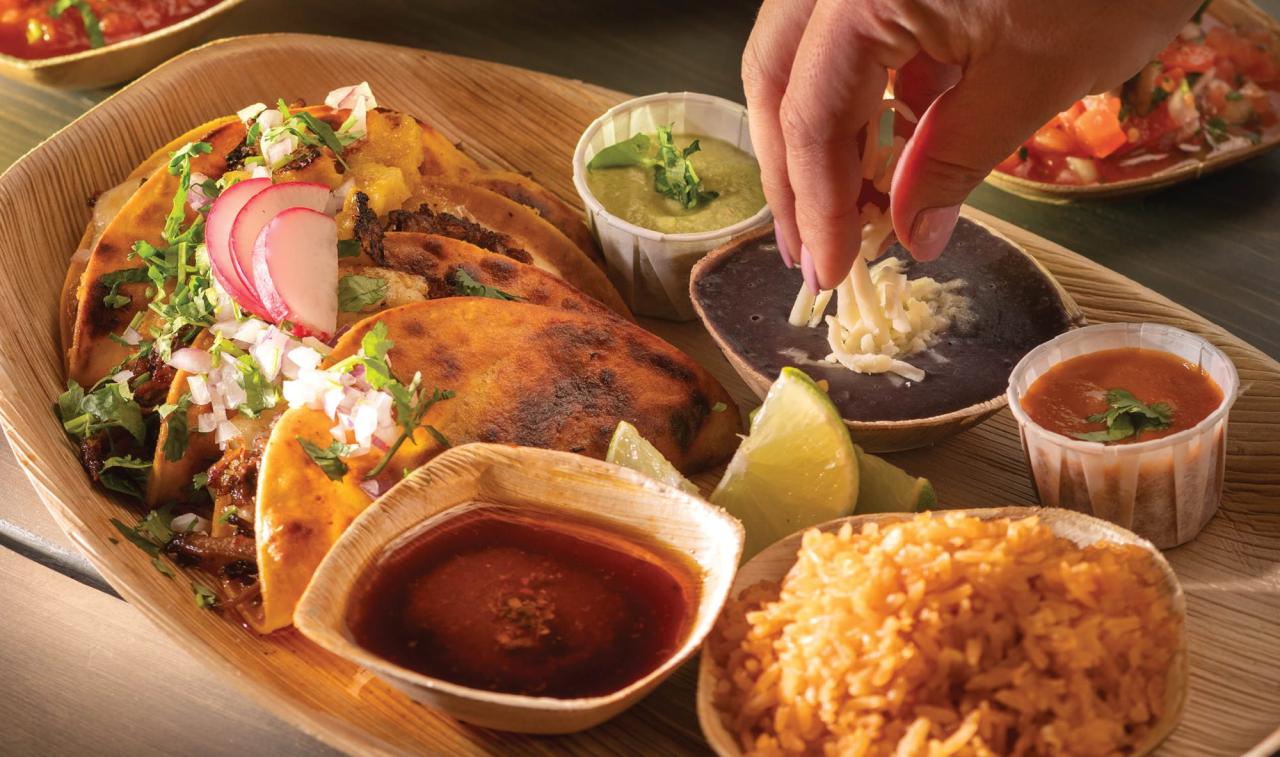
When it comes to enjoying Mexican cuisine, the right beverage can elevate the dining experience significantly. From traditional alcoholic drinks to refreshing non-alcoholic options, pairing drinks with food can enhance flavors and complement the robust profiles of Mexican dishes. This guide explores various drinks that harmonize beautifully with your favorite Mexican meals.
Traditional Beverages for Mexican Dishes
Selecting the proper beverage to accompany Mexican food is essential for a satisfying palate experience. Here are some classic drinks and their ideal dishes:
- Margarita: This iconic cocktail made with tequila, lime juice, and orange liqueur is perfect for pairing with spicy dishes such as tacos al pastor or shrimp ceviche. The acidity of the lime cuts through the richness of the ingredients.
- Horchat a: A sweet, creamy rice-based drink, horchata pairs wonderfully with spicy foods like chiles en nogada. Its milky texture offers a cooling effect and balances out the heat.
- Michelada: This savory beer cocktail is made with lime juice, assorted sauces, and spices. It complements dishes like enchiladas and quesadillas, enhancing their flavors while refreshing your palate.
- Agua Fresca: Light and fruity, agua fresca can be made from various fruits like watermelon, hibiscus, or tamarind. It works well with lighter meals such as fish tacos, providing a sweet contrast to the savory elements.
The Role of Tequila and Mezcal
Tequila and mezcal are central to the Mexican drinking culture, contributing depth and complexity to the dining experience. These spirits are not only sipped neat but also play a significant role in cocktails that accompany meals.
Tequila, particularly when crafted from 100% agave, has a distinct flavor that ranges from earthy to fruity. It’s best paired with grilled meats, where its boldness complements the charred flavors. Mezcal, known for its smokiness, enhances dishes like barbacoa and rich mole sauces. The unique flavor notes of these spirits can transform a meal into a fascinating culinary adventure.
“Tequila and mezcal are not just drinks; they are a celebration of Mexican heritage and cuisine.”
Non-Alcoholic Options for Mexican Cuisine
For those who prefer non-alcoholic beverages, there are numerous options that align beautifully with Mexican dishes. These drinks not only provide refreshment but also enhance the dining experience.
- Fruit Juices: Freshly squeezed juices like orange or pineapple juice can provide a sweet and tangy contrast to spicy dishes, making them ideal for pairing with tacos or tamales.
- Mexican Coke: Made with cane sugar instead of high fructose corn syrup, this classic soda pairs well with hearty meals like carne asada, balancing the richness with its sweetness.
- Tea Infusions: Herbal teas, particularly those made from hibiscus or chamomile, can be refreshing choices to accompany lighter dishes such as salads and grilled vegetables.
- Coconut Water: Known for its hydrating properties, coconut water is a great choice that pairs well with spicy seafood dishes, offering a light and refreshing taste.
Discuss the role of family-owned Mexican restaurants in communities
Family-owned Mexican restaurants serve as vibrant cultural hubs within their communities, offering not only delicious cuisine but also a rich tapestry of traditions and family values. These establishments often act as a bridge between generations, showcasing the significance of family ties and shared culinary heritage. Their presence is felt beyond the kitchen, as they contribute to the local economy and foster community spirit.
Family-owned restaurants play a crucial role in preserving traditional recipes and practices, ensuring that authentic flavors and cooking methods are passed down through generations. These establishments often feature time-honored recipes that have been carefully curated over years of family cooking. Many family-run restaurants prioritize using fresh, local ingredients, which not only enhances the flavor of their dishes but also supports local farmers and suppliers. In doing so, they maintain the essence of Mexican cuisine while adapting to contemporary tastes.
Impact on Local Culture and Economy
The influence of family-owned Mexican restaurants extends deep into the cultural and economic fabric of their communities. Their presence promotes cultural diversity and provides a sense of belonging for those with Mexican heritage. Here are some key points illustrating their impact:
- Cultural Preservation: Family-owned restaurants maintain traditional Mexican customs and culinary practices, allowing patrons to experience authentic cultural dishes.
- Economic Contributions: These establishments often employ local residents, thereby boosting job creation and supporting the local economy.
- Community Engagement: Many family-run restaurants engage in community events and initiatives, fostering a sense of togetherness and local pride.
- Support for Local Producers: By sourcing ingredients locally, these restaurants contribute to the sustainability of the agricultural sector in their area.
Family-owned Mexican restaurants often face economic challenges, particularly during downturns or crises, yet they have displayed remarkable resilience. Communities frequently rally to support these establishments, recognizing their value and contribution. Stories abound of local patrons organizing fundraising events or sharing their experiences on social media to encourage others to dine in these cherished spots.
“When our community rallies together to support our family restaurant during tough times, it’s a testament to the bonds we share and the love for our culture.” – A local restaurant owner
In many cases, these restaurants become gathering spots for community members, where celebrations, holidays, and family milestones are marked by shared meals. The relationships built over the dining table create a network of support that extends well beyond the restaurant’s walls, highlighting how integral these establishments are to the community’s identity and social cohesion.
Explore vegetarian and vegan options in Mexican restaurants
Mexican cuisine is often celebrated for its vibrant flavors and use of fresh ingredients, and it has increasingly embraced vegetarian and vegan options to cater to diverse dietary preferences. As more individuals adopt plant-based lifestyles, Mexican restaurants are adapting traditional dishes to be more inclusive, offering vibrant alternatives that still capture the essence of the cuisine.
Vegetarian and vegan dishes in Mexican restaurants have gained popularity, reflecting a broader trend of demand for plant-based meals. Many traditional recipes can be easily modified to accommodate vegetarians and vegans, allowing for creativity in the kitchen while maintaining the cultural authenticity of the dishes.
Popular vegetarian and vegan dishes
A variety of vegetarian and vegan options can be found in Mexican restaurants, showcasing the adaptability of traditional cuisine to plant-based diets. Here are some common dishes that appeal to those seeking meat-free meals:
- Vegetarian Tacos: Typically filled with a range of ingredients such as grilled vegetables, beans, or avocado, these tacos provide a satisfying alternative to meat-based versions.
- Chiles Rellenos: Traditionally made with stuffed peppers, vegetarian versions often use cheese or quinoa and are baked in a flavorful tomato sauce.
- Vegan Enchiladas: Corn tortillas filled with plant-based ingredients like mushrooms or lentils, topped with red or green sauce, and served with avocado or cashew crema.
- Guacamole: A staple in Mexican cuisine, this creamy avocado dip is naturally vegan and pairs perfectly with tortilla chips or in tacos.
- Elote (Mexican Street Corn): Grilled corn on the cob, slathered with plant-based butter and spices, can easily be made vegan by omitting cheese.
The increasing demand for vegetarian options in the Mexican food scene is evident in the way that restaurants are responding to customer preferences. This shift is not only about accommodating dietary restrictions but also reflects a broader movement towards healthier eating and sustainability. Many establishments are now featuring menus that highlight locally sourced vegetables, beans, and legumes, enhancing the nutritional value of their dishes while staying true to traditional flavors.
Traditional recipes can be adapted for plant-based diets by substituting ingredients without compromising taste. For example, meat can be replaced with flavorful mushrooms or jackfruit, which offer a satisfying texture and absorb spices well. Dairy products are also being creatively substituted with cashew cheese, almond milk, or coconut yogurt, making these dishes accessible for vegans and lactose-intolerant diners alike.
As the interest in vegetarian and vegan dining continues to rise, Mexican restaurants are well-positioned to innovate and expand their menu offerings, ensuring that all guests can enjoy the rich, diverse flavors of Mexican cuisine.
Create a detailed overview of the ingredients commonly used in Mexican cuisine
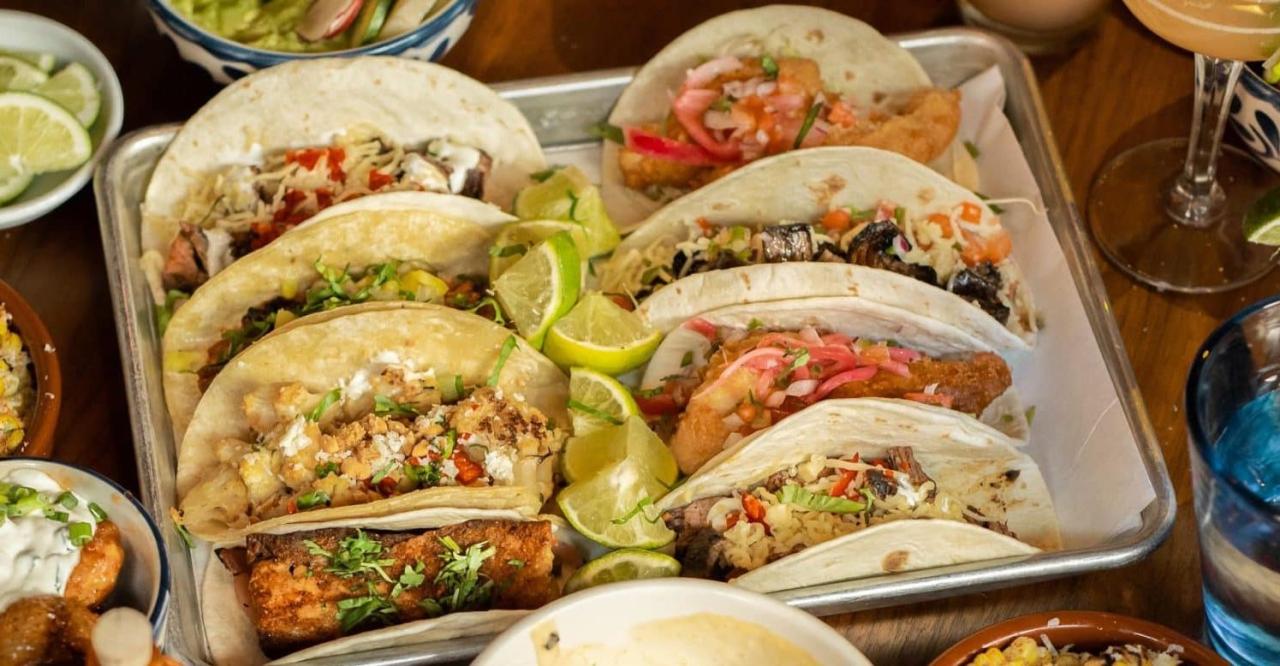
Mexican cuisine is a vibrant tapestry of flavors, colors, and aromas, deeply rooted in history and tradition. The ingredients that form the foundation of this culinary art are not only essential for creating authentic dishes, but they also carry significant cultural implications that vary by region. This overview highlights the staple ingredients common in Mexican cooking, their regional variations, and how to incorporate them into home cooking.
Staple Ingredients and Their Significance
The heart of Mexican cuisine lies in several staple ingredients that are integral to its character. These ingredients are celebrated not only for their flavor but also for their nutritional value and cultural significance. Understanding these staples allows home cooks to embrace the essence of Mexican cooking.
- Chiles: Central to Mexican cooking, chiles come in various forms – fresh, dried, whole, or ground. Different regions favor specific types, such as the smoky chipotle from Oaxaca or the sweet poblano from Puebla. Chiles provide both heat and depth of flavor, making them essential in salsas, sauces, and marinades.
- Corn: As a staple food for centuries, corn is transformed into masa, which is used to make tortillas, tamales, and arepas. Each region has its unique corn varieties, from the white corn in central Mexico to blue corn in the south, reflecting local agricultural practices.
- Beans: Often referred to as the “meat of the poor,” beans are rich in protein and fiber. Varieties like black beans, pinto beans, and red beans are common, each lending distinct flavors to dishes. They often appear in soups, stews, and as sides.
- Tomatoes: Fresh tomatoes and tomatillos are foundational in many salsas, sauces, and stews. The use of these ingredients varies by region; for example, the coastal areas favor more tropical flavors, while central regions utilize a range of heirloom varieties.
- Herbs and Spices: Fresh herbs like cilantro and epazote, along with spices such as cumin and oregano, add aromatic depth to Mexican dishes. They too vary by region, with certain herbs being favored in specific local cuisines.
Regional Variations and Cultural Implications
Mexican cuisine is incredibly diverse, with distinct regional variations influenced by geography, climate, and indigenous cultures. This diversity is reflected in the ingredients used and the dishes created.
- Northern Mexico: Known for its emphasis on beef and game, ingredients like flour tortillas and cheeses are prevalent. The arid climate influences the use of hearty ingredients, with hearty dishes being common.
- Central Mexico: This region is often regarded as the heart of traditional Mexican cuisine, where both corn and beans are staples. Dishes here are known for their complexity and rich flavors, often involving mole sauces that require a variety of ingredients.
- Southern Mexico: Rich in indigenous traditions, this area showcases vibrant flavors with the use of fresh herbs, spices, and tropical fruits. Dishes often incorporate ingredients like avocado and seafood, reflecting the coastal climate.
Using Ingredients in Home Cooking
Incorporating these staple ingredients in home cooking allows for a genuine Mexican culinary experience. Here are some engaging ideas to inspire your cooking:
- Chiles: Begin by experimenting with different types of chiles. For a simple salsa, roast tomatoes and blend them with fresh chiles, garlic, and cilantro. Adjust the heat to your preference.
- Corn: Make fresh tortillas using masa harina, water, and a pinch of salt. Cook them on a hot skillet for a few minutes each side for a delightful base for tacos or enchiladas.
- Beans: Cook dried beans by soaking them overnight, then simmering until tender. Season with onions, garlic, and spices to enhance their flavor and serve as a side or main dish.
- Tomatoes: Use ripe tomatoes to whip up a fresh pico de gallo by combining diced tomatoes, onions, cilantro, lime juice, and salt. It makes a perfect topping for tacos or grilled meats.
- Herbs and Spices: Fresh herbs can elevate any dish; try adding chopped cilantro to your guacamole or sprinkling oregano into your beans for extra flavor.
“Mexican cuisine is not just about eating; it’s about savoring the culture, history, and traditions that come in every bite.”
Examine the use of technology in Mexican restaurants
The integration of technology in Mexican restaurants has reshaped the dining experience, significantly enhancing customer service and operational efficiency. From online ordering systems to social media marketing, technology plays a pivotal role in how these establishments connect with customers and streamline their services.
Enhancements in Customer Service
Technology has revolutionized customer service in Mexican dining by introducing various tools that make the dining experience more convenient and enjoyable. For instance, many restaurants now offer mobile apps that allow customers to place orders directly from their phones. This not only saves time but also minimizes wait times during peak hours. A notable example is Chipotle, which has successfully implemented a mobile ordering system that enables customers to customize their meals and pick them up without waiting in line.
Moreover, restaurants like El Pollo Loco leverage online reservation systems, allowing guests to secure tables ahead of time, particularly useful during busy dinner hours or special events. The adoption of contactless payment systems has also enhanced customer satisfaction by providing secure and efficient ways to settle bills.
Successful Use of Apps and Online Services
The use of apps and online services has become essential for many Mexican restaurants, providing a seamless connection between the restaurant and its patrons. Here are some examples of how restaurants are utilizing technology effectively:
- Taco Bell: Their mobile app not only facilitates easy ordering but also includes loyalty programs, allowing customers to earn rewards for their purchases.
- Moe’s Southwest Grill: This restaurant offers an online ordering system that integrates with their loyalty program, making it easy for guests to earn points and redeem rewards.
- Los Tacos No. 1: By using a robust online presence, they allow customers to view their menu, place orders for pickup, or find the nearest location, enhancing convenience for diners.
These examples showcase how technology can foster a stronger relationship between restaurants and their customers, leading to increased sales and customer loyalty.
Benefits of Social Media for Promotion
Social media platforms serve as powerful tools for promoting Mexican restaurants, allowing them to reach a wider audience and engage with customers more effectively. The visual appeal of Mexican cuisine makes it particularly well-suited for platforms like Instagram and Facebook, where vibrant photos of dishes can attract attention and stimulate appetite.
Restaurants can utilize social media to share special promotions, new menu items, and behind-the-scenes content, creating a sense of community and connection with their audience. For instance, Casa Oaxaca utilizes Instagram to showcase their authentic dishes and vibrant atmosphere, driving traffic to their physical location and online ordering platforms.
Additionally, social media provides opportunities for customer interaction through feedback or reviews, which can enhance a restaurant’s reputation when managed well. Engaging with customers through comments and messages fosters a loyal customer base while also attracting new diners looking for recommendations.
In summary, the strategic use of technology and social media is essential for modern Mexican restaurants, enhancing customer service, improving operational efficiency, and promoting brand loyalty.
Concluding Remarks
In conclusion, the realm of Mexican restaurants is a vibrant tapestry woven with history, culture, and evolving culinary practices. From the family-owned gems that keep traditions alive to the innovative chains reimagining classic dishes, each establishment contributes to the rich narrative of Mexican cuisine. As diners continue to seek authentic experiences paired with modern twists, the future of Mexican restaurants promises to be as flavorful and exciting as ever.
FAQ Resource
What are the most popular dishes at Mexican restaurants?
Some of the most popular dishes include tacos, enchiladas, burritos, and quesadillas, often accompanied by salsas and guacamole.
Are Mexican restaurants suitable for vegetarians?
Yes, many Mexican restaurants offer a variety of vegetarian options, including bean dishes, cheese enchiladas, and vegetable tacos.
What should I drink with my Mexican meal?
Traditional beverages such as horchata, agua fresca, and various tequila-based cocktails pair wonderfully with Mexican food.
How can I find authentic Mexican restaurants?
Look for family-owned establishments, check reviews for authenticity, and seek out places with a diverse menu that features traditional dishes.
Do Mexican restaurants offer gluten-free options?
Many Mexican restaurants provide gluten-free choices, especially with corn-based dishes like tortillas and tacos, but it’s always best to ask.